


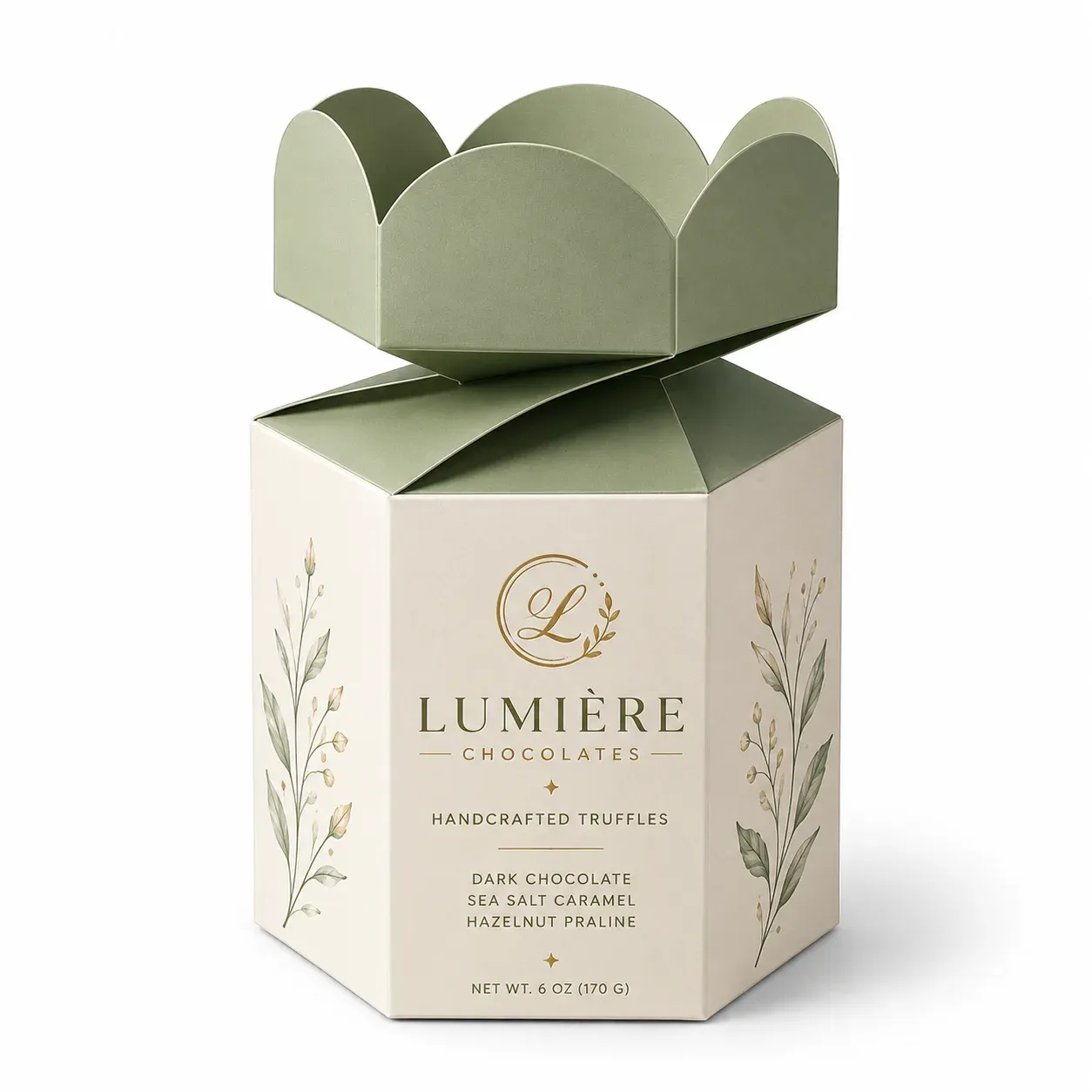
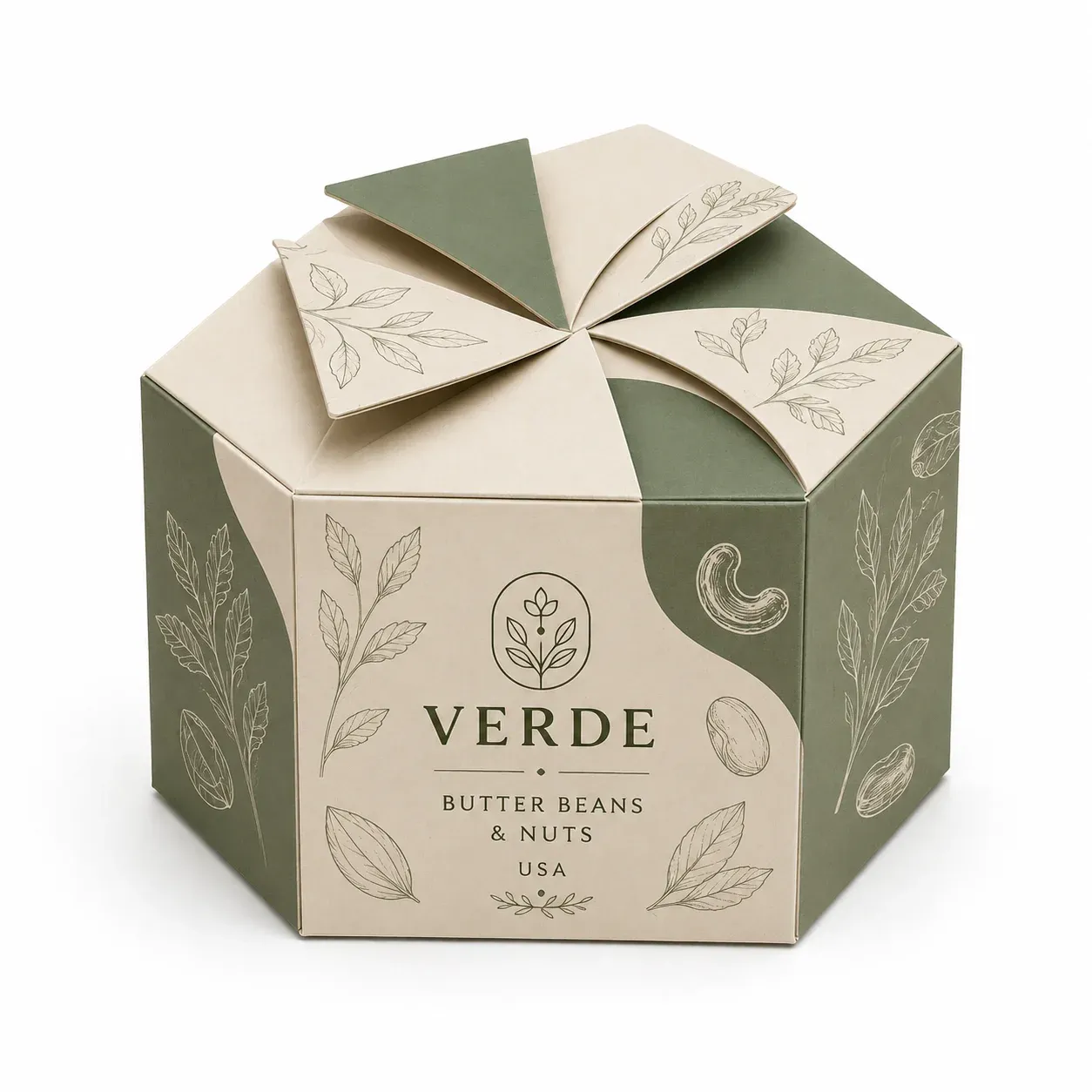
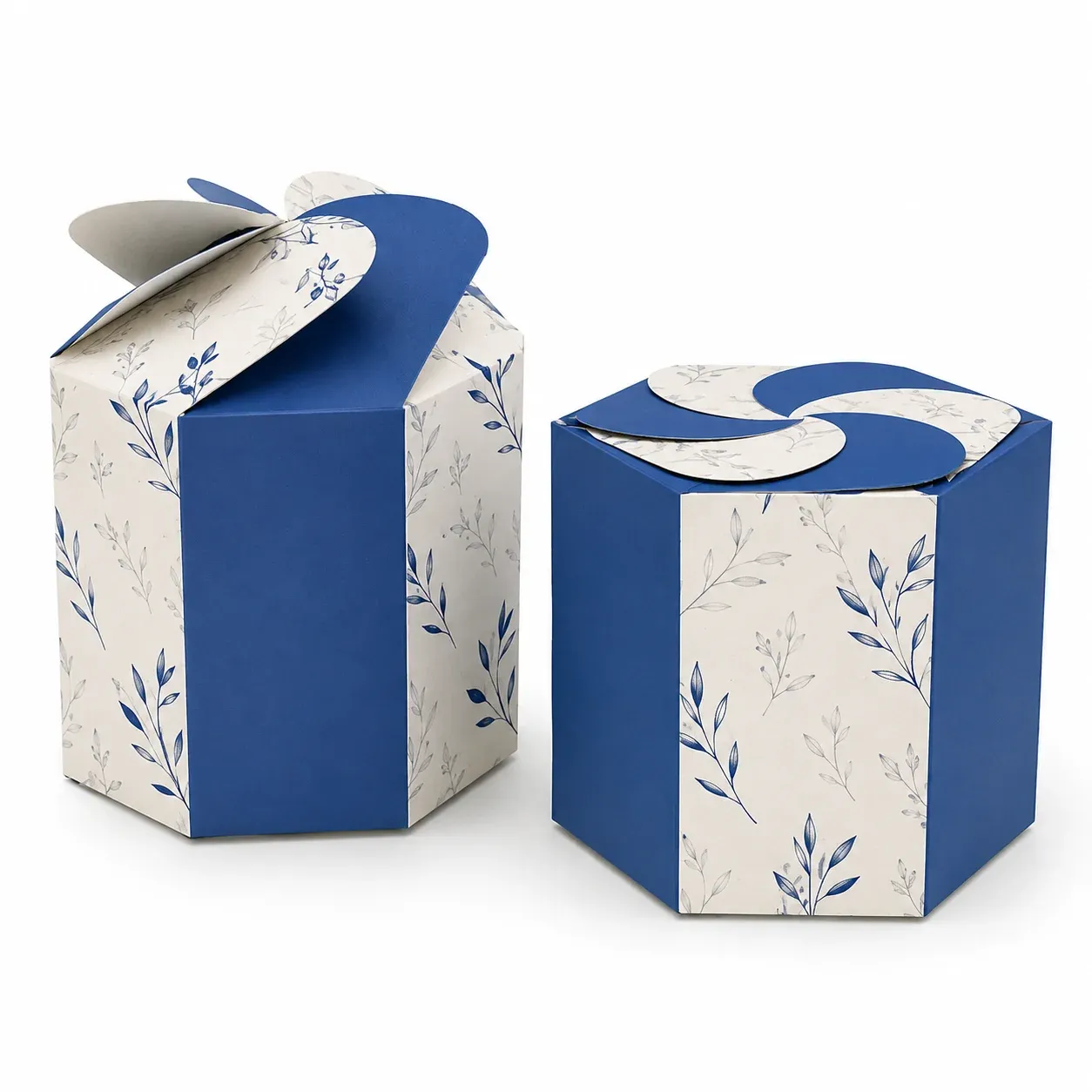
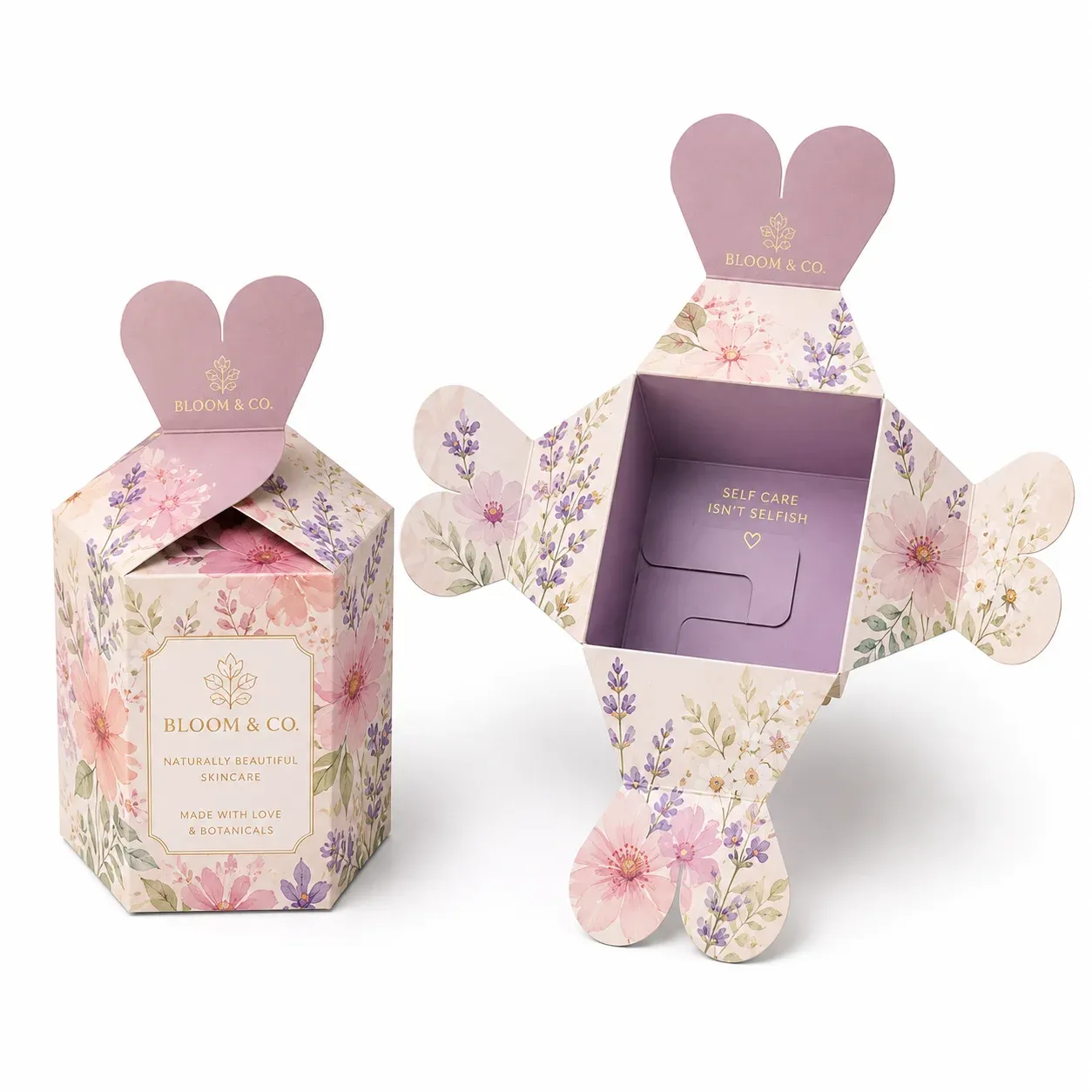
Custom Twist Top Boxes: The Complete Guide to Premium Packaging That Sells
Introduction
Custom twist top boxes are rigid, cylindrical packaging containers with a lid that twists onto the base to create a secure, reusable closure. Cosmetic brands, candle makers, chocolatiers, and CBD companies use them because they protect delicate products while delivering a premium, tactile unboxing moment that ordinary tuck boxes can’t match.
Packaging stopped being a container a long time ago. Today it’s a marketing channel, a brand ambassador, and often the very first physical experience a customer has with a company. A twist top box sits right at the intersection of protection and presentation — it shields what’s inside while giving the customer something satisfying to interact with before they even get there.
This is exactly why small businesses, ecommerce sellers, and luxury brands keep gravitating toward the format. Small brands like it because a round box with a twist lid stands out immediately next to a shelf full of rectangular competitors. Luxury brands like it because the twist mechanism itself feels expensive — there’s a small ceremony built into simply opening one. Subscription box companies like it because the container gets reused, which means the branding stays visible in a customer’s home long after the product inside is gone.
According to Packaging Box packaging specialists, structural upgrades like a twist top format tend to correlate with higher perceived product value and stronger repeat-purchase behavior, particularly in categories where the unboxing experience is part of what customers are paying for. This guide walks through everything a business needs to know before placing an order for custom twist top boxes — materials, printing, finishes, sustainability, industry-specific use cases, and the full manufacturing timeline.
What Are Custom Twist Top Boxes?
Custom twist top boxes are rigid, cylindrical packaging units with a lid that screws or twists onto the base to form a tamper-resistant seal. Built from rigid board or heavy paperboard, they’re fully customizable in size, print design, and finish, and they’re engineered to be opened and closed repeatedly without the closure weakening.
Definition and Structure
A twist top box has two parts: the base, which holds the product, and the lid, which twists onto threaded or friction-fit grooves along the rim. Unlike a slip-lid box that simply lifts off, the twist action locks the lid in place, so the box resists accidental opening in transit or on a delivery truck.
The Opening Mechanism
The closure works through a ridged or threaded interior lip. Rotating the lid engages it with grooves on the base — similar in principle to a jar lid, but adapted for rigid paperboard construction. That’s what gives twist top boxes their durability advantage: the closure doesn’t degrade with repeated use the way glued flaps or adhesive-backed magnetic closures eventually do.
How They’re Manufactured
Most twist top boxes are built from wrapped rigid board — a dense, non-corrugated paperboard laminated with printed paper. The cylinder is formed around a mold, and the base and lid are produced as separate components before being precision-fitted to twist together.
Key Benefits
- Reusable and refillable, which extends brand exposure well past the point of sale
- Secure, locking closure that protects contents during shipping and handling
- A distinctive cylindrical shape that stands apart from standard box shapes
- A naturally premium look and feel with minimal added finishing
- Well suited to powders, loose items, delicate objects, and gift products
Why Businesses Choose Twist Top Boxes
Businesses choose twist top boxes because the format signals premium quality, improves product protection, and creates a more memorable unboxing experience than flat, rectangular alternatives — all of which feed directly into brand recall and repeat purchases.
Branding Impact
A cylindrical box wrapped in a custom-printed design gives you a full 360-degree branding surface. A rectangular box only shows its logo from one angle at a time; a twist top box keeps your brand visible no matter how it’s turned on a shelf, in a photo, or in someone’s hands.
Premium Appearance
The weight of the lid and the smoothness of the twist communicate quality before a customer ever sees the product itself. That first-touch impression matters enormously in categories like cosmetics, candles, and jewelry, where perceived value directly shapes what someone is willing to pay.
Customer Experience
Unboxing has become part of the product itself, especially with social platforms built around unboxing content. A twist top box adds a genuine moment of interaction — the twist, the resistance, the reveal — that a simple tuck-flap box skips entirely.
Product Protection
The interlocking twist keeps the lid secured throughout shipping, which cuts down on spillage and damage claims for loose or fragile contents such as bath salts, loose-leaf tea, or small jewelry pieces.
Shelf Impact and Repeat Purchases
Because the boxes are reusable, customers often keep them for storage. That means your branding keeps sitting on a bathroom shelf or a nightstand long after the original purchase — a form of ongoing, passive marketing that flat packaging almost never achieves.
Twist Top Boxes vs. Slip Lid and Straight Tuck Boxes
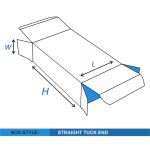
Twist top boxes use a rotating, threaded closure that locks the lid to the base, while slip lid boxes simply lift off and straight tuck boxes rely on folded flaps with no locking mechanism at all. The tradeoff is straightforward: more closure security in exchange for a slightly higher unit cost.
| Feature | Twist Top Box | Slip Lid Box | Straight Tuck Box |
|---|---|---|---|
| Closure Security | High (locking) | Low-Moderate | Low |
| Reusability | Excellent | Good | Poor |
| Shape | Cylindrical | Cylindrical or square | Rectangular |
| Best For | Loose or fragile items, gifting | Rigid gift boxes | High-volume retail/shipping |
| Relative Cost | Higher | Moderate | Lower |
Straight tuck boxes remain the more economical option for high-volume retail and shipping runs where the product itself doesn’t need a locking closure. Twist top boxes earn their higher price point when the contents are loose, fragile, or being positioned as a gift or premium retail item.
Materials Used in Custom Twist Top Boxes
The material a business selects determines the durability, print quality, and overall cost of its twist top boxes. The five most common options are rigid board, cardboard, corrugated board, kraft paper, and paperboard, each suited to a different budget and product type.
Rigid Board
Rigid board (also called set-up box board) is the industry standard for twist top boxes because of its strength and premium feel. It holds its cylindrical shape permanently and provides an excellent surface for high-end finishes like foil stamping and embossing.
- Advantages: Extremely durable, premium feel, holds shape permanently
- Disadvantages: Higher cost, heavier for shipping
Cardboard
Lightweight cardboard sometimes gets used for smaller or lower-cost twist top boxes, particularly for sample-size cosmetics or other lightweight items.
- Advantages: Cost-effective, lightweight
- Disadvantages: Less rigid, may need reinforcement around the twist mechanism
Corrugated Board
Corrugated board is less common for twist top boxes specifically but occasionally appears in larger or heavier-duty containers that need extra shipping protection.
- Advantages: Strong impact resistance, good for shipping
- Disadvantages: Bulkier, less refined finish than rigid board
Kraft Paper
Kraft paper is frequently used as a wrap or liner for twist top boxes aimed at eco-conscious brands, giving the packaging a natural, rustic look.
- Advantages: Eco-friendly appeal, recyclable, natural aesthetic
- Disadvantages: Limited color vibrancy compared to coated stocks
Paperboard
Paperboard sits between cardboard and rigid board on both cost and durability, making it a middle-ground option for brands balancing budget against quality.
- Advantages: Reasonable cost, decent print quality
- Disadvantages: Less durable than rigid board over repeated use
Material Selection Guide
| Material | Durability | Cost | Best For |
|---|---|---|---|
| Rigid Board | Very High | High | Luxury cosmetics, jewelry, gifting |
| Cardboard | Moderate | Low | Small samples, lightweight items |
| Corrugated | High | Moderate | Heavier products, extra shipping protection |
| Kraft Paper | Moderate | Low-Moderate | Eco-friendly, artisanal brands |
| Paperboard | Moderate-High | Moderate | Mid-tier retail products |
Printing Options for Custom Twist Top Boxes
The right printing method for a twist top box depends on order volume, color complexity, and budget. The four most common methods are offset printing, digital printing, screen printing, and flexographic printing.
Offset Printing
Offset printing presses CMYK and Pantone-matched inks onto large sheets, making it the standard choice for high-volume orders that need precise, vibrant, and consistent color.
- Best for: Large orders (500+ units), detailed artwork, exact Pantone matching
Digital Printing
Digital printing prints straight from a digital file with no plates required, which makes it well suited to small-batch orders, prototypes, or brands testing a new design before committing to volume.
- Best for: Small orders, quick turnaround, variable data printing
Screen Printing
Screen printing pushes ink through a mesh stencil directly onto the box surface. It’s often chosen for bold, one- or two-color designs, especially when a brand wants a more artisanal or matte look.
- Best for: Simple bold designs, textured or uncoated surfaces
Flexographic Printing
Flexographic printing uses flexible relief plates and is common on larger production runs where speed and cost-efficiency matter more than fine detail.
- Best for: High-volume runs, simpler designs, cost efficiency
Industry best practices recommend offset printing whenever brand-critical color accuracy is non-negotiable, digital printing for startups still testing designs before a bulk commitment, and screen or flexographic printing for large volumes on a tighter budget.
Premium Finishes That Elevate Twist Top Packaging
Premium finishes turn a plain twist top box into a luxury product by adding texture, shine, or contrast that reads as quality the moment a customer touches it. The most common finishes are foil stamping, spot UV, lamination, embossing, and debossing.
Gold, Silver, and Holographic Foil
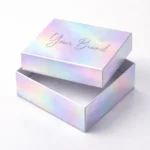
Foil stamping applies a thin metallic layer using heat and pressure, and it’s widely used for logos, borders, or accent details on cosmetic and luxury gift packaging.
Spot UV
Spot UV coating adds a glossy, raised varnish to specific design elements, creating contrast against a matte background — a favorite technique for making a logo pop without covering the whole box in gloss.
Soft Touch Lamination
Soft touch lamination gives a box a velvety, matte texture that feels smooth against the hand, and it shows up constantly in cosmetics and high-end retail packaging.
Matte and Gloss Lamination
Matte lamination creates a non-reflective, understated finish. Gloss lamination does the opposite, producing a shiny surface that makes printed colors look more saturated.
Embossing and Debossing
Embossing raises a design above the surface of the box, while debossing presses it inward. Both add a dimensional, tactile quality that flat printing simply can’t replicate.
Customization Options
Custom twist top boxes can be tailored well beyond print and finish, including window cut-outs, protective inserts, magnetic closures, ribbons, handles, die-cut shapes, and fully custom sizing built around a specific product.
Window Cut-Outs
A die-cut window lets customers see the product before opening the box — especially effective for candles, jewelry, and gift items where visual appeal drives the purchase decision.
Inserts
Custom-fitted inserts made from foam, cardboard, or molded paperboard keep products secure in transit and create a more polished presentation the moment the box is opened.
Magnetic Closures
Some twist top boxes add a secondary magnetic closure to the lid for an extra layer of security and a more satisfying tactile click.
Ribbons and Handles
Ribbons add a gifting touch, and integrated handles improve portability for larger twist top boxes used in gift sets or subscription boxes.
Die-Cut Shapes and Custom Sizes
Beyond the standard cylinder, twist top boxes can be produced in custom diameters, heights, and even irregular cross-sections to fit a unique product or a brand-specific silhouette.
Sustainability in Twist Top Packaging
Sustainable custom twist top boxes are built from recyclable materials, FSC-certified paper, soy-based inks, and biodegradable components, letting brands lower their environmental footprint without giving up a premium presentation.
Recyclable Materials
Most rigid board and kraft-based twist top boxes are fully recyclable when they’re free of non-paper laminates, making them a solid choice for brands prioritizing circular packaging.
FSC-Certified Paper
Paper certified by the Forest Stewardship Council (FSC) comes from responsibly managed forests, giving a brand a verifiable sustainability claim it can actually communicate to customers.
Soy-Based Inks
Soy inks are a lower-impact alternative to petroleum-based inks, reducing volatile organic compound (VOC) emissions during printing.
Biodegradable Packaging
Some twist top boxes now use biodegradable coatings in place of traditional plastic laminates, letting the packaging break down naturally after disposal.
Eco-Friendly Manufacturing
Guidance from the Sustainable Packaging Coalition and the U.S. Environmental Protection Agency (EPA) points to reducing material waste and choosing recyclable substrates as among the most effective steps a packaging manufacturer can take to lower environmental impact. Packaging Box aligns its production practices with these industry standards wherever it’s practical to do so.
Industry Applications
Custom twist top boxes get used across a wide range of industries, and each one leans on the format’s premium look, secure closure, and reusability a little differently depending on what the product actually needs.
Cosmetics
Cosmetic brands use twist top boxes for loose powders, bath products, and gift sets, where the reusable format keeps the brand visible on a customer’s vanity long after purchase.
Candles
Candle makers favor twist top boxes for shipping protection and for a premium unboxing moment that matches the price point of an artisanal or luxury candle.
Chocolate
Chocolatiers use twist top boxes to protect delicate confections while giving gift buyers an elegant presentation that feels right for holidays and special occasions.
Wine
Wine and spirits brands sometimes use oversized twist top boxes, or pair them with wine gift baskets, for a complete premium gifting experience.
Jewelry
Jewelry brands lean on the secure twist closure to keep small, valuable items from shifting or falling out in transit, usually paired with a soft insert for extra protection.
Electronics
Small electronics and accessories brands use twist top boxes for a modern, tech-forward unboxing presentation that sets them apart from generic retail packaging.
Healthcare
Healthcare and wellness brands use twist top boxes for supplements, tinctures, and personal care items that need tamper-evident, secure closures.
CBD and Cannabis
CBD and cannabis brands frequently choose twist top boxes for child-resistant options and compliance-friendly packaging that still feels premium and on-brand.
Condoms and Personal Care
Personal care brands use compact twist top boxes for discreet, secure, reusable packaging that fits easily into a bag or a drawer.
Luxury Gifts
Gift companies use twist top boxes as a near-universal premium container, adaptable to almost any small luxury item — jewelry, confections, specialty foods, and beyond.
Packaging Design Tips
Effective design for a twist top box balances color psychology, typography, and brand storytelling to create an unboxing experience that reinforces identity and encourages someone to buy again.
Color Psychology
Color shapes purchase decisions on a subconscious level. Warm tones like red and orange tend to convey energy and urgency, while cool tones like blue and green often communicate trust and calm. Pick a palette that matches your brand’s emotional positioning, not just its logo colors.
Typography
Clean, legible typography matters even on a curved cylindrical surface. Save decorative fonts for logos and brand names, and keep essential information like ingredients or usage instructions in something easy to read at a glance.
Branding and Logos
Consistent logo placement on the front-facing panel keeps a twist top box recognizable even when it’s viewed at an angle on a shelf.
The Unboxing Experience
Packaging engineers generally recommend designing the entire unboxing sequence intentionally — from the first twist of the lid to the reveal of the product — since every step is a chance to reinforce quality and build a little delight into the experience.
Customer Psychology
Premium finishes, a satisfying closure, and a thoughtful insert all create a psychological link between packaging quality and the perceived value of what’s inside, which can support a higher price point than the product would otherwise justify.
Manufacturing Process
The manufacturing process for custom twist top boxes runs through concept development, material selection, prototyping, printing, finishing, assembly, quality control, and shipping — typically two to four weeks from design approval to delivery.
- Concept and Design — The client submits artwork or works with a design team to build dielines and print-ready files.
- Material Selection — Based on budget and product needs, the right board (rigid, kraft, paperboard) gets chosen.
- Prototyping — A sample or digital proof is produced for client approval before full production starts.
- Printing — The chosen method (offset, digital, screen, or flexographic) applies the approved design to the material.
- Finishing — Foil stamping, embossing, lamination, or spot UV get applied as specified.
- Die Cutting and Forming — Flat printed sheets are die-cut and formed into the cylindrical base and lid.
- Assembly — The base and lid are fitted and tested to confirm a smooth, secure twist closure.
- Quality Control — Boxes are inspected for print accuracy, structural integrity, and closure function.
- Packing and Shipping — Finished boxes are packed flat or pre-assembled, depending on the order, and shipped to the client.
How to Order Custom Twist Top Boxes
Ordering custom twist top boxes involves choosing dimensions, selecting a material, submitting artwork, approving a proof, and confirming production and shipping timelines — a process Packaging Box guides clients through from the first measurement to final delivery.
Step 1: Choosing Dimensions
Measure your product carefully, including any inserts, to land on the diameter and height that gives you a snug, protective fit.
Step 2: Selecting Material
Match material to budget and brand positioning: rigid board for luxury products, kraft or paperboard for cost-conscious or eco-focused brands.
Step 3: Artwork Submission
Submit print-ready artwork in CMYK or Pantone color formats, or work with a design team to build the artwork from scratch.
Step 4: Printing and Proofing
Review a digital or physical proof before full production begins to catch color, sizing, or design issues early, while they’re still cheap to fix.
Step 5: Production
Once the proof is approved, the manufacturer moves into full-scale printing, finishing, and assembly.
Step 6: Shipping
Finished boxes ship based on order volume and delivery timeline, with flat-packed or pre-assembled options depending on your storage needs.
What Influences the Cost of Custom Twist Top Boxes?
The cost of a custom twist top box depends on material, size, printing method, finishes, and order volume, with larger runs bringing the per-unit price down significantly through standard economies of scale.
Rigid board with premium finishes like foil stamping or soft touch lamination sits at the higher end of the price range, while kraft or paperboard boxes with simpler digital printing cost considerably less. Minimum order quantities (MOQs) also affect pricing: digital printing generally supports smaller runs at a higher per-unit cost, while offset printing needs more volume to become cost-effective but delivers a lower price per unit once you clear that threshold. Businesses testing a new product should ask specifically about low-MOQ digital options before committing to a large offset run.
Common Mistakes to Avoid
The most common mistakes businesses make when ordering custom twist top boxes are skipping the prototype stage, choosing the wrong material for the product’s weight, underestimating lead times, and ignoring the color difference between a digital proof and final print.
- Skipping prototypes: Approving a design without a physical sample often leads to costly reprints if the twist mechanism doesn’t fit properly.
- Wrong material for product weight: Choosing lightweight cardboard for a heavier product can cause the box to warp or the closure to loosen over time.
- Ignoring color calibration: Screen colors (RGB) don’t always match printed colors (CMYK/Pantone), so relying only on a digital mockup can lead to an unwelcome surprise.
- Underestimating lead times: Custom printing, finishing, and die cutting all take time — ordering too close to a launch date creates avoidable fulfillment delays.
- Overlooking minimum order quantities: Many manufacturers set MOQs that affect per-unit pricing, so it pays to plan inventory needs ahead of time.
Future Packaging Trends
The future of custom twist top boxes is being shaped by smart packaging technology, AI-assisted design tools, and deeper sustainable material innovation, giving brands new ways to engage customers while cutting environmental impact at the same time.
AI-Driven Packaging Design
AI tools are increasingly used to generate design variations, model shelf impact, and speed up prototyping before a single physical sample gets produced.
Smart Packaging
Smart packaging builds sensors or indicators directly into the box structure — useful in categories like healthcare and food, where freshness or tampering indicators add real value.
QR Codes and NFC
QR codes and NFC (Near Field Communication) chips embedded in packaging let customers instantly pull up product information, verify authenticity, or access loyalty programs with a tap or scan.
Personalization
On-demand digital printing is making personalized packaging — customer names, custom messages, limited-edition designs — increasingly affordable even at smaller order volumes.
Sustainable Innovations
Expect continued growth in plant-based coatings, mono-material designs built for easier recycling, and wider use of FSC-certified and post-consumer recycled materials across the packaging industry.
Conclusion
Custom twist top boxes combine structural security, premium presentation, and reusable functionality in a way few other packaging formats can match. From cosmetics and candles to jewelry, wine, and healthcare products, the format gives brands a distinctive, shelf-standing container that reinforces quality at every touchpoint — from first glance to final twist.
Choosing the right material, printing method, and finish comes down to your product, your budget, and your brand’s positioning. But the underlying advantages — protection, reusability, and premium appeal — hold up across nearly every industry that uses the format. Working with an experienced packaging manufacturer ensures the twist mechanism is engineered correctly from the first prototype through full-scale production.
Frequently Asked Questions
1. What are custom twist top boxes used for? Custom twist top boxes package products that benefit from a secure, reusable closure — cosmetics, candles, chocolates, jewelry, and CBD products among them. The twist mechanism keeps the lid firmly attached during shipping and lets customers reopen and reseal the container repeatedly without damaging the closure. Brands across cosmetics, food, healthcare, and luxury gifting choose this format specifically for the combination of protection and premium presentation it offers. Because the packaging is reusable, it also keeps representing the brand long after the original product is gone.
2. What materials are twist top boxes made from? Twist top boxes are most commonly made from rigid board, though cardboard, corrugated board, kraft paper, and paperboard all show up depending on the product and budget. Rigid board is preferred for luxury applications because it holds its cylindrical shape permanently and supports premium finishes like foil stamping and embossing. Lighter materials like cardboard or paperboard tend to get chosen for cost-sensitive orders or lightweight products. The right material ultimately depends on product weight, budget, and how the box needs to look on a shelf.
3. How much do custom twist top boxes cost? Cost varies based on material, size, printing method, finishes, and order quantity. Rigid board boxes with premium finishes like foil stamping generally cost more than simpler kraft or paperboard versions. Larger order volumes reduce per-unit cost significantly through standard economies of scale in printing and production. For an accurate quote based on specific needs, it’s best to contact a packaging manufacturer directly with exact product specifications rather than rely on general estimates.
4. What is the minimum order quantity for custom twist top boxes? Minimum order quantities (MOQs) vary by manufacturer and depend heavily on the printing method, with digital printing generally supporting smaller runs than offset printing. Many manufacturers offer MOQs starting in the low hundreds for digital printing, while offset printing typically needs a larger volume to stay cost-effective. Businesses testing a new product or design should ask specifically about low-MOQ options before committing to a large production run. Packaging Box can advise on the most cost-effective quantity for a given goal.
5. How long does it take to manufacture custom twist top boxes? Manufacturing timelines typically run two to four weeks from design approval to completed production, though this varies with order complexity and finishing options. Prototyping, printing, finishing, die cutting, and assembly all add time to the overall process. Rush production is sometimes available for an added cost, but it’s smart to plan ahead, especially around peak seasons like the holidays. Shipping time is separate from production time and needs to be factored into any launch timeline.
6. Can twist top boxes be recycled? Most twist top boxes made from rigid board, kraft paper, or paperboard are recyclable, provided they’re free of non-paper laminates or plastic components. FSC-certified paper and soy-based inks further support a brand’s sustainability goals without compromising print quality. Businesses aiming for a fully eco-friendly package should specify recyclable and biodegradable materials at the time of ordering. It’s also worth checking local recycling guidelines, since rules vary by region.
7. What printing method is best for custom twist top boxes? The best method depends on order volume and design complexity: offset printing is ideal for large runs that need precise color matching, while digital printing suits smaller batches or rapid prototyping. Screen printing works well for bold, simple designs, and flexographic printing is efficient for high-volume, cost-conscious production. It’s worth discussing design complexity and volume needs directly with a packaging manufacturer to land on the most cost-effective option.
8. What finishes can be applied to twist top boxes? Popular finishes include gold, silver, and holographic foil stamping, spot UV coating, soft touch lamination, matte and gloss lamination, and embossing or debossing. Each serves a different purpose — foil and spot UV add shine and contrast, while soft touch lamination adds a tactile, velvety texture. Combining finishes, like matte lamination with spot UV accents, is a common way to build visual depth into premium packaging.
9. Are twist top boxes suitable for shipping fragile products? Yes. The secure twist closure prevents accidental opening during transit, and custom inserts can be added for extra protection. Jewelry, small electronics, and delicate confections all benefit from pairing a secure lid with a fitted interior insert. For particularly fragile items, it’s still worth using a corrugated outer shipping box in addition to the twist top presentation box itself.
10. Can I get custom sizes for twist top boxes? Yes — custom twist top boxes can be manufactured in nearly any diameter and height to fit a specific product rather than relying on standard stock sizes. Custom sizing reduces product movement during shipping and improves the overall presentation. Businesses should provide precise product measurements, including any inserts, when requesting a custom size quote from their manufacturer.
11. What industries use custom twist top boxes the most? Cosmetics, candle, chocolate, wine, jewelry, healthcare, and CBD industries are among the heaviest users, thanks to the format’s combination of secure closure and premium presentation. Subscription box companies and luxury gift brands also lean on it frequently because of its reusability and strong shelf presence. The format’s versatility makes it adaptable across nearly any small-to-mid-sized product category.
12. How do I design artwork for a twist top box? Artwork should be designed on a manufacturer-provided dieline, which maps the cylindrical surface, lid, and base as a flat template before it’s formed into shape. Designers need to account for the curved surface when placing text or logos to avoid distortion once the box is assembled. Submitting artwork in CMYK or Pantone-matched color formats, along with high-resolution images (300 DPI or higher), helps ensure accurate print reproduction.
13. What is the difference between a twist top box and a slip lid box? A twist top box uses a rotating, threaded closure that locks the lid to the base, while a slip lid box has a lid that simply lifts straight off with no locking mechanism. The twist offers meaningfully more security during shipping and repeated use, making it better suited to loose or fragile contents. Slip lid boxes are simpler and cheaper to manufacture but offer less closure security than a twist top design.
14. Can twist top boxes include a window cut-out? Yes — window cut-outs can be added to the lid or side of a twist top box, letting customers see the product without opening the container. This is popular for candles, jewelry, and gift items where visual appeal plays a strong role in the purchase decision. Window cut-outs are usually paired with a clear PET or PVC film insert to protect the product while keeping it visible.
15. Where can I order custom twist top boxes? Custom twist top boxes can be ordered directly from a specialized packaging manufacturer like Packaging Box, which handles design, material selection, printing, finishing, and production in-house. Working with an experienced manufacturer helps ensure the twist mechanism is engineered correctly and the finished product matches brand specifications. Businesses can request a free quote by visiting packagingbox.us, calling +1 (424) 240-5630, or emailing sales@packagingbox.us.
Ready to Order Custom Twist Top Boxes?
Premium packaging isn’t a luxury — it’s a growth strategy. Whether you’re launching a new cosmetics line, upgrading candle packaging, or building a luxury gifting brand, Packaging Box can design and manufacture custom twist top boxes engineered to protect your product and elevate your brand.
Request a free quote today:
📞 Call +1 (424) 240-5630 ✉️ Email sales@packagingbox.us 🌐 Visit packagingbox.us/custom-twist-top-boxes
Let’s build packaging that turns first-time buyers into lifelong customers.