


Custom Underwear Packaging: The Complete Guide to Boxes, Materials, and Brand Presentation
The Power of the First Physical Impression
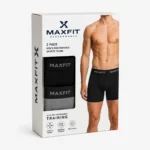
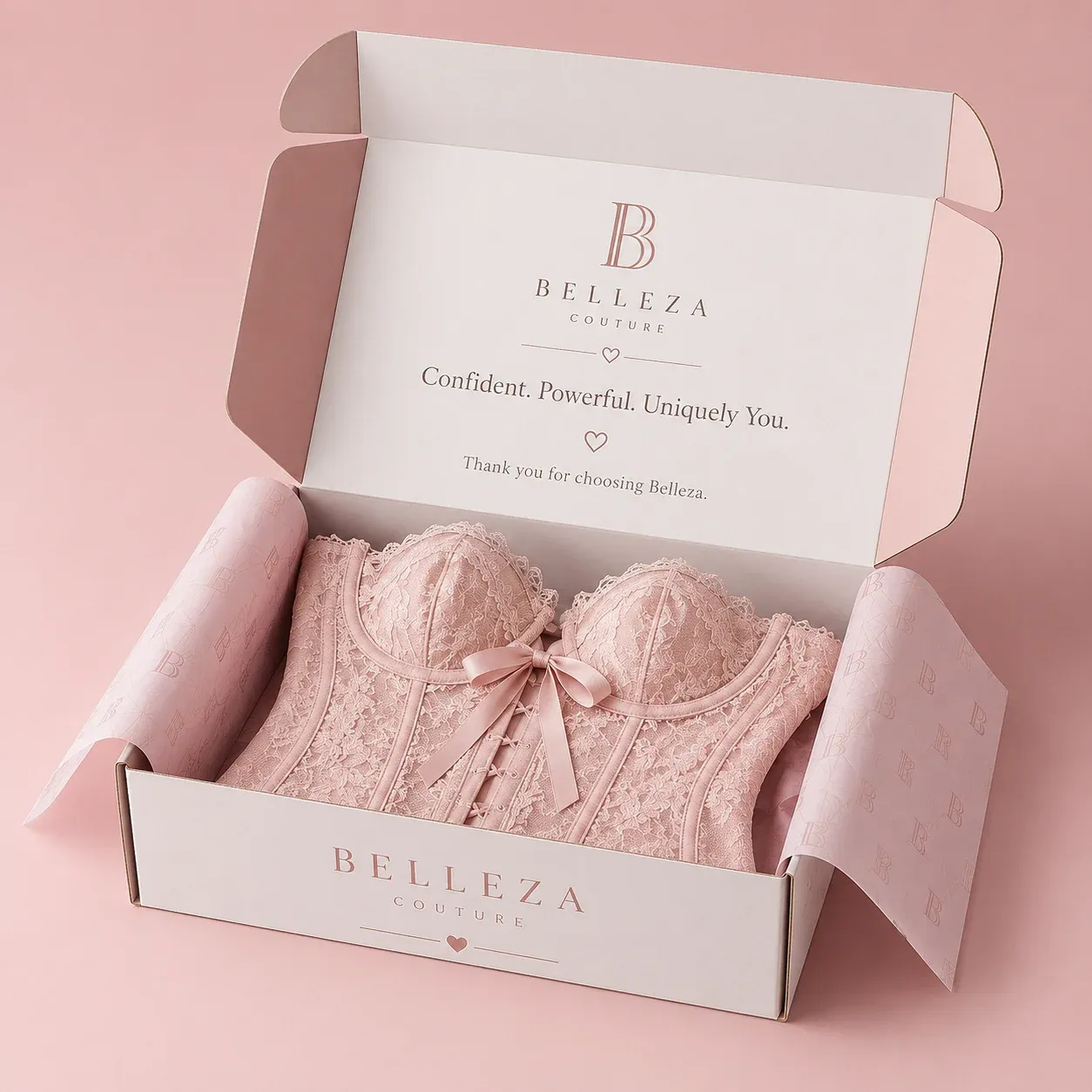
Before a customer ever tries on a pair of underwear, they hold the box. That box is often the very first physical interaction someone has with an underwear brand, and it happens before the product itself is even visible. A worn cardboard mailer or a generic plastic bag tells a very different story than a well-designed, sturdy box with clean typography and a considered unboxing sequence.
Custom underwear packaging shapes anticipation, signals trust, and communicates perceived value before a single stitch is examined. For entrepreneurs building an underwear brand, that first few seconds of contact is a genuine marketing opportunity, not an afterthought tucked in after the product is finished.
Why Custom Underwear Packaging Matters
Direct answer: Custom underwear packaging matters because it protects the product, differentiates the brand on a crowded shelf or homepage, and directly shapes how customers perceive quality and value.
Generic packaging can undercut an otherwise excellent product. A well-made pair of briefs or boxers loses credibility if it arrives in an unbranded poly bag with no structure or presentation. Purpose-built packaging solves several problems at once:
- Brand differentiation — a distinct box shape, color, or finish helps a brand stand out next to look-alike competitors on a retail shelf or in a crowded e-commerce category.
- Product protection — structured boxes keep fabric folded, clean, and presentable through shipping and handling.
- Visual presentation — retail buyers and online shoppers form quality impressions from the box before they touch the fabric.
- Customer experience — a package that opens smoothly and looks intentional creates a more satisfying purchase moment.
- Repeat purchases — recognizable packaging makes it easier for returning customers to spot a brand again, whether in a drawer, a gift bag, or a subscription shipment.
Packaging as a 24/7 Brand Ambassador
Direct answer: Packaging continues to represent a brand long after the sale, through shelf visibility, unboxing shares, gifting, and everyday use of the box itself.
A shipping box or retail carton doesn’t disappear once the transaction is complete. Logos, brand colors, and typography printed on the packaging stay visible while the box sits on a bathroom counter, gets photographed for social media, or is reused as storage. Underwear is also frequently gifted, which means the packaging often gets a second audience the moment it’s handed over.
This ongoing visibility is one reason packaging functions less like a shipping container and more like a physical touchpoint that keeps working after the sale — supporting word-of-mouth, unboxing content, and casual brand recognition without any additional ad spend.
How Packaging Supports Customer Memory and Loyalty
Direct answer: Consistent, well-designed packaging helps customers recognize and recall a brand faster, which supports — but does not guarantee — repeat purchasing and loyalty.
Memory is built through repetition and distinctiveness. A consistent visual identity across every order — the same color palette, the same finish, the same structural shape — trains customers to recognize a brand at a glance. Small design decisions contribute meaningfully to this:
- A signature interior color or tissue pattern
- A consistent typographic treatment across product lines
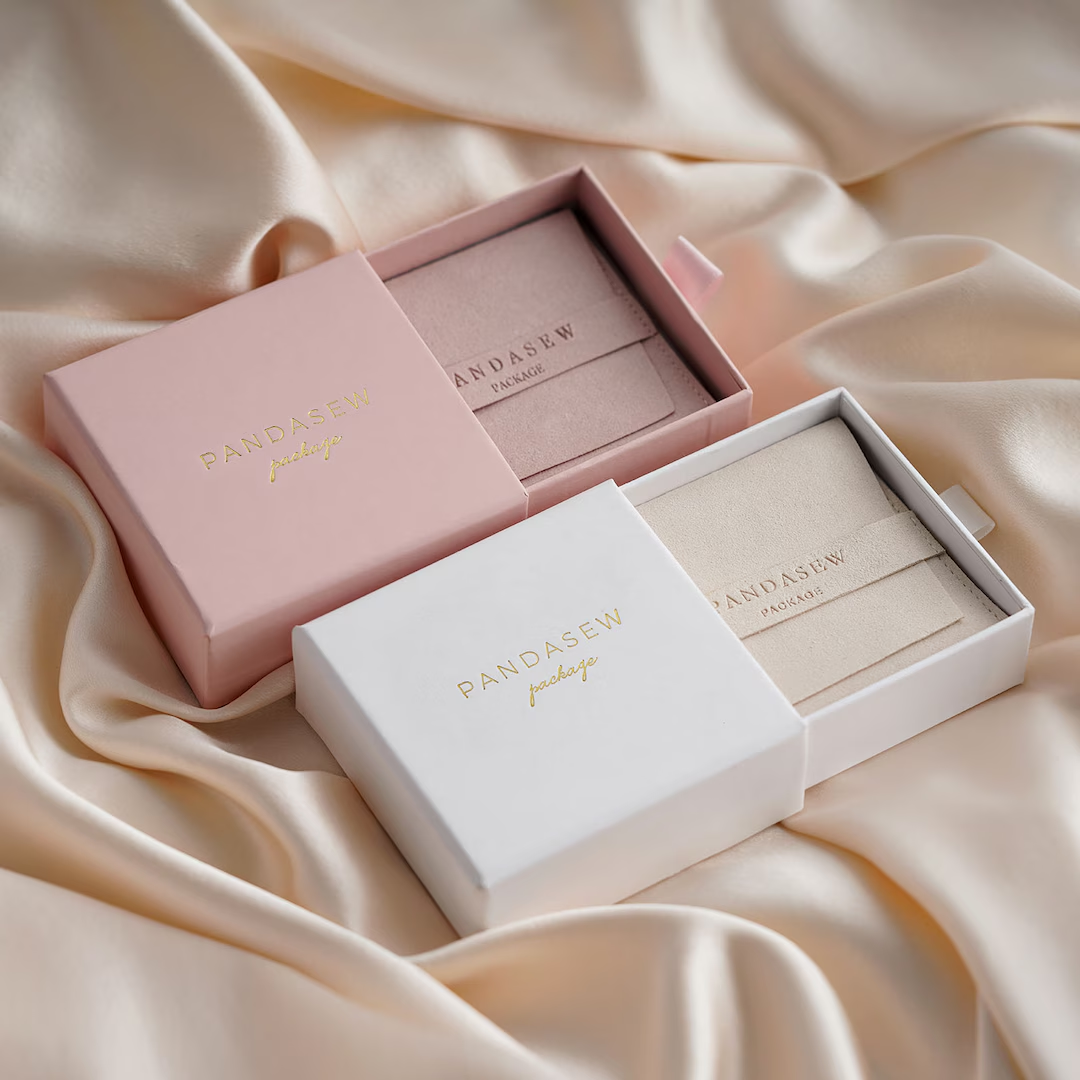
- A distinctive opening mechanism, like a drawer-style slide
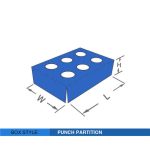
- Thoughtful inserts that keep the product presented neatly
None of these elements guarantee loyalty on their own. They work alongside product quality, pricing, and service to create a fuller, more memorable customer experience.
Custom Underwear Box Styles
Direct answer: The right box style depends on the product, budget, order volume, and whether the brand sells primarily through retail, e-commerce, or both.
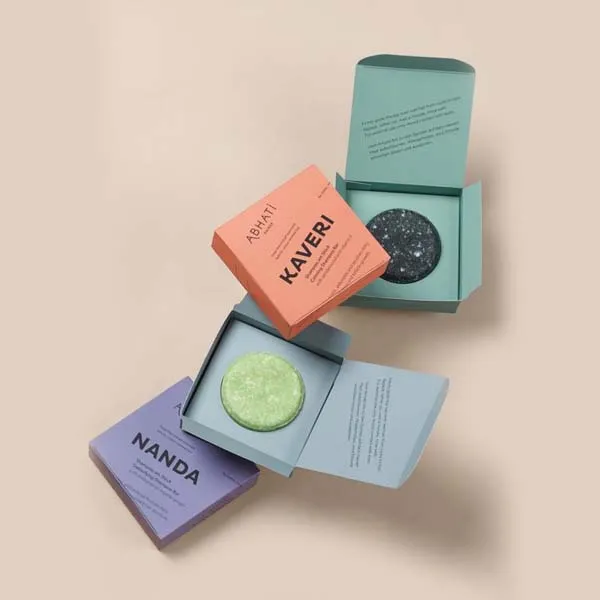
Folding Cartons
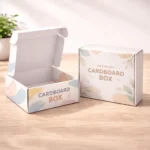
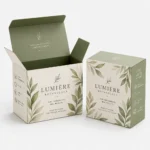
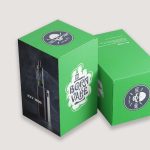
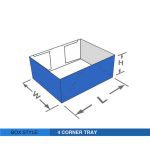
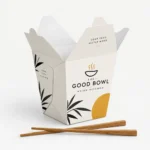
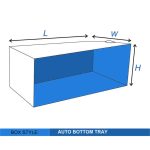
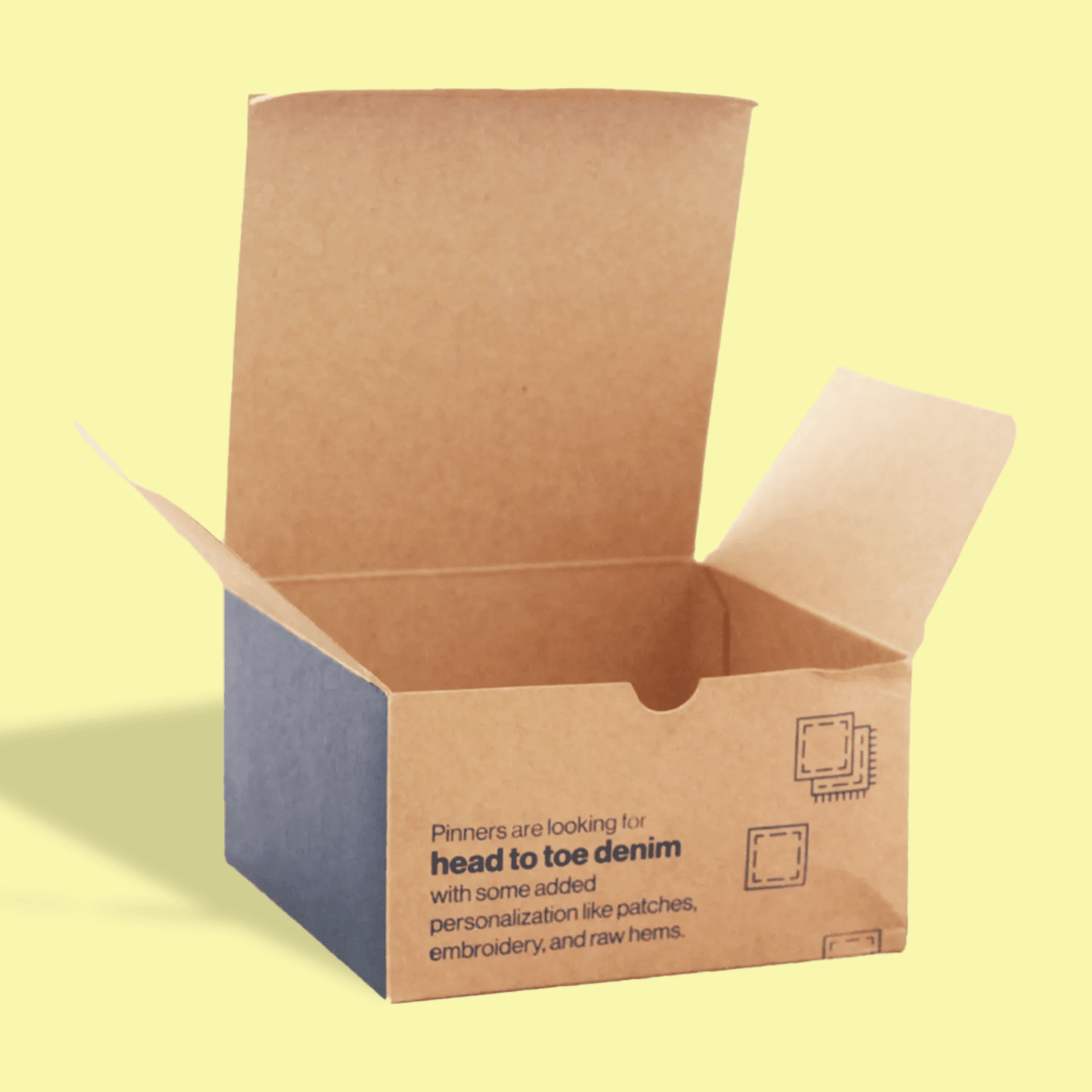
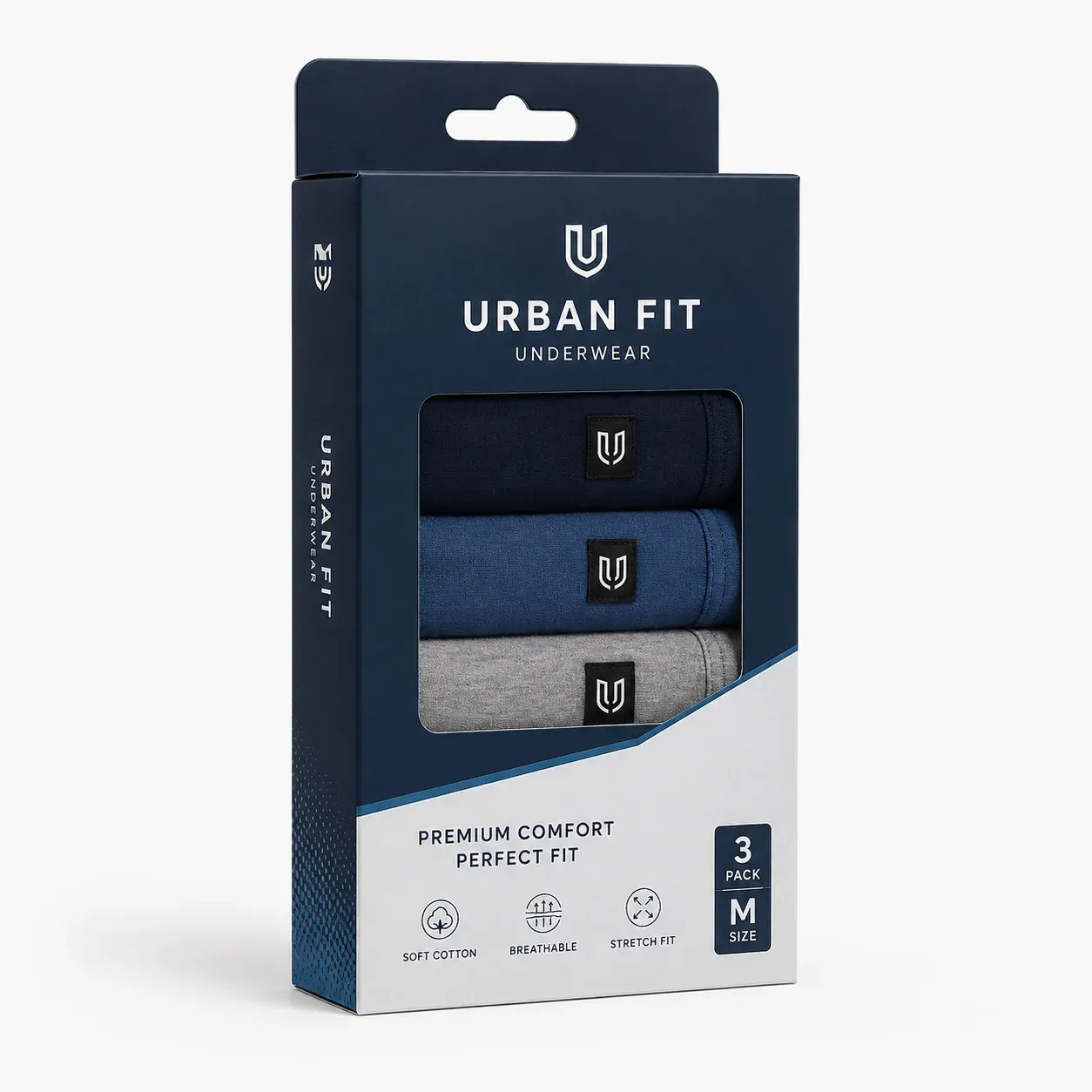
Folding cartons are the most common choice for underwear packaging. They fold flat for efficient storage and shipping, print well, and offer a large surface for branding. They work for single pairs, multi-packs, and subscription-style shipments alike.
Tuck-End Boxes
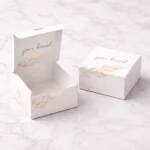
Tuck-end boxes are practical, cost-efficient, and easy to assemble at scale, making them a strong fit for brands that need reliable retail shelf presentation without a premium price tag.
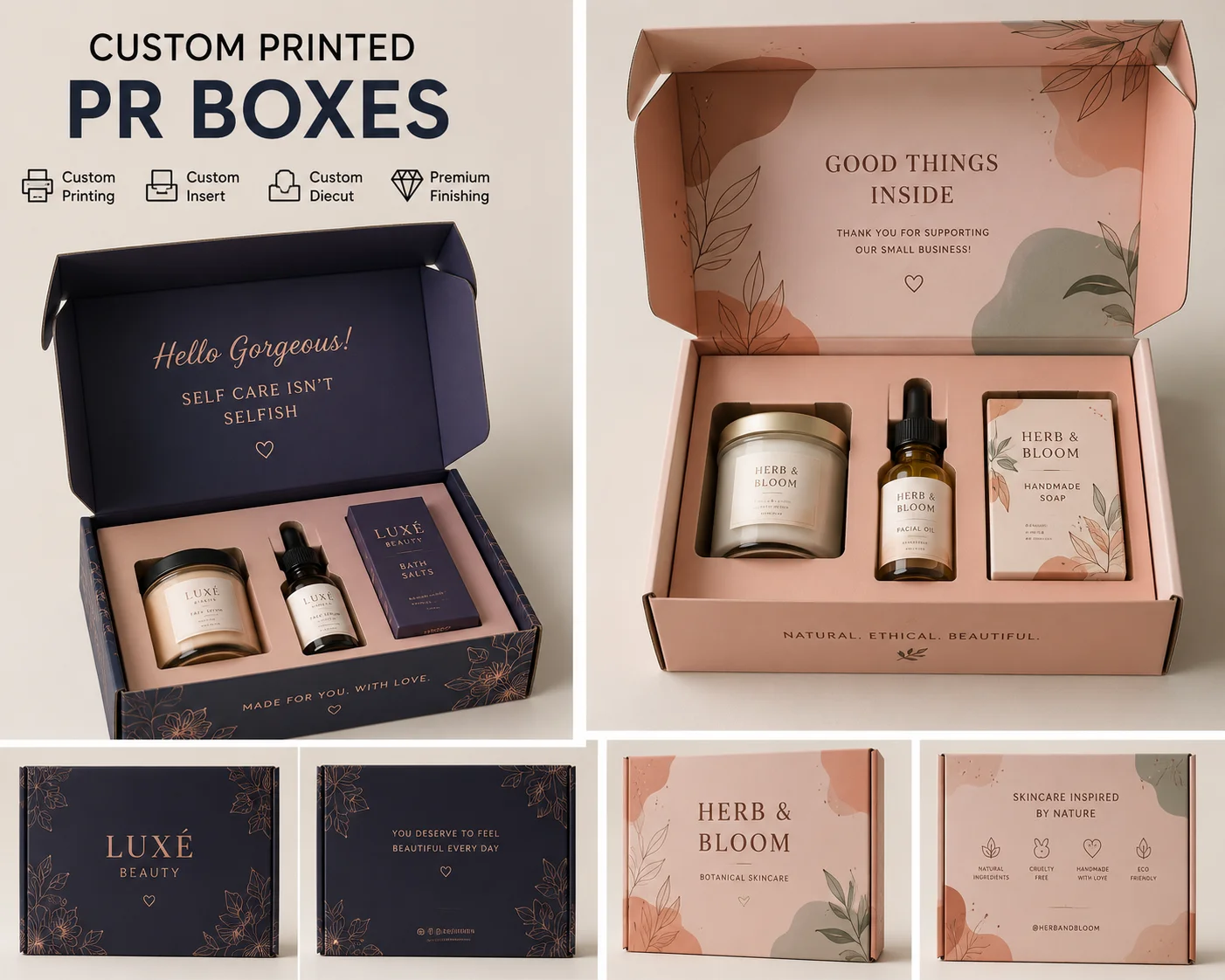
Mailer Boxes
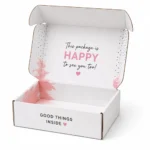
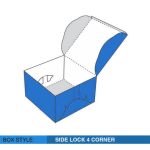
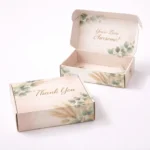
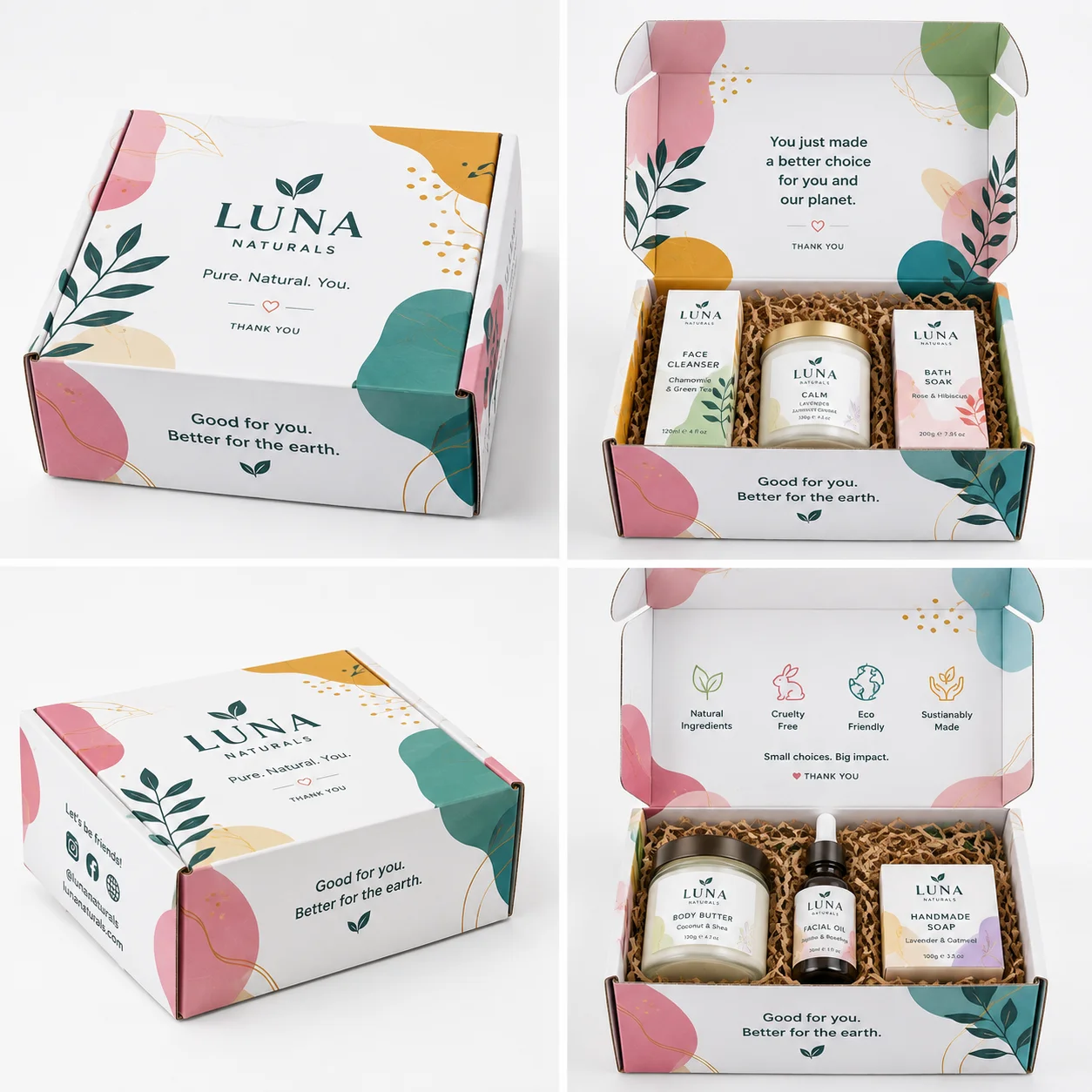
Mailer boxes are built for direct-to-consumer shipping. Their self-locking construction protects the product in transit while still opening into a presentable unboxing moment for online orders.
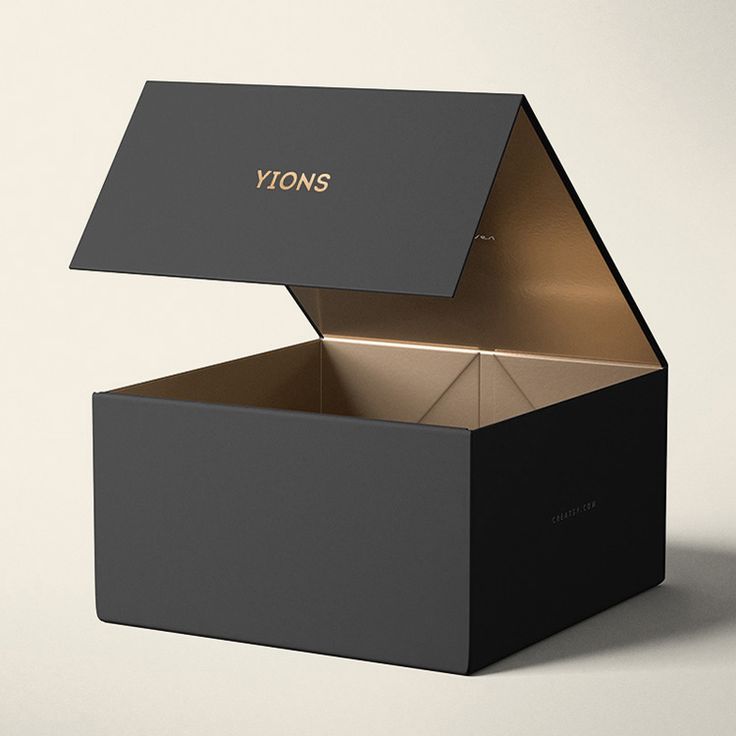
Rigid Boxes
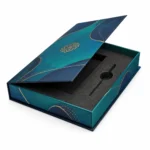
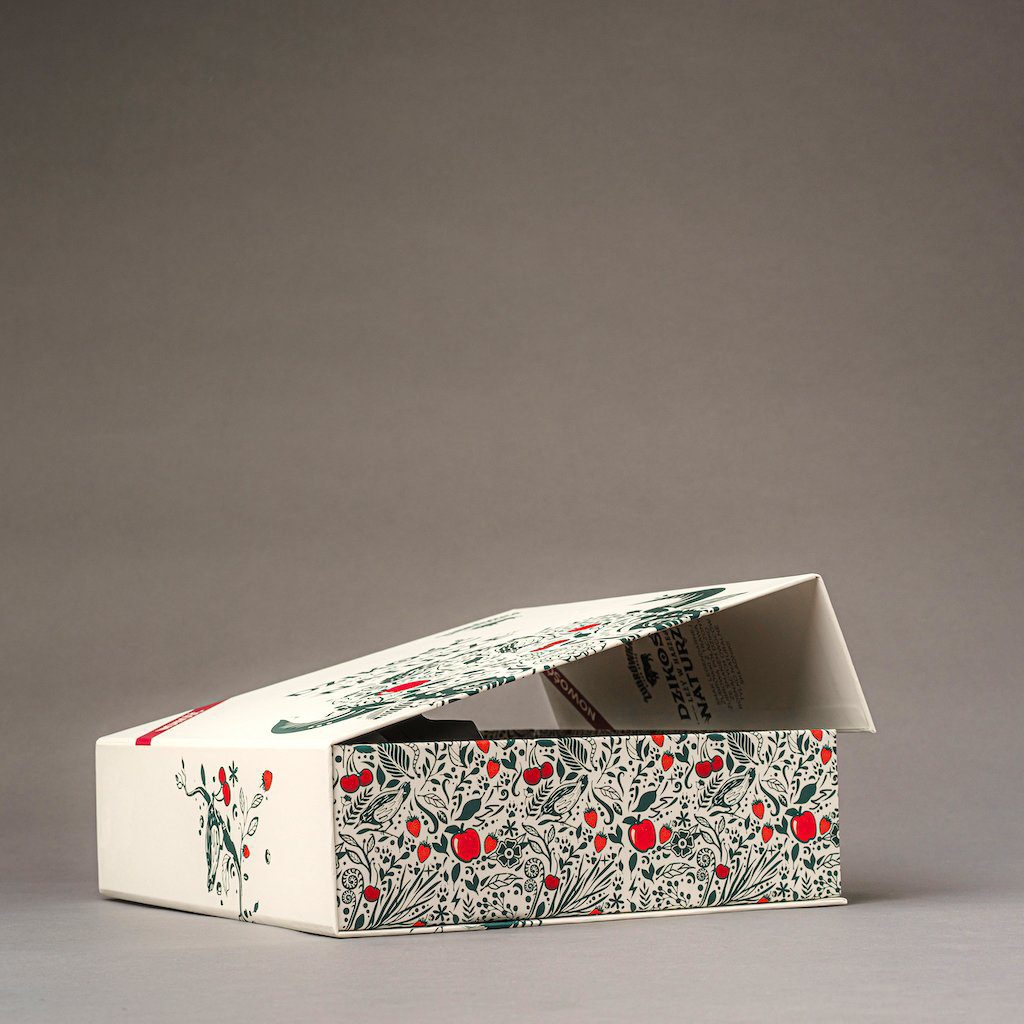
Rigid boxes offer a noticeably heavier, more substantial feel. Premium and luxury underwear lines often consider rigid construction when the goal is to communicate a higher price point or gift-worthy presentation.
Drawer Boxes
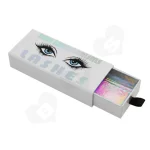
Drawer-style boxes slide open rather than lift off, which slows the unboxing moment down and can make the experience feel more deliberate and premium.
Sleeve Packaging
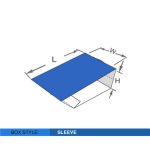
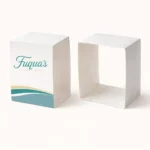
An outer sleeve layered over an inner tray or carton adds a premium visual layer while keeping material costs more controlled than a fully rigid structure.
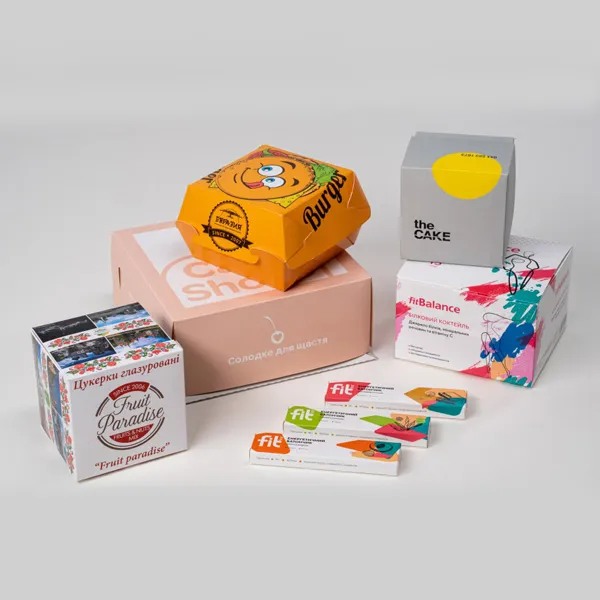
Custom Die-Cut Boxes
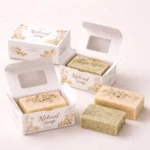
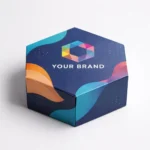
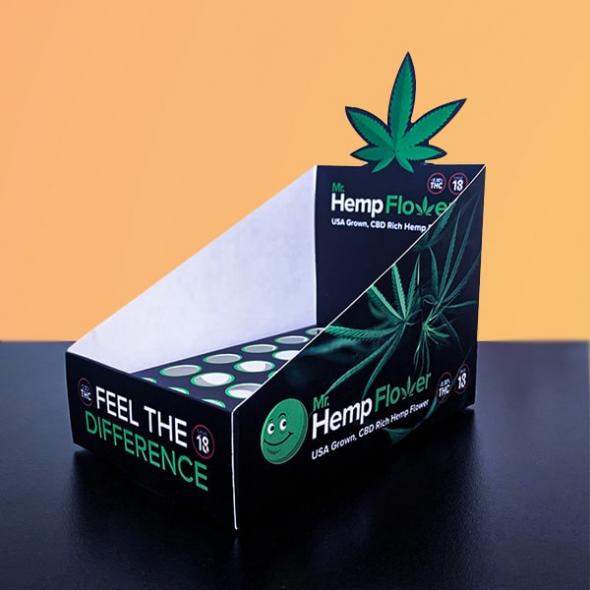
Unique die-cut shapes and window cutouts let a brand differentiate structurally, not just visually — useful for brands that want packaging itself to be part of the design statement.
No single style is correct for every brand. The right choice depends on the product line, order quantities, shipping method, and how much of the budget is allocated to packaging versus other parts of the business.
Materials for Custom Underwear Packaging
Direct answer: Folding carton, Kraft paperboard, corrugated board, and rigid board each offer different combinations of strength, appearance, cost, and sustainability.
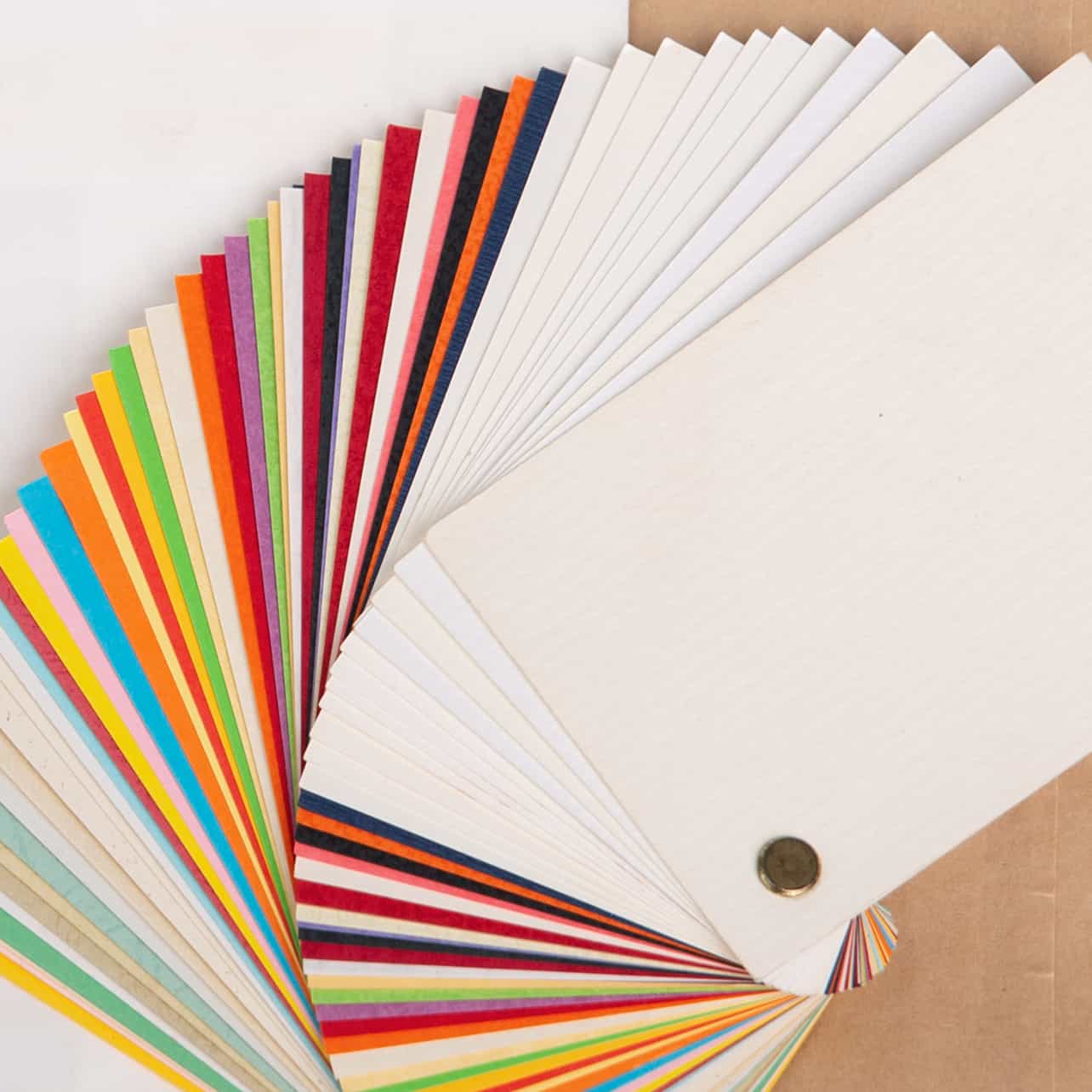
Folding carton (cardboard): Lightweight, smooth-printing, and cost-efficient. A common default for single-item and multi-pack underwear boxes because it holds detailed print work well.
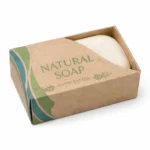
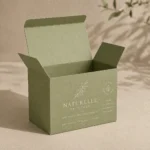
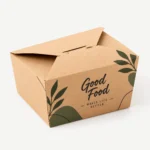
Kraft paperboard: A more natural, textured look often associated with sustainability-minded or minimalist brands. Kraft still prints cleanly, though colors read slightly more muted than on coated carton.
Corrugated board: Adds structural strength, which is useful for larger multi-pack shipments or mailer-style boxes traveling through fulfillment networks.
Rigid board: The heaviest and most premium-feeling option, typically wrapped in printed paper. Rigid board suits higher-priced underwear lines or gift-oriented packaging where the box itself is part of the perceived value.
Material selection should follow the packaging’s structural requirements first — how the product will be shipped, stacked, and handled — and its intended brand positioning second.
Printing and Finishing Options
Direct answer: Printing and finishing choices — from digital and offset printing to foil stamping and spot UV — determine how premium and distinctive the final packaging looks and feels.
- Digital printing works well for shorter runs and variable designs.
- Offset printing delivers precise, consistent color at higher volumes.
- UV printing produces vivid, durable color on a range of substrates.
- Matte lamination gives a soft, non-reflective finish that reads as understated and modern.
- Gloss lamination adds shine and vibrancy, useful for bold, colorful branding.
- Soft-touch finishes add a velvety texture that customers notice immediately when handling the box.
- Die-cutting creates custom shapes, windows, and structural details beyond a standard rectangular box.
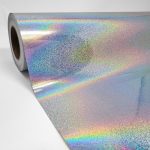
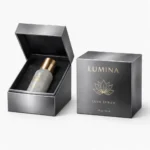
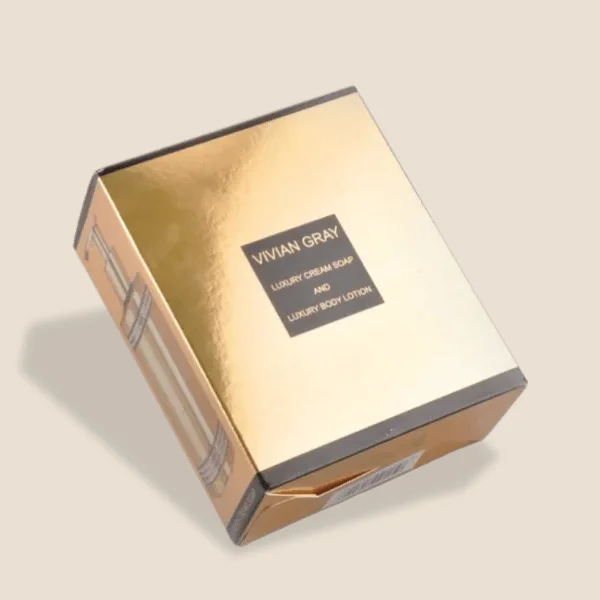
Metallic and reflective detailing is where finishing choices become especially important. For logos, borders, or accent lines that need a true metallic shine, Silver Foil Boxes add a reflective, premium surface that catches light in a way standard printing can’t replicate. When a brand instead wants selective shine on specific design elements — highlighting a logo or adding tactile contrast against a matte background — Spot Gloss UV Packaging applies gloss only where it’s needed, creating depth without covering the entire surface.
How to Make Underwear Packaging Look Premium
Direct answer: Perceived premium quality comes from design discipline and material choices working together, not simply from spending more money.
Expensive packaging and well-designed packaging are not the same thing. A brand can achieve a premium feel through:
- Clean, minimalist layout with intentional white space
- Confident, well-chosen typography
- A restrained, consistent color palette
- High-quality, accurate printing
- A finish that matches the brand’s positioning
- Thoughtful interior presentation, not just an attractive exterior
- Consistency across every SKU and every order
A simple folding carton with disciplined design can outperform an expensive rigid box with cluttered branding. Quality of decision-making matters more than raw material cost.
Packaging for Different Underwear Brands
Direct answer: Packaging needs shift by product type and market — men’s, women’s, everyday, premium, and subscription underwear all present different structural and branding requirements.
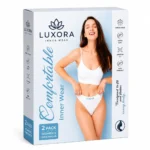
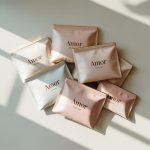
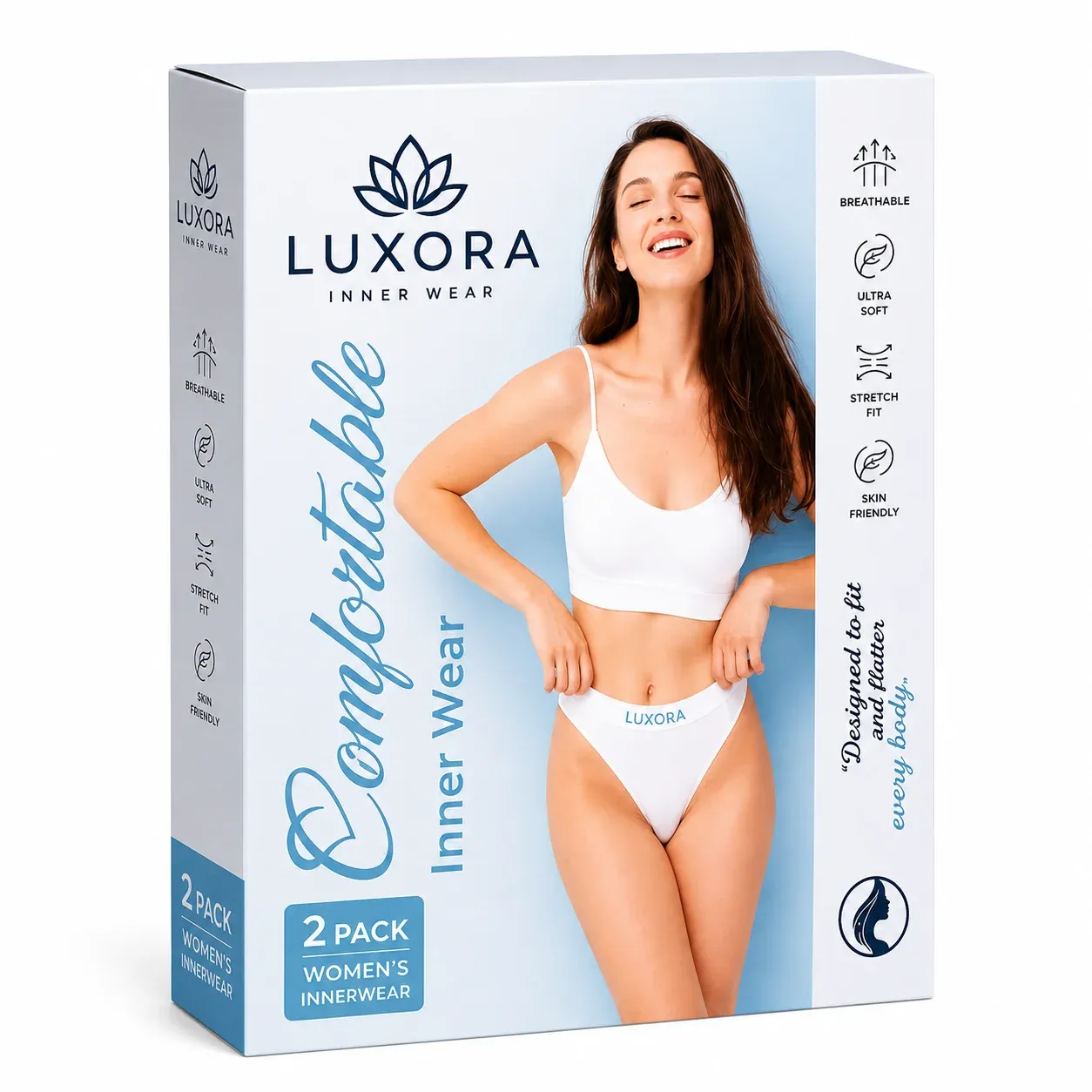
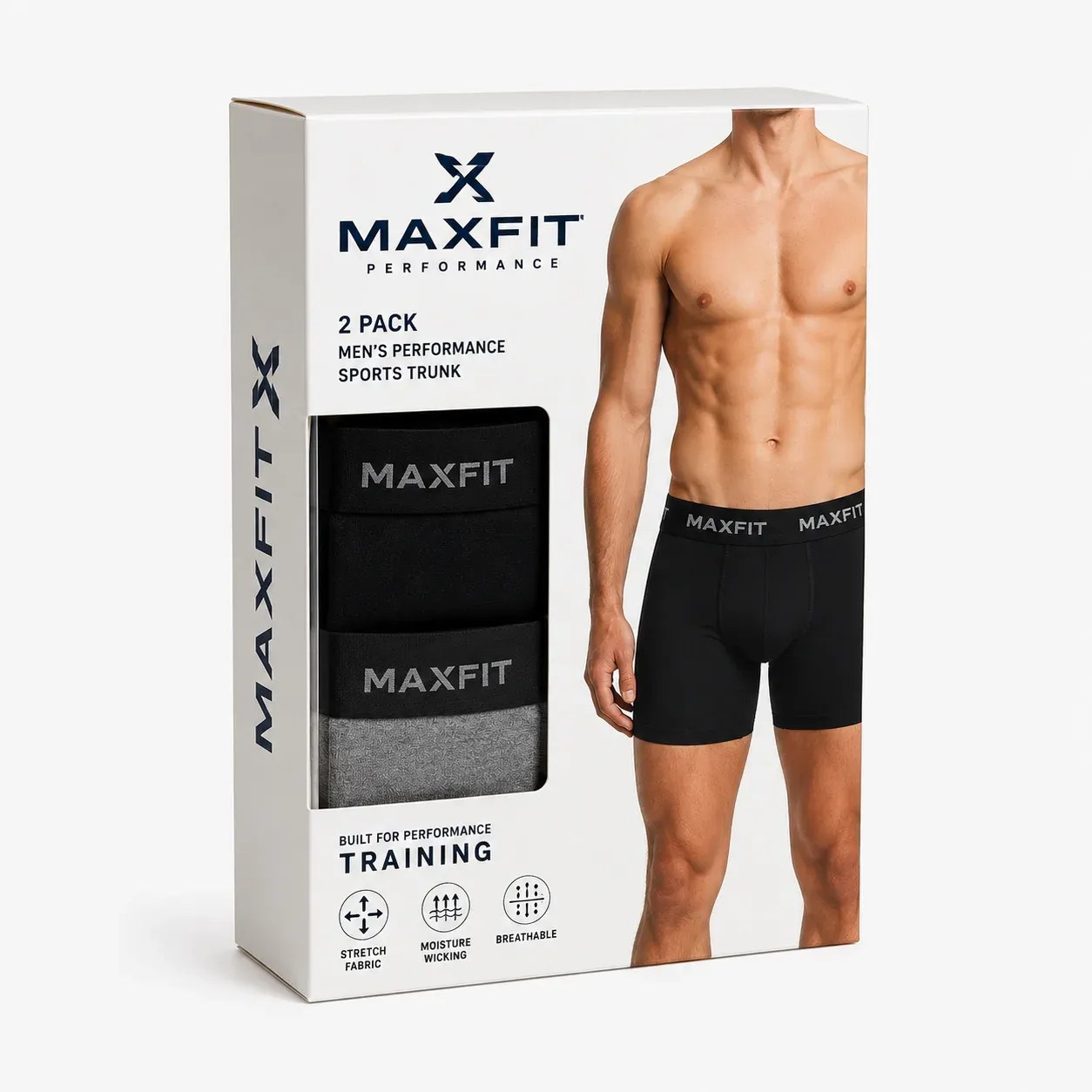
Men’s underwear brands — including boxer briefs, boxers, and briefs — often favor cleaner, more minimal packaging with strong structural presentation. Women’s underwear and panty brands frequently lean into softer color palettes, delicate finishing, or specialty lines such as package enhancing underwear, where clear, tasteful product photography and sizing information on the packaging matter as much as the visual design. Shapewear brands typically need packaging that communicates support and fit at a glance. Subscription underwear services benefit from packaging designed for repeat, recognizable unboxing rather than one-time retail impact, while retail-focused brands need packaging engineered for shelf visibility and easy in-store handling.
Across every category, the packaging conversation should stay focused on presentation, protection, and brand positioning rather than making claims about fit or body size.
Sustainable Underwear Packaging
Direct answer: Sustainable underwear packaging typically means recyclable paperboard, right-sized dimensions, and reduced material use rather than any single certification claim.
Practical sustainability options include:
- Recyclable paperboard and Kraft materials
- Right-sizing boxes to reduce excess material and shipping volume
- Reducing or eliminating unnecessary plastic components
- Choosing efficient shipping dimensions to lower packaging waste per order
- Considering reusable box structures for subscription or repeat-purchase models
Brands should be careful to describe only what their specific packaging materials and processes actually achieve, rather than making broad environmental claims that can’t be verified.
Packaging as a Marketing Investment
Direct answer: Packaging complements digital and paid marketing by extending brand impressions into a physical, tangible moment that ads alone can’t create.
A well-designed box supports marketing in ways that are easy to underestimate: it generates organic unboxing content, gives customers a reason to photograph and share their order, reinforces brand recognition on repeat purchases, and creates a consistent physical impression across every touchpoint. It doesn’t replace paid acquisition or content marketing, but it strengthens the return on the marketing a brand is already investing in.
How to Choose the Right Underwear Packaging
Before finalizing a packaging decision, brands should think through:
- Product type and category
- Product dimensions and fold requirements
- Number of items per package
- Brand positioning and target price point
- Retail, e-commerce, or hybrid distribution
- Shipping method and handling requirements
- Material preference
- Printing requirements
- Finishing requirements
- Order quantity
- Budget
- Sustainability goals
- Desired unboxing experience
Packaging Ordering Process
For a first-time packaging buyer, the process from concept to finished boxes typically follows these steps:
- Share product specifications
- Determine box dimensions
- Select a structural style
- Choose a material
- Develop or finalize artwork
- Select a printing method
- Choose finishing options
- Review a production proof
- Approve for production
- Manufacture the order
- Complete quality inspection
- Ship the finished packaging
Custom Underwear Packaging Across the U.S.
Underwear and apparel brands based in California benefit from custom packaging that reflects fast-moving fashion trends while supporting reliable shipping for both retail partners and growing e-commerce demand.
Texas apparel and underwear businesses often need packaging that balances retail shelf presentation with the durability required for large-volume distribution across the state.
New York fashion and underwear brands frequently prioritize premium finishing and refined branding to match a competitive, design-conscious retail and e-commerce market.
Florida apparel sellers benefit from packaging built to hold up through warm-climate shipping while still presenting a polished unboxing experience.
Illinois based underwear brands often need packaging that supports both regional retail relationships and expanding online order volume.
Georgia e-commerce and apparel companies frequently look for cost-efficient packaging that still delivers a professional, brand-consistent customer experience.
North Carolina apparel businesses benefit from durable, right-sized packaging that keeps shipping costs manageable as order volume grows.
Washington based underwear and apparel brands often prioritize sustainable material options alongside clean, modern packaging design.
The Future of AI Search and Packaging
Search behavior is shifting from keyword-based queries toward AI Overviews, conversational search, and generative answer engines. Shoppers increasingly ask tools like ChatGPT, Gemini, Perplexity, Microsoft Copilot, and You.com direct questions — “what’s the best box for premium underwear” — instead of typing narrow keyword phrases into a search bar.
For packaging companies, this shift rewards content that answers real questions completely and clearly rather than content built primarily around keyword density. Genuinely useful, well-structured information about materials, structures, and finishing options becomes source material these systems can draw from when generating answers, which is why direct, well-organized explanations matter as much for AI visibility as they do for traditional search rankings.
Frequently Asked Questions
What is the best packaging for underwear? The best packaging depends on the product and brand goals. Folding cartons suit most everyday and multi-pack underwear, while rigid boxes or drawer-style packaging fit premium or gift-oriented lines. Packaging Box can help match a structure to a specific product and budget.
What type of box works best for men’s underwear? Folding cartons and tuck-end boxes are common choices for men’s underwear because they balance cost, durability, and strong branding real estate. Rigid boxes are an option for premium men’s lines that want a heavier, more substantial feel.
What packaging works well for panties and lingerie? Lighter folding cartons, sleeve packaging, or drawer boxes tend to work well for panties and lingerie, since these formats support delicate finishing and softer color palettes without adding unnecessary bulk.
How do I choose the right underwear box size? Box size should be based on the folded or rolled dimensions of the product, the number of items per package, and enough interior space for tissue or inserts without leaving excessive empty room.
Should underwear packaging use cardboard, Kraft, or rigid materials? Cardboard suits most standard product lines, Kraft fits brands leaning into a natural or minimalist aesthetic, and rigid board fits premium or luxury positioning. The right material depends on budget and brand identity.
What printing options are available for underwear boxes? Common options include digital printing, offset printing, and UV printing, often paired with finishes like matte or gloss lamination, foil stamping, or spot UV for selective shine.
How can packaging improve the unboxing experience? Thoughtful structural choices, such as drawer-style openings or interior tissue and inserts, slow the unboxing moment down and make it feel more intentional, which supports a stronger overall impression of the product.
What factors affect custom underwear box pricing? Pricing is influenced by structural style, material, printing method, finishing options, and order quantity. Higher order volumes typically bring the per-unit cost down.
What information do I need to get custom packaging made? Manufacturers typically need product dimensions, desired quantity, preferred material, artwork or branding assets, and any specific printing or finishing requirements to begin the process.
How can I make underwear packaging more sustainable? Options include choosing recyclable paperboard or Kraft materials, right-sizing the box to the product, and reducing plastic components. Packaging Box can help identify practical, verifiable sustainability options for a specific product line.
Ready to Build Packaging That Represents Your Brand
Underwear packaging is often the first physical impression a customer has of a brand, and getting it right takes more than picking a box off a shelf. Packaging Box works with apparel and underwear brands to develop custom structures, materials, printing, and finishing that match a product’s positioning and budget.
To start a conversation about your underwear packaging project, share your preferred box style, dimensions, order quantity, material preference, and printing or finishing requirements.
Phone: +1 424 240 5630 Email: sales@packagingbox.us Website: packagingbox.us