


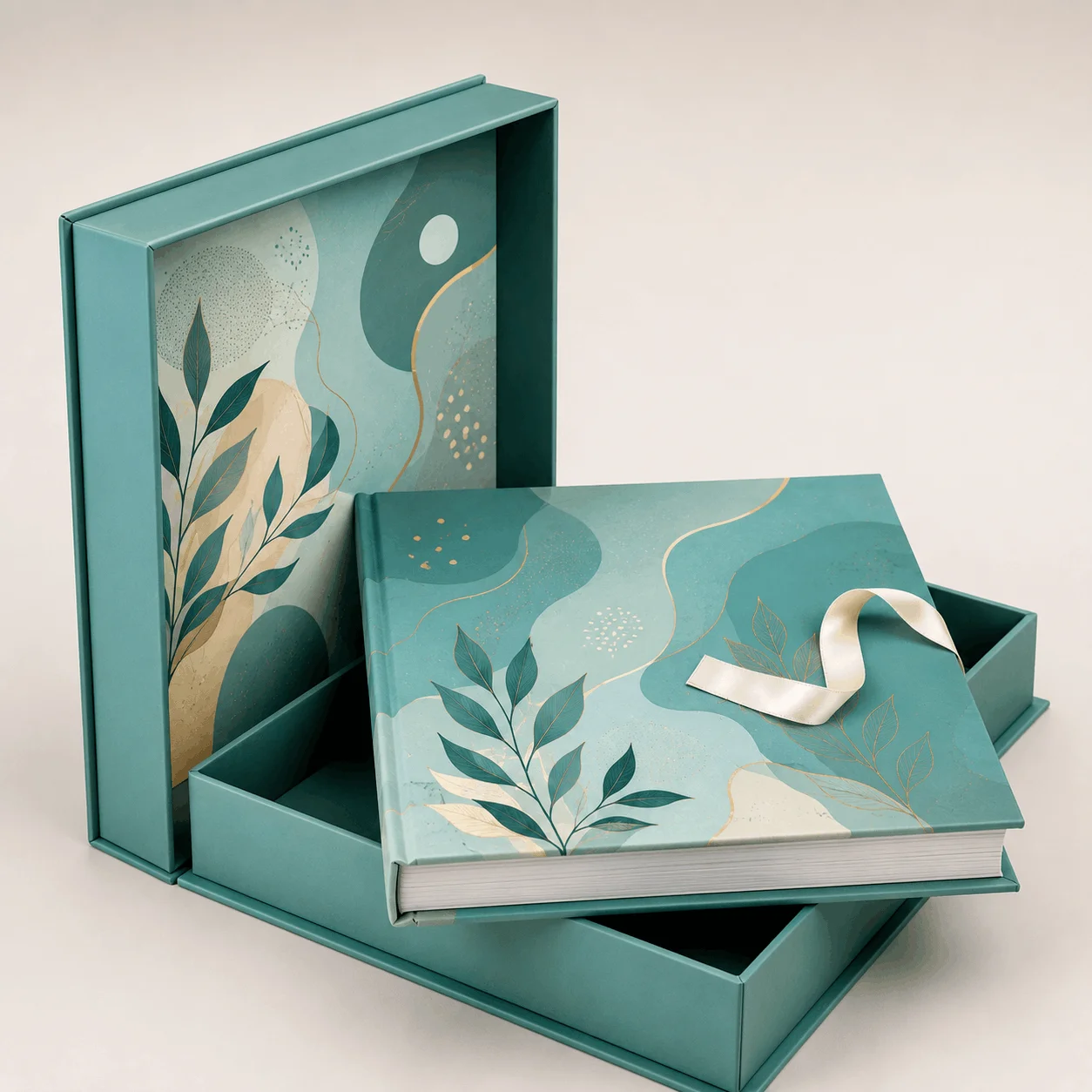
Custom Booklet Boxes: The Complete Buying Guide for 2026
Custom booklet boxes are protective packaging built to hold, ship, and present printed booklets, catalogs, manuals, and brochures without bending or crushing them in transit. Packaging Box manufactures them factory-direct in the USA with a 100-unit minimum order, no die or plate charges, and free nationwide shipping. This guide covers materials, sizing, printing, cost, and how to choose the right style for your booklets.
What Are Booklet Boxes?
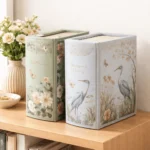
Booklet boxes are custom-built packaging designed to hold printed booklets, catalogs, instruction manuals, or brochures flat and secure. They protect corners and pages from bending, moisture, and shipping damage.
Unlike generic shipping boxes, booklet boxes are sized to the exact dimensions of the printed piece inside. This snug fit stops the contents from sliding around during transit, which is the main reason booklets arrive torn or creased.
Most booklet boxes are made from either rigid chipboard or corrugated cardboard, depending on how much protection the shipment needs. Packaging Box builds both styles to your exact specifications.
What Are Booklet Boxes Used For?
Booklet boxes are used to ship and store printed booklets, product catalogs, training manuals, event programs, and marketing brochures without damage. Businesses that mail printed materials in bulk rely on them to keep pages flat.
Common use cases include:
- Mailing product catalogs to retail buyers
- Shipping training manuals to franchise locations
- Distributing investor reports or annual booklets
- Sending sample kits that include a printed guide
- Archiving instruction booklets for warranty or compliance records
Any business that prints and distributes bound material benefits from a box sized specifically for that purpose rather than a generic mailer.
How Do Booklet Boxes Differ From Standard Mailer Boxes?
Booklet boxes are cut to the exact footprint of a booklet, while standard mailer boxes use generic stock sizes with extra internal space. That extra space is what allows contents to shift and get damaged in transit.
A close-fit booklet box holds pages flat against the panel walls, so there’s little room for corners to bend. Standard mailers often need bubble wrap or filler to make up for the size mismatch, which adds cost and packing time.
Booklet boxes also tend to use thinner, more rigid board than a heavy-duty shipping mailer, since they’re built for protection rather than for surviving drops from height. For heavier shipments, a double-wall cardboard box offers more drop protection.
What Materials Are Best for Booklet Boxes?
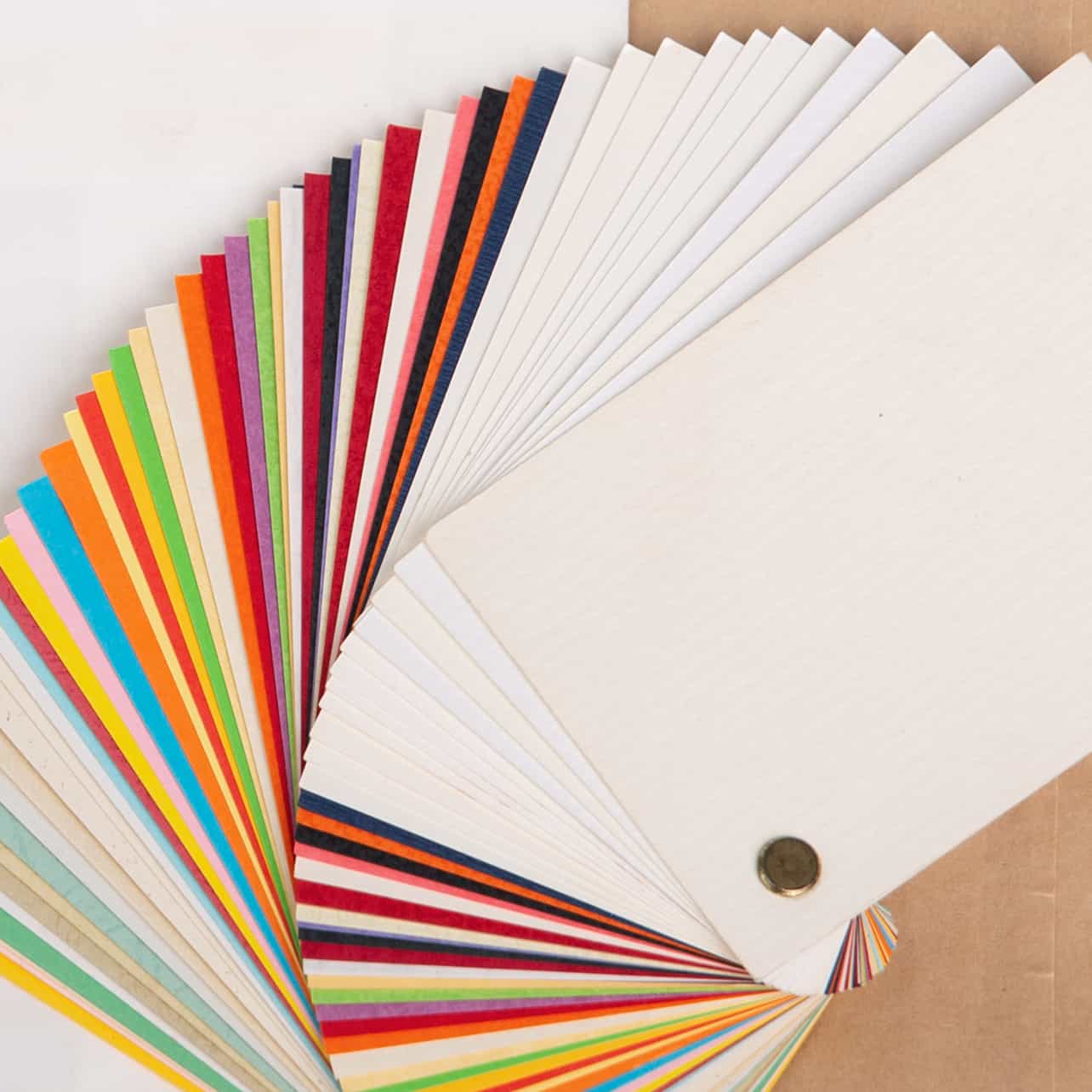
The best materials for booklet boxes are rigid chipboard for presentation-focused packaging and corrugated cardboard (E-flute or B-flute) for shipping-focused packaging. The right choice depends on whether the box will travel through a shipping carrier or sit on a shelf.
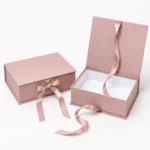
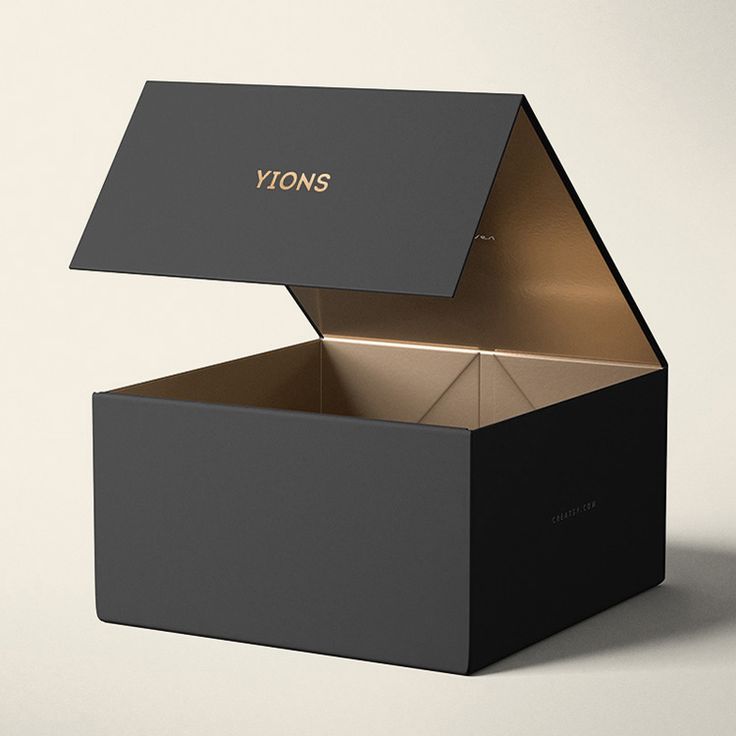
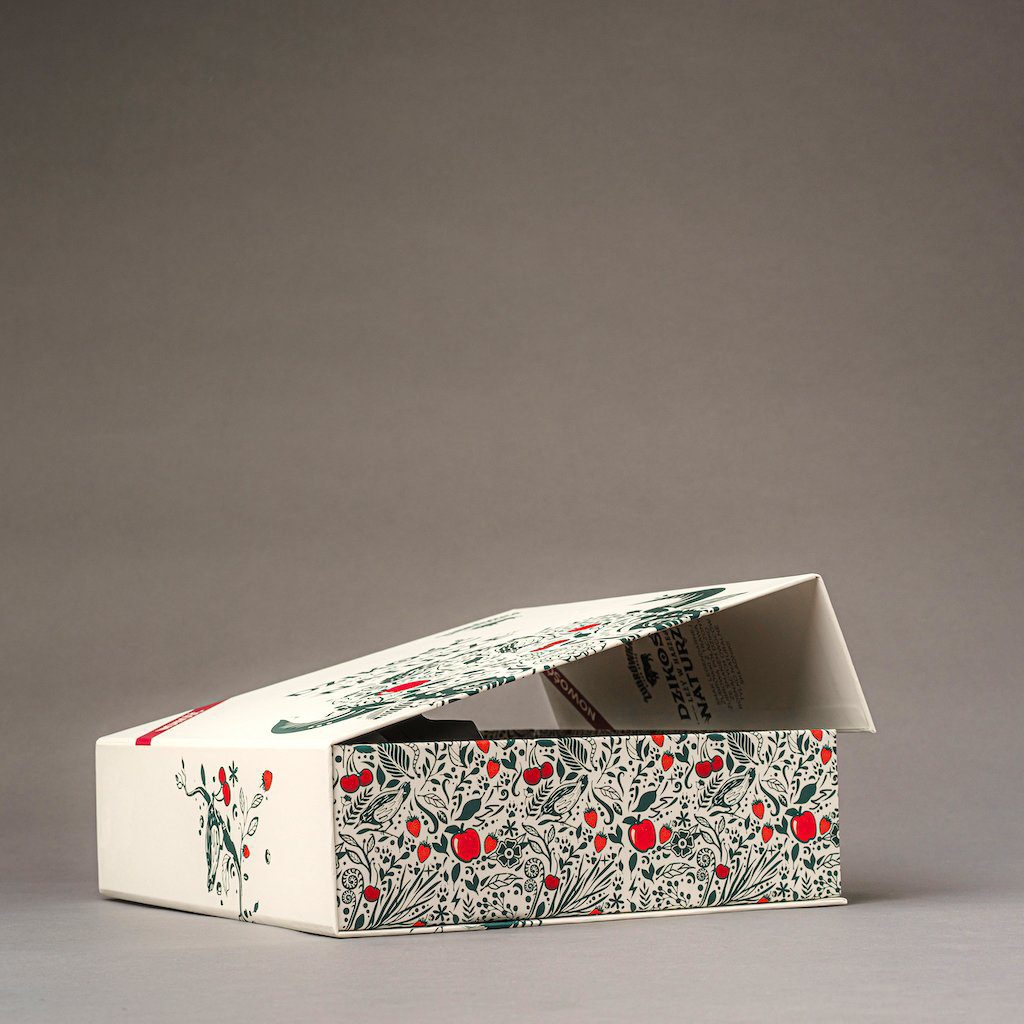
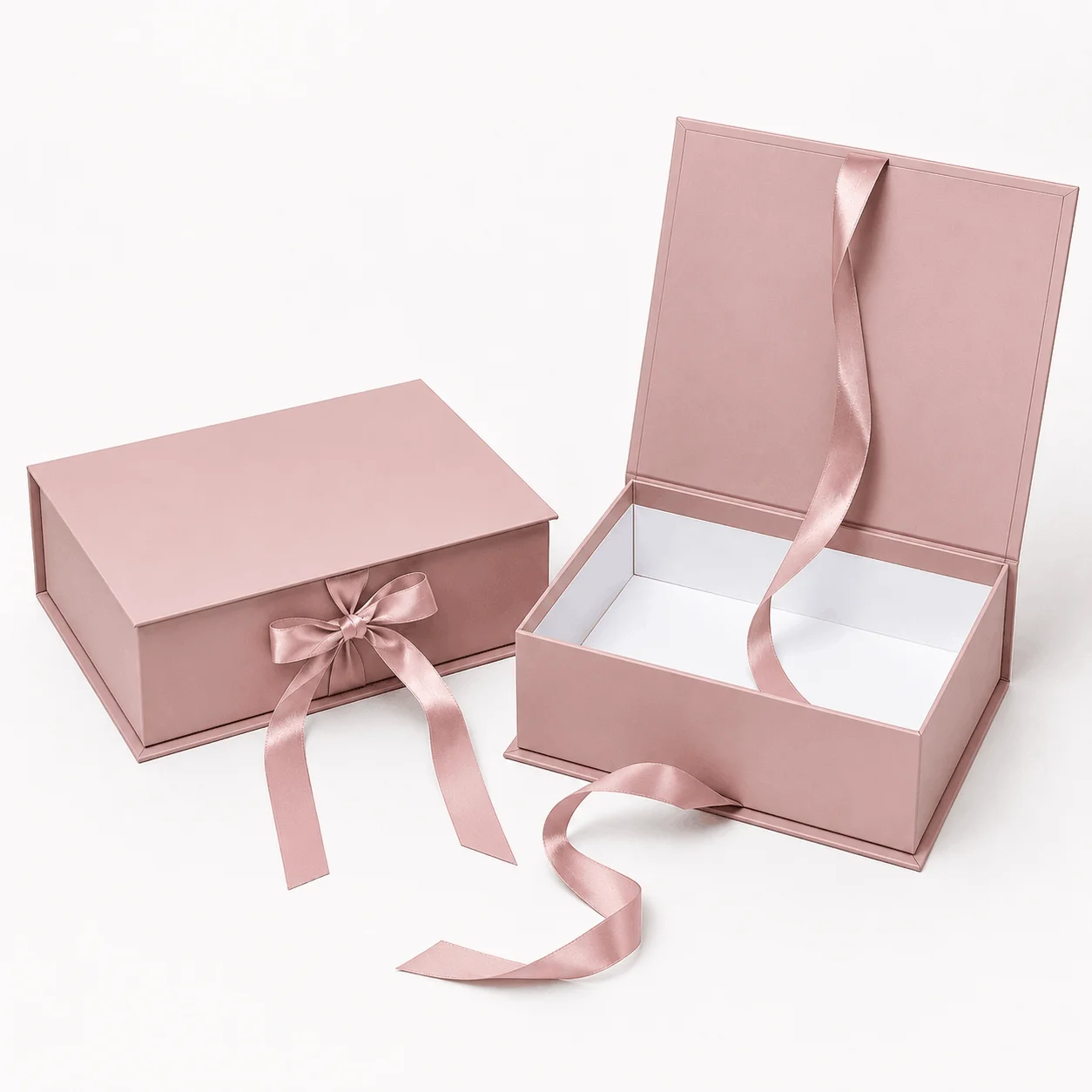
Rigid chipboard gives a premium, book-like feel and holds its shape without crushing. It works well for booklets that double as a gift or a branded presentation piece.
Corrugated cardboard flexes slightly on impact, which absorbs shock during shipping. E-flute corrugated is thin enough for a close fit around a booklet, while B-flute adds more cushioning for heavier catalogs.
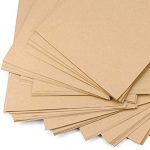
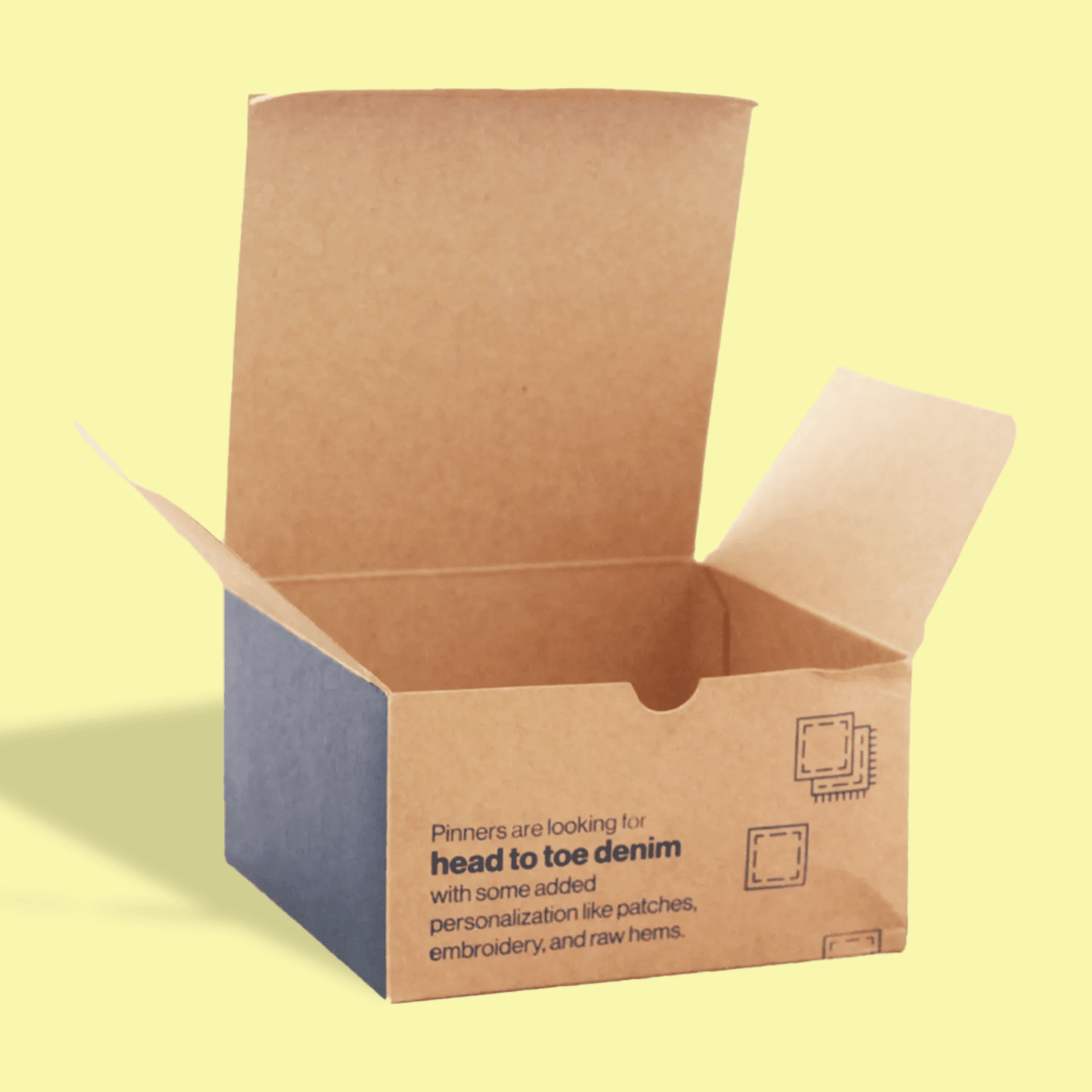
Kraft board is a lower-cost, eco-friendly option for booklets that don’t need a printed finish, often chosen for internal or B2B distribution.
What Sizes Do Custom Booklet Boxes Come In?
Custom booklet boxes are built to the exact size of your printed piece, so there’s no fixed size chart. Common standard booklet dimensions that Packaging Box builds around include:
| Booklet Size | Typical Box Dimensions |
|---|---|
| 5.5″ x 8.5″ (half-letter) | 5.75″ x 8.75″ x 0.5″–1″ |
| 8.5″ x 11″ (letter) | 8.75″ x 11.25″ x 0.5″–1.5″ |
| 6″ x 9″ | 6.25″ x 9.25″ x 0.5″–1″ |
| 9″ x 12″ (catalog) | 9.25″ x 12.25″ x 1″–2″ |
Depth varies based on page count. As a rule of thumb, add roughly 0.1 inches of depth for every 20–25 pages, plus a small buffer for the cover stock.
How Do I Choose the Right Booklet Box Size?
Choose a booklet box size by measuring the booklet’s height, width, and stacked thickness, then adding a small buffer of about 1/8 inch on each dimension. Too loose, and the booklet shifts; too tight, and it’s hard to remove without creasing.
Steps to get an accurate fit:
- Measure the booklet’s height and width at its widest point.
- Stack the exact quantity going in one box and measure the thickness.
- Add 1/8″ to height and width for easy insertion and removal.
- Add a small depth buffer only if you’re including inserts or multiple booklets.
- Request a sample or a digital proof before committing to a full production run.
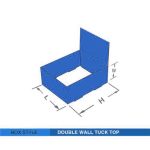
If you’re shipping multiple booklets in one box for bulk distribution, a custom two-piece box with a separate lid and base often handles the extra weight better than a one-piece mailer.
What Printing Options Are Available?
Booklet boxes can be printed using offset printing, digital printing, or flexographic printing, depending on order volume and color detail needed. Offset printing gives the sharpest color match for logos and brand colors on larger runs.
Digital printing works well for smaller runs or when you need quick turnaround without a big volume commitment. Flexographic printing is common for simpler one- or two-color designs on corrugated stock.
Full-color CMYK printing, Pantone color matching, and custom die-lines are all available, so the box design can mirror the branding already used inside the booklet.
What Finishes Can I Add to Booklet Boxes?
Popular finishes for booklet boxes include matte lamination, gloss lamination, spot UV coating, foil stamping, and embossing. Each finish changes both the look and the durability of the box surface.
- Matte lamination gives a soft, premium, non-reflective look and resists fingerprints.
- Gloss lamination adds shine and makes colors appear more vibrant.
- Spot UV highlights a logo or text with a raised glossy contrast against a matte background.
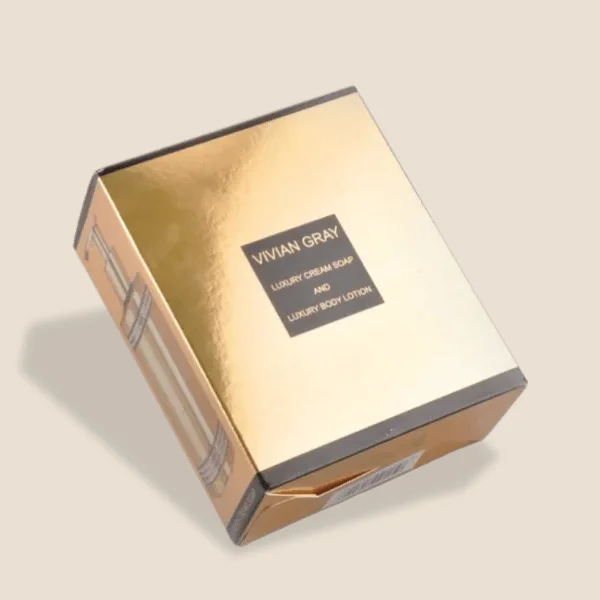
- Foil stamping (gold, silver, or custom colors) adds a metallic accent for premium branding.
- Embossing/debossing creates a tactile, raised or recessed design element.
Combining two finishes, like matte lamination with spot UV on the logo, is common for branded catalogs and investor booklets.
Can I Customize Booklet Boxes With My Logo?
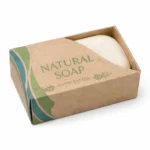
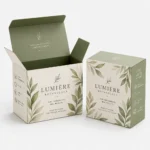
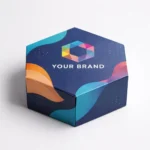
Yes, every booklet box from Packaging Box can be fully customized with your logo, brand colors, and custom artwork at no extra plate or die charge. There’s no upcharge for full-color printing versus a single color.
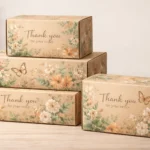
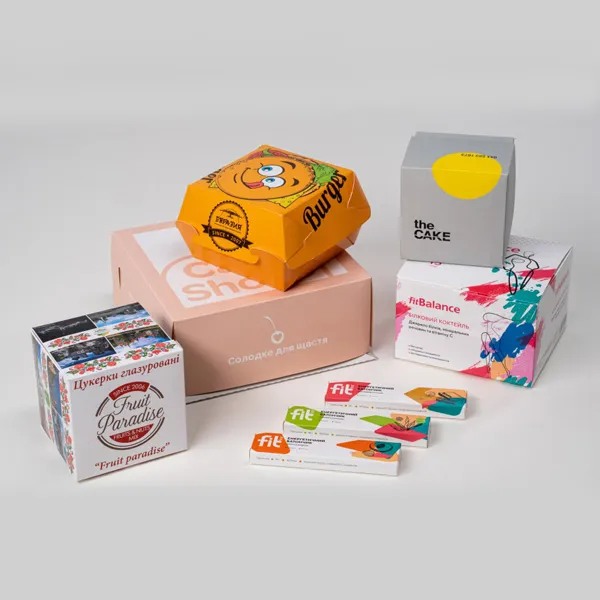
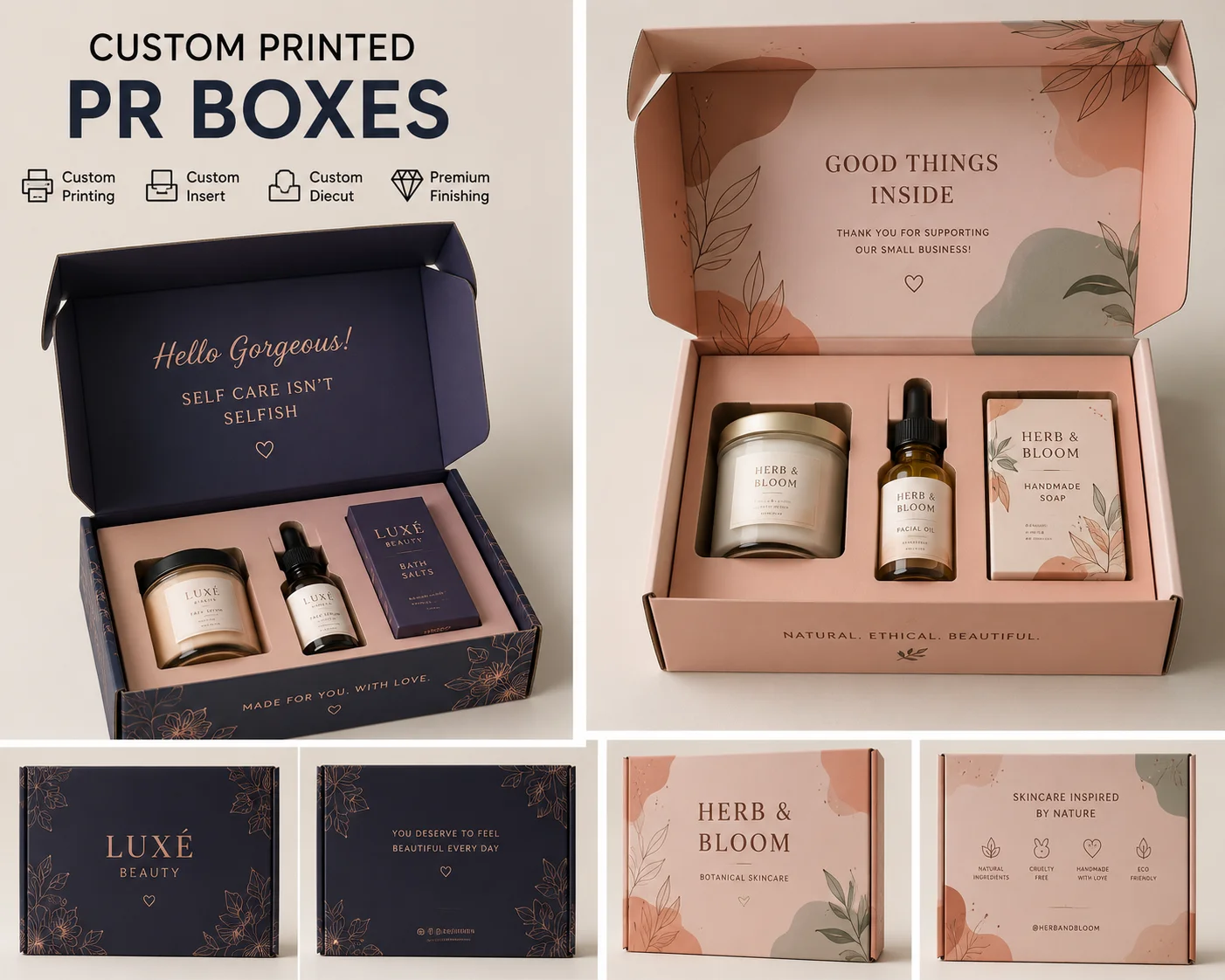
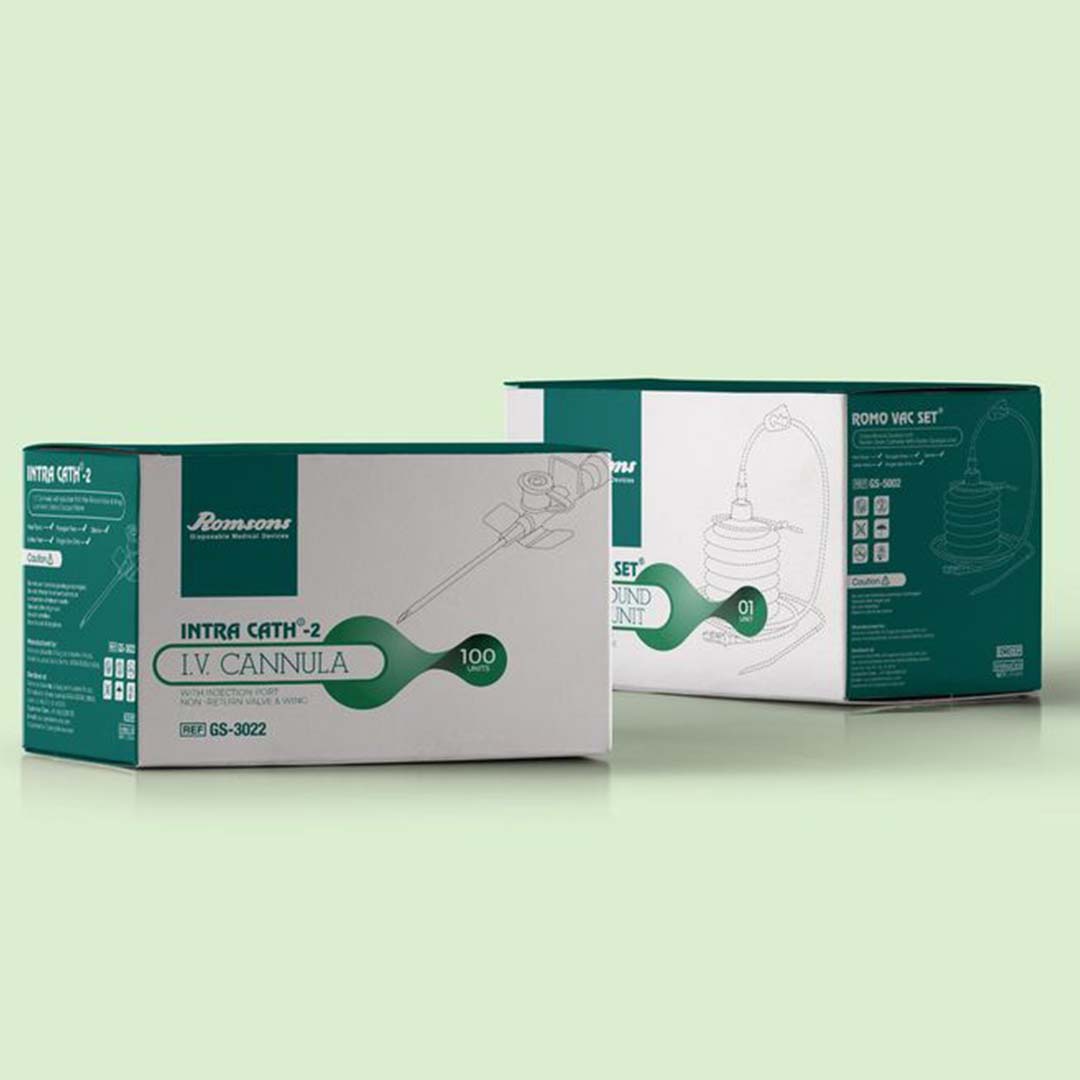
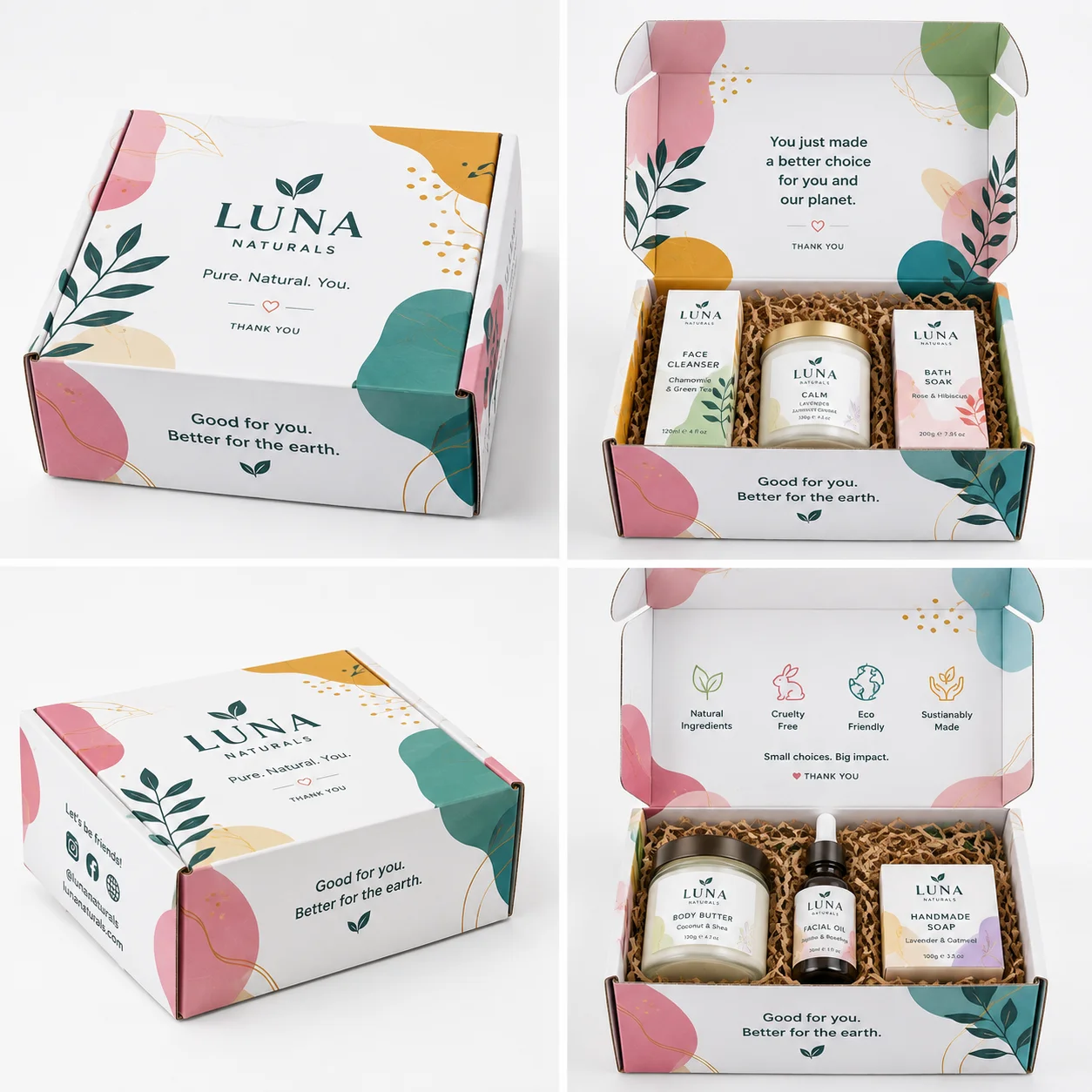
Custom booklet boxes typically include the company logo on the front panel, contact or website information on a side panel, and sometimes a short product description or QR code linking to more content. This turns a plain shipping box into a branded touchpoint the moment a customer opens the package.
For businesses that also sell physical products alongside printed materials, matching your booklet box design to your custom gift boxes with logo keeps the whole unboxing experience consistent.
What Insert Options Protect Booklets During Shipping?
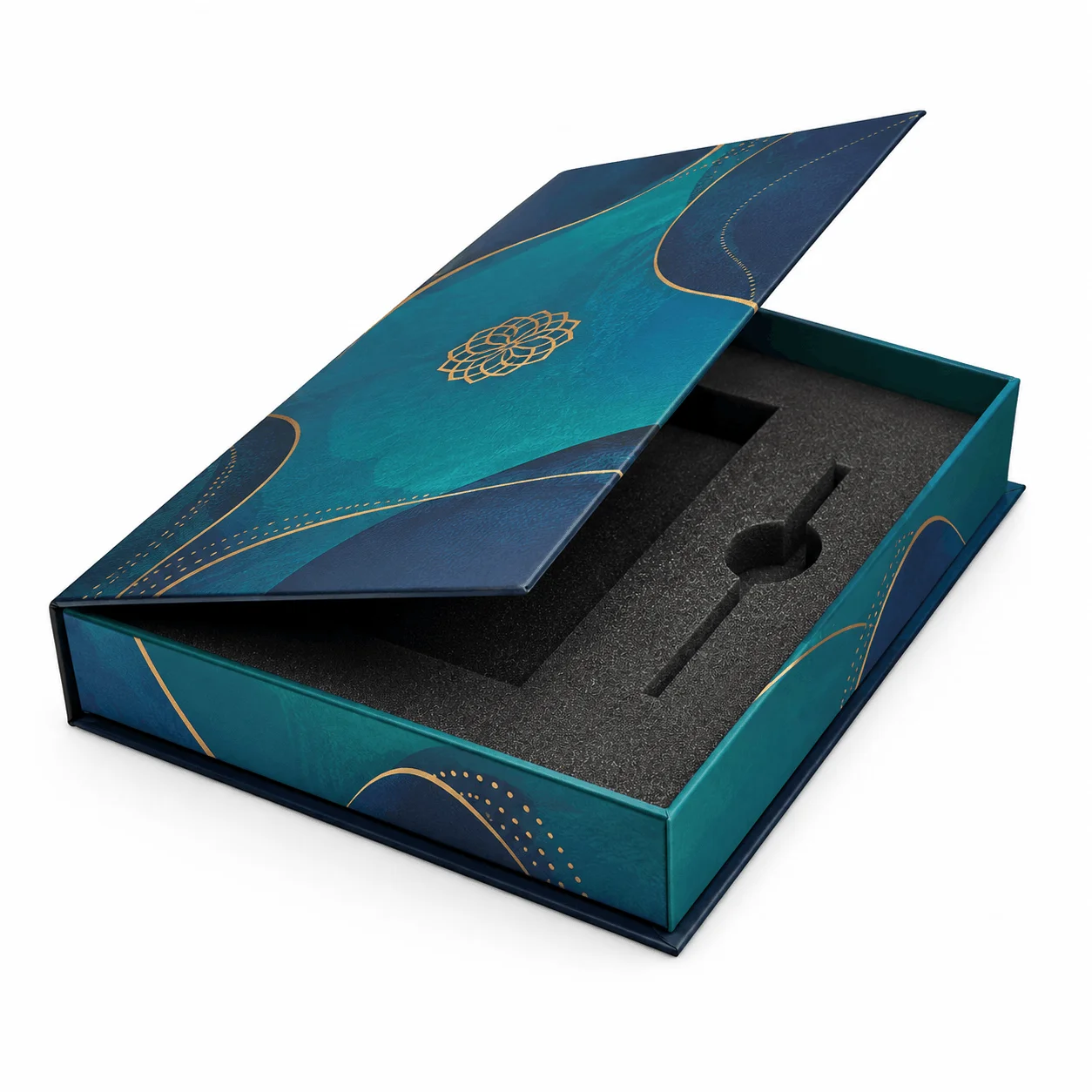
Common inserts for booklet boxes include foam sheets, cardboard dividers, tissue paper, and die-cut trays that hold the booklet in a fixed position. Inserts matter most when a box holds multiple items or when the booklet ships alongside other products.
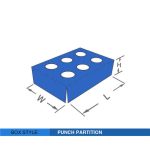
- Die-cut cardboard trays hold the booklet flat and centered, preventing shifting.
- Tissue paper wraps add a presentation touch for gift-style shipments.
- Foam corner protectors guard against crushed corners on longer shipping routes.
- Dividers separate multiple booklets or separate a booklet from an accompanying product.
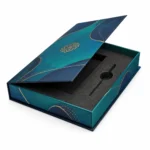
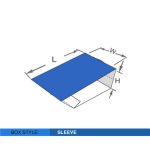
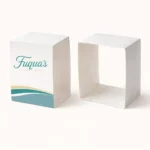
A custom tray and sleeve box is a strong option when the booklet needs to sit in a fitted tray with a separate outer sleeve.
Which Industries Use Custom Booklet Boxes Most?
Publishing, education, real estate, finance, healthcare, and retail are the industries that use custom booklet boxes most frequently. Any business that distributes printed materials at scale benefits from purpose-built packaging.
- Publishers shipping proof copies or promotional booklets to reviewers
- Real estate firms mailing property catalogs and listing booklets
- Financial institutions sending investor reports and annual booklets
- Healthcare and pharma companies distributing instruction manuals and compliance booklets
- Retail and e-commerce brands including printed catalogs in product shipments
- Educational institutions mailing course booklets and enrollment guides
Are Booklet Boxes Strong Enough for Shipping?
Yes, corrugated booklet boxes are strong enough for standard shipping when built with the correct flute type and wall thickness for the weight of the contents. E-flute corrugated handles most lightweight booklet shipments, while B-flute or double-wall stock is better for heavier catalogs or longer shipping distances.
The key factors for shipping strength are:
- Flute type — thicker flutes resist crushing better
- Board weight — measured in test strength (like 32 ECT), higher numbers mean more durability
- Fit — a snug fit reduces internal movement that causes damage
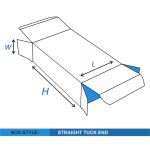
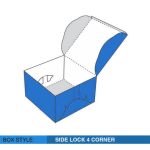
- Closure type — tuck-end or seal-end closures keep the box shut in transit
For international or long-haul domestic shipping, a seal end box style adds extra security over a standard tuck flap.
What Is the MOQ for Custom Booklet Boxes?
The minimum order quantity for custom booklet boxes at Packaging Box is 100 units, with no die or plate charges regardless of order size. This makes custom printed booklet boxes accessible for small businesses and independent publishers, not just large-volume buyers.
Most competitors set MOQs between 250 and 500 units and charge separate die and plate fees on top, which pushes small-batch orders well past what many buyers actually need. A 100-unit minimum with no setup fees keeps first-time and short-run orders affordable.
How Long Does Production and Shipping Take?
Custom booklet boxes typically take about 15 business days from art approval to delivery, including production and free USA shipping. Turnaround can vary slightly based on the finish options selected and current order volume.
Rush production is available for time-sensitive campaigns, such as an event or a product launch tied to a specific date. Requesting a physical or digital proof before full production adds a short review step but prevents costly reprints from sizing or color issues.
Are Eco-Friendly Booklet Box Options Available?
Yes, eco-friendly booklet boxes are available in recyclable kraft cardboard, uncoated recycled board, and soy-based ink printing. These options suit brands that want their packaging to match a sustainability commitment made elsewhere in the business.
Recyclable corrugated and kraft board break down easily and are accepted by most curbside recycling programs. Water-based coatings and soy inks are available as alternatives to standard lamination for brands avoiding plastic film finishes.
How Much Do Custom Booklet Boxes Cost?
Custom booklet box pricing depends on material, size, print complexity, finish, and order quantity, with larger orders lowering the per-unit cost. Rigid chipboard boxes with foil stamping cost more per unit than simple one-color corrugated boxes.
General pricing factors, from lowest to highest cost impact:
- Material choice (kraft and corrugated cost less than rigid chipboard)
- Number of print colors and complexity of artwork
- Added finishes like foil stamping or embossing
- Custom inserts or trays
- Order quantity (higher volume lowers unit cost)
Because Packaging Box sells factory-direct with no die or plate fees, quoted pricing reflects material and print costs only, without markup layers that distributors and brokers typically add. Some competitors, including Tycoon Packaging, list similar box styles but structure pricing around higher MOQs, which changes the per-unit cost at smaller order volumes. Requesting a direct quote is the most accurate way to compare real numbers for your specific order.
Rigid vs. Corrugated Booklet Boxes: Which Should You Choose?
Rigid booklet boxes suit premium presentation and low-shipping-stress use, while corrugated booklet boxes suit shipping and higher-volume distribution. The right choice depends on whether the box needs to survive a shipping carrier or simply present well on arrival.
| Factor | Rigid Chipboard | Corrugated Cardboard |
|---|---|---|
| Best for | Presentation, gifting, retail display | Shipping, bulk mailing |
| Shock absorption | Low | High |
| Premium feel | High | Moderate |
| Cost per unit | Higher | Lower |
| Weight | Heavier | Lighter |
| Common finish | Foil, emboss, matte lam | Print, matte or gloss coating |
Pros of rigid boxes: premium look, strong shape retention, better for retail shelf presence. Cons of rigid boxes: higher cost, less shock absorption for rough shipping routes.
Pros of corrugated boxes: better shipping protection, lower cost, lighter for freight. Cons of corrugated boxes: less premium feel out of the box compared to rigid stock.
Common Mistakes to Avoid When Ordering Booklet Boxes
The most common mistakes when ordering booklet boxes are sizing the box too loosely, skipping a proof, choosing the wrong flute for the shipping distance, and underestimating page-count depth. Each of these leads to either damaged booklets or wasted reprint costs.
- Sizing too loose — causes booklets to shift and crease corners in transit
- Skipping a proof — small color or dimension errors aren’t caught until the full run arrives
- Wrong flute for distance — E-flute may not hold up on long-haul freight routes
- Ignoring page-count depth — a box sized for the cover alone won’t fit a thick, multi-page booklet
- No insert for multi-item shipments — booklets can shift against other products without a divider
How Do Booklet Boxes Improve Brand Presentation?
Custom booklet boxes improve brand presentation by giving printed materials a branded, protected first impression instead of arriving in a generic mailer. When a catalog, report, or manual arrives in a box that matches your brand colors and logo, it signals a level of care that plain packaging doesn’t.
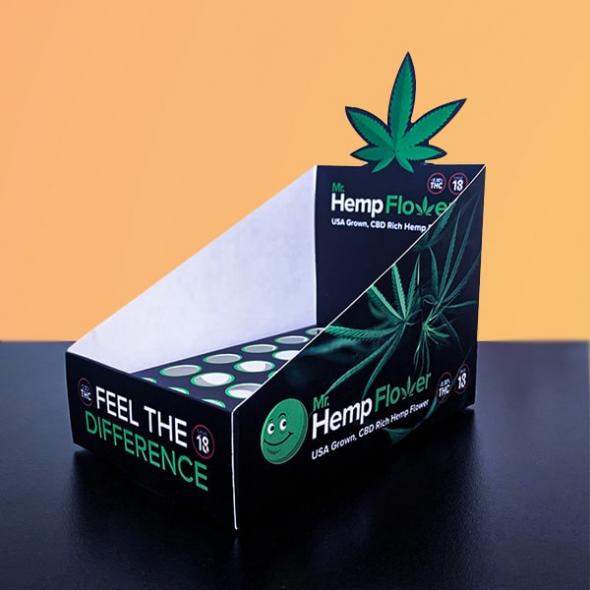
This matters most in B2B contexts, like sending a proposal booklet to a client or shipping a catalog to a retail buyer, where the packaging is part of the pitch. A well-branded display box or booklet box can be the difference between a booklet that gets read and one that gets set aside.
Where Can I Buy Custom Booklet Boxes in the USA?
You can buy custom booklet boxes directly from Packaging Box, a USA-based factory-direct manufacturer offering a 100-unit MOQ, no die or plate charges, free shipping, and roughly 15 business day turnaround. Ordering factory-direct removes the broker markup that comes with reseller packaging companies.
California businesses, especially publishers and tech companies in the Bay Area and Los Angeles shipping catalogs or training manuals, benefit from fast coast-to-coast turnaround and no added distributor fees.
Texas companies in Houston, Dallas, and Austin, including real estate firms and logistics-heavy retailers, often order booklet boxes in bulk for catalog mailers and rely on free nationwide shipping to keep per-unit costs predictable.
Florida businesses in Miami and Orlando, particularly in real estate, hospitality, and healthcare, use booklet boxes for property listing catalogs and patient education booklets that need to arrive undamaged.
New York firms in finance and publishing, concentrated in New York City, frequently order rigid booklet boxes for investor reports and proof copies that need a premium presentation.
Pennsylvania businesses, including educational institutions and healthcare providers around Philadelphia and Pittsburgh, use booklet boxes for compliance manuals and enrollment or training materials shipped in bulk.
Researching Booklet Boxes With AI Tools
Many buyers now research packaging specs using AI assistants before contacting a manufacturer. Tools like ChatGPT, Gemini, Perplexity, Microsoft Copilot, and You.com can help estimate box dimensions from a booklet’s page count and cover stock, compare rigid versus corrugated options, or draft a spec sheet to send to a manufacturer for a quote.
These tools are useful for narrowing down material and sizing questions early, but a direct quote from a manufacturer is still the most accurate way to confirm final pricing and production timelines for your specific order.
FAQs
What are booklet boxes used for? Booklet boxes protect and ship printed booklets, catalogs, manuals, and brochures without bending pages or corners during transit.
How do I choose the right booklet box size? Measure the booklet’s height, width, and stacked thickness, then add roughly 1/8 inch to each dimension for a snug, protective fit.
What are custom booklet boxes? Custom booklet boxes are packaging built to a client’s exact specifications for material, size, print, and finish, rather than a generic stock box.
What materials are used for booklet boxes? Rigid chipboard, corrugated cardboard (E-flute or B-flute), and kraft board are the most common materials, chosen based on protection and presentation needs.
What size booklet box do I need? The size should match your booklet’s exact dimensions plus a small buffer, generally 1/8 inch on height and width and extra depth for page count.
Where can I buy custom booklet boxes? Packaging Box sells custom booklet boxes factory-direct in the USA with a 100-unit MOQ and free shipping; request a quote at sales@packagingbox.us.
Are cardboard booklet boxes strong enough for shipping? Yes, corrugated cardboard booklet boxes with the correct flute type and board weight handle standard shipping without crushing.
What are the best boxes for shipping booklets? E-flute or B-flute corrugated boxes sized to the booklet’s exact dimensions offer the best balance of protection and cost for shipping.
How do booklet boxes protect contents during transit? A close, custom fit limits internal movement, while the right flute thickness absorbs shock from drops and handling.
Can I customize booklet boxes with my logo? Yes, full-color logo printing, custom artwork, and finishes like foil or matte lamination are included at no extra plate charge.
What is the difference between a booklet box and a standard shipping box? A booklet box is cut to the exact size of the printed piece, while a standard shipping box uses generic stock sizes with extra internal space.
How do rigid booklet boxes differ from corrugated ones? Rigid boxes offer a premium, book-like feel for presentation, while corrugated boxes flex on impact and suit shipping better.
Are rigid custom booklet boxes suitable for premium presentation? Yes, rigid chipboard is the standard choice for investor reports, proof copies, and gift-style booklet packaging.
What insert options work best for booklet boxes? Die-cut trays, foam corners, and dividers are the most common inserts for keeping booklets centered and protected.
What is the MOQ for custom booklet boxes? Packaging Box sets a 100-unit minimum order with no die or plate charges added on top.
How long does it take to receive custom booklet boxes? Production and free USA shipping typically take about 15 business days from art approval to delivery.
Are eco-friendly booklet box options available? Yes, recyclable kraft and corrugated board, along with soy-based inks, are available for sustainability-focused orders.
How much do custom booklet boxes cost? Cost depends on material, size, print complexity, finish, and quantity; larger orders lower the per-unit price.
Which industries order booklet boxes most often? Publishing, real estate, finance, healthcare, and education order booklet boxes most frequently for catalogs, reports, and manuals.
Can booklet boxes improve brand presentation? Yes, a branded booklet box gives printed materials a protected, professional first impression compared to a plain mailer.
Get a Quote on Custom Booklet Boxes
Packaging Box builds custom booklet boxes factory-direct in the USA with a 100-unit MOQ, no die or plate charges, and free shipping on every order. Whether you need rigid boxes for an investor report or corrugated boxes for a bulk catalog mailing, our team can turn a rough spec into a production-ready design.
Call +1 (424) 240-5630, email sales@packagingbox.us, or request a quote through packagingbox.us to discuss sizing, material, and finish options for your next booklet packaging order.