


Takeout Boxes: A Practical Guide to Choosing, Customizing, and Using Them Safely
Packaging is often the last thing a customer touches before tasting your food. A sturdy, leak-resistant, well-branded carton tells them you care about the meal until the moment they open it. That matters whether you run a food truck, a Chinese restaurant, a bakery, or a catering company.
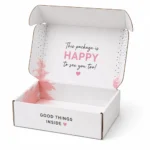
Not all packaging is interchangeable, though. Gift boxes, shipping cartons, and food takeout packaging serve different purposes and face different demands. Takeout boxes must hold hot, moist, or oily food, close securely, stack for delivery, and, where food touches the material, be suitable for food contact.
This guide explains the main types, materials, printing options, and buying criteria and answers common safety questions. It also shows how Packaging Box US approaches custom packaging for food businesses.
Understanding Packaging Types and Their Uses
Each food packaging format solves a different problem.
Takeout Boxes and Takeaway Boxes
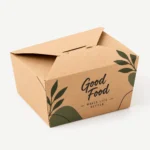
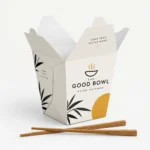
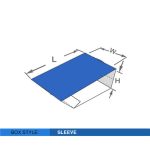
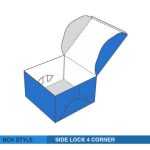
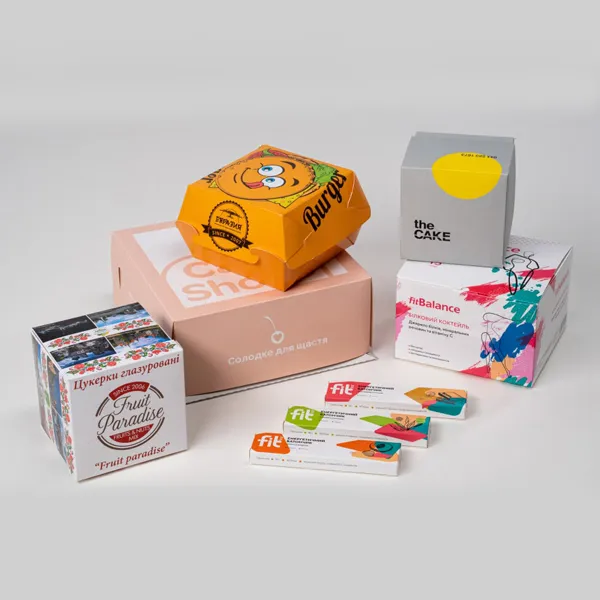
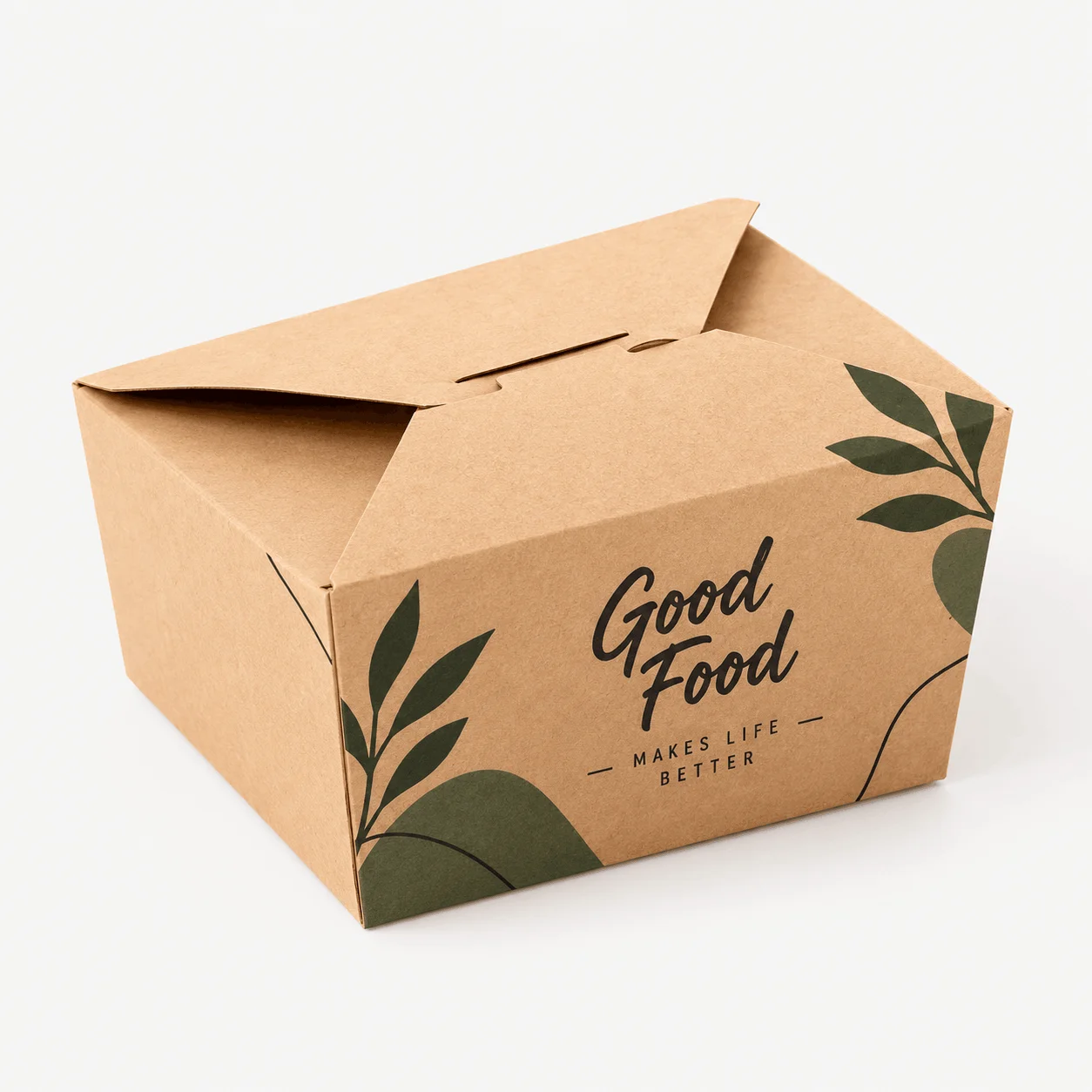
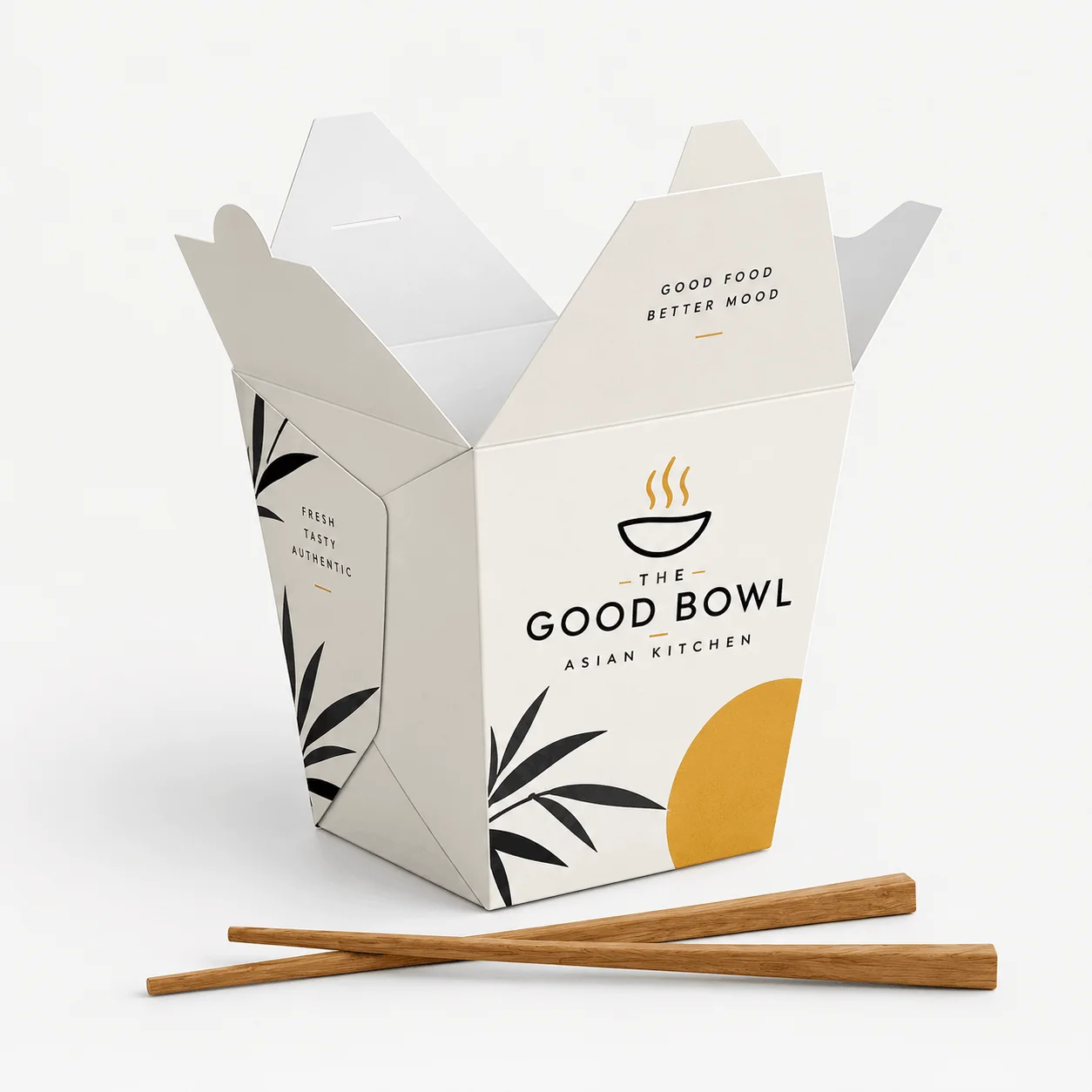
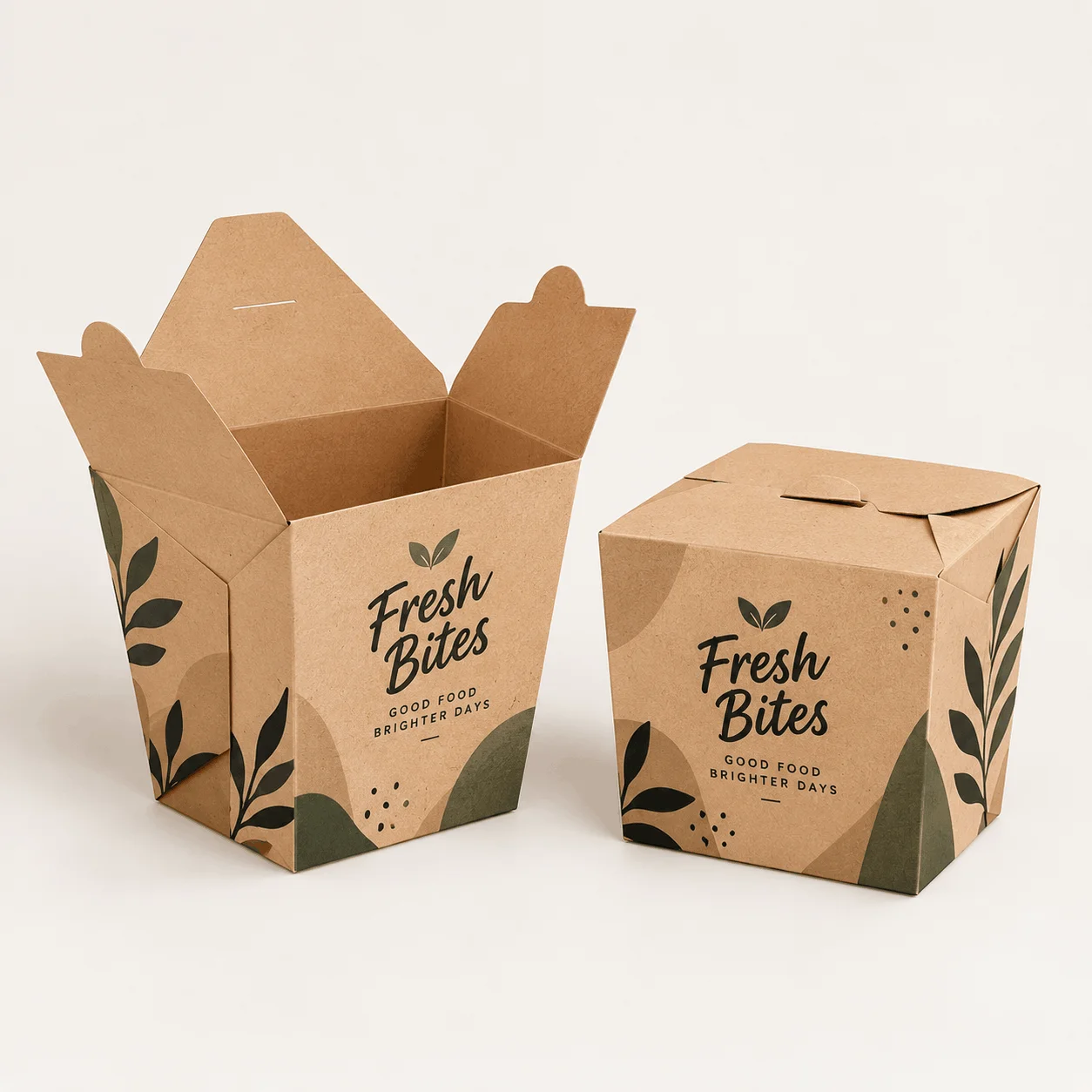
Takeout boxes are folded paperboard or cardboard cartons for hot or cold meals. “Takeaway boxes” is the common British term for the same category. The classic Chinese takeout box is a pail-style fold with a wire handle. Others use tuck-top, lock-corner, or window designs.
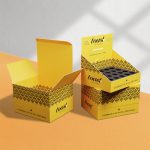
Custom Food Boxes and To-Go Food Containers
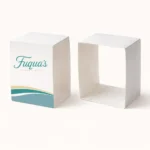
Custom food boxes are made to your size, structure, and artwork. To-go food containers is a broader term that includes clamshells, bowls, trays, and plastic takeout containers. A clamshell suits burgers, while a pail suits noodles, and a tray suits fries or sides.
Catering and Restaurant Packaging
Catering boxes handle larger portions, bundled meals, and group orders. They usually need stronger construction, dividers, or inserts. Restaurant takeout containers must also stack and travel well in delivery bags.
Disposable and Custom-Printed Packaging
Disposable takeout containers are designed for single use. Custom printing turns them into branded packaging that customers recognize on a counter or doorstep.
Packaging Materials and Construction
Material suitability depends on the food, its moisture and temperature, the design, and how far the package travels.
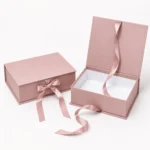
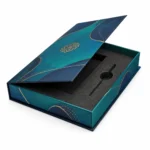
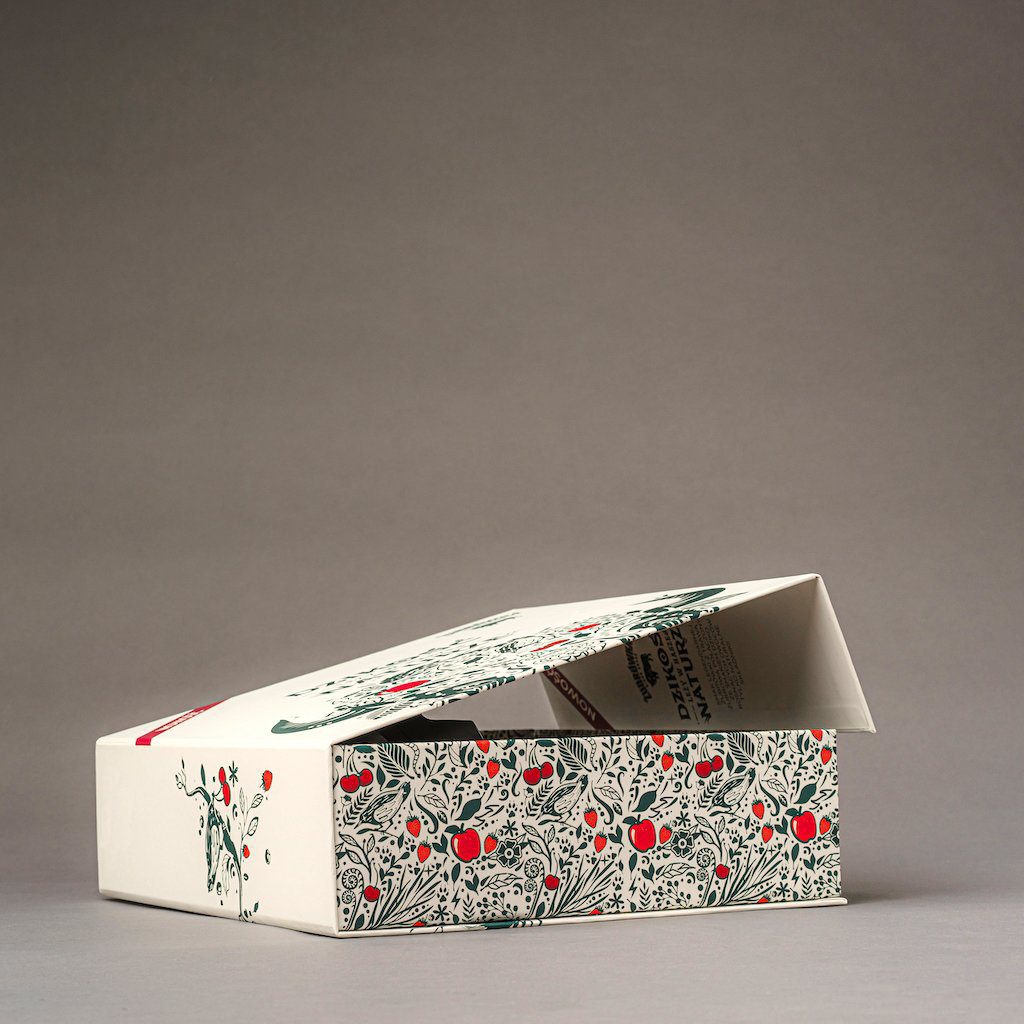
- Cardboard and rigid board: Cardboard suits lightweight to medium food items. Rigid board is sturdier and more often used for premium presentation or gift packaging than for hot meals.
- Corrugated board: Its fluted layer adds strength, which helps with large, heavy, or stacked orders such as catering and pizza.
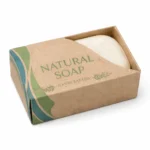
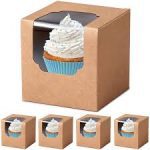
- Kraft paper: Brown kraft has a natural look and is common for bakery and eco-minded brands. Grease resistance depends on the specific board and any liner or coating.
- Paper-based food containers: These can work well, but coatings that resist moisture may affect recyclability or compostability.
- Plastic food containers: Plastic offers clear visibility and moisture resistance, but sustainability and disposal depend on the resin and local programs.
- Other made-to-order materials: Packaging Box US can work with other materials made to order, depending on your specifications.
Always confirm food-contact suitability with the manufacturer for your exact material and intended use.
Printing, Finishing, and Customization
Customization lets packaging reflect your brand, but it should never come at the expense of function. A beautiful box that leaks or collapses does not help your customer.
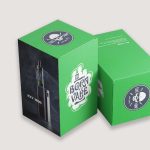
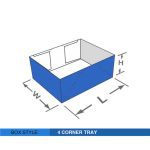
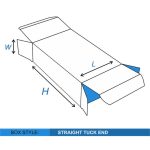
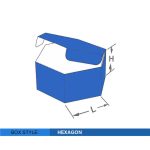
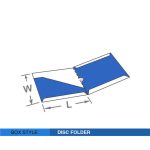
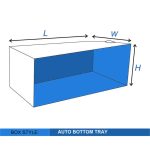
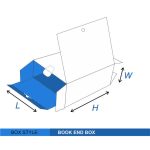
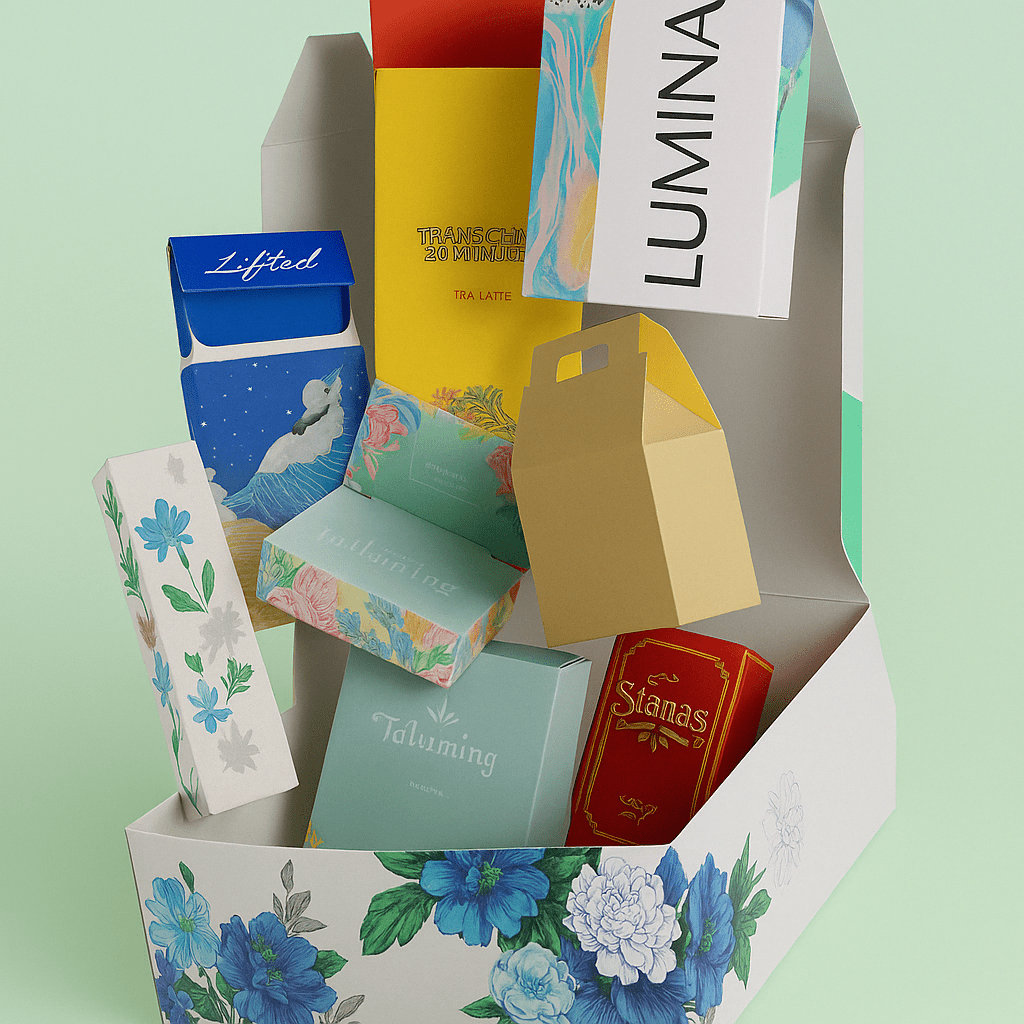
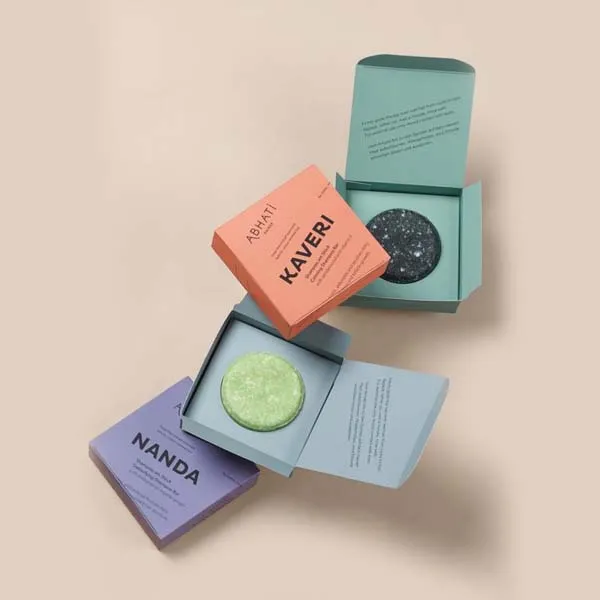
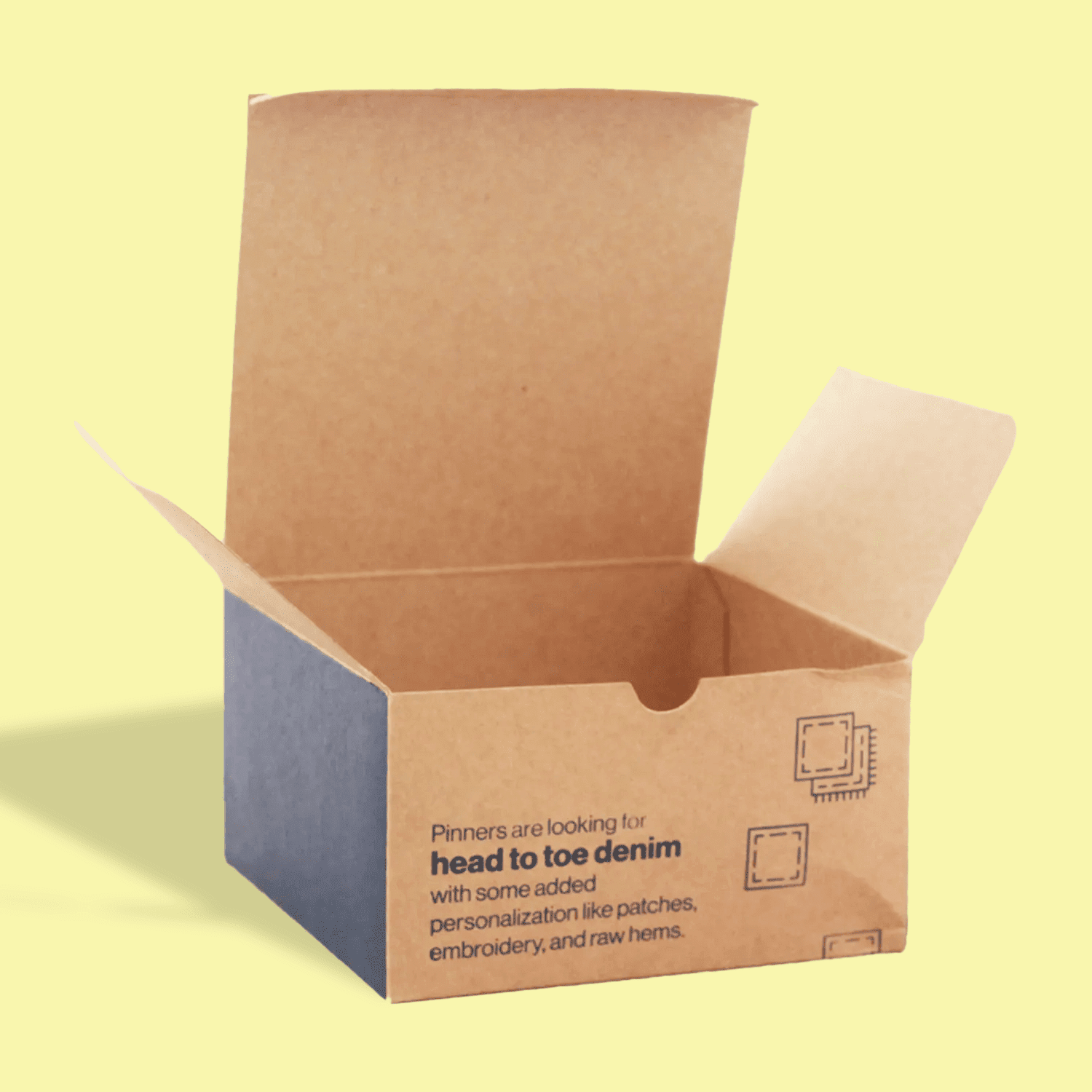
Structure. Custom sizes, shapes, styles, and layouts can match your menu items. Custom structural designs and die-cut features, such as vents or windows, can improve fit.
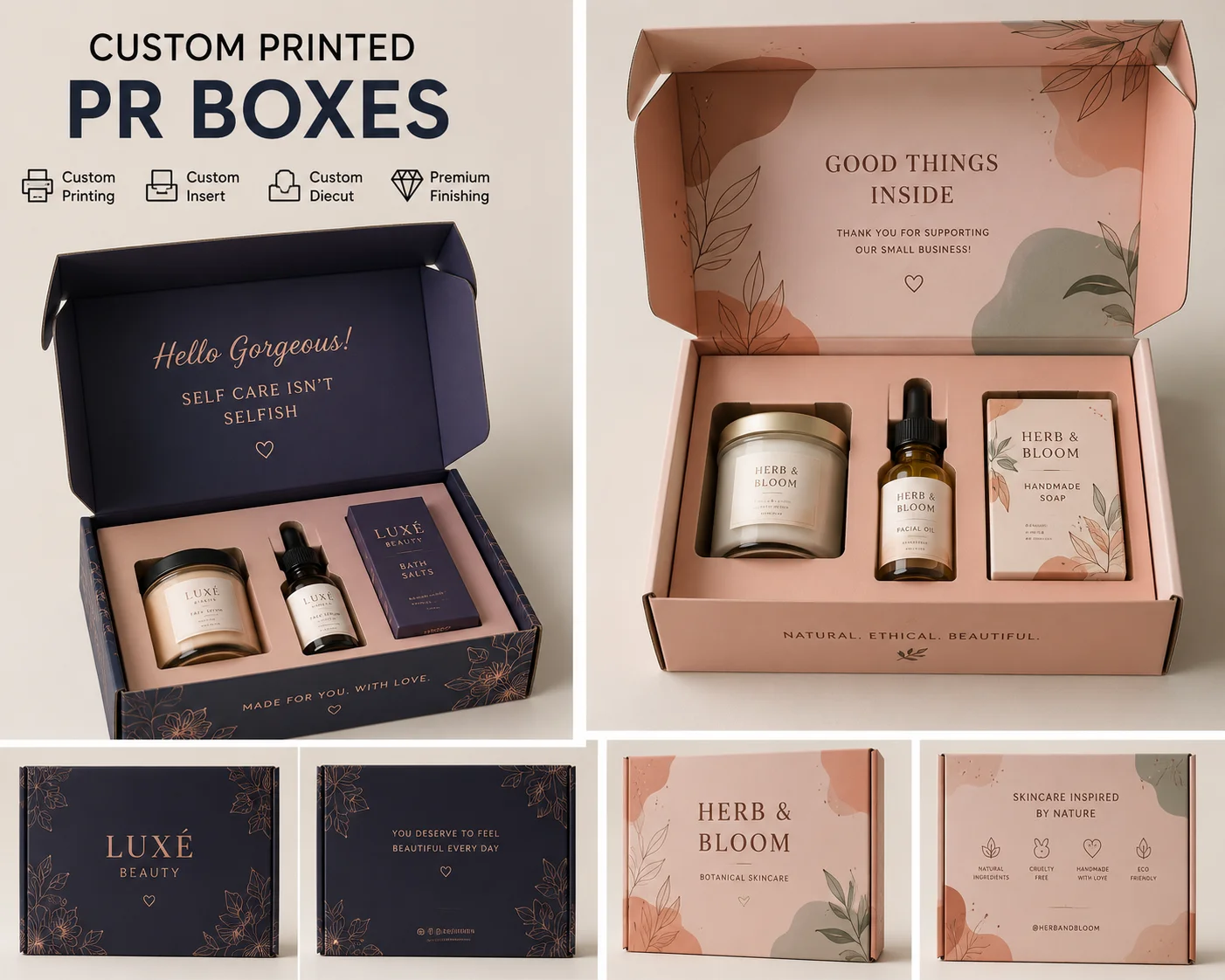
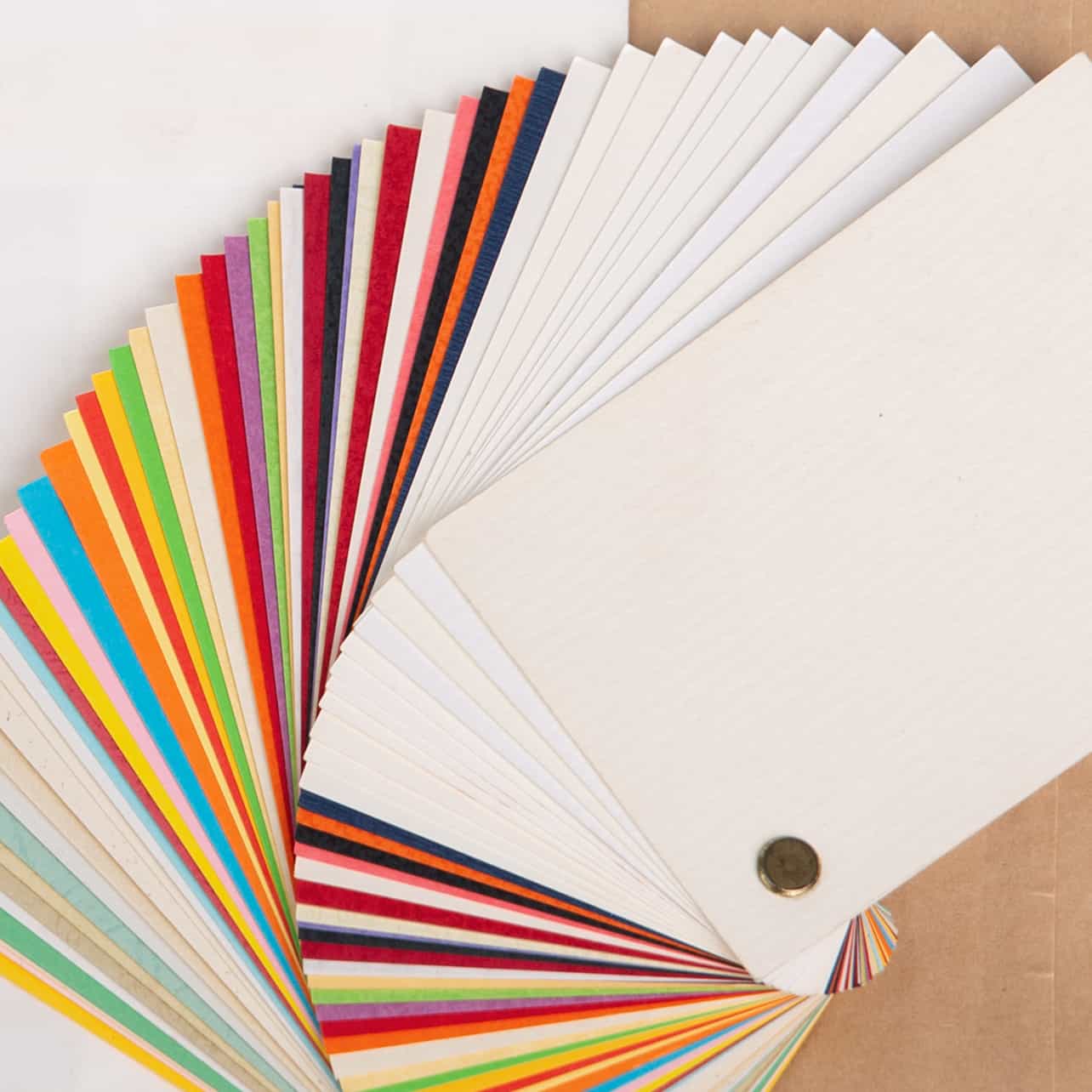
Printing. Offset printing suits larger runs and digital printing suits smaller ones. CMYK reproduces full-color artwork, while Pantone/PMS matching helps keep brand colors consistent. Printing can go inside or outside the box.
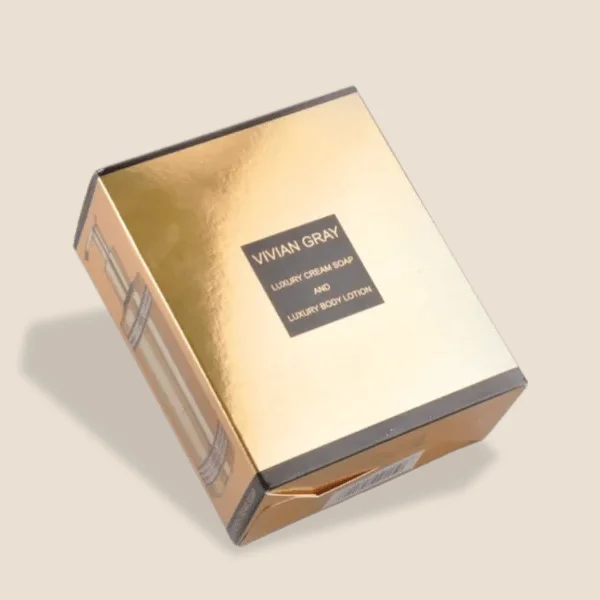
Finishes. Options include matte or gloss, spot UV, and AQ coating, as well as gold or silver foil, embossing, debossing, raised ink, and raised UV. Decorative finishes change appearance and feel, but they do not make a box suitable for heat, grease, or direct food contact. Those requirements come from the material and construction.
Good design supports a better customer experience. It cannot promise higher sales.
Choosing Packaging for Different Industries
- Fast food: Speed, low per-unit cost, and easy assembly matter most. Window or clamshell formats are common.
- Chinese restaurants: Pail-style cartons suit noodles and rice. Check whether handles contain metal before any reheating.
- Food delivery: Secure closures, leak resistance, and stackability matter because boxes shift in transit.
- Catering: Bulk-friendly boxes need rigidity, separators, and clear labeling.
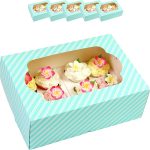
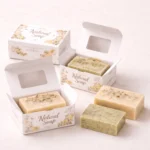
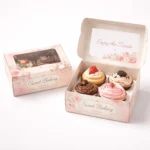
- Bakery: Windows, grease-resistant liners, and presentation count for pastries, cakes, and cookies.
- Meal prep: Compartments and consistent sizing help portion control and storage.
- Food trucks: Compact, easy-to-hold boxes that hold up outdoors work best.
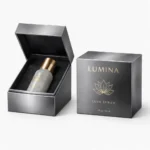
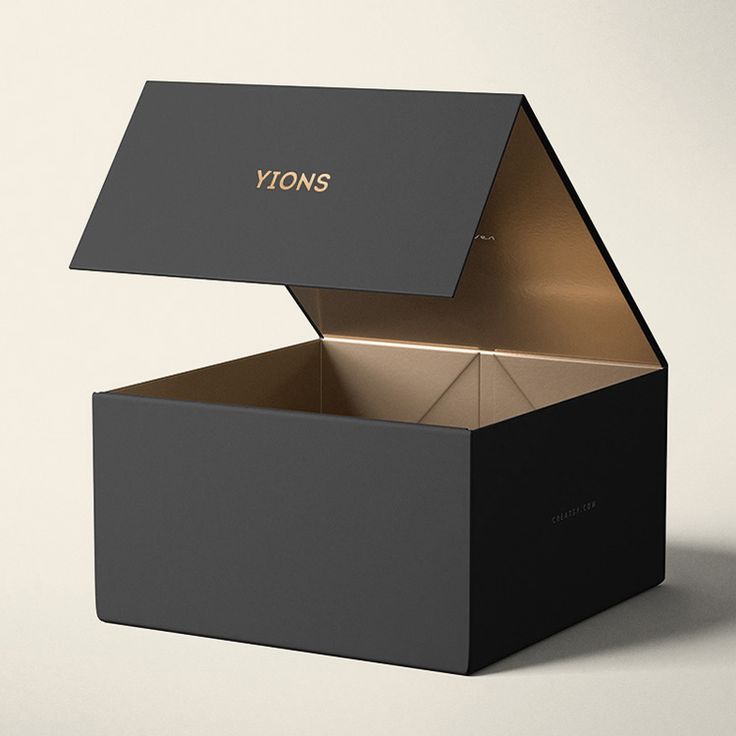
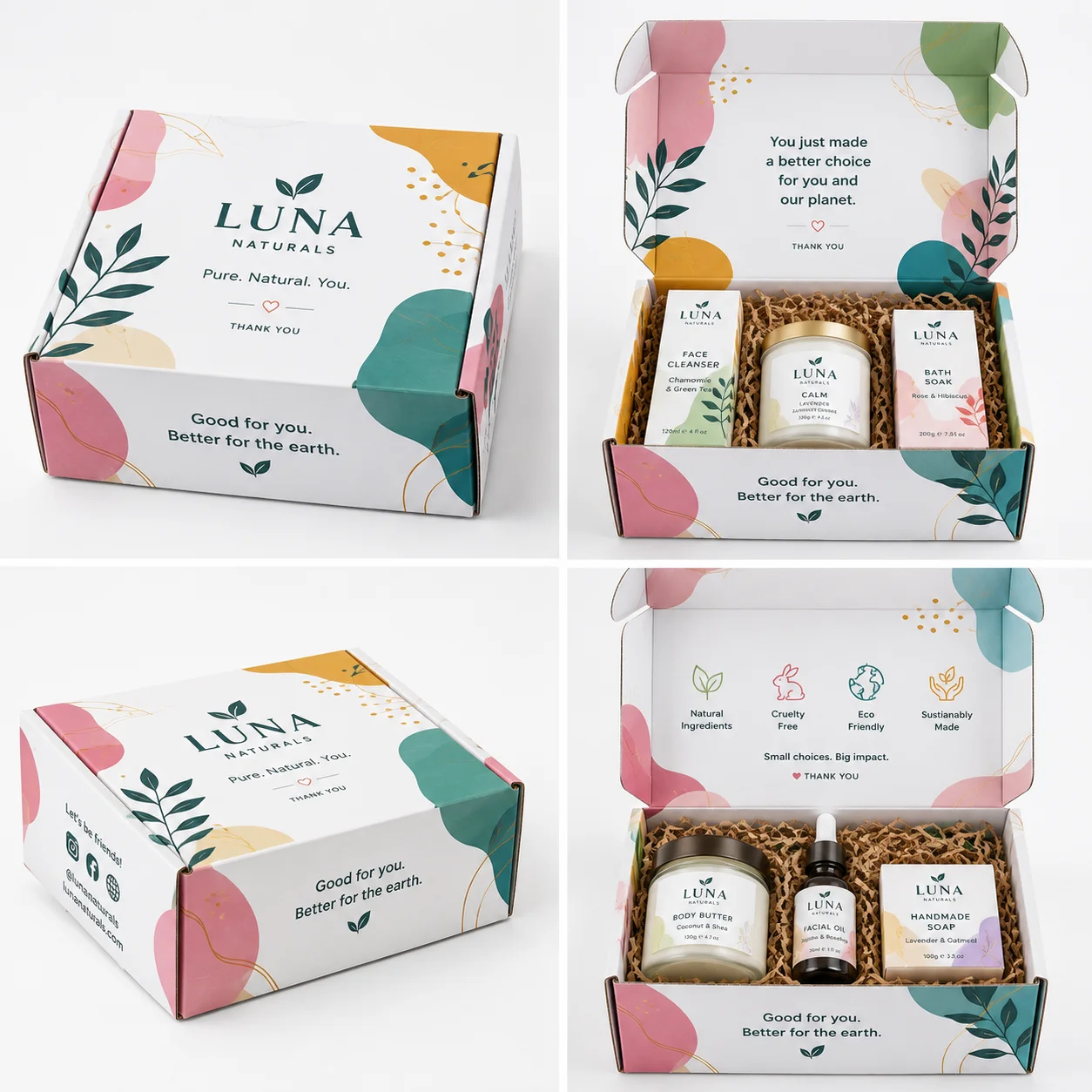
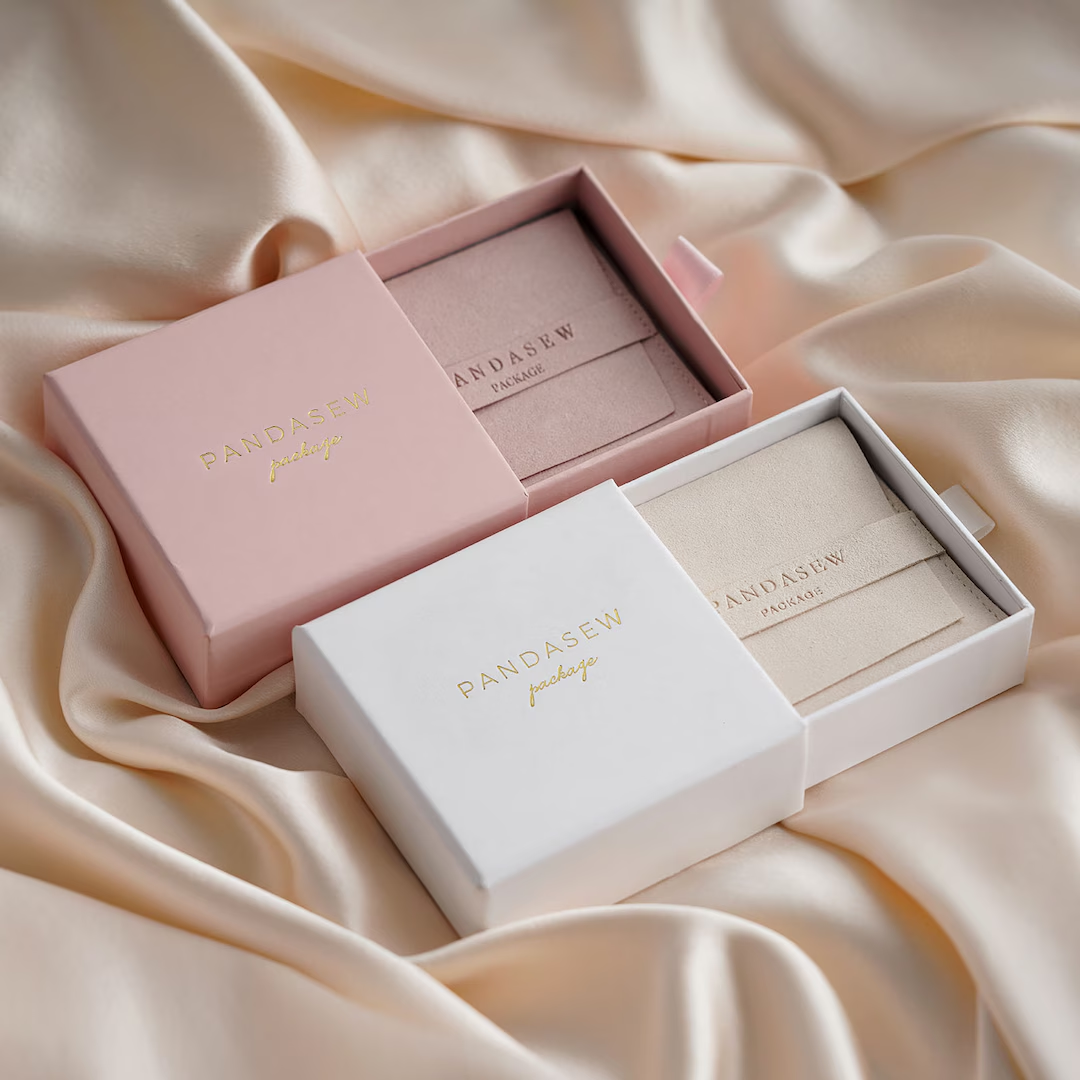
- Gift and retail packaging: Boxes here prioritize presentation and protection over food-contact needs.
Across all of these, weigh quantity, product dimensions, stacking, closure type, branding, and cost.
How to Choose the Right Takeout or Custom Packaging
No single box is right for everyone. Work through these criteria:
- Size and weight: Measure your portions, not just the container.
- Strength: Heavy or saucy foods need sturdier board.
- Temperature and moisture: Steam, grease, and sauces can weaken unprotected paperboard.
- Closures and lids: Tuck tops, locks, or attached lids affect leaks and spills.
- Delivery needs: Consider stacking and bag fit.
- Branding: Decide what to print and where.
- Material suitability: Match the material to the food and the use.
- Quantity and budget: Pricing and feasibility can depend on specifications and volume.
- Environmental claims: Ask what a claim means for the actual product.
- Samples and approval: Test samples and review artwork proofs before production.
Sustainable Packaging and Safe Use
Recyclable, compostable, biodegradable, and reusable are not interchangeable terms. Whether a package can be recycled or composted depends on its material, coatings, food contamination, local facilities, and applicable standards. In the U.S., the FDA oversees food-contact substances, and the FTC’s Green Guides address environmental marketing claims.
Microwave safety is a separate question from food-grade suitability. A package can be food-safe and still unsuitable for microwave heating. Plain paper or cardboard differs from packaging with metal handles, plastic windows, special coatings, or adhesives. Do not microwave any package unless the manufacturer explicitly identifies that product as microwave-safe and its instructions allow it.
Why Choose Packaging Box US for Custom Packaging Solutions?
Packaging Box US provides premium custom packaging solutions for food businesses, among other industries. Here is what the company offers:
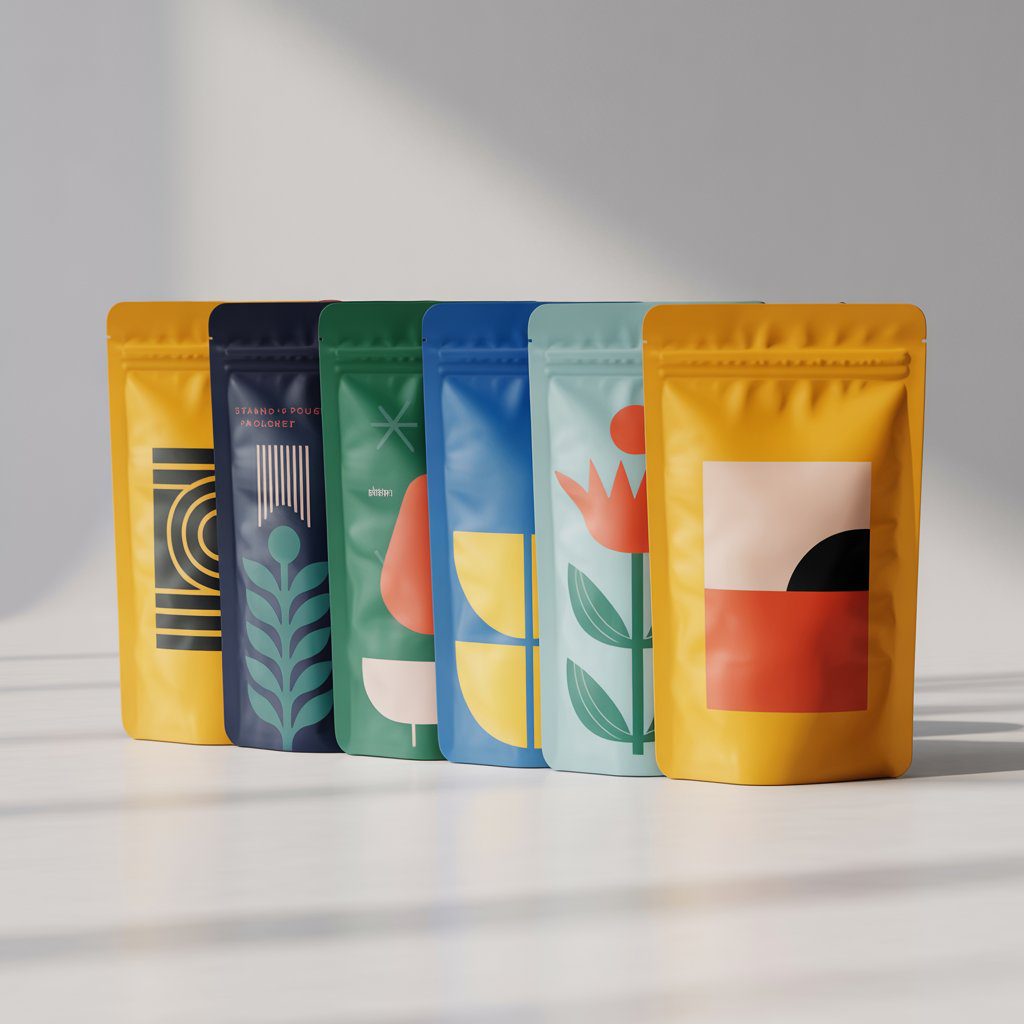
- Customization: Custom sizes, shapes, styles, layouts, and structural designs, with inside and outside printing.
- Design help: Free design assistance and free unlimited revisions with no extra revision charges. You can request 2D or 3D mockups.
- Extras: Free matte or gloss lamination and free die-cut service, per the terms of your project.
- Materials and printing: Cardboard, corrugated, rigid board, kraft, and other materials made to order. Printing options include offset, digital, CMYK, Pantone/PMS, soy ink, and food-grade printing, though food-contact suitability must be established for each material and use.
- Quality: Quality-control processes, plus relevant certifications where applicable, such as FSC, FSC Chain of Custody, ISO 9001, SFI, and PEFC. These apply only to particular materials, products, or facilities, not every item.
- Order flexibility: No minimum order quantity. Pricing and feasibility may depend on specifications and quantity.
- Timing: Smaller quantities can be produced in about 7 business days. Rush production can take as little as 5 business days, including printing and delivery, depending on the project.
- Shipping: Fast shipping through DHL, FedEx, and UPS, with free doorstep shipping in the USA where applicable. Availability, charges, and transit times depend on the order and destination.
- Samples: Free plain samples to confirm size, free custom samples (subject to terms and conditions), and free sample kits with free shipping where applicable.
- Support and capacity: 24/7 live chat. Production capabilities span the USA, UK, Pakistan, and China, with capacity of approximately 10 million boxes per week. Not every order is made in every location.
The process: Free quote → material selection → artwork/design preparation → artwork approval → production → delivery. Quotes can come within minutes, depending on the project.
Before requesting a quote, prepare: product type and dimensions, quantity, material preference, print and finish ideas, artwork files, and delivery location.
The Future of Search and Packaging
Buyers increasingly ask search engines and AI assistants direct questions, such as which box suits hot food or how a material behaves in the microwave. Suppliers that publish clear specifications, accurate buying guides, and well-organized pages are easier for both people and AI systems to understand. Accuracy matters more than volume, so claims should be specific and qualified.
Expert FAQ: Top Related Questions
Can you microwave chinese takeout boxes
Only if the manufacturer says that specific box is microwave-safe. Many have metal wire handles, which should never go in a microwave. Transfer food to a microwave-safe dish.
Can you microwave cardboard takeout boxes
Not unless the manufacturer identifies that product as microwave-safe. Coatings, adhesives, and metal parts vary, so transferring food to a microwave-safe dish is the safer choice.
Can you microwave paper takeout boxes
Only if the product is labeled microwave-safe by its manufacturer. Plain paper differs from coated or laminated paper, so check the instructions or use a microwave-safe plate.
Which of the following items are required for take-home containers
No list was provided, so no specific item can be confirmed. Generally, take-home containers should be food-suitable, leak-resistant, securely closable, and compliant with local rules.
Can you microwave takeout boxes
Only if the specific box is labeled microwave-safe by its manufacturer. Material, coatings, and metal parts all matter. When unsure, move food to a microwave-safe dish.
Where to buy to go containers
Options include restaurant supply stores, wholesale distributors, online retailers, and custom packaging manufacturers like Packaging Box US, which offers custom sizes and printing.
Can u microwave styrofoam takeout boxes
Only if the manufacturer labels that foam container microwave-safe. Many are not intended for microwave heating, so transfer food to a microwave-safe dish.
Does costco sell boxes
Costco may carry some packaging or boxes, but availability varies by location and membership type. Check with your local warehouse or Costco Business Center.
Where can i buy to go containers
Try restaurant supply stores, wholesalers, and online suppliers. For branded or custom-sized options, contact a custom packaging manufacturer such as Packaging Box US.
Are takeout boxes microwave safe
Not all of them. Microwave safety depends on the material, coatings, and any metal parts. Use only boxes the manufacturer explicitly labels microwave-safe.
Can i get a little to go box
Yes, restaurants commonly provide one for leftovers if you ask. Policies vary by establishment, so ask your server.
Can i microwave chinese takeout box
Only if the manufacturer confirms that particular box is microwave-safe. Remove any metal handles, or better, reheat the food on a microwave-safe plate.
Can u microwave paper takeout box
Only when the manufacturer states that specific paper box is microwave-safe. Coatings and glues vary, so a microwave-safe dish is the safer choice.
Can you put cardboard takeout box in microwave
Only if the product is explicitly labeled microwave-safe. Otherwise, avoid it, because coatings, adhesives, or metal components may be unsafe.
Are chinese takeout boxes microwave safe
Not necessarily. Metal handles are unsafe, and coatings vary. Check the manufacturer’s instructions or transfer the food to a microwave-safe dish.
Can u microwave chinese takeout boxes
Only if the manufacturer explicitly identifies that box as microwave-safe. Metal handles must never be microwaved, so reheat food in a suitable dish.
Can i microwave cardboard takeout box
Only if the manufacturer labels it microwave-safe. Without that confirmation, move the food to a microwave-safe container.
Can i put chinese takeout box in microwave
Only if that specific box is labeled microwave-safe and has no metal parts. When in doubt, reheat the food on a microwave-safe plate.
Can you heat up cardboard takeout boxes
Heating them is not recommended unless the manufacturer says the specific product is designed for it. Use an oven-safe or microwave-safe dish instead.
Can you microwave cardboard takeout box
Only when the manufacturer states the product is microwave-safe. Otherwise, transfer the food to a microwave-safe container.
Is cardboard takeout box microwavable
Not by default. Microwavability depends on the specific product, its coatings, and its construction, so follow the manufacturer’s instructions.
Where to buy styrofoam takeout containers
Restaurant supply stores, wholesale distributors, and online retailers sell them. Check local regulations, since some areas restrict foam foodservice products.
Are brown takeout boxes compostable
Not automatically. Brown color does not determine compostability. It depends on the material, coatings, food residue, and whether local facilities accept it.
Are brown takeout boxes microwavable
Not necessarily. Color is not an indicator. Only a manufacturer’s explicit microwave-safe statement for that product should be trusted.
Are cardboard takeout boxes compostable
Some may be, but not all. Coatings, linings, and food contamination affect compostability, and acceptance depends on local composting facilities.
Are cardboard takeout boxes microwavable
Only if the manufacturer labels that specific box microwavable. Many are not tested for it, so transfer the food to a microwave-safe dish.
Are cardboard takeout boxes microwave safe
Not always. Safety depends on the specific product and its coatings or metal parts. Follow the manufacturer’s instructions.
Are cardboard takeout boxes recyclable
Plain cardboard is often recyclable, but grease and food residue can contaminate it. Local recycling rules vary, so check with your provider.
Are chinese takeout boxes compostable
Some may be, depending on materials and coatings. Wire handles and linings can complicate this, so check the manufacturer’s information and local facilities.
Are chinese takeout boxes microwavable
Not all. Metal handles are unsafe, and coatings vary. Only follow the manufacturer’s explicit microwave instructions.
Are chinese takeout boxes recyclable
Often partly. Paperboard may be recyclable if clean, but grease, coatings, and metal handles can limit it. Confirm with local recycling guidelines.
Are olive garden takeout boxes microwavable
Packaging specifications can change and vary by location, so no assumption can be made. Check the container’s labeling or ask the restaurant.
are panda express takeout boxes microwavable
This depends on the current packaging, which can vary and change. Check the box’s labeling or ask the restaurant before microwaving.
Are paper takeout boxes compostable
Some are, but not all. Coatings, inks, and food residue matter, and local composting facilities determine what they accept.
Are paper takeout boxes microwavable
Only if the manufacturer says that specific box is microwave-safe. Coated or laminated paper may not be suitable.
Are paper takeout boxes recyclable
Plain, clean paper often is. Grease, food residue, and plastic coatings can prevent recycling, and local programs vary.
Are pf chang’s takeout boxes microwavable
Packaging can differ by location and over time, so it cannot be assumed. Check the container’s instructions or ask the restaurant.
Are styrofoam takeout boxes microwavable
Only if the container is labeled microwave-safe by its manufacturer. Many are not intended for it, so use a microwave-safe dish.
Are takeout boxes compostable
Some are, but not all. Look for clear manufacturer information about materials and standards, and confirm local composting acceptance.
Conclusion: Packaging That Works as Hard as Your Kitchen
The right box depends on your food, your delivery method, your brand, and your budget. Compare size, strength, closures, materials, and printing, and test samples before committing. Treat every recycling, compostability, and microwave claim as specific to a product, not to a category.
When your packaging protects the meal and reflects your brand, every order leaves a stronger impression. If you are ready to explore custom packaging, talk with Packaging Box US at +1 424 240 5630 or sales@packagingbox.us.