





































Soap Wrapping Paper: Custom Printed Wraps for Soap Bars
A great bar of soap deserves packaging that keeps it clean, looks appealing, and reflects the care that went into making it. Soap wrapping paper offers a flexible way to present handmade, artisan, and commercially produced soap bars without relying on a traditional box.
Whether you sell natural soaps at farmers markets, supply bath and body boutiques, or manufacture private-label skincare products, the right paper wrapper can make your soap easier to identify, handle, display, and give as a gift.
At Packaging Box US LLC, we offer custom soap wrapping paper with options for branded artwork, sizes, and finishes. From simple kraft wraps to full-color printed designs, your packaging can be tailored to your soap’s shape, ingredients, presentation, and sales channel.
The key is choosing paper that suits the soap itself. A fully cured cold-process bar has different packaging needs from a moisture-sensitive melt-and-pour soap. Understanding those differences helps you avoid damaged wrappers, smudged labels, and disappointing product presentation.
What Is Soap Wrapping Paper?
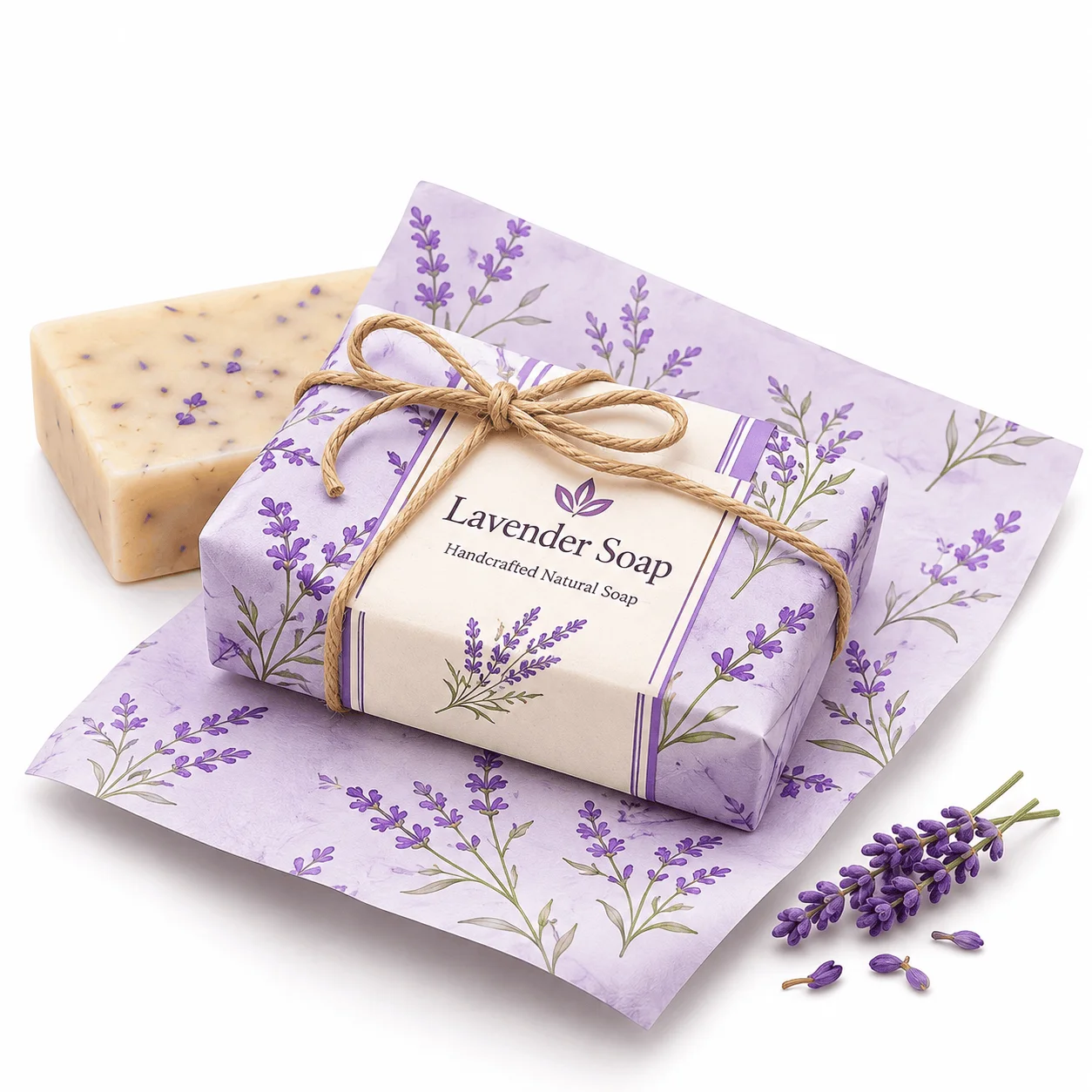
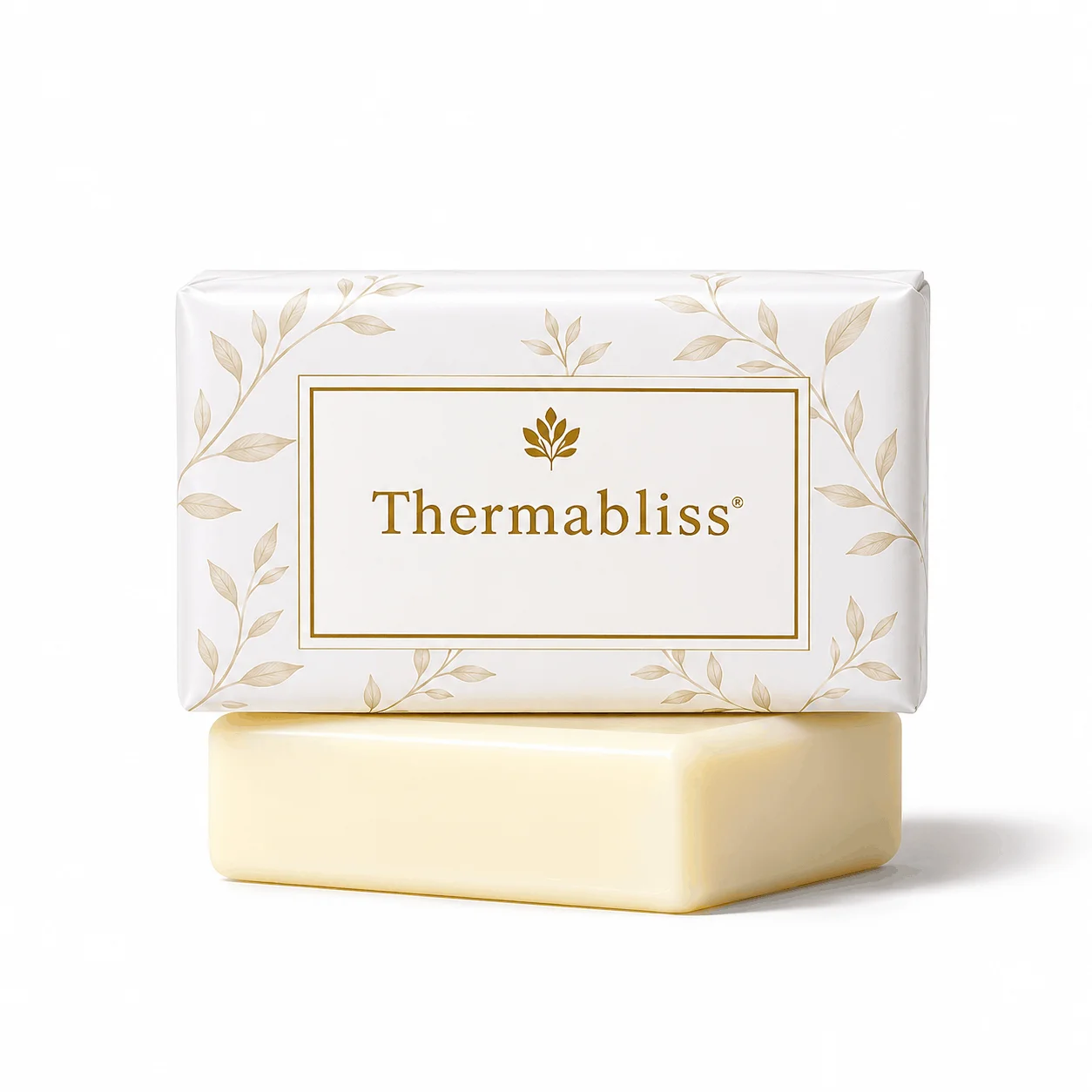
Soap wrapping paper is paper-based packaging used to cover, decorate, or label individual soap bars. It may completely enclose the bar, wrap around the center as a band, or serve as an outer decorative layer over protective packaging.
Unlike a folding carton, a paper wrapper generally follows the soap’s shape. This makes it useful for rectangular bars, oval soaps, round soaps, and handmade products with irregular edges.
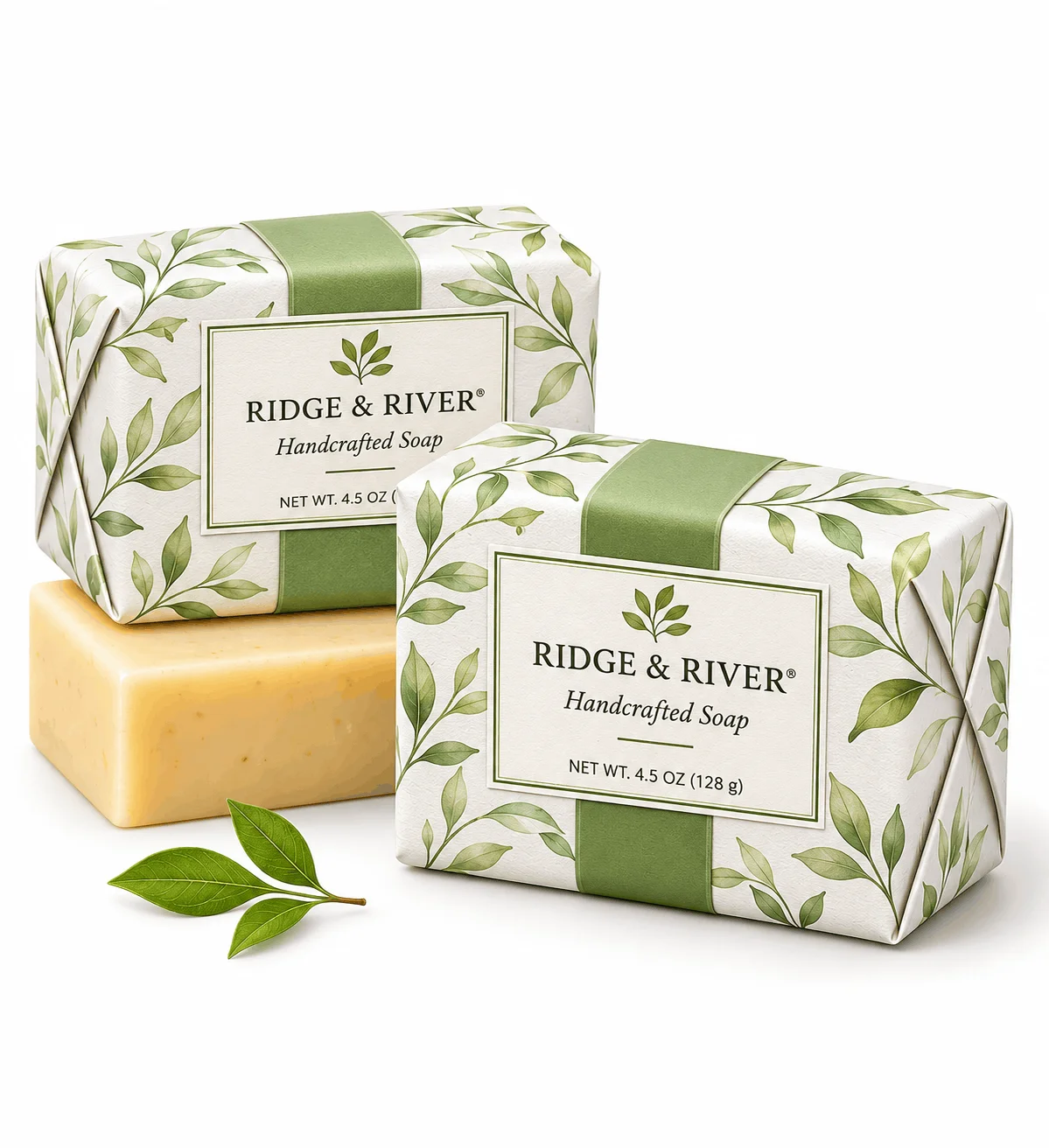
Soap paper wrappers can feature your brand logo, product name, fragrance, ingredients, directions, and other relevant information. The available print area depends on the wrapper’s dimensions and folding method.
For many soap makers, paper wrapping offers three practical advantages: a distinctive handmade appearance, compact storage before use, and flexibility for seasonal or small-batch branding.
However, paper alone does not provide the same crush protection as a rigid box or the moisture barrier of a properly specified protective film. Your choice should reflect how the soap will be stored, transported, and sold.
Choosing the Best Paper to Wrap Soap
Not every paper performs equally well around soap. Texture, absorbency, thickness, printing characteristics, and exposure to moisture all affect the result.
Kraft Paper for Soap Packaging
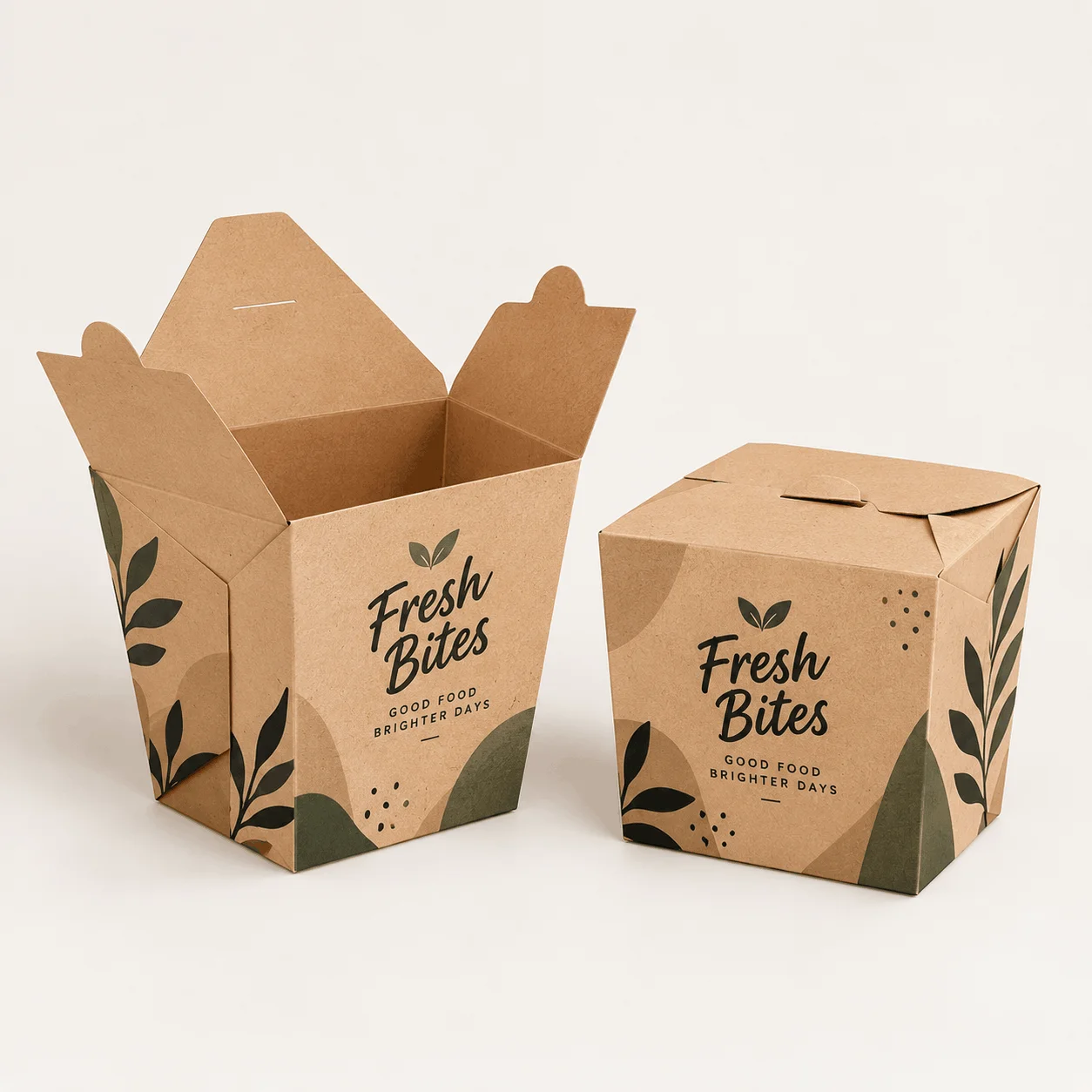
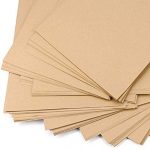
Kraft paper is a popular choice for handmade soap because of its natural brown appearance and understated texture. It works especially well for botanical, rustic, and minimalist packaging designs.
You can use brown kraft paper for wrapping soap with a printed label, branded sticker, or custom artwork. White kraft paper provides a cleaner background when you want lighter colors and more visible printed details.
Kraft is most appropriate for sufficiently cured, dry soap bars. It should not be treated as a guaranteed moisture barrier.
Custom Printed Paper Wrappers
Custom printed soap wrapping paper gives brands more control over how each product appears on the shelf.
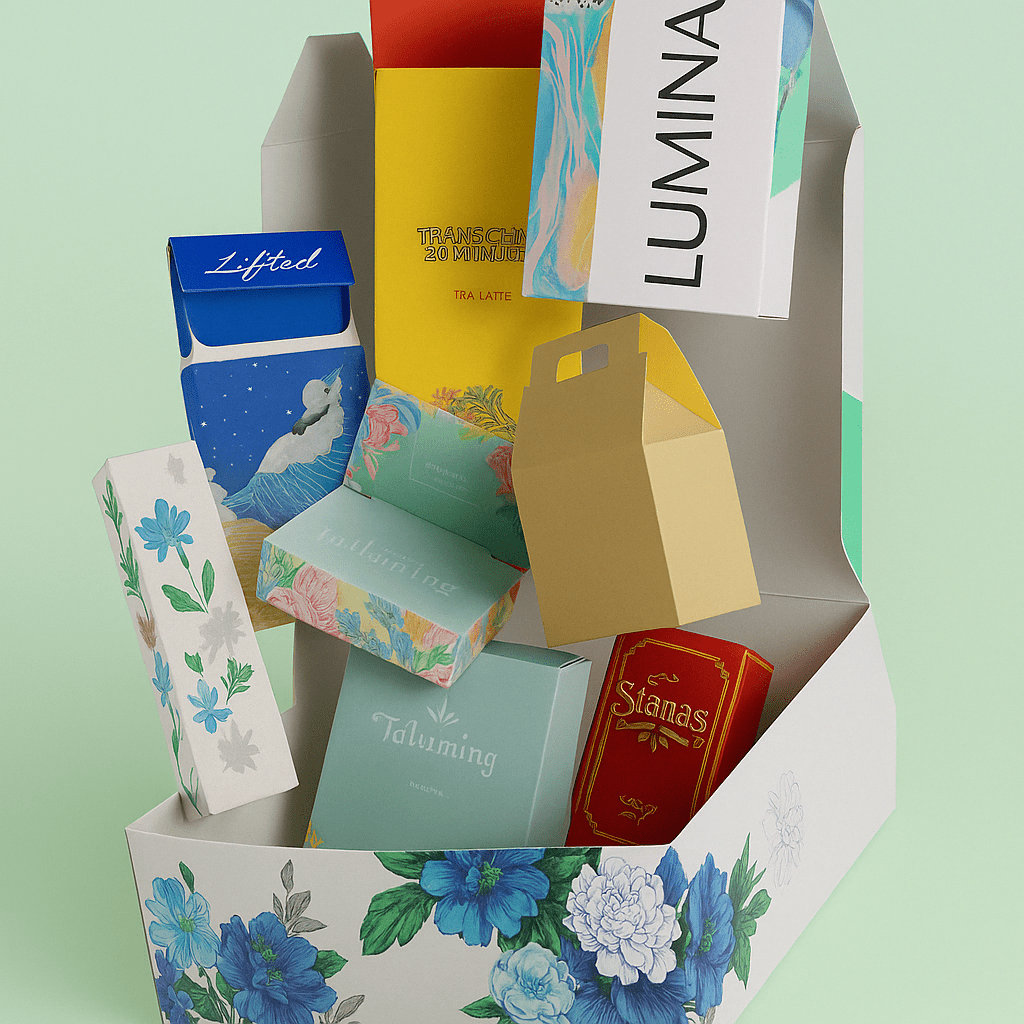
Depending on the selected stock and printing method, wrappers can include illustrations, patterns, ingredient information, fragrance identifiers, and full-color branding.
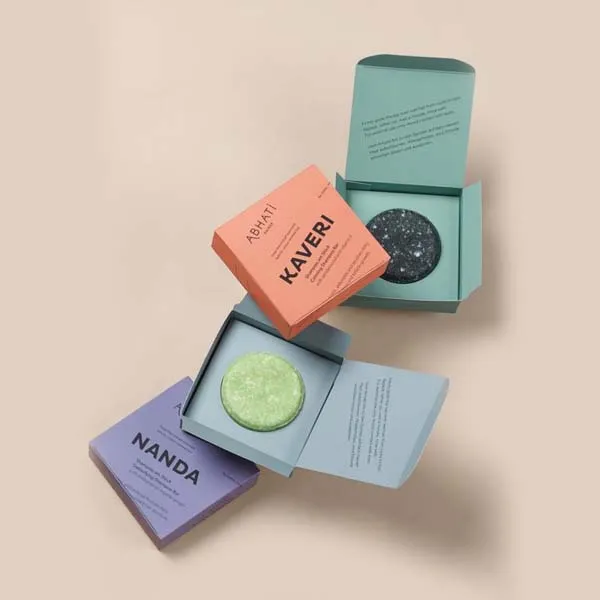
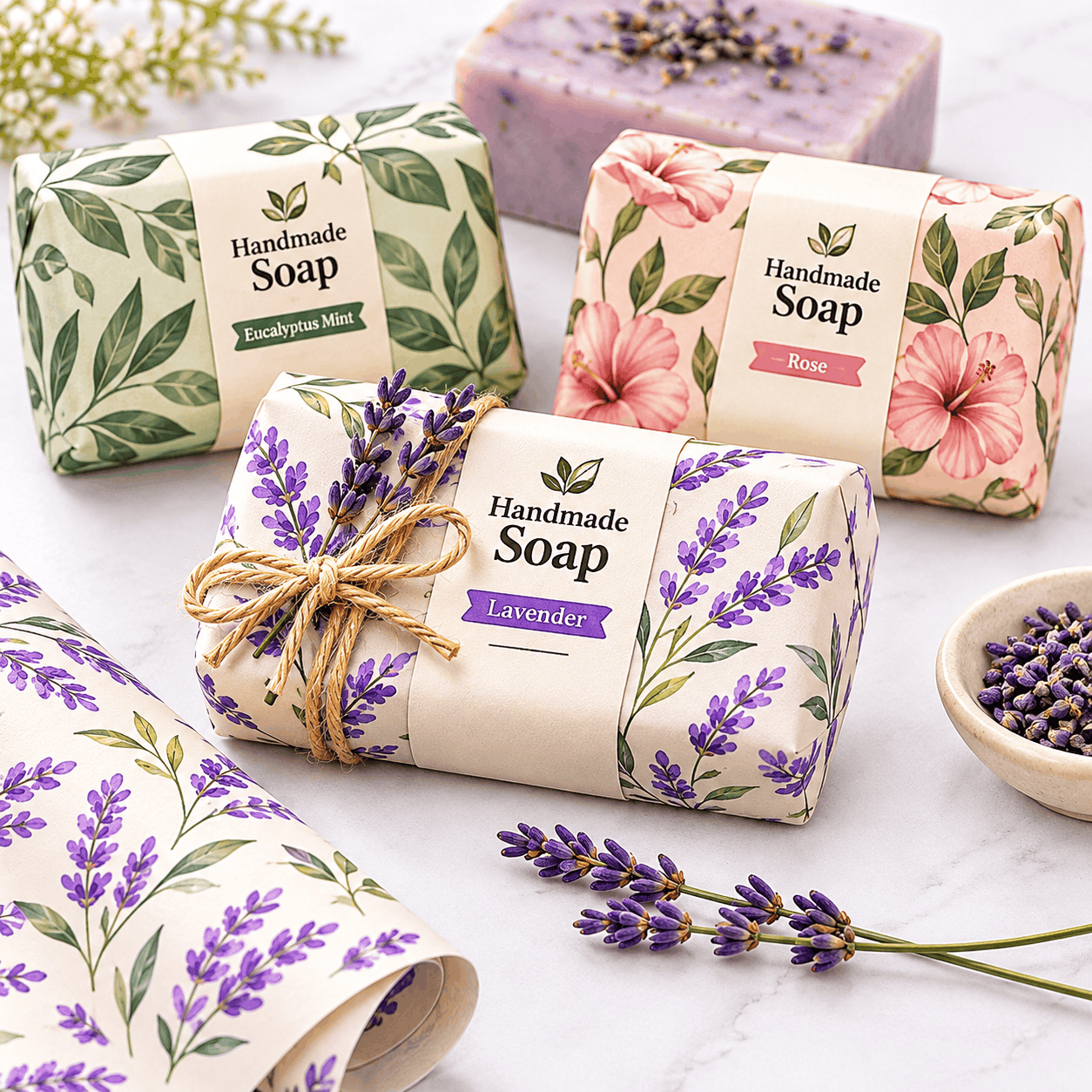
A coordinated design system can help distinguish lavender, charcoal, oatmeal, citrus, and other soap varieties while maintaining a consistent brand identity.
For artwork with precise brand colors, CMYK or Pantone matching may be considered based on the printing process and paper selection.
Tissue Paper for Soap Wrapping
Tissue paper is lightweight, flexible, and suitable for delicate decorative presentation. It can be folded around soap bars, layered inside gift packaging, or used to create a soft unboxing experience.
Its main limitation is durability. Thin tissue tears more easily than heavier wrapping stocks and provides limited resistance to moisture, oil transfer, or abrasion.
For retail soap bars, tissue is often more effective as a decorative layer than as the only protective wrapper.
Wax Paper and Parchment Paper
Wax paper and parchment paper are sometimes used for homemade soap packaging, but they are not interchangeable.
Wax paper has a wax-treated surface that offers some resistance to moisture. Parchment paper generally has a nonstick, moisture-resistant treatment, although its properties depend on the product.
Neither should automatically be assumed suitable for every soap formulation or long-term storage requirement. Compatibility, coating type, and the soap’s moisture behavior should be checked before use.
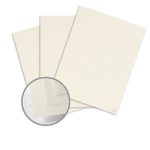
Cotton and Linen-Textured Paper
Cotton and linen-textured papers create a tactile, premium appearance that may suit artisan soap collections and gift packaging.
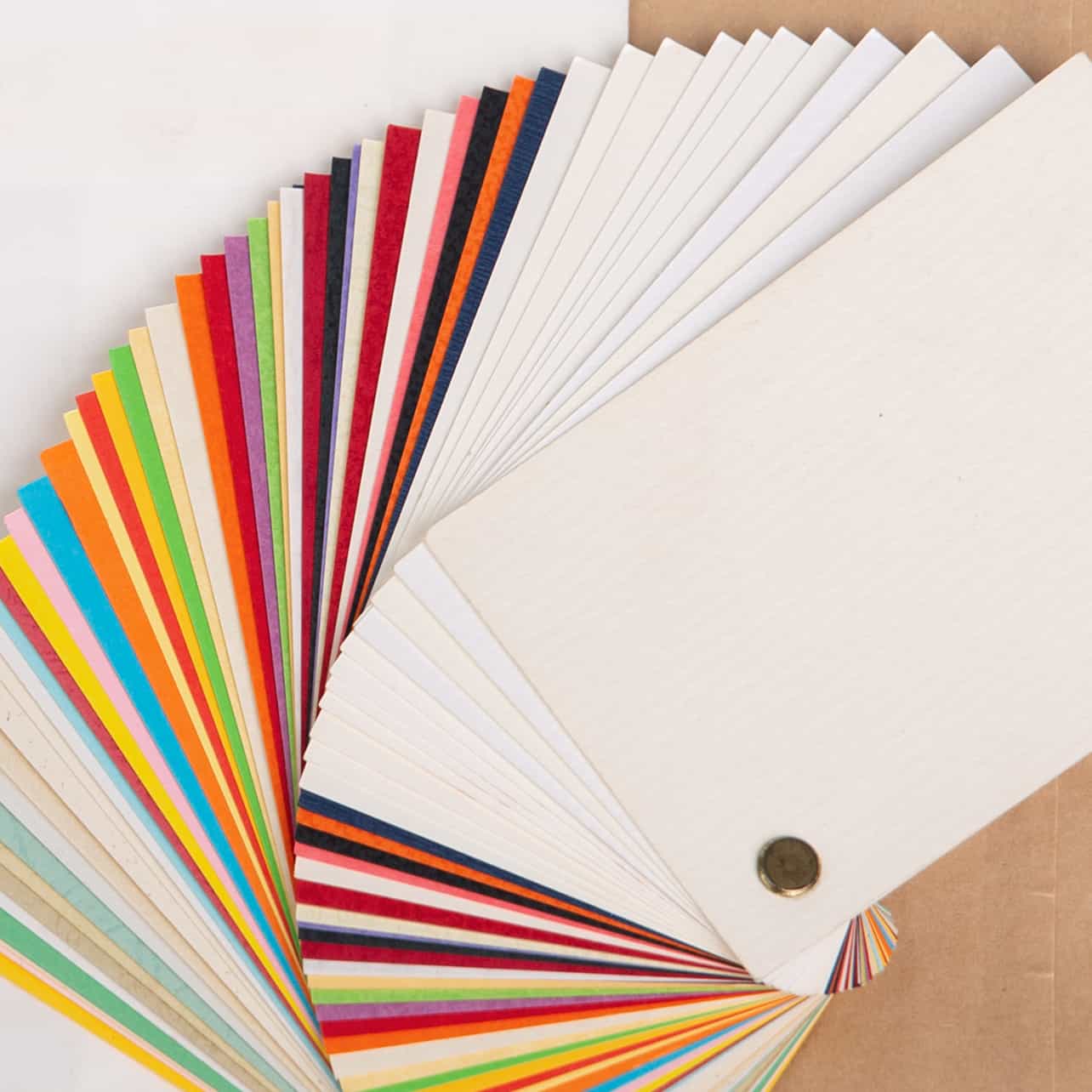
These specialty stocks can be useful for decorative outer wraps, branded bands, or presentation sleeves. Their surface textures may influence print sharpness, especially with very small lettering or intricate artwork.
They are generally selected for visual and tactile appeal rather than moisture protection.
Soap Wrapping Paper vs. Soap Sleeves and Boxes
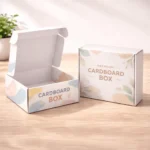
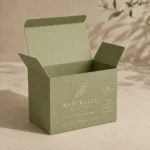
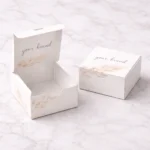
Soap wrappers, cardboard soap sleeves, and custom printed soap boxes serve different purposes. Choosing the right format depends on the protection required, the available branding space, and the intended retail presentation.
| Packaging type | Main advantage | Main limitation |
|---|---|---|
| Paper wrapper | Flexible, compact, customizable | Limited impact protection |
| Soap band | Shows part of the soap bar | Leaves much of the bar exposed |
| Cardboard soap sleeve | More structured branding surface | Often leaves ends exposed |
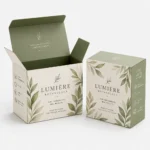
| Folding soap box | Better enclosure and stackability | Uses more material and storage space |
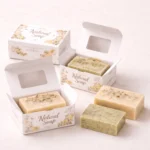
| Window soap box | Lets customers see the product | Window design adds structural considerations |
For handmade soap displayed in a boutique, a custom paper wrapper or branded soap band may provide sufficient presentation when the product is dry and protected from excessive handling.
For soap shipped individually to customers, a folding carton or protective mailer may be needed to reduce damage during transit.
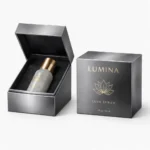
A wrapper can also be combined with a box. For example, a premium soap bar may have a decorative inner wrap and an outer printed carton for additional retail presentation.
Custom Soap Wrapping Paper for Your Brand
Custom packaging should do more than display a logo. It should help customers recognize your products, understand what they are buying, and distinguish one soap variety from another.
Custom Sizes and Shapes
Soap bars vary considerably in size. A standard rectangular bar may need a straightforward folded wrapper, while a round or oval bar requires a different folding approach.
Before choosing a wrapper size, measure the soap’s length, width, and height. Account for its actual shape, folding overlap, and any label placement.
For handmade bars, slight dimensional differences between batches should also be considered. Testing a physical paper template before finalizing the artwork can prevent fitting problems.
Logo and Full-Color Printing
Custom printed soap packaging allows you to incorporate recognizable branding across your product collection.
Common design elements include:
Brand logos and signature colors
Soap names and fragrance descriptions
Botanical illustrations and decorative patterns
Ingredient and product information
Seasonal graphics and gift collection designs
Keep essential information legible after the wrapper is folded. Artwork placed directly across a crease may become difficult to read.
Finishing and Coating Options
Matte and gloss finishes can change how printed soap wrappers look and feel. Matte surfaces create a softer appearance, while gloss finishes emphasize shine and color contrast.
Specialty effects such as foil stamping, embossing, and spot UV may be suitable for certain heavier paper stocks or printed bands, depending on production compatibility.
Not every coating is appropriate for direct contact with soap. When protective or decorative treatments are required, material suitability should be confirmed before production.
How to Wrap Soap in Paper
Wrapping soap neatly requires accurate paper dimensions and a folding method that suits the bar’s shape.
Step 1: Prepare the soap and paper
Make sure the soap is sufficiently cured or otherwise ready for its intended packaging. Cut your paper large enough to cover the bar with adequate folding overlap.
Step 2: Position and fold
Place the soap in the center of the paper. Bring the longer edges around the bar, then fold the ends inward to create a neat, secure shape.
Step 3: Secure and label
Use an appropriate adhesive label, paper band, or other closure to keep the wrap in place. Add branding and required product information in a visible location.
Before packaging an entire batch, wrap a few sample bars and check the results after normal handling and storage.
How to Wrap Round Soap in Paper
Round soap bars require a different approach because excess paper gathers around curved edges.
Start with a sheet that provides enough coverage around the circumference. Place the soap in the center, bring the paper around the sides, and make small, even folds to manage the extra material.
Secure the gathered paper with a branded label or decorative band.
For a cleaner retail appearance, consider a paper band that wraps around the soap’s circumference rather than enclosing the entire bar. This can reduce bulky folds while allowing customers to see the soap’s surface.
Soap Wrapping Ideas for Different Businesses
The best soap packaging ideas reflect the product’s positioning and the customer’s expectations.
Handmade and Artisan Soap
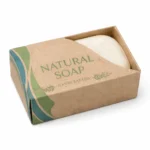
Natural kraft paper, simple typography, and botanical artwork can complement handcrafted bars. A printed paper band is another option when the soap’s color or texture is part of its appeal.
Luxury Soap Collections
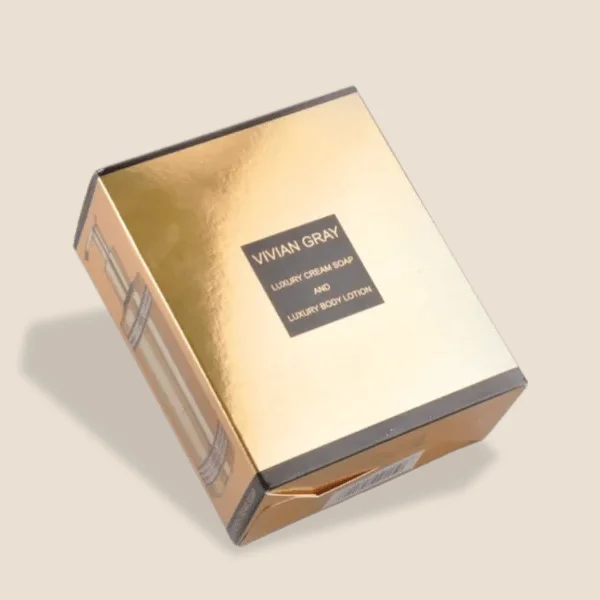
Specialty textured paper, carefully coordinated colors, and refined typography can create a more sophisticated presentation. Decorative wraps may also be paired with rigid gift boxes for premium sets.
Skincare and Personal Care Brands
Consistent branding helps customers distinguish products across a wider collection. Use clear product names, readable labels, and recognizable color systems for different soap varieties.
Gift and Seasonal Soap Packaging
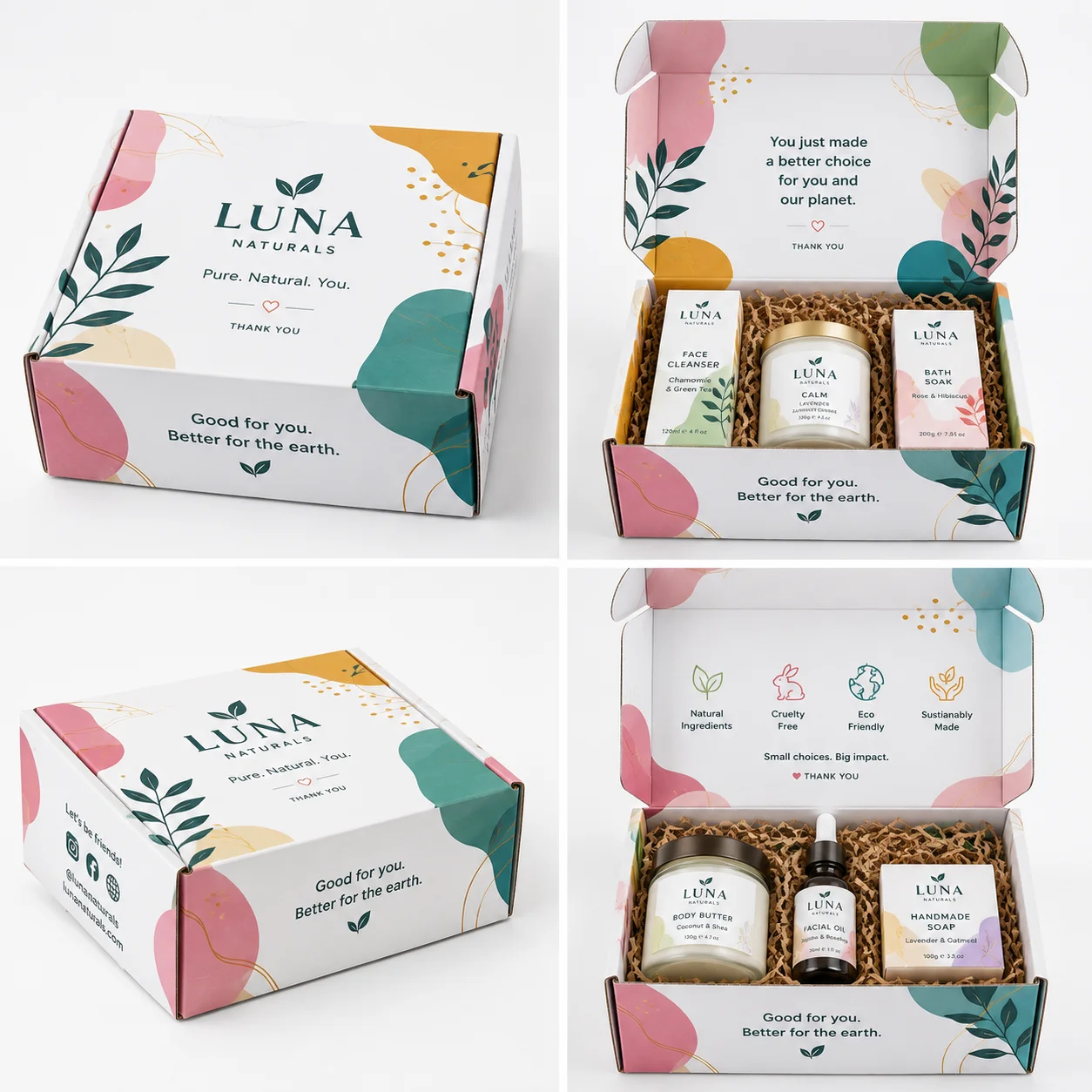
Custom soap gift wrap can incorporate holiday artwork, limited-edition illustrations, and decorative labels. Keeping the underlying wrapper dimensions consistent may simplify packaging across multiple designs.
Is Paper an Eco-Friendly Soap Packaging Option?
Paper-based soap packaging can be a useful alternative to certain plastic-heavy presentation formats, but environmental performance depends on the actual materials and how they are manufactured and disposed of.
Uncoated paper may be easier to recycle in some local collection systems than paper combined with plastic films, waxes, or specialty coatings. However, soap residue, adhesive labels, and local recycling rules can affect acceptance.
Recycled content, recyclability, biodegradability, and compostability are different attributes. A paper wrapper should not be described as biodegradable or compostable without appropriate supporting evidence.
If sustainability is important to your customers, request material specifications and choose accurate, supportable packaging claims.
What to Consider When Ordering Soap Wrapping Paper Wholesale
Wholesale soap wrapping paper can help businesses maintain consistent packaging across multiple products and production batches.
Before requesting a quotation, identify the exact soap dimensions, estimated quantity, paper preference, and printing requirements.
Order volume is only one factor affecting pricing. Paper weight, specialty textures, print coverage, finishes, die-cutting requirements, and the number of artwork versions may also influence the cost.
For brands selling multiple fragrances, using a common wrapper size with coordinated artwork can make packaging easier to manage.
It is also worth considering how the paper will be supplied, whether flat sheets, pre-cut wrappers, or another agreed format, and how your team will apply it.
Why Choose Packaging Box US LLC for Custom Soap Wrapping Paper?
Packaging Box US LLC works with businesses seeking customized packaging for retail, gifting, and branded product presentation.
Our custom packaging services include design assistance, size customization, and printing options based on product requirements. For this project, the supplied specifications indicate no fixed minimum order quantity, free design assistance, free shipping across the USA, and a standard turnaround of 6–8 business days.
Final availability, material suitability, production timing, and delivery details should be confirmed in your quotation, particularly for specialty wrapping papers.
You can share your soap dimensions, artwork, desired paper type, and quantity so the packaging can be evaluated for your specific product.
Frequently Asked Questions About Soap Wrapping Paper
Can you wrap melt-and-pour soap in wax paper?
Wax paper can be used in some situations, but it is not always an effective standalone barrier for melt-and-pour soap. Many glycerin-rich formulations attract moisture from the surrounding air, which can lead to surface sweating. A suitable moisture-barrier wrap is generally more reliable, with wax paper used as an additional decorative layer if desired.
Can you wrap soap in tissue paper?
Yes. Tissue paper can be used to decorate sufficiently dry soap bars or as an outer gift wrap. Because it is thin and absorbent, it may tear, stain, or become damaged when exposed to moisture or oils. It is usually better suited to presentation than long-term protection.
How do you wrap soap in kraft paper?
Place a dry soap bar in the center of a suitably sized kraft sheet, fold the paper around the bar, tuck in the ends, and secure the wrapper with a label or band. Make sure the folds are tight enough to stay in place without damaging the soap.
How do you wrap soap with parchment paper?
Cut parchment paper to fit the soap, position the bar in the center, and fold the paper around it. Secure the folds using a label or paper band. Check that the specific parchment material is compatible with the soap and intended storage conditions.
What is the best paper to wrap soap?
For dry, fully cured handmade bars, kraft paper and suitable printed wrapping stocks are practical choices. Tissue paper works well for decorative presentation, while specialty textured papers can provide a premium appearance. Moisture-sensitive soaps may require a separate protective barrier.
Can soap wrapping paper be customized with a logo?
Yes. Custom printed soap wrapping paper can incorporate logos, brand colors, product names, illustrations, and other artwork. Printing suitability depends on the selected paper, production method, and design requirements.
Is soap wrapping paper suitable for shipping?
Paper wrapping alone provides limited protection against crushing, abrasion, and moisture. For shipping, use an appropriate outer carton or mailer and any additional protective materials needed for the soap and transportation conditions.
How do you package homemade soap for sale?
First, make sure the soap is ready for packaging. Choose a wrapper or box suited to its formulation and sales environment. Include appropriate product identification and applicable labeling information, then test the finished packaging for handling, storage, and display.
Get Custom Soap Wrapping Paper for Your Business
Give your handmade or commercial soap collection packaging that fits your products and communicates your brand clearly.
At Packaging Box US LLC, you can request custom soap wrapping paper tailored to your preferred dimensions, artwork, materials, and order quantity.
Share your soap size, quantity, design files, and preferred paper type to receive a personalized quotation.
Email: sales@packagingbox.us
Phone: +1 (424) 240-5630
Website: packagingbox.us