


Custom Tableware Boxes: The Complete Buying & Manufacturing Guide
Custom Tableware Boxes from Packaging Box (packagingbox.us) protect plates, cutlery, glassware, and dining sets while reinforcing your brand from the moment a customer opens the shipment. This guide covers every material, printing method, finish, size, and sourcing decision you need to order the right custom tableware boxes — factory-direct, with no die or plate charges and free USA shipping.
What Are Custom Tableware Boxes?
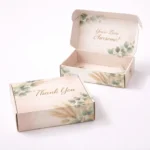
Custom Tableware Boxes are purpose-built packaging solutions designed to hold, protect, and present dinnerware, cutlery, glassware, and dining accessories, manufactured to a brand’s exact size, print, and material specifications. Unlike generic shipping cartons, custom tableware packaging is engineered around the specific weight, fragility, and shape of the items it carries — plates need flat rigid support, glassware needs cushioned compartments, and cutlery sets need slim, presentation-ready inserts.
As a packaging manufacturer specializing in custom packaging solutions, Packaging Box designs tableware boxes for three core purposes at once: physical protection during shipping, brand presentation at unboxing, and shelf presence in retail environments.
Why Do Businesses Use Custom Tableware Boxes?
Businesses use custom tableware boxes because standard generic packaging fails to protect fragile dinnerware properly and does nothing to reinforce brand identity at the point of delivery. Tableware is one of the most breakage-prone product categories in retail and e-commerce, which makes packaging engineering — not just packaging design — a genuine business requirement rather than a cosmetic upgrade.
Beyond protection, custom printed tableware boxes give a business:
- Reduced return and breakage rates, since fitted inserts and rigid structures prevent movement in transit
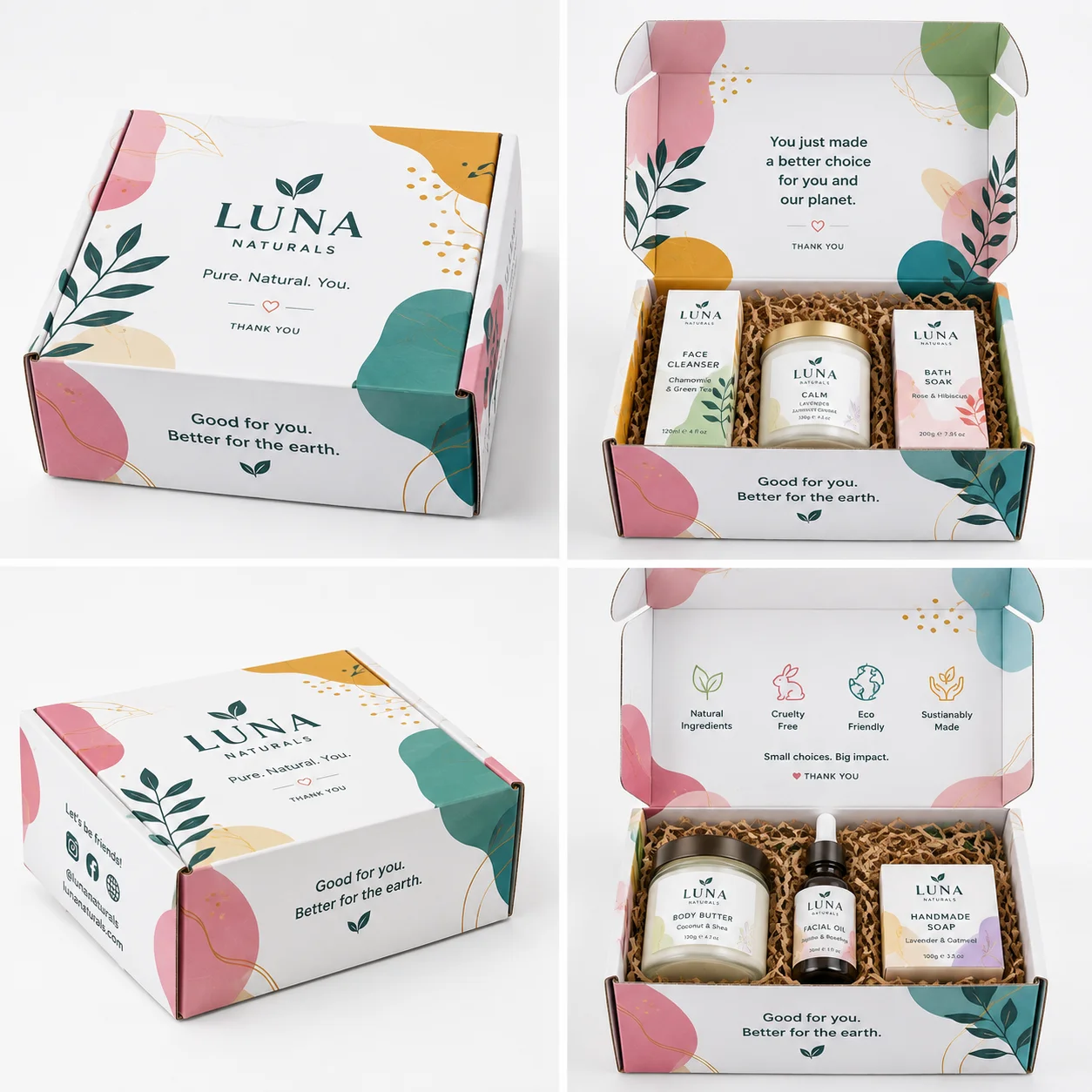
- A branded unboxing moment that reinforces the product’s positioning as premium, artisanal, or everyday-durable
- Retail shelf differentiation in a category where most competitors still use plain kraft or unbranded corrugated cartons
Which Industries Need Custom Tableware Packaging?
Custom tableware packaging is used across dinnerware retail, restaurant and catering supply, hospitality, e-commerce home goods, and gift and wedding registry industries. Any business that sells, ships, or presents dining products benefits from packaging engineered specifically for that category.
Common industries ordering custom tableware boxes include:
- Dinnerware and homeware brands shipping plates, bowls, and serving sets direct to consumers
- Restaurants and catering companies packaging branded tableware for events or takeaway service
- Hotels and hospitality groups outfitting rooms or banquet services with branded dining sets
- Wedding and gift registries presenting tableware as boxed gift sets
- Wholesale distributors shipping bulk tableware orders to retail partners
What Types of Custom Tableware Boxes Are Available?
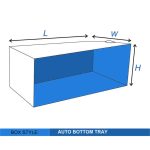
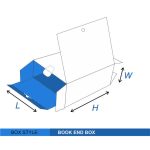
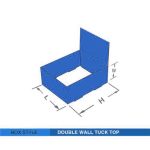
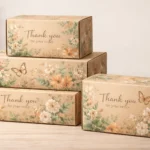
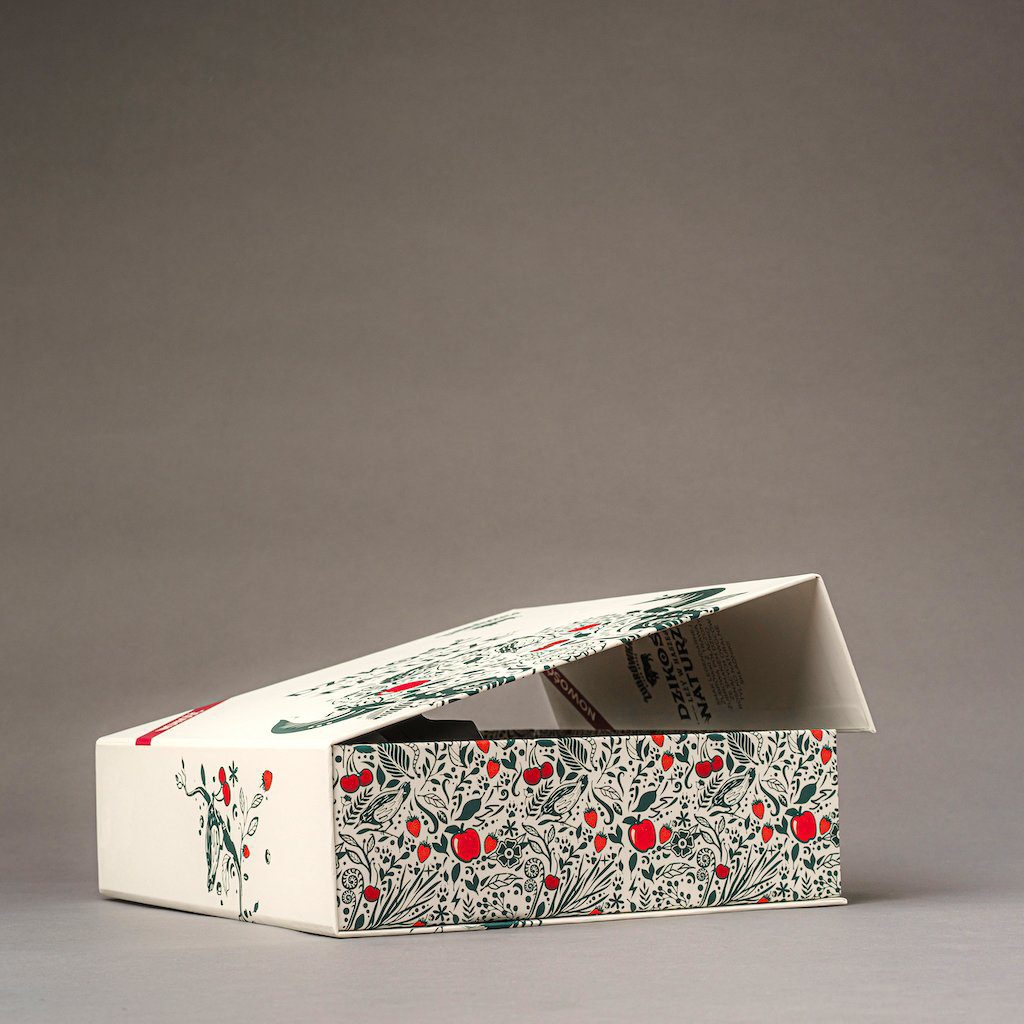
Custom tableware boxes are available as rigid boxes, corrugated shipping cartons, kraft folding cartons, tuck-end boxes, and compartmentalized gift sets, each suited to a different product weight and presentation need. Choosing the right type depends primarily on whether the box needs to survive freight shipping, sit on a retail shelf, or serve purely as a gift presentation piece.
| Box Type | Best For | Key Benefit |
|---|---|---|
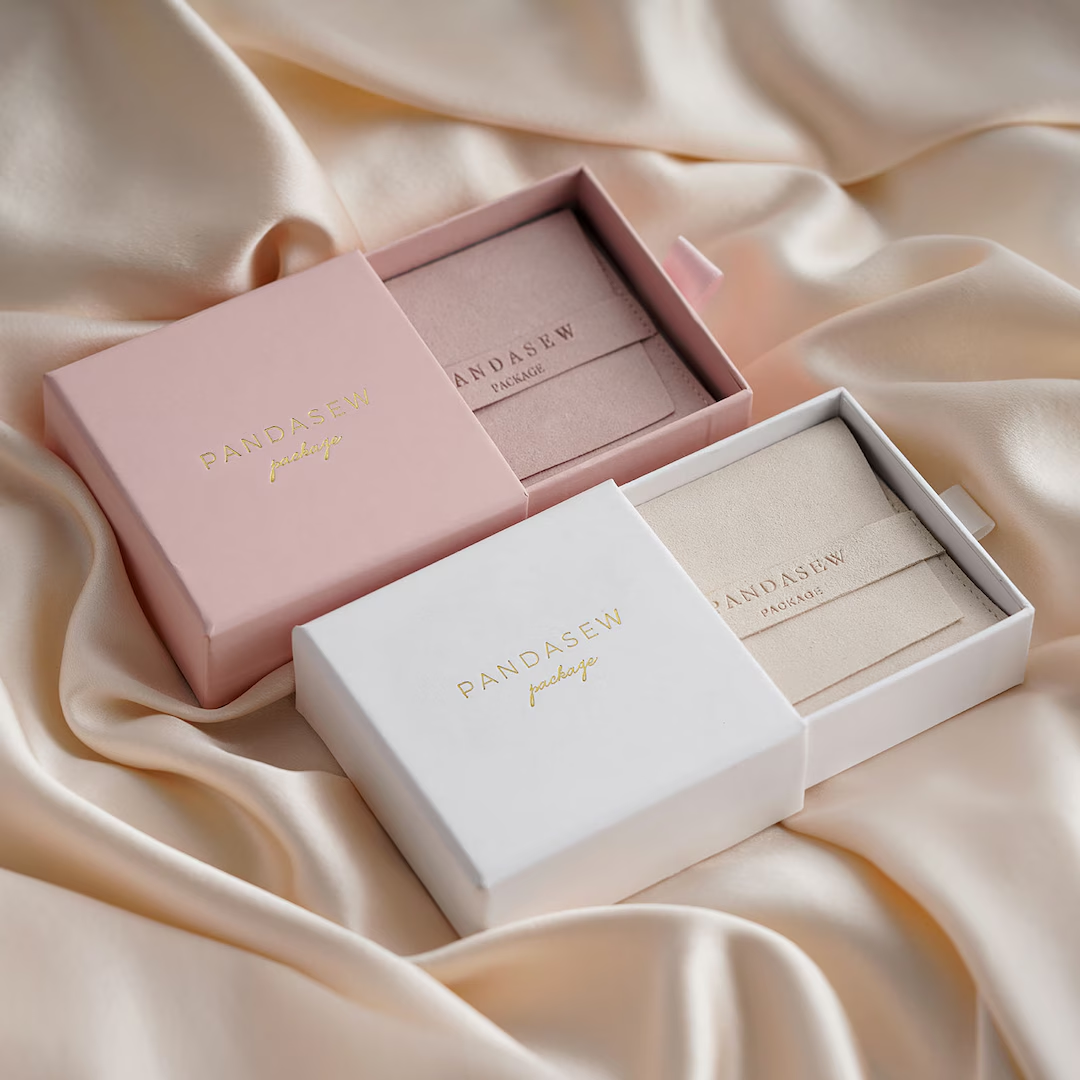
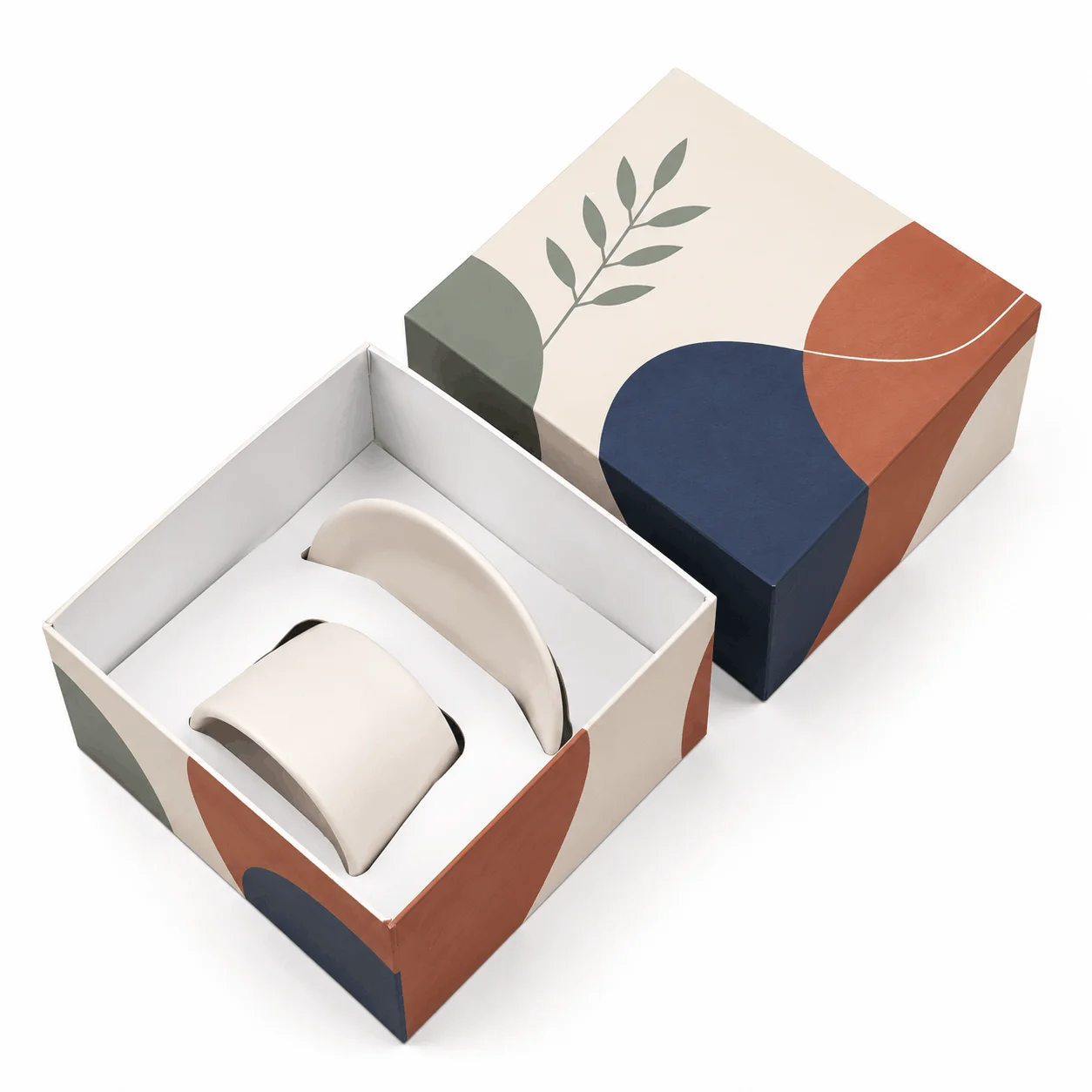
| Rigid boxes | Premium dinnerware sets, gifting | Maximum protection, luxury feel |
| Corrugated cartons | E-commerce shipping, bulk freight | High crush resistance |
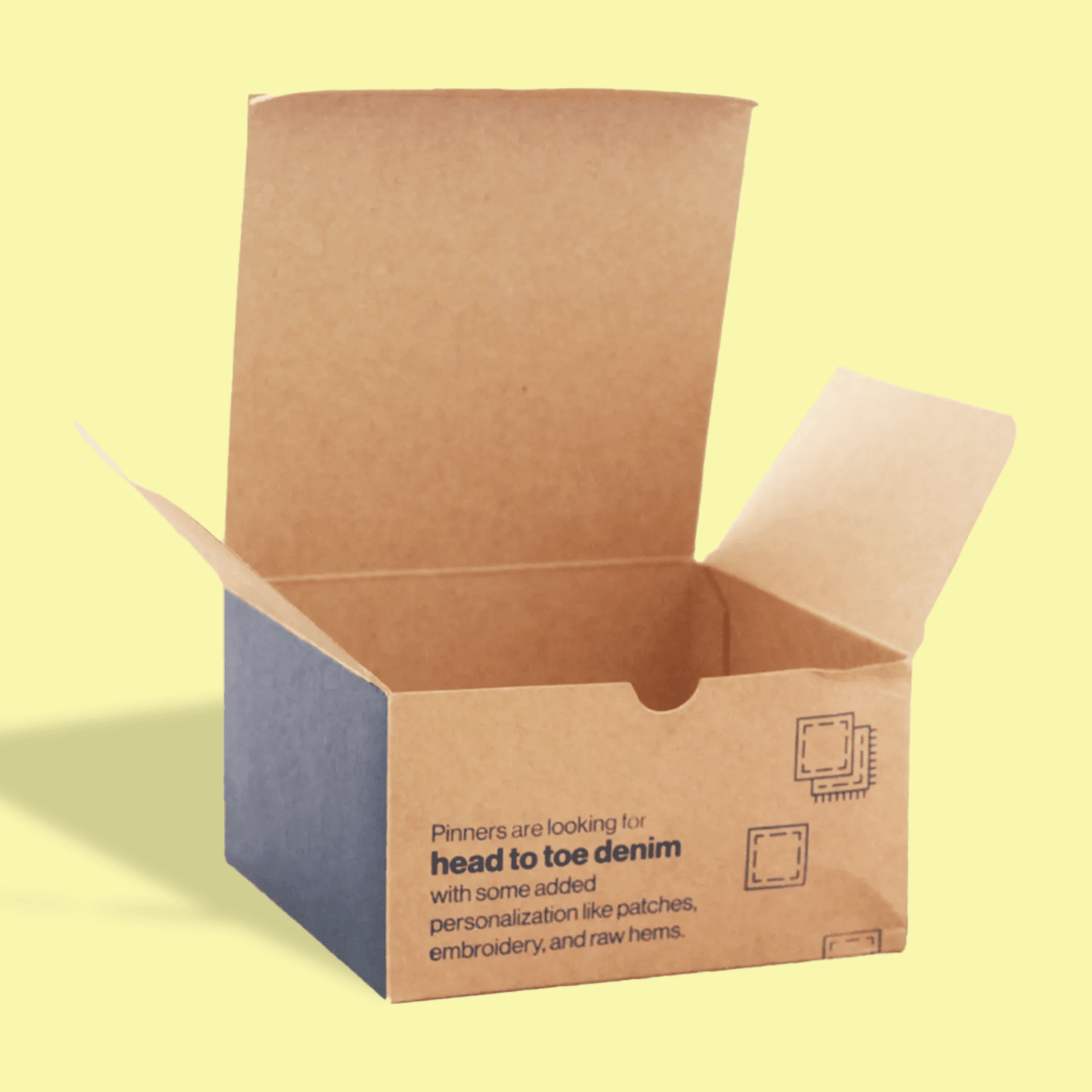
| Kraft folding cartons | Everyday tableware, eco-conscious brands | Cost-effective, sustainable |
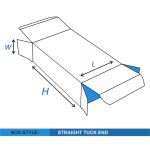
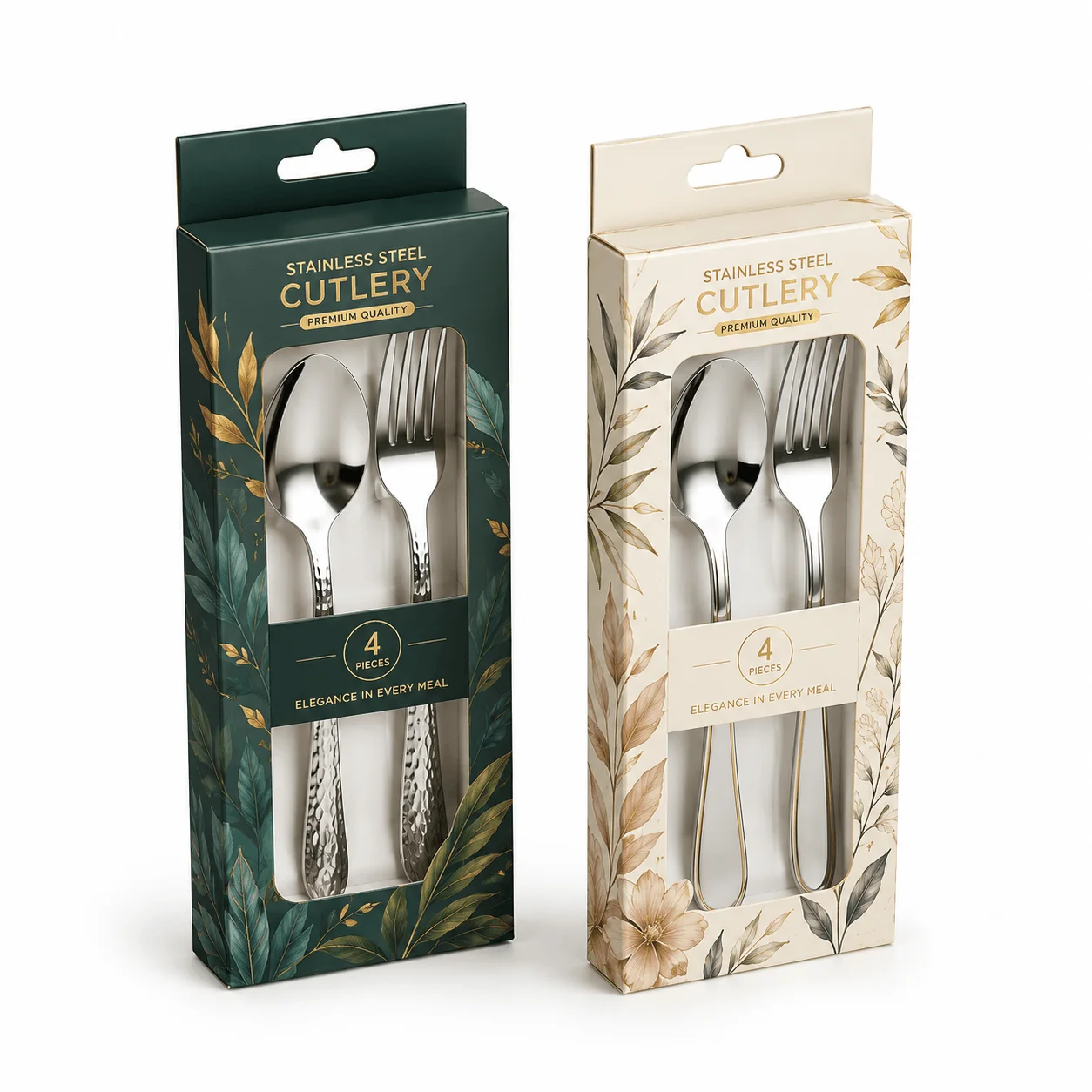
| Tuck-end boxes | Cutlery sets, single-item packs | Fast assembly, retail-ready |
| Compartmentalized sets | Multi-piece dining sets | Prevents chipping and movement |
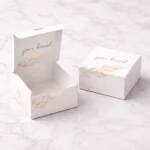
Brands packaging single utensils or small accessory sets often start with a tuck box, while multi-piece dinnerware collections typically require the added rigidity of a fully custom rigid box.
What Materials Are Used for Custom Tableware Boxes?
Custom tableware boxes are most commonly manufactured from corrugated board, kraft paper, cardboard, and rigid chipboard, each selected based on the weight of the tableware and the level of protection required. Material selection is the single biggest factor in whether a box survives shipping without damage.
- Corrugated board — best for heavier ceramic or glass tableware requiring cushioning against impact
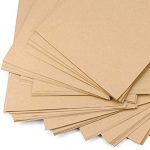
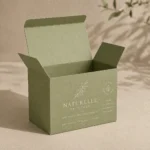
- Kraft paper — a natural, recyclable option favored for eco-conscious and rustic-positioned brands
- Cardboard packaging — lightweight and cost-effective for lighter-weight or plastic tableware
- Rigid chipboard — used for premium and luxury tableware presentation boxes where structural permanence matters
All materials can be sourced with FSC certified and recyclable packaging options for brands prioritizing sustainable packaging credentials.
What Printing Methods Are Used for Custom Printed Tableware Boxes?
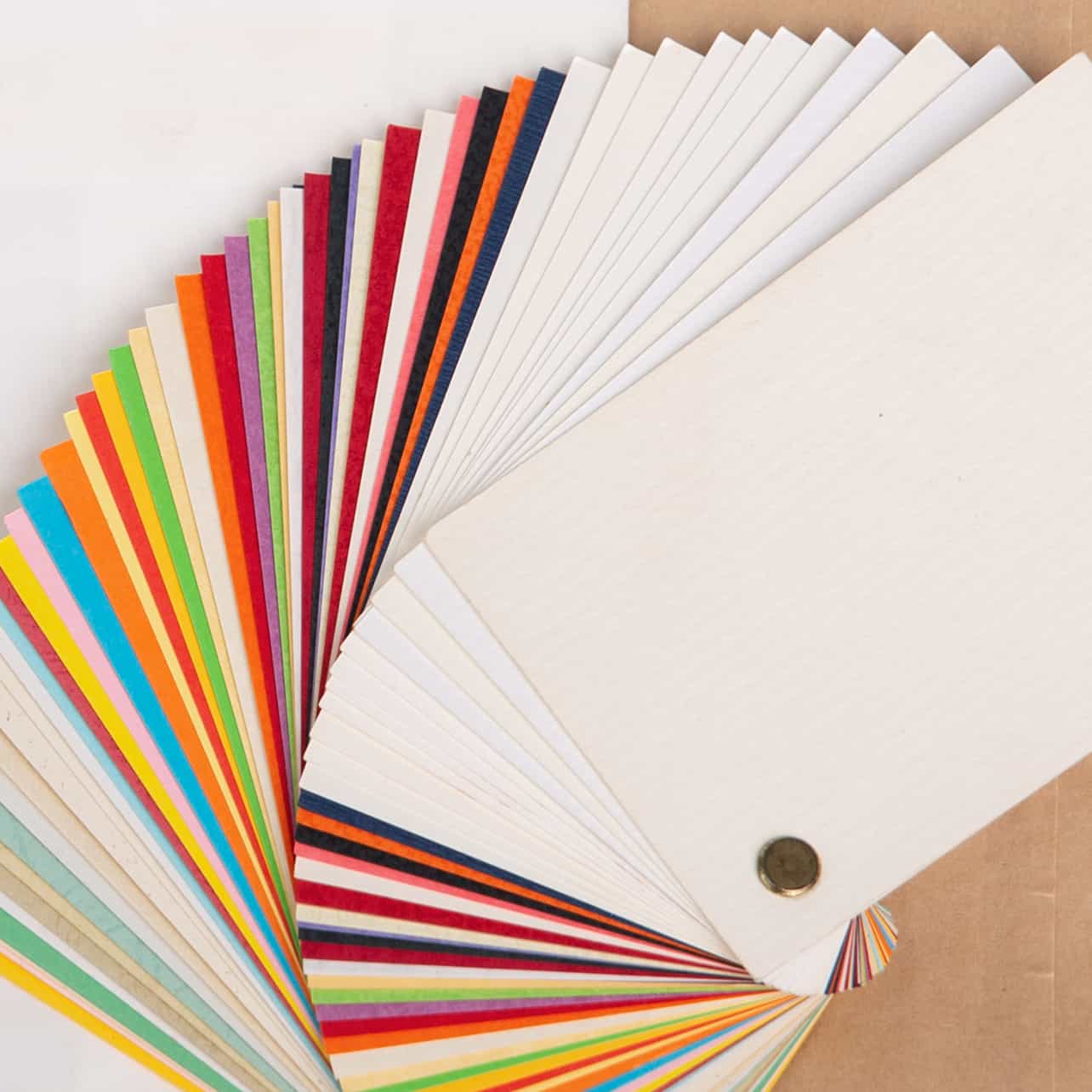
Custom printed tableware boxes are produced using offset printing, digital printing, and CMYK color processes, with Pantone matching available for exact brand color reproduction. The right printing method depends primarily on order volume and color complexity.
- Offset printing — the industry standard for large production runs, delivering precise, consistent color across thousands of units
- Digital printing — ideal for smaller runs, sampling, or frequent design changes without new plate costs
- CMYK printing — the standard four-color process used for full-color photographic or gradient designs
- Pantone matching — used when a brand’s exact logo color must be reproduced precisely across every production run
What Finishes Are Available for Tableware Packaging?
Premium tableware packaging finishes include foil stamping, spot UV, embossing, debossing, soft-touch lamination, matte finish, and gloss finish, each adding a distinct tactile or visual signal of quality. Finish selection is where a standard box becomes a genuinely premium tableware packaging experience.
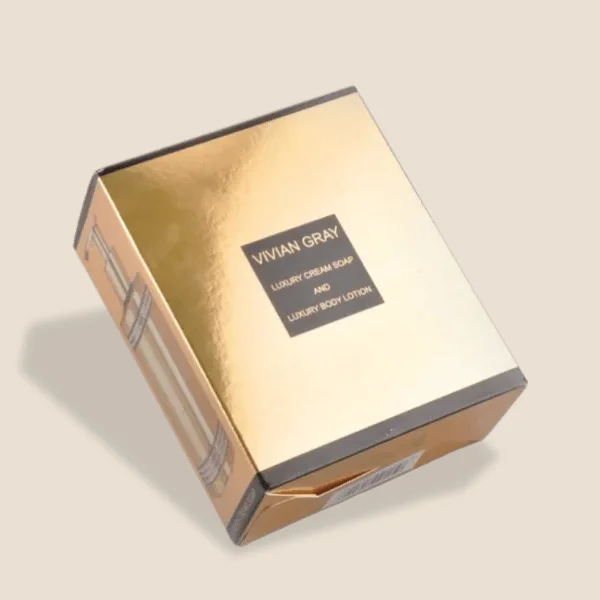
- Foil stamping — metallic accents on logos or box edges for a luxury dinnerware presentation
- Spot UV — glossy raised detailing over a matte base for contrast and texture
- Embossing / debossing — raised or recessed brand marks felt by hand, common on wedding and gift tableware sets
- Soft-touch lamination — a velvety matte surface associated with premium home goods packaging
- Matte finish — a clean, understated look favored by modern minimalist dinnerware brands
- Gloss finish — a vibrant, reflective finish suited to colorful or photography-heavy branding
Do Custom Tableware Boxes Need Inserts?
Most custom tableware boxes benefit from fitted inserts, since plates, bowls, glassware, and cutlery all require individual cushioning to prevent chipping, cracking, or scratching during transit. An insert is often the single most important design element in preventing product damage claims.
Common insert types include:
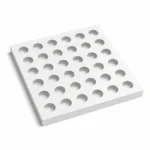
- Die-cut foam or cardboard trays shaped to each individual plate or bowl
- Honeycomb dividers for glassware and stemware sets
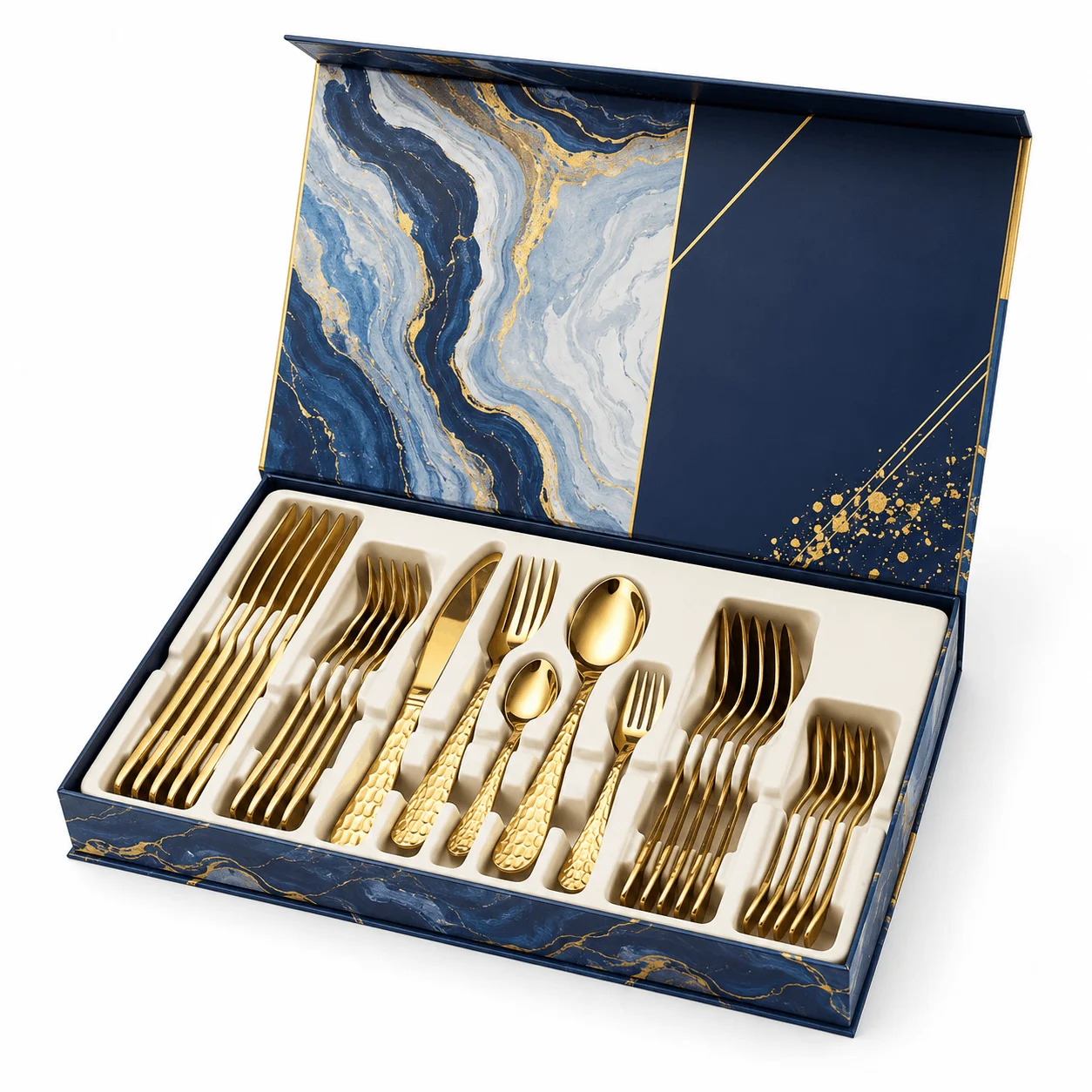
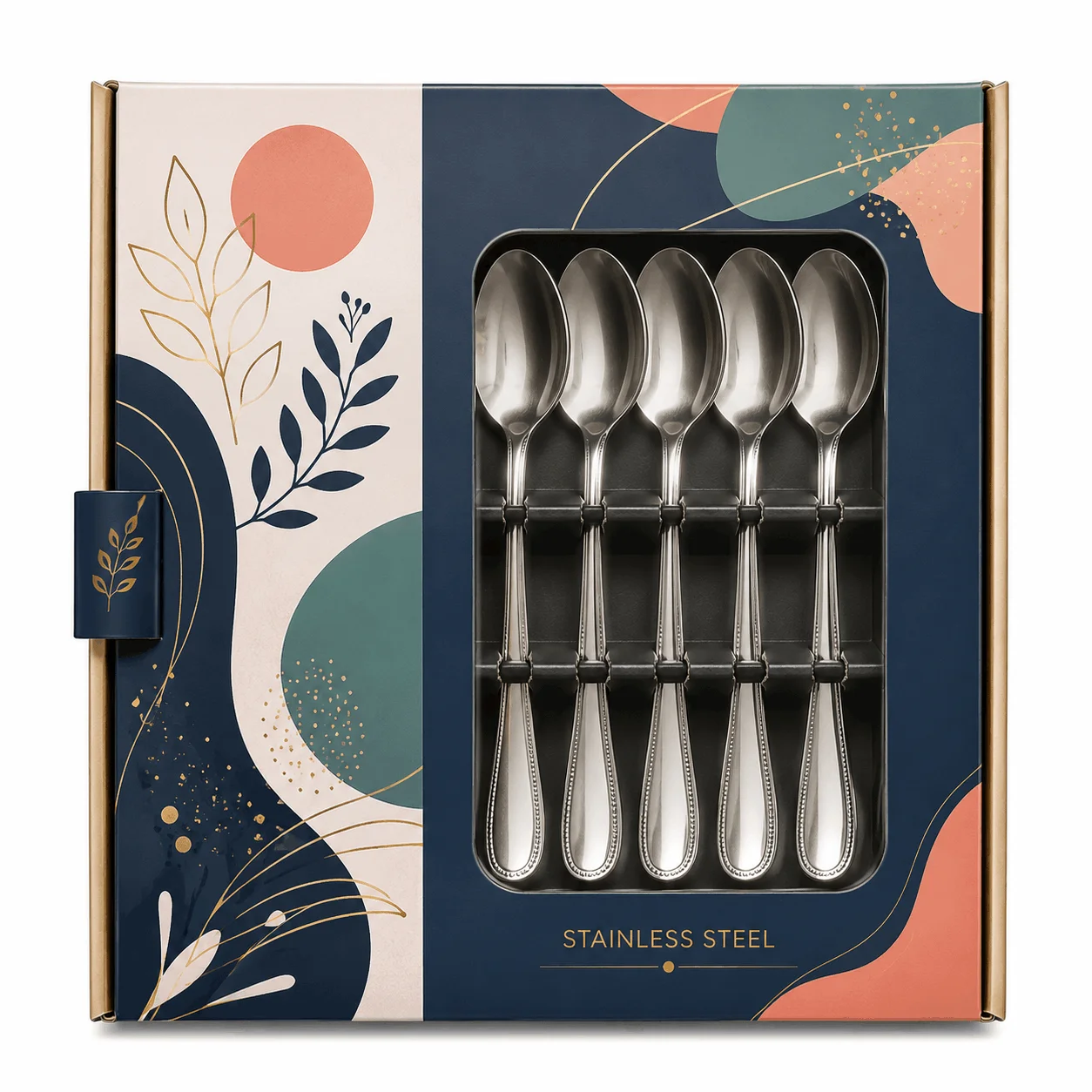
- Slotted cutlery trays that hold utensils in a fixed presentation layout
- Tissue or shredded-paper void fill for lower-cost protective cushioning
What Sizes and Shapes Are Available for Tableware Boxes?
Custom tableware boxes can be manufactured in any size or shape needed to match specific dinnerware dimensions, from compact single-mug boxes to large multi-piece dinner set cartons. Because tableware products vary enormously in dimension — a teacup and a serving platter have almost nothing in common structurally — off-the-shelf sizing rarely fits the product properly.
Standard sizing categories include:
- Single-item boxes for mugs, bowls, or individual plates
- Set boxes for 4-piece, 8-piece, or 12-piece dinnerware collections
- Stacked-tier boxes for plate sets requiring vertical stacking protection
- Rectangular gift sets for cutlery, placemat, and napkin bundles
Are Custom Tableware Boxes Food-Safe?
Yes — custom tableware boxes can be manufactured using food-grade packaging materials and inks, which is particularly important for tableware that will have direct or indirect food contact during use or storage. Food-safe certification matters even for packaging that doesn’t touch food directly, since many tableware buyers store dinnerware inside its original box between uses.
Food-grade packaging options are especially relevant for brands also producing adjacent food-service packaging, such as custom pizza boxes, Chinese takeout boxes, or custom bakery boxes alongside their tableware lines.
Eco-Friendly & Sustainable Tableware Boxes
Eco-friendly tableware boxes are manufactured from recyclable kraft paper or FSC-certified corrugated board, allowing brands to reduce their environmental footprint without compromising structural protection. Sustainability has become a genuine purchase driver in the homeware and dinnerware category specifically, where customers increasingly expect packaging to match the eco-positioning of the product itself.
Sustainable tableware packaging options include:
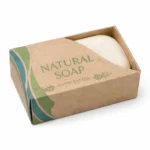
- Kraft tableware boxes using unbleached, recyclable paper stock
- Corrugated tableware boxes made from recycled fiber content
- Soy-based or water-based inks in place of solvent-based printing
- Minimal void-fill design reducing material use without sacrificing protection
Luxury Tableware Packaging vs Disposable Tableware Boxes
Luxury tableware packaging uses rigid board, premium finishes, and structural inserts for a permanent, reusable presentation, while disposable tableware boxes use lighter cardboard or kraft stock designed for single-use shipping or event service. The right choice depends entirely on whether the box itself is meant to be part of the customer’s long-term experience or purely a delivery vehicle.
| Factor | Luxury Tableware Packaging | Disposable Tableware Boxes |
|---|---|---|
| Material | Rigid chipboard | Lightweight cardboard/kraft |
| Finish | Foil, soft-touch, embossing | Basic single-color print |
| Reuse | Designed to be kept | Designed to be discarded |
| Best for | Gifting, retail, weddings | Catering, events, bulk shipping |
Custom Tableware Boxes for Retail vs E-commerce
Retail tableware packaging is designed for shelf presence and in-store handling, while e-commerce tableware packaging is engineered primarily for shipping durability and damage prevention during transit. Both goals can be achieved in the same box design, but the priority order differs significantly.
- Retail packaging prioritizes front-facing graphics, shelf-standout color, and compact footprint for shelf space efficiency
- E-commerce packaging prioritizes crush resistance, fitted inserts, and tamper-evident sealing since the box travels through multiple handling points before reaching the customer
Brands selling through both channels often maintain two dieline variants of the same custom tableware box design — a retail-facing version and a reinforced shipping version.
How Do Custom Tableware Boxes Protect Products During Shipping?
Custom tableware boxes protect products during shipping through a combination of rigid or corrugated structural walls, fitted internal inserts, and void-fill cushioning that together prevent movement, impact, and pressure damage in transit. Shipping protection is engineered, not accidental — every layer of the box serves a specific damage-prevention function.
Key shipping protection elements:
- Structural wall strength — corrugated flute or rigid board thickness matched to product weight
- Internal compartmentalization — dividers that isolate each fragile item from its neighbors
- Cushioned void fill — absorbing shock from drops or rough handling
- Reinforced corners and edges — the most common failure points in freight handling
Wholesale Tableware Boxes: Bulk Manufacturing vs Small MOQ
Wholesale tableware boxes are available through both small-MOQ test orders and full bulk manufacturing runs, allowing brands of any size to source custom packaging without overcommitting inventory. A 100-unit minimum order quantity allows new dinnerware brands or small catering businesses to trial a custom design before scaling to full wholesale volume.
- Small MOQ (100 units) — ideal for new product launches, sampling, or limited-run collections
- Bulk manufacturing — reduces per-unit cost significantly at higher volumes, suited to established retail and wholesale distribution
What Are the Branding Benefits of Custom Printed Tableware Boxes?
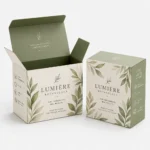
Branded tableware boxes reinforce brand identity at every stage of the customer journey — on the shelf, during unboxing, and in ongoing storage use — turning packaging into a recurring brand touchpoint rather than a one-time impression. For dinnerware specifically, customers frequently reuse the original box for storage, meaning the branding continues working long after the sale.
Branding benefits include:
- Immediate visual recognition through consistent logo and color use
- Perceived value increase, since premium packaging signals premium product quality
- Higher social sharing rates, particularly for gift and wedding tableware sets
What Factors Affect the Cost of Custom Tableware Boxes?
The cost of custom tableware boxes is determined primarily by material choice, box size, printing method, finish selection, and order volume, with larger orders reducing the per-unit cost significantly. Understanding these cost drivers helps buyers make informed trade-offs between budget and presentation quality.
| Cost Factor | Lower Cost Option | Higher Cost Option |
|---|---|---|
| Material | Kraft/cardboard | Rigid chipboard |
| Printing | Digital, single-color | Offset, full CMYK + Pantone |
| Finish | Matte only | Foil + spot UV + embossing |
| Volume | Small MOQ | Bulk wholesale |
Packaging Box removes one major cost variable entirely by charging no die or plate fees on custom dielines, regardless of order size.
What Customization Options Are Available?
Custom tableware boxes can be customized across size, shape, material, print design, finish, and interior insert configuration to match any dinnerware line’s exact specifications. Full customization is what separates true custom packaging from generic stock boxes with a printed label applied.
Available customization options include:
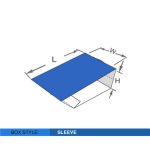
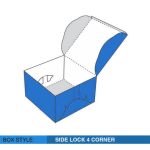
- Custom dieline size and shape
- Material and board thickness selection
- Full CMYK or Pantone-matched printing
- Premium finish combinations (foil, spot UV, embossing, lamination)
- Fitted internal inserts and dividers
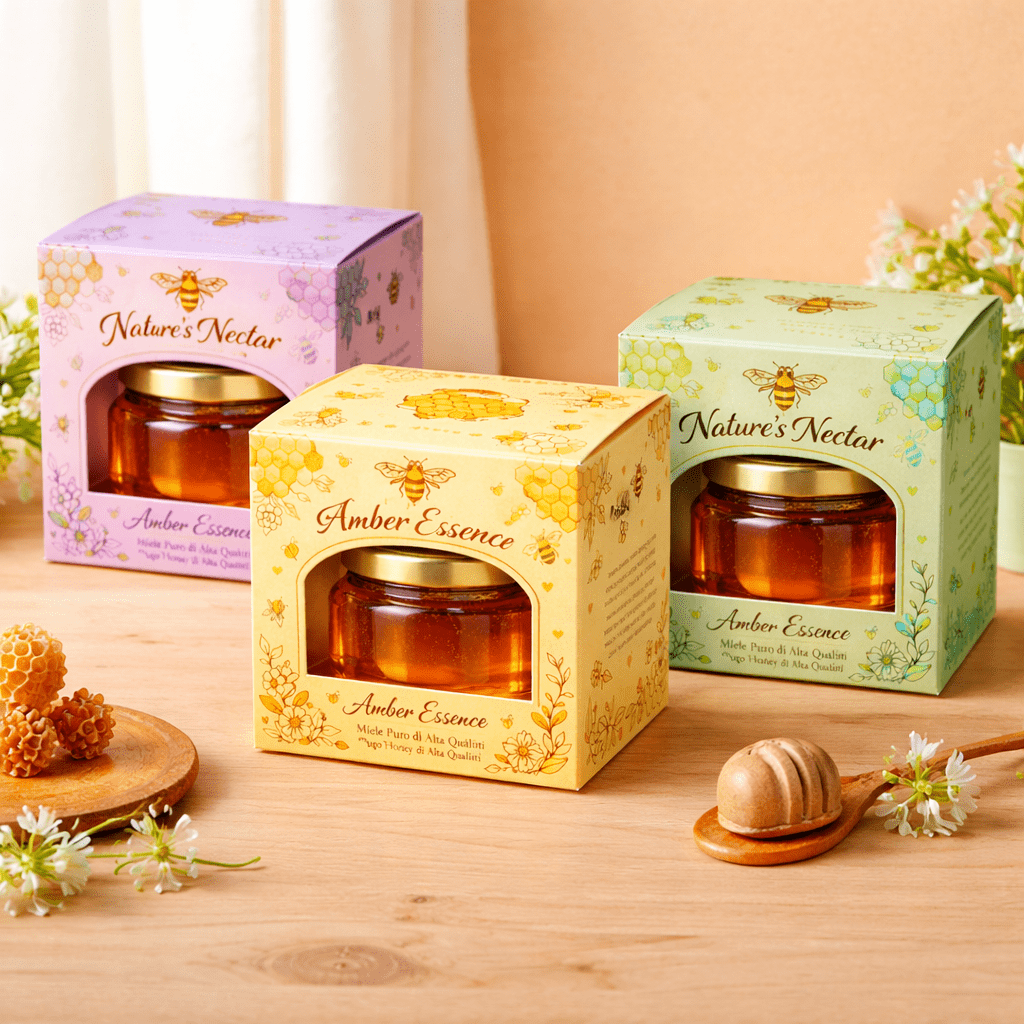
- Window cut-outs for retail product visibility
The Design Process for Custom Tableware Boxes
The design process for custom tableware boxes begins with product measurement and structural dieline planning, followed by graphic design, proof approval, and pre-production sampling before full manufacturing begins. Skipping structural planning in favor of graphics-first design is the most common cause of poorly fitting tableware packaging.
Typical design process steps:
- Product measurement — exact dimensions of each tableware item
- Structural dieline design — engineering the box and insert shape around those measurements
- Graphic design and branding layout — logo, color, and copy placement
- Digital proof approval — client sign-off before physical production
- Physical sample production — a pre-production sample for final approval
The Production Process: From Order to Delivery
Once a design is approved, custom tableware boxes move through material sourcing, die-cutting, printing, finishing, assembly, and quality inspection before shipping — a process that typically takes approximately 15 business days. Understanding this timeline helps buyers plan launch dates and inventory accordingly.
- Material sourcing and die-cutting — the approved dieline is cut to shape
- Printing — offset or digital printing applied per the approved design
- Finishing — foil, UV, embossing, or lamination applied as specified
- Assembly — boxes and inserts are assembled and packed for shipment
- Quality inspection — every batch is checked before dispatch
Quality Control Standards
Quality control for custom tableware boxes includes structural integrity testing, print color accuracy checks, and insert-fit verification to ensure every unit matches the approved sample before shipment. Consistent quality control is what prevents costly reorders and shipping damage claims after a brand has already committed to a full production run.
Standard quality checks include:
- Color consistency matched against Pantone or approved proof
- Structural strength testing for crush resistance
- Insert and dieline fit verified against actual product samples
- Finish application checked for even foil, UV, or lamination coverage
How to Order Custom Tableware Boxes from Packaging Box
Ordering custom tableware boxes from Packaging Box involves requesting a quote, submitting product dimensions and artwork, approving a digital or physical sample, and confirming production — all supported factory-direct with free USA shipping. The process is designed to be simple even for first-time packaging buyers.
- Request a quote by calling +1 (424) 240-5630 or emailing sales@packagingbox.us
- Upload artwork and provide product measurements
- Approve your sample before full production begins
- Confirm your order — 100-unit MOQ, no die or plate charges, ~15 business day turnaround
- Receive your shipment free of charge anywhere in the USA
Expert Buying Guide: Choosing the Right Tableware Packaging
Choosing the right custom tableware box comes down to matching material and structural strength to product fragility, selecting finishes that match brand positioning, and confirming MOQ and turnaround fit your launch timeline. A packaging decision made without considering all three factors together typically results in either overspending or under-protecting the product.
Quick decision checklist:
- Fragile glass or ceramic? Choose rigid board or heavy corrugated with fitted inserts
- Budget-conscious or eco-positioned brand? Choose kraft or recycled corrugated
- Premium gifting line? Add foil stamping, soft-touch lamination, and rigid construction
- Testing a new product line? Start with the 100-unit small-MOQ option before scaling to wholesale
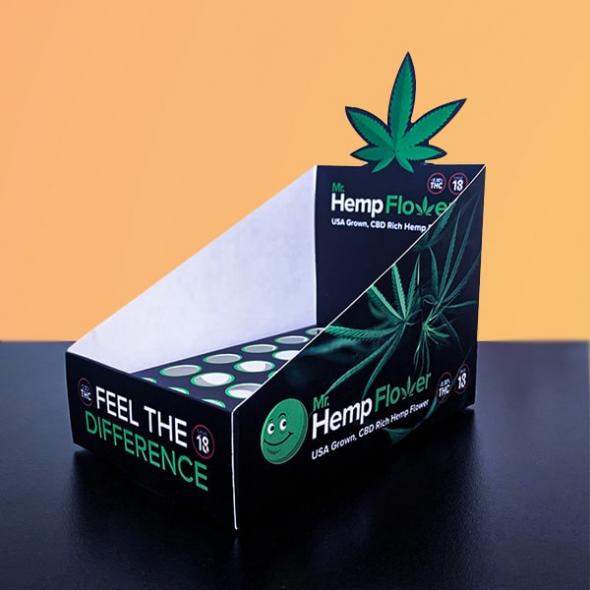
For brands also managing adjacent product lines, related packaging categories include popcorn boxes, custom tea boxes, custom noodle boxes, custom coffee boxes, custom display boxes, and counter display boxes for retail merchandising alongside tableware.
Frequently Asked Questions
What are custom tableware boxes made of? Custom tableware boxes are typically made from corrugated board, kraft paper, cardboard, or rigid chipboard, selected based on the weight and fragility of the dinnerware being packaged.
Can custom tableware boxes be printed with my logo? Yes — custom printed tableware boxes support full CMYK or Pantone-matched printing, including your logo, brand colors, and custom artwork, using offset or digital printing depending on order volume.
What is the minimum order quantity for custom tableware boxes? Packaging Box offers a 100-unit MOQ, allowing brands to test a design before committing to a full wholesale production run.
Are there die or plate charges for custom tableware box shapes? No — Packaging Box does not charge die or plate fees on custom tableware box dielines, regardless of order size.
How long does production take? Production and delivery typically take approximately 15 business days from final artwork and sample approval, with free USA shipping included.
Can tableware boxes be made eco-friendly? Yes — eco-friendly tableware boxes can be produced using FSC-certified, recyclable kraft or corrugated materials for brands prioritizing sustainable packaging.
Do tableware boxes need custom inserts? Most fragile or multi-piece tableware sets benefit from fitted inserts — die-cut trays, honeycomb dividers, or slotted cutlery holders — to prevent movement and damage during shipping.
Get Your Custom Tableware Boxes Quoted Today
Whether you’re launching a new dinnerware line, packaging a wedding registry gift set, or sourcing wholesale tableware boxes for a restaurant supply business, Packaging Box engineers every box factory-direct — no die charges, no plate fees, free USA shipping, and approximately 15 business days turnaround.
Request a quote, order a sample, or speak with a packaging expert now — call +1 (424) 240-5630 or email sales@packagingbox.us.