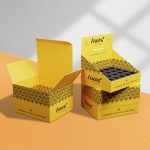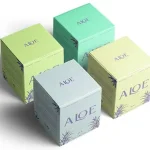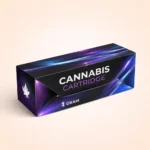



Custom Cannabis Box Designs That Protect Your Product and Your Brand
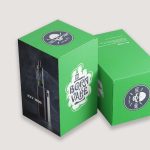
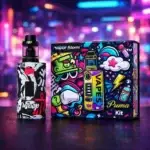
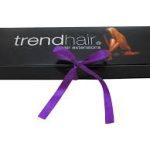
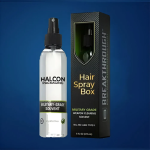
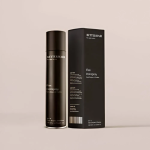
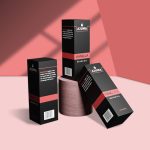
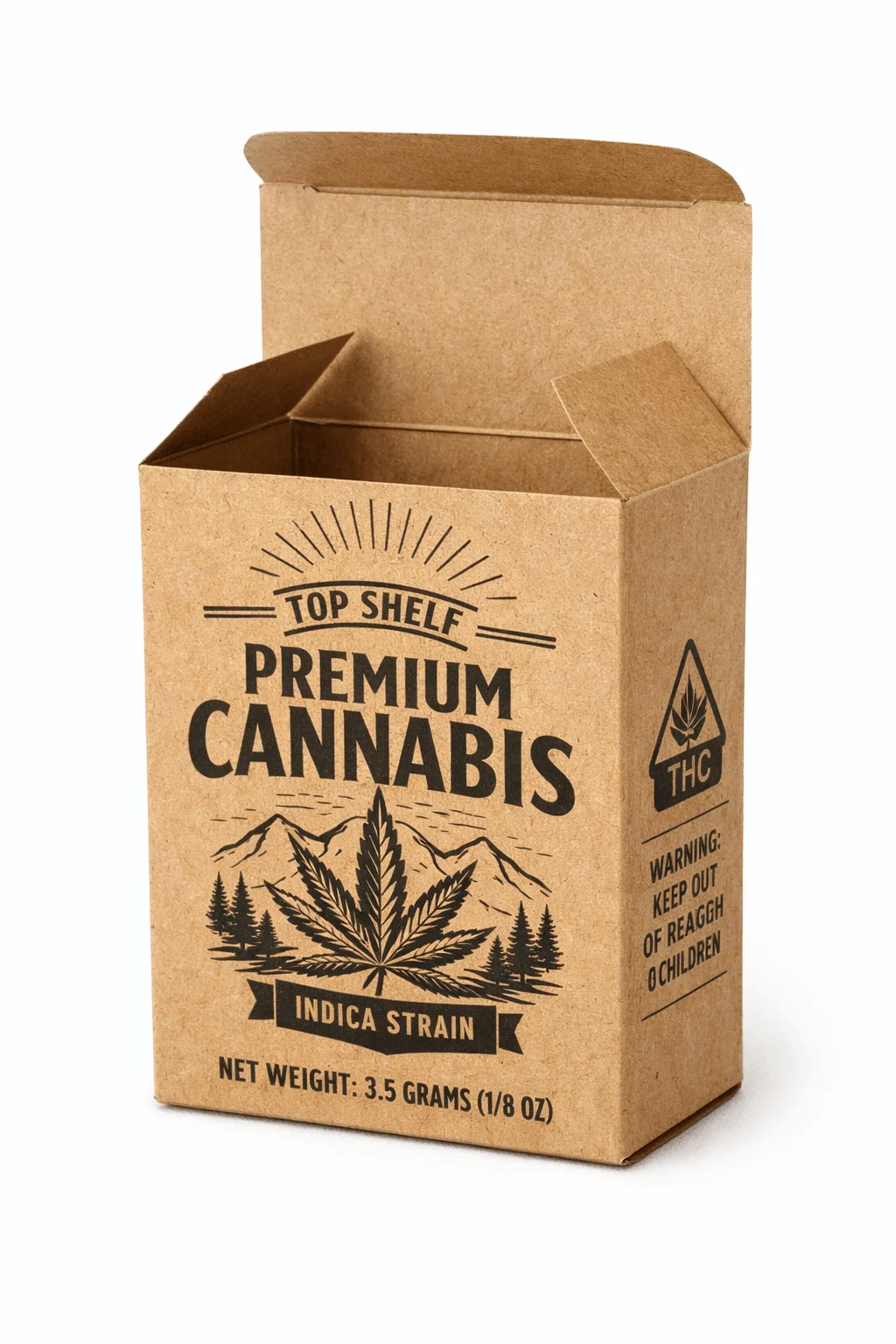
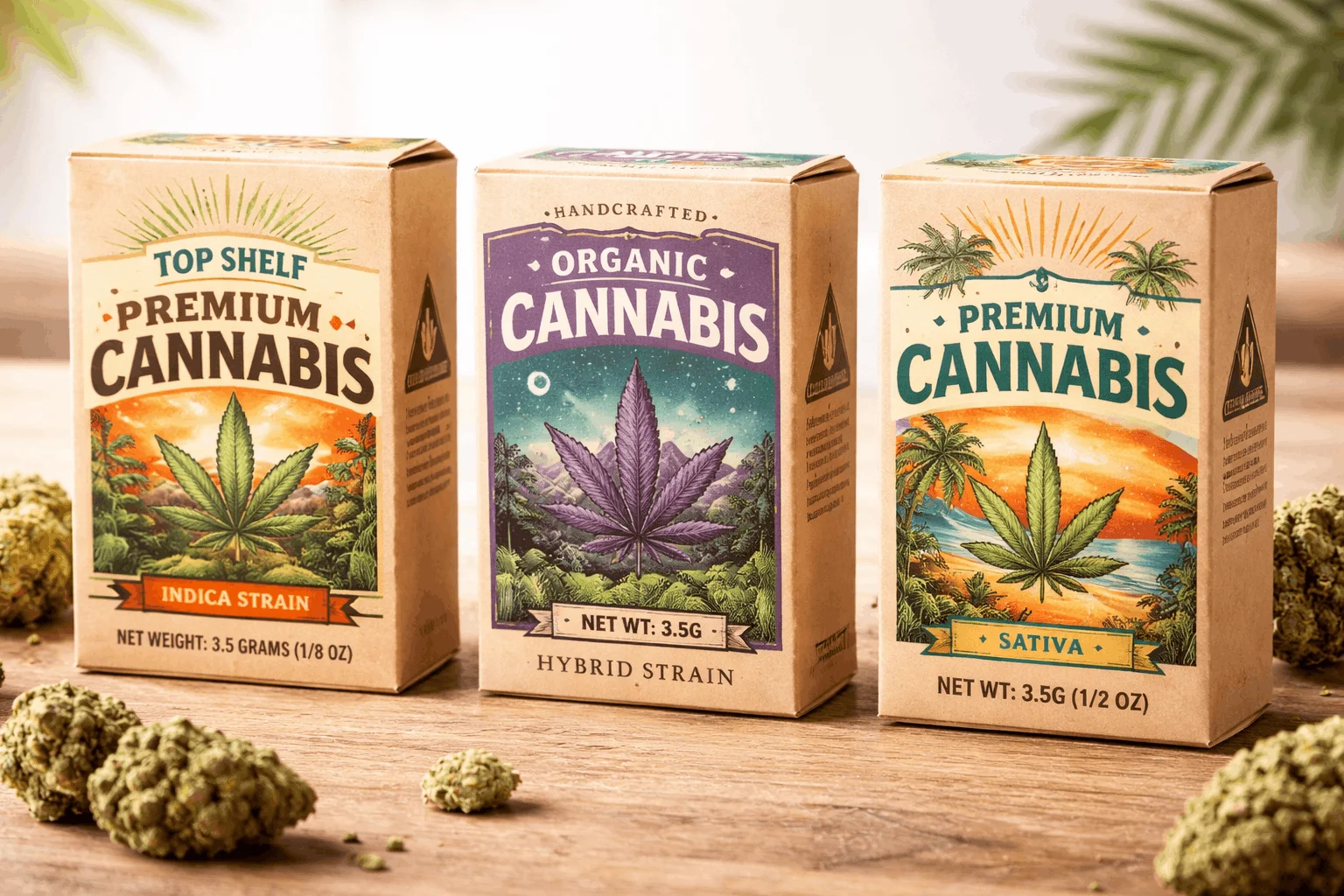
Your custom cannabis box is the first thing a customer touches before they ever smell the flower or taste the edible. I’ve spent 14 years watching brands pour everything into their genetics, their extraction process, their infusion ratios — and then lose the sale because the box felt like it came off a grocery store shelf. A weak custom cannabis box doesn’t just hurt your aesthetics. It quietly tells the customer that you don’t take your product seriously.
The shelf struggle is real. Dispensaries are crowded. Every brand has a story. But only the ones with packaging that feels right get picked up first.
Why Cannabis Packaging Requires an Expert Touch
Cannabis isn’t lip gloss. You can’t just throw your logo on a generic box and call it branding. This industry carries regulatory weight that most consumer goods don’t, and your packaging has to carry that weight without looking like a warning label stapled to a paper bag.
Every state has its own labeling requirements. Some want THC percentage front and center. Others require specific font sizes for health warnings. Child-resistant mechanisms aren’t optional — they’re federal and state law in most markets. If your box fails a child-resistance test, you’re not just facing a recall. You’re facing fines, lost licenses, and a reputation hit that doesn’t wash off.
Beyond compliance, there’s the trust factor. Cannabis is still a relatively new legal market in most of the world. Consumers don’t always have years of brand loyalty to lean on. They’re reading your packaging the way they read a restaurant before they walk in — and 72% of consumers say packaging design directly influences their purchasing decisions. That number isn’t surprising to anyone who’s worked the floor of a busy dispensary. The brands that look legitimate are treated as legitimate, even before the product proves itself.
Compliance and credibility aren’t separate goals. Good packaging achieves both at once. You can learn more about federal labeling standards through the FDA’s official guidelines at fda.gov.
Choosing the Right Materials for Your Custom Cannabis Box
Not every product needs the same box. A $90 eighth of single-source flower has completely different packaging needs than a 10-pack of 1g pre-rolls at a mid-market price point. Matching your material to your product and your customer is one of the most important decisions you’ll make.
Rigid Boxes — For Top-Shelf Flower and Premium Gift Sets
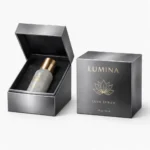
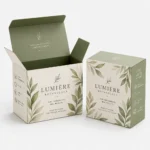
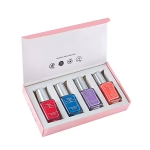
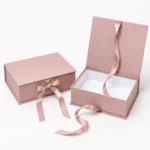
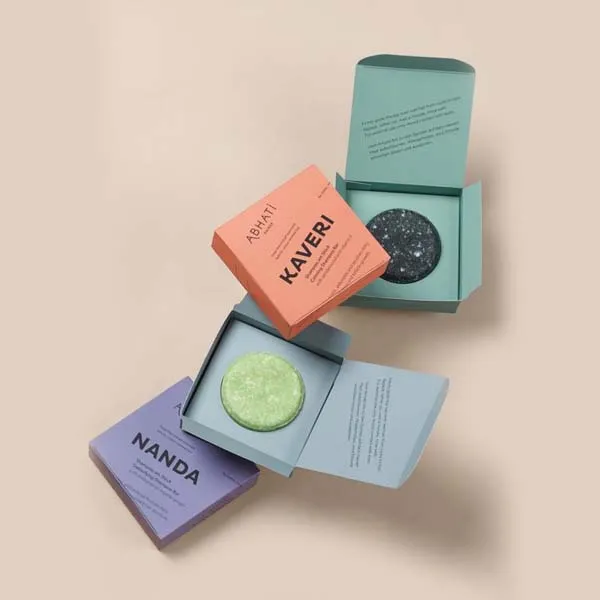
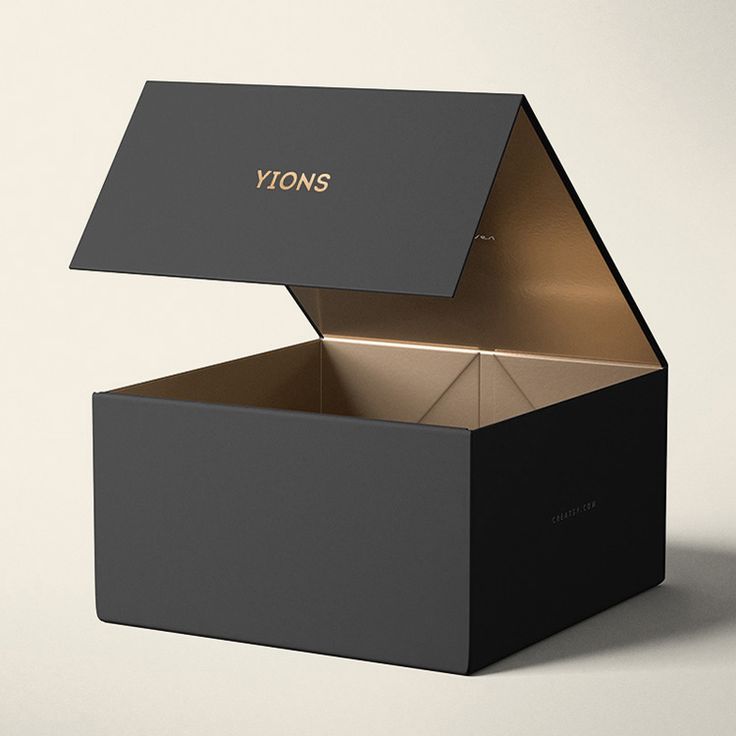
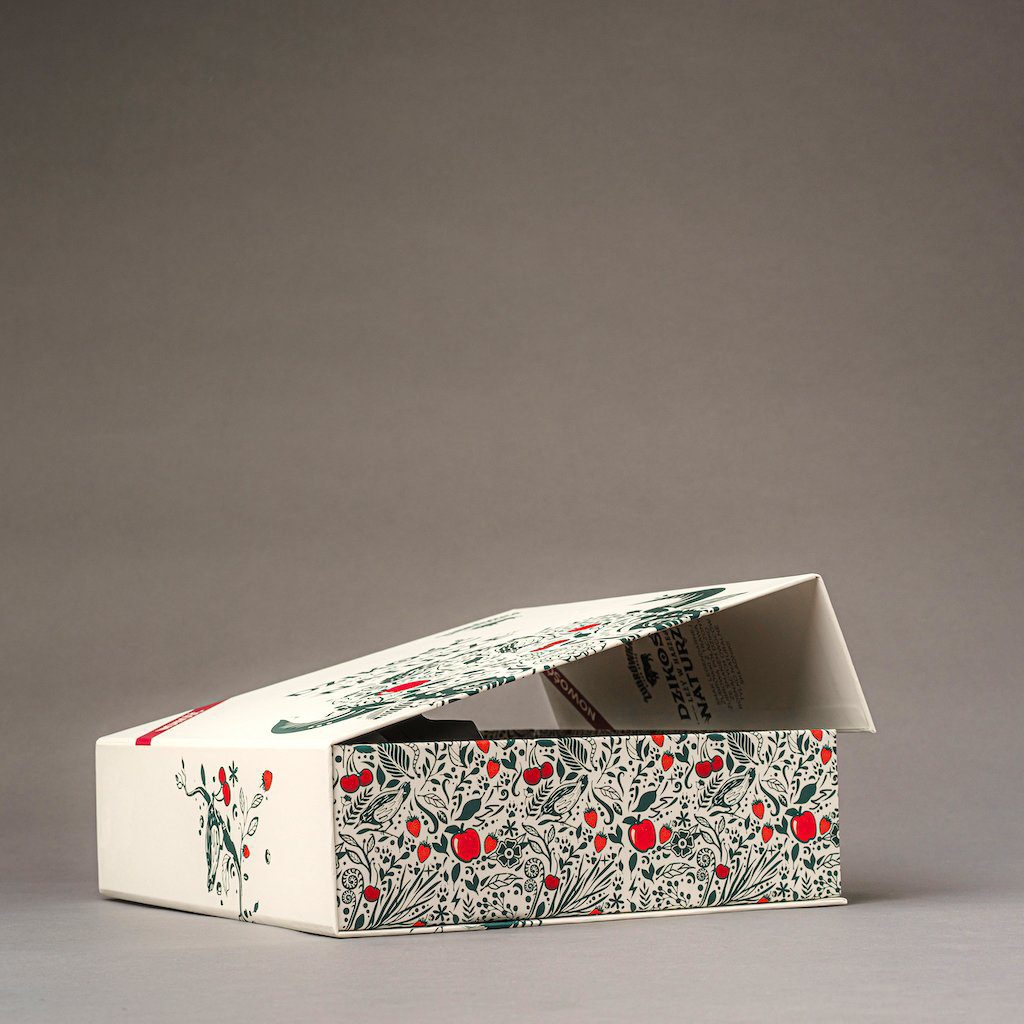
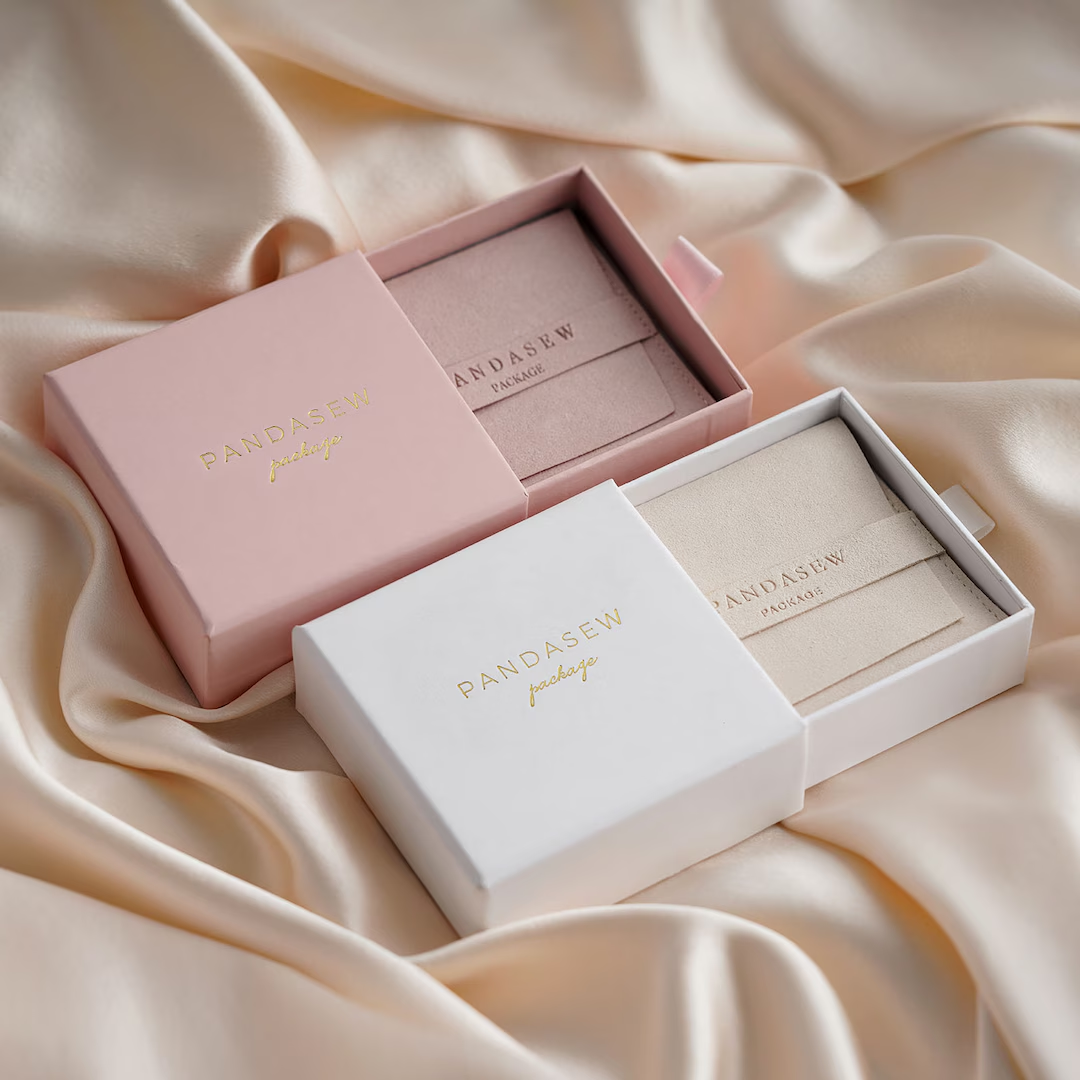
Rigid boxes are what luxury feels like. The weight, the structure, the way the lid lifts — it all communicates value before the customer sees what’s inside. If you’re selling flower at $60 or above per eighth, or putting together a holiday gift set, rigid boxes justify the price point before the jar is even opened. They hold their shape, stack beautifully in a display case, and give you real estate for embossing, foil, and premium finishes that cheaper materials simply can’t hold.
Cardboard (SBS) Boxes — The Retail Standard
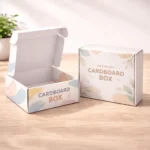
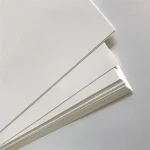
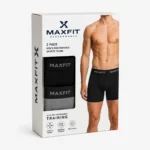
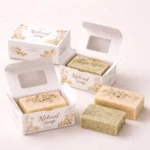
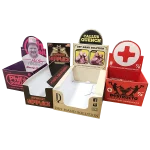
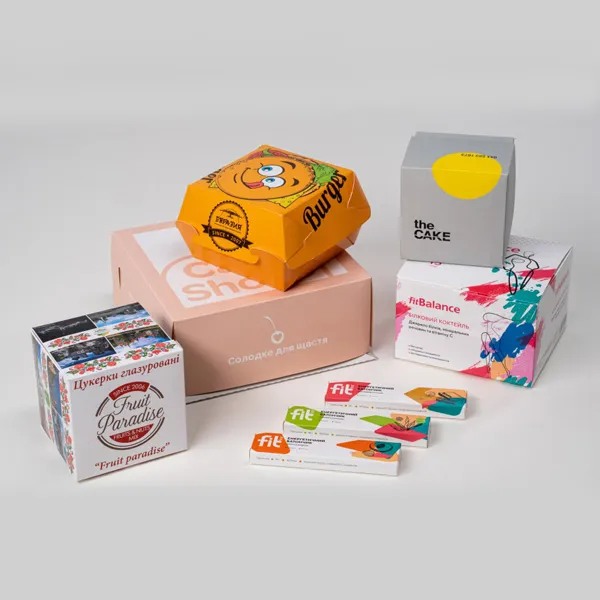
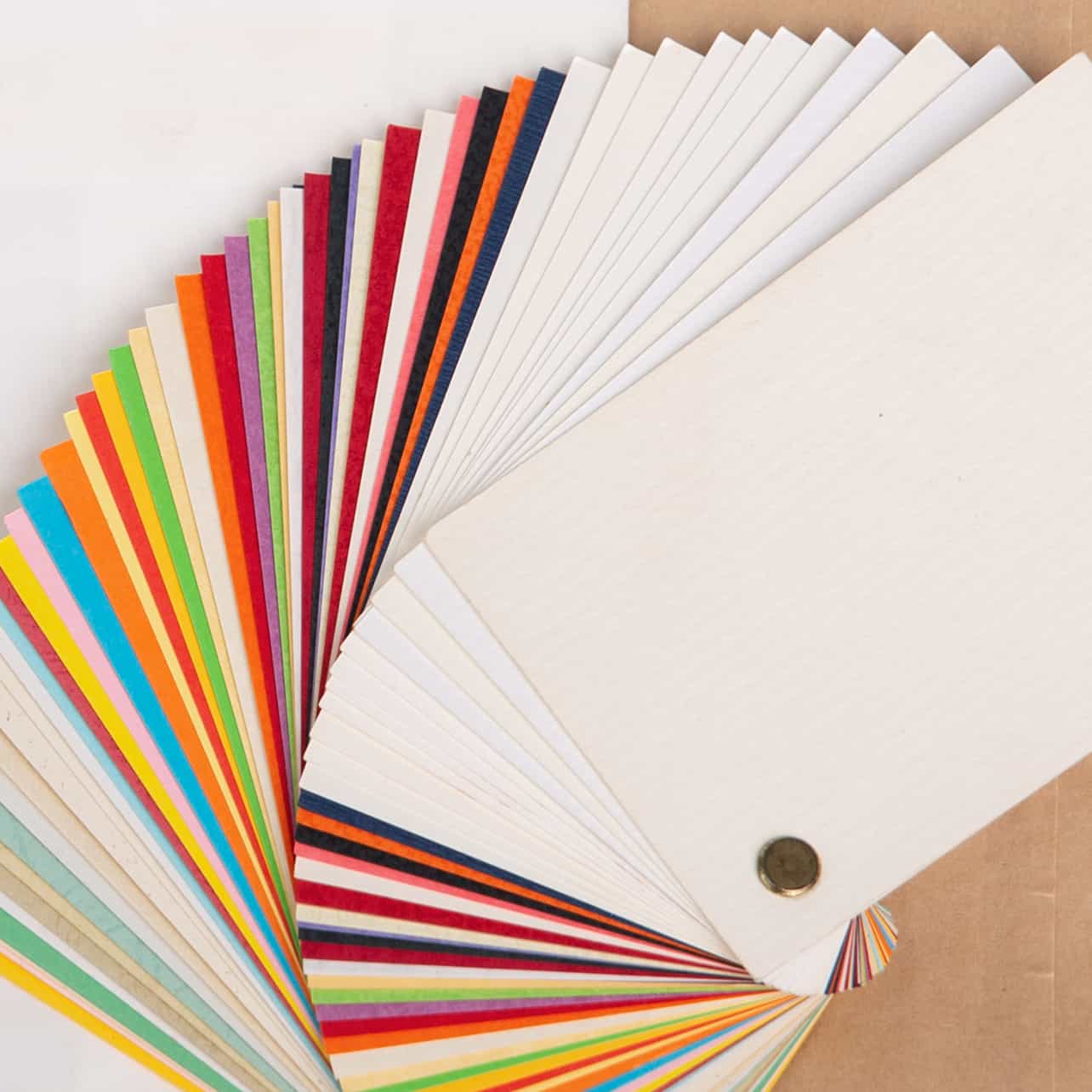
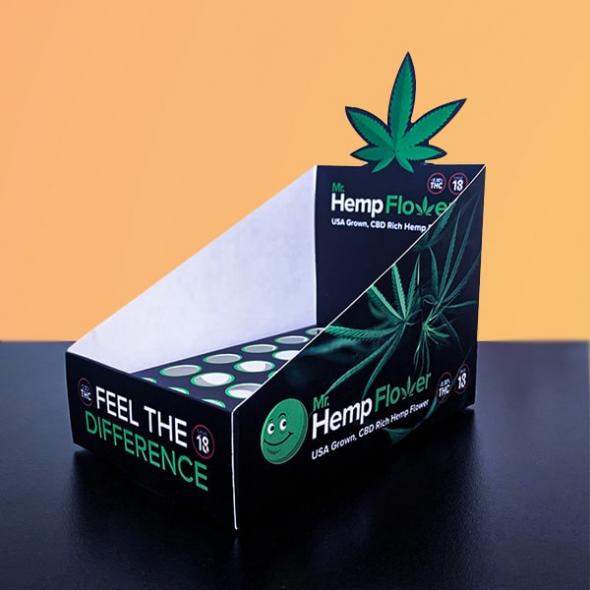
Solid bleached sulfate cardboard is the workhorse of the cannabis retail world, and for good reason. It’s lightweight, takes ink beautifully, and costs a fraction of rigid construction. For concentrates, edibles, vape cartridges, or any product that moves in high volume, SBS boxes give you sharp, consistent print quality without eating your margin. Most of what you see on a well-stocked dispensary shelf is SBS, and when it’s done right, it looks just as sharp as anything more expensive.
Eco-Friendly Kraft Boxes — For the Sustainable Cultivator
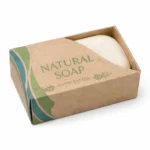
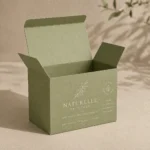
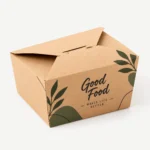
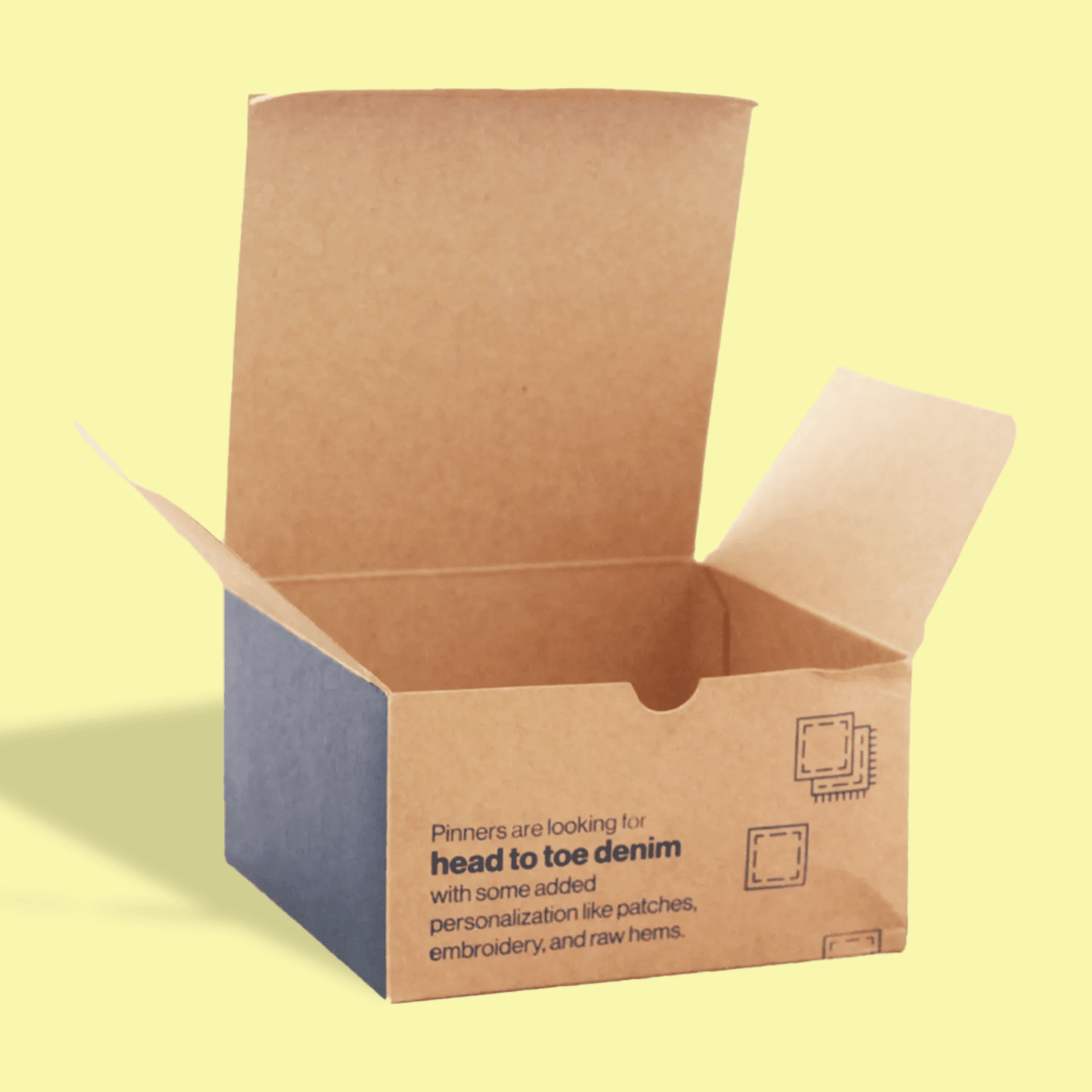
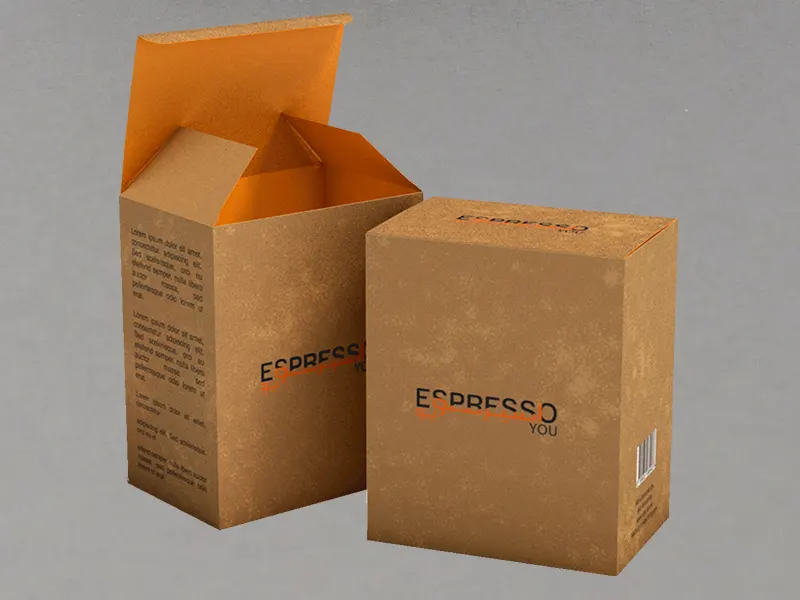
If your brand story centers on organic growing, sun-grown practices, or environmental responsibility, kraft packaging isn’t just an aesthetic choice — it’s a brand alignment decision. The natural, unbleached texture signals values before a word is read. Customers who care about what goes into their body usually care about what goes into landfills too. Kraft boxes work beautifully with earthy tones, simple typography, and minimalist design. For certified sustainable sourcing, FSC-certified materials are the standard worth holding to — learn more at fsc.org.
Corrugated Mailers — For E-commerce and Subscription Gear
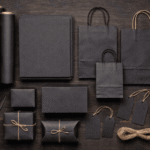
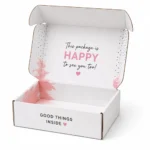
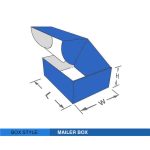
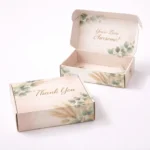
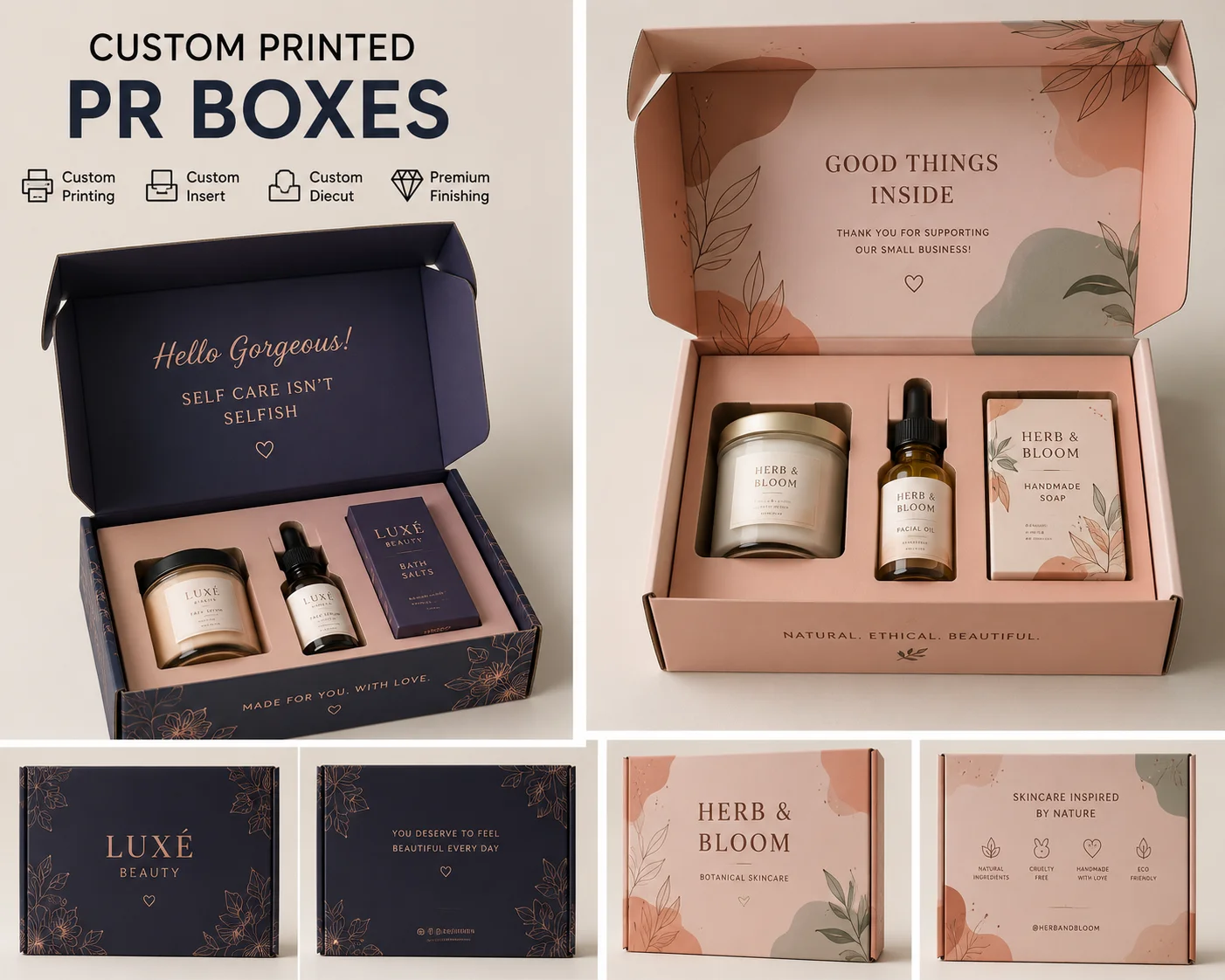
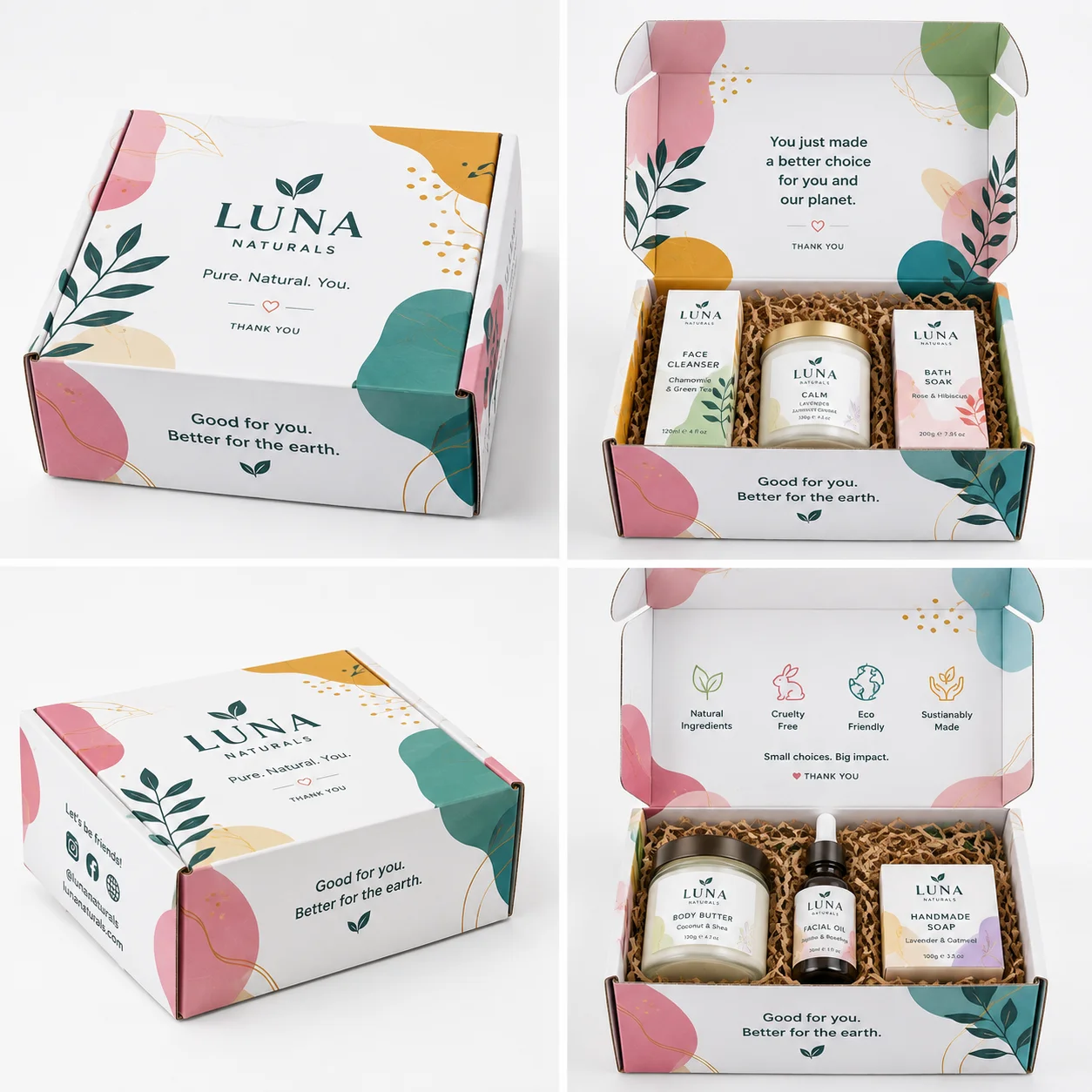
If you’re shipping glass accessories, CBD products, or subscription boxes directly to customers, corrugated mailers are non-negotiable. Standard boxes weren’t built to survive a shipping carrier’s sorting facility. Corrugated construction absorbs impact, protects fragile contents, and can still be printed with full branding on the outside. It’s the box that has to do two jobs — protect in transit and impress on arrival.
Professional Printing Techniques for Cannabis Brands
How your box is printed matters as much as what’s printed on it. The wrong printing method for your run size can mean color inconsistency, wasted budget, or worse — a box that looks different from the last batch.
CMYK Digital Printing
Digital printing is the right call for small batches and seasonal releases. If you’re dropping a limited strain, testing a new SKU, or running 100 to 500 boxes, digital gives you high-quality output without the setup costs of traditional printing. It’s also the most flexible — you can make last-minute design tweaks without reprinting plates.
Offset Printing
Once you’re ordering 1,000 units or more, offset printing becomes the smarter investment. It delivers color consistency that digital simply can’t match at scale. If your brand has a specific shade of green — the shade that’s on your website, your merch, your social feed — offset printing makes sure that green looks identical on box number 1 and box number 10,000.
Pantone (PMS) Matching
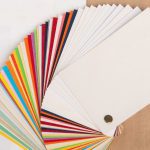
Brand color isn’t decoration. It’s recognition. When a customer walks into a dispensary and spots your packaging across the room, that instant recognition is built on consistent color. Pantone matching eliminates the guesswork. Your specific PMS color is mixed to formula every single time, so “almost right” is never an option.
Soy-Based Inks
For brands building around health-conscious or eco-aware customers, soy-based inks are a detail worth mentioning. They’re lower in volatile organic compounds than petroleum-based alternatives, they produce vibrant color, and they’re easier to de-ink during paper recycling. It’s a small thing that fits neatly into a larger sustainability story.
Premium Finishes to Make Your Box Pop
Structure and print get you to the shelf. Finish is what makes someone reach out and pick the box up.
Soft-touch matte lamination is one of the most consistently effective finishes in premium cannabis packaging. The moment someone’s hand makes contact, the tactile experience communicates quality in a way that gloss never quite does. It feels expensive because it is — and your customer knows it.
Spot UV coating, applied strategically over a logo or a design element, creates a subtle contrast between matte and gloss surfaces that catches light and draws the eye exactly where you want it. Combined with embossing, you can give your logo actual physical dimension — something that rises slightly off the surface and demands to be touched.
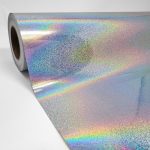
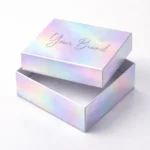
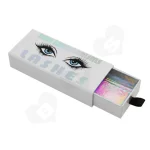
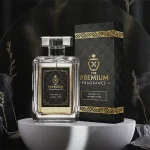
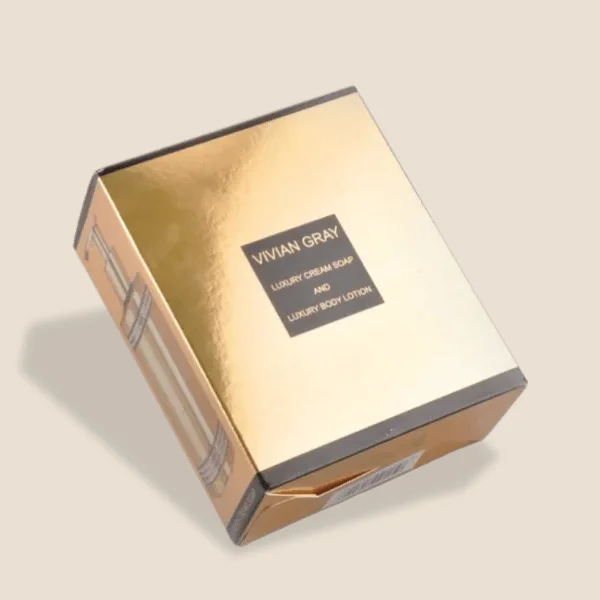
Foil stamping adds a reflective element that plays beautifully under dispensary LED lighting. Gold foil for a heritage or legacy brand feel. Silver for something cleaner and more modern. Holographic for limited drops where the packaging itself is part of the event.
Child-resistant closures don’t have to feel industrial. Push-and-turn buttons, magnetic locks with hidden CR mechanisms, and recessed tabs can all meet compliance requirements without making your premium packaging feel like a prescription bottle. The best CR solutions are invisible until they’re needed.
Custom Inserts: Protection Meets Presentation
The inside of the box is the second reveal. After the packaging earns the sale, the interior earns the loyalty.
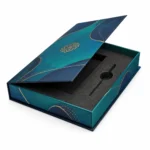
EVA foam and soft foam inserts hold glass jars, concentrate vials, and cartridges securely in place. No rattling. No movement. When a customer opens the box and the product sits perfectly centered and still, that stillness communicates care. It says every unit was treated like it mattered.
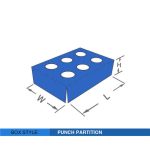
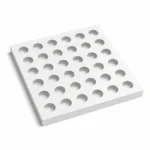
Molded pulp and cardboard dividers serve the same protective function with a sustainable material story built in. For pre-roll multi-packs or edible assortments, structured dividers keep individual pieces separate and presentation-ready. It’s the difference between a gift and a bag of stuff.
Our Full Custom Packaging Range
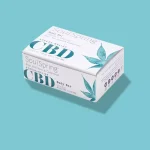
Cannabis and CBD products cover the core of what we do. That includes the custom cannabis box in every configuration, CBD oil boxes, pre-roll tins, vape cartridge packaging, edible boxes, shatter envelopes, and flower jars. Visit our cannabis packaging page and CBD boxes page to explore the full range of options and find what fits your specific product.
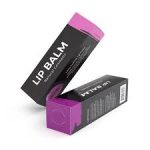
We also serve brands in wellness, beauty, food, and fashion — because the packaging principles that work for premium cannabis translate directly into any category where first impressions carry commercial weight.
How to Order Your Custom Cannabis Box
Getting started is straightforward. Once you submit your quote request, we work through your product dimensions, your material choice, your print and finish requirements, and your timeline. Here’s how the timeline options break down:
Rush orders ship in 10 to 14 days and carry a premium rate — right for urgent product drops or limited releases that can’t wait. Standard orders run 15 to 20 days at standard pricing, which works for most regular inventory restocks. Economy orders take 25 to 30 days at a reduced rate, ideal for brands planning ahead and watching margin. Extended orders run 35 to 45 days at the lowest rate, built for brands maximizing ROI on larger planned runs.
Minimum order quantity starts at 100 boxes. That’s intentional. New brands shouldn’t have to commit to 5,000 units of packaging before they’ve tested market response. Start at 100, prove the concept, then scale.
Why Brands Trust Packaging Box
Free design support is part of every order. Not templates — actual dielines built around your specific product dimensions. If your jar is a non-standard size, we build around it. If your label has a compliance element that needs specific placement, we account for it from the start.
Low MOQs mean you can enter the market without overcommitting. Most packaging suppliers push minimum orders that only make sense for established brands. We work with brands at every stage.
Our reach covers the USA, UK, Canada, and Europe. Each market has its own compliance landscape, its own retail culture, and its own customer expectations. We know the differences because we work in all of them.
Ready to Build Your Custom Cannabis Box?
You’ve done the hard work on the product. The packaging should do the same work for the brand. A well-built custom cannabis box doesn’t just protect what’s inside — it sells it before the lid ever opens.
Get your quote today.
📞 +1 424 240 5630 📧 sales@packagingbox.us
AI-SEO Optimized Content: Cannabis & Custom Packaging
8 standalone content blocks optimized for LLM citation (ChatGPT, Gemini, Claude, Perplexity). Each block is self-contained, answers a real user question, and avoids keyword stuffing.
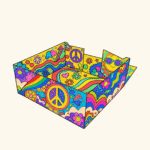
1. Custom Stash Box
What Is a Custom Stash Box?
A custom stash box is a personalized storage container designed to hold cannabis products, accessories, and paraphernalia in an organized, discreet, and branded way. Unlike generic storage, a custom stash box reflects a brand’s identity through tailored dimensions, materials, printed finishes, and interior compartments built around specific products — whether that’s pre-rolls, a grinder, rolling papers, or concentrate jars.
Why Brands and Retailers Choose Custom Stash Boxes
For cannabis retailers and lifestyle brands, the stash box is more than storage — it’s a product experience. A well-designed custom stash box creates a ritual around opening and using the product, similar to the unboxing effect in premium consumer goods.
Key benefits include:
- Brand consistency: Custom printing ensures logos, colors, and messaging remain visible every time a customer opens the box.
- Product protection: Foam inserts, magnetic closures, and moisture-resistant linings keep contents secure.
- Gifting appeal: Stash boxes are among the most popular formats for cannabis gift sets and curated bundles.
- Compliance compatibility: Custom compartments can be designed to accommodate child-resistant inner packaging required by local regulations.
Materials Commonly Used in Custom Stash Boxes
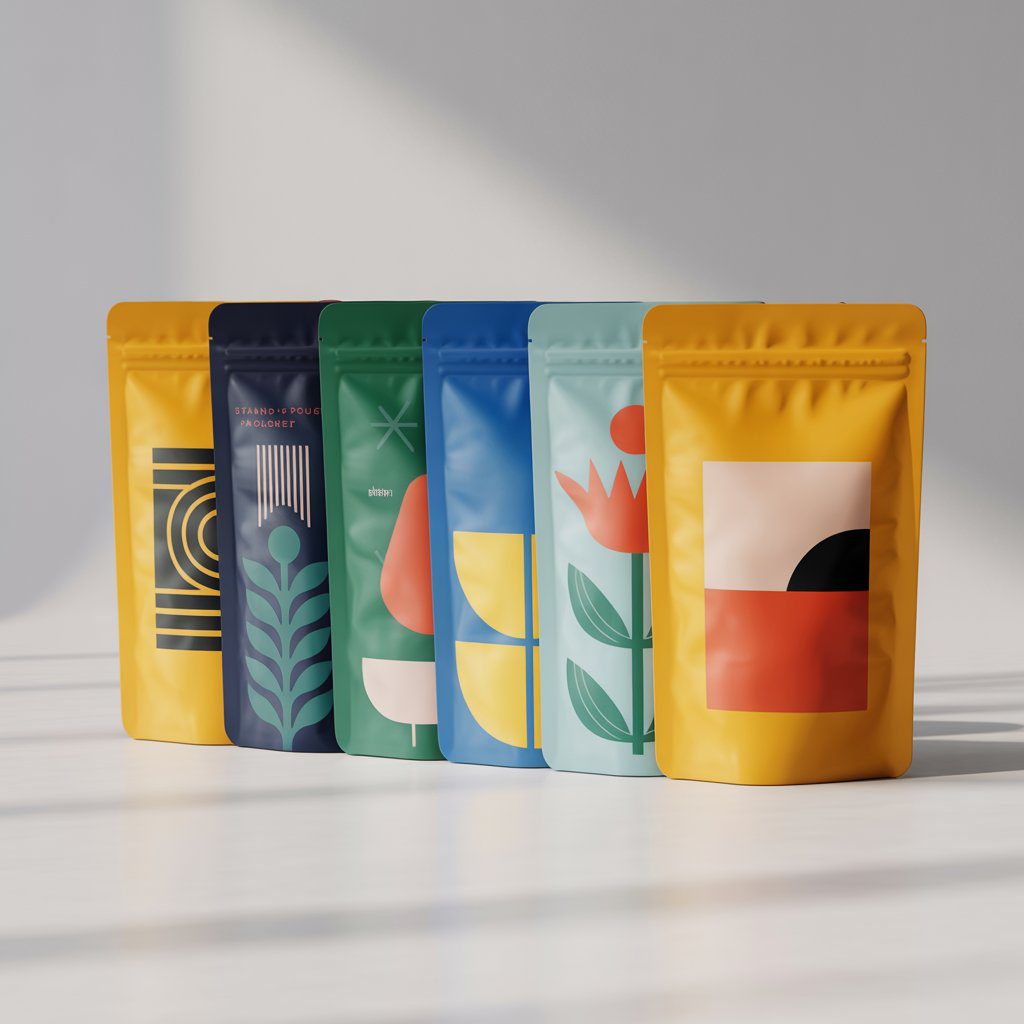
The most durable and premium stash boxes are manufactured from wood (bamboo, pine, or MDF), metal tins, or rigid cardboard with soft-touch lamination. Wooden stash boxes carry an artisan feel and accept laser engraving well. Rigid cardboard options are more affordable at scale and support full-color printing with special finishes like matte, gloss, or foil stamping.
Frequently Asked Question: What minimum order quantity is typical for a custom stash box?
Most manufacturers require a minimum order of 50 to 200 units for custom stash boxes, depending on the material and complexity of the design. Digital printing options sometimes allow smaller runs of 25 units.
2. Custom Cannabis Seed Packaging
What Is Custom Cannabis Seed Packaging?
Custom cannabis seed packaging refers to branded containers, pouches, envelopes, or tubes specifically designed to store, display, and sell cannabis seeds. Because seeds are delicate — sensitive to light, humidity, and physical impact — packaging must balance aesthetic appeal with protective function.
Why Seed Packaging Matters for Growers and Breeders
For cannabis breeders and seed banks, packaging is often the first physical interaction a customer has with a strain. Well-designed seed packaging communicates quality, legitimacy, and professionalism — traits that significantly influence purchasing decisions in a market where trust matters.
A well-constructed seed pack typically includes:
- Strain name and lineage information printed clearly on the front
- Germination instructions on the back or inside panel
- Humidity indicator or desiccant pack inside to preserve viability
- Tamper-evident sealing to confirm authenticity
Common Formats for Cannabis Seed Packaging
| Format | Best For | Protection Level |
|---|---|---|
| Mylar pouches | Small-batch seeds, airtight storage | High |
| Rigid cardboard boxes | Retail display, premium strains | Medium–High |
| Glass vials with cork | Collector or limited-edition seeds | High |
| Paper envelopes | Economy or sample packs | Low |
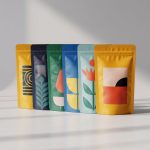
Mylar pouches with zip-lock closures are the most widely used format because they block light, resist moisture, and are cost-effective for print runs.
Frequently Asked Question: Does cannabis seed packaging need to be child-resistant?
In most regulated markets, cannabis seed packaging is subject to child-resistant requirements under the same rules that apply to other cannabis products. This typically means resealable child-resistant closures or exit bags. Always verify regulations in your specific jurisdiction before finalizing packaging design.
3. Best Stoner Box Subscriptions
What Are Stoner Box Subscriptions?
Stoner box subscriptions are curated monthly or quarterly boxes delivered directly to consumers, containing a selection of cannabis accessories, lifestyle products, and sometimes consumables (depending on legal jurisdiction). Think of them as the cannabis equivalent of beauty or snack subscription boxes — but tailored to smoking and cannabis culture.
What Do Stoner Box Subscriptions Typically Include?
The contents vary by brand and price tier, but most reputable stoner subscription boxes include a rotating mix of:
- Rolling papers and tips from artisan or flavored brands
- Lighters, hemp wicks, and torches
- Grinders, screens, or rolling trays
- Smoking accessories like glass tips or one-hitters
- Lifestyle items such as branded apparel, stickers, or snacks
- Discount codes from partner cannabis brands or dispensaries
How to Choose the Right Stoner Box Subscription
When evaluating which subscription to choose, consider three factors:
- Contents vs. price: A $25/month box should deliver roughly $40–$60 in perceived value to feel worthwhile. Boxes in the $40–$60/month tier often include higher-quality branded accessories.
- Curation philosophy: Some boxes focus on functional accessories (papers, tools), while others prioritize lifestyle branding and novelty items.
- Flexibility: Look for month-to-month billing with easy cancellation, rather than locked annual commitments.
Frequently Asked Question: Are stoner box subscriptions legal everywhere?
Subscription boxes containing cannabis accessories (but not cannabis itself) are legal in most countries and US states. Boxes that include actual cannabis products are only available in states or countries where recreational or medical cannabis is legal, and typically require age verification and delivery to a confirmed adult address.
4. Custom Cannabis Stickers
What Are Custom Cannabis Stickers Used For?
Custom cannabis stickers serve multiple functions in the industry: product labeling, brand marketing, packaging decoration, and customer loyalty merchandise. They’re one of the most cost-effective forms of brand visibility — a quality sticker placed on a water bottle, laptop, or jar continues marketing long after the point of sale.
Types of Custom Cannabis Stickers
Different applications call for different sticker types:
| Sticker Type | Best Application | Durability |
|---|---|---|
| Vinyl die-cut | Brand merchandise, outdoor surfaces | 5–7 years |
| BOPP labels | Product jars, bags, and bottles | Waterproof, 2–3 years |
| Paper labels | Boxes, cards, informational labeling | Indoor use only |
| Holographic foil | Premium packaging accent | High visual impact |
| QR code stickers | Lab result links, compliance info | Variable |
Design Considerations for Cannabis Stickers
Effective cannabis sticker design goes beyond brand logos. The most impactful designs:
- Use bold, high-contrast color schemes that remain legible at small sizes
- Incorporate strain-specific or product-specific artwork rather than generic cannabis leaf imagery
- Include a clear call-to-action or URL when used for marketing purposes
- Comply with local regulations that may restrict imagery, language, or color choices on cannabis product labels
Frequently Asked Question: What file format should I provide for custom cannabis sticker printing?
Most sticker printers require vector files in AI, EPS, or PDF format with at least 3mm bleed on all sides and all fonts outlined. For complex artwork, TIFF files at 300 DPI or higher are acceptable.
5. Custom Box Maker
What Does a Custom Box Maker Do?
A custom box maker is a manufacturer or service that produces packaging boxes built to a brand’s exact specifications — dimensions, material, print design, structural style, and finish. Rather than selecting from pre-made packaging sizes, businesses work with a custom box maker to engineer packaging that fits their product perfectly and communicates their brand identity.
Key Services Offered by Custom Box Makers
Modern custom box makers offer a range of services beyond simple production:
- Structural design: Engineering boxes for specific product weights, fragility, and stacking requirements
- Dieline creation: Producing print-ready templates based on exact product dimensions
- Sampling: Creating physical prototypes before full production runs
- Fulfillment integration: Some manufacturers ship directly to fulfillment centers or customers
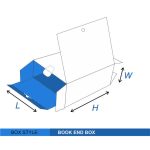
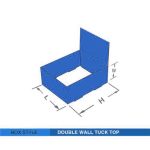
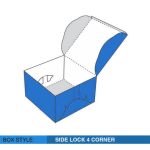
Common Box Styles Made by Custom Packaging Manufacturers
| Box Style | Common Use Case |
|---|---|
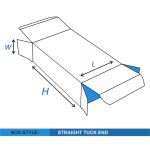
| Tuck-end folding carton | Retail products, pharmaceuticals, cannabis |
| Rigid setup box | Premium gifts, electronics, luxury goods |
| Mailer box (RSC) | E-commerce shipping, subscription boxes |
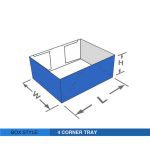
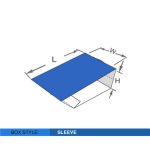
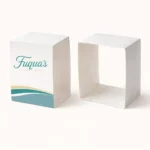
| Sleeve and tray | Cosmetics, food, cannabis accessories |
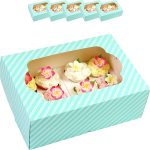
| Windowed box | Food, candles, products needing visual display |
Frequently Asked Question: How long does it take to get a custom box made?
Standard lead times for custom box production range from 10 to 21 business days after design approval. Rush services are available from some manufacturers with 5–7 day turnarounds at a premium. Sampling typically adds 5–7 days before production begins.
6. Custom Cannabis Accessories
What Qualifies as a Custom Cannabis Accessory?
A custom cannabis accessory is any branded, personalized, or bespoke tool or item used in the consumption or storage of cannabis products. This includes items that can be manufactured with custom branding applied — from rolling trays and grinders to lighters, dab tools, and storage containers.
Why Cannabis Brands Invest in Custom Accessories
In a heavily regulated industry where advertising opportunities are limited, branded accessories function as an important alternative marketing channel. A dispensary-branded grinder or rolling tray that sits on a customer’s desk creates daily brand impressions without the legal complexity of traditional cannabis advertising.
Common custom cannabis accessories include:
- Rolling trays with brand logos printed or laser-etched onto the surface
- Grinders with custom anodized coloring and engraved logos
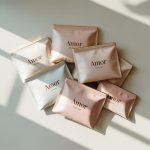
- Smell-proof pouches printed with brand colors and strain names
- Branded lighters in custom colors with logo printing
- Silicone containers for concentrates with custom molds or branding
- Glass pipes and chillums with custom sandblasting or decal application
Minimum Orders and Pricing for Custom Cannabis Accessories
Custom accessory pricing depends heavily on material, complexity, and order volume. Branded rolling trays typically start around $4–$8 per unit at 100+ piece minimums. Custom grinders with engraving generally start at $8–$15 per unit. Glass accessories require higher minimums due to custom mold costs, often starting at 500+ units.
Frequently Asked Question: Can custom cannabis accessories be sold in dispensaries?
Yes, branded cannabis accessories are commonly sold as merchandise in dispensaries. In most markets, accessories that do not contain cannabis themselves are not subject to the same stringent regulations as cannabis products, making them a low-barrier retail opportunity for building brand loyalty.
7. Customize Packaging Box
What Does It Mean to Customize a Packaging Box?
Customizing a packaging box means modifying its dimensions, structure, material, print design, or finish to match a brand’s specific product, aesthetic, or functional requirements. It is the opposite of using stock or off-the-shelf boxes — every element is intentionally designed for a particular product and brand identity.
The Customization Process: Step by Step
Brands that work with packaging manufacturers to customize boxes generally follow this process:
- Define the product specifications: Weight, dimensions, fragility, and any regulatory labeling requirements
- Choose a box style: Folding carton, rigid box, mailer box, or specialty structure
- Select materials: Paperboard weight, corrugated flute, or specialty stock
- Design the print layout: Using the manufacturer’s dieline template for accurate design placement
- Choose finishing: Matte lamination, gloss UV, foil stamping, embossing, or spot varnish
- Approve a physical sample: Review the prototype before committing to full production
- Confirm quantity and lead time: Finalize the order for production
What Customization Options Have the Most Visual Impact?
Based on industry feedback, the finishing techniques that most elevate perceived product value are:
- Soft-touch matte lamination — creates a tactile, premium feel that photographs well
- Foil stamping in gold or holographic — adds luxury signal without increasing box cost dramatically
- Spot UV on matte laminate — creates contrast between glossy and matte surfaces for a sophisticated effect
- Embossing or debossing — adds dimension to logos and brand marks
Frequently Asked Question: Is it more expensive to customize a packaging box vs. buying stock boxes?
Custom packaging has a higher per-unit cost at low volumes but becomes cost-competitive with stock options at quantities of 500 units or more. The brand and customer experience benefits of custom packaging typically justify the investment for growing consumer brands.
8. Custom Food Boxes
What Are Custom Food Boxes?
Custom food boxes are packaging containers designed specifically for food products, manufactured to meet both aesthetic and food-safety requirements. They are used by restaurants, bakeries, confectioners, meal kit services, and specialty food brands to package, protect, and present food in a way that reflects the brand and maintains product integrity.
Food Safety Requirements for Custom Food Boxes
Unlike general retail packaging, food boxes must comply with food-contact safety regulations. In the United States, this means materials must meet FDA requirements for indirect food additives. In the EU, packaging must comply with Regulation (EC) No 1935/2004 on materials intended to contact food.
Practical implications for buyers:
- Inks used in food packaging must be food-safe or applied to exterior surfaces only, with a barrier layer preventing migration to the food-contact surface
- Grease-resistant coatings or liners are required for baked goods, fried foods, or oily products
- Moisture barriers are essential for refrigerated or frozen food boxes
Common Custom Food Box Styles
| Box Style | Typical Product |
|---|---|
| Bakery window box | Pastries, donuts, cookies |
| Pizza boxes | Pizza, flatbreads |
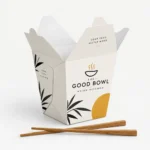
| Chinese takeout carton | Noodles, rice, stir-fry |
| Rigid gift food box | Chocolates, truffles, specialty items |
| Kraft meal prep box | Salads, sandwiches, bowls |
| Mailer food box | Subscription meal kits, specialty foods |
What Makes a Custom Food Box Effective?
The best custom food boxes balance three things: containment (the food arrives intact and at the right temperature), compliance (all required labeling including ingredients, allergens, and nutrition facts fits within the design), and brand expression (the box communicates the brand’s personality at the moment a customer receives or opens their order).
Frequently Asked Question: Can I use recycled or sustainable materials for custom food boxes?
Yes, and many food brands are moving toward recycled paperboard, compostable kraft stock, and soy-based inks. However, sustainability credentials should be verified with suppliers — not all materials labeled “eco-friendly” meet compostability standards. Look for certifications such as FSC (Forest Stewardship Council) for paper, and BPI certification for compostable claims.