


















































Beyond the Box: How Packaging Displays Drive Sales and Shape Brand Perception
Picture this: A shopper walks down a brightly lit retail aisle, surrounded by dozens of competing brands. Within 2.6 seconds, their eyes scan products, evaluate visual cues, and make a subconscious decision—keep walking or stop.
Here’s the truth: that moment is won or lost long before a customer ever reads your ingredient list. It’s won at the intersection of packaging design and point-of-purchase (POS) marketing.
I’ve spent 15 years watching consumer behavior in retail environments, and I can tell you one thing for certain:
A brilliant product hidden in generic packaging is an invisible product.
Whether you’re launching a direct-to-consumer brand or trying to get into major brick-and-mortar stores, mastering retail displays is the single most effective way to multiply your sales.
Let’s break it down.
1. The Silent Salesman: Understanding the Dual Nature of Packaging
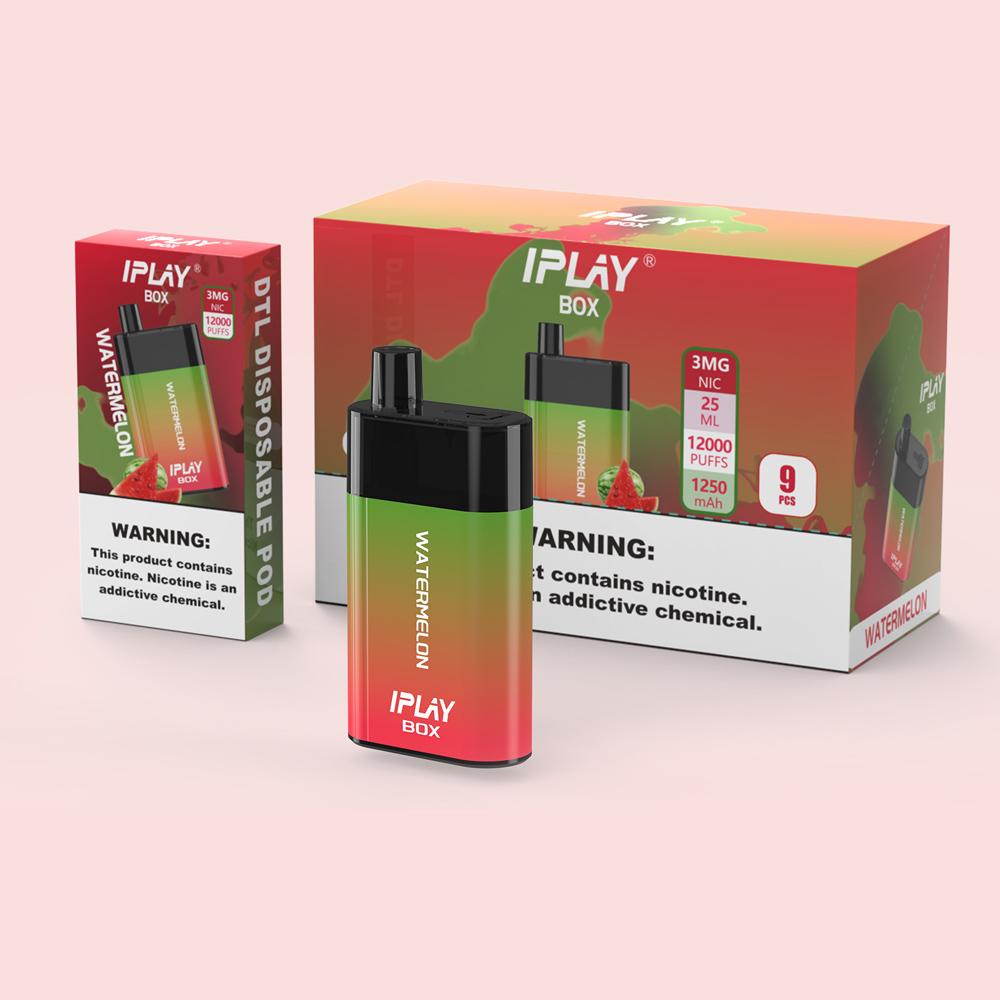
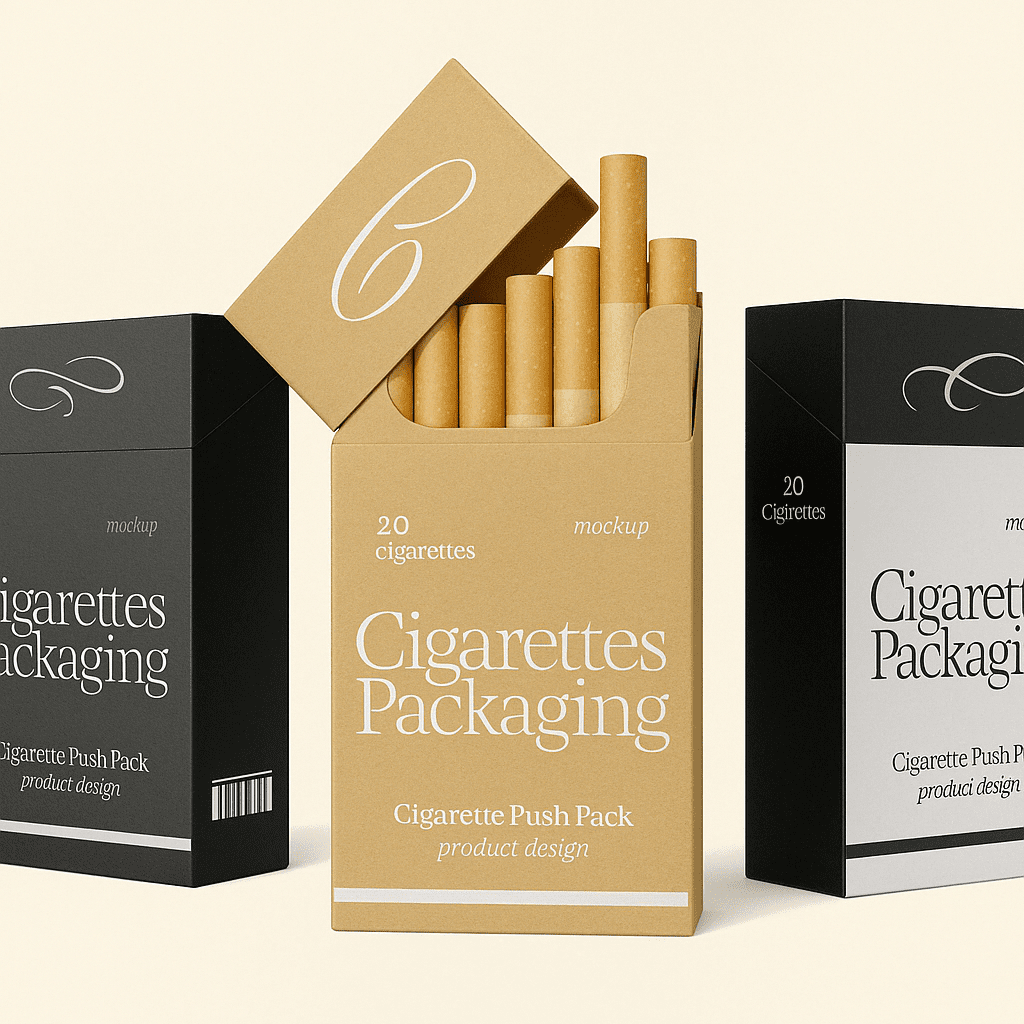
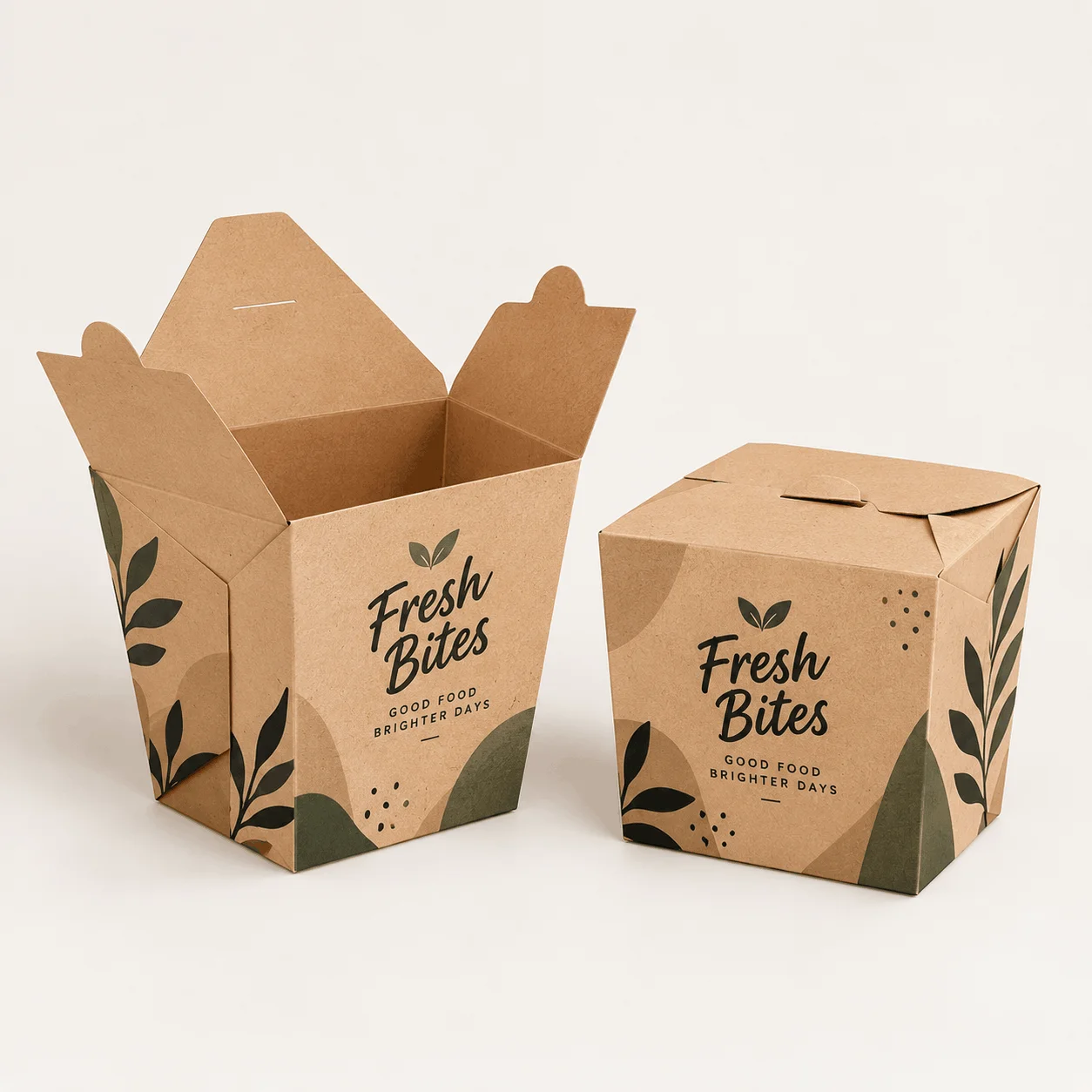
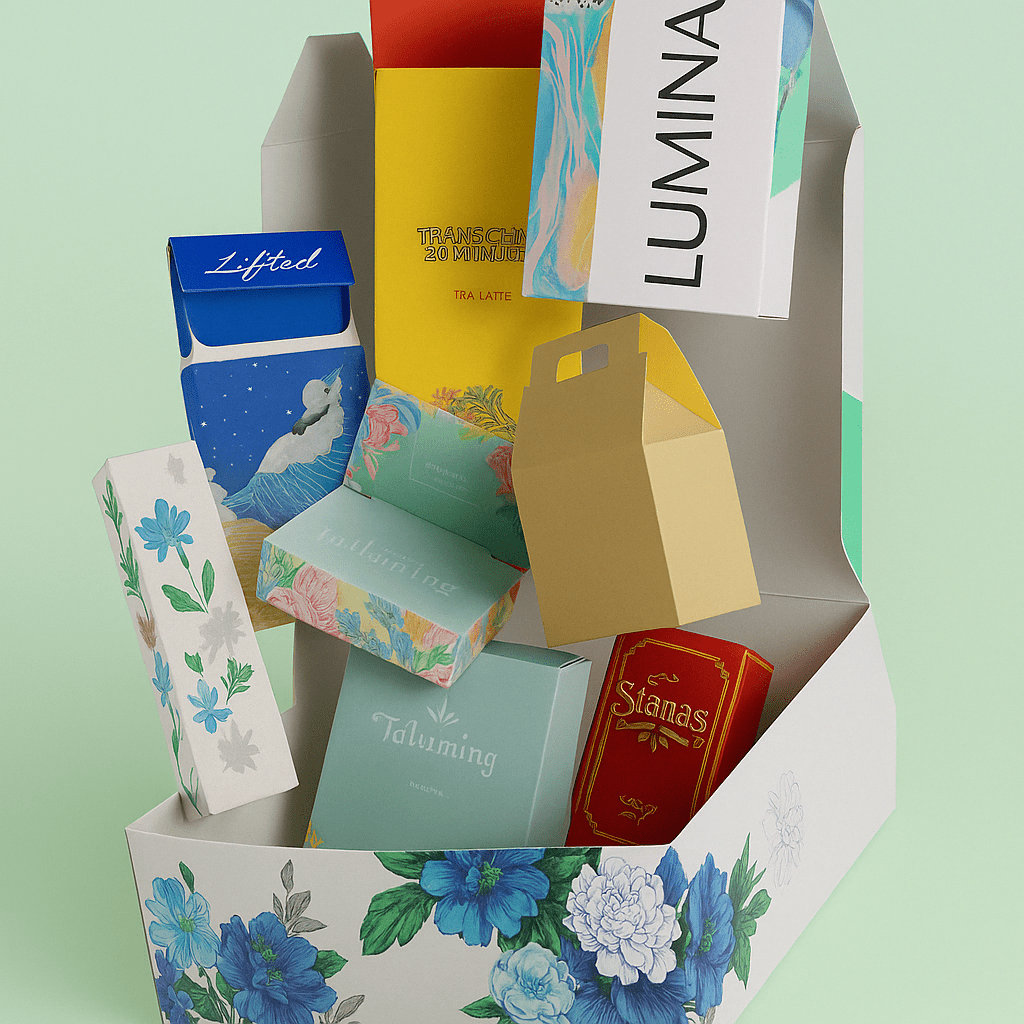
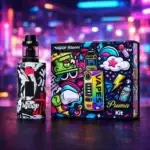
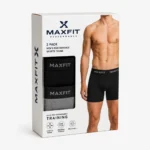
Most entrepreneurs think of packaging as just the box or bottle holding the product. But in a retail environment, packaging lives a double life.
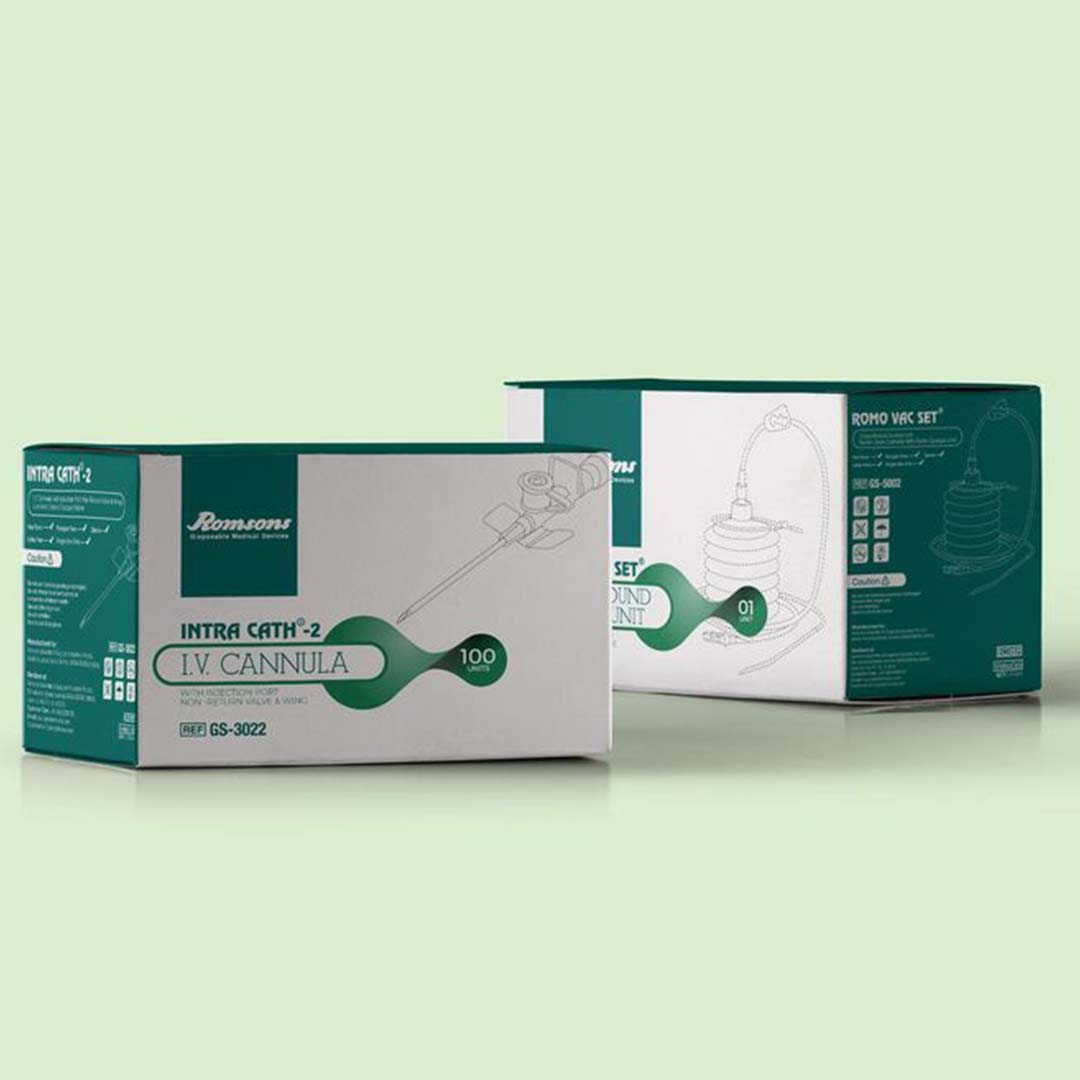
Primary Packaging
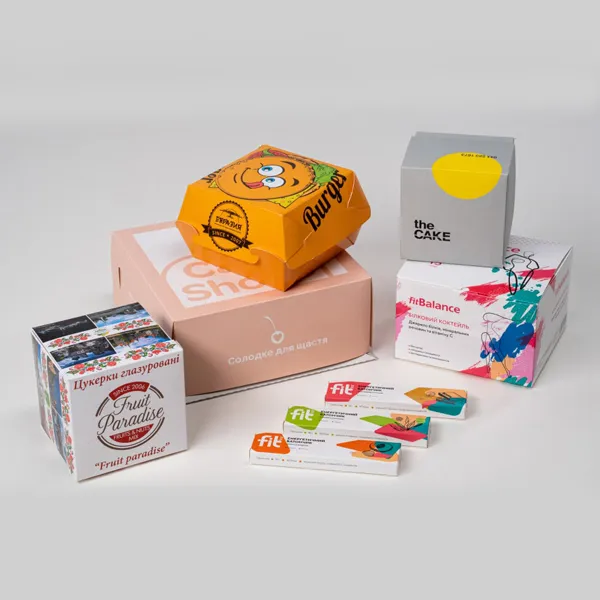
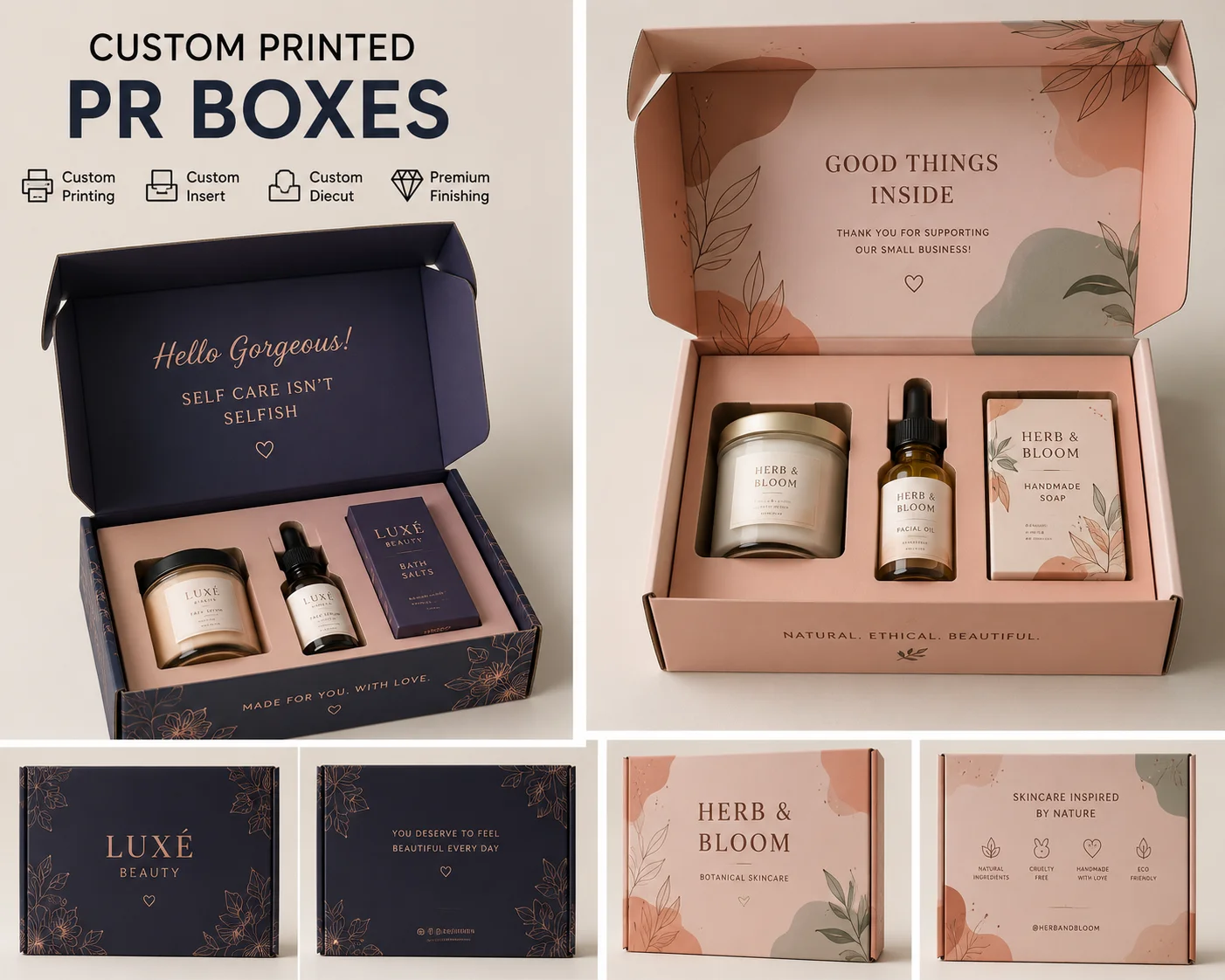
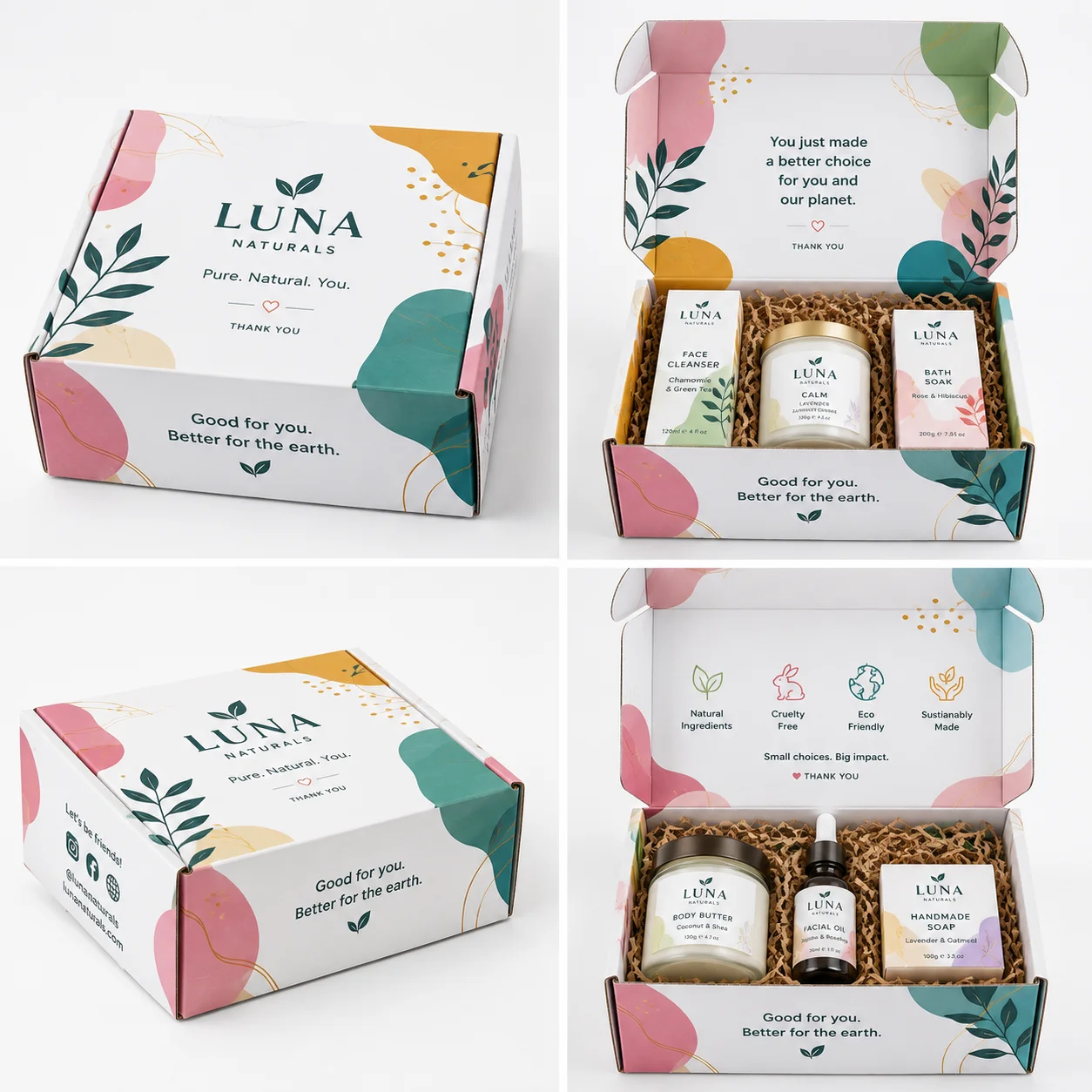
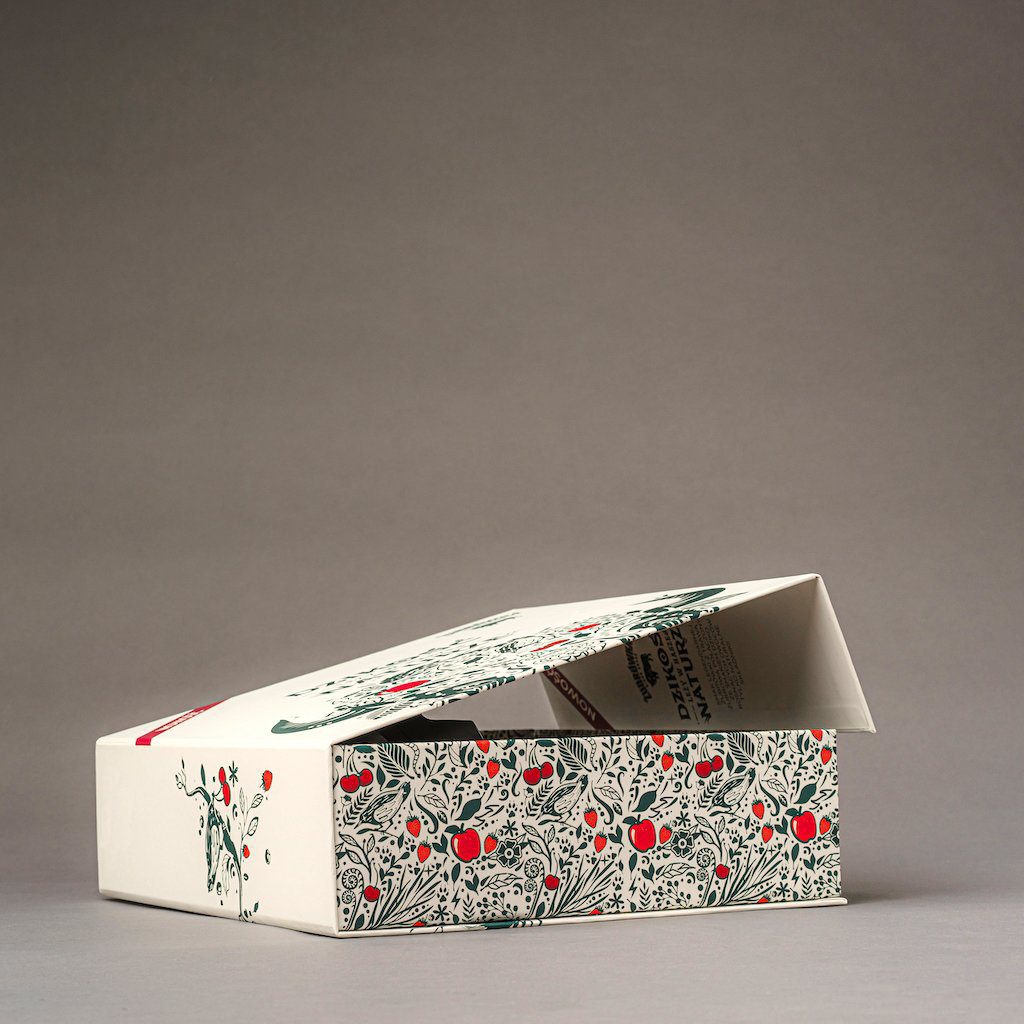
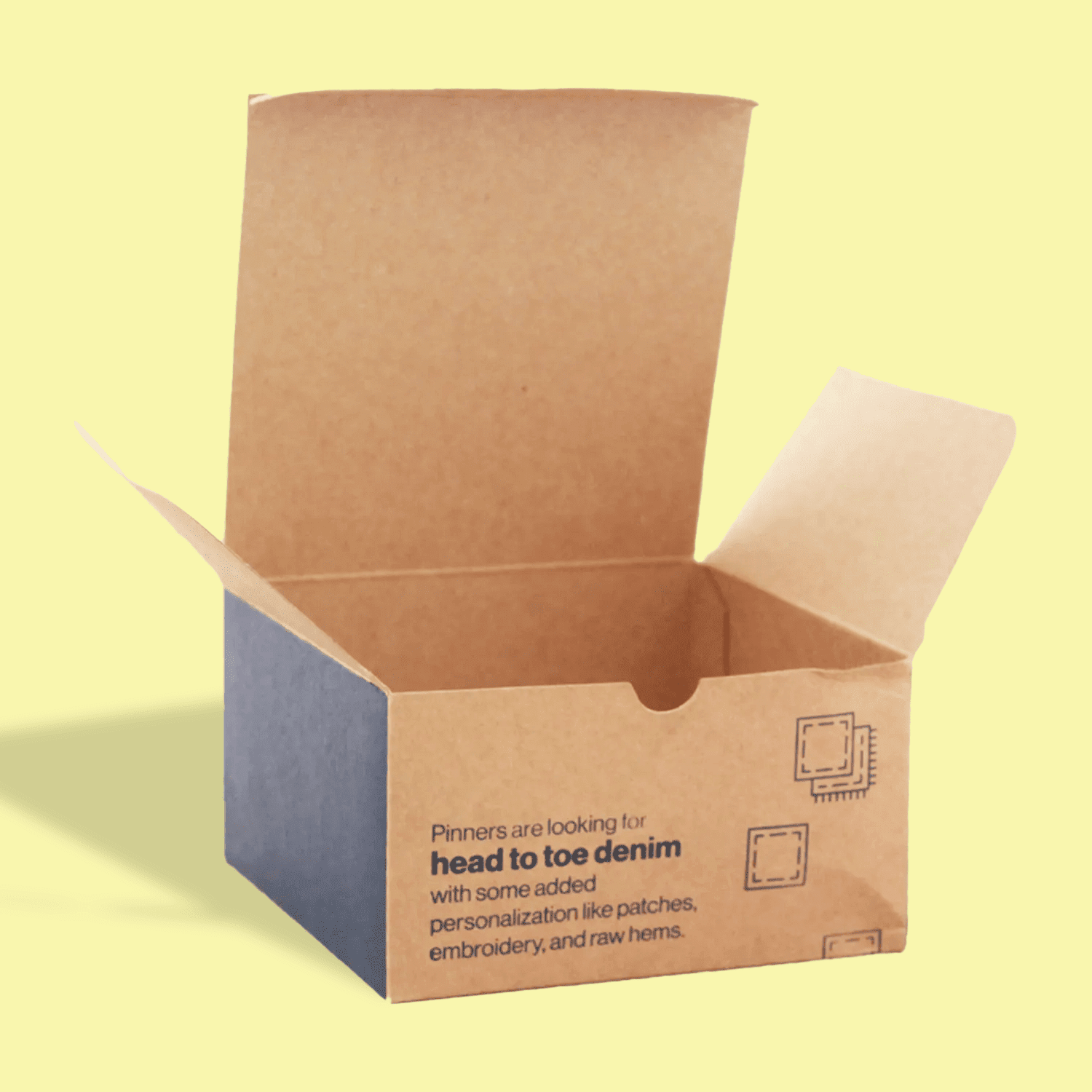
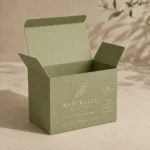
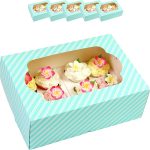
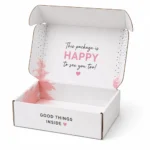
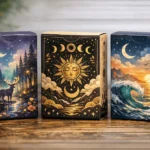
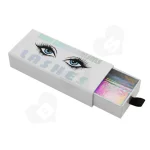
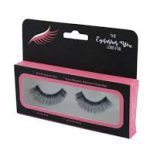
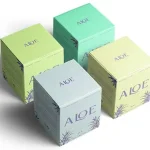
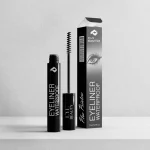
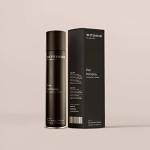
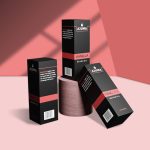
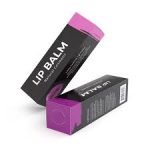
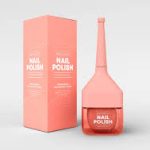
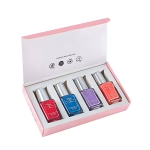
This is the immediate container—the jar, bottle, pouch, or custom carton that protects the item and communicates your brand identity during the unboxing experience. It builds intimacy after the purchase.
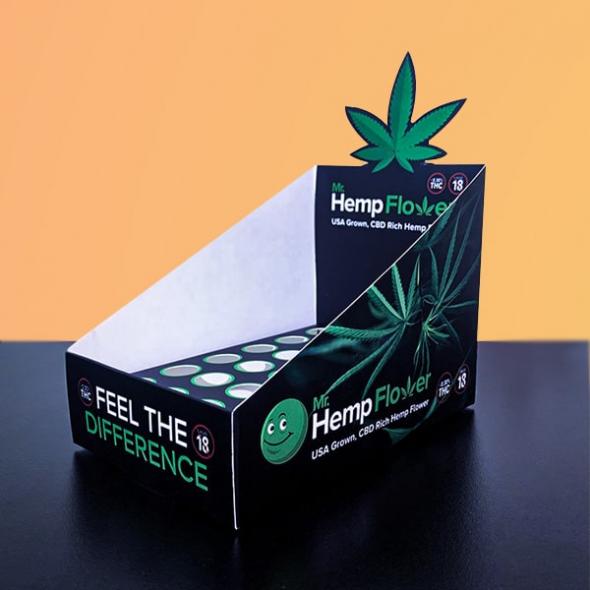
Secondary Retail Displays
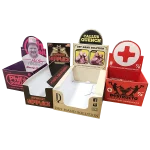
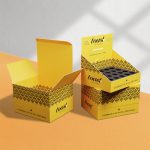
These are the physical merchandisers—countertop units, shipper displays, and floor stands—that house multiple units and put your brand directly in the consumer’s line of sight. They build visibility before the purchase.
Together, they act as your “silent salesmen.”
While your sales associates are busy helping other customers, your displays are working 24/7. They capture attention, establish credibility, and communicate value—without a single spoken word.
2. The Psychology of the Display: Why Consumers Buy
To design an effective retail display, you need to understand how the human brain processes visual and physical information in a busy shopping environment.
🎨 Color Psychology and Contrast
Colors trigger immediate emotional responses:
| Color | Psychological Effect | Best For |
|---|---|---|
| Red & Yellow | Urgency, impulse | Clearance, snacks, promotions |
| Blue & Green | Trust, calm | Health, wellness, finance |
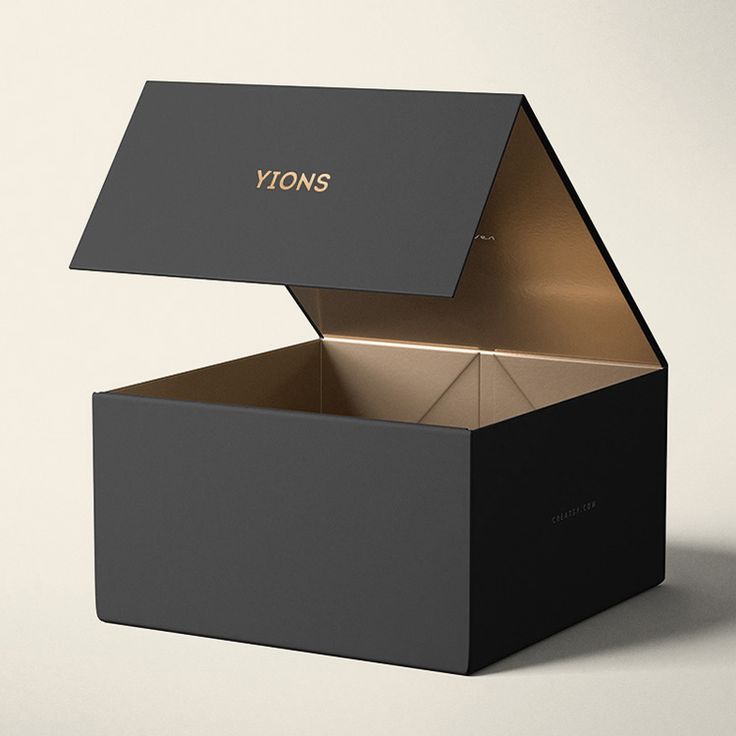
| Black & Gold | Luxury, premium | Cosmetics, spirits, tech |
| White & Pastels | Clean, minimal | Skincare, organic products |
But color alone won’t save you.
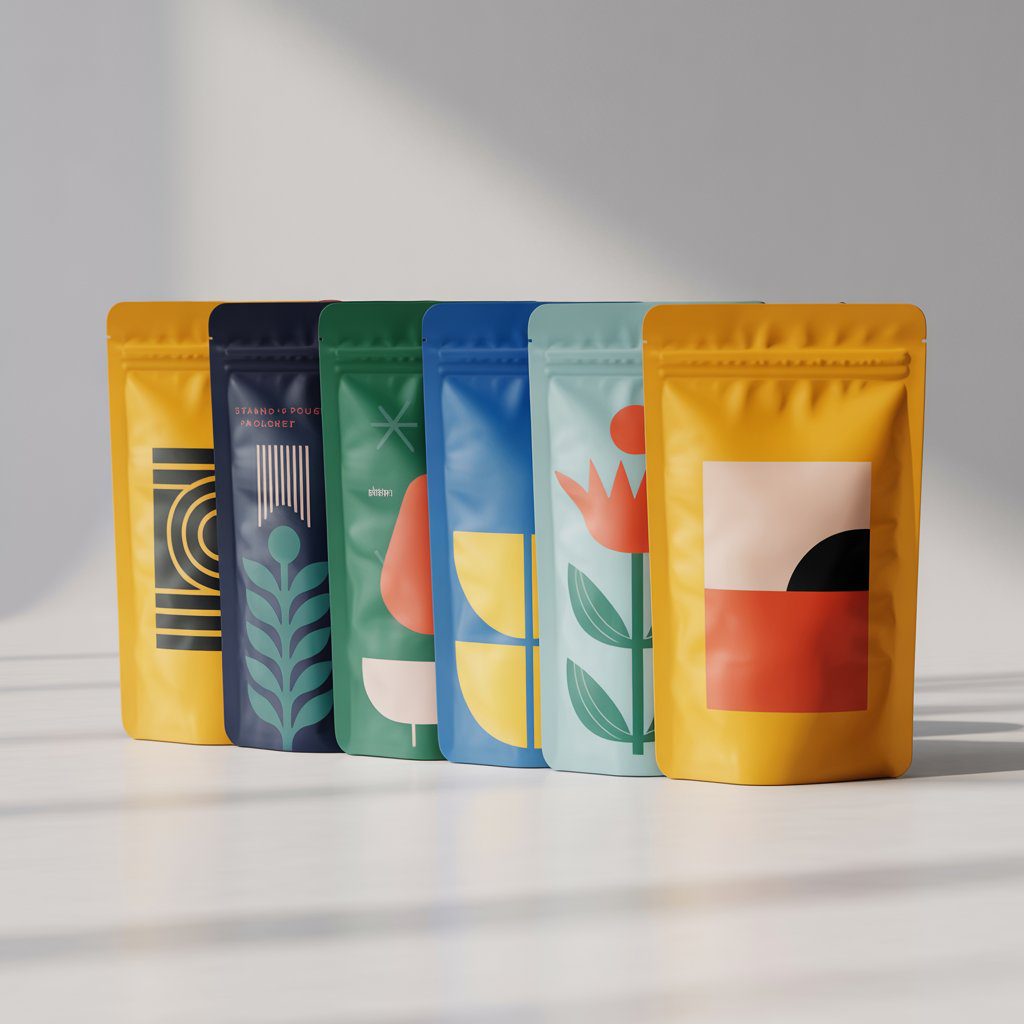
If your packaging blends into the store aisle’s dominant color scheme, you become invisible. Using high-contrast typography and negative space forces the eye to pause.
👁️ The Power of “Shelf Impact”
Shelf impact is your brand’s stopping power—the visual gravity that pulls a wandering eye toward your display.
To achieve high shelf impact, you need:
✅ A clear focal point
✅ Clean visual hierarchy
✅ A dominant brand message you can understand in under 3 seconds
✋ Tactile Engagement
Humans are sensory creatures. When a shopper picks up a product from a countertop display, something psychological happens called the “endowment effect” —they mentally claim ownership of the item simply by touching it.
Design tip: Textured finishes, embossed logos, and matte-laminated surfaces invite physical interaction, which dramatically increases purchase intent.
🌱 Sustainability as a Psychological Driver
Today’s consumers—especially Gen Z and Millennials—connect packaging waste with corporate negligence.
Using eco-friendly materials, recyclable cardboard structures, and minimalist designs doesn’t just reduce your carbon footprint; it reassures conscious shoppers that your brand shares their values.
Bottom line: Sustainability isn’t just ethical—it’s a competitive advantage.
3. Types of Displays: The Taxonomy
Choosing the right format depends on your product size, price point, and retail environment. Here’s your quick-reference guide:
📦 Countertop Units (CDUs)
Best for: Impulse buys, cosmetics, tech accessories, trial-sized goods
Compact, high-impact displays placed right next to the cash register. Perfect for capturing last-minute purchasing decisions.
🏢 Floor Standing Displays (FSDUs)
Best for: Emerging brands, high-traffic aisles, seasonal promotions
Freestanding cardboard or corrugated towers that maximize vertical space. They give emerging brands dedicated brand real estate without paying high slotting fees for permanent shelving.
🚛 Pallet Displays
Best for: Warehouse clubs (Costco, Sam’s Club), major seasonal rollouts
Massive bulk displays rolled straight off shipping trucks onto the retail floor. Ideal for high-volume, high-impact moments.
🎯 Endcap Displays
Best for: Featured product lines, new launches, holiday campaigns
Located at the end of store aisles, these are prime retail real estate, commanding massive foot traffic and driving high conversion rates.
🧠 How to Choose: The Decision Framework
| Product Type | Best Display Format | Why |
|---|---|---|
| Lightweight, low-cost impulse items | CDU near checkout | Low friction, high visibility |
| Heavy, high-consideration items | FSDU or endcap | Sturdy structure, education space |
| Bulk/seasonal promotions | Pallet display | Volume handling, event impact |
| New product launches | Endcap or FSDU | Maximum visibility, brand storytelling |
4. The “Goldilocks” Rule of Design: Durability vs. Aesthetics
The biggest mistake brand managers make? Designing a display that looks stunning on a computer screen but fails in the real world.
A great retail display must follow the Goldilocks Rule:
Sturdy enough to survive shipping and busy shoppers—yet attractive enough to command attention.
🔧 Structural Integrity
If using corrugated cardboard, choose the right flute size:
E-flute → Clean printing, light items
B-flute or C-flute → Heavy structural support
Make sure weight distribution is balanced so the display won’t tip over when shoppers empty the front rows
📋 Logistics & Assembly
Retailers are busy. If your display requires an engineering degree and 30 minutes to assemble, store managers will throw it in the dumpster.
Design for success:
Pre-assembled pop-up displays
Intuitive, tool-free locking tabs
Assembly time: under 60 seconds
Pro tip: Always send a sample to the store manager before mass production. Their feedback is gold.
5. Case Studies in POS Marketing Excellence
🌿 Case Study A: The Artisanal Skincare CDU
The Challenge: A boutique botanical skincare brand struggled to gain traction on crowded multi-brand shelves.
The Solution: They introduced a custom-printed, compact cardboard Countertop Display Unit (CDU) placed next to checkout registers—complete with a designated tester bottle.
The Results:
📈 Impulse sales surged by 210% in six weeks
🤲 Tactile tester drove engagement
🌱 Clean, earthy design communicated premium quality
Key Takeaway: Never underestimate the power of touch. A tester transforms a passive display into an interactive experience.
☕ Case Study B: The Functional Beverage FSDU
The Challenge: A cold-brew coffee startup wanted to test regional grocery expansion without committing to permanent shelf placement.
The Solution: They invested in custom Floor Standing Displays (FSDUs) placed near the deli section, with high-impact graphics highlighting their organic ingredients.
The Results:
📈 45% lift in repeat weekly velocity
🎯 Dead floor space transformed into an active destination point
🏪 Retailers requested additional units for other locations
Key Takeaway: Strategic placement matters as much as design. Meet your customer where they already are.
6. The Future of Retail Displays
As physical retail merges with digital ecosystems, packaging displays are evolving quickly. Here’s what’s coming:
📱 Smart Displays & QR Codes
Adding scannable QR codes directly onto display headers lets brands connect offline browsing with online loyalty programs, video demonstrations, and instant reordering.
♻️ Closed-Loop Recyclability
Brands are moving away from mixed-material displays (plastics combined with foils) toward 100% recyclable, single-material corrugated solutions that simplify recycling.
🧩 Modular Scalability
Retailers love modular displays that can be easily reconfigured—from a full floor stand down to a countertop unit—depending on seasonal inventory shifts.
The future belongs to displays that are smart, sustainable, and adaptable.
🎯 Your 5-Question Retail Display Audit Checklist
Your packaging display is the ultimate physical expression of your brand strategy. By combining behavioral psychology with smart structural engineering, you can turn casual foot traffic into loyal customers.
Before sending your next display to print, ask yourself:
| # | Question | Why It Matters |
|---|---|---|
| 1 | Does it stop traffic? Does the headline and primary visual pop from 10 feet away? | Shelf impact determines stopping power |
| 2 | Is the value proposition instant? Can a shopper understand what’s inside within 3 seconds? | Clarity beats cleverness every time |
| 3 | Is it retail-friendly? Can store employees assemble it in under a minute? | If it’s hard to build, it won’t get built |
| 4 | Is it structurally sound? Will it hold its shape when half-empty? | Durability equals longevity in-store |
| 5 | Does it align with your brand ethos? Do materials and finishes reflect your price point? | Consistency builds trust and premium perception |
🚀 The Bottom Line
In the battle for consumer attention, your packaging display is your most powerful weapon.
It’s not just cardboard and graphics—it’s psychology, engineering, and storytelling working together to:
✅ Stop shoppers in their tracks
✅ Communicate your value instantly
✅ Create memorable brand experiences
✅ Drive measurable sales results
Don’t let your product be invisible. Design displays that demand attention, invite interaction, and convert browsers into buyers.