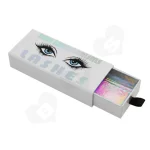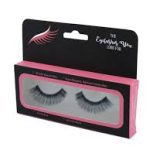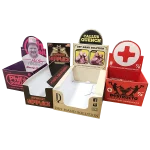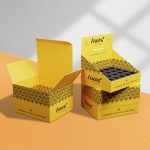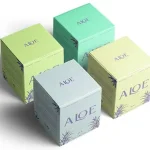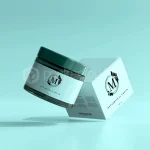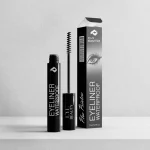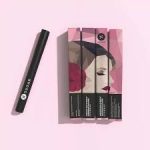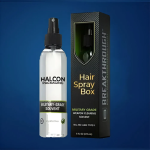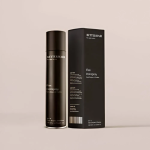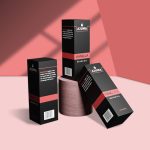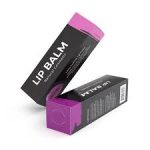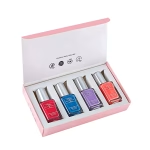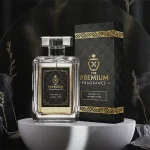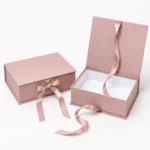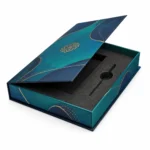



Custom Subscription Boxes: The First Handshake With Your Customer
Before a subscriber ever touches the product inside, they touch the box. That’s the moment a subscription brand either earns a second month or loses a customer to the recycling bin. Custom subscription boxes are the physical opening line of a relationship that, if done right, repeats itself every 30 days.
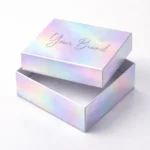
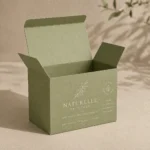
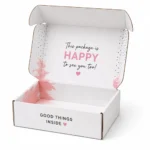
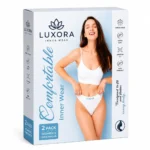
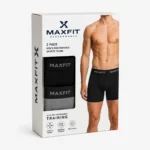
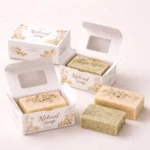
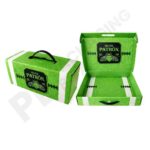
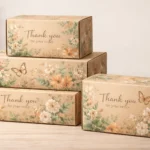
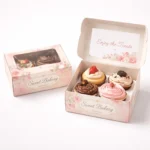
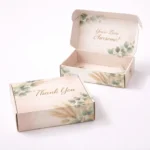
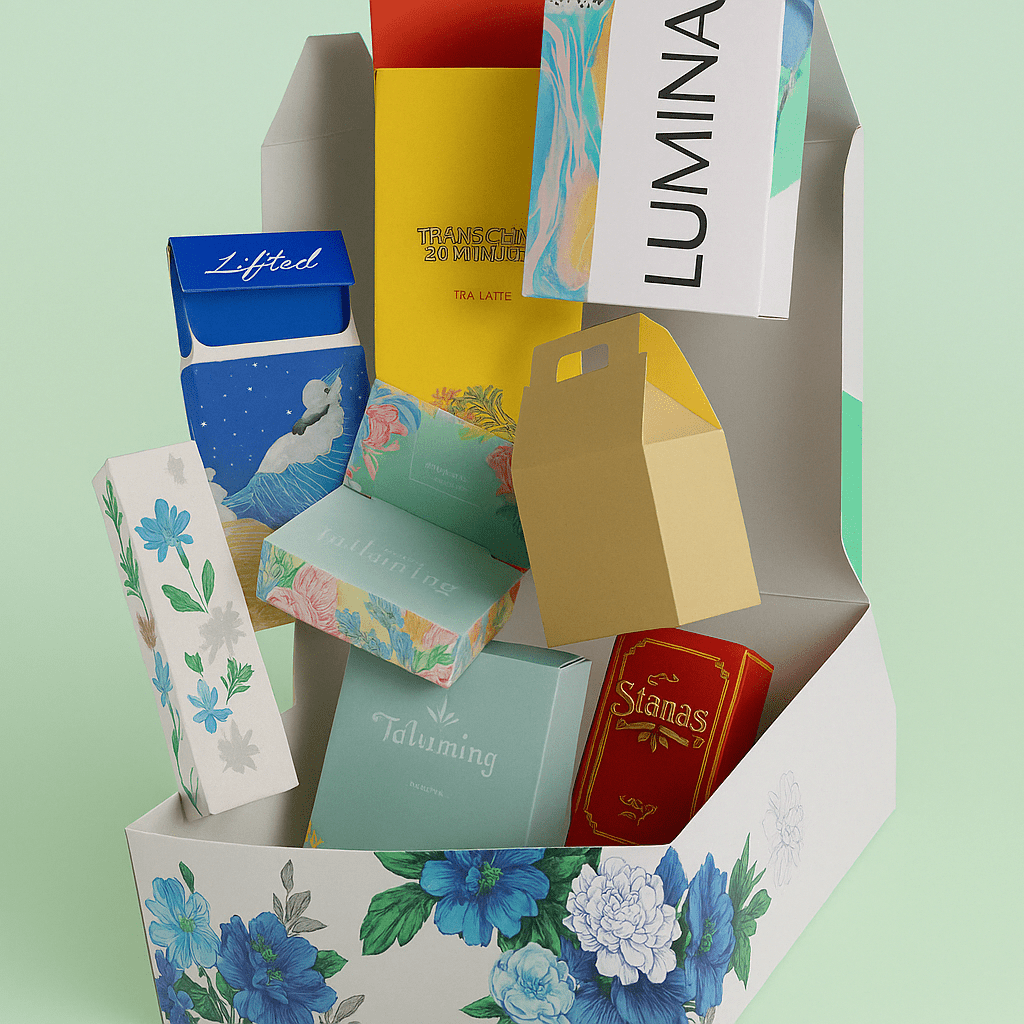
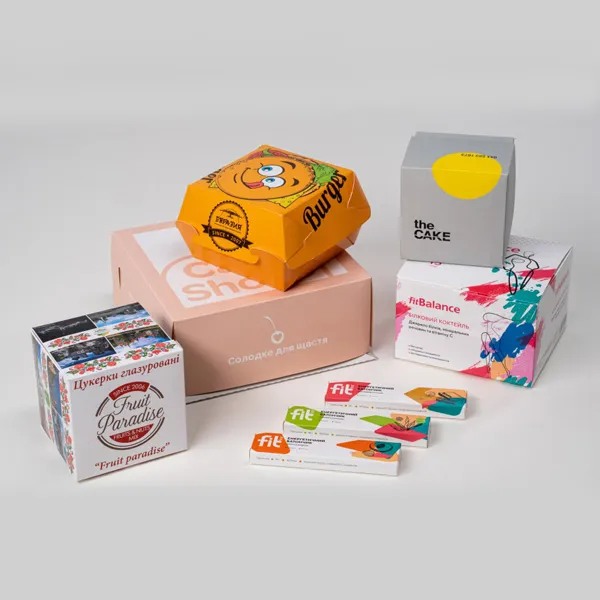
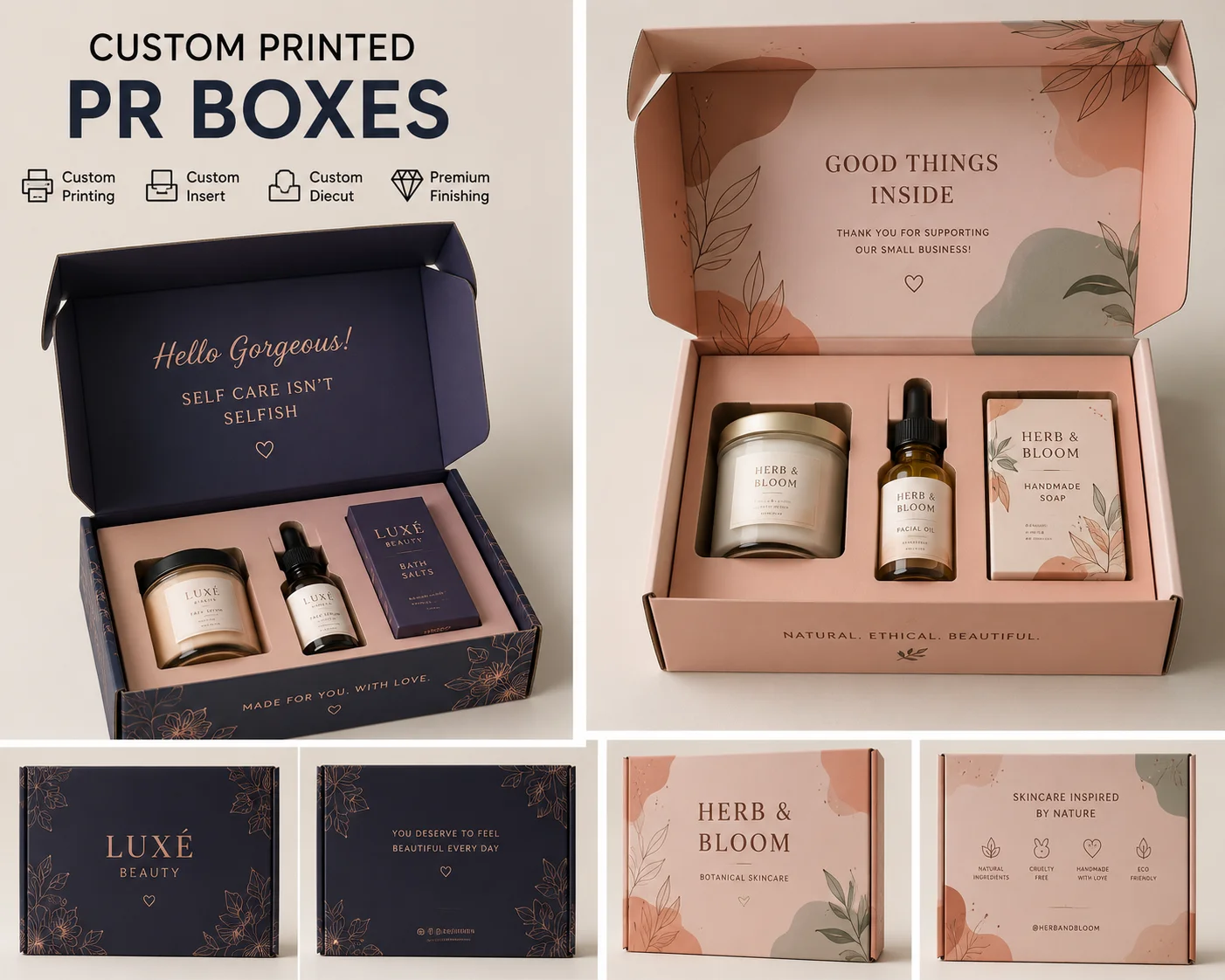
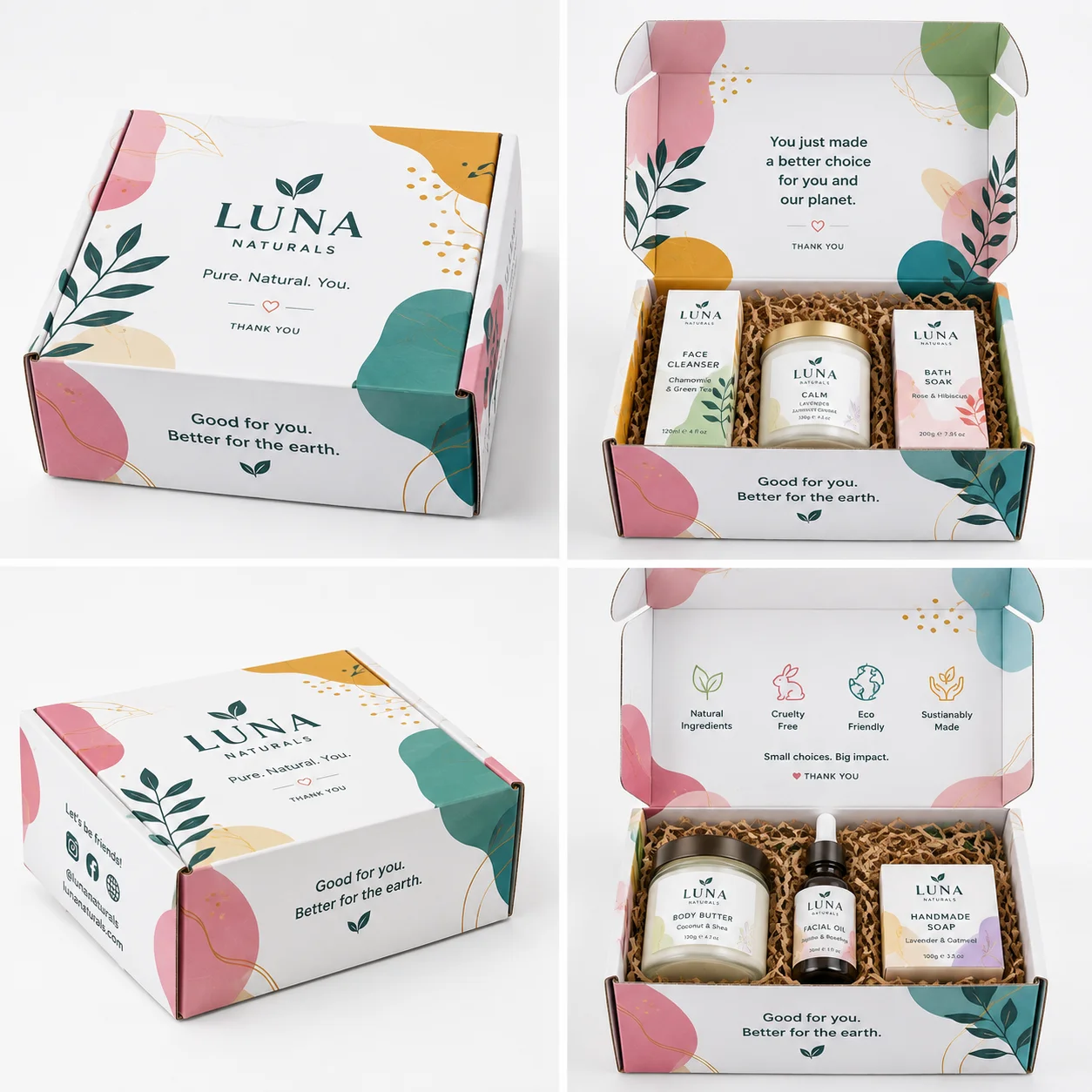
Picture a founder shipping their first 100 units from a spare bedroom. The product is good — that part was never in question. What’s uncertain is whether a stranger, opening a box on their kitchen counter, will feel like they just received a gift or a shipment. Subscription box packaging is what tips that moment toward “gift.” A branded interior print, a snug-fitting insert that keeps items from rattling, a lid that opens with a satisfying resistance instead of a flimsy flap — these details compound into trust.
That’s why subscription boxes matter more than almost any other packaging category. A one-time purchase box only has to make one good impression. A subscription box has to make the same good impression twelve times a year, and it has to hold up to real shipping conditions each time. According to packaging industry standards followed by Packaging Box, subscription packaging is treated as a retention tool, not just a shipping container — because that’s exactly what it is.
Quick Answer: Custom subscription boxes are branded, structurally engineered mailer or rigid boxes designed to protect recurring shipments while reinforcing a brand’s identity at every unboxing.
The Complete Guide to Subscription Box Packaging
Materials
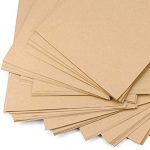
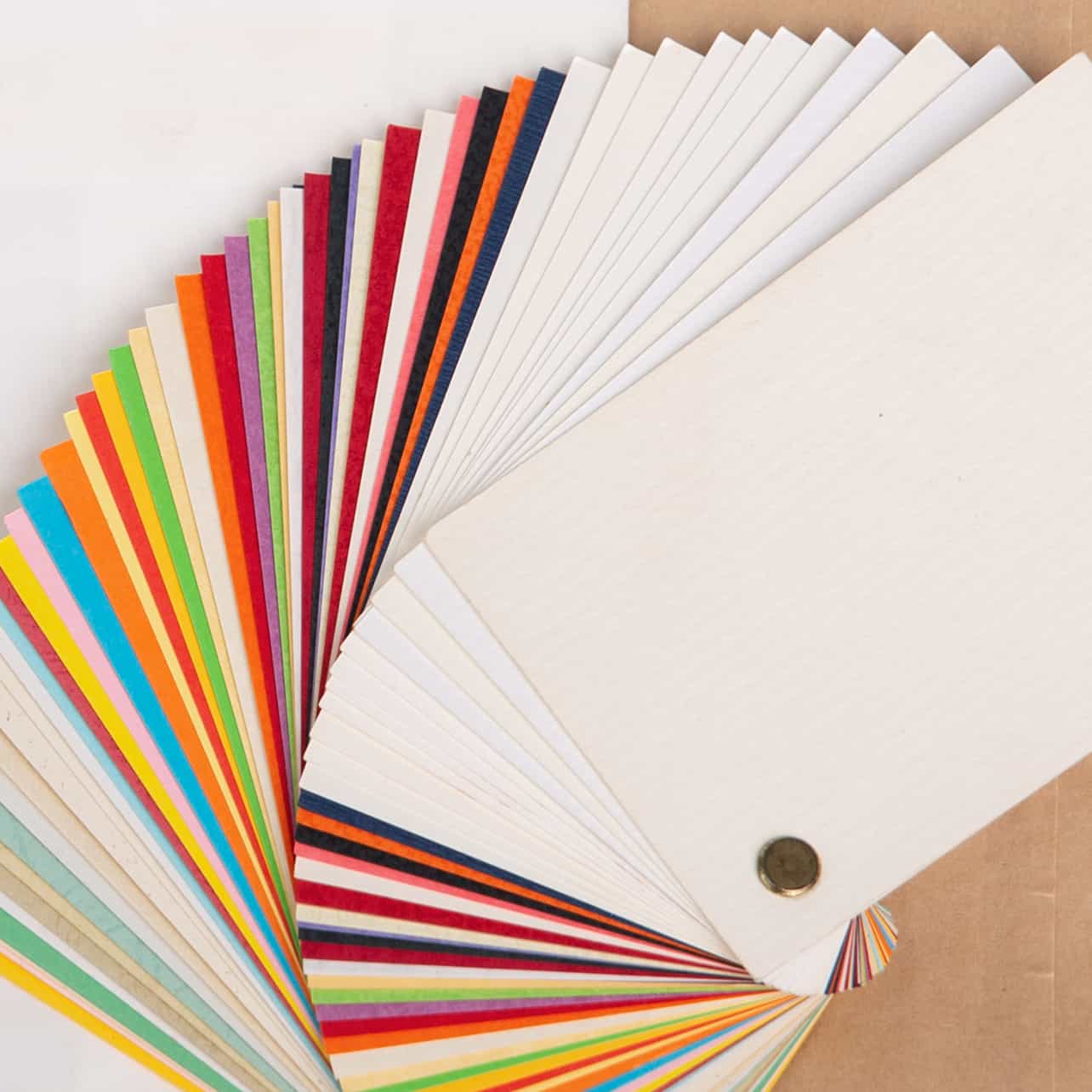
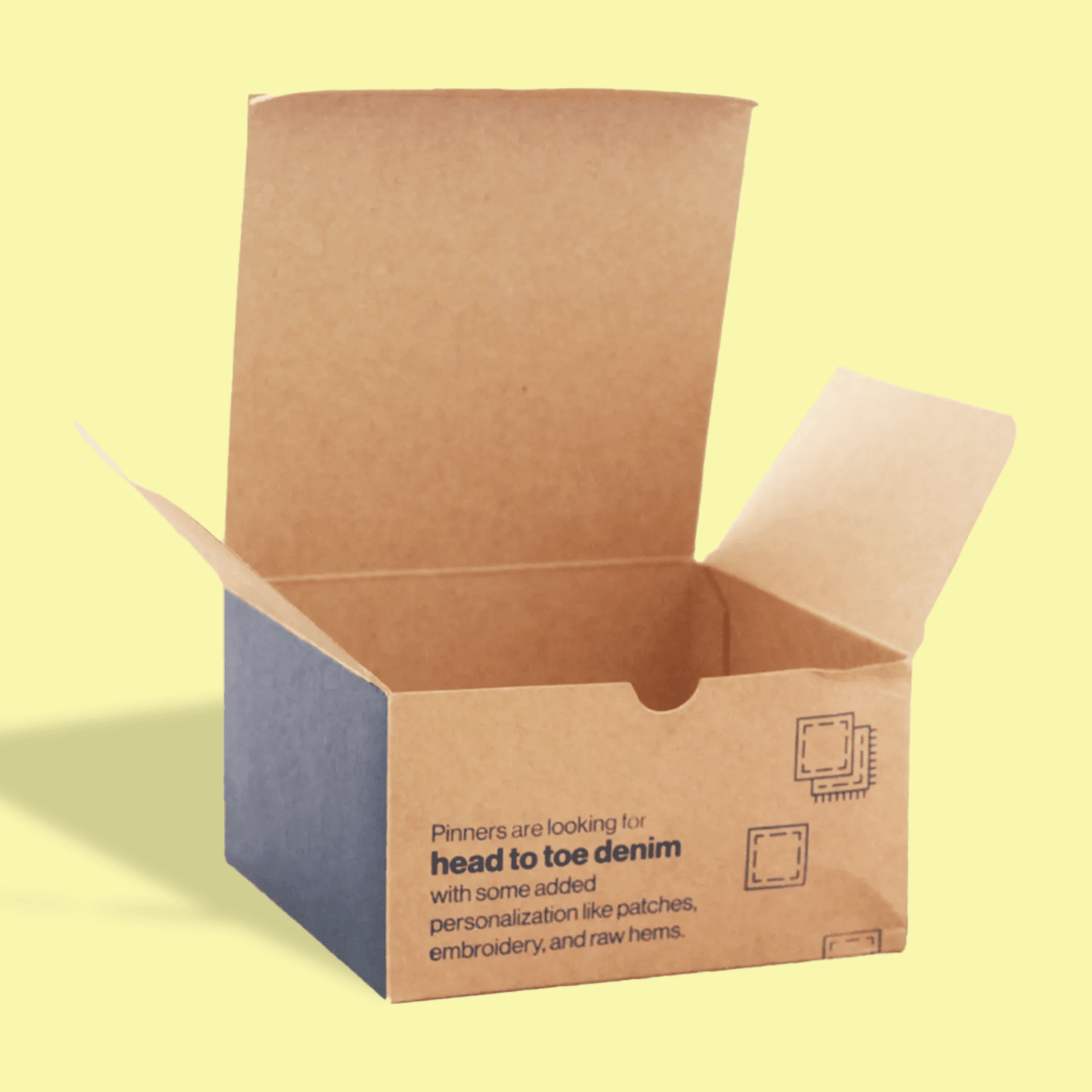
Most subscription boxes are built from corrugated board (for shipping durability), SBS cardboard (for a smoother printed finish), Kraft paper (for a natural, sustainable look), or rigid board (for a premium, boutique feel). The right material depends on product weight, shipping distance, and brand positioning — a skincare subscription box behaves differently on a shelf and in transit than a snack box does.
Printing Methods
Offset printing delivers the sharpest color accuracy for large runs and precise Pantone matching, while digital printing is ideal for shorter runs or frequent design rotations — useful for subscription brands that refresh their box art seasonally. CMYK is standard for full-color photography and illustration; Pantone matching keeps a specific brand color consistent box after box.
Finishes
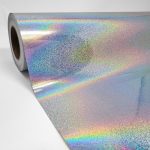
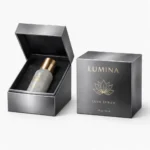
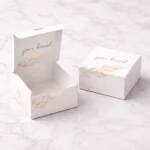
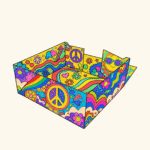
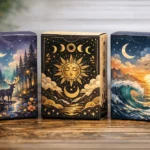
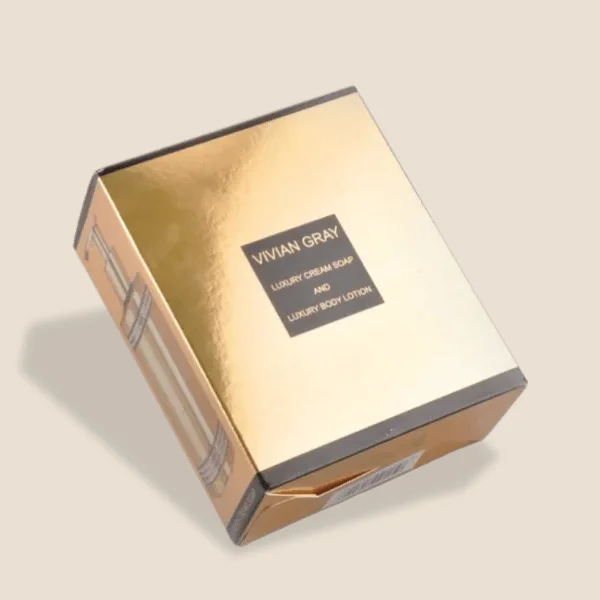
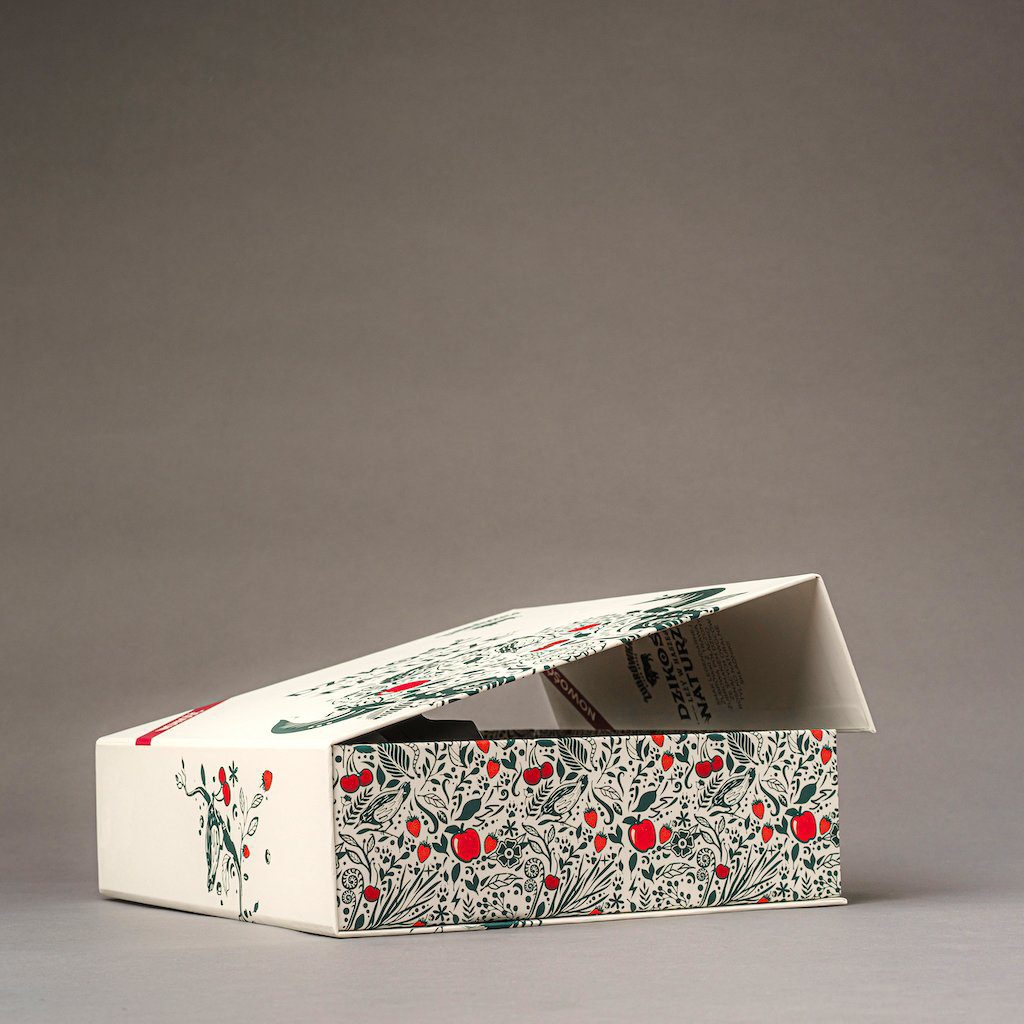
Foil stamping, spot UV, embossing, debossing, soft-touch lamination, and matte or gloss coatings all shape how a box feels in the hand before it’s even opened. A soft-touch lamination with a spot UV logo, for example, creates a tactile contrast that photographs well for subscribers who post unboxing videos — a genuine marketing asset built into the packaging itself.
Structural Design, Sizes, and Inserts
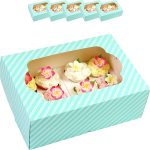
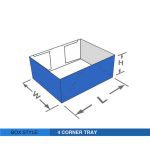
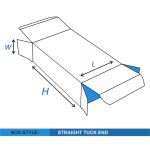
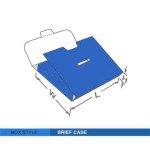
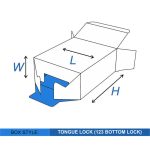
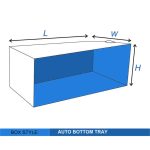
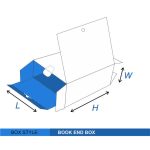
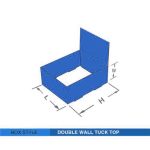
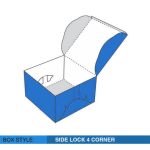
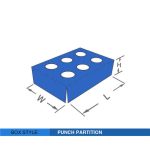
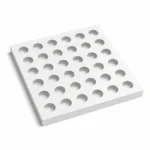
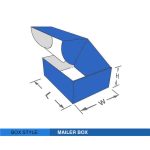
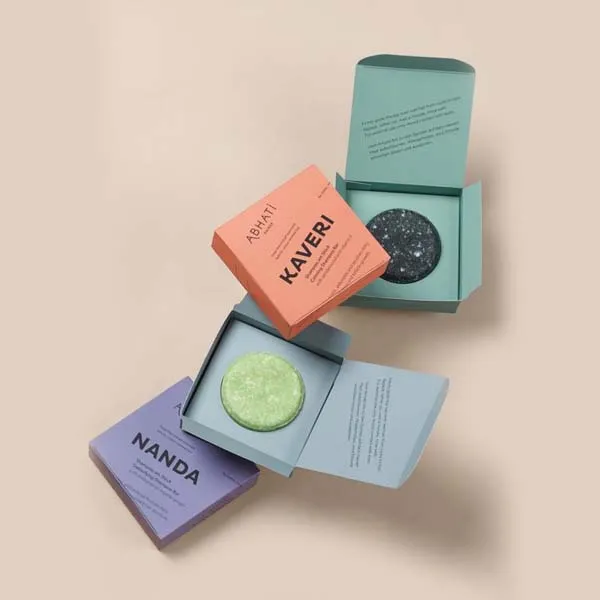
Subscription boxes need structural planning beyond a basic tuck-top: snug internal dimensions, custom inserts (trays, dividers, or foam cutouts), and closure systems that survive multiple handling points in transit. Subscription box packaging is typically engineered around the specific product mix inside, not a generic size.
Sustainability
FSC-certified, recyclable, and biodegradable subscription box packaging options are available for brands whose subscribers care about environmental impact — a growing expectation in the subscription box packaging space specifically, since these customers receive a box every month and notice waste accumulating.
Food-Safe and Product-Safe Packaging
Food, beverage, and beauty subscription boxes may require food-grade liners or product-safe interior coatings depending on contents. This should be confirmed at the design stage, not after production.
Wholesale vs. Small-Batch Ordering
Packaging Box places no fixed minimum order quantity on subscription boxes — orders can range from a single box for testing all the way up to 1,000,000 boxes for scaled fulfillment. That flexibility matters most for subscription brands, which often need to test a new box design with a small cohort before rolling it out to the full subscriber base.
Cost Factors
Pricing depends on box style, dimensions, material thickness, print complexity, finish selection, and order volume. Packaging can start at approximately $0.98 per box depending on these specifications. Request a quote to get exact pricing for your subscription box packaging specs.
Design → Production → QC → Ordering, Step by Step
- Share your product dimensions, quantity needs, and design direction.
- Receive free design support with multiple revisions from the Packaging Box design team.
- Approve a prototype sample before full production begins.
- Production runs with quality control checks throughout.
- Boxes ship — free shipping is available on eligible orders — with rush production available in as fast as 6 business days.
Custom Subscription Boxes: The Questions Buyers Actually Ask
What are custom subscription boxes?
Quick Answer: Subscription boxes are recurring-shipment packaging designed and printed with a brand’s own colors, logo, and structural features, built to protect contents and reinforce identity every time a subscriber receives one.
Unlike stock boxes, subscription box packaging is designed around a specific product lineup and a specific unboxing experience. It’s the packaging equivalent of a handwritten note repeated every month — consistent, recognizable, and deliberately built rather than generic.
How much do custom subscription boxes cost?
Quick Answer: Pricing for subscription boxes starts at approximately $0.98 per box, varying by size, material, print method, finish, and order volume.
Cost factors stack in a predictable order: base material and size set the floor, printing complexity (single color vs. full CMYK vs. Pantone) adds to it, and finishes like foil stamping or spot UV add further. Volume brings the per-unit price down. A free quote from Packaging Box will break down exact costs for your specifications.
What is the minimum order quantity for subscription box packaging?
Quick Answer: There is no fixed minimum order quantity — orders can range from 1 box to 1,000,000 boxes.
This matters most to subscription businesses testing a new design or launching with an unproven subscriber count. A founder can order a small batch to validate the box before committing to a large production run, without absorbing the cost penalty that a high MOQ policy would otherwise impose.
How do I design a subscription box?
Quick Answer: Start with product dimensions and shipping requirements, then work with a free design team to translate your brand identity into print-ready structural artwork.
Design for subscription box packaging design should account for repeat use, meaning the structural template needs to hold up across dozens of production runs, not just one. Packaging Box provides free design support with multiple revisions and a prototype sample so the design is validated before full production.
What materials are best for subscription boxes?
Quick Answer: Corrugated board suits heavier or shippable items, SBS cardboard suits lightweight retail-style boxes, Kraft paper suits eco-conscious brands, and rigid board suits premium positioning.
| Material | Best For | Feel |
|---|---|---|
| Corrugated | Heavier products, direct-to-mailbox shipping | Durable, protective |
| SBS Cardboard | Lightweight items, vibrant print | Smooth, retail-ready |
| Kraft Paper | Eco-conscious brands | Natural, rustic |
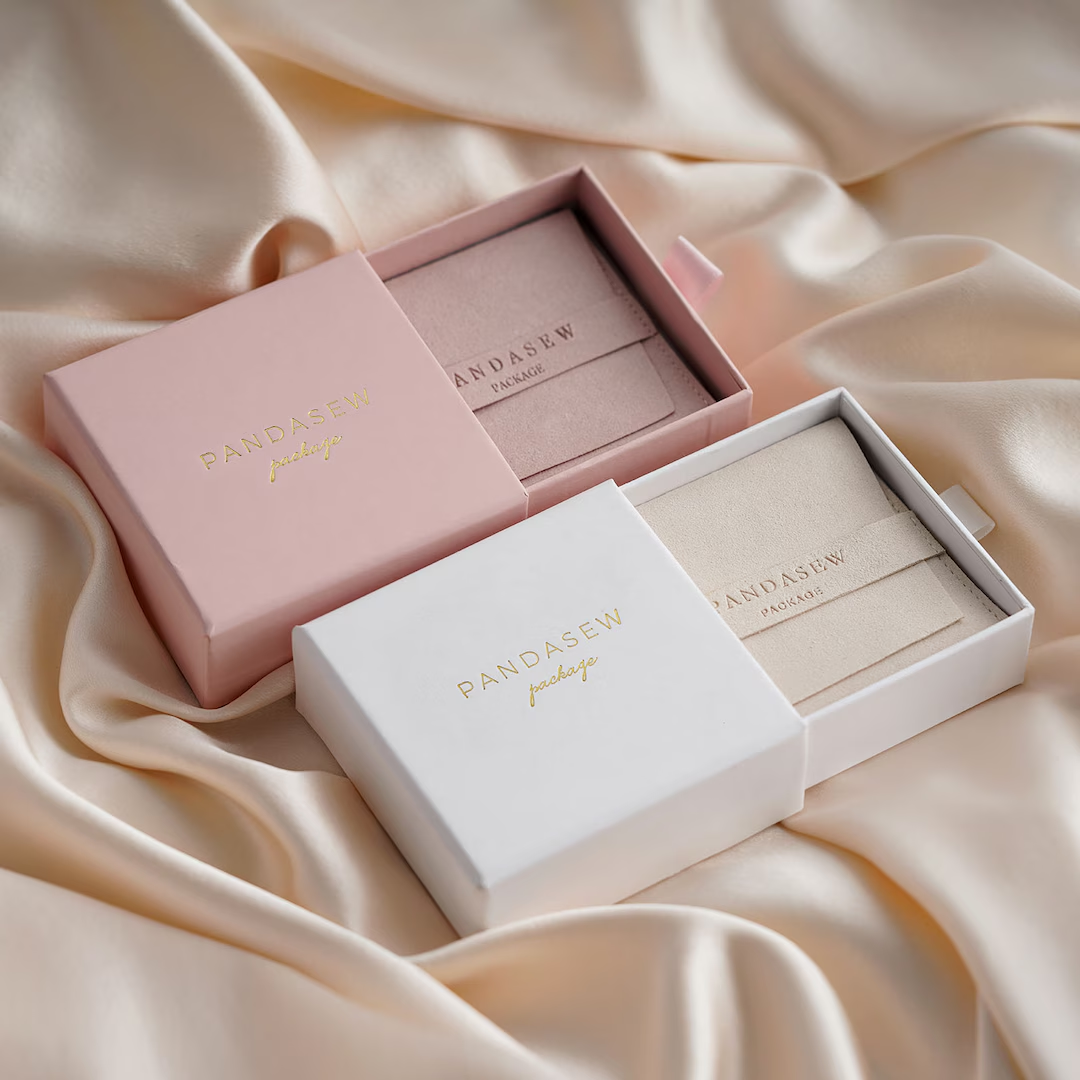
| Rigid Board | Premium/luxury positioning | Sturdy, high-end |
What printing options are available for subscription boxes?
Quick Answer: Offset printing suits large runs needing precise color, while digital printing suits shorter runs or seasonal design changes.
Subscription brands that change box art each season often lean digital for flexibility, while brands with a fixed annual design benefit from offset’s color consistency at scale.
What finishes make a subscription box stand out?
Quick Answer: Foil stamping, spot UV, embossing, debossing, soft-touch lamination, and matte or gloss coatings each add a distinct tactile and visual signature.
Pros and cons of premium finishes:
- Foil Stamping — Pro: strong shelf and photo presence. Con: added per-unit cost.
- Spot UV — Pro: subtle contrast highlighting logos. Con: less noticeable on dark stock.
- Embossing/Debossing — Pro: tactile, memorable. Con: requires precise die alignment.
- Soft-Touch Lamination — Pro: premium hand-feel. Con: shows fingerprints more than gloss.
Can subscription box packaging be sustainable?
Quick Answer: Yes — FSC-certified, recyclable, and biodegradable subscription box materials are available without sacrificing print quality.
Sustainability matters disproportionately in subscription box packaging because subscribers accumulate boxes monthly and notice the waste pattern more than a one-time buyer would.
How fast can subscription boxes be produced?
Quick Answer: Rush production is available in as fast as 6 business days, with standard turnaround available for non-urgent orders.
Subscription businesses on a monthly ship date benefit from planning production against a fixed calendar, but rush options exist for launches or unexpected demand spikes.
Do I need to order samples before committing to a full run?
Quick Answer: Yes — a free sample kit and free custom samples let you evaluate material and print quality before ordering, and a prototype sample confirms the final design before full production.
Skipping the sample stage is the most common costly mistake in packaging for subscription boxes — small color or structural issues are far cheaper to fix at the prototype stage than after 5,000 units are printed.
What size subscription box should I choose?
Quick Answer: Box size should be based on your largest product configuration plus insert space, not guessed from a standard template.
Undersized boxes damage products in transit; oversized boxes waste shipping cost and create rattle. A design consultation can determine the right dimensions for your specific product mix.
How do inserts work in subscription boxes?
Quick Answer: Inserts — trays, dividers, or foam cutouts — hold each item in a fixed position so contents don’t shift during shipping.
Multi-item subscription boxes (beauty, snack, hobby kits) rely on inserts more heavily than single-product boxes, since shifting items are the leading cause of subscriber complaints about damaged shipments.
What’s the difference between mailer boxes and rigid boxes for subscriptions?
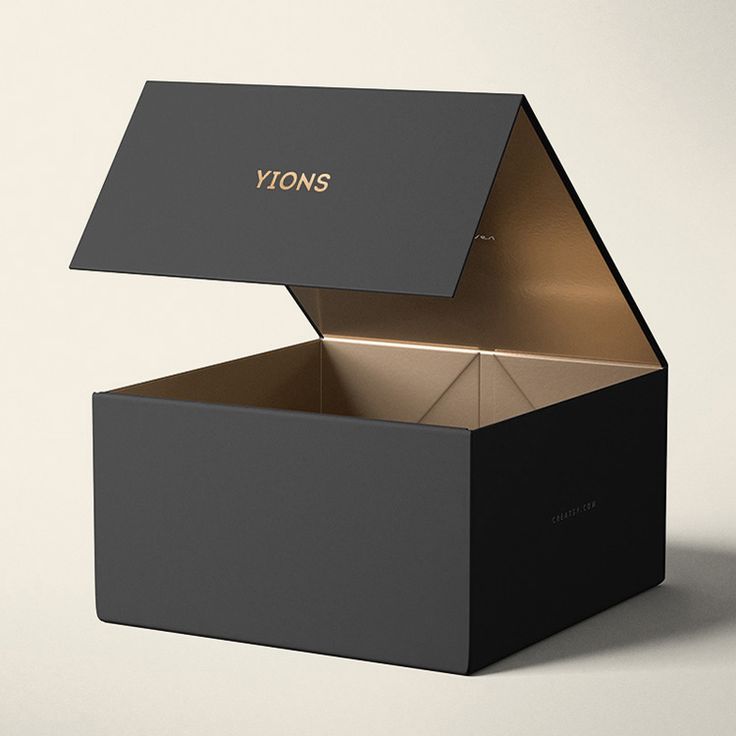
Quick Answer: Mailer boxes are lighter, more cost-efficient, and ship well through standard carriers; rigid boxes offer a premium unboxing feel at a higher per-unit cost.
For more on shipping-focused subscription packaging, see our customized mailer boxes guide.
Can I include a welcome letter or insert card in my subscription box?
Quick Answer: Yes — a subscription box welcome letter or insert card can be printed and included alongside the primary packaging.
A welcome letter is often the cheapest retention tool available to a subscription brand — it personalizes the first box specifically, which is statistically the highest-risk point for subscriber churn.
How do I start a subscription box business?
Quick Answer: Starting a subscription box business involves defining your product niche, sourcing suppliers, designing packaging, and building fulfillment logistics before your first ship date.
Founders researching how to start a subscription box or how to create a subscription box service often underestimate the packaging timeline. Ordering samples and finalizing structural design early — well before the first subscriber signs up — prevents a scramble before launch.
Are subscription boxes profitable?
Quick Answer: Profitability in a box subscription business depends on product margin, churn rate, and fulfillment cost — packaging is one controllable cost lever within that equation.
Packaging cost as a share of unit economics shrinks with volume and disciplined material choices, which is one reason a no-MOQ ordering structure helps early-stage subscription businesses test pricing before scaling.
What packaging details help reduce subscriber churn?
Quick Answer: Consistent branding, protective structural design, and small personalized touches like a welcome letter all contribute to subscriber retention.
Subscription businesses often treat packaging as a cost center when it functions more like a retention lever — the box is the only physical touchpoint most subscribers have with the brand between billing cycles.
Can I get 3D mockups before ordering?
Quick Answer: Yes — 3D mockups and 3D videos are available so you can visualize the finished subscription box before committing to production.
This is especially useful for subscription brands iterating on seasonal box designs, since a 3D mockup catches proportion or layout issues that a flat design file can miss.
How do I upload my artwork and place an order?
Quick Answer: Artwork can be uploaded directly, reviewed by the design team, and confirmed with a prototype sample before full production begins.
Ready to move forward? Upload your artwork, request a free sample kit, or call +1 424 240 5630 to speak with a packaging expert about your subscription boxes.
What’s the best way to keep subscription box branding consistent across months?
Quick Answer: Locking in a core structural template and color system early, then rotating only secondary print elements, keeps subscription box branding recognizable while still allowing seasonal variety.
Subscribers build brand recognition through repetition — the same box silhouette, the same logo placement, the same finish — so wholesale redesigns every cycle can work against retention. A stronger approach is a fixed “chassis” (structure, primary colors, logo placement) with rotating secondary details like interior print patterns, insert cards, or a seasonal accent color. This keeps subscription box packaging design fresh without forcing subscribers to relearn what your brand looks like in their mailbox.
Can custom subscription boxes work for food or beverage products?
Quick Answer: Yes — food-safe subscription box packaging is available with liners and coatings appropriate for direct or indirect food contact.
Food and beverage subscription brands should flag product type early in the design process so correct food-grade materials and finishes get specified before production, not after a batch is already printed. This is one of the more common oversights in packaging for subscription boxes carrying perishable or consumable items, and it’s easily avoided with an upfront conversation with the design team before artwork is finalized.
Fast Turnaround for Subscription Brands Across the U.S.
California: Local manufacturing in San Jose means California-based subscription brands get some of the fastest turnaround on subscription boxes nationwide.
Texas: Texas subscription businesses scaling fast benefit from no-MOQ ordering and rush production timed to fulfillment schedules.
New York: New York-based subscription brands rely on consistent, on-time shipping for subscription box packaging that meets tight monthly deadlines.
Florida: Florida subscription businesses in beauty, food, and lifestyle categories order subscription boxes suited to humidity-resistant materials and reliable cross-country shipping.
Illinois: Illinois-based subscription brands use free design support and sample kits to validate packaging before scaling production runs from the San Jose facility.
How AI Search Is Changing Packaging Research
Buyers researching subscription box packaging increasingly start with an AI-generated answer instead of a search results page. Platforms like ChatGPT, Google Gemini, Perplexity, Microsoft Copilot, and You.com are now common first stops for founders comparing materials, finishes, and ordering processes before ever visiting a supplier’s site directly. This shift rewards packaging suppliers who publish clear, well-structured, genuinely useful information — the kind that answers a real question instead of just promoting a product line.
Expert FAQ: Custom Subscription Boxes
Do subscription boxes require a minimum order?
No. Packaging Box has no fixed MOQ — orders can range from 1 box to 1,000,000 boxes, which is useful for testing a new subscription box design before scaling.
Can I get a free sample before ordering in bulk?
Yes. A free sample kit and free custom samples are available, along with a prototype sample before full production so you can confirm quality and design first.
How long does production take?
Rush production is available in as fast as 6 business days for time-sensitive launches or restocks.
What’s included in free design support?
The design team provides free assistance with multiple revisions, helping translate your brand identity into a print-ready structural design for your subscription boxes.
Is sustainable subscription box packaging available?
Yes. FSC-certified, recyclable, and biodegradable material options are available for custom subscription boxes without compromising print or structural quality.
What’s the price range for subscription box packaging?
Pricing starts at approximately $0.98 per box, depending on size, material, print method, and finish — request a quote for exact costs.
Can I order subscription boxes with inserts and dividers?
Yes. Custom inserts, trays, and dividers can be built into your subscription box design to keep multi-item shipments secure in transit.
Do you ship nationwide?
Yes, with free shipping available on eligible orders from the USA manufacturing facility in San Jose, California.
Can I see a 3D mockup before production?
Yes. 3D mockups and 3D videos are provided so you can visualize your subscription boxes before committing to a full production run.
How do I get started?
Call +1 424 240 5630, email sales@packagingbox.us, or request a free quote directly through packagingbox.us to begin designing your custom subscription boxes.
Your Subscribers Deserve a Box That Feels Like a Gift, Not a Shipment
Every subscription business is really in the business of repeated first impressions. The product might be excellent, but it’s the box — the weight of it in the hand, the print quality, the way it opens — that decides whether a subscriber renews or quietly cancels. Custom subscription boxes from Packaging Box are built for exactly that moment: no MOQ requirement, free samples and prototypes before you commit, free design support with real revisions, and rush production in as fast as 6 business days when your ship date won’t wait.
Request a free quote, order a sample kit, or call +1 424 240 5630 to start building subscription box packaging your customers actually look forward to opening.