












Debossed vs Embossed: What Is Debossing and How It Is Used in Printing & Packaging
Debossing and embossing are popular finishing techniques used in printing, packaging, leather products, and business cards to create a premium tactile effect. If you have ever seen a logo pressed into paper or leather, that effect is called debossing. Many brands use debossed designs to make packaging, invitations, and cards look elegant and professional.
In this guide, we will explain what debossing is, what “debossed” means, and the difference between “emboss vs. deboss,” along with their uses in packaging and printing.
What Is Debossing?
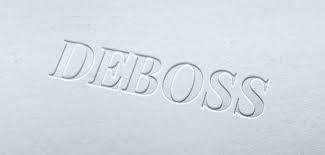
Debossing is a printing technique where a design, logo, or text is pressed into a surface to create an indented impression. Unlike regular printing, which adds ink on top of the material, debossing physically pushes the design downward into the material.
This effect is usually created using a metal die and pressure. When the die presses into paper, cardboard, or leather, it leaves a sunken impression that gives the design depth and texture.
Debossing is commonly used for:
Luxury packaging
Premium business cards
Book covers
Leather products
Wedding invitations
Many brands prefer debossing because it creates a minimal, elegant, and high-end appearance.
What Does Deboss Mean?
The word “deboss” means to press a design downward into a surface, creating a recessed or indented mark. It is the opposite of embossing, where the design is raised above the surface.
For example:
A debossed logo appears pressed into the material.
A debossed pattern creates a subtle texture that you can feel when touching the surface.
This technique is widely used in branding and product packaging to give a sophisticated and professional look.
What Does Debossed Mean?
When something is debossed, it means the design or text has been pressed into the material to create a recessed impression. Instead of sitting on top of the surface, the design sits slightly below the surface level.
Examples include:
Debossed leather wallets
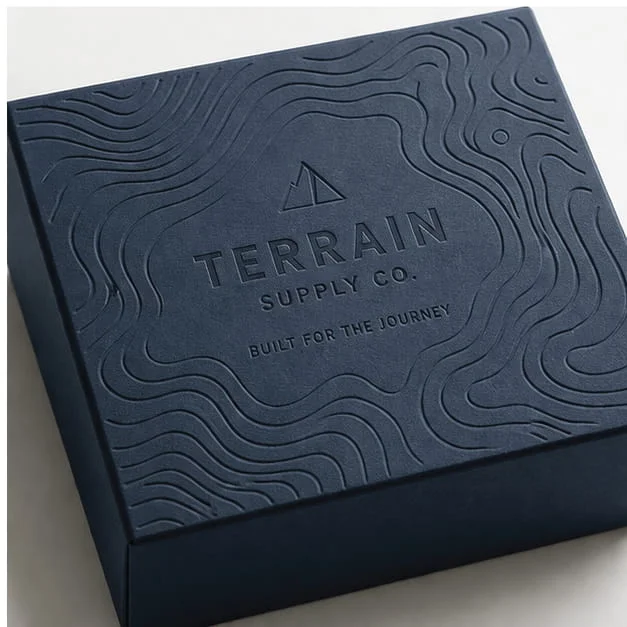
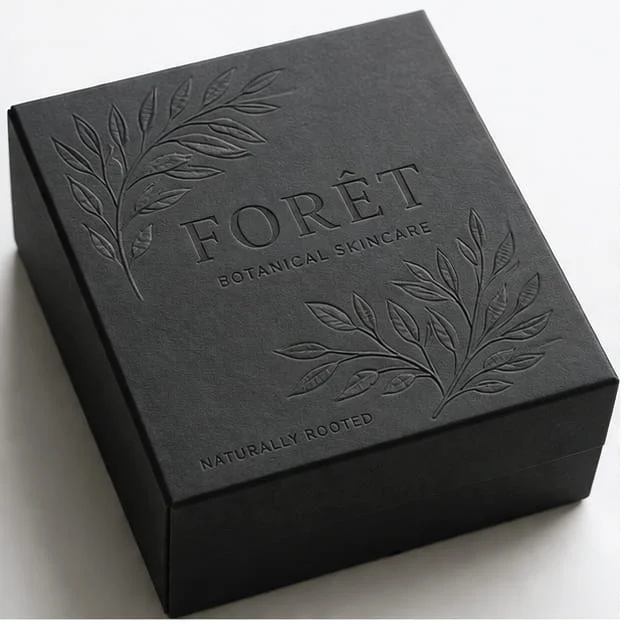
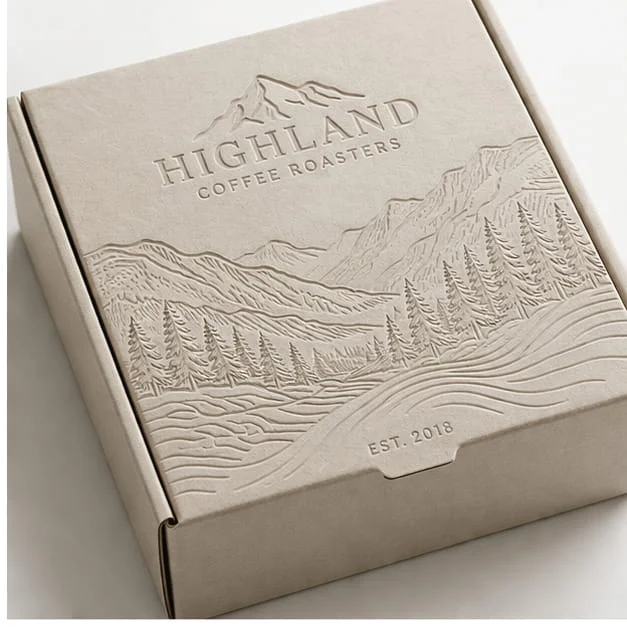
Debossed packaging boxes
Debossed business cards
Debossed book covers
The debossed effect adds depth, texture, and a premium feel to the product.
Deboss vs. Emboss: What’s the Difference?
Many people confuse “emboss” vs. “deboss,” but the difference is simple.
| Feature | Deboss | Emboss |
|---|---|---|
| Effect | Design is pressed inward | The design is raised upward |
| Surface | Indented | Raised |
| Appearance | Subtle and elegant | Bold and noticeable |
| Use | Luxury packaging, leather | Invitations, logos, branding |
Embossed vs Debossed
Embossed designs rise above the surface.
Debossed designs are pressed into the surface.
Both techniques are used in high-end printing and packaging, and sometimes brands combine them with foil stamping for an even more premium look.
Embossing vs Debossing in Packaging
In the packaging industry, embossing and debossing are commonly used to enhance branding.
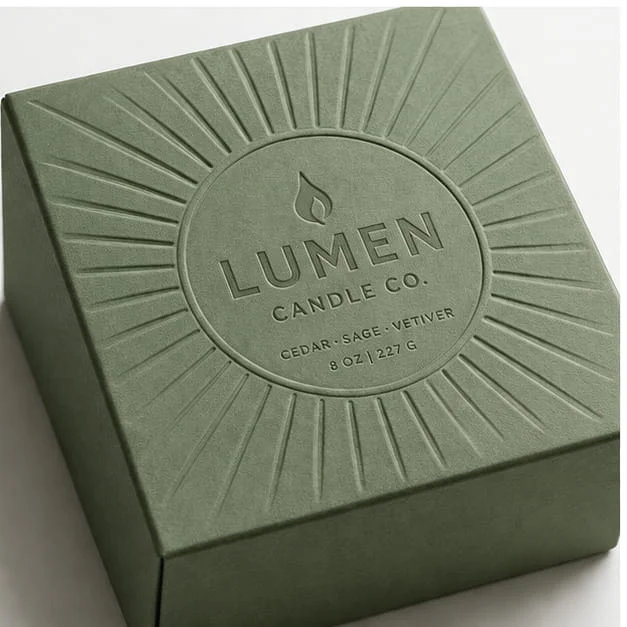
Debossing in Packaging
Debossing creates a subtle, elegant effect that works well for:
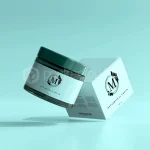
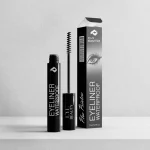
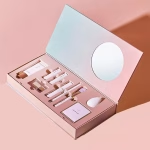
Luxury cosmetic boxes
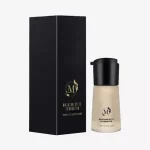
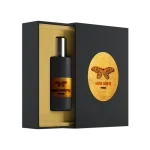
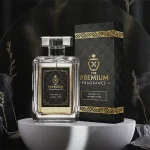
Perfume packaging
Jewelry boxes
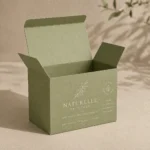
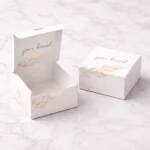
Custom product packaging
Because the design is pressed into the box, it gives a clean and sophisticated finish.
Embossing in Packaging
Embossing makes the design stand out more visibly, which is useful for:
Brand logos
Promotional packaging
Retail display boxes
Both techniques improve brand recognition and customer experience.
Debossed Business Cards
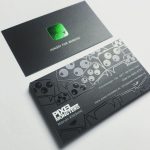
Debossed business cards are a popular choice for professionals and luxury brands. Instead of printing the logo with ink, the design is pressed into the card surface.
Benefits of debossed business cards include:
Premium tactile feel
Elegant and minimal appearance
Long-lasting design
Memorable brand impression
These cards are often printed on thick cardstock or cotton paper to enhance the debossed effect.
Debossed Meaning in Leather Products
Debossing is also commonly used in leather products such as wallets, belts, and bags.
What Is Debossed Leather?
Debossed leather is leather that has a design or logo pressed into its surface using heat and pressure. The design becomes a permanent indentation that enhances the look of the leather product.
Common examples include:
Debossed leather wallets
Debossed leather belts
Debossed leather journals
Debossed leather bags
This technique is widely used by luxury brands to display logos in a subtle and stylish way.
What Is Debossing on Cricut?
The Cricut debossing tool allows users to create debossed designs using a Cricut cutting machine. It presses patterns or text into materials like paper, cardstock, and foil without cutting through them.
Popular tools include:
Cricut debossing tip
Cricut debossing tool for Explore Air 2 (generic tools)
These tools are commonly used for:
DIY invitations
greeting cards
craft projects
custom packaging designs
Debossing with Cricut is popular among designers, crafters, and small businesses.
Why Brands Use Debossing
Debossing is widely used in branding and premium packaging because it offers several advantages:
Creates a luxury look and feel
Adds texture and depth
Improves brand identity
Works without heavy ink printing
Enhances customer experience
For high-end brands, debossing helps packaging stand out while maintaining a minimalist style.
Final Thoughts
Debossing is a powerful finishing technique used in printing, packaging, leather goods, and business cards. By pressing a design into the surface, it creates a subtle, elegant, and tactile impression that enhances the overall product appearance.
Whether you are comparing deboss vs. emboss, embossing vs. debossing, or choosing a debossed business card, this technique remains one of the most effective ways to add premium branding and texture to printed materials and packaging.
1. What is debossing?
Debossing is a printing and finishing technique where a design, text, or logo is pressed into a material to create an indented impression. This process uses a metal die and pressure to push the design below the surface of paper, cardboard, or leather, creating a subtle and elegant textured effect.
2. What does deboss mean?
“Deboss” means to press a design downward into a surface, creating a recessed or sunken impression. It is commonly used in printing, packaging, and leather products to add a premium and tactile look to logos or text.
3. What does debossed mean?
Debossed refers to something that has been pressed into the surface of a material, leaving an indented design. For example, a debossed logo on packaging or leather appears slightly sunken into the material rather than raised.
4. What is debossed?
“Debossed” describes a finished design or product where text, patterns, or logos are pressed inward into the material. This technique creates a stylish and professional look often used in luxury packaging, business cards, and leather goods.
5. What does debossing mean?
Debossing means the process of creating an indented design by pressing a metal die into a surface using pressure or heat. It is widely used in printing and packaging to add texture and depth without relying only on ink.
6. What is debossed?
Deboss is the action or technique of imprinting a design into a material, making the design sink below the surface. It is the opposite of embossing, where the design is raised above the material.
7. What is deboss on Cricut?
“Deboss” on Cricut refers to using a Cricut debossing tool or tip to press designs into materials such as cardstock, foil, or paper. The machine applies pressure to create an indented pattern without cutting through the material, making it popular for craft projects and custom cards.
8. What is debossed leather?
Debossed leather is leather that has a design, logo, or pattern pressed into its surface using heat and pressure. The process creates a permanent indentation that enhances the appearance and texture of leather products like wallets, belts, and bags.
9. What is debossing leather?
Debossing leather is the process of pressing a stamp or metal die into leather to create a recessed design. Heat and pressure are often used to ensure the design remains permanently imprinted in the leather.
10. What is debossing on a Cricut?
Debossing on a Cricut is a crafting technique where the Cricut machine uses a debossing tip to press designs into materials instead of cutting them. This enables users to produce textured patterns for craft projects, packaging designs, invitations, and greeting cards.