






Retail Packaging Paper Stock

Which Paper Stock Is Most Suitable for Retail Packaging—and Why?
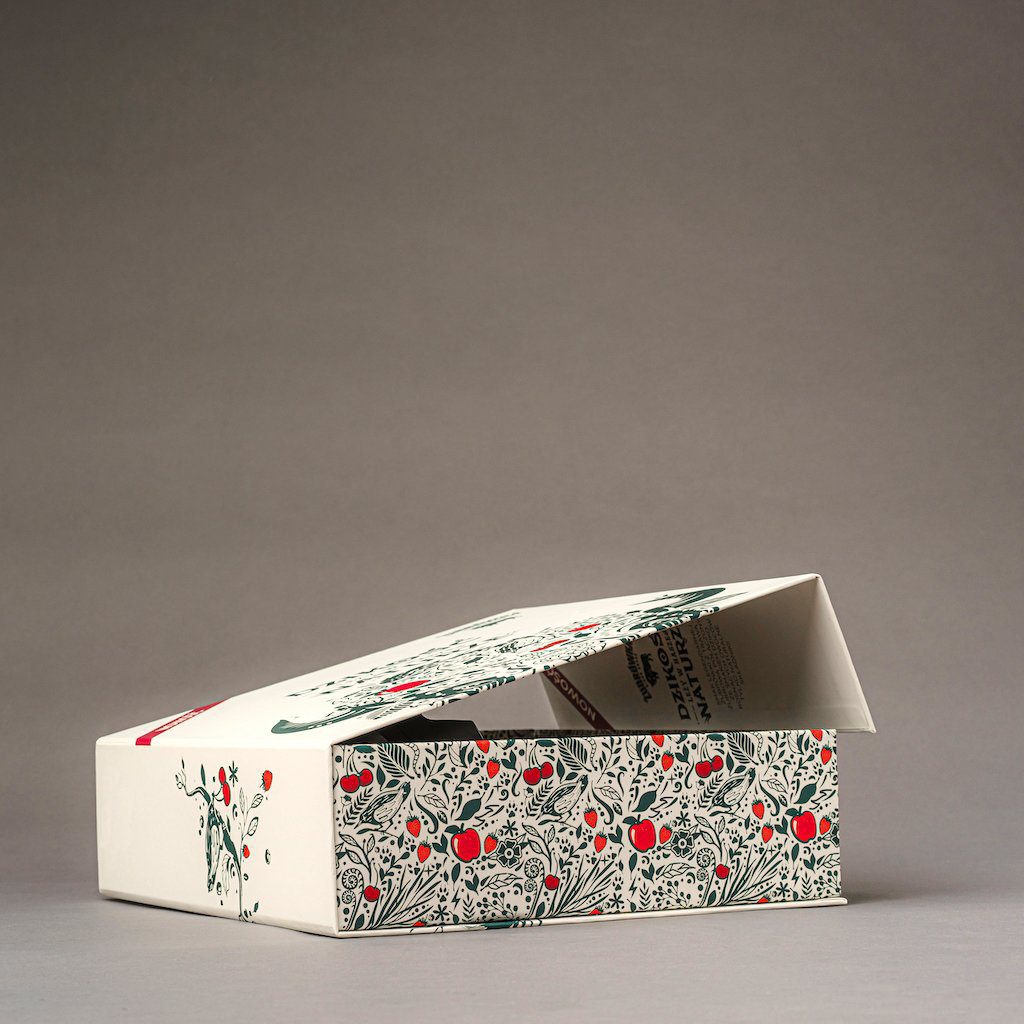
If you’re sourcing retail packaging, you’ve probably noticed that “paperboard” isn’t one material — it’s a whole family of stocks, each with different strengths. The honest answer to “which paper stock is best for retail packaging?” is: it depends on your product. SBS and FBB paperboard are the most common choices for printed folding cartons, kraft paperboard suits a more natural or rustic brand look, coated and recycled paperboard each solve specific presentation or sustainability goals, and corrugated or rigid board step in when a product needs more structural protection than standard folding carton stock can provide.
There is no single “best” stock across every category. A stock that’s perfect for a lightweight cosmetics box could be the wrong choice for a heavier electronics accessory. This guide walks through each option, what it’s actually good at, and how to match it to your product — instead of defaulting to “thicker must be better.”
Why Stock Selection Isn’t One-Size-Fits-All
Before comparing materials, it helps to see the variables that actually drive the decision:
- Product weight — heavier items need more rigidity or a different structure entirely
- Product fragility — breakable or crushable items need cushioning or stiffer walls
- Box structure — a folding carton, a rigid two-piece box, and a corrugated mailer all place different demands on the material
- Shelf environment — retail shelf, e-commerce shipment, or both
- Required print quality — photographic detail vs. simple branding
- Finishing requirements — foil, embossing, spot UV, lamination
- Product value — premium positioning often calls for a different tactile feel
- Shipping requirements — will the box travel alone, or inside an outer shipper?
- Storage conditions — humidity, refrigeration, or standard warehouse storage
- Budget — thicker and coated stocks generally cost more
- Sustainability goals — recycled content, recyclability, and right-sizing all matter here
Keep these in mind as you read the comparisons below — they’re the real decision points, not the material names themselves.
The Main Paperboard and Board Options
1. SBS Paperboard (Solid Bleached Sulfate)
SBS is a single-ply, bright white paperboard with a very smooth, uniform printing surface on both sides.
- Smooth printable surface — ideal for fine detail and photographic imagery
- Color reproduction — strong, consistent results in CMYK and PMS printing
- Folding performance — creases cleanly without a lot of fiber show-through
- Retail appearance — clean, bright, and premium-leaning out of the box
- Suitable applications — cosmetics, food-contact packaging, pharmaceuticals, small consumer electronics
- Limitations — generally costs more than FBB or kraft at comparable thickness, and isn’t the right choice when heavy structural protection is the priority
2. FBB / Folding Boxboard (Folding Box Board)
FBB is a multi-ply board, often with a bleached top layer over a lower-cost core, giving good stiffness at a lighter weight.
- Stiffness — performs well relative to its weight because of the layered construction
- Lightweight construction — a practical choice when shipping weight matters
- Print quality — good, though typically a step below SBS for very fine detail
- Folding performance — reliable for standard folding carton structures
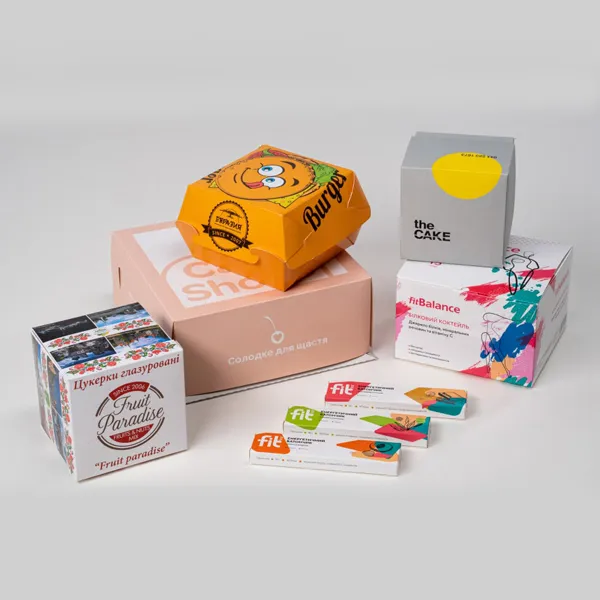
- Retail applications — a common choice for cereal-style cartons, general consumer goods, and mid-tier retail boxes
- When it may be preferable — when you want stiffness and print quality without SBS pricing
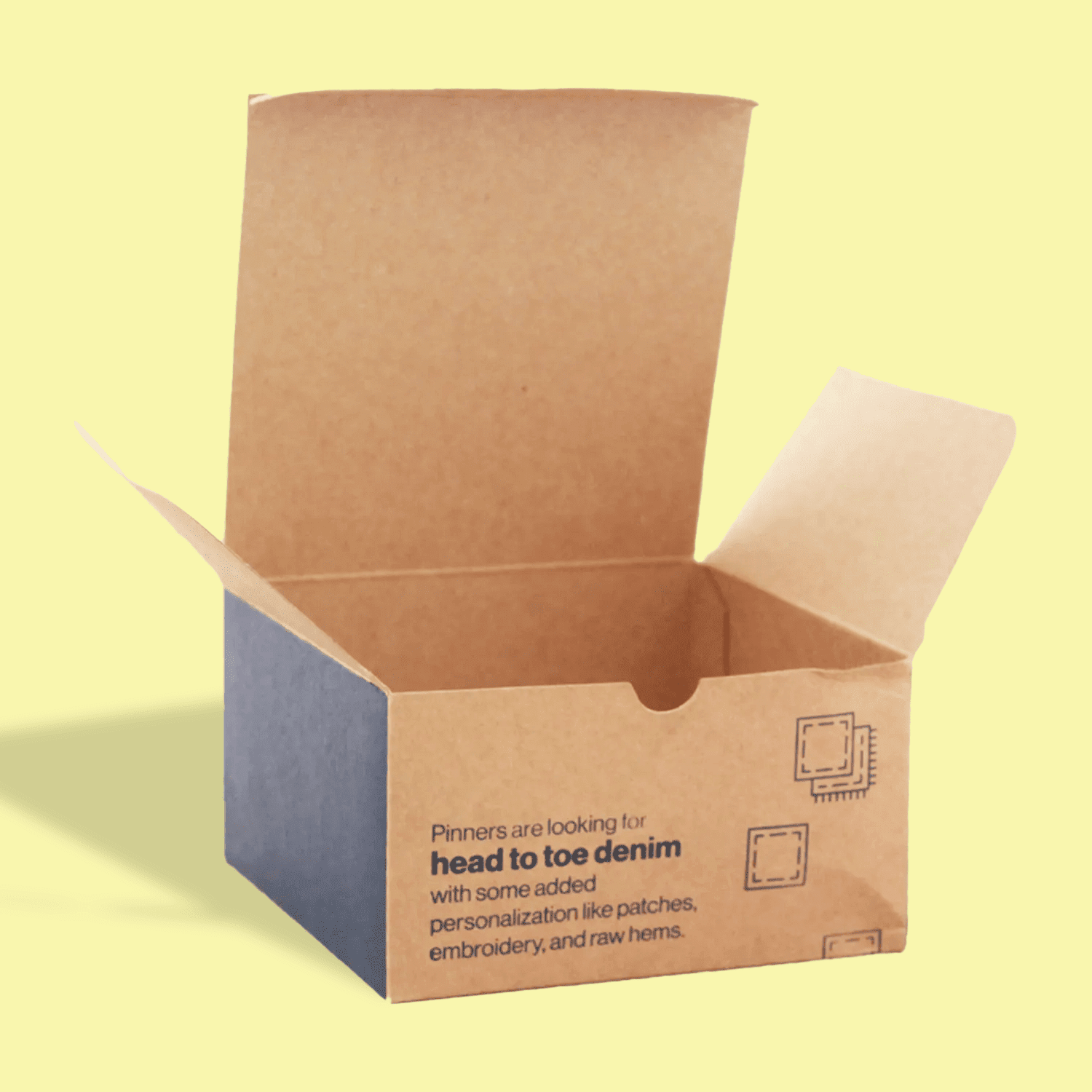
3. Kraft Paperboard
Kraft paperboard has a natural, unbleached brown fiber look, though white-top kraft variants exist.
- Natural appearance — visible fiber texture reads as organic and unprocessed
- Brand positioning — frequently used by brands leaning into an artisanal, eco-conscious, or minimalist identity
- Texture — tactile surface that some brands use deliberately as part of the unboxing experience
- Print considerations — the darker base color affects how bright colors and fine detail render, so designs are often adapted rather than reused from a white-stock layout
- Sustainability-related considerations — kraft is often made with a higher recycled or unbleached fiber content, but this varies by supplier and should be confirmed rather than assumed
- Appropriate product categories — food packaging, candles, soaps, artisanal goods, and brands with a rustic or natural positioning
4. Coated Paperboard
Coated paperboard has a clay or polymer coating applied to the surface (on one or both sides) to improve smoothness and print performance.
- Surface smoothness — coating fills in fiber texture for a more even print surface
- Graphics — supports sharper detail and more consistent ink lay-down
- Color reproduction — coating helps colors appear more vibrant and consistent
- Finishing compatibility — works well with lamination, spot UV, and foil
- Retail presentation — a strong option when the box itself needs to carry heavy branding or photographic graphics
5. Recycled Paperboard
Recycled paperboard is made substantially or entirely from recycled fiber, often with a visible mottled or grey-toned surface (though white-coated recycled options exist).
- Recycled fiber content — the main differentiator versus virgin-fiber stocks
- Appearance — can have visible fiber flecking; coated versions minimize this
- Strength considerations — recycled fiber is generally shorter and weaker than virgin fiber, so recycled boards are sometimes specified slightly thicker to match performance
- Sustainability positioning — useful for brands prioritizing recycled content, but claims should reflect the specific board’s actual composition, not a general assumption
- When it makes sense — secondary packaging, inserts, non-visible components, or front-of-pack use when a coated recycled option meets the print requirement
6. Corrugated Board
Corrugated board is not a substitute for folding carton paperboard — it’s a different category built for a different job.
- Flute structure — the fluted inner layer (commonly E-flute for retail-facing boxes) provides cushioning and rigidity that solid paperboard doesn’t
- Protection — better suited to heavier, bulkier, or shock-sensitive products
- Shipping — the default choice when a box also functions as a shipping container
- Shelf-ready applications — retail-ready corrugated (RRP) displays combine shipping protection with shelf presentation
- E-flute and other constructions — E-flute gives a thinner, more refined profile suited to retail-facing corrugated boxes, while heavier flutes (B, C) prioritize protection over print finesse
- When corrugated makes more sense — heavier products, e-commerce shipping, or items that need both shelf presence and transit protection
7. Rigid Board (Rigid Setup Boxes)
Rigid board (often chipboard wrapped in a printed paper or fabric layer) is a different construction method entirely, not a thicker version of folding carton stock.
- Rigid boxes don’t fold flat — they’re assembled as a fixed, non-collapsible structure
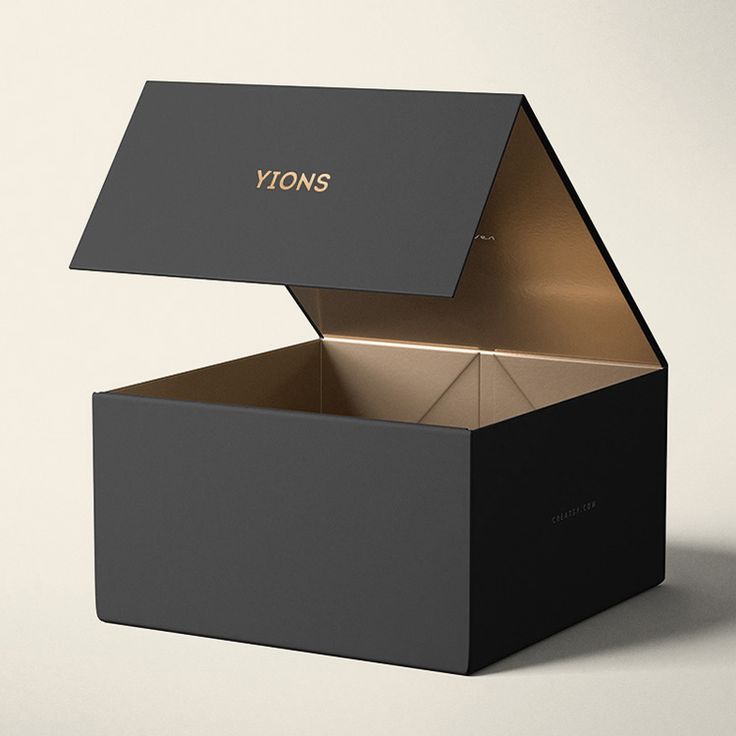
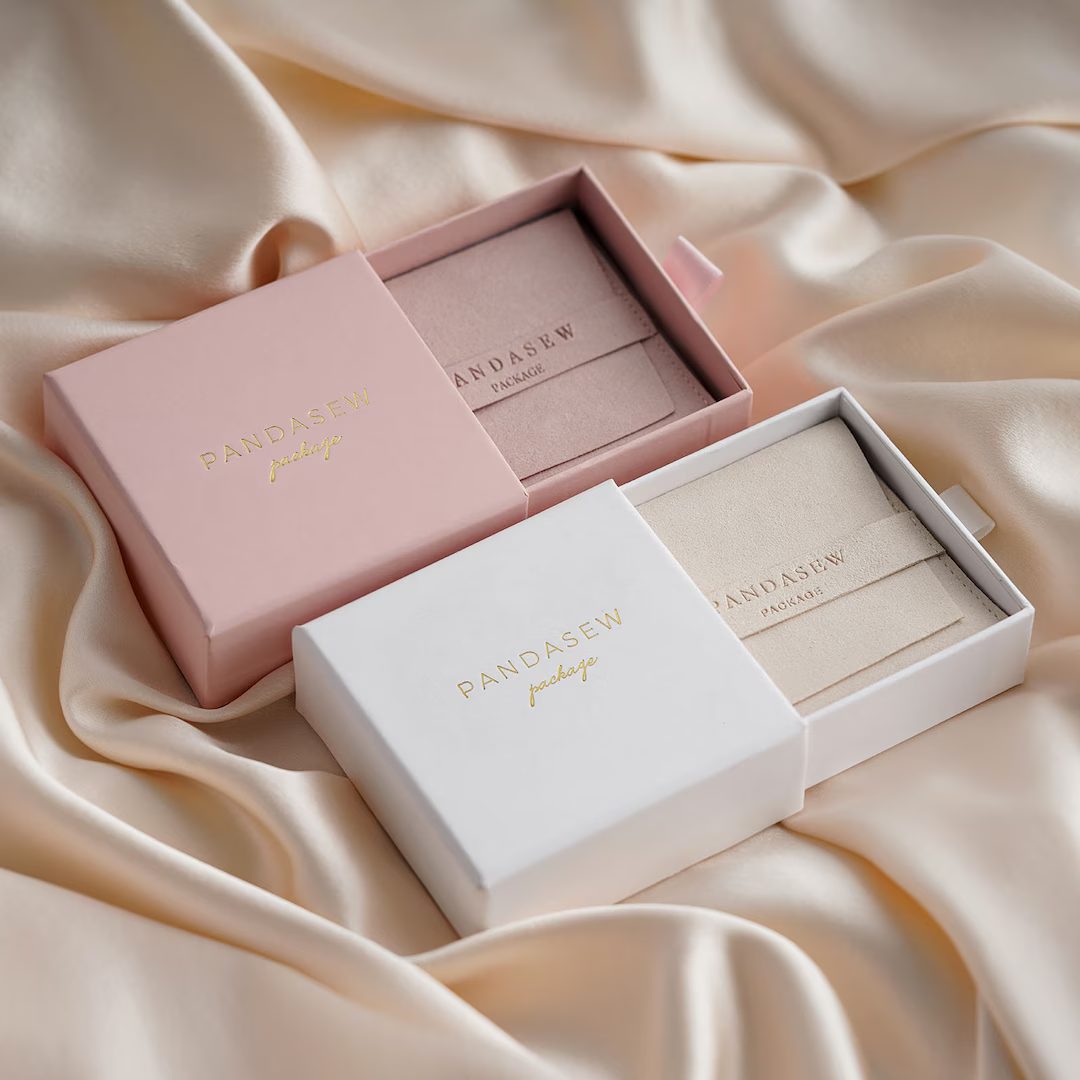
- This makes them appropriate for high-end retail presentation — premium electronics, jewelry, gift sets — where unboxing experience and perceived value matter as much as protection
- The trade-off is cost and shipping efficiency: rigid boxes take up more space and cost more per unit than folding cartons of similar size
Paperboard and Board Comparison
| Stock | Print Quality | Stiffness | Folding | Protection | Premium Appearance | Typical Applications |
|---|---|---|---|---|---|---|
| SBS Paperboard | Excellent | Good | Excellent | Moderate | High | Cosmetics, food, pharma, small electronics |
| FBB / Folding Boxboard | Good–Very Good | Very Good | Good | Moderate | Moderate–High | General retail cartons, consumer goods |
| Kraft Paperboard | Moderate | Good | Good | Moderate | Natural / artisanal | Food, candles, soaps, artisanal brands |
| Coated Paperboard | Excellent | Good–Very Good | Good | Moderate | High | Heavily branded or graphic-forward boxes |
| Recycled Paperboard | Moderate–Good (coated variants higher) | Moderate | Good | Moderate | Moderate | Inserts, secondary packaging, eco-positioned brands |
| Corrugated Board | Moderate | Very High | N/A (rigid structure) | High | Moderate | Shipping, heavier products, retail-ready displays |
| Rigid Board | Excellent (via wrap) | Very High | N/A (fixed structure) | High | Very High | Premium electronics, jewelry, gift packaging |
No single row wins across every column — that’s the point. The right choice is the one whose strengths match your product’s actual requirements.
Which Stock Fits Which Product?
These are starting points, not rules — the final specification always depends on your product’s exact dimensions, weight, and fragility.
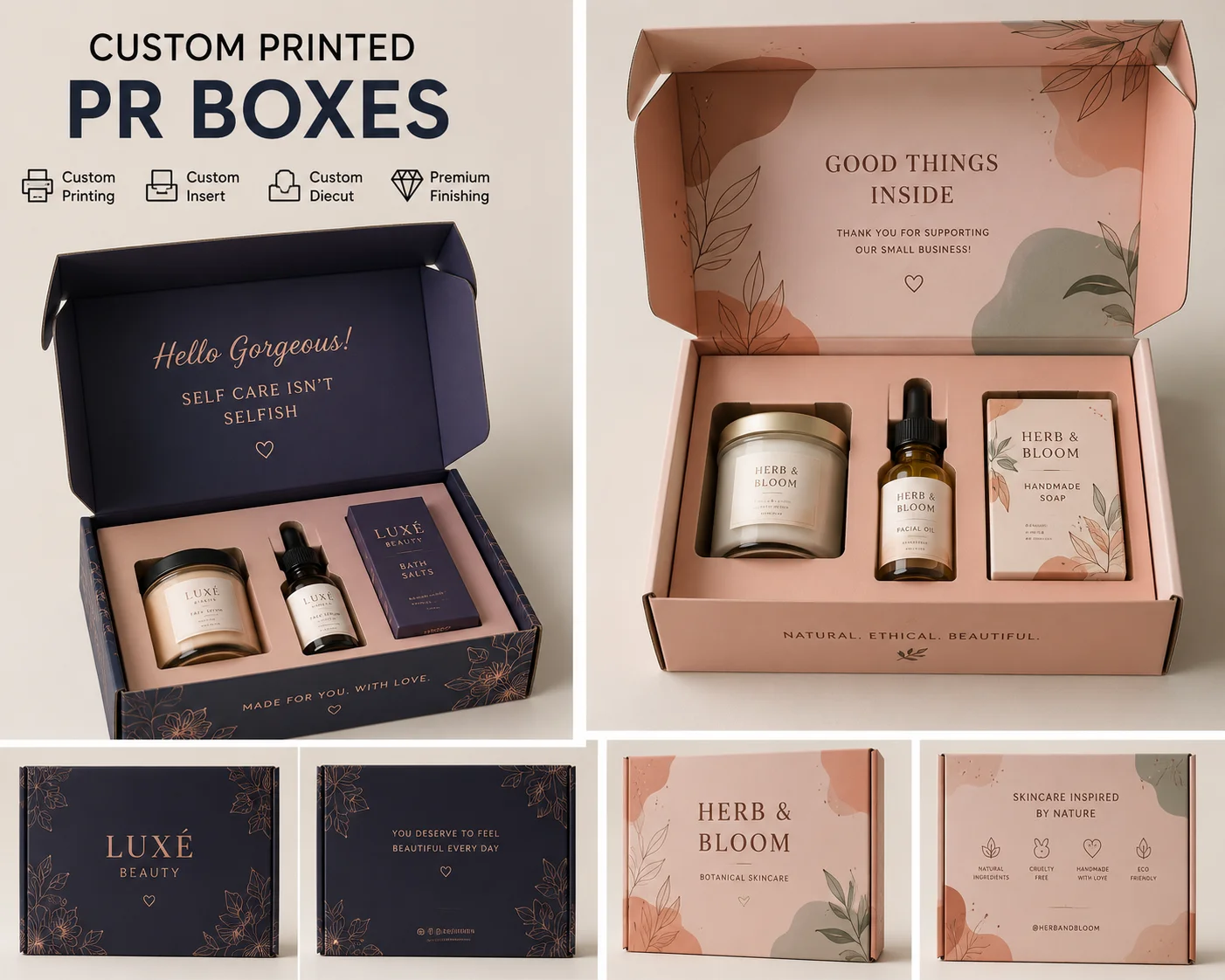
- Cosmetics and skincare — SBS or coated paperboard for color-accurate branding; rigid board for premium lines
- Food products — food-grade SBS, kraft, or coated stock, depending on positioning
- Confectionery — SBS or coated stock for bright color work; kraft for a more artisanal feel
- Apparel — FBB or SBS for standard folding boxes; corrugated for shipping-facing apparel packaging
- Electronics — corrugated for protection-critical items; rigid board for premium accessory presentation
- Candles — kraft or recycled paperboard for natural branding; SBS for bright, graphic-heavy designs
- Jewelry — rigid board is the common choice given the premium unboxing expectation
- Small accessories — FBB or SBS folding cartons in most cases
- Health and beauty products — SBS or coated paperboard, matched to regulatory labeling needs
- Consumer goods (general) — FBB for balanced cost and performance
- Gift products — rigid board or heavily finished SBS/coated stock
If a product is heavy, fragile, or needs to survive shipping on its own, corrugated (or a corrugated outer shipper around a folding carton) usually belongs in the conversation regardless of category.
GSM vs. Thickness vs. Stiffness — Why “Higher GSM” Isn’t Automatically Better
This is one of the most common points of confusion for first-time packaging buyers.
- GSM (grams per square meter) measures the weight of the material, not its performance. Two boards at the same GSM can behave very differently depending on fiber composition and structure.
- Caliper (thickness) measures how thick the board is, usually in points or microns. Thickness affects rigidity and how the box feels, but thickness and weight don’t always move together — a board can be engineered to be thicker without being proportionally heavier, or vice versa.
- Stiffness is about how well the board resists bending — and this is usually what actually matters for shelf presence and structural integrity. Stiffness comes from a combination of fiber type, layer structure (multi-ply boards like FBB are engineered for stiffness-to-weight), and coating.
A higher GSM board is not automatically the strongest or the best choice. A well-engineered, multi-ply FBB at a lower GSM can outperform a single-ply board at a higher GSM in actual shelf rigidity. This is why material selection should start from the performance requirement — stiffness, protection, print quality — rather than from a GSM number in isolation.
How Stock Choice Affects Retail Presentation
The material you choose shapes more of the retail experience than most buyers expect:
- Color reproduction — coated and SBS stocks render colors more accurately and vibrantly than uncoated kraft
- Brand appearance — the surface finish (matte, gloss, natural kraft texture) contributes directly to how “premium” or “natural” a brand reads on shelf
- Shelf visibility — bright white stocks tend to stand out more under standard retail lighting; kraft tends to blend into more earth-toned shelf sets
- Texture — uncoated stocks have a tactile quality that some brands use intentionally
- Finishing — the base stock determines which finishes will actually look clean (see below)
- Product photography — smooth, coated surfaces photograph more evenly under studio lighting than heavily textured kraft
- Barcode and product information — printed information needs enough contrast and surface consistency to scan reliably at checkout
- Window packaging — die-cut windows work on any of these stocks, but the surrounding board needs enough stiffness to keep the window opening from warping
- Structural appearance — sharp, clean edges and creases depend on the board’s folding performance, not just its thickness
Printing and Finishing Compatibility
Finishing should be chosen based on what the material can support and what the design actually needs — not added by default because it “looks premium.”
- CMYK and PMS printing — coated and SBS stocks generally give the most accurate, consistent results; kraft requires design adjustments to account for the darker base
- Matte and gloss coating — both work well on SBS and coated paperboard; gloss coating on kraft can look inconsistent depending on the design
- Matte and gloss lamination — add durability and a distinct tactile finish; better suited to smoother base stocks
- Soft-touch finishes — work best over a smooth, coated surface for a consistent feel
- Spot UV — needs a smooth, ideally coated surface to create real contrast against the surrounding matte finish
- Foil stamping — performs best on smooth, even surfaces; heavily textured kraft can produce a less crisp foil result
- Embossing and debossing — depend on the board’s thickness and fiber structure holding the impression cleanly, so thinner or overly soft boards may not hold detail well
What Actually Affects Retail Packaging Cost
There’s no universal price for retail packaging — cost is the sum of several independent factors:
- Stock or material selection
- Board thickness
- Box dimensions
- Order quantity
- Box structure (folding carton vs. rigid vs. corrugated)
- Number of print colors and print method
- Finishing (lamination, foil, embossing, spot UV)
- Die cutting complexity
- Inserts
- Windows
- Special or custom structural features
- Prototyping and sampling
- Shipping
Because these interact, two boxes that look similar on paper can land at very different price points once structure, finishing, and quantity are factored in.
Sustainability: What’s Actually Relevant
Sustainability claims are easy to overstate, so it’s worth being specific about what actually matters:
- Recycled paperboard contributes recycled fiber content, but the exact percentage and source vary by supplier
- Kraft paperboard is often associated with lower processing and a more natural fiber appearance, though this depends on the specific mill and bleaching process used
- Fiber content and recyclability depend on the coatings, laminations, and adhesives used — heavily laminated or foil-stamped boxes can be harder to recycle than uncoated stock
- Right-sizing — choosing a box that matches the product’s actual dimensions, rather than defaulting to a larger stock size, reduces material use and shipping volume
- Avoiding unnecessary packaging layers — fewer inserts and simpler structures reduce material use without necessarily reducing protection, when designed correctly
- Material efficiency — sometimes the most sustainable choice is a lighter-weight but well-engineered board (like FBB) rather than defaulting to the heaviest available stock
None of this means one material is universally “eco-friendly” — the right sustainability claim depends on the specific board, its sourcing, and how the finished box is used.
A Decision-Making Framework for Choosing Retail Packaging Stock
Rather than starting with a material name, work through this sequence:
- Product — what are you packaging, and what does it weigh?
- Weight — does the product’s weight demand extra structural support?
- Protection — how fragile is it, and will it ship inside this box or only sit on a shelf?
- Retail environment — shelf-only, e-commerce shipping, or both?
- Structure — folding carton, rigid box, or corrugated?
- Stock — which paperboard or board fits the structure and protection needs?
- Printing — what print quality and color accuracy does the brand need?
- Finishing — which finishes are actually compatible with the chosen stock?
- Shipping — does the packed box need an outer shipper, or does it travel as-is?
Working through this order — instead of starting with “what’s the thickest stock available” — is what actually produces the right specification. A buyer who can answer these nine questions before requesting a quote will get a far more accurate quote and a better-performing box.
Frequently Asked Questions
Which paperboard stock works well for retail folding cartons? SBS and FBB are the two most common choices for folding cartons. SBS gives the strongest print and color performance; FBB gives strong stiffness at a lighter weight and lower cost. The right one depends on whether print detail or cost-efficiency is the higher priority.
Is SBS or FBB better for highly printed retail packaging? SBS is generally the stronger choice for highly detailed, photographic, or color-critical printing because of its smooth, single-ply surface. FBB can still print well but is more often chosen when stiffness-to-weight matters more than the finest print detail.
How does paperboard thickness affect a retail box? Thickness contributes to rigidity and how substantial a box feels, but it isn’t the only factor — fiber composition and layer structure also affect how a box performs. A thicker board isn’t automatically stronger if it isn’t engineered for stiffness.
Does higher GSM always mean stronger retail packaging? No. GSM measures weight, not performance. A well-engineered multi-ply board can outperform a heavier single-ply board in actual stiffness and shelf rigidity.
When should a retail brand choose kraft paperboard? Kraft makes sense when the brand’s positioning benefits from a natural, textured, or artisanal look — food, candles, soaps, and similar categories. It’s a less practical choice for designs that depend on bright, high-fidelity color reproduction.
Is coated paperboard suitable for premium retail packaging? Yes. Coated paperboard supports strong color reproduction and works well with finishes like lamination, spot UV, and foil, making it a solid choice when a box needs to carry heavy branding or graphics.
When should retail packaging use corrugated board instead of folding carton stock? When the product is heavier, more fragile, or needs to survive shipping on its own — corrugated’s flute structure provides protection that solid paperboard doesn’t. It’s also the default choice for retail-ready shipping displays.
How should packaging stock be selected for heavy or fragile products? Start from the protection requirement, not the print requirement. Heavier or more fragile products usually call for corrugated board or a rigid structure rather than a standard folding carton, even if that means adjusting the print or finishing plan.
Can paper stock affect foil, embossing, or other finishing results? Yes. Smooth, coated, or single-ply stocks like SBS generally hold foil and embossing detail more cleanly than heavily textured kraft or thinner recycled boards.
What information should a buyer provide before selecting a retail packaging stock? Product weight and dimensions, fragility, whether the box will ship on its own or inside an outer shipper, required print detail, desired finishing, and budget. These details let a packaging supplier recommend a stock and structure that actually fits, rather than guessing.
Getting the Specification Right
Choosing retail packaging paper stock isn’t about picking the thickest or most expensive option available — it’s about matching the material to the product’s weight, fragility, structure, and retail environment, then layering print and finishing decisions on top of that foundation.
At PackagingBox.us, custom packaging is built around this same process: starting from the product’s actual requirements, then recommending a stock, structure, printing, and finishing combination that fits — supported by prototypes and samples before full production so the specification can be verified before you commit to an order.
- Custom retail packaging: https://packagingbox.us/retail-boxes/
- Custom kraft boxes: white-kraft boxes
- Custom rigid boxes: Rigid box
- Custom corrugated boxes: Corrugated Boxes
- Custom inserts: Custom Inserts
SEO Title: Which Paper Stock Is Best for Retail Packaging? Meta Description: Compare SBS, FBB, kraft, coated, recycled, corrugated, and rigid stocks to choose the right material for your retail packaging. Suggested URL Slug: /retail-packaging-paper-stock/