



Startup PR Box Checklist: 12 Essential Steps

Startup PR Box Checklist: 12 Steps to Plan Your First PR Package
Your first PR package can introduce your brand to new audiences, but creating one involves more than putting products inside an attractive box. You need to consider your campaign goals, packaging materials, product protection, budget, and delivery schedule.
For startups working with limited resources, small packaging mistakes can lead to unnecessary expenses or missed launch dates.
This Startup PR Box Checklist walks you through 12 practical steps to plan, design, and ship your first influencer PR package. Whether you’re launching skincare products, cosmetics, clothing, or accessories, you’ll learn how to create a thoughtful unboxing experience without overspending.
The goal is simple: deliver your products safely, present your brand professionally, and make every package count.
What Is a Startup PR Box?
A startup PR box is a curated package that businesses send to influencers, content creators, journalists, or potential brand partners to introduce their products.
Unlike ordinary customer shipping boxes, PR packages are designed to communicate a brand’s identity and encourage recipients to explore, review, or share the products.
A typical PR package might include:
- Full-size products or samples
- Custom branded packaging
- Product information cards
- Personalized thank-you notes
- Printed tissue paper or protective inserts
- Small promotional items
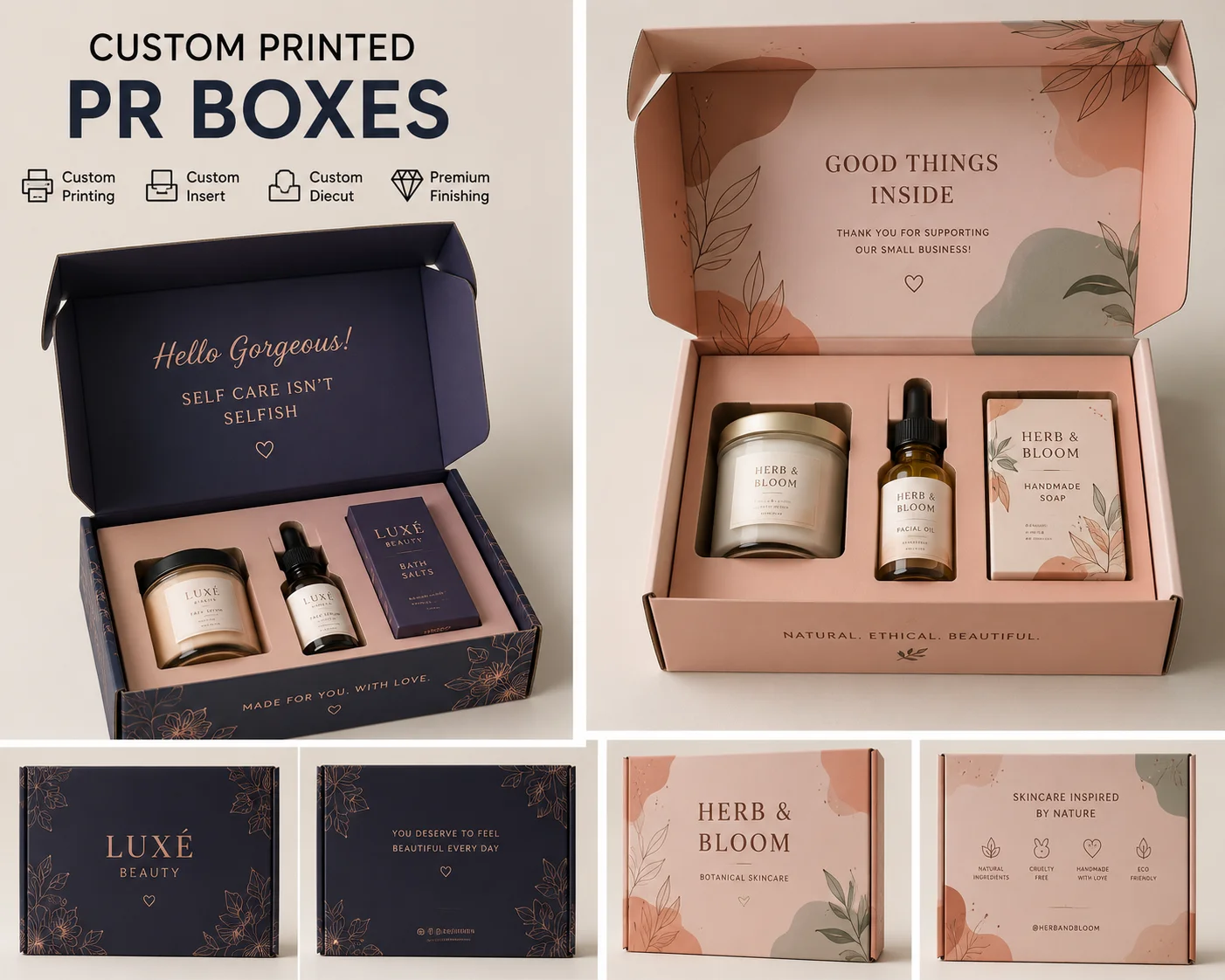
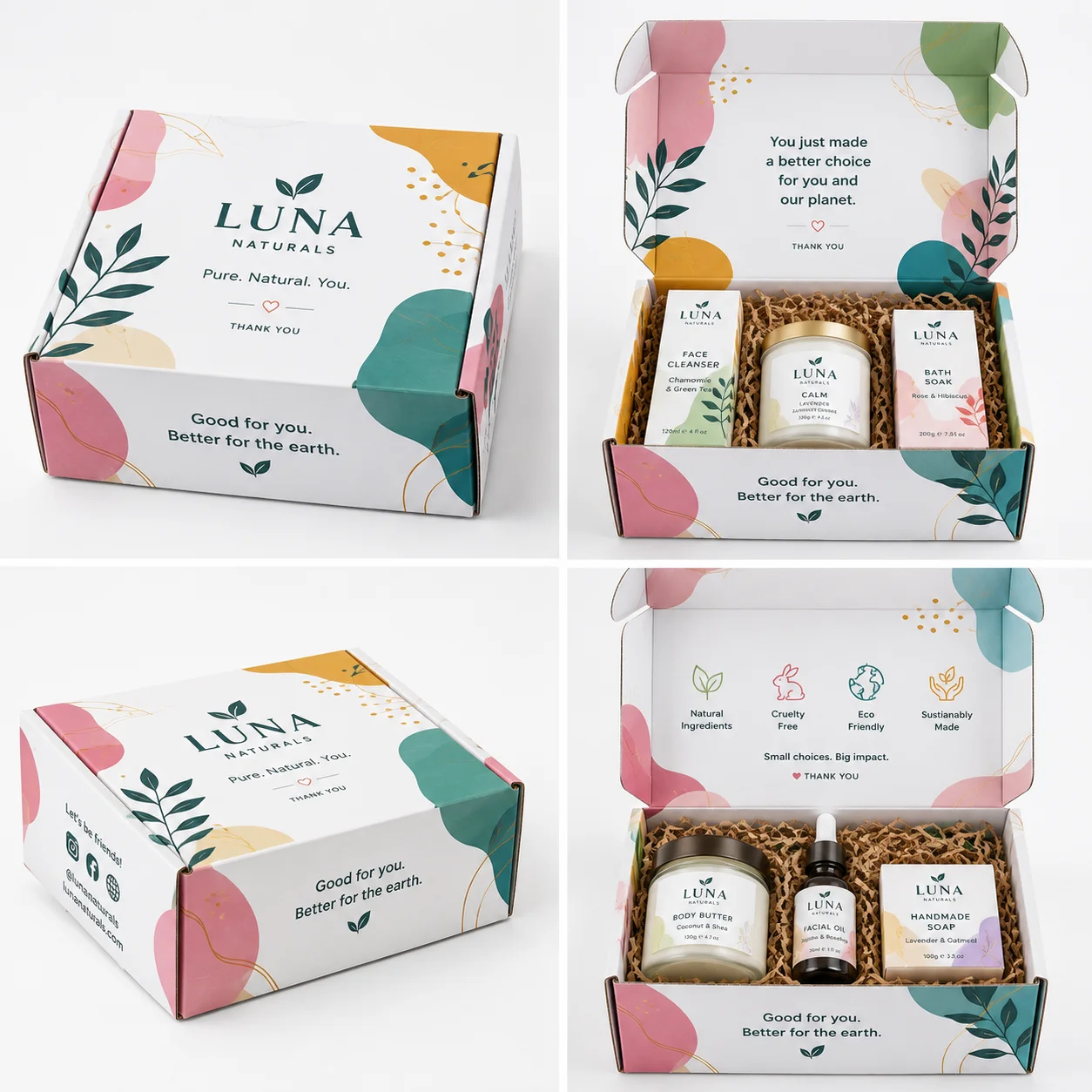
For example, a new skincare brand might send three products inside a custom printed mailer box with a branded insert and a handwritten note.
The purpose isn’t simply to create attractive packaging. It’s to deliver a memorable product introduction that supports your marketing campaign.
Why Startups Need a PR Box Checklist
Without a clear plan, startups can spend too much on packaging, overlook shipping requirements, or order boxes that don’t fit their products.
A practical PR box packaging checklist helps organize important decisions before production begins.
It also keeps marketing, design, purchasing, and fulfillment teams aligned.
By planning early, you can choose suitable materials, control unnecessary expenses, confirm production requirements, and reduce the risk of damaged products or delayed deliveries.
The Complete 12-Step Startup PR Box Checklist
Follow these steps to organize your first PR campaign, from defining your goals to measuring results.
1. Define Your PR Campaign Goals
Start by deciding what you want your campaign to accomplish.
Are you introducing a new product, building brand awareness, encouraging social media content, or connecting with potential retail partners?
Your objective determines what belongs inside the package and how you present it.
For example, a product launch campaign may focus on samples and educational materials, while a holiday campaign might emphasize presentation and gifting.
Set measurable goals, such as recipient engagement, website visits, or content mentions. These will help you evaluate your campaign afterward.
2. Identify the Right Influencers and Recipients
Sending packages to a carefully selected audience is usually more useful than distributing them randomly.
Research creators whose content, audience, and interests match your products.
Consider audience location, engagement quality, content style, and whether the recipient regularly discusses products similar to yours.
For small business PR packages, micro-influencers can be worth considering because they often serve focused communities.
Create a recipient spreadsheet with names, contact details, shipping addresses, and outreach status.
Confirm interest and mailing information when appropriate before sending products, and never assume that gifting guarantees coverage.
3. Set a Realistic PR Box Budget
Your PR package budget should cover more than the box itself.
Include product costs, custom printing, protective inserts, promotional materials, packing labor, and shipping.
Separate essential expenses from optional decorative features.
For example, a startup may prioritize a durable printed mailer and secure insert instead of investing immediately in an elaborate rigid gift box.
Also reserve a small contingency for artwork adjustments, replacement materials, or shipping changes.
Calculate the estimated cost per completed package before deciding how many recipients you can afford to reach.
4. Choose Your Products and Branded Extras
Select products that communicate your brand’s value without overwhelming the recipient.
A focused collection is often easier to understand than a box filled with unrelated items.
Choose your main product first, then add complementary items when they serve a purpose.
Useful branded extras include thank-you cards, product guides, stickers, and custom tissue paper.
For example, a candle startup might include one signature candle, a fragrance information card, and a personal note.
Avoid adding unnecessary items simply to fill empty space. Every component should contribute to the overall experience.
5. Select the Right PR Box Style
Your packaging structure affects presentation, protection, shipping weight, and overall cost.
Two popular options for custom PR boxes for startups are corrugated mailer boxes and rigid gift boxes.
| Packaging Style | Best Use | Main Advantage |
|---|---|---|
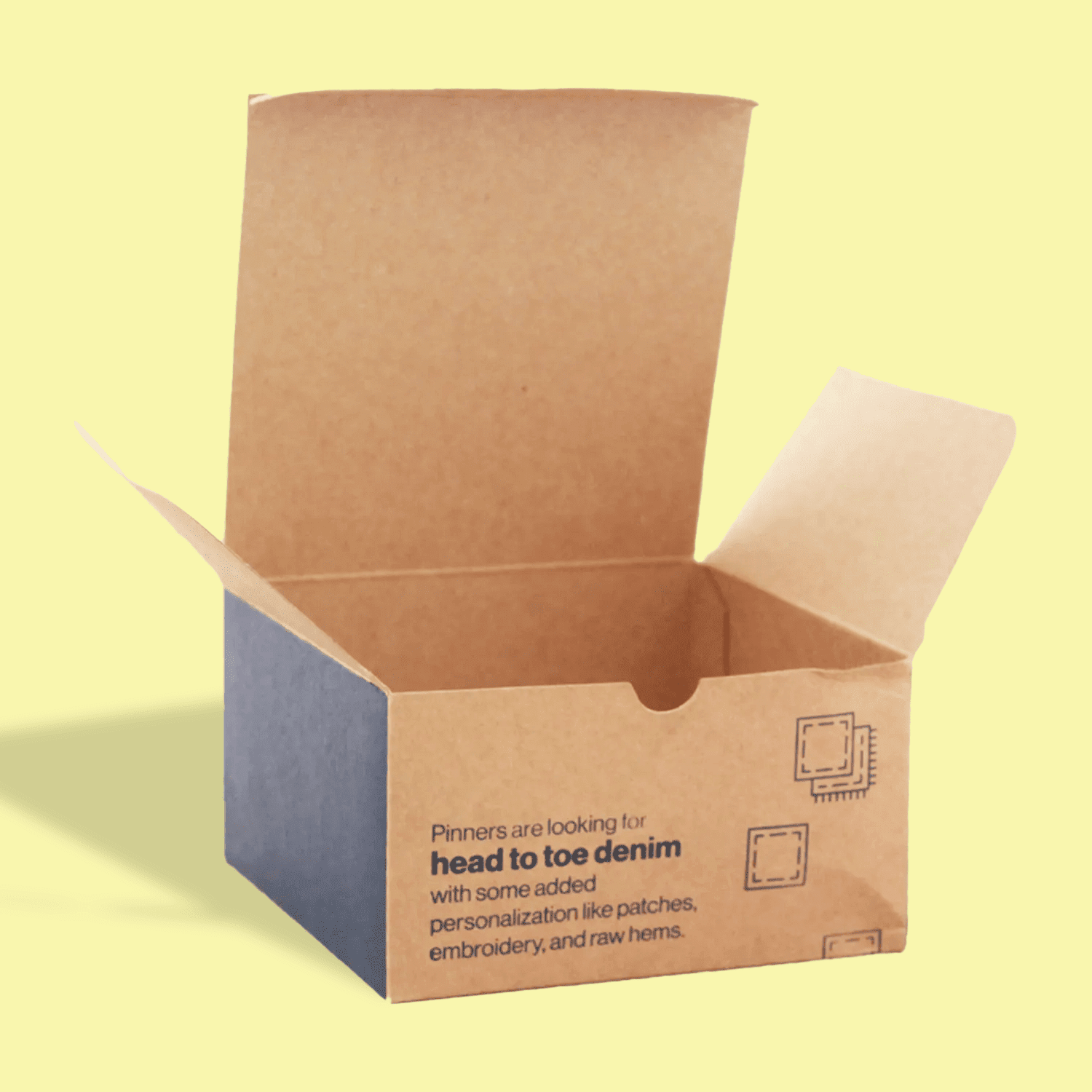
| Corrugated mailer boxes | Product seeding and shipping campaigns | Lightweight, protective, and practical |
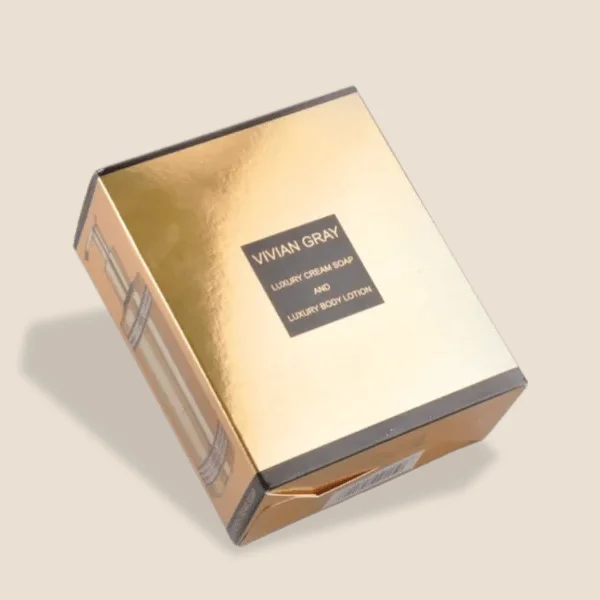
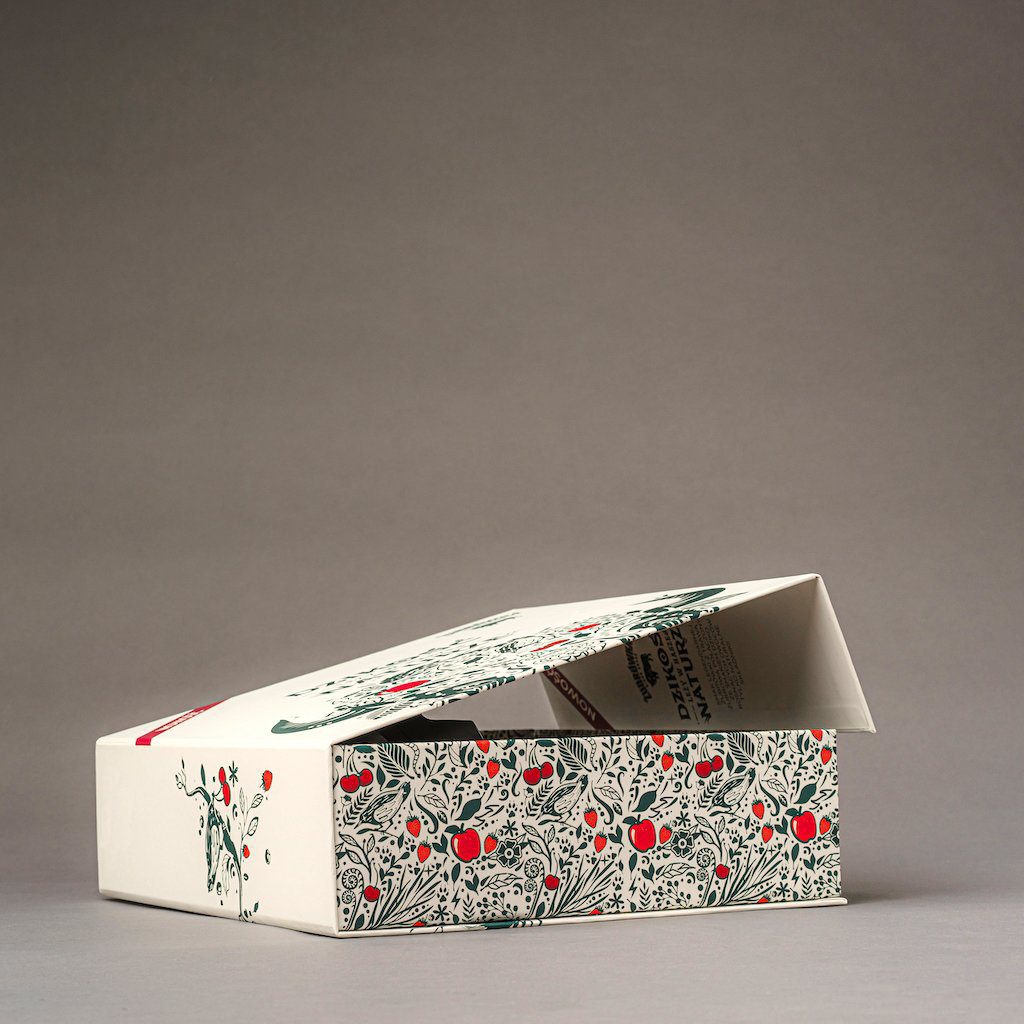
| Rigid gift boxes | Premium launches and special gifting | Sturdy construction and refined presentation |
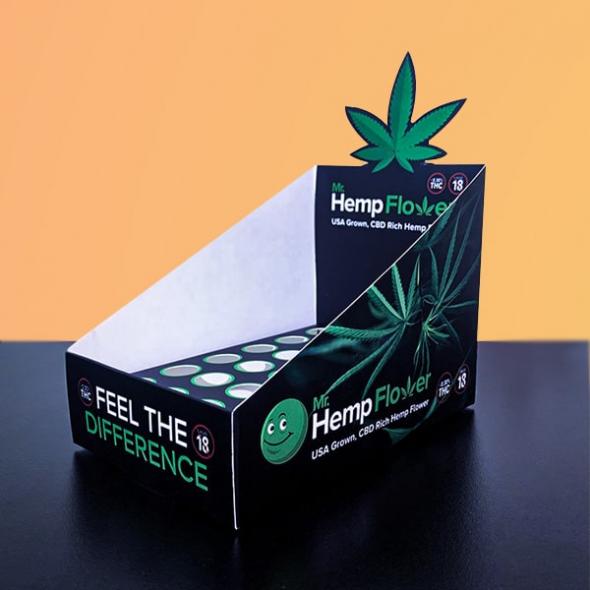
| Folding carton boxes | Smaller, lightweight products | Compact and efficient to store |
Corrugated packaging is often suitable for shipping directly to influencers.
Rigid boxes provide a more substantial presentation but may require an additional protective shipping carton.
Choose based on product needs rather than appearance alone.
6. Measure Products and Plan Protective Inserts
Accurate measurements prevent costly packaging problems.
Measure each product’s length, width, and height, including caps, lids, or other protruding components.
Then arrange the products as they should appear inside the package.
Internal dimensions describe the usable space inside a box, while external dimensions describe its outside measurements.
Allow enough clearance for easy packing without excessive movement.
Consider cardboard dividers, molded inserts, or EVA foam inserts for fragile products.
Test whether items remain secure when the box is tilted or gently moved. Proper fit protects products and improves presentation.
7. Design Your Custom PR Packaging
Your PR box should reflect your brand identity without making the design unnecessarily complicated.
Use consistent colors, typography, logos, and messaging across the packaging.
Think about the unboxing sequence: what does the recipient see when opening the lid?
You might print a short brand message inside the box or place products beneath branded tissue paper.
A practical PR box design checklist should cover logo placement, readable text, interior presentation, and material finishes.
Matte lamination creates a subdued appearance, while gloss lamination adds shine. Select finishes that complement your artwork and budget.
8. Prepare Print-Ready Artwork
Before submitting artwork, confirm that your files meet the packaging manufacturer’s requirements.
Most custom packaging projects use a dieline, which is a flat template showing cutting edges, folds, and glue areas.
Place artwork accurately within this template.
Check image resolution, color settings, font handling, and required bleed areas.
Bleed is extra artwork extending beyond the cutting edge to prevent unwanted white borders after trimming.
Adobe Illustrator files and print-ready PDFs are commonly used.
Always review spelling, logo placement, barcode readability, and important text before approving the final production files.
9. Review Mockups and Order Samples
Digital mockups help you visualize your packaging before manufacturing.
A 2D mockup shows the flat artwork layout, while a 3D mockup illustrates how the assembled box may look.
However, digital previews cannot fully confirm physical fit, material strength, or assembly performance.
When possible, request a packaging prototype.
Place your actual products inside the sample and examine its dimensions, opening mechanism, printing, and inserts.
Check whether the lid closes properly and the products remain secure.
Approve the packaging only after reviewing important structural and design details.
10. Plan Production and Shipping
Packaging production should be scheduled around your campaign launch date.
Ask your manufacturer about artwork approval deadlines, sample requirements, production scheduling, and estimated shipping arrangements.
Remember that production time and transit time are different.
Your PR box shipping checklist should include package dimensions, recipient addresses, carrier requirements, and tracking arrangements.
For nationwide influencer campaigns, consider whether packages will ship individually or through a fulfillment partner.
Build additional time into your schedule for approvals, unexpected adjustments, and transit delays.
Avoid planning deliveries around an unconfirmed production estimate.
11. Test the Packing and Unboxing Experience
Before shipping your complete campaign, assemble at least one finished package exactly as recipients will receive it.
Follow the intended packing sequence and confirm that every item fits comfortably.
Check whether inserts hold products in place and whether printed materials remain visible.
For fragile items, consider an appropriate transit test using the actual shipping configuration.
Then open the package from the recipient’s perspective.
Notice whether products are easy to remove, instructions are clear, and protective materials create unnecessary clutter.
A successful unboxing experience should feel organized, not complicated.
12. Track Your PR Campaign Results
Your campaign doesn’t end when the packages are delivered.
Track deliveries, recipient responses, social media mentions, and any content created after gifting.
You can also monitor referral links, discount codes, or website traffic when relevant.
Compare your results with the goals established in Step 1.
Keep records of packaging expenses, damaged shipments, and recipient feedback.
These details can help you improve future campaigns.
Remember that receiving a PR package doesn’t obligate someone to post about it. Any promotional content should follow applicable advertising disclosure requirements.
Quick PR Box Checklist Before Ordering
Use this checklist to confirm that your packaging project is ready for production.
Campaign goals and target recipients are defined.
Total campaign budget and quantity are approved.
Products and branded extras are finalized.
Box style and material are selected.
Internal dimensions and product fit are confirmed.
Protective inserts are planned.
Artwork and packaging dielines are reviewed.
Printing specifications and finishes are approved.
Digital mockups and required samples are checked.
Production and delivery schedules are confirmed.
Packing instructions and shipping details are ready.
Campaign tracking methods are established.
Completing these checks before placing an order can reduce unnecessary revisions and help your team stay organized.
How Much Does a Startup PR Box Cost?
The cost of a startup PR box depends on its specifications, contents, quantity, and shipping requirements.
There is no single price that applies to every project.
The main cost factors include:
- Packaging quantity: Order volume affects total spending and may influence the manufacturing cost per unit.
- Box dimensions: Larger boxes generally require more material and can increase shipping costs.
- Material and structure: Corrugated mailers, folding cartons, and rigid boxes have different manufacturing requirements.
- Printing and finishing: Artwork coverage, specialty finishes, and decorative treatments can affect pricing.
- Custom inserts: Foam, cardboard, and other fitted inserts add material and production requirements.
- Product contents: Samples, merchandise, and branded extras contribute to the overall budget.
- Assembly and fulfillment: Packing materials, labor, and handling should be included.
- Shipping: Destination, package weight, dimensions, and carrier services influence delivery expenses.
Simple PR Package Budget Formula
Total Campaign Budget = (Packaging + Products + Inserts + Printed Extras + Assembly + Shipping) × Number of Packages + One-Time Costs
For illustration, imagine a startup planning 50 PR packages with an internal planning allowance of $30 per completed package.
Its estimated variable budget would be:
50 × $30 = $1,500
Any one-time design, prototype, or setup expenses would be added separately.
This is a hypothetical budgeting example, not a verified supplier quotation or market price.
Request an itemized quote based on your actual specifications before committing to production.
Common PR Packaging Mistakes to Avoid
Even attractive PR box packaging ideas can fail when practical details are overlooked.
1. Choosing an Oversized Box
Excessively large packaging wastes materials and may increase shipping expenses. Choose dimensions based on your actual product arrangement.
2. Overfilling the Package
Too many products can make the presentation confusing and increase the risk of damage. Prioritize a clear product selection.
3. Ignoring Shipping Protection
Decorative packaging alone may not protect fragile items. Use suitable inserts, cushioning, or an additional shipping carton when needed.
4. Ordering Without Checking a Prototype
Unverified dimensions or structural details can create problems across an entire order. Review a physical sample whenever practical.
5. Leaving Production Until the Last Minute
Late artwork approvals and rushed decisions can disrupt your launch schedule. Plan packaging development well before your intended delivery date.
How Packaging Box US Supports Startup PR Campaigns
Planning custom PR packaging becomes easier when you have access to suitable box styles, design assistance, and clear manufacturing specifications.
Packaging Box US manufactures custom packaging for startups, small businesses, and established brands.
Our packaging options include custom printed PR boxes, corrugated mailer boxes, rigid gift boxes, protective inserts, printed tissue paper, branded shopping bags, stickers, and labels.
We also provide free packaging design support, dieline assistance, 2D and 3D mockups, and free matte or gloss lamination options.
Additional services include free USA shipping, competitive custom quotations, free sample kit options, and custom prototype samples depending on project requirements.
Flexible quantities are available for eligible packaging products. Custom printed tissue paper requires a minimum of 1,000 sheets per design and size.
Production schedules depend on approved specifications, quantities, and manufacturing requirements.
If you’re preparing your first campaign, contact us with your box dimensions, quantity, and design requirements for a personalized packaging quote.
Website: https://packagingbox.us
Email: sales@packagingbox.us
Phone: +1 (424) 240-5630
Frequently Asked Questions
1. What should I put in a startup PR box?
Include your main product, relevant samples, a short brand introduction, and a personalized thank-you card. Depending on your campaign, you can add product instructions, stickers, or branded tissue paper. Focus on items that help recipients understand your products rather than filling the box with unnecessary extras.
2. How many PR boxes should a startup send?
Start with a quantity that fits your budget and target audience. A smaller, carefully selected recipient list can help you test your campaign before expanding. Consider product availability, packaging costs, shipping expenses, and your ability to manage recipient outreach when determining the final quantity.
3. How much does a custom PR box cost?
Custom PR box pricing depends on dimensions, materials, order quantity, printing, finishes, and inserts. Corrugated mailers and premium rigid boxes have different production requirements. For an accurate estimate, request a quotation that includes your packaging specifications, quantity, and delivery destination.
4. What is the best packaging for influencer PR boxes?
Corrugated mailer boxes are a practical choice for many influencer campaigns because they combine presentation with shipping protection. Rigid gift boxes work well for premium product launches but may need outer shipping protection. The best option depends on product weight, fragility, presentation goals, and budget.
5. How long does it take to produce custom PR boxes?
Production timelines vary based on box construction, printing requirements, order quantity, sample approvals, and manufacturing schedules. Complex inserts or specialty finishes may require additional preparation. Confirm the estimated production and delivery schedule with your packaging manufacturer before finalizing your campaign launch date.
Final Thoughts
A successful PR campaign begins with thoughtful planning, not expensive packaging.
By following this Startup PR Box Checklist, you can organize your budget, choose suitable materials, protect your products, and create a positive unboxing experience.
Start with clear goals, test your packaging before production, and keep your campaign schedule realistic.
When you’re ready to explore custom PR packaging, contact Packaging Box US to discuss your specifications and request a quote for your first campaign.