



Custom Soap Boxes vs Holster Soap Boxes: Key Differences

Custom Soap Boxes vs Custom Holster Soap Boxes: Materials, Designs, and Key Differences
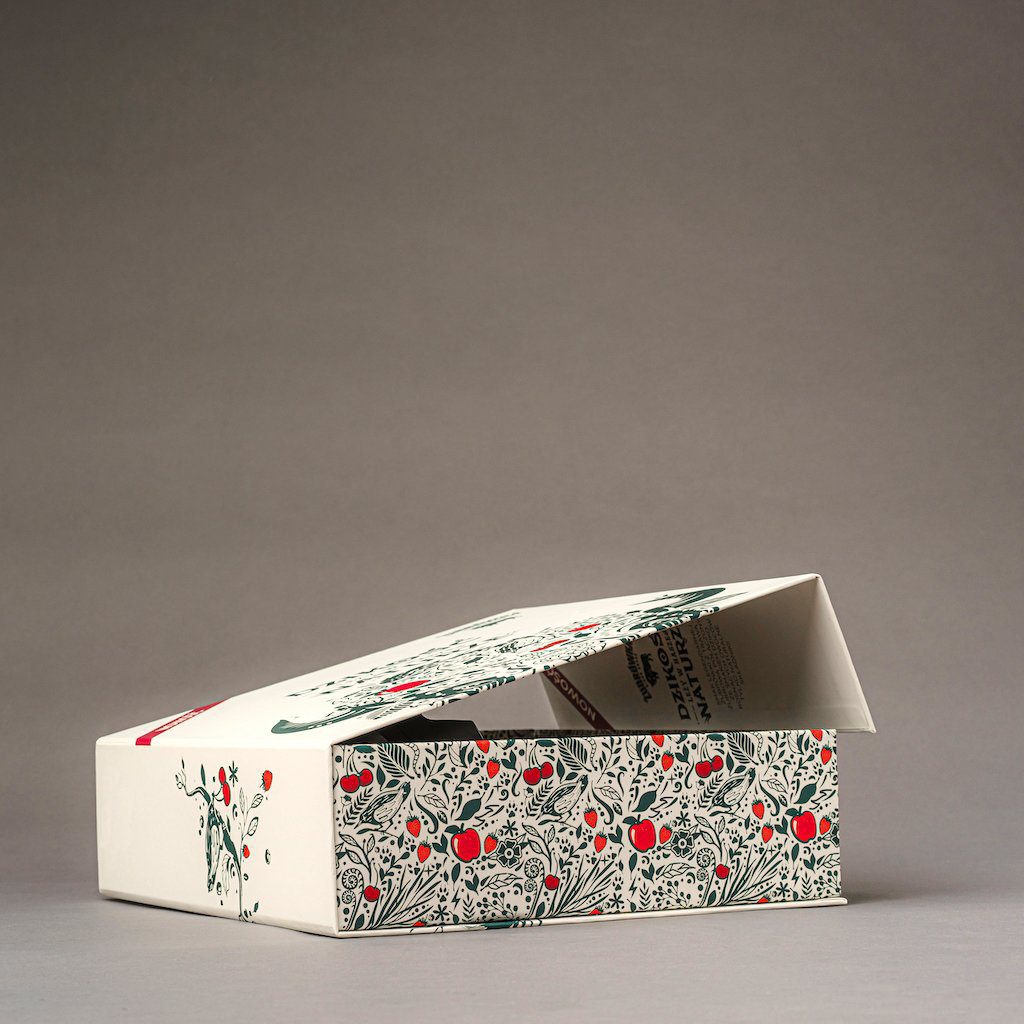
Choosing between custom soap boxes and custom holster soap boxes comes down to how much coverage your soap needs, how you want customers to see it, and where the product will be sold.
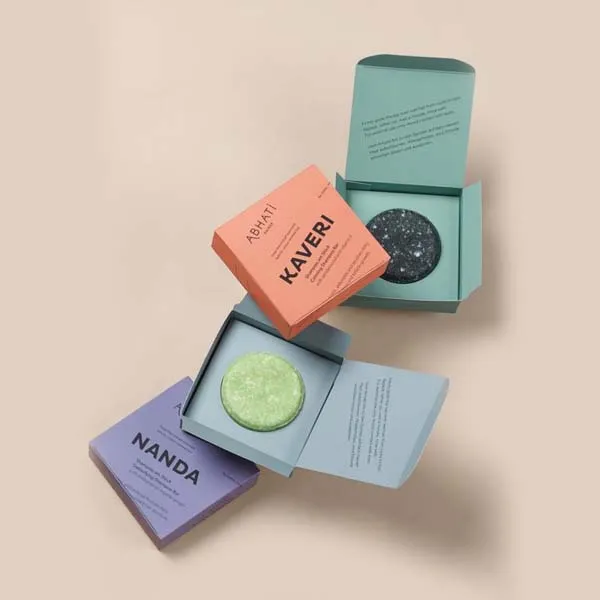
Traditional custom soap boxes generally surround the soap bar with a folding carton, providing space for branding, product information, and protection from everyday handling. Holster-style soap boxes typically use a partially open paperboard structure that holds the bar while leaving part of it visible.
Both can be customized with printed logos, branded colors, and different materials. However, neither style is automatically the better choice. The right packaging depends on the soap’s dimensions, surface characteristics, retail environment, shipping requirements, and budget.
What Are Custom Soap Boxes?
Custom soap boxes are packaging containers designed to fit specific soap products while supporting their presentation, handling, and branding. They are commonly manufactured from folding paperboard and can be printed with product names, ingredient information, logos, and artwork.
Unlike standard stock cartons, custom soap packaging boxes can be adjusted to match the bar’s dimensions, shape, and packaging requirements.
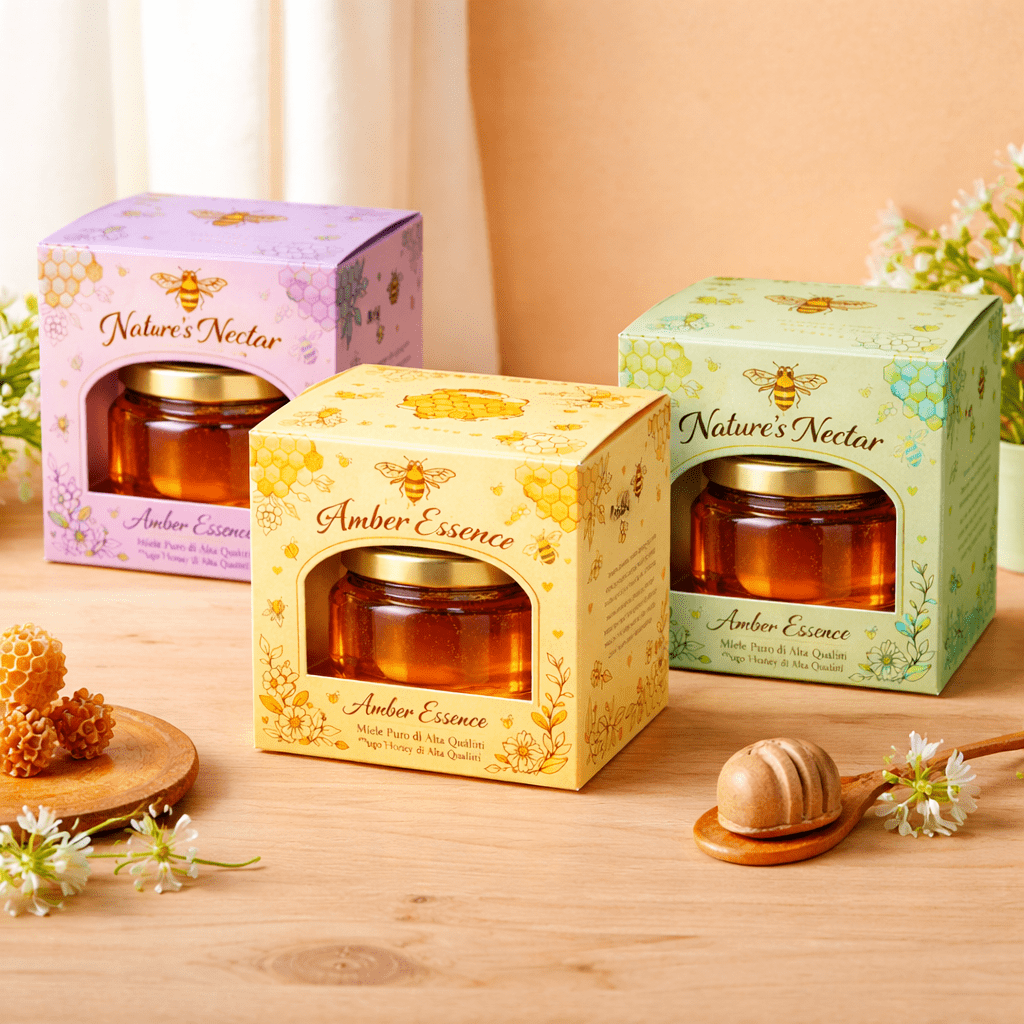
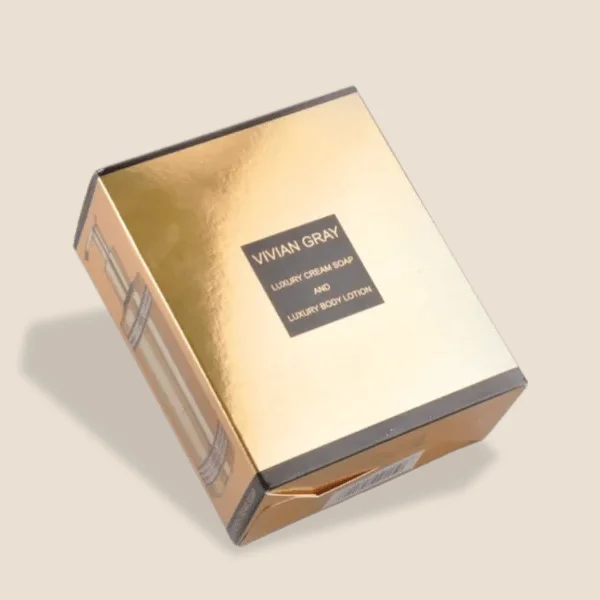
Common structures include tuck-end cartons, sleeve boxes, die-cut window cartons, and folding boxes with locking closures. Some styles fully enclose the soap, while others feature openings or windows for product visibility.
For handmade soap businesses, these boxes provide a practical way to organize product information and create a consistent appearance across multiple fragrances or formulations.
Skincare and beauty brands may choose premium printed cartons with foil stamping, embossing, or specialty finishes. Wholesale suppliers often prioritize straightforward structures that can be packed efficiently and shipped flat.
Common Benefits of Custom Soap Boxes
Product coverage: Enclosed cartons help limit direct contact with dust and handling.
Branding space: Multiple printable panels accommodate logos, ingredients, instructions, and product details.
Structural flexibility: Dimensions, openings, closures, and inserts can be customized.
Retail presentation: Consistent box shapes make products easier to arrange on shelves.
Wholesale packaging: Folding cartons can often be supplied flat to reduce storage requirements.
The amount of protection depends on the carton construction, board thickness, and whether the soap has an additional protective wrap.
What Are Custom Holster Soap Boxes?
Custom holster soap boxes are partially open packaging structures designed to hold and display a soap bar without completely enclosing it.
A holster-style package generally wraps around or supports part of the soap, leaving a portion exposed so customers can see its color, texture, or handmade appearance.
The term holster soap box is not always used for one standardized structural design. Depending on the manufacturer, it may refer to a short open-top carton, a partially wrapped paperboard holder, or another die-cut structure that secures a soap bar while maintaining visibility.
For this reason, buyers should confirm the dieline and physical sample before placing a bulk order.
How Holster Soap Packaging Works
A holster structure typically relies on precisely sized folds, panels, or locking features to keep the soap in position.
Some designs use a paperboard base with raised side panels. Others use a band-like construction that leaves more of the soap exposed.
The structure must fit the bar securely without squeezing, scratching, or damaging its surface.
Holster packaging can work particularly well for artisan soaps with decorative swirls, textured surfaces, or distinctive colors. Customers can inspect the product’s appearance without removing it from its packaging.
However, the exposed areas receive less protection from dust, handling, and surface abrasion.
Custom Soap Boxes vs Custom Holster Soap Boxes: Key Differences
The main difference is the degree of enclosure. Conventional soap cartons generally prioritize product coverage and printable space, while holster-style packaging emphasizes product visibility and a more open presentation.
| Feature | Custom Soap Boxes | Custom Holster Soap Boxes |
|---|---|---|
| Structure | Usually enclosed folding carton | Partially open holder |
| Product coverage | Generally greater | Generally lower |
| Protection | Better surface coverage | Exposed areas need more care |
| Visibility | Limited unless windowed | Soap is often directly visible |
| Material usage | Depends on carton dimensions | May use less board |
| Printing area | Multiple panels | Usually smaller |
| Branding | Extensive artwork and information | Compact, focused branding |
| Retail display | Consistent enclosed presentation | Highlights the actual soap |
| Dust exposure | Generally reduced | More exposed |
| Moisture resistance | Depends on material and finish | Depends on material and exposure |
| Assembly | Depends on closure | Depends on folding and locking design |
| Cost | Varies by specifications | Varies by specifications |
| Best suited for | Retail, gifting, distribution | Artisan display, selected retail uses |
A holster-style design may require less paperboard, but complex die-cutting, assembly, and finishing can change the final cost. Likewise, a conventional folding carton can be economical when produced in suitable quantities using a straightforward structure.
What Materials Are Used for Custom Soap Boxes and Holster Soap Boxes?
Material selection influences printing quality, folding performance, structural strength, and the finished appearance of both packaging styles.
The best choice depends on the soap’s weight and dimensions, the required coverage, and the packaging’s construction.
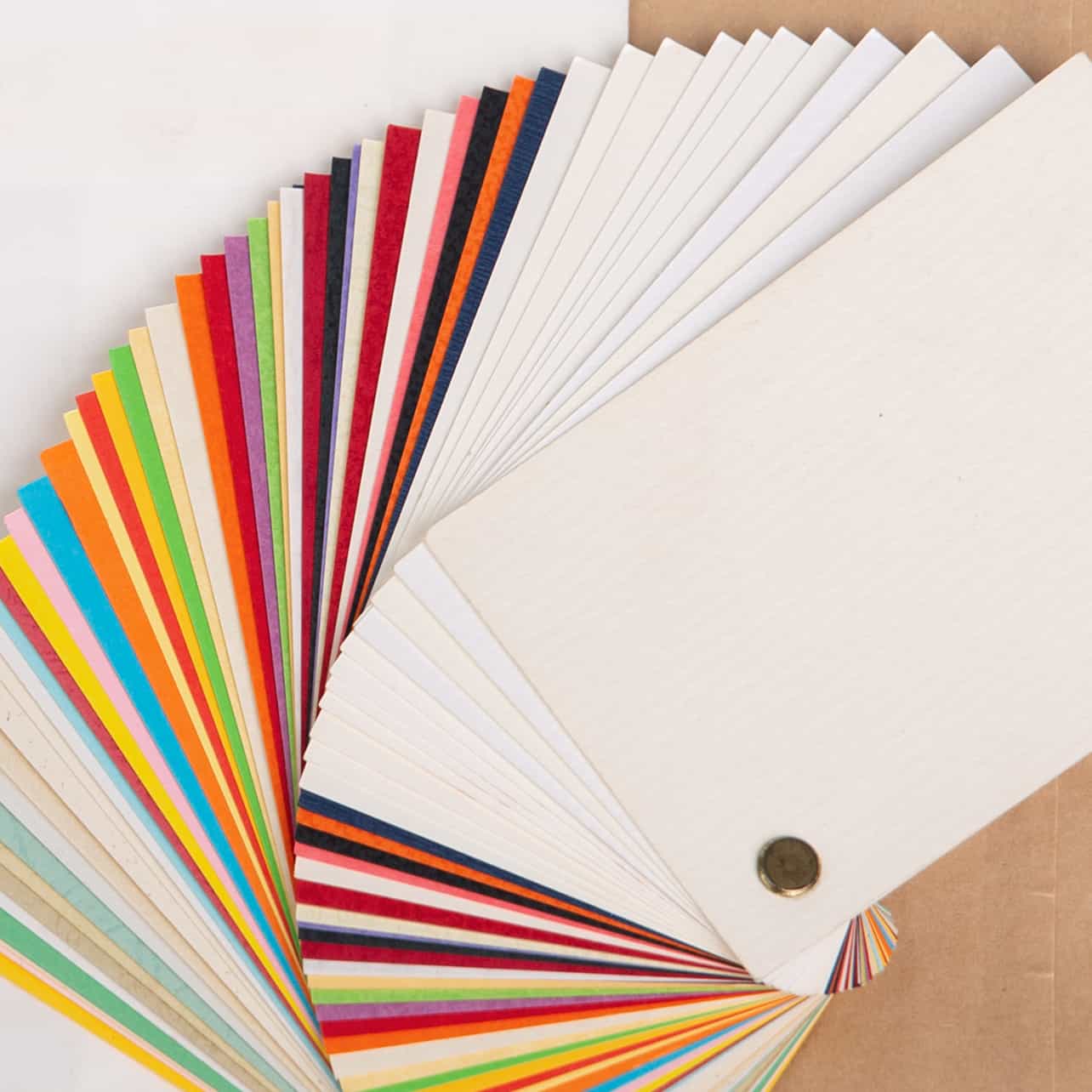
Kraft Paperboard
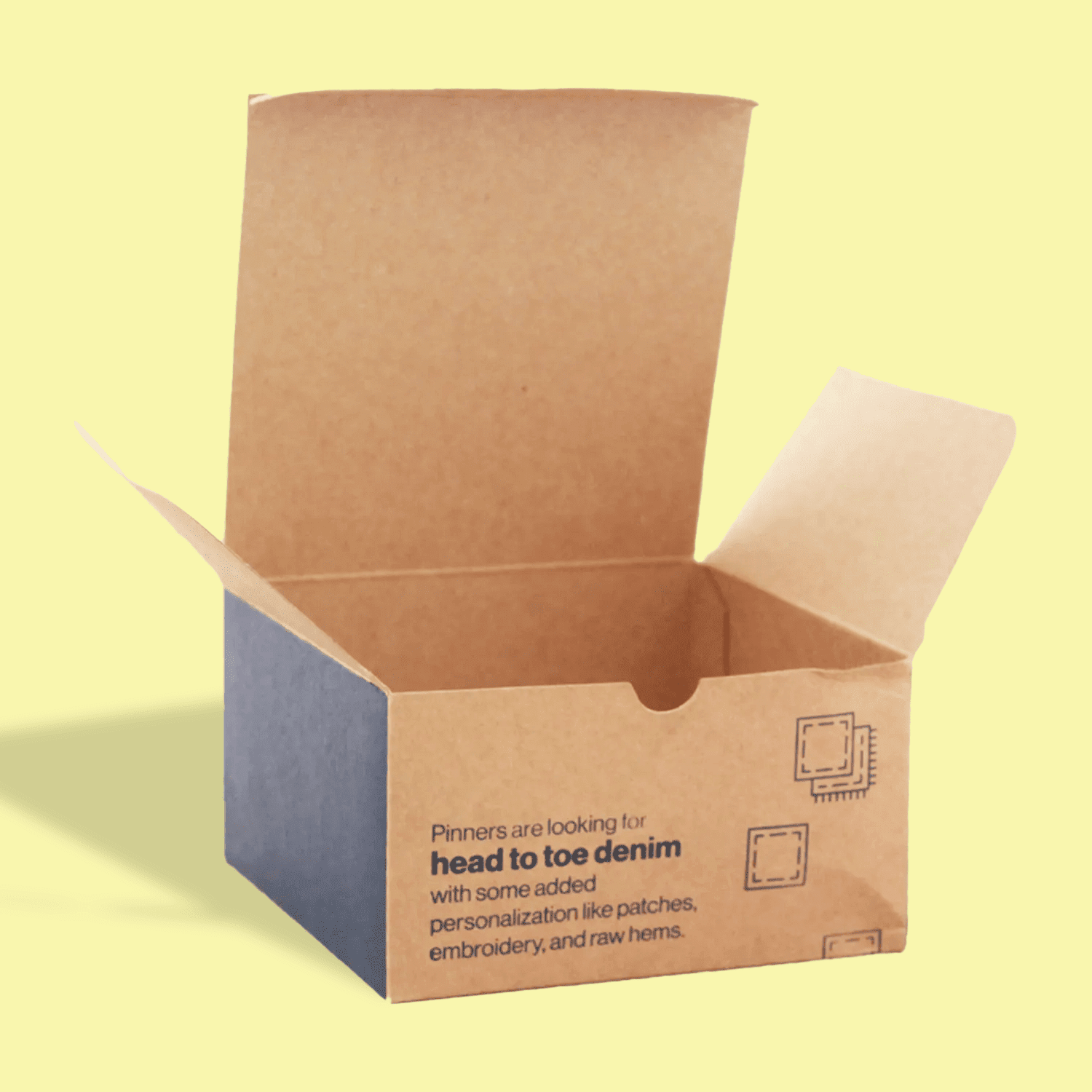
Kraft paperboard offers a natural brown appearance that suits handmade, botanical, and traditionally styled soap products.
It can be used for conventional folding cartons, paperboard sleeves, and holster-style holders.
Black ink and simple artwork can create strong contrast on brown kraft surfaces. Full-color designs may require additional printing preparation because the natural substrate color affects the final appearance.
Kraft paperboard is often selected by brands that prefer an understated packaging style rather than a heavily printed retail carton.
Its suitability depends on board stiffness, folding characteristics, and the required dieline.
SBS Paperboard
Solid Bleached Sulfate (SBS) paperboard provides a smooth, generally white printable surface suitable for detailed graphics and consistent color reproduction.
It is commonly used for premium retail cartons, beauty packaging, and branded soap boxes.
SBS can support full-color printing, fine typography, and decorative finishing techniques, depending on the selected grade and surface treatment.
For holster-style packaging, the material must have sufficient stiffness to maintain the shape of the exposed-product holder.
Recycled Paperboard
Recycled paperboard can be used for custom soap cartons and certain holster designs when its mechanical and printing properties meet the packaging requirements.
Available grades differ in recycled content, surface appearance, stiffness, and print performance.
A recycled substrate may have a different color or texture from virgin white paperboard, which can influence artwork reproduction.
Brands making recycled-content claims should obtain appropriate material documentation rather than assuming every brown or gray board has a particular recycled percentage.
Corrugated Cardboard
Corrugated cardboard combines liner materials with a fluted layer that provides cushioning and structural strength.
For individual retail soap bars, ordinary folding paperboard is often more compact. Corrugated material becomes more relevant for larger gift sets, multi-bar packaging, display units, and shipping boxes.
A corrugated mailer can also provide an additional protective outer layer for soap products sold online.
However, corrugated packaging is not interchangeable with thin folding cartons. Its greater thickness affects folding, dimensions, printing, and the final structure.
Coated and Uncoated Paperboard
Coated paperboard generally provides a smoother printing surface, which can improve the reproduction of detailed artwork and vibrant colors.
Uncoated paperboard offers a more natural, tactile finish that may suit artisan or minimalist branding.
Both can be used for conventional soap cartons and holster-style packaging, provided the board grade is compatible with the construction.
| Material | Traditional Soap Boxes | Holster Soap Boxes | Typical Consideration |
|---|---|---|---|
| Kraft paperboard | Suitable | Suitable | Natural appearance |
| SBS paperboard | Suitable | Suitable | Detailed printing |
| Recycled paperboard | Grade dependent | Grade dependent | Stiffness and finish |
| Corrugated cardboard | Selected applications | Less common | Strength and thickness |
| Coated paperboard | Suitable | Suitable | Smooth printed finish |
| Uncoated paperboard | Suitable | Suitable | Natural texture |
Material suitability should always be checked against the final dieline, board caliper, soap weight, folding requirements, and packaging dimensions.
Printing and Customization Options for Both Packaging Styles
Custom printing allows soap manufacturers to communicate their brand identity, distinguish product varieties, and display necessary product information.
Both traditional cartons and holster-style packages can support a range of printing techniques, although the available surface area differs.
Printing Methods
Offset printing is commonly used for detailed artwork and consistent color reproduction, particularly when production quantities justify the setup requirements.
Digital printing may be practical for shorter runs, prototypes, or packaging designs that require frequent artwork changes. Availability depends on the substrate and equipment.
Flexographic printing is frequently associated with corrugated packaging and selected high-volume applications. Its suitability for a particular soap carton depends on the production process.
Brands can use CMYK printing for full-color artwork or spot colors when specific brand color matching is required.
Decorative Finishes and Structural Features
Popular customization options include logo printing, embossing, debossing, foil stamping, spot UV, matte lamination, and gloss lamination.
Die-cut windows can make conventional custom soap boxes more visually engaging by revealing part of the soap without removing most of the carton.
Holster packaging already exposes part of the product, so its design may benefit more from a carefully positioned logo, distinctive cut shape, or contrasting print finish.
Not every finish works equally well on every material. Thin panels, fold lines, textured substrates, and limited printing areas can restrict placement.
A production-ready dieline helps determine which options are practical before artwork is finalized.
Which Packaging Style Offers Better Soap Protection?
Traditional enclosed soap boxes generally provide better surface coverage than open holster packaging. However, neither should be treated as a complete shipping-protection system without evaluating the product and its distribution conditions.
Protection Against Dust and Handling
A fully enclosed carton helps reduce direct contact between the soap and its surroundings.
This is particularly useful for products stored in warehouses, handled frequently, or displayed in busy retail environments.
Holster soap boxes leave part of the product exposed, making them more suitable for controlled display settings where customers can appreciate the soap’s appearance.
If the soap has a delicate decorative surface, additional wrapping may be necessary.
Protection Against Physical Damage
Paperboard cartons provide a degree of separation from surrounding objects, but their protective performance depends on material strength and fit.
A poorly fitted enclosed box may allow the soap to move during handling. A well-designed holster can hold the bar securely, although exposed edges remain vulnerable.
For fragile soaps, inserts, protective wraps, or appropriately designed outer packaging may be required.
Moisture and Shipping Considerations
Neither ordinary kraft nor standard folding paperboard should be considered waterproof.
Coatings may improve resistance to certain conditions, but they do not automatically create a moisture-proof barrier.
For e-commerce deliveries, a retail soap box should normally be placed inside a suitable shipping carton or mailer with enough protection to limit movement and impact.
The same principle applies to holster packaging, particularly when the soap has exposed surfaces.
Which Soap Packaging Style Is Better for Branding and Retail Display?
The better branding option depends on whether customers should notice the packaging design first or the soap itself.
Traditional custom printed soap boxes provide more space for artwork, detailed product descriptions, and consistent branding across multiple product lines.
Holster-style boxes give the product itself a more prominent role in the presentation.
Traditional Soap Boxes for Detailed Branding
Fully printed cartons are suitable for brands that use photography, illustrated artwork, extensive ingredient information, or coordinated color systems.
They can help create a consistent appearance across a collection of bath and skincare products.
Premium soap brands may also use foil accents, embossed logos, and matte finishes to achieve a distinctive presentation.
Holster Soap Boxes for Product Visibility
Holster packaging is especially useful when the soap’s appearance is an important selling feature.
For example, a handmade bar with colorful swirls, botanical textures, or a stamped design may benefit from an open presentation.
A simple kraft holster with a printed logo can allow the product’s natural appearance to remain the main visual feature.
However, buyers must also consider where ingredients, warnings, and other required information will appear.
A small holster panel may not provide enough space for all necessary labeling, so a separate label or additional packaging panel may be required.
Custom Soap Boxes vs Holster Soap Boxes: Cost and Wholesale Considerations
Neither packaging style is automatically cheaper. The final wholesale price depends on the amount and grade of material, printing requirements, structural complexity, order quantity, and production process.
A simple holster design may consume less board than a fully enclosed carton of similar dimensions. However, specialized die-cutting, locking mechanisms, and manual assembly can affect the overall cost.
Likewise, a conventional tuck-end carton can be economical when manufactured using a straightforward dieline and an appropriate production quantity.
Factors That Influence Packaging Costs
| Cost Factor | How It Affects Pricing |
|---|---|
| Material grade | Premium and specialty boards may cost more |
| Board thickness | Changes material usage and processing |
| Box dimensions | Influence sheet utilization |
| Order quantity | Affects setup cost per unit |
| Printing method | Digital and offset have different cost structures |
| Artwork coverage | May influence ink and production requirements |
| Die-cut complexity | Specialized shapes may require additional tooling |
| Finishing | Foil, embossing, and coatings add processing |
| Assembly | Complex structures may require more labor |
| Shipping | Depends on packing configuration and destination |
How to Request an Accurate Wholesale Quote
When requesting custom soap boxes wholesale, provide the actual soap dimensions, desired packaging style, material preference, printing requirements, and quantity.
For holster-style packaging, include a reference image or structural sketch showing how much of the soap should remain visible.
If possible, request pricing for more than one quantity to compare unit costs.
A physical prototype is particularly useful for confirming the fit of handmade soap bars, which may vary slightly between production batches.
Which Packaging Is More Eco-Friendly?
Neither conventional soap cartons nor holster-style packaging can be classified as more environmentally friendly based on shape alone.
A smaller holster may use less paperboard, but environmental performance also depends on material sourcing, manufacturing waste, coatings, product protection, and end-of-life disposal.
Material Efficiency
A carefully designed holster can reduce material usage by leaving part of the soap uncovered.
However, this advantage may be reduced if the product requires additional protective wrapping or secondary packaging.
An enclosed carton that prevents product damage may also help reduce waste.
Recyclability and Coatings
Uncoated paperboard and some coated paperboard products may be recyclable through suitable local collection systems.
Recyclability depends on the material composition, any added films or laminations, contamination, and local recycling facilities.
Brands should verify the specific packaging construction before making recyclable or compostable claims.
Recycled Content and Responsible Sourcing
Recycled paperboard may help brands meet particular material-sourcing goals, provided the recycled content is documented.
Responsibly sourced virgin fiber can also be considered when evaluating packaging options.
The most useful approach is to compare the complete packaging system rather than relying on broad labels such as green, natural, or eco-friendly.
How to Choose Between Custom Soap Boxes and Holster Soap Boxes
Start with the soap itself. Its size, weight, surface texture, and sales channel will help determine which packaging structure is most practical.
| Soap Product or Application | Recommended Starting Option | Reason |
|---|---|---|
| Handmade artisan soap | Holster or window carton | Highlights decorative details |
| Premium beauty soap | Printed enclosed carton | Provides more branding space |
| Natural soap bars | Kraft holster or kraft carton | Supports a simple visual style |
| Retail shelf display | Either style | Depends on desired visibility |
| Subscription soap products | Enclosed carton or protected holster | Helps organize recurring shipments |
| E-commerce soap orders | Enclosed retail carton plus shipping packaging | Offers additional surface coverage |
| Wholesale soap distribution | Enclosed cartons or appropriately wrapped holsters | Depends on handling conditions |
Consider the Customer Experience
For customers shopping at a local artisan market, seeing the actual soap may be more persuasive than viewing an elaborate printed carton.
For customers purchasing online, product photographs already provide visibility. The physical packaging may need to prioritize protection and the unboxing experience instead.
Check the Packaging Fit
Measure the finished soap bar rather than relying only on its nominal weight.
Confirm its length, width, and thickness, including any raised decorative details.
For handmade products, account for normal dimensional variation between batches.
The packaging should hold the soap securely without excessive pressure on delicate surfaces.
Review Labeling Requirements
Before finalizing the dieline, determine how much space is needed for product identification, ingredient details, business information, and any applicable warnings.
Labeling requirements can vary depending on the product’s composition, marketing claims, and regulatory classification.
A holster’s limited panel space may influence the placement of this information.
Custom Soap Packaging Solutions from Packaging Box US
Packaging Box US provides customized soap packaging solutions for handmade soap makers, skincare brands, wholesale suppliers, and growing businesses throughout the United States.
Our packaging options include conventional folding cartons, kraft soap boxes, custom printed soap boxes, die-cut window designs, and holster-style structures tailored to individual product requirements.
Businesses can customize their packaging dimensions, artwork, materials, and finishes to suit their products and branding.
We also offer free design assistance, matte and gloss lamination options, and free shipping within the USA. Custom samples and prototypes are available subject to applicable project terms.
Whether you’re exploring custom soap boxes with logo printing or comparing holster designs for an artisan soap collection, our team can help review your specifications.
Visit Packaging Box US to discuss your packaging requirements and request a custom quotation.
Frequently Asked Questions
1. What is the difference between custom soap boxes and holster soap boxes?
Traditional custom soap boxes generally enclose the soap bar, providing more surface coverage and printable space. Holster soap boxes use a partially open structure that leaves part of the soap visible. Enclosed cartons are often preferred for protection and detailed branding, while holsters are useful for displaying decorative soap bars.
2. What are custom holster soap boxes used for?
Custom holster soap boxes are primarily used for retail presentation of handmade, artisan, and specialty soap bars. Their open design allows customers to see the soap’s color, texture, and shape while the paperboard structure holds it in position. The amount of coverage varies by design.
3. Which materials are best for custom soap boxes?
Kraft paperboard, SBS paperboard, and selected recycled paperboard grades are common options. Kraft suits natural-looking designs, while SBS supports detailed full-color printing. The best material depends on the soap’s weight, packaging dimensions, required stiffness, artwork, and intended use.
4. Can holster soap boxes be made from kraft paperboard?
Yes. Kraft paperboard can be used for holster soap boxes when the selected grade provides enough stiffness and folding strength. Its natural brown appearance is popular for handmade and botanical soap packaging. The final construction should be tested to ensure the soap remains securely positioned.
5. Are holster soap boxes cheaper than regular soap boxes?
Not necessarily. A simple holster may use less paperboard, potentially reducing material costs. However, die-cutting, printing, assembly, finishing, and order quantity also influence pricing. Comparing quotations with matching specifications is the most reliable way to determine which option is more economical.
6. Which soap packaging offers better product protection?
Fully enclosed soap cartons generally provide better coverage against dust and direct handling. Holster boxes leave some surfaces exposed, although they can hold the soap securely when properly designed. Neither packaging style automatically provides sufficient protection for shipping without appropriate secondary packaging.
7. Can I print my logo on custom holster soap boxes?
Yes. Custom holster soap boxes can feature printed logos, brand colors, product names, and selected decorative finishes. Offset or digital printing may be used depending on the material and production quantity. Artwork placement should account for folds, openings, and the limited printable area.
8. Are custom soap boxes available in wholesale quantities?
Yes. Custom soap boxes can be manufactured for wholesale and bulk orders. Pricing depends on the structure, dimensions, board grade, printing method, and order quantity. Buyers should provide complete specifications and request quantity-based quotations to compare production costs.
9. Which packaging is better for handmade soap bars?
Holster packaging can be an excellent option for handmade soap bars with distinctive colors, textures, or decorative patterns. Fully enclosed cartons may be preferable when the soap needs more surface protection or extensive labeling. The best choice depends on how the soap will be displayed, handled, and shipped.
10. How do I choose the correct size for a custom soap box?
Measure the finished soap’s length, width, and thickness, including any raised details. Allow appropriate clearance based on the board thickness and packaging structure. For handmade bars, consider normal dimensional variation. A prototype can help confirm that the packaging fits securely without damaging the soap.
Conclusion
Custom soap boxes and custom holster soap boxes serve different packaging priorities. Traditional enclosed cartons generally offer more product coverage, greater printing space, and flexibility for retail and distribution. Holster-style packaging provides a more open presentation that can highlight the natural appearance of handmade and specialty soaps.
The right choice depends on your product dimensions, branding requirements, sales channel, material preferences, and budget.
Before ordering, compare the structural designs, review the available printing options, and confirm the fit with a sample.
Packaging Box US can help you explore custom soap packaging solutions designed around your products and business requirements.