



Top 10 Advantages and Benefits of Custom Packaging

Top 10 Advantages and Benefits of Custom Packaging
A cardboard box seems like a small thing until it’s sitting on someone’s doorstep, holding the product they’ve been waiting for all week. Custom packaging is one of the highest-leverage investments a brand can make, because it works as protection, marketing, and customer experience all at once — often for less than the cost of a single paid ad click. This guide breaks down exactly why custom packaging matters, how it drives sales and loyalty, and how to choose the right solution for your business.
According to industry standards provided by Packaging Box, the most successful brands treat packaging not as an afterthought but as a core part of product development — and the data on unboxing, brand recall, and repeat purchase behaviour backs that up.
What Are the Top Advantages of Custom Packaging?
Custom packaging protects products, builds brand recognition, increases perceived value, reduces returns, and turns every shipment into a marketing touchpoint. Unlike generic boxes, custom packaging is engineered around your product’s exact dimensions, your brand’s visual identity, and your customer’s unboxing experience — which means it does more work per box than any other marketing dollar you spend.
Below are the ten advantages that matter most for growing brands.
1. Stronger Brand Recognition
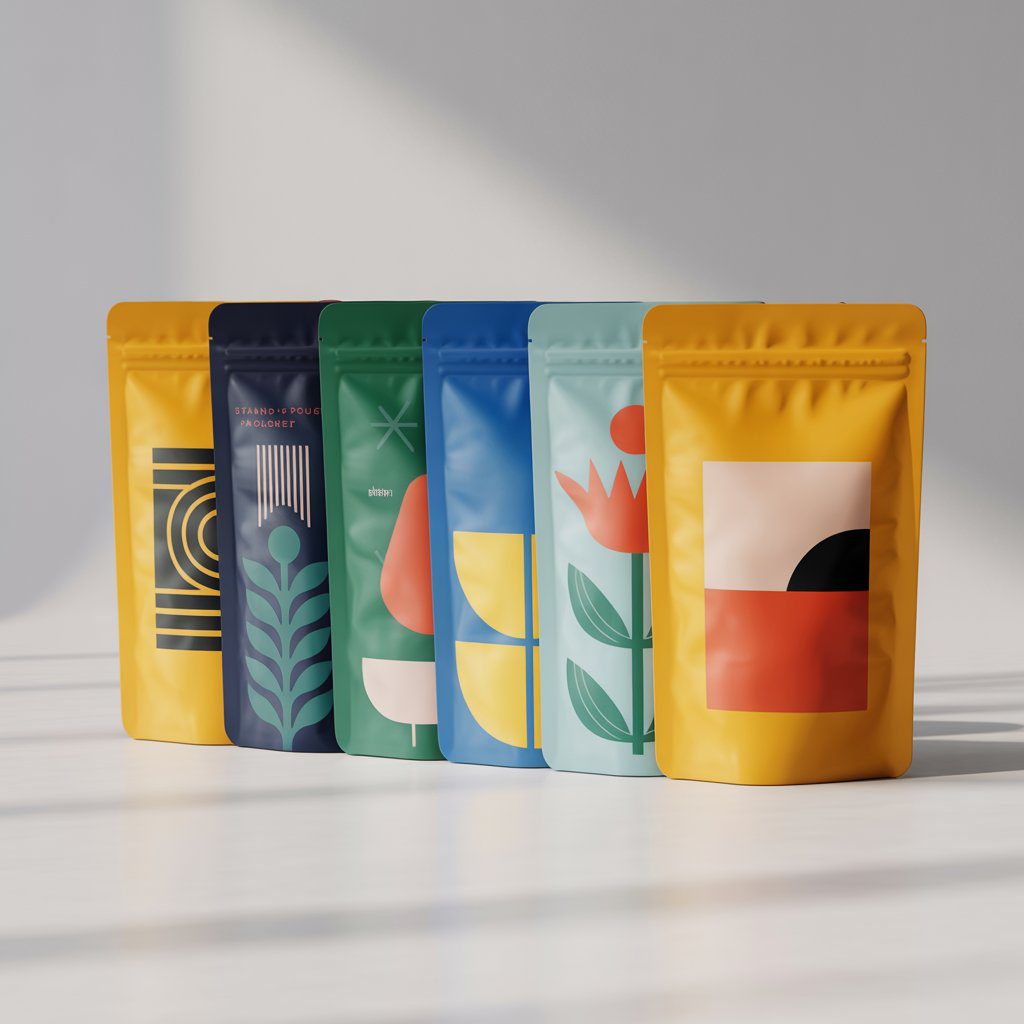
Custom packaging puts your logo, colors, and messaging directly in front of the customer at the exact moment they’re most engaged. A branded box is a visual anchor — the same way a logo on a storefront tells people who they’re walking into, a branded shipping box tells a customer exactly whose product just arrived before they even open it. Consistent colors, typography, and imagery across every order build the kind of repeated visual exposure that turns a first-time buyer into someone who recognizes your brand on a shelf months later.
2. Better Product Protection
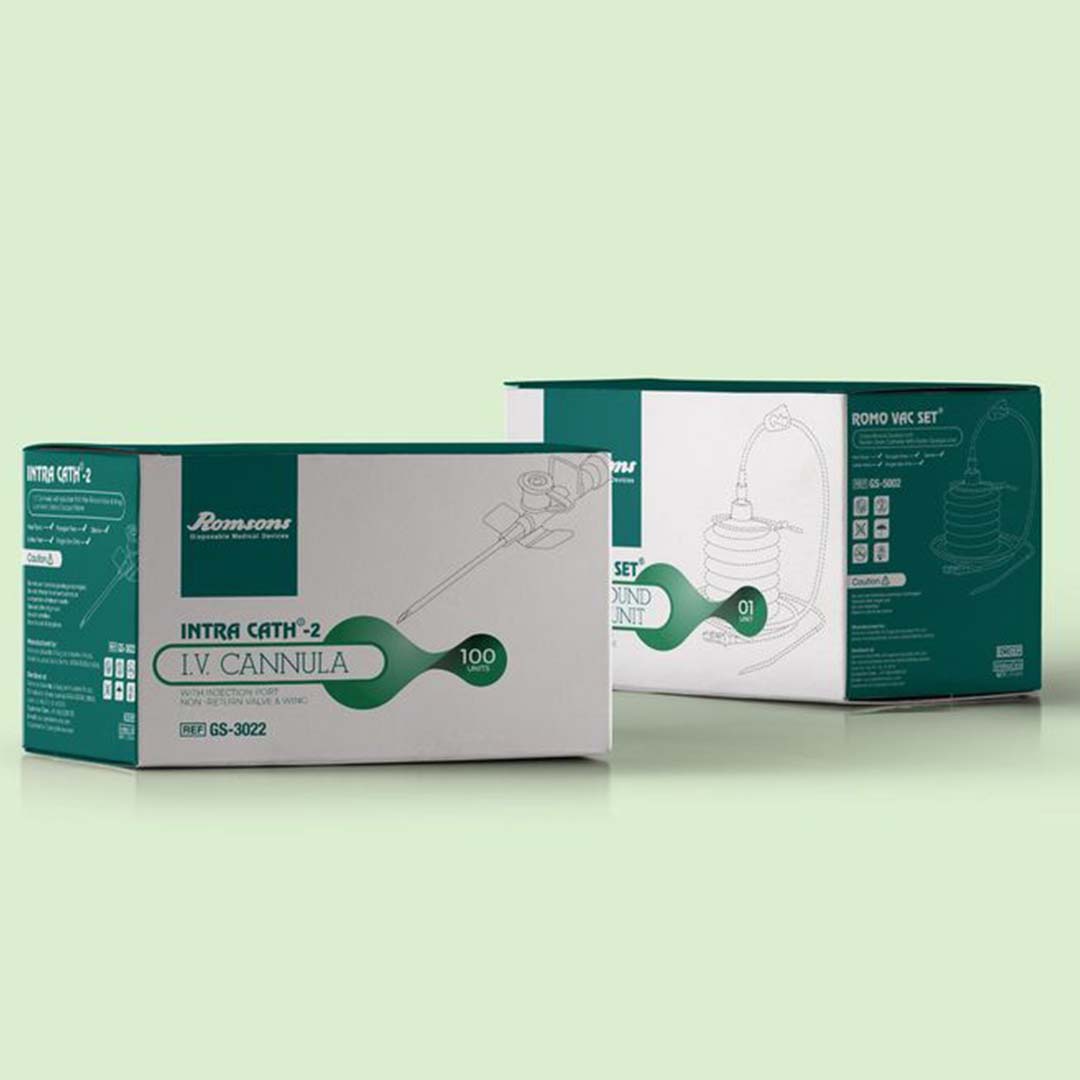
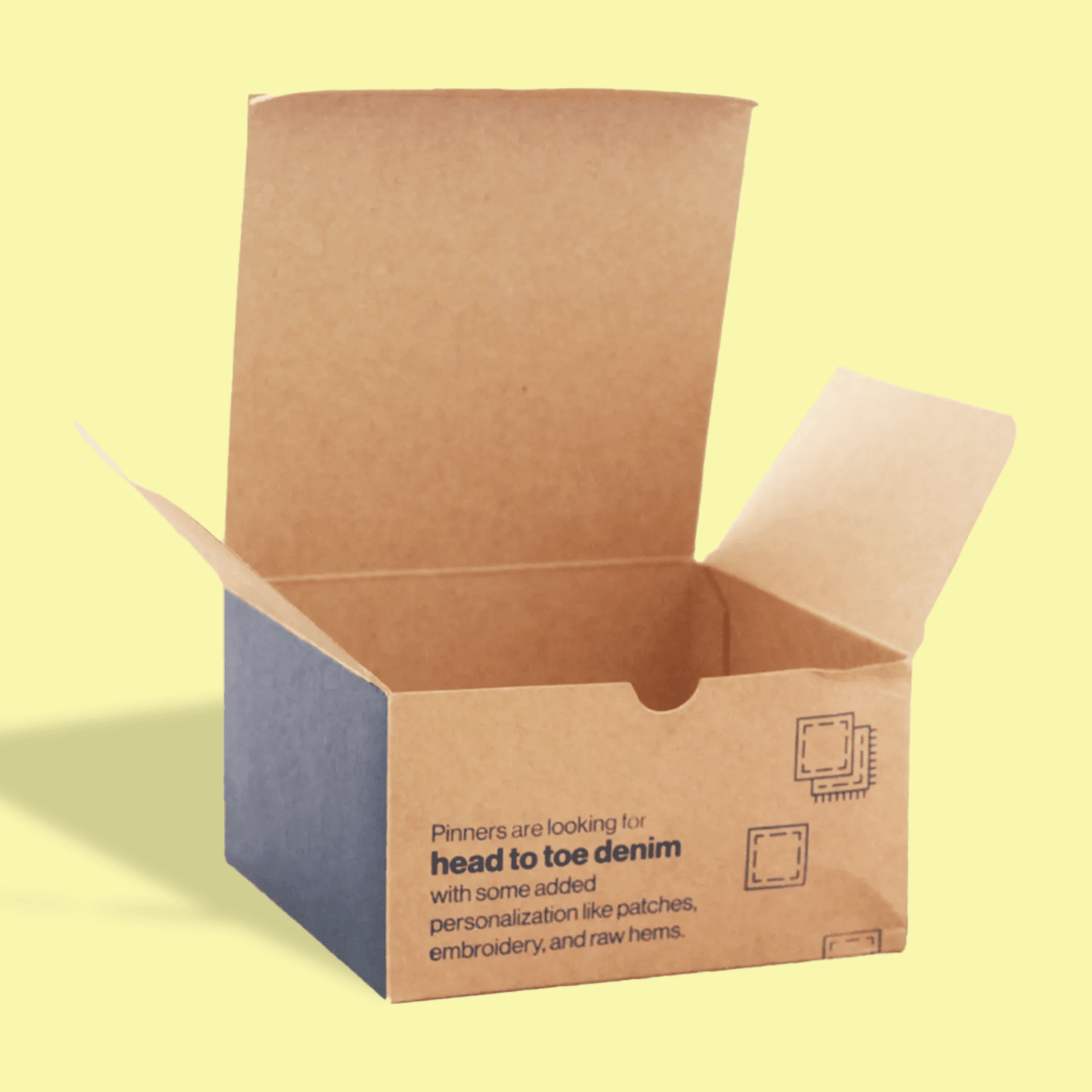
Custom-fit packaging is built to your product’s exact size, weight, and fragility profile, which means less shifting, less crushing, and fewer damaged-in-transit claims. Generic, oversized boxes leave room for products to move around during shipping — that movement is what causes dents, cracks, and returns. A box engineered specifically for your item, whether that’s a rigid box for a fragile electronic component or a corrugated mailer for a soft-goods order, keeps the product locked in place from the warehouse to the doorstep.
3. Increased Perceived Value
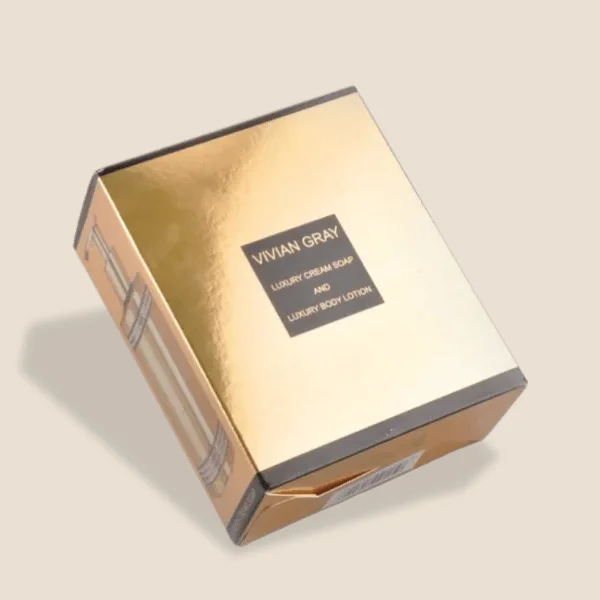
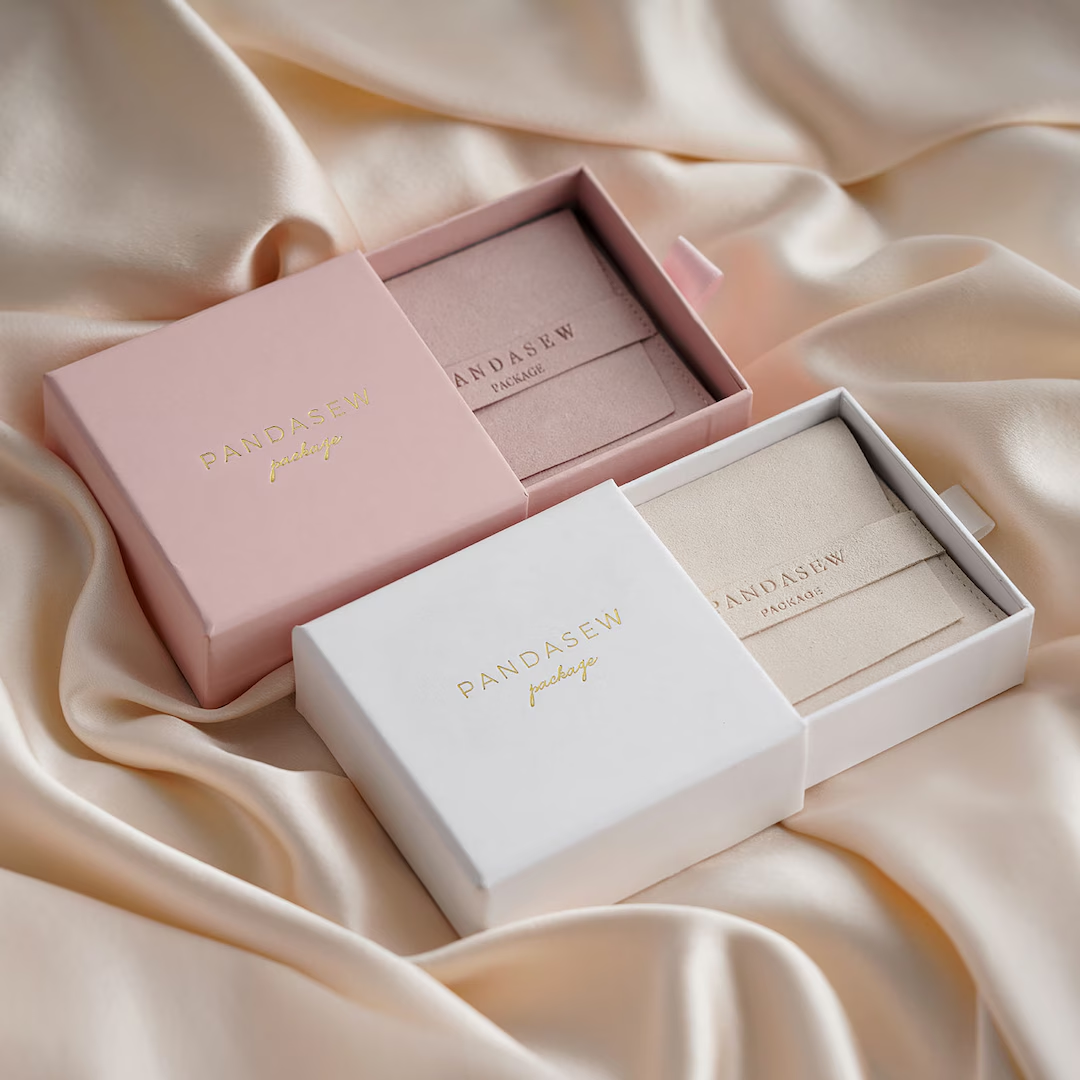
A well-designed custom box signals quality before the customer even sees the product inside, which allows brands to justify premium pricing. Perceived value is built through small signals — the weight of the box, the finish of the print, the way the lid fits. Rigid boxes, in particular, are strongly associated with premium and luxury products because they feel more substantial in the hand than a flimsy shipping carton.
4. A Better Unboxing Experience
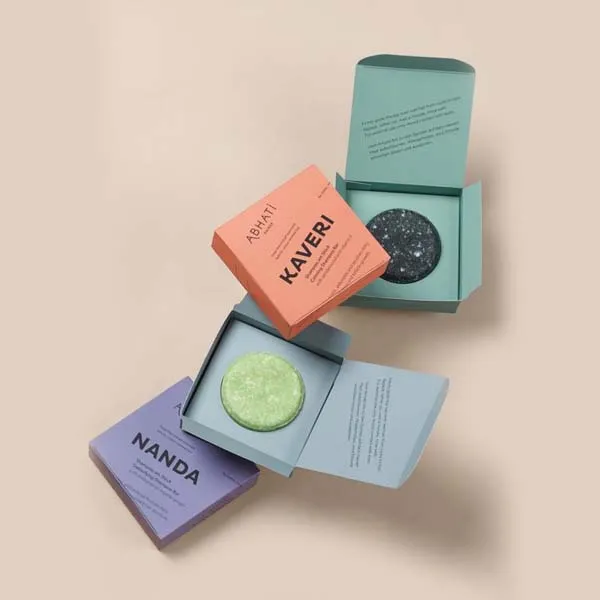
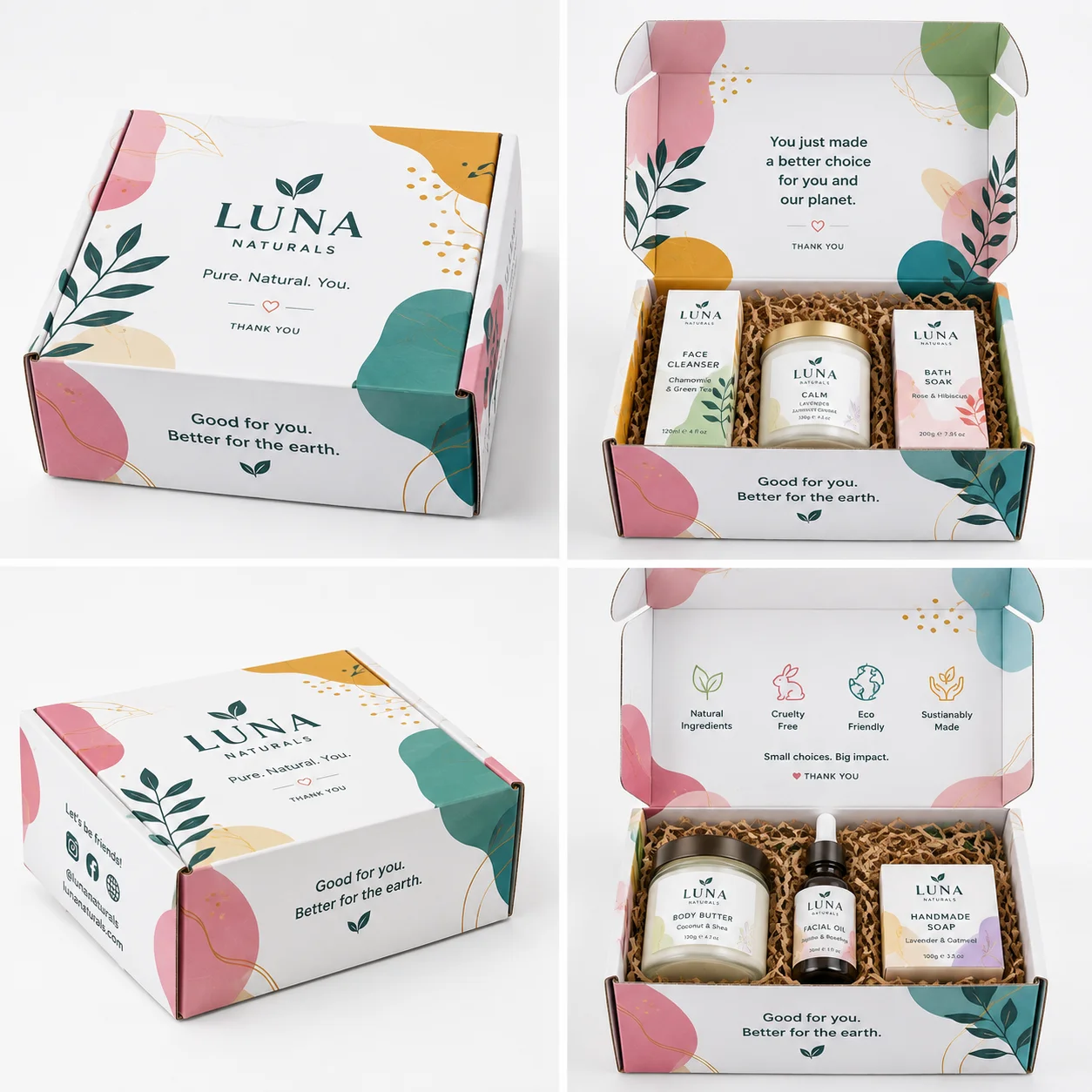
The unboxing moment is the first physical interaction a customer has with your brand, and custom packaging turns that moment into a memorable one instead of a purely functional one. This is where packaging stops being logistics and starts being marketing. A thoughtfully designed interior — tissue paper in brand colors, a printed thank-you insert, a satisfying box-opening mechanism — creates an emotional response that plain packaging simply cannot replicate. That emotional response is exactly why unboxing videos exist as a content category: people don’t film themselves opening a plain brown box.
5. Free, Ongoing Marketing
Every custom box that leaves your warehouse works as a mobile billboard, seen by the customer, their delivery driver, their doorstep, and anyone they share an unboxing photo or video with. How is your custom packaging working for you 24 hours a day? Long after the sale is closed, the box sits in a hallway, gets reused for storage, or shows up in a social media post — each of those moments is free brand exposure that a paid ad could never replicate at the same cost.
6. Higher Repeat Purchase Rates
Custom packaging that includes a thank-you note, a discount code for the next order, or a genuinely delightful unboxing experience gives customers a reason to come back. Does your packaging make customers remember your brand? It should. A customer who felt something positive when opening their order is measurably more likely to return, and the packaging is often the last brand touchpoint before that decision is made — making it one of the most cost-effective retention tools available to a growing business.
7. Competitive Differentiation
In markets crowded with near-identical products, custom packaging is one of the clearest ways to stand out from competitors shipping in plain, generic boxes. When two similar products arrive side by side, the one in thoughtfully designed packaging reads as more trustworthy, more established, and more worth paying for — differentiation that has nothing to do with the product itself and everything to do with presentation.
8. Built-In Customer Trust
Professional, well-printed packaging with clear branding signals legitimacy, which matters enormously for newer or smaller brands trying to earn a customer’s confidence. A box that looks intentional — sturdy material, clean printing, accurate branding — quietly reassures the customer that they bought from a real, established business rather than an anonymous seller, reducing the hesitation that often precedes a return or a negative review.
9. Sustainability as a Selling Point
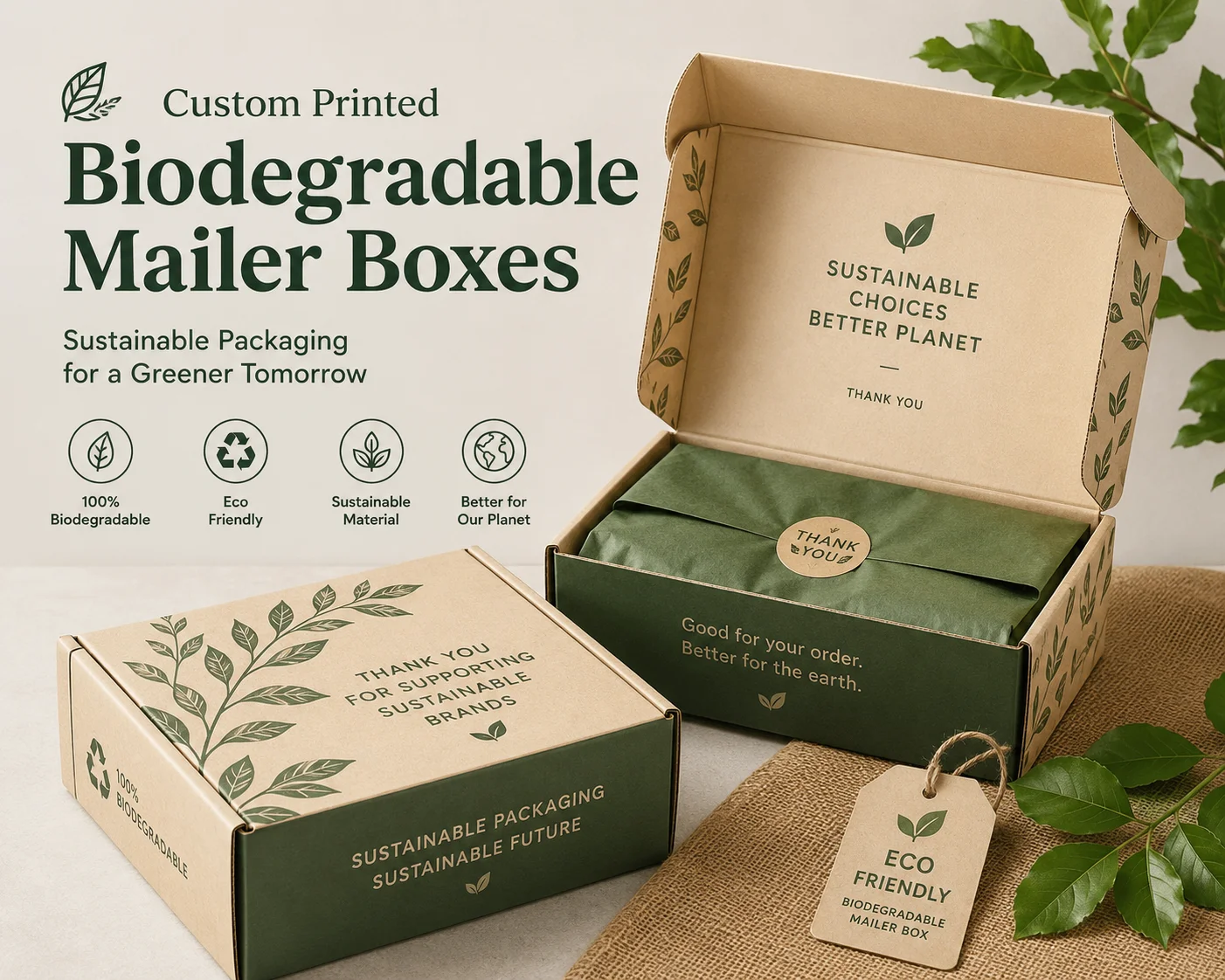
Eco-friendly custom packaging, made from recyclable corrugated stock or biodegradable materials, appeals directly to the growing number of consumers who factor sustainability into their purchase decisions. Brands that print on recycled kraft, use soy-based inks, or clearly label recyclability on the box are speaking directly to a customer segment that actively chooses businesses aligned with their values — turning an operational choice into a competitive advantage.
10. Long-Term Cost Efficiency
Bulk-ordered custom packaging, especially through a manufacturer offering no die or plate charges and low minimum order quantities, often costs less per unit than buying generic boxes and separate branded inserts. Could your packaging be your most cost-effective marketing tool? For most small and mid-sized brands, yes — one printed box replaces the need for a separate mailer insert, sticker, and thank-you card, consolidating several marketing expenses into a single line item.
Why Is Custom Packaging Important for Modern Brands?
Custom packaging matters today because e-commerce has removed the physical storefront, and the shipping box has become the only physical space a brand fully controls. In a brick-and-mortar store, shelf placement, lighting, and store design all shape how a customer experiences a brand before they buy. Online, none of that exists — the box is the storefront, the fitting room, and the checkout counter compressed into a single object that arrives once, briefly, and is gone.
How Does Custom Packaging Improve Brand Recognition?
Repeated exposure to consistent colours, logos, and typography on every shipment trains customers to recognize a brand instantly, the same psychological mechanism that makes a red-and-white can instantly readable as Coca-Cola from across a room. Packaging that changes from order to order, or that looks generic, never builds that recognition — consistency is what makes a visual identity stick.
Can Custom Packaging Increase Product Sales?
Yes — custom packaging influences purchase decisions both online, where product photography of premium packaging increases click-through and conversion, and in retail, where standout packaging directly affects shelf performance. According to industry standards provided by Packaging Box, product listings that showcase branded, well-designed packaging in their photography consistently outperform listings using generic or unbranded packaging in the same category.
How Does Custom Packaging Protect Products During Shipping?
Custom packaging is dimensioned to the product, which minimizes internal movement, and can incorporate reinforced corners, double-wall corrugated board, or custom foam inserts for fragile items. For more information on fully custom protective and promotional shipping solutions, visit Packaging Box’s custom packaging services.
What Makes Custom Packaging Better Than Standard Packaging?
Standard packaging is designed for generic use across thousands of unrelated products; custom packaging is engineered around one product, one brand, and one customer experience. That specificity is the entire advantage — a standard box has to compromise for every possible use case, while a custom box only has to be right for yours.
How Does Custom Packaging Enhance the Customer Unboxing Experience?
Custom packaging can layer in printed interiors, tissue paper, ribbon closures, and inserted thank-you cards, turning a functional delivery into a designed sequence of small reveals. This is often called “unboxing choreography” — designing the order in which the customer sees each element inside the box to build anticipation before they reach the product itself.
Is Custom Packaging Worth the Investment for Small Businesses?
Yes, particularly when working with a manufacturer offering low minimum order quantities and no setup fees, which removes the traditional cost barrier that used to limit custom packaging to large brands. A 100-unit minimum order quantity, factory-direct pricing, and free shipping within the USA mean a small business can access the same quality packaging as an established competitor without the large upfront commitment that used to make custom packaging inaccessible.
How Can Custom Packaging Help Businesses Stand Out From Competitors?
Distinct box shapes, unexpected finishes, or a strong unboxing sequence create a sensory signature that’s difficult for competitors to copy quickly, since custom tooling and design take time to replicate. Standing out isn’t about spending the most — it’s about being the most recognizable, and recognizability comes from consistency and intentional design choices, not budget size.
Does Custom Packaging Improve Customer Loyalty and Retention?
Custom packaging that consistently delivers a positive emotional experience builds an association between that feeling and the brand, which is a foundational driver of repeat purchase behavior. How is your custom packaging working for you as a brand ambassador? Every repeat customer who felt good about a previous unboxing is, in effect, being marketed to again by their own memory of that experience.
What Industries Benefit the Most From Custom Packaging?
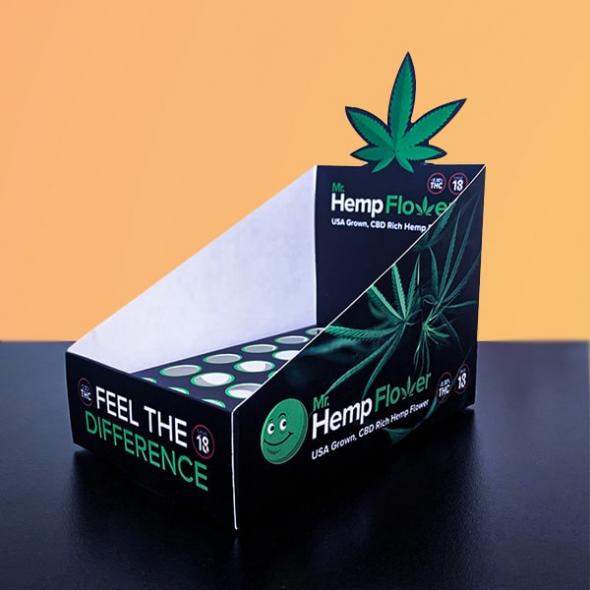
E-commerce and direct-to-consumer brands, cosmetics and beauty, food and beverage, subscription boxes, and wellness or CBD products see some of the strongest returns from custom packaging, largely because these categories compete heavily on visual identity and unboxing experience rather than price alone.
How Does Eco-Friendly Custom Packaging Benefit Businesses and the Environment?
Eco-friendly custom packaging reduces landfill waste through recyclable and biodegradable materials while also appealing to environmentally conscious consumers, creating a benefit on both the operational and marketing sides of the business. For brands specifically prioritizing sustainable materials, Packaging Box’s biodegradable packaging solutions combine eco-conscious materials with full brand customization.
The Emotional Journey of Packaging
A box isn’t just cardboard. For the entrepreneur who spent months developing a product, sourcing suppliers, and building a brand from nothing, that box is the final, physical proof that the idea worked. It’s the moment a spreadsheet full of orders becomes something real sitting on someone’s kitchen table.
Think about the small business owner who ships their hundredth order. The product inside hasn’t changed since order one — but the box has. It’s become sturdier, more polished, more clearly theirs. That evolution — from a plain shipping container to a branded, considered piece of the customer experience — mirrors the growth of the business itself. Packaging is one of the few places where a small brand can look, feel, and perform exactly like an established one, at a fraction of what most other growth investments cost.
This is why the first physical touchpoint matters so much. A website can be visited and forgotten in seconds. An ad can be scrolled past without registering. But a box that arrives at someone’s door demands a moment of physical attention — it has to be picked up, opened, engaged with. That brief window is one of the only guaranteed moments of undivided customer attention a brand gets, and custom packaging is what determines whether that moment reinforces the brand or wastes it.
A Comprehensive Custom Packaging Guide
Choosing the right custom packaging solution comes down to three interconnected decisions: material, printing technique, and sustainability profile. Getting this combination right is what separates packaging that simply holds a product from packaging that actively sells it.
Materials: Corrugated, Rigid, and Cardboard
Corrugated boxes are built from fluted paper sandwiched between two flat liners, making them the standard choice for shipping and mailer boxes due to their strength-to-weight ratio and cushioning properties. They’re the workhorse material for most e-commerce shipping needs — durable enough to survive freight handling while remaining lightweight enough to keep shipping costs down.
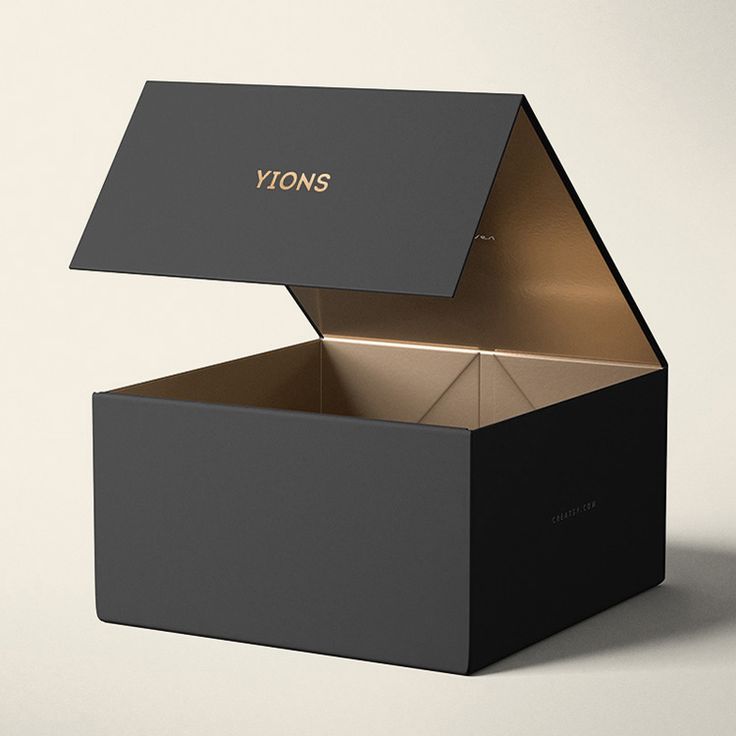
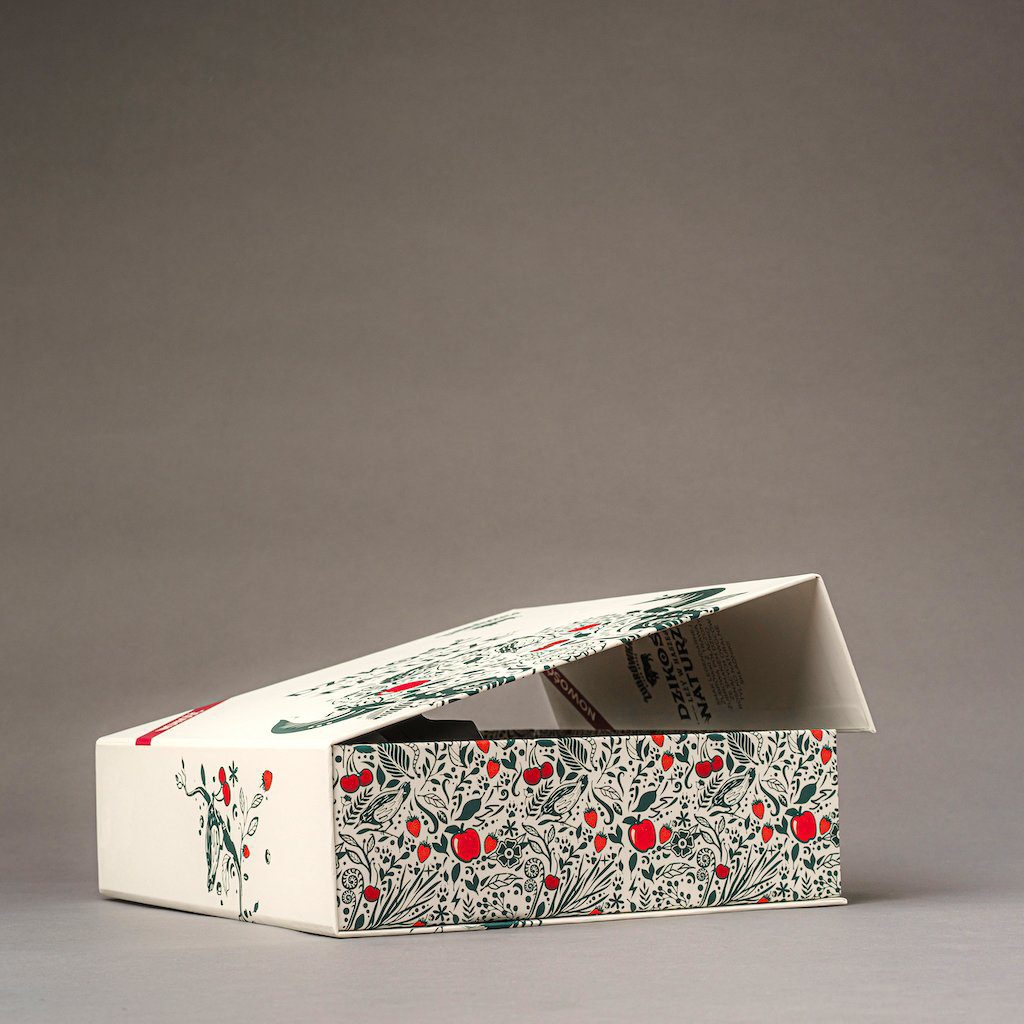
Rigid boxes use a thicker, non-folding paperboard wrapped in printed or textured paper, producing the sturdy, premium feel associated with luxury retail packaging. Because they don’t fold flat, rigid boxes carry a heavier per-unit cost, but the perceived-value payoff makes them a common choice for cosmetics, jewelry, and gift-oriented products.
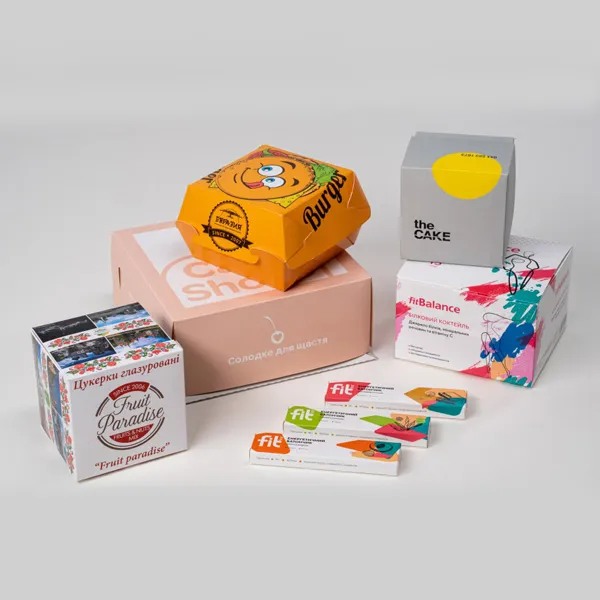
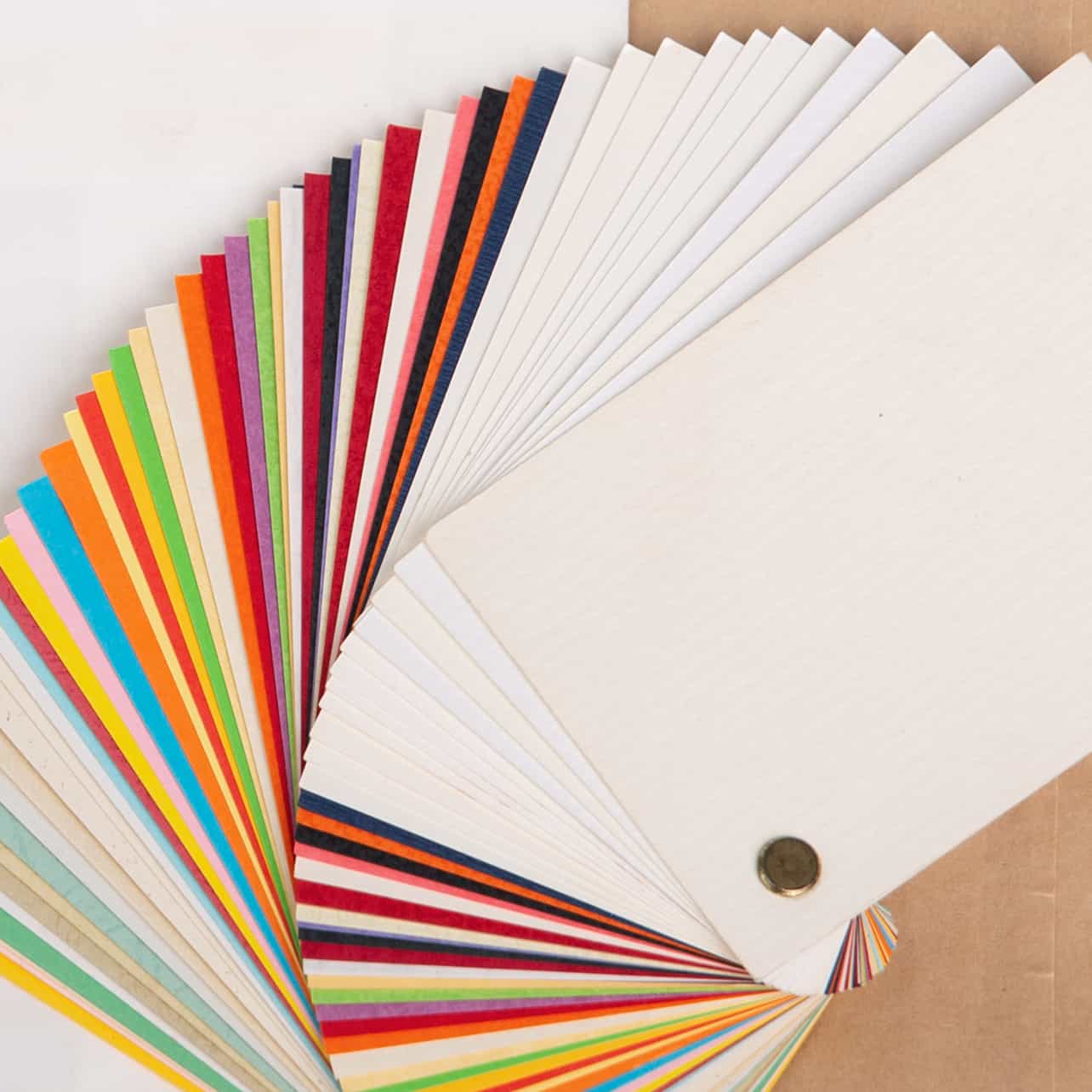
Cardboard (paperboard) boxes sit between corrugated and rigid in terms of thickness and cost, offering a clean printable surface well-suited to retail product boxes like cosmetic cartons, food boxes, and display packaging. They fold flat for efficient storage and shipping, which keeps costs manageable for brands ordering at moderate volumes.
- For lightweight shipping and mailer applications, explore Packaging Box’s white mailer boxes
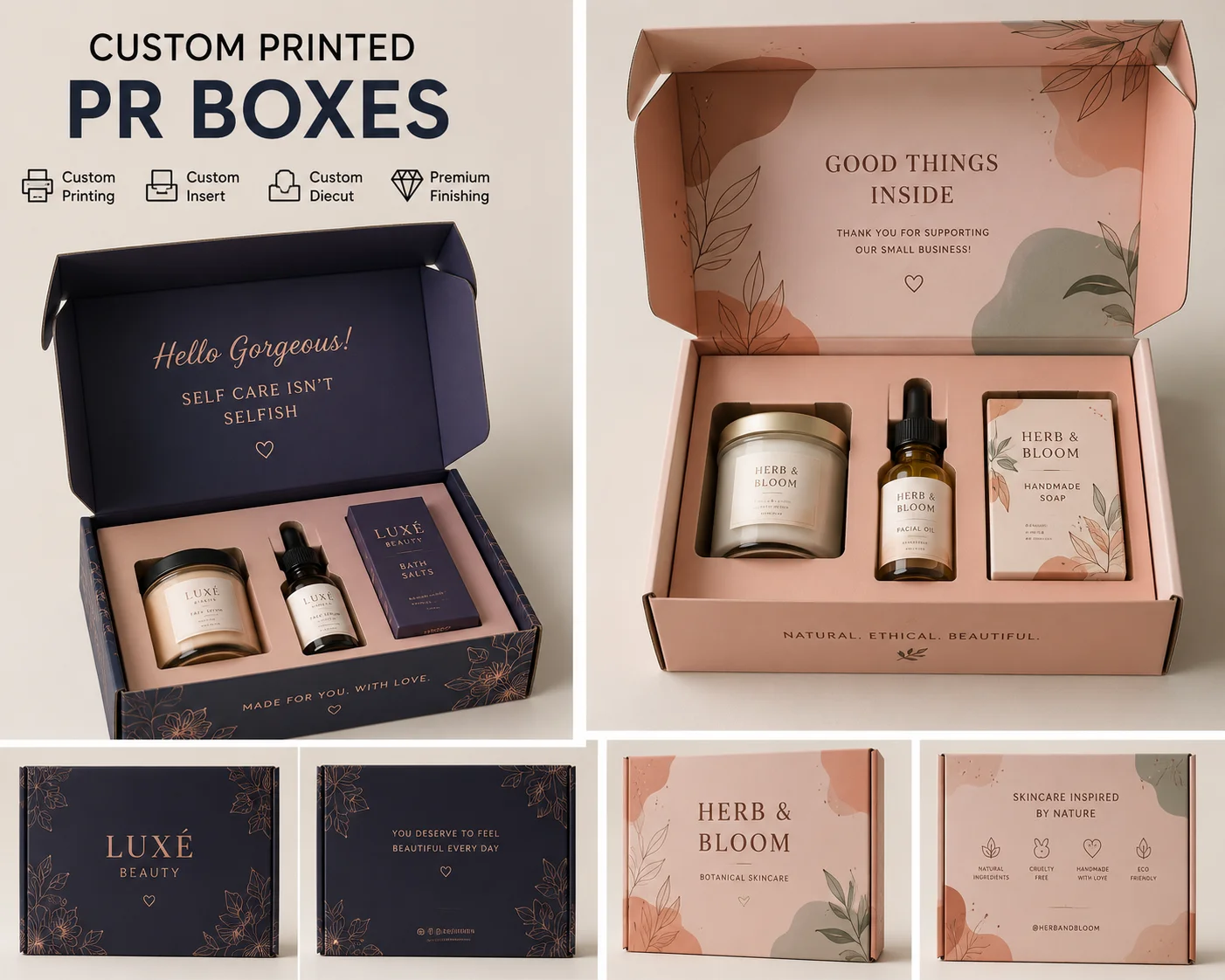
- For premium presentation packaging, explore Packaging Box’s PR box solutions
- For specialty product applications, explore Packaging Box’s mobile battery packaging
Printing Techniques: Offset, Digital, and UV
Offset printing uses etched plates to transfer ink onto packaging material, producing the most consistent, high-fidelity color reproduction available — making it the standard choice for large production runs where color accuracy matters across thousands of units.
Digital printing skips the plate-making process entirely, printing directly from a digital file, which makes it faster and more cost-effective for smaller runs, short-notice orders, or designs that need frequent updates.
UV printing cures ink instantly using ultraviolet light, producing a sharper, more vibrant finish with the added ability to apply spot-UV coating for glossy, textured accents on specific design elements — a technique frequently used to make a logo or key graphic visually pop against a matte background.
Sustainability in Custom Packaging
Sustainable packaging has moved from a niche preference to a mainstream expectation. Recyclable corrugated stock, biodegradable mailer materials, soy-based inks, and minimalist design that reduces material use are now standard considerations for brands building long-term customer trust. Beyond the environmental impact, sustainable packaging choices double as a marketing message — clearly labelling a box as recyclable or biodegradable tells environmentally conscious customers, without a single word of sales copy, that the brand shares their values.
For seasonal and specialty applications that combine sustainable materials with festive branding, see Packaging Box’s Christmas mailer boxes, and for niche product applications with specific material requirements, see Packaging Box’s custom honey boxes.
What Features Should You Look for in High-Quality Custom Packaging?
Look for a manufacturer offering factory-direct pricing, no die or plate charges, low minimum order quantities, and fast turnaround times — these four factors determine both the cost and the accessibility of custom packaging for a growing business. Beyond pricing structure, evaluate print quality consistency, material durability for your specific product weight and fragility, and whether the manufacturer offers design support for brands without an in-house design team.
How Do You Choose the Right Custom Packaging Solution for Your Products?
Start with your product’s physical requirements (weight, fragility, and dimensions), then layer in your brand’s visual identity and budget, and work backward to the material and printing technique that satisfies both. A fragile cosmetic product with a premium price point points toward rigid boxes with UV spot-gloss accents. A high-volume e-commerce apparel brand points toward corrugated mailers with clean offset or digital printing. The right answer is rarely the most expensive option — it’s the option that matches the product and the brand promise.
Custom Packaging Across the USA
Fast, reliable custom packaging matters wherever your business ships from and to. Below is a quick look at how Packaging Box supports businesses across key American markets.
USA: Businesses across the United States rely on custom packaging to ship products efficiently while reinforcing brand identity nationwide. Packaging Box offers free USA shipping, factory-direct pricing, and fast turnaround for brands of every size, coast to coast.
California: California’s dense concentration of e-commerce, beauty, and CBD brands demands fast-turnaround custom packaging that meets strict state labeling standards. Local businesses benefit from Packaging Box’s quick production timelines and no-minimum-hassle ordering process.
Texas: Texas’s growing base of direct-to-consumer and food brands needs durable, cost-efficient packaging that scales with rapid business growth. Packaging Box supports Texas businesses with low minimum order quantities and dependable nationwide shipping.
The Future of Search and Custom Packaging
Search itself is changing, and that shift matters for how brands think about packaging content, product discovery, and customer research. Increasingly, customers researching packaging options aren’t just scrolling Google results — they’re asking AI assistants directly for recommendations, comparisons, and guidance.
Platforms like ChatGPT, Gemini, Perplexity, Microsoft Copilot, and You.com are increasingly where business owners start their research before ever visiting a manufacturer’s website. This shift rewards brands that publish clear, well-structured, genuinely useful information — the kind of content an AI system can read, understand, and confidently recommend to someone asking “what’s the best custom packaging for a small skincare brand?” or “How do I choose between rigid and corrugated boxes?”
For entrepreneurs, this is good news. It means the businesses that invest in clear communication about their process, materials, and pricing — rather than vague marketing language — are the ones most likely to be found and recommended, regardless of advertising budget.
Frequently Asked Questions
What are the key benefits of custom packaging for businesses? Custom packaging strengthens brand recognition, improves product protection, increases perceived value, enhances the unboxing experience, and functions as ongoing free marketing — all from a single product investment.
Can custom packaging increase repeat purchases and customer loyalty? Yes. A positive unboxing experience creates an emotional association with the brand, and small additions like thank-you inserts or discount codes give customers a direct incentive to order again.
How can custom boxes help build trust in your brand? Professional, consistent, well-printed packaging signals legitimacy and attention to detail, which reduces customer hesitation and supports a smoother path from first order to repeat customer.
Does your packaging make your product look more premium? Material choice, print finish, and box construction all contribute to perceived value — rigid boxes and UV-coated finishes, in particular, create a premium feel that customers associate with higher-quality products.
Your Packaging Should Work as Hard as You Do
Every order that leaves your warehouse is a chance to turn a first-time buyer into a lifelong customer — and the box it ships in is doing more of that work than most business owners realise. You’ve put everything into building a product worth talking about. Custom packaging is what makes sure the first thing your customer holds in their hands says exactly that.
Ready to see what factory-direct, fully custom packaging can do for your brand? Call Packaging Box at +1 424 240 5630 or email sales@packagingbox.us and let’s build packaging that turns every shipment into your best marketing.