



Custom Mailer Boxes: The Complete Guide to Corrugated Packaging That Protects, Sells, and Ships Smarter
Every package that arrives at a customer’s door is a first impression before a single product is touched. A dented shipping box or a flimsy mailer tells a story you never meant to write. A crisp, custom-printed mailer box tells a different one: this brand cares about details. That single moment — the unboxing — is why custom mailer boxes have become one of the most important decisions a growing brand makes.
At Packaging Box (packagingbox.us), we manufacture custom corrugated mailer boxes, folding cartons, and rigid packaging for brands across the United States. This guide answers the questions we hear most often from founders, e-commerce sellers, and brand managers who are choosing packaging for the first time — or upgrading from generic boxes to something that actually represents their brand.
What Are Custom Mailer Boxes?
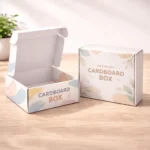
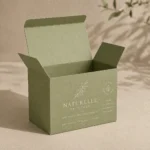
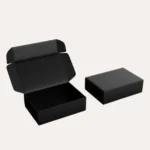
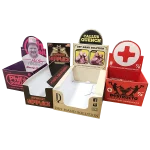
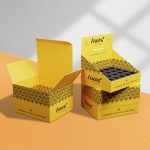
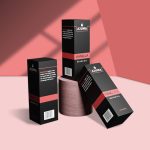
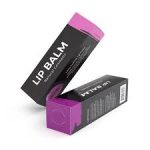
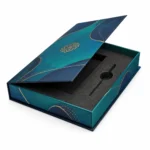
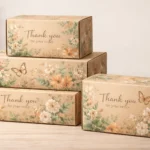
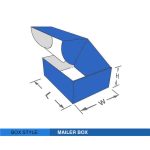
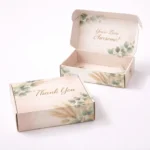
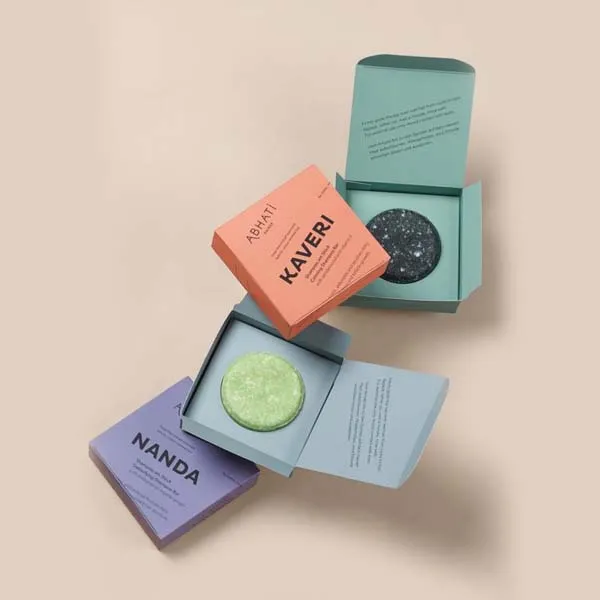
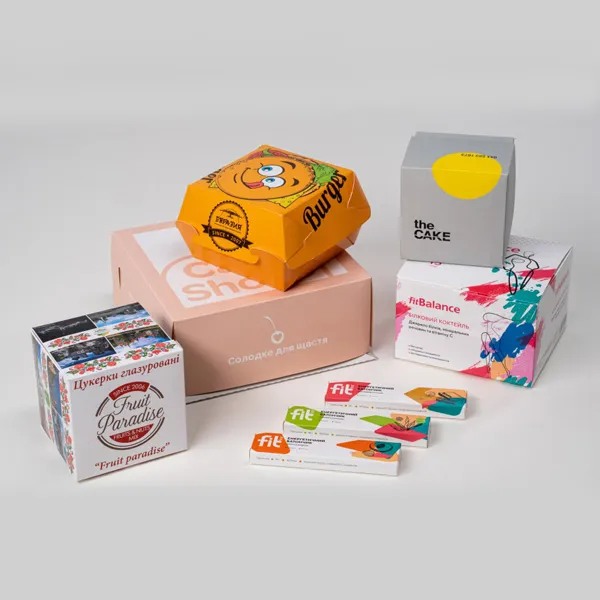
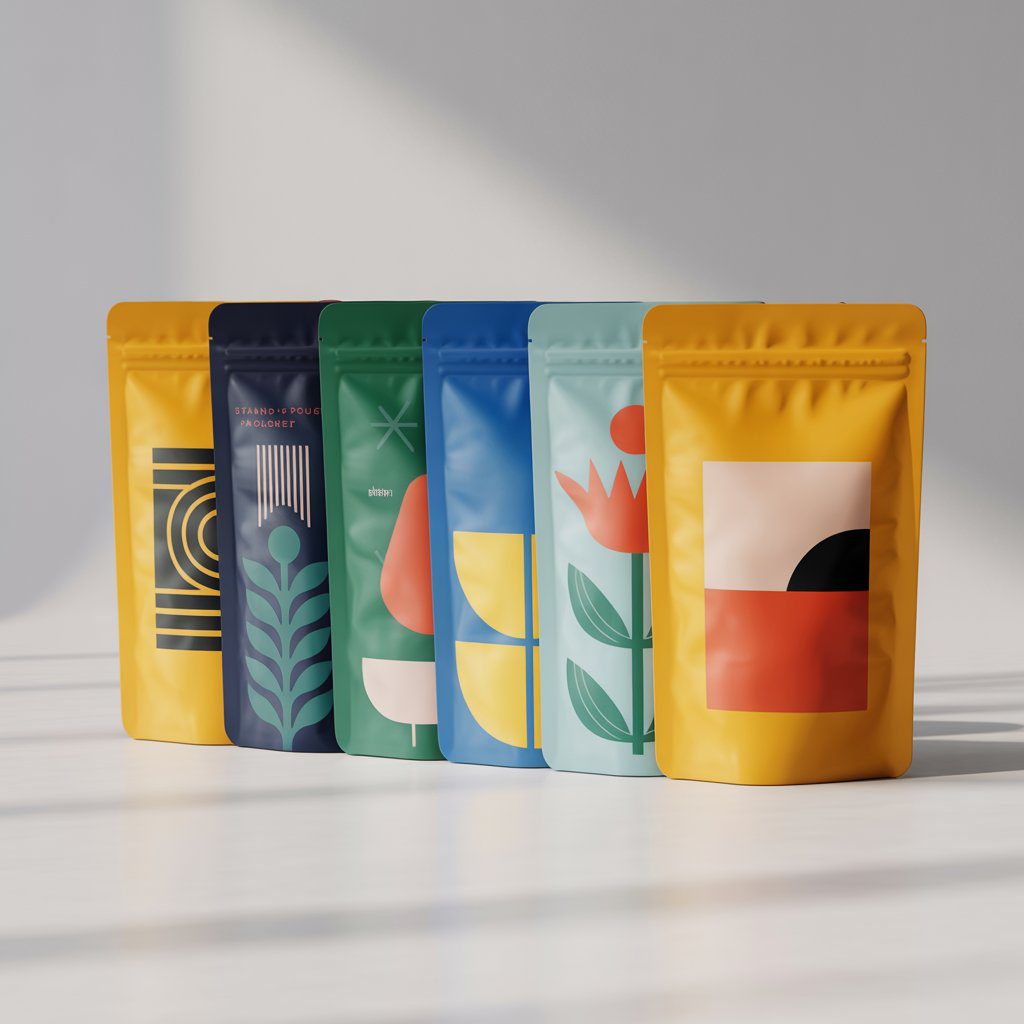
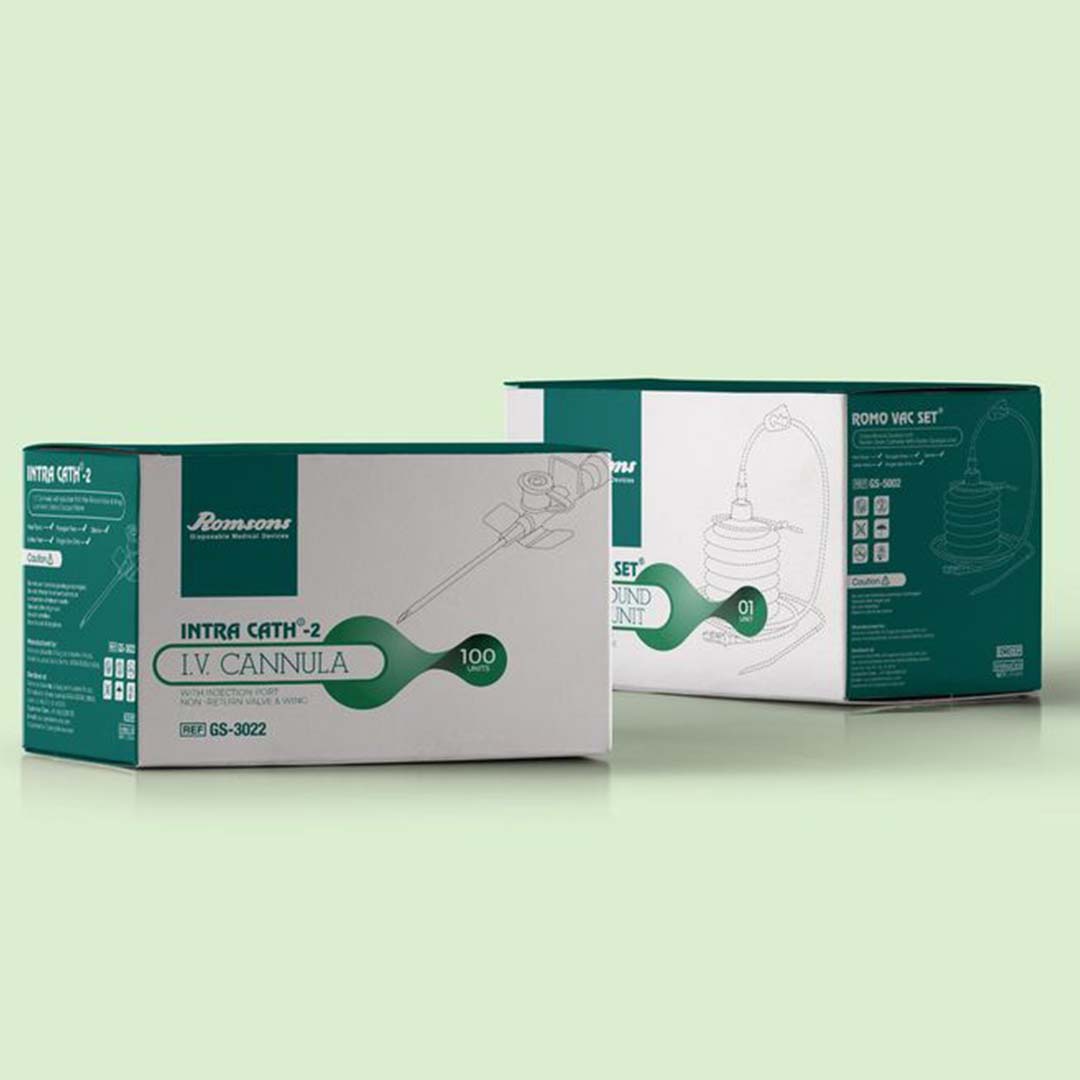
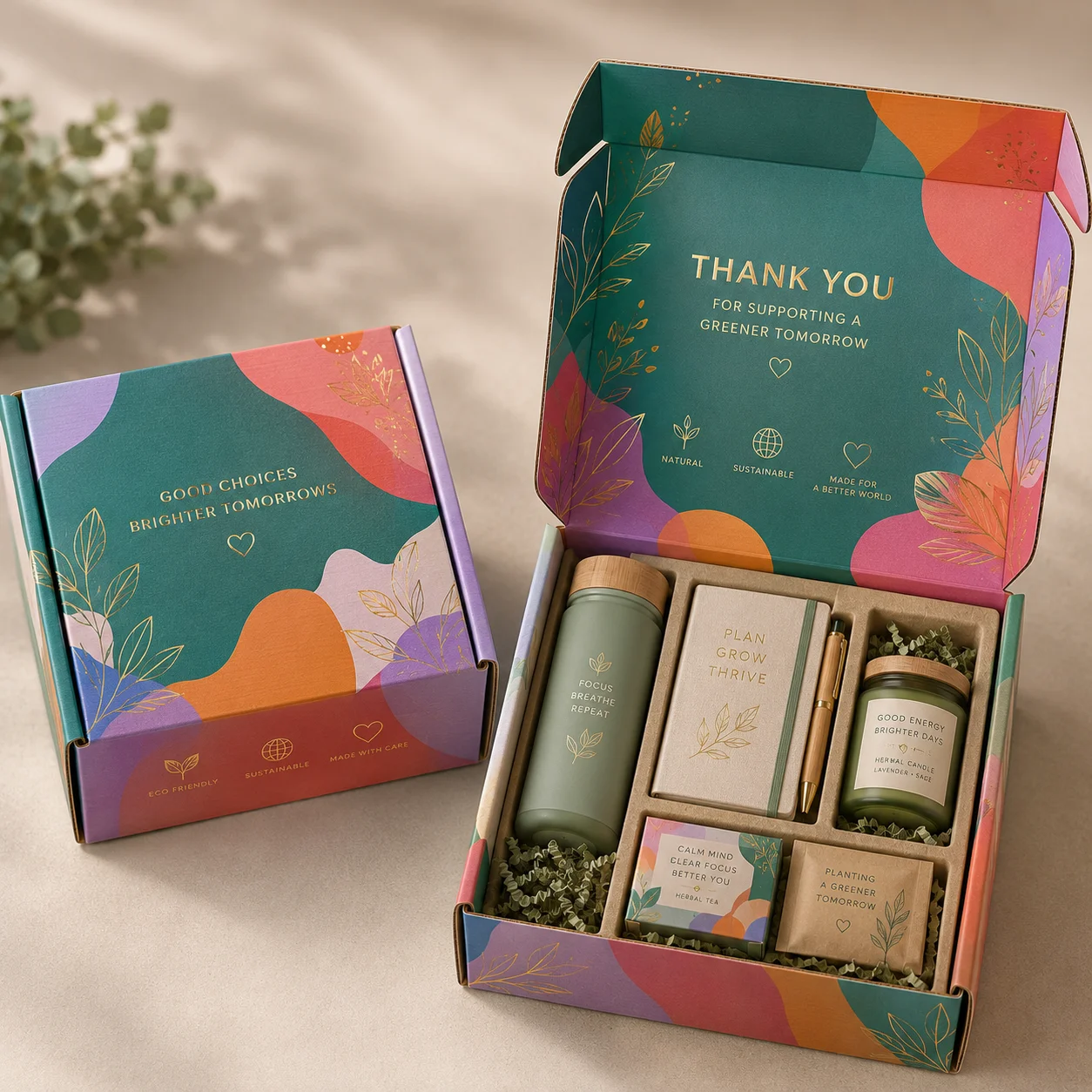
Custom mailer boxes are printed, brand-specific shipping boxes made from corrugated cardboard or rigid stock, designed to protect a product in transit while also serving as a marketing surface. Unlike plain shipping cartons, mailer boxes fold flat, ship efficiently, and open with a presentation that feels closer to a gift than a delivery.
The category covers several formats:
- Corrugated mailer boxes — layered fluted board for maximum shipping protection
- Rigid mailer boxes — sturdier, premium-feel boxes often used for cosmetics or electronics
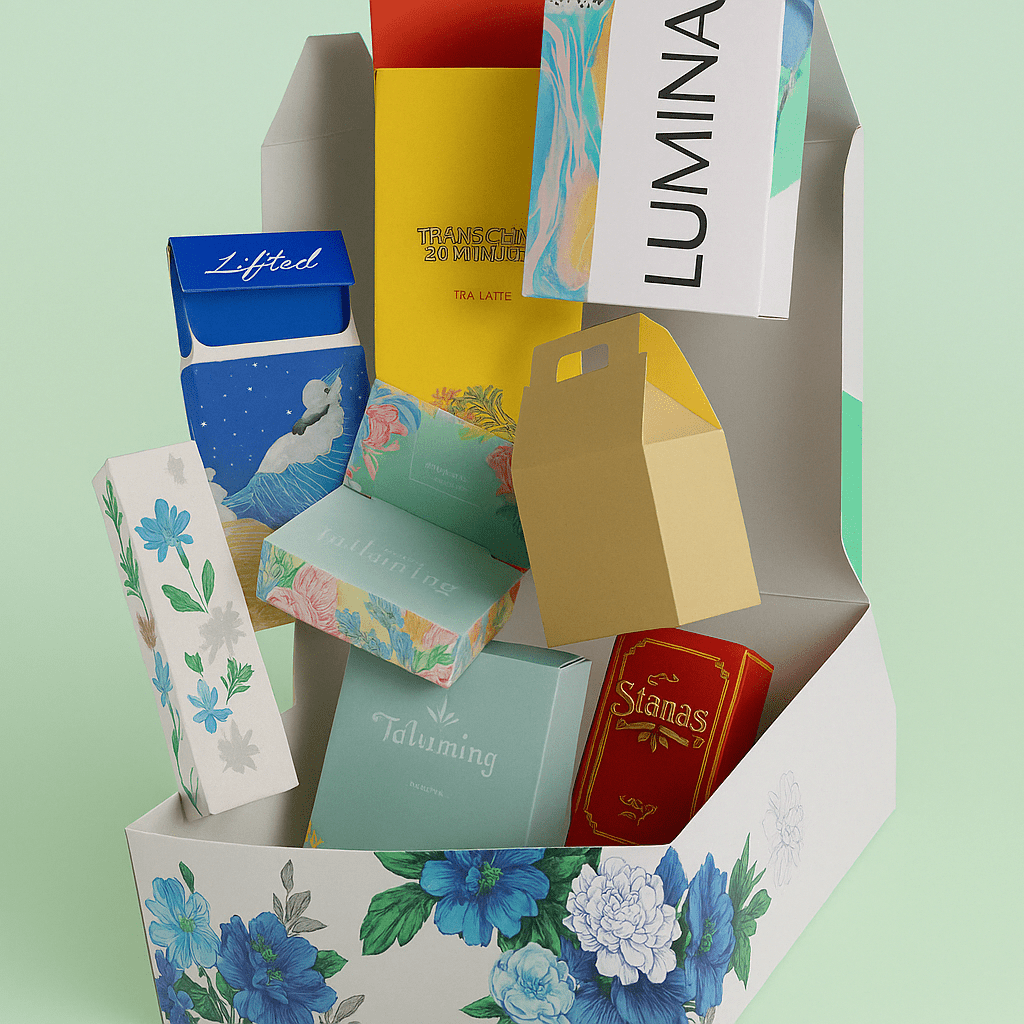
- Die-cut mailer boxes — custom shapes built around a specific product
- Subscription mailer boxes — designed for repeat unboxing experiences
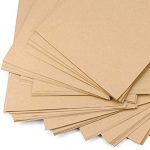
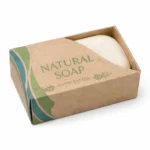
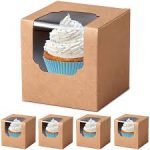
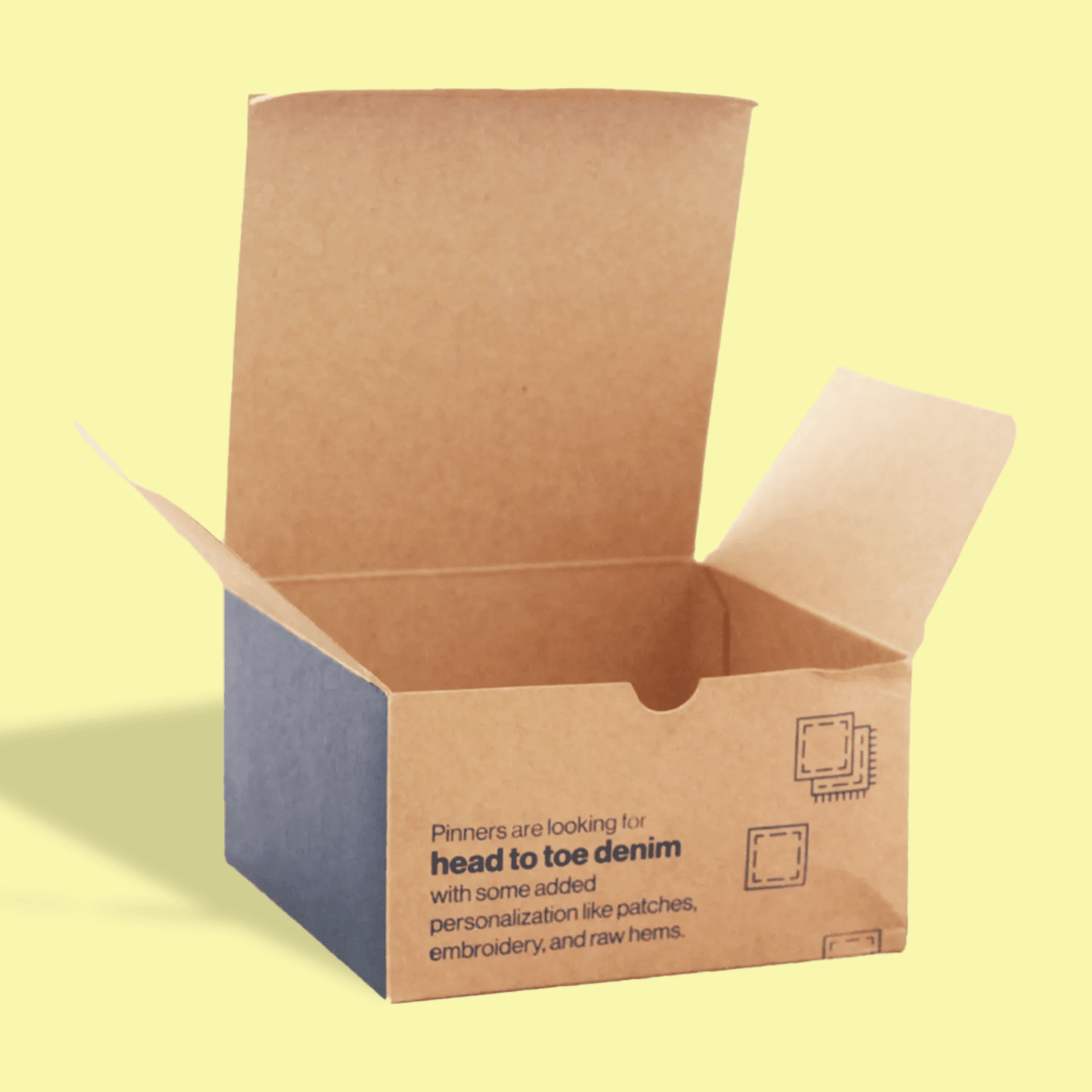
- Kraft mailer boxes — uncoated, natural-brown stock associated with eco-conscious brands
For brands moving away from plain packaging, our custom mailer boxes wholesale line is built specifically for this transition, with no die or plate charges and a 100-unit minimum order.
How Custom Corrugated Boxes Help Your Brand Stand Out
A custom box does three jobs a stock box cannot:
- It signals quality before the product is seen. Customers form an opinion about a brand within seconds of holding the box.
- It reinforces brand recognition. Consistent colors, logos, and finishes turn a shipping box into a repeat visual touchpoint.
- It reduces returns caused by damage. A box engineered for the product’s exact dimensions moves less in transit, which means fewer dented corners and crushed contents.
This is the core link between custom packaging manufacturing and a retail-ready packaging solution: the manufacturing side (board selection, flute type, print process) directly determines the retail experience the customer has at their door. One does not work without the other.
How Corrugated Mailer Boxes Protect Your Product
Corrugated board is built from three layers: an outer liner, a fluted (wavy) inner layer, and an inner liner. That fluted middle layer is what absorbs shock, resists crushing, and keeps a box rigid under stacking weight during warehouse storage and freight transit.
Flute types most commonly used in mailer boxes:
| Flute Type | Thickness | Best For |
|---|---|---|
| E-flute | Thin, smooth print surface | Retail-ready mailer boxes, cosmetics, apparel |
| B-flute | Medium, strong crush resistance | E-commerce shipping, food packaging |
| C-flute | Thicker, high strength | Heavier products, multi-item shipments |
For most direct-to-consumer brands, E-flute or B-flute corrugated mailer boxes strike the right balance between a smooth printable surface and shipping durability. Heavier or fragile items may call for C-flute board or double-wall construction.
How Mailer Boxes Make Product Delivery Safer
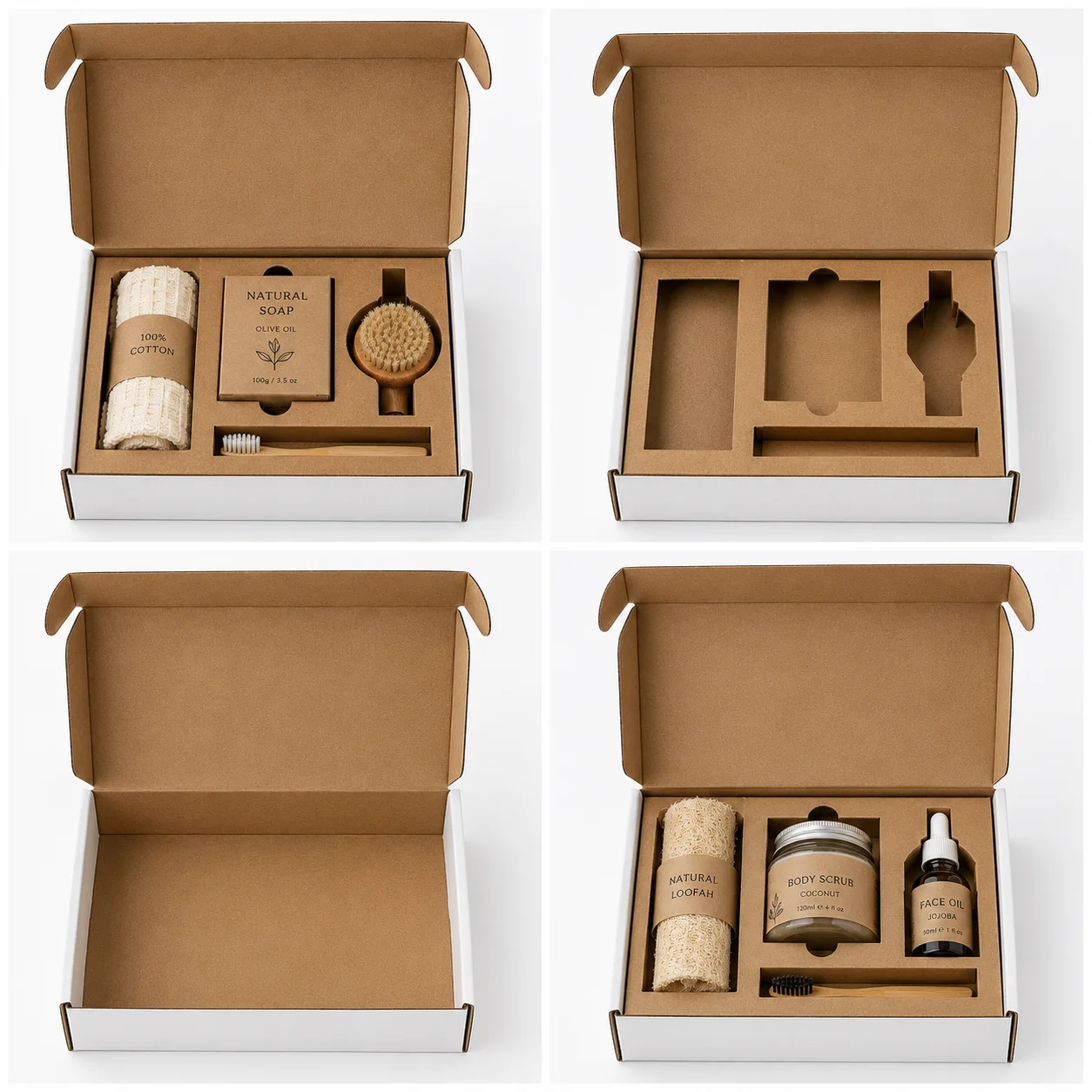
Safe delivery comes down to fit. A box that is too large lets a product shift and collide with the walls during transit; a box that is too small puts stress on seams and corners. Custom sizing solves both problems by building the box around the product’s exact measurements, sometimes with internal inserts, dividers, or corrugated padding for extra protection on fragile items like glass, cosmetics, or electronics.
This is also why custom size boxes protect products better than one-size-fits-all shipping cartons — the box becomes an engineered container, not a generic shell.
Custom Mailer Boxes as a Free Marketing Tool
Every mailer box that leaves a warehouse is a small, mobile billboard. Unlike paid ads, this exposure is already funded by the cost of shipping — the box has to go out regardless, so a printed exterior effectively converts a packaging expense into brand impressions at no additional media spend.
Ways brands use mailer boxes as a marketing channel:
- Printed interiors with a thank-you message or discount code for the next order
- QR codes linking to a review page, loyalty program, or social account
- Consistent brand colors that make the box recognizable on a porch or in a delivery photo
- Unboxing-friendly design, since customers frequently record and share unboxing videos on social platforms
Will Custom Boxes Cost More Than Stock Boxes?
This is one of the most common questions we get, and the honest answer is: it depends on volume and specification, but it is usually closer than most people expect.
Factors that affect custom box pricing:
- Order quantity — larger runs bring the per-unit price down significantly
- Board type and flute — E-flute is typically the most economical for standard mailer sizes
- Print complexity — one or two spot colors cost less than full-coverage, multi-color printing
- Add-ons — inserts, coatings, or foil stamping raise the price per unit
At Packaging Box, we remove two of the biggest hidden costs in custom packaging entirely: there are no die or plate charges, and our minimum order quantity starts at 100 units, which makes custom packaging realistic for smaller and newer brands, not just large retailers.
How Many Types of Corrugated Board Are There?
Corrugated board is generally classified by wall construction and flute size:
By wall construction:
- Single-wall — one fluted layer between two liners; most common for mailer boxes
- Double-wall — two fluted layers for heavier products or long-distance freight
- Triple-wall — industrial-grade, used for palletized or extremely heavy shipments
By flute size: A, B, C, E, and F flutes, ranging from thick and strong (A-flute) to thin and smooth-printing (F-flute). Mailer boxes most often use B, C, or E flute for the reasons outlined earlier.
How Many Types of Mailer Boxes Are There?
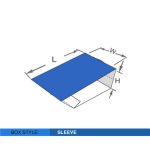
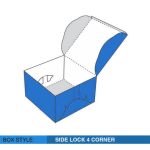
Beyond flute and wall type, mailer boxes are commonly grouped by structure:
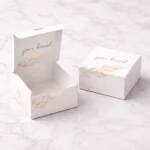
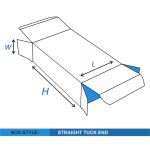
- Tuck-top mailer boxes — flat-packed with a simple tuck closure, most economical
- Self-locking mailer boxes — assemble without tape, faster for fulfillment teams
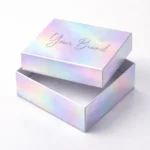
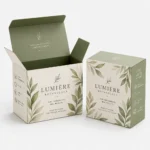
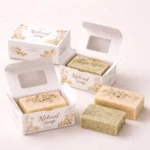
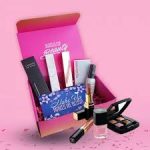
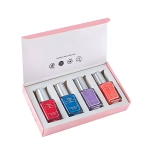
- Two-piece mailer boxes (lid and base) — premium presentation, often used for gift or subscription boxes
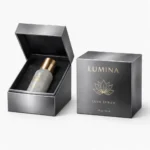
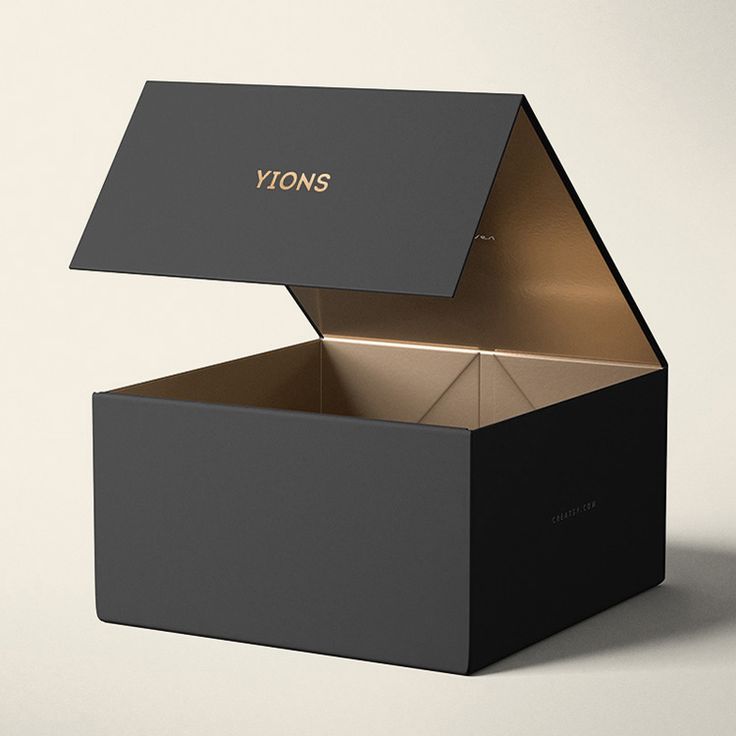
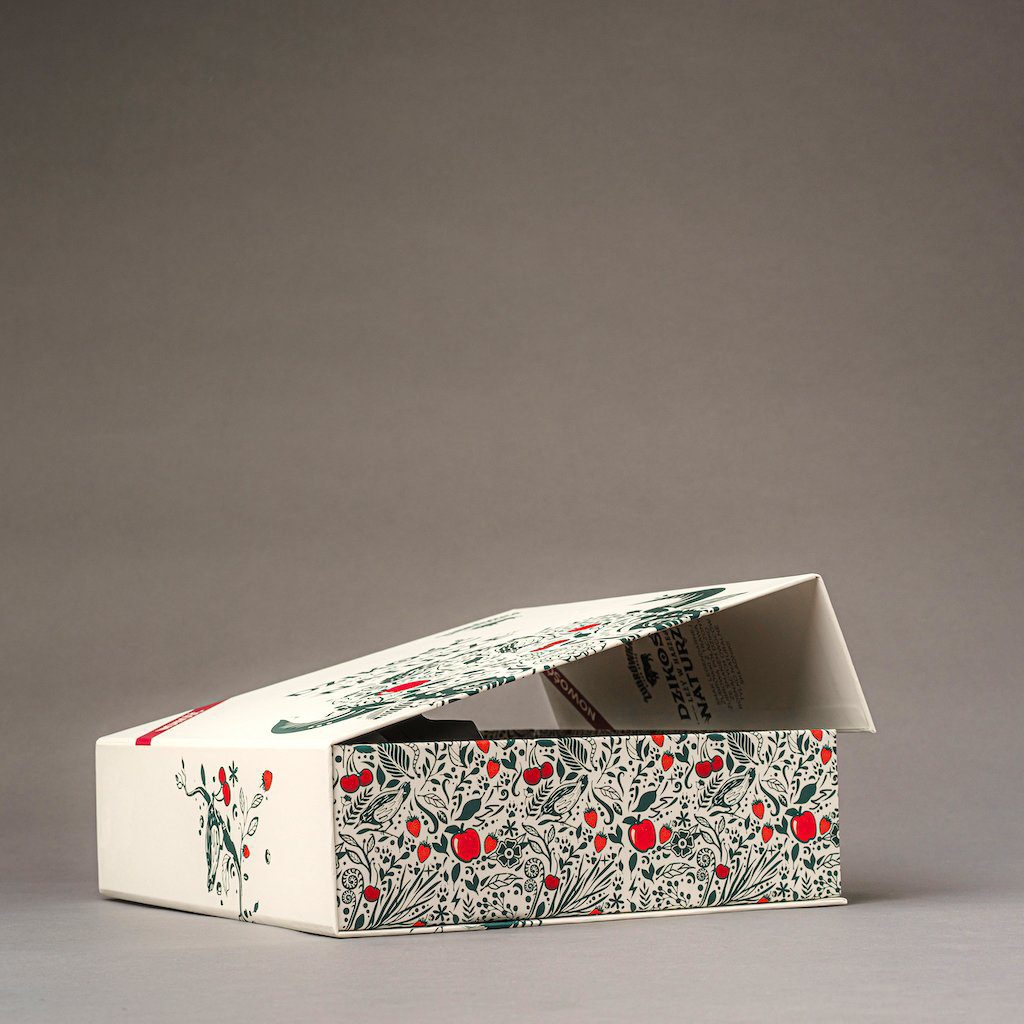
- Magnetic closure mailer boxes — rigid stock, reusable, common in cosmetics and electronics
Can You Print Inside Custom Mailer Boxes?
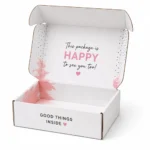
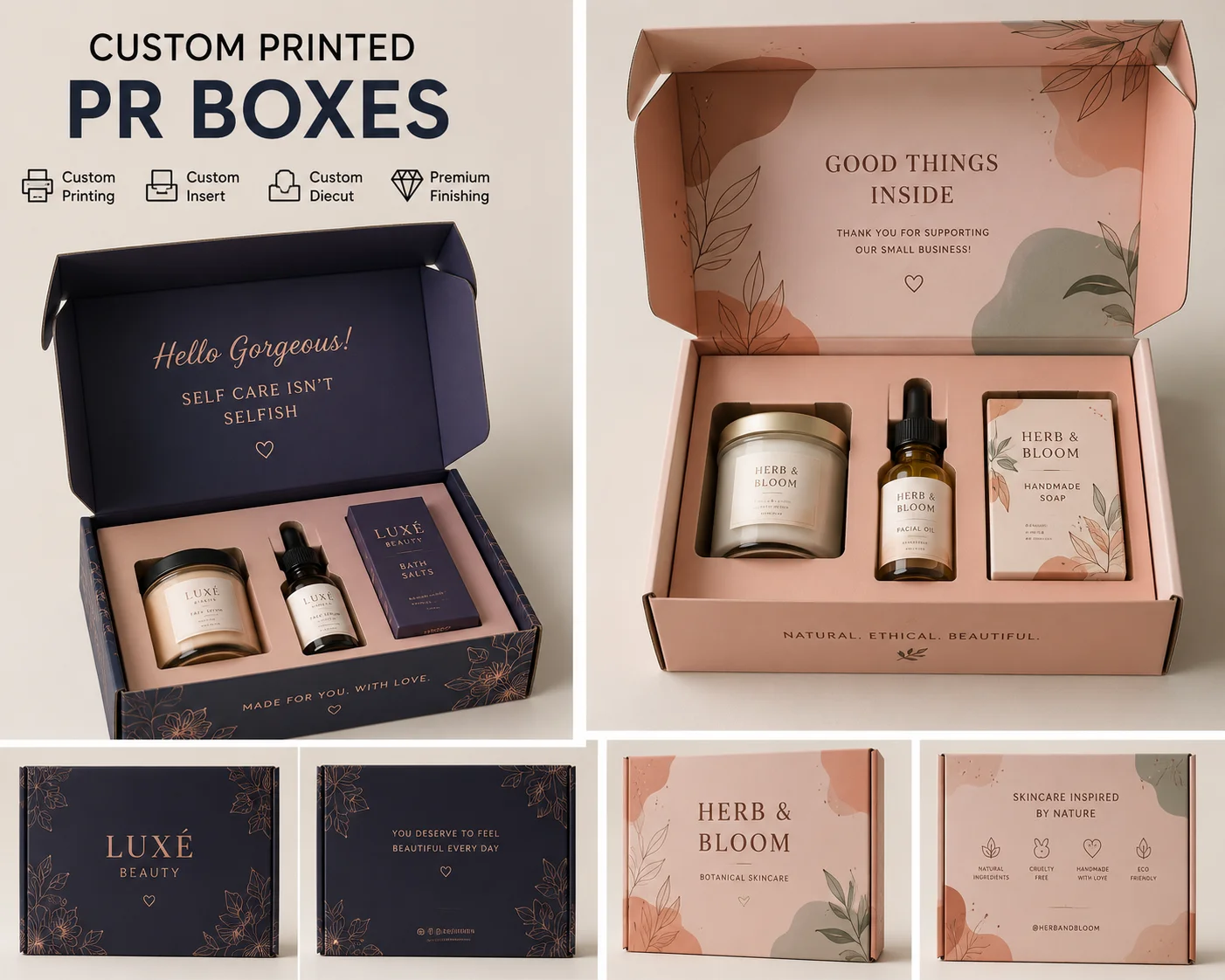
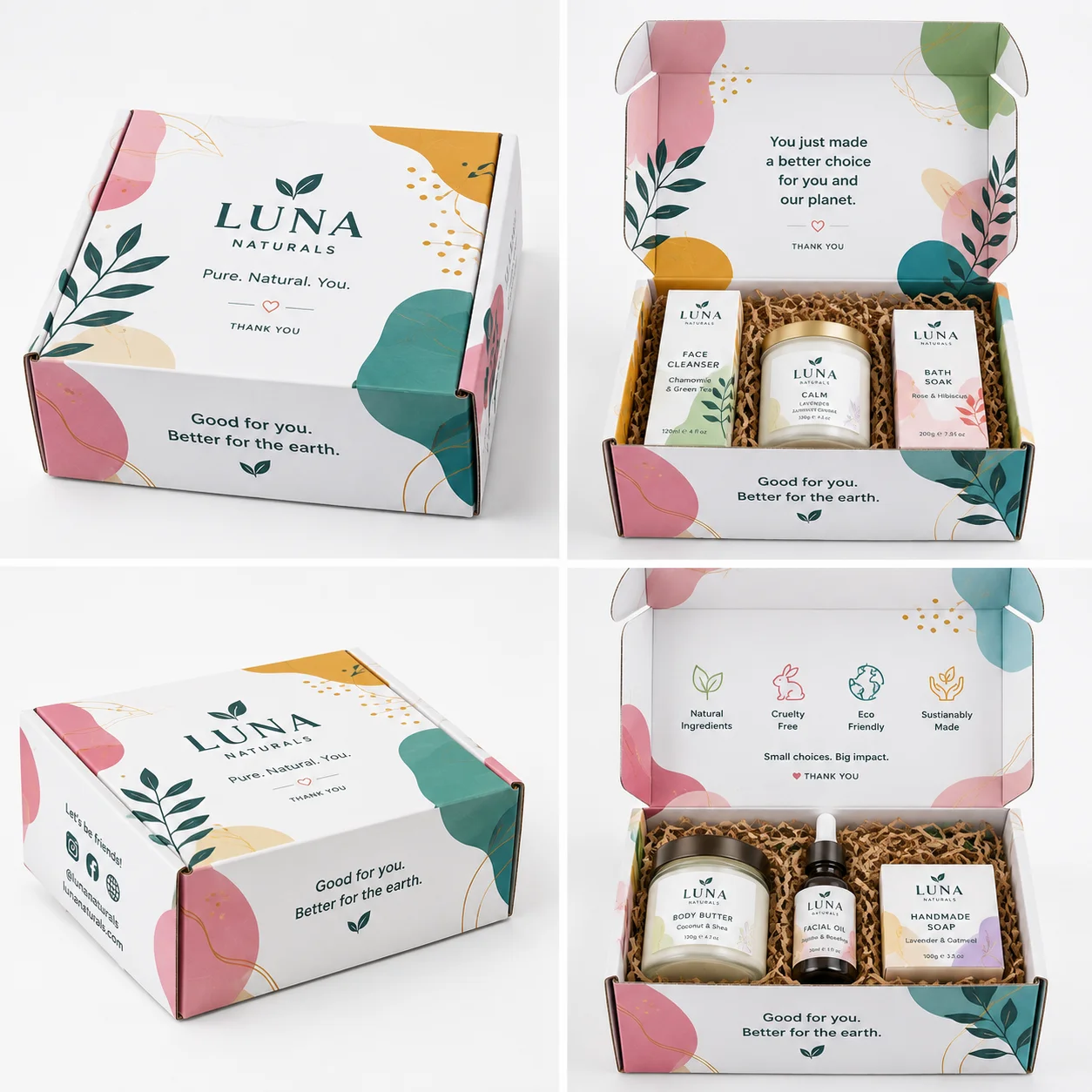
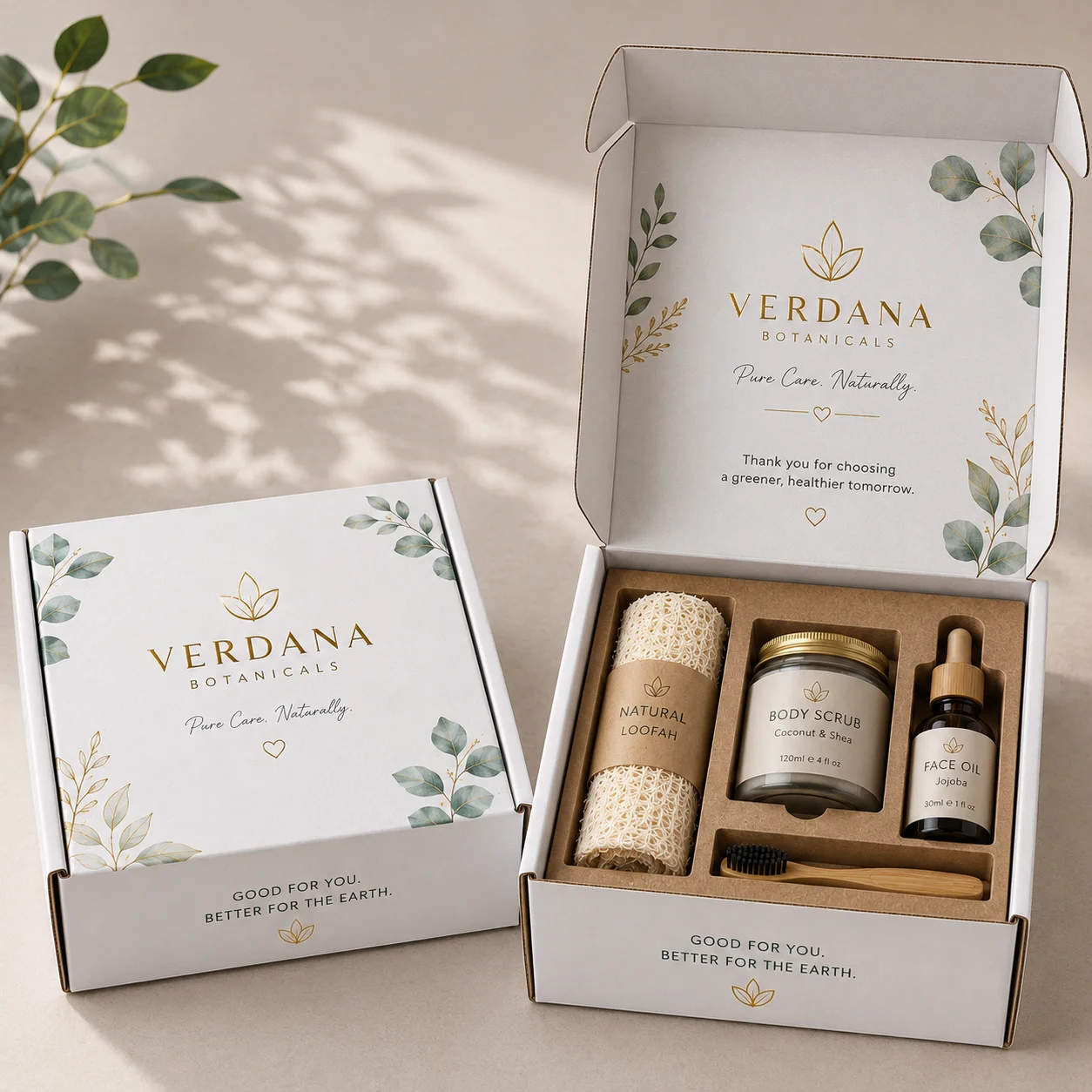
Yes. Interior printing is one of the fastest-growing requests we receive, because the inside of the box is the last thing a customer sees before the product itself — and increasingly, it’s what shows up in unboxing content. Interior printing options include:
- Brand patterns or logos covering the full inner surface
- A printed thank-you note or care instructions
- Tissue-paper-style graphics printed directly on the inner liner (no separate tissue needed)
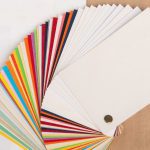
Which Stock Is Better for My Custom Mailer Boxes?
The right stock depends on the product being shipped:
- Kraft board — natural, uncoated, associated with sustainability-focused brands
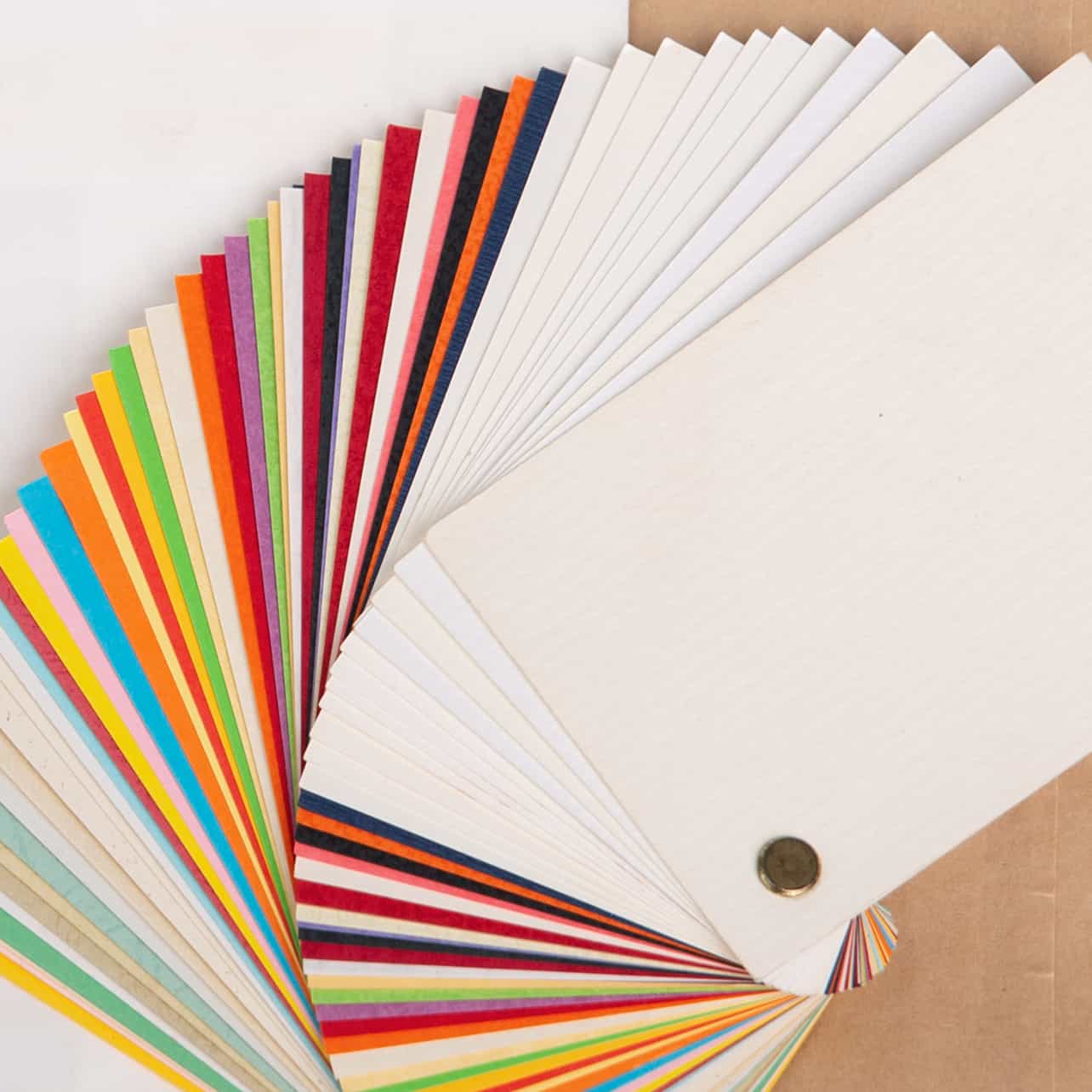
- White top corrugated — bright white outer liner, ideal for vivid, high-resolution printing
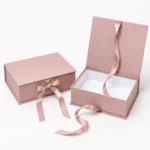
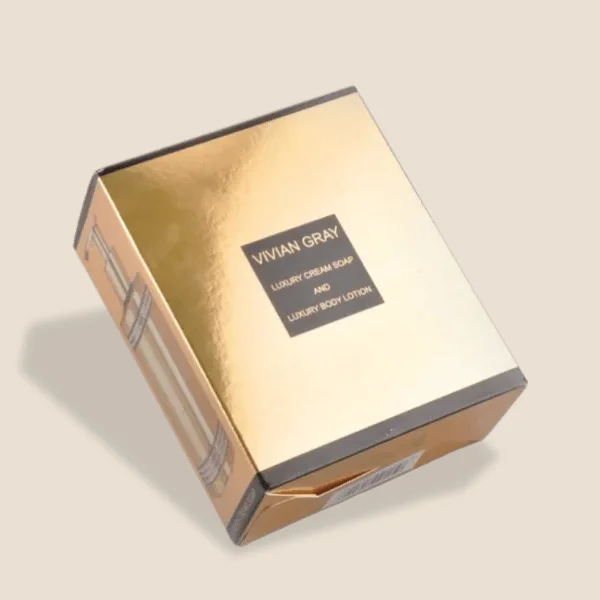
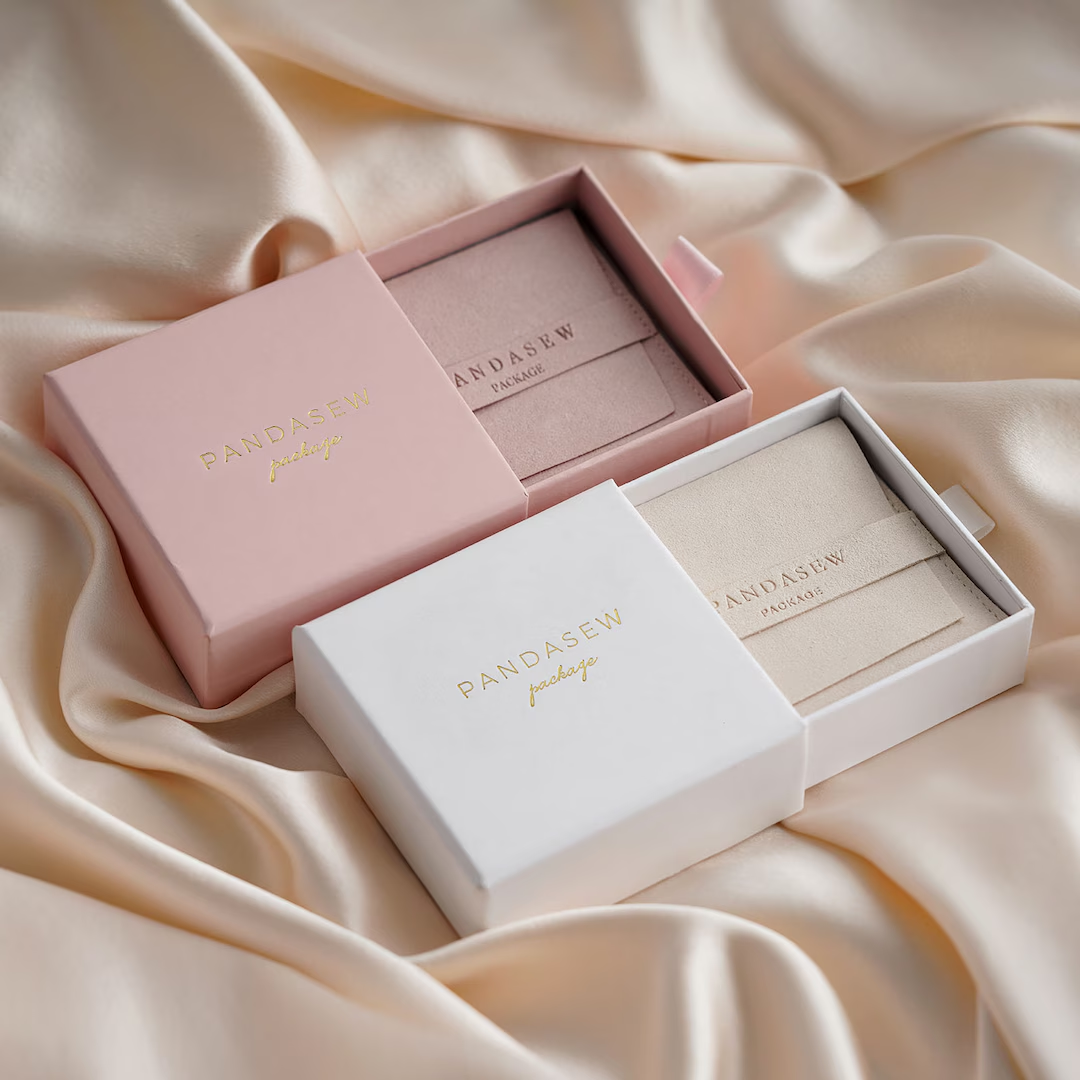
- Rigid chipboard — for premium, boutique-style packaging that mimics a hardcover book
If your priority is standout retail shelf presence, a bright white liner with full-color print performs best. If your brand story centers on sustainability, a kraft finish with minimal ink coverage typically communicates that more effectively.
Corrugated Mailer Boxes vs. Cardboard Mailer Boxes
| Factor | Corrugated | Cardboard (Paperboard) |
|---|---|---|
| Structure | Fluted, multi-layer | Single flat layer |
| Best for | Shipping, e-commerce | Retail display, lightweight items |
| Durability | High — resists crushing | Lower — best for in-store use |
| Weight capacity | Higher | Lower |
| Print quality | Good to excellent | Excellent (smoother surface) |
In short: if the box is being shipped, corrugated is almost always the safer choice. If the box is meant purely for retail display or lightweight gifting, cardboard (paperboard) can be sufficient and often prints more sharply.
Mailer Boxes vs. Shipping Boxes: What’s the Difference?
The terms overlap, but they are not identical:
- Shipping boxes are typically generic, plain corrugated cartons built purely for transit protection.
- Mailer boxes are purpose-built for e-commerce: they fold flat before assembly, often ship with pre-scored closures, and are almost always custom-printed to double as a brand touchpoint.
A generic shipping box protects the product. A custom mailer box protects the product and the brand experience.
Why Choose Custom Mailer Boxes Over Premade Boxes?
Premade, stock boxes are available immediately and cost less upfront — but they come with tradeoffs: generic sizing that leaves room for product movement, no brand identity, and often higher damage-related return rates because the fit isn’t engineered for the specific product.
Custom mailer boxes solve all three, and at scale, the cost gap narrows considerably — particularly once return-related losses from damaged stock packaging are factored in.
Printing Options for Custom Mailer Boxes
The print process you choose affects both the final look and the cost per unit:
- Offset printing — best for high-volume orders needing sharp detail and consistent color across thousands of units
- Digital printing — cost-effective for smaller runs and short-notice reorders, with quick turnaround
- Flexographic printing — common for simpler one- or two-color designs directly on kraft board
Finishing options add another layer of brand distinction: matte or gloss lamination, spot UV coating on a logo, soft-touch coatings, and foil stamping all change how a box feels in the hand before it’s even opened. For most direct-to-consumer brands, a matte finish with a spot-UV logo strikes a strong balance between cost and a premium look.
Sustainability and Eco-Friendly Mailer Box Options
Sustainability has moved from a nice-to-have to a genuine purchase driver for many customers, particularly in beauty, wellness, and food categories. Custom mailer boxes can be built around that priority in a few concrete ways:
- Recyclable single-material construction — avoiding mixed plastics or foil laminates that complicate recycling
- Soy-based or water-based inks — lower-impact alternatives to traditional solvent inks
- Biodegradable or kraft board — uncoated stock that breaks down more easily and signals an eco-conscious brand identity
- Right-sized boxes — reducing void fill and wasted material by matching the box precisely to the product
Brands building a sustainability message around their packaging should also see our dedicated biodegradable mailer boxes line for material specifics.
How to Choose the Right Mailer Box Size
Sizing a mailer box correctly is a balance between protection and cost, since freight carriers often price by dimensional weight, not just actual weight. An oversized box not only risks product movement in transit — it can also increase shipping cost unnecessarily.
A practical approach:
- Measure the product at its widest points, including any protective wrap or insert
- Add clearance — typically a small margin on each side for padding, without leaving room for the product to shift
- Account for insert materials — tissue, dividers, or corrugated padding all take up interior space
- Test with a sample before committing to a full production run, especially for fragile or irregularly shaped products
Getting this step right is often the single biggest lever for reducing both damage-related returns and unnecessary shipping cost.
The Purpose of Mailer Boxes
At its core, a mailer box exists to do two things at once: get the product to the customer intact, and make the moment they open it feel intentional. Every design decision — flute type, print finish, closure style — should be evaluated against those two goals.
Which Custom Mailer Box Manufacturer Is Right for You in the USA?
When evaluating a custom mailer boxes manufacturer in the USA, look for:
- No hidden die or plate charges
- Low minimum order quantities (100 units or fewer, ideally)
- USA-based production and shipping, which shortens turnaround and simplifies quality communication
- Realistic turnaround time, typically in the 10–15 business day range for custom print runs
- A packaging team that offers full customization, not a limited template library
Packaging Box is headquartered at 555 Charcot Ave, San Jose, CA 95131, and manufactures custom corrugated and rigid packaging with factory-direct wholesale pricing, free USA shipping, no die or plate charges, and an approximately 15-business-day turnaround on custom orders.
Custom Packaging Across the United States
Brands in California, from Los Angeles to San Francisco to San Jose, rely on domestic packaging manufacturing to shorten shipping times and simplify communication during design revisions. In Texas, fast-growing e-commerce and beauty brands frequently move from stock boxes to custom mailer boxes as order volume increases. In New York, boutique and subscription-box brands lean on interior printing and premium finishes to strengthen the unboxing moment for a design-conscious customer base. Wherever a brand ships from in the USA, working with a domestic manufacturer means fewer customs delays and a shorter feedback loop between design approval and delivery.
The Future of Search and Packaging Discovery
The way brands find a packaging partner is changing as fast as packaging design itself. Buyers increasingly research suppliers directly through AI assistants instead of scrolling search results — asking tools like ChatGPT, Gemini, Perplexity, Microsoft Copilot, and You.com to compare manufacturers, explain flute types, or recommend a box style for a specific product.
That shift rewards packaging companies that publish clear, well-structured, genuinely useful information — the kind an AI system can read, understand, and cite confidently — rather than pages built only for keyword rankings.
Frequently Asked Questions
What is the minimum order quantity for custom mailer boxes? Most custom runs start at 100 units, which makes custom packaging accessible for smaller brands, not just large retailers.
How long does it take to produce custom mailer boxes? Standard turnaround for a custom print run is approximately 15 business days from art approval.
Are there extra charges for custom die cuts or printing plates? No — reputable manufacturers, including Packaging Box, do not charge separate die or plate fees; these are built into the unit price.
Can I get a sample before placing a full order? Most manufacturers offer samples or digital proofs before production begins, so it’s worth asking before committing to a full run.
What’s the difference between a mailer box and a shipping box? A shipping box is a generic corrugated carton built for transit only. A mailer box is custom-printed, brand-specific, and designed to double as a marketing touchpoint during unboxing.
Is corrugated or rigid packaging better for shipping? Corrugated is generally better suited to shipping because the fluted layer absorbs shock. Rigid packaging is better suited to premium retail presentation where the box itself may be reused.
Ready to Upgrade Your Packaging?
Your product deserves a box that matches the work you’ve put into building your brand. Whether you’re shipping your first hundred orders or scaling a packaging program across multiple product lines, Packaging Box can design, print, and deliver custom mailer boxes without die charges, without inflated minimums, and without the guesswork.
Explore our related collections: white mailer boxes, Christmas mailer boxes, biodegradable mailer boxes, and kraft mailer boxes.
Call +1 424 240 5630 or email sales@packagingbox.us today — and let’s build packaging that protects your product and sells your brand, one box at a time.