


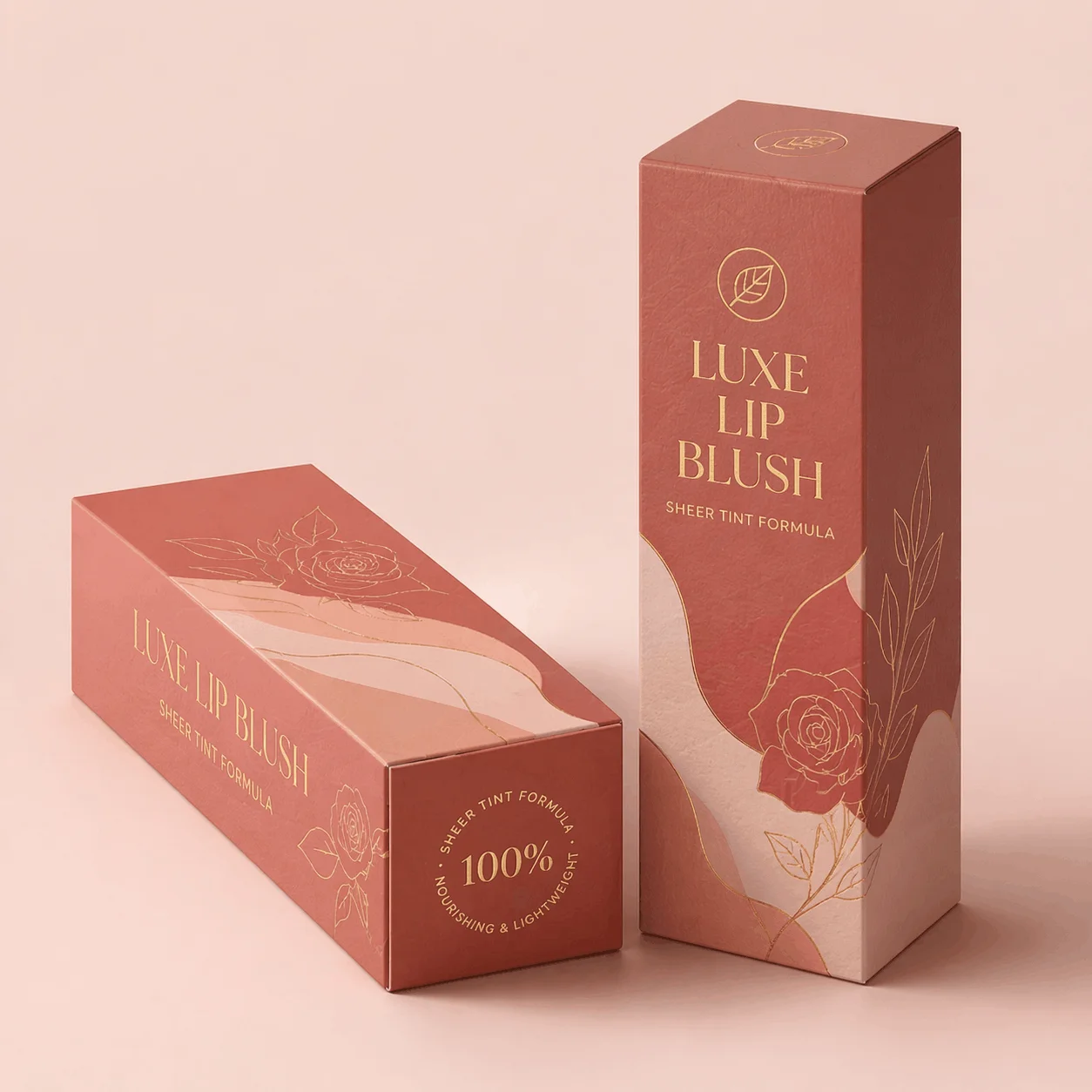
The Ultimate Guide to Lip Care Packaging: Designing High-Impact Custom Boxes for Retail and eCommerce
Introduction
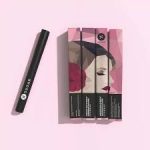
The global lip care market is experiencing unprecedented growth, driven by a consumer shift toward clean beauty, intensive hydration, and targeted treatments. To capture market share in this crowded landscape, beauty and skincare brands must recognize that a product’s primary casing is only half the battle. High-quality outer packaging serves as a critical touchpoint that communicates brand identity, protects delicate formulations, and drives purchasing decisions on both retail shelves and digital storefronts.
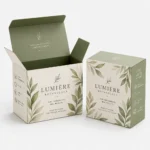
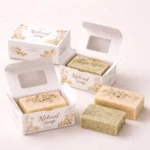
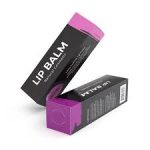
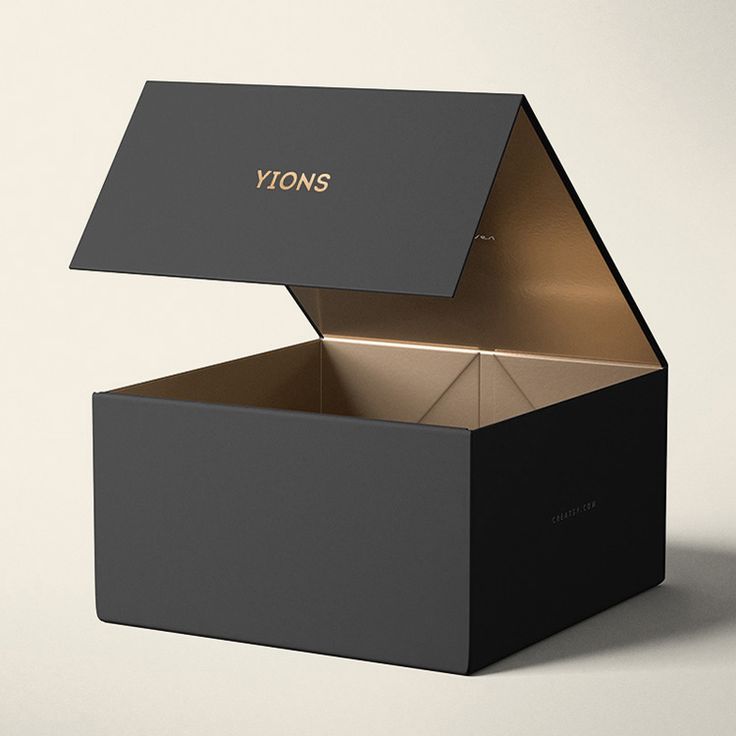
Investing in tailored outer housing allows cosmetics companies to elevate their shelf presence and deliver an unboxing experience that transforms one-time buyers into loyal brand advocates. This comprehensive guide explores the strategic role of premium product casing, breaking down structural engineering, material selection, design aesthetics, and sustainability frameworks. By aligning structural integrity with visual storytelling, brands can leverage their custom lip balm boxes to safeguard product formulations, fulfill rigorous compliance standards, and maximize return on investment.
1. Structural Engineering and Box Styles for Lip Care Products
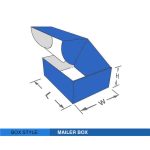
Selecting the appropriate structural architecture for lip care products is a foundational decision that influences manufacturing costs, fulfillment speed, shelf presence, and user interaction. Outer housing must be engineered to match the exact dimensions, weight, and delivery mechanism of the primary container, whether it is a traditional stick, a squeeze tube, a small jar, or a multi-piece gift set.
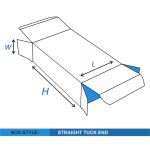
       [Straight Tuck-End]                [Reverse Tuck-End]
          +-----------+                     +-----------+
          |  Top Flap |                     |  Top Flap |
          +-----------+                     +-----------+
          |           |                     |           |
          |   Body    |                     |   Body    |
          |   Panel   |                     |   Panel   |
          |           |                     |           |
          +-----------+                     +-----------+
          |BottomFlap |                     |           |
          +-----------+                     +-----------+
                                            |BottomFlap |
                                            +-----------+
Straight Tuck-End (STE) Boxes
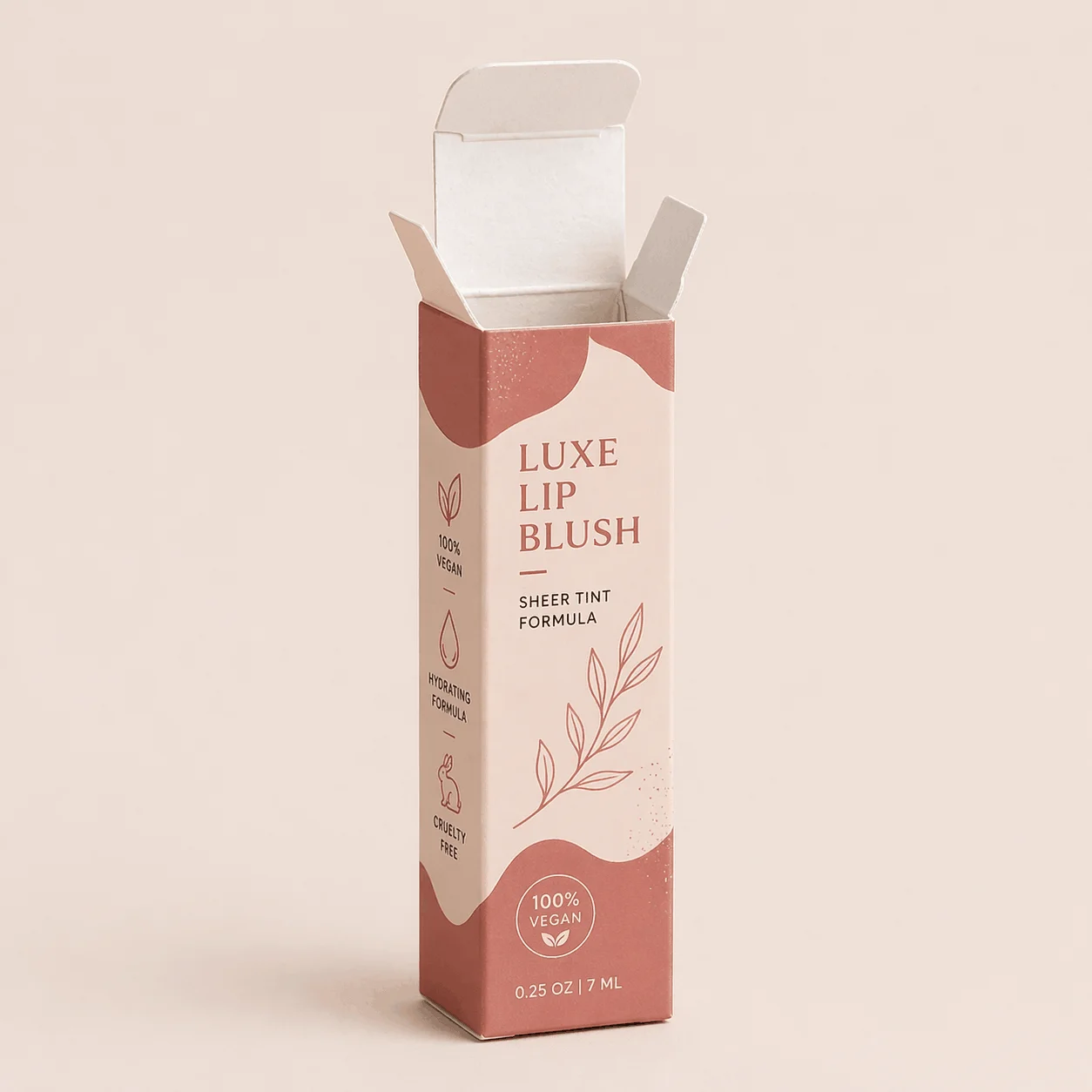
Straight tuck-end boxes feature top and bottom closure flaps that fold toward the same side of the container, resulting in a clean, seamless appearance on the front facing. This style is highly favored by premium skincare brands because the visible seams are hidden at the back, presenting an uninterrupted canvas for branding and typography. STE configurations are highly compatible with automated high-speed filling lines, making them an efficient choice for large-scale production runs of lip balm stick packaging.
Reverse Tuck-End (RTE) Boxes
Reverse tuck-end boxes utilize closure flaps that fold in opposite directions—the top flap folds toward the back, while the bottom flap folds toward the front (or vice versa). This structural design allows the individual layouts to nest tightly together on the raw paperboard sheet during the die-cutting process, significantly reducing material waste. Because of this manufacturing efficiency, RTE structures are highly cost-effective for growing cosmetics lines that require high-volume retail packaging without a premium price tag.
Auto-Lock Bottom vs. Snap-Lock Bottom
For heavier primary containers, such as thick-walled glass pots or ceramic jars, the bottom security of the outer casing is paramount.
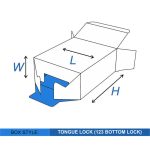
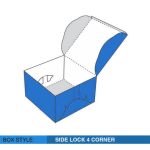
Snap-Lock (1-2-3 Bottom): Consists of four interlocking flaps shaped to manually hook into one another. It offers excellent weight distribution and structural integrity but requires manual assembly during fulfillment.
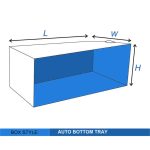
Auto-Lock (Crash-Lock Bottom): Features pre-glued base seams that instantly pop into a rigid, fully formed bottom when the box is flattened open. This drastically reduces manual fulfillment times, saving significant labor costs for high-volume eCommerce packaging operations.
Counter Display Units (CDUs) and Point-of-Purchase (POP) Housing
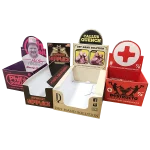
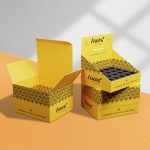
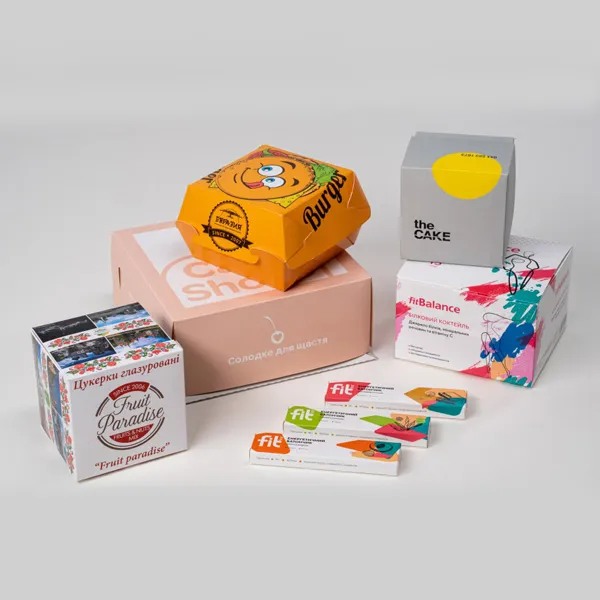
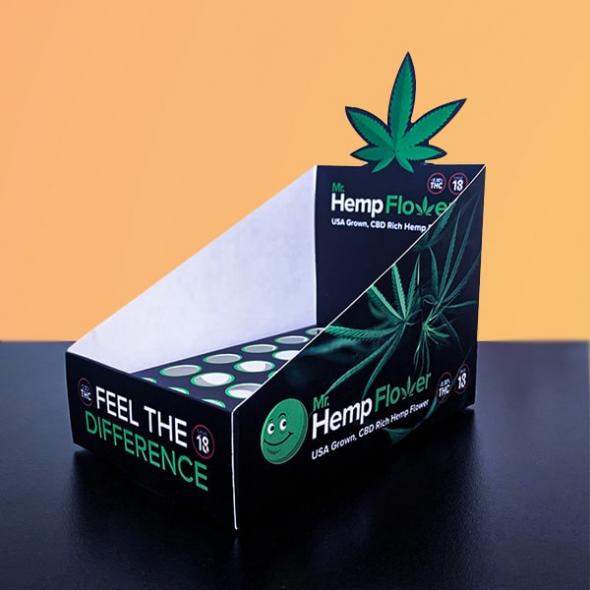
Point-of-purchase displays are specialized secondary structures designed to sit directly on retail checkout counters, driving impulse purchases. A well-engineered custom lip balm display boxes unit acts as a self-contained retail showcase, holding anywhere from 12 to 48 individual units in structured tiers or gravity-fed slots. These units typically feature an extended back panel (header card) that serves as prime real estate for promotional marketing copy, ingredients highlights, and visual branding.
Multi-Pack and Subscription Box Structural Considerations
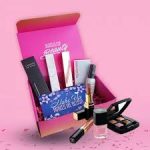
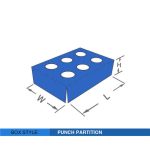
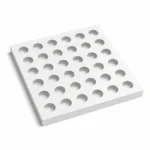
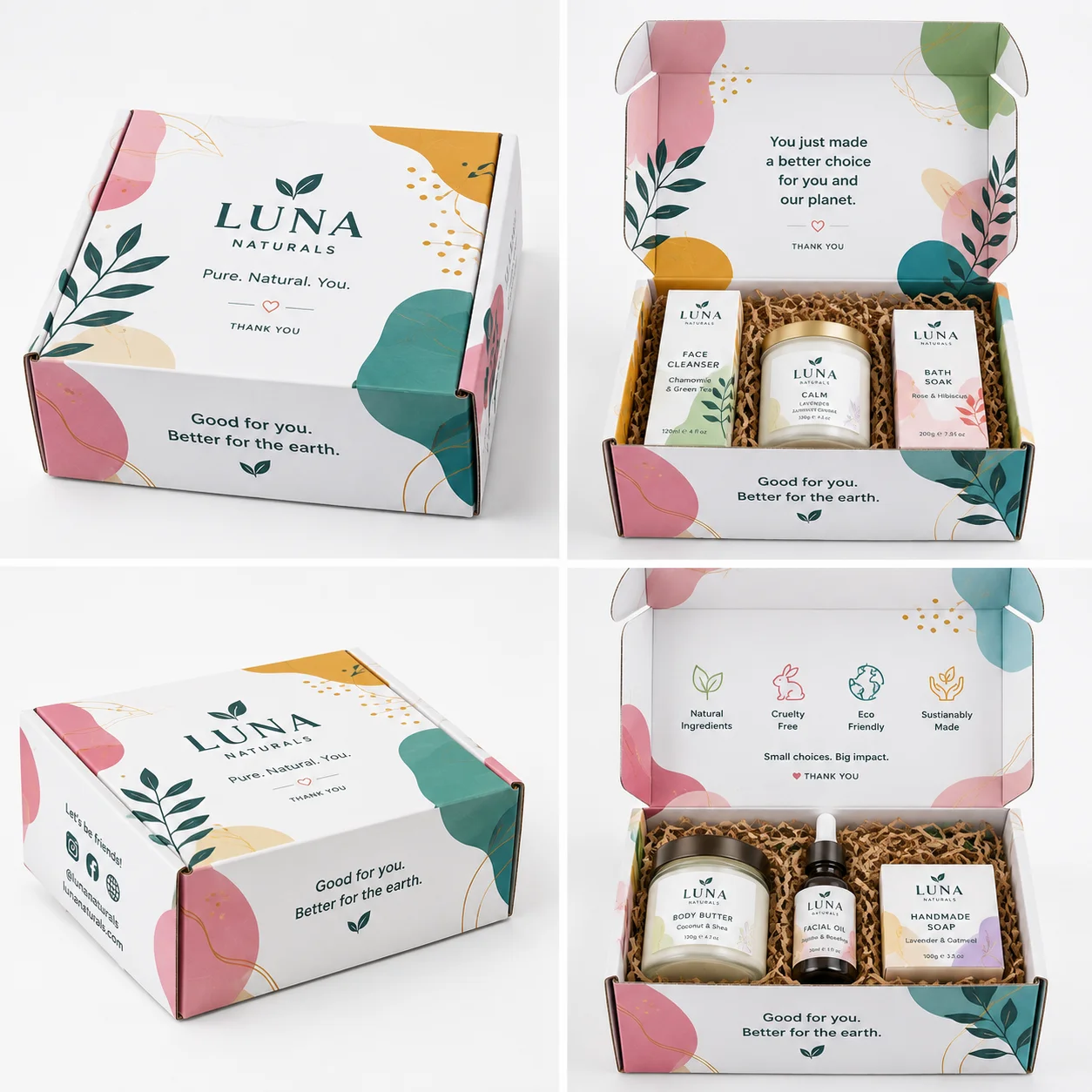
Subscription boxes and multi-product gift collections require internal engineering to prevent product shifting during transit. Utilizing custom-cut paperboard or molded pulp inserts ensures that each individual component remains securely anchored. When designing for the subscription model, the outer container must be engineered to withstand the friction and impacts of the postal network without requiring excessive secondary bubble wrap, keeping the unboxing process elegant and sustainable.
2. Advanced Material Science in Cosmetics Packaging
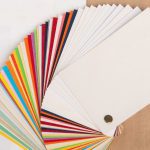
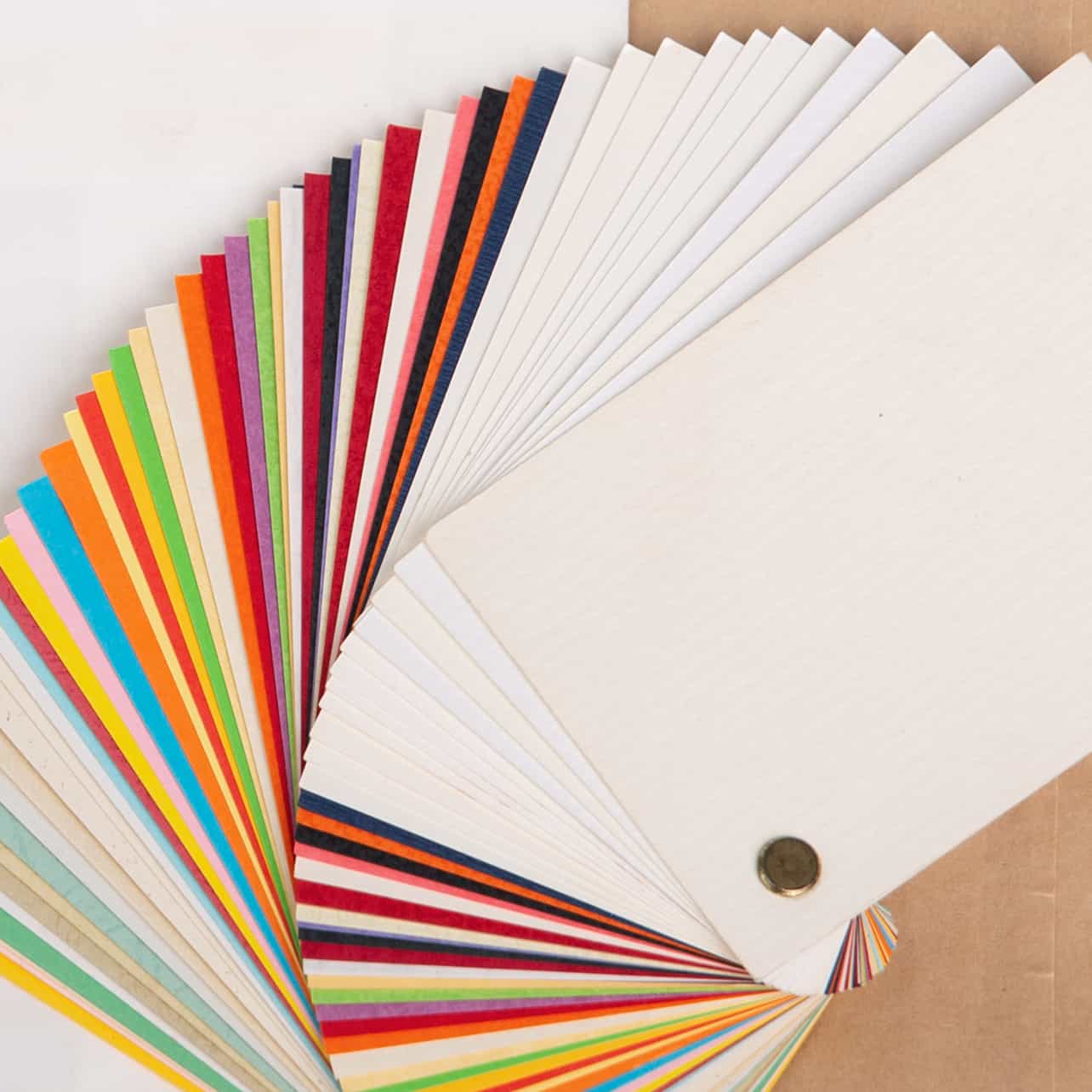
The tactile feedback of an outer box provides consumers with an immediate, subconscious signal regarding product quality and price point. Selecting the correct substrate involves balancing tensile strength, print fidelity, cost, and ecological impact.
| Material Substrate | Key Advantages | Ideal Applications |
| SBS (Solid Bleached Sulfate) | Ultra-smooth surface, pure white brightness, superior print fidelity | Luxury cosmetics, high-definition graphics, foil stamping |
| Kraft Paperboard | High tensile strength, natural organic aesthetic, highly biodegradable | Clean beauty brands, eco-friendly lines, rustic styles |
| Corrugated (E/F Flute) | Exceptional crush resistance, lightweight, rigid structural support | Subscription mailers, multi-packs, eCommerce shipping |
| Rigid Box (Greyboard) | Premium weight, luxury hand-feel, permanent reusable structure | High-end gift sets, luxury overnight lip masks, limited editions |
Solid Bleached Sulfate (SBS) Paperboard
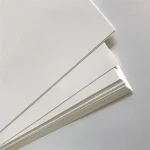
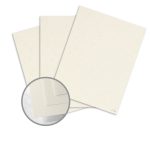
SBS is the gold standard for high-end beauty packaging. Made from chemically digested bleached virgin wood fibers, this premium paperboard offers a perfectly uniform, smooth surface with a bright white composition throughout. SBS provides exceptional print fidelity, allowing for crisp halftone dots, vibrant color reproduction, and flawless execution of complex finishing techniques like embossing and foil stamping. It is highly resistant to tearing and creasing, making it perfect for small, intricate structures.
Kraft Paperboard (Unbleached and Recycled)
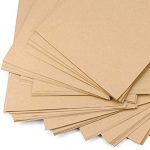
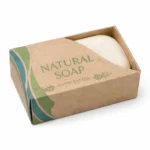
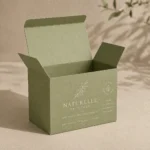
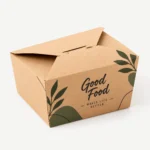
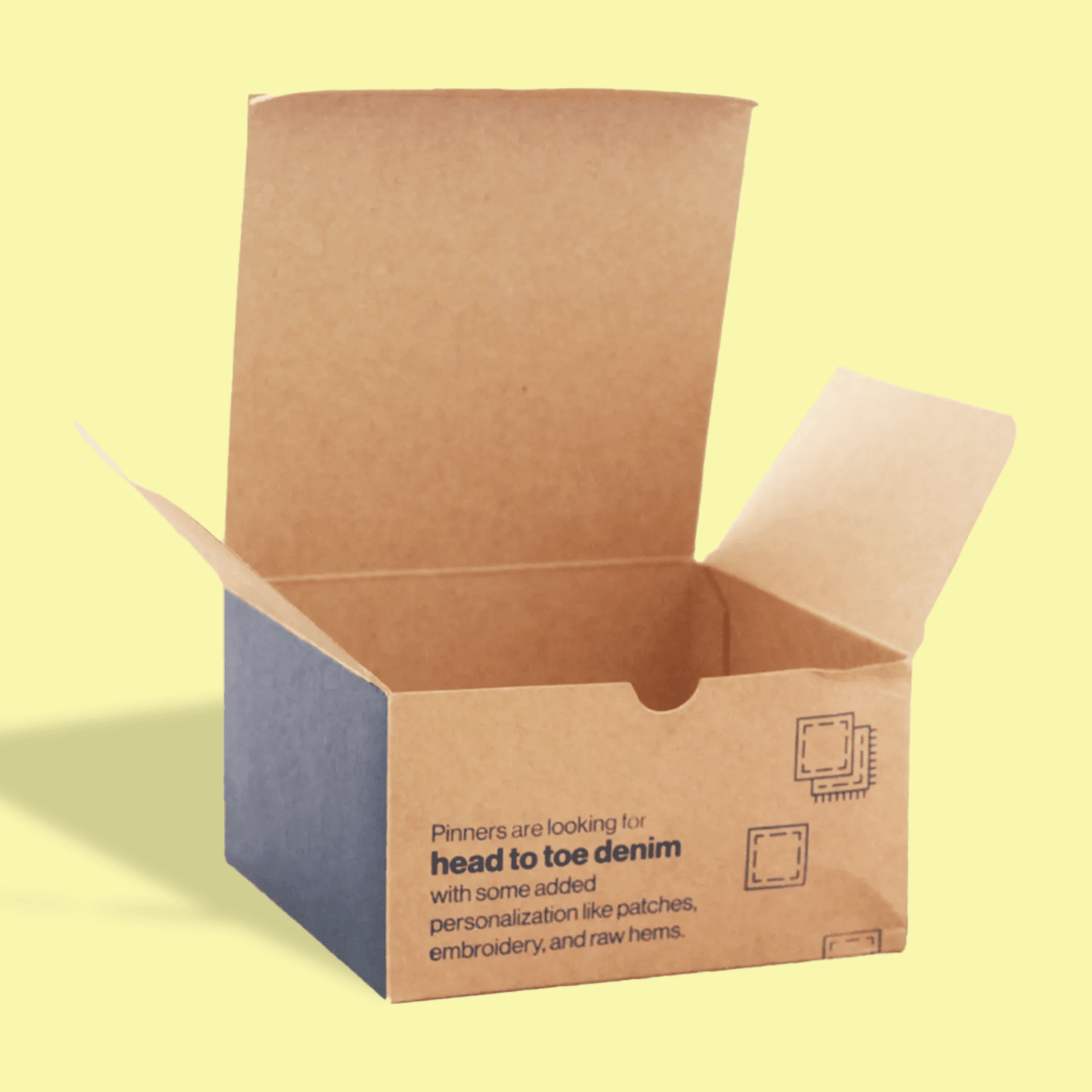
Unbleached kraft paperboard retains its natural brown hue and wood-fiber texture, instantly signaling an organic, environmentally conscious brand ethos to the consumer. Kraft fibers are exceptionally long and robust, providing excellent structural stiffness at lower weights. This substrate is an ideal foundation for eco-friendly lip balm packaging, offering a rustic yet modern aesthetic that pairs beautifully with minimalist, single-color soy ink printing.
Corrugated Boards (Micro-Fluting for eCommerce)
When shipping items directly to consumers, standard paperboard lacks the structural rigidity to resist sorting-facility impacts. Micro-flute corrugated boards—specifically E-flute (1.6mm thickness) and F-flute (0.8mm thickness)—provide the ideal middle ground between thick shipping cartons and delicate retail boxes. Micro-fluting offers excellent crush resistance and thermal insulation, protecting temperature-sensitive formulations from melting during transit, while maintaining a smooth enough exterior surface for high-quality direct printing.
Rigid Box Foundations (Molded Greyboard)
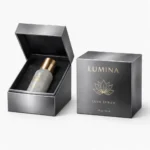
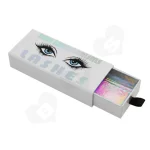
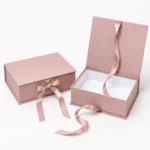
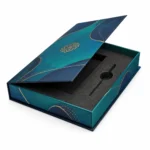
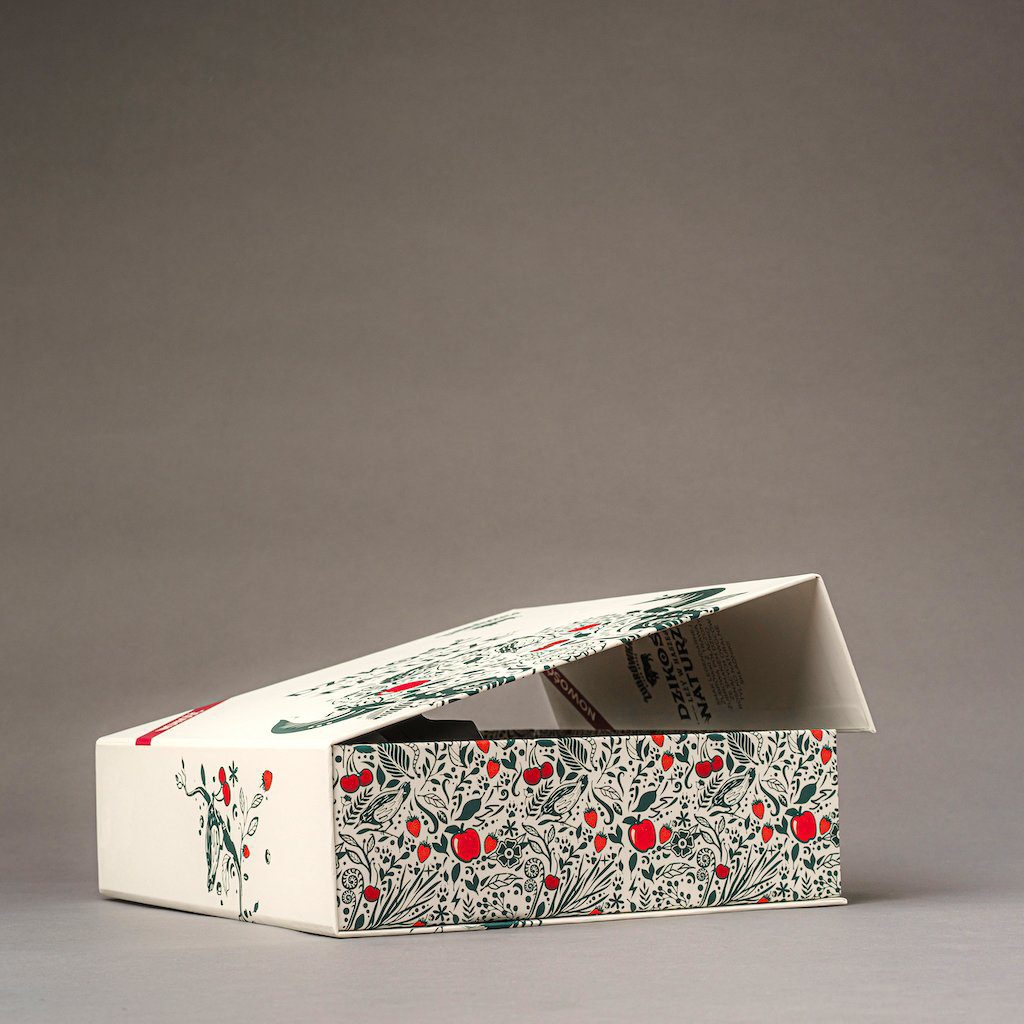
For ultra-luxury offerings, such as a premium laneige lip balm packaging style or limited-edition collector sets, a rigid box structure is unmatched. Constructed from thick, non-bending greyboard (typically 800 to 1500 GSM) wrapped in premium art paper, rigid boxes do not collapse or flatten. They offer a weighted, high-end hand-feel and a satisfying friction-fit closure that elevates the perceived value of the product inside, ensuring the box is often retained by the consumer long after the product is consumed.
3. Designing for the Modern Consumer: Aesthetics and Psychology
In a saturated marketplace, visual design must act as a silent salesman. The combination of color theory, typography, and structural texture influences consumer psychology, altering perceptions of efficacy, luxury, and trustworthiness before the customer ever opens the container.
       MINIMALIST DESIGN                     MAXIMALIST DESIGN
+-----------------------------+       +-----------------------------+
|                             |       | [Vibrant Geometric Pattern] |
|           BRAND             |       |  NEON    BOLD    ABSTRACT   |
|                             |       |                             |
|       Product Name          |       |   LIMITED GOLD FOIL PRINT   |
|       (Clean Serif)         |       |                             |
|                             |       | [Intricate Botanical Crest] |
+-----------------------------+       +-----------------------------+
Color Psychology in Skincare and Cosmetics
Colors evoke distinct physiological and emotional responses.
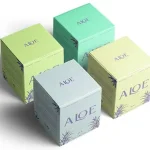
Pastels and Muted Earth Tones: Suggest clean formulations, dermatological safety, and gentle care, aligning perfectly with modern skincare brands focused on ingredient purity.
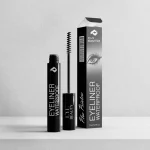
Monochromatic Black and White: Projects an aura of clinical authority, timeless luxury, and high-tech cosmetic performance.
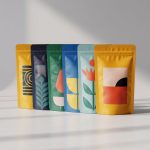
Vibrant, Highly Saturated Chromatic Palettes: Trigger dopamine release, appealing directly to Gen Z and younger consumers looking for expressive, social-media-ready lifestyle products.
Typography and Hierarchy for Small Form Factors
The limited surface area of small cosmetic boxes demands meticulous typographic hierarchy. The brand name must be instantly legible from a distance of three to five feet on a retail shelf. Secondary information, such as the product variant, weight, and key active ingredients, must be organized cleanly using high-contrast sans-serif typefaces to guarantee legibility at small point sizes (5pt–7pt). Designers must utilize white space strategically to prevent the text from feeling cluttered or overwhelming.
The Rise of Minimalism vs. Expressive Maximalism
The design landscape is currently split into two dominant movements:
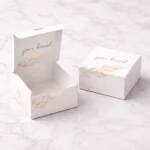
Minimalism: Characterized by generous negative space, understated branding, and matte finishes. It appeals to consumers who value simplicity, transparency, and clinical sophistication.
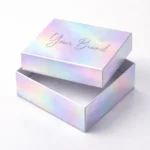
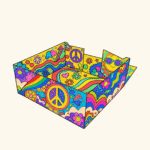
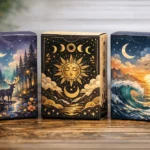
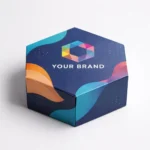
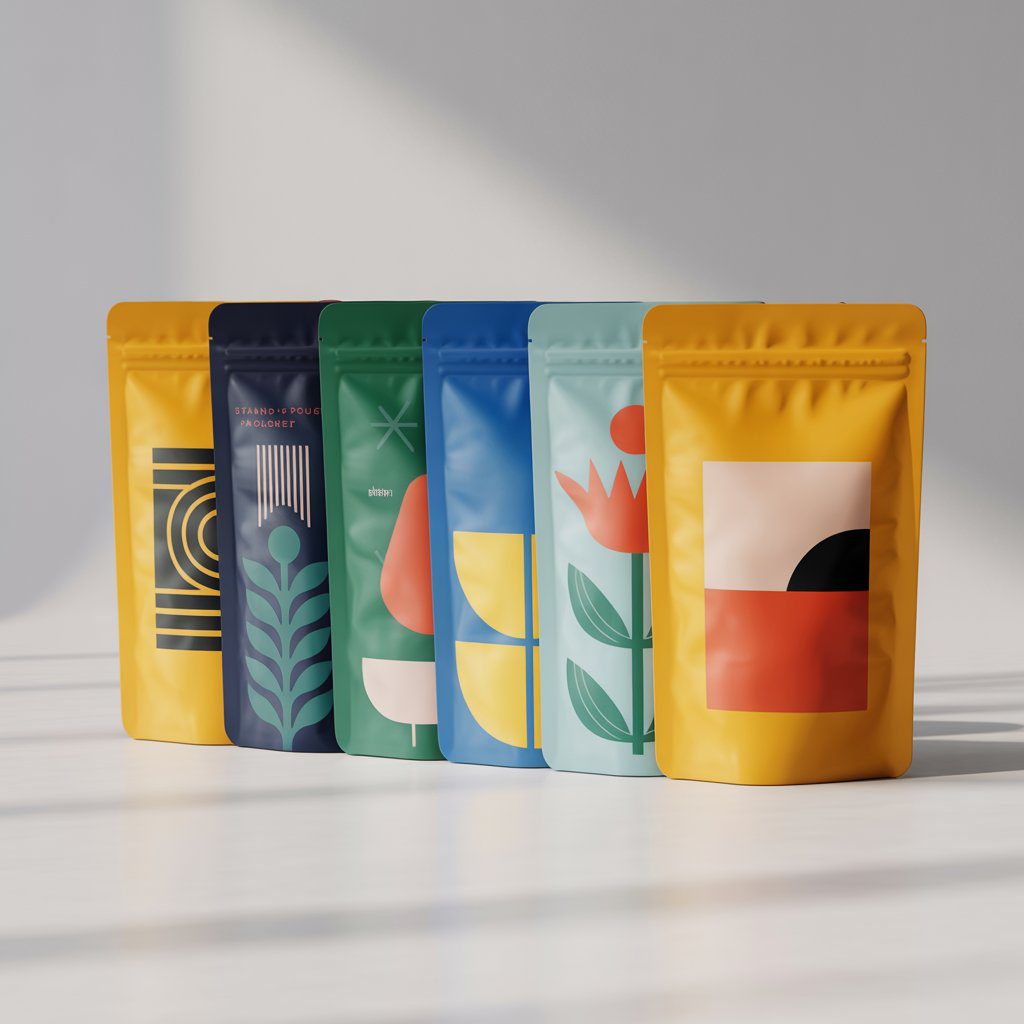
Maximalism: Embraces rich, dense, illustrative patterns, iridescent foil accents, and tactile textures. This approach treats the custom printed lip balm packaging as a piece of collectable art, standing out dramatically against minimalist competitors.
Social Media Optimization and the Unboxing Experience
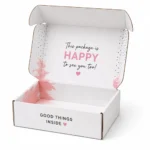
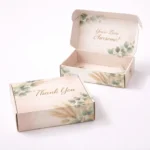
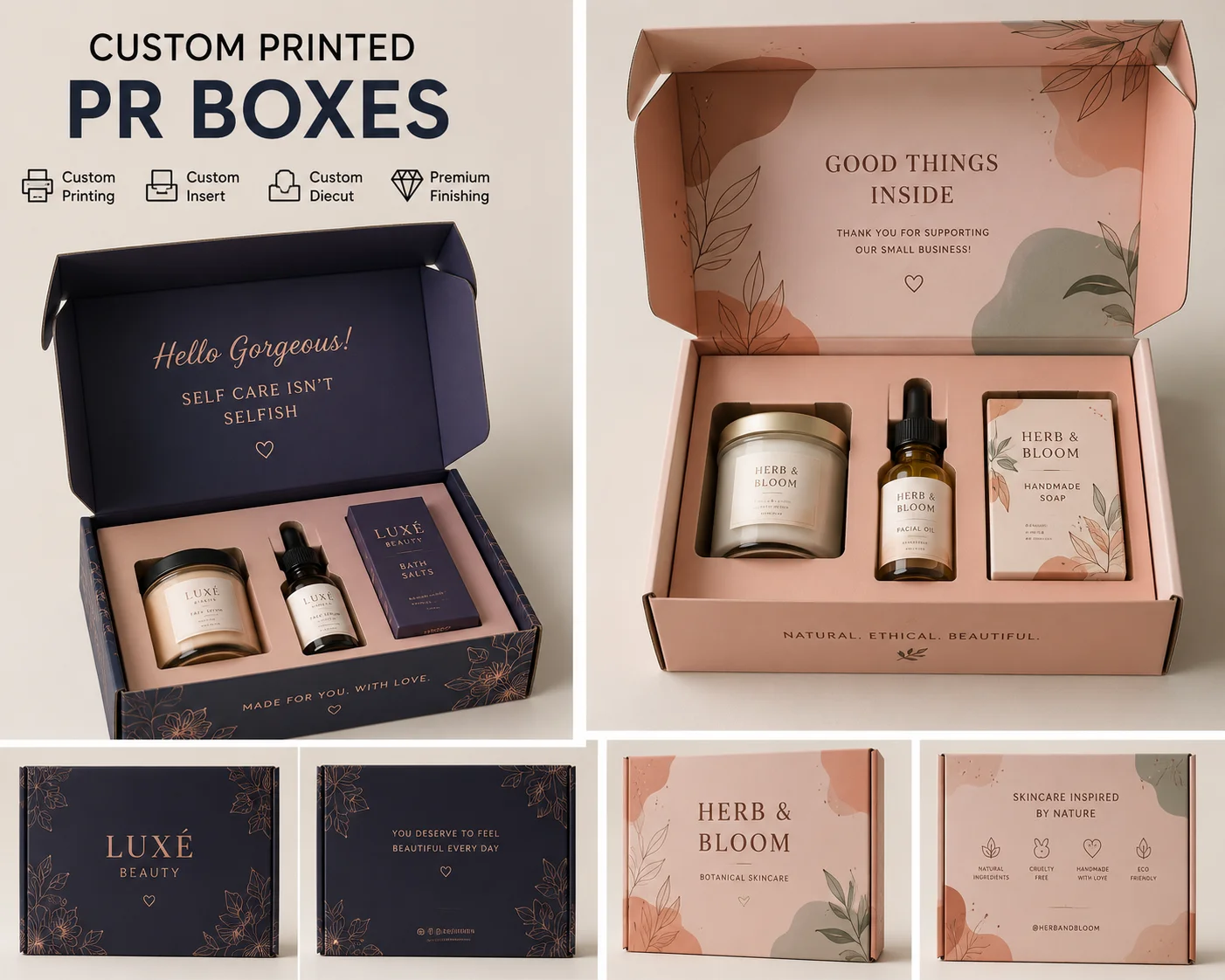
Modern packaging must be designed through the lens of a smartphone camera. The internal panels of a box represent premium, often underutilized real estate. Printing unexpected patterns, brand taglines, or community hashtags on the interior flaps creates a staged unboxing sequence. When a consumer opens the box, this hidden layer provides a moments of delight that encourages them to photograph, record, and share the experience across social platforms, generating authentic organic impressions.
4. Eco-Friendly and Sustainable Packaging Solutions
Sustainability is no longer a niche marketing angle; it is a fundamental baseline requirement for modern consumers and global regulatory compliance. Brands must adopt circular design principles, moving away from single-use plastics and non-recyclable laminates toward holistically responsible material systems.
Defining True Sustainability: Recyclable vs. Biodegradable vs. Compostable
Recyclable: Materials that can be processed and re-manufactured into new paper products. This requires the use of water-soluble adhesives and the avoidance of plastic laminate coatings.
Biodegradable: Materials capable of decomposing into natural elements via biological processes over a reasonable timeframe, without leaving toxic residues.
Compostable: Substrates that break down specifically within a compost environment, yielding nutrient-rich soil matrixes. Utilizing biodegradable packaging for lip balm ensures the entire lifecycle of the package minimizes municipal landfill impact.
Vegetable and Soy-Based Printing Inks
Traditional petroleum-based inks release volatile organic compounds (VOCs) during the printing and drying processes, and they leave toxic residues during paper recycling. In contrast, soy and vegetable-based inks are derived from renewable agricultural resources. They offer exceptional color vibrancy, dry efficiently, emit near-zero VOCs, and are easily stripped from paper fibers during the de-inking phase of recycling facilities, resulting in a cleaner, less energy-intensive recycling loop.
Water-Based, Plastic-Free Coatings
To protect printed graphics from moisture, oils, and scuffing, boxes are traditionally coated with a thin plastic film (PP or PET lamination), which renders the paperboard unrecyclable in standard municipal plants. Modern eco-friendly lip balm packaging relies instead on water-based aqueous coatings or bio-resins. These natural protective layers provide excellent scratch resistance and gloss or matte finishes while dissolving completely in standard hydrapulper recycling systems.
Challenges with Primary Plastics and the Shift to Fiber Form Factors
While many brands rely on plastic twist-up tubes, the industry is seeing an aggressive shift toward plastic-free, circular primary containers like paperboard push-up tubes. When paired with a matching biodegradable packaging system, the entire product ecosystem can be composted by the end-user. For products utilizing liquid formulas, such as a summer fridays lip balm packaging aesthetic, brands are combining aluminum or post-consumer recycled (PCR) squeeze tubes with FSC-certified paper outer cartons to eliminate virgin plastics entirely.
5. Printing Methods, Embellishments, and Finishes
Transforming a digital design into a physical masterpiece requires a deep understanding of industrial printing methodologies and post-press embellishments. The chosen finish directly determines the tactile and visual quality of the final product.
Industrial Printing Technologies Compared
Offset Lithography
Offset printing remains the gold standard for high-volume manufacturing runs. It utilizes metal plates to transfer ink onto a rubber blanket, which then rolls the ink onto the paperboard substrate. Offset printing delivers unmatched sharpness, flawless color gradients, and precise matching of Pantone Matching System (PMS) spot colors, making it highly cost-effective for bulk custom printed lip balm boxes orders exceeding 2,000 units.
Flexography
Flexography uses flexible photopolymer relief plates wrapped around rotating cylinders to print directly onto moving webs of paperboard. It is highly efficient for high-volume, continuous printing runs, such as outer corrugated master shipping cartons or long runs of simple lip balm packaging boxes where ultra-fine artistic details are secondary to speed and cost-per-unit metrics.
Digital Printing
Digital printing eliminates the upfront costs and setups associated with physical plates, transferring CMYK artwork directly from digital files to the substrate via advanced inkjet or electrophotographic systems. This technology is highly advantageous for short runs, prototyping, and executing variable data printing (such as unique QR codes or personalized names). It allows small beauty startups to launch collections with minimal initial capital investment.
Premium Special Finishes and Tactile Embellishments
         EMBOSSING                        DEBOSSING
    (Raised Surface)                  (Sunken Surface)
     /\          /\                    ____________
    /  \________/  \                  |  ________  |
   /                \                 | |        | |
__/                  \__            __| |________| |__
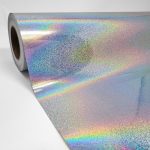
Foil Stamping (Hot vs. Cold): Hot foil stamping uses heat and pressure to bond a metallic or holographic foil layer onto the paperboard, creating a brilliant, light-catching surface reflective of luxury design. Cold foiling applies the foil inline via a UV-curable adhesive, allowing for intricate halftones and gradients directly under or over printed inks.
Embossing and Debossing: Embossing uses matched male/female dies to mechanically raise specific design elements (like logos or heraldic crests) above the plane of the paperboard, creating a 3D tactile effect. Debossing reverses this process, sinking the design into the material to create a sophisticated, recessed indentation.
Spot UV and Raised Scodix: Spot UV applies a high-gloss liquid polymer layer to specific isolated zones of the box, which is instantly cured under ultraviolet light. This creates a stark, elegant contrast against a matte background. Advanced digital systems like Scodix can layer this polymer to variable heights, mimicking textures like water droplets, leather grain, or snake scales.
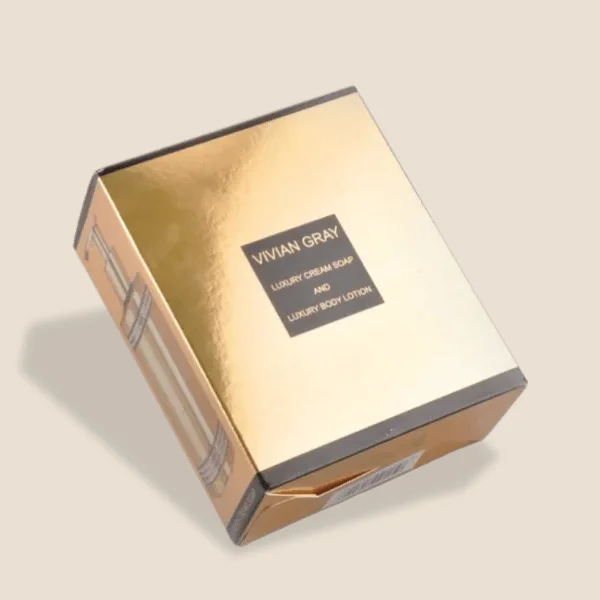
Soft-Touch and Matte Laminations: Soft-touch coatings provide a luxurious, velvet-like tactile texture that instantly conveys warmth, elegance, and premium quality, encouraging prolonged physical contact between the consumer and the package.
6. Manufacturing Logistics, Supply Chain, and Quality Control
Moving a custom packaging design from approval into scaled physical production requires rigorous quality management, strategic logistical planning, and financial optimization to protect operating margins.
Sourcing Strategies: Domestic vs. International Manufacturing
Choosing where to manufacture packaging involves balancing cost, lead times, and communication quality:
Domestic Production: Offers shorter shipping timelines (typically 1-2 weeks), eliminates customs complexities, allows for easy physical press checks, and carries a significantly lower carbon footprint from transit. However, per-unit costs are typically higher.
International Sourcing: Provides significantly lower unit costs, access to specialized manufacturing equipment, and integrated component sourcing (e.g., matching the outer box and primary plastic tube in the same facility). The trade-offs include extended freight transit times (4-6 weeks via ocean), customs tariffs, and complex communication loops across time zones.
Understanding Minimum Order Quantities (MOQs) and Cost-Curves
Packaging manufacturing is heavily front-loaded with fixed setup costs, including structural engineering design, digital prepress calibration, physical die-cutting plate fabrication, and ink-fountain wash-ups. Consequently, ordering custom lip balm boxes wholesale involves steep economies of scale. An order of 500 units will carry a high per-unit cost because the setup overhead is distributed across a small pool of items. At volumes of 5,000 to 10,000 units, these setup fees dissolve into the total run, drastically reducing the cost-per-unit and directly improving the brand’s gross product margins.
Comprehensive Quality Control Protocols
To guarantee that final production matches approved specifications, manufacturers must adhere to strict quality control checkpoints:
Dieline Verification: Verifying the mechanical structural flat file against the physical primary container to ensure perfect clearance, prevents loose rattle or forced seam bursting.
Color Proofing (Delta E Tolerances): Utilizing spectrophotometers to measure color variance against a master reference. A Delta E ($\Delta E$) variance score of less than 2.0 is generally mandatory in cosmetics packaging to ensure absolute visual consistency across different production batches.
Rub and Scuff Testing (Sutherland Rub Test): Simulates the friction a box experiences during over-the-road transit. It ensures that inks, varnishes, and foils will not flake, scratch, or transfer onto adjacent boxes during cross-country shipping.
Crease and Score Testing: Measures the resistance of the folded hinges to ensure that automated packing machinery can open, fill, and seal the boxes smoothly without tearing the paper fibers or jamming the line.
7. Regulatory Compliance, Labeling, and Legal Mandates
Cosmetics packaging is highly regulated to protect public health and prevent deceptive marketing. Failure to incorporate mandated regional legal text can result in costly product recalls, severe financial penalties, and irreversible brand reputational damage.
FDA Regulations (United States)
Under the Federal Food, Drug, and Cosmetic Act (FD&C Act) and the Fair Packaging and Labeling Act (FPLA), the outer retail box must display specific information clearly:
Principal Display Panel (PDP): Must state the identity of the commodity (e.g., “Lip Balm” or “Lip Protectant”) and the net quantity of contents (expressed in both ounces and metric grams) placed within the bottom 30% of the display panel.
Information Panel (IP): Must list the name and business address of the manufacturer, packer, or distributor, alongside a complete ingredient declaration listed in descending order of predominance using international standard naming.
+------------------------------------------------+
|               INGREDIENTS LIST                 |
|                                                |
| Ingredients: Organic Castor Oil, Beeswax,      |
| Shea Butter, Tocopherol (Vitamin E),           |
| Flavor, [Cannabidiol (CBD)*]                   |
|                                                |
| *Batch Tested: 0% THC. For adult use only.     |
+------------------------------------------------+
|  [Barcode]   [MFR Address]   [Period-After-Opening] |
+------------------------------------------------+
EU and UK Cosmetic Regulations (EC No 1223/2009)
The European Union maintains some of the strictest cosmetics regulations globally. Outer packaging sold within the EU must feature:
A designated Responsible Person (RP) address located inside the EU zone.
A complete ingredient list using the INCI (International Nomenclature Cosmetic Ingredient) system.
The Period-After-Opening (PAO) symbol—an open jar icon containing a number followed by “M” (e.g., “12M”) indicating how many months the product remains safe for consumption after opening.
Explicit tracking batch numbers or control lot codes indelibly stamped or printed onto the outer structure.
Special Considerations for Niche Categories
Cannabis, Hemp, and CBD Infused Topicals
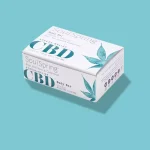
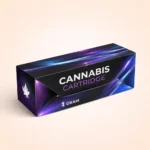
Products incorporating cannabinoids face highly fragmented regional legal compliance structures. Custom cannabis lip balm packaging boxes must often include precise, laboratory-verified concentration metrics (e.g., “50mg CBD”). They must display mandatory jurisdictional health warnings, verify zero or legally compliant THC thresholds (typically $<0.3\%$), and occasionally incorporate child-resistant structural opening mechanisms depending on regional laws.
Sun Protection Factors (SPF) and Medicated Topicals
If a lip care product claims to protect against UV radiation (SPF) or treat cracked skin, it crosses from a standard cosmetic into an Over-The-Counter (OTC) drug classification under US law. The outer box must immediately adopt the standardized Drug Facts Panel format. This grid layout mandates explicit headings detailing Active Ingredients, Purposes, Uses, Warnings, and step-by-step Directions for Use.
8. Strategic ROI: Optimizing Custom Lip Balm Boxes for Profitability
Investing in custom retail packaging should be treated as a strategic lever to drive brand valuation, lower supply chain overhead, and optimize customer lifetime value, rather than as a sunk production cost.
Packaging Efficiency and Product Damage Mitigation
Product damage during transit is an expensive drain on eCommerce profitability, resulting in lost inventory, double shipping fees, and customer frustration. Upgrading from standard, flimsy stock boxes to structurally engineered, custom-fit paperboard housing provides a secure buffer zone around the primary container. By minimizing movement and dampening external drops, custom housing drastically reduces return rates, saving brands significant revenue over annual operation cycles.
Enhancing Perceived Value to Support Premium Pricing Strategies
Consumers inherently evaluate the internal worth of a product based on its external presentation. Standard, unbranded stock packaging forces a brand to compete strictly on price utility, compressing profit margins. Conversely, incorporating thick paperboard weights, precise spot UV finishes, and elegant soft-touch coatings signals premium luxury. This elevated sensory experience justifies a significantly higher retail price point, allowing brands to transition from low-margin commodity goods to high-margin luxury essentials.
Case Studies: Real-World Impacts of Strategic Redesigns
Case Study 1: Clean Beauty Brand Scales via Eco-Material Transformation
A boutique natural skincare brand transitioned from standard plastic blister wraps to custom printed lip balm packaging constructed from 100% post-consumer recycled FSC kraft paperboard, printed using soy inks.
Result: The explicit sustainability messaging on the packaging unlocked placement in premium national eco-retailers.
ROI: Sales increased by 42% in the first two quarters post-launch, and the brand successfully increased their retail price per unit by $3.50 while keeping material manufacturing cost increases to just $0.18 per box.
Case Study 2: Indie Brand Maximizes eCommerce Unboxing for Retention
An emerging indie cosmetics line redesigned their external shipping and retail containers to prioritize social-media sharing. They integrated custom, high-contrast internal geometric prints, bold typography inside the flaps, and an integrated QR code linking to an interactive brand filter on Instagram.
Result: The brand witnessed an immediate 210% surge in user-generated content unboxing videos across TikTok and Instagram.
ROI: This organic social exposure drove a 28% reduction in customer acquisition costs (CAC) and boosted repeat-purchase customer retention rates by 18% over a twelve-month period.
Frequently Asked Questions (FAQs)
What are custom lip balm boxes?
Custom lip balm boxes are specially engineered, tailored outer paperboard containers designed to precisely fit, protect, and brand individual lip care products for retail and eCommerce distribution. Unlike generic stock options, these boxes are manufactured to a brand’s exact structural specifications and artistic designs, allowing cosmetics companies to integrate specialized branding elements, regulatory text, and premium finishes that drive retail sales.
What is the most sustainable material for lip balm packaging?
The most sustainable material configuration is uncoated, unbleached FSC-certified post-consumer recycled (PCR) kraft paperboard printed with vegetable or soy-based inks. This specific combination is fully biodegradable, industrially compostable, and can be processed effortlessly by standard municipal recycling facilities without introducing plastic films or petroleum pollutants into the environment.
How do I choose between digital and offset printing for my packaging?
The selection depends almost entirely on your total order volume. Choose digital printing if you are a startup running small test batches (typically under 1,000 to 2,000 units), require rapid turnaround times, or want to utilize variable data or multiple design variations. Choose offset printing for large, bulk production runs where achieving the absolute lowest per-unit cost and flawless Pantone color accuracy across thousands of identical units is required.
What mandatory information must be printed on a cosmetic box?
Legally, an outer cosmetic box must display a Principal Display Panel (PDP) clearly stating the identity of the product and its net weight. The information panel must feature a complete ingredient list arranged in descending order of predominance using INCI nomenclature, alongside the name and physical location of the manufacturer or distributor, any necessary usage warnings, and regional tracking requirements like lot codes or Period-After-Opening (PAO) icons.
Can custom packaging help protect my products from temperature changes?
Yes. While standard thin paperboard offers minimal thermal insulation, choosing multi-layered corrugated configurations like E-flute or F-flute provides structural air pockets that cushion the internal chamber against brief environmental temperature spikes. This thermal buffering helps prevent delicate oil-and-wax formulations from melting, sweating, or degrading during hot summer transit cycles.
Conclusion
In the hyper-competitive beauty and skincare industry, outer packaging is a core component of a product’s market viability. Investing in custom lip balm boxes allows brands to protect fragile formulations, meet complex legal mandates, and tell a compelling brand story right on the shelf.
By meticulously choosing the correct structural style, leveraging high-grade sustainable materials, and applying striking visual embellishments, packaging professionals and cosmetic entrepreneurs can craft an unboxing experience that delights consumers and drives business growth. Ultimately, thoughtful secondary packaging is a powerful investment that builds brand equity, improves retail margins, and fosters long-term consumer loyalty.