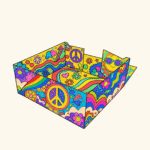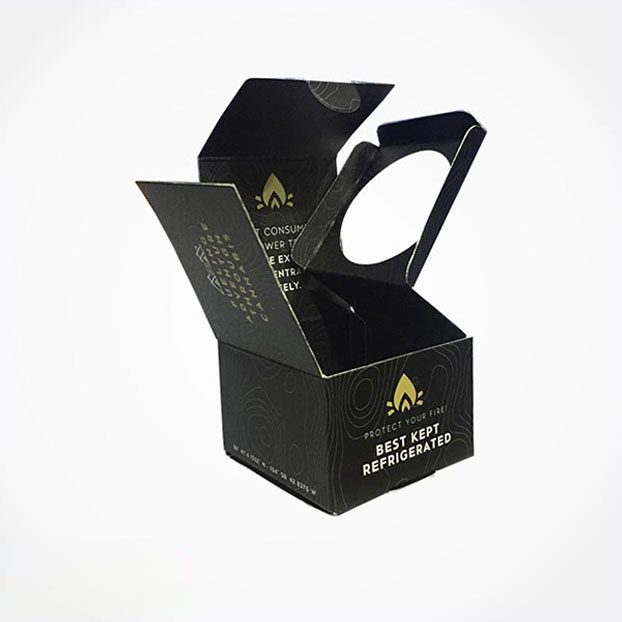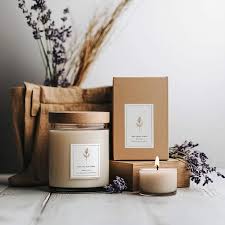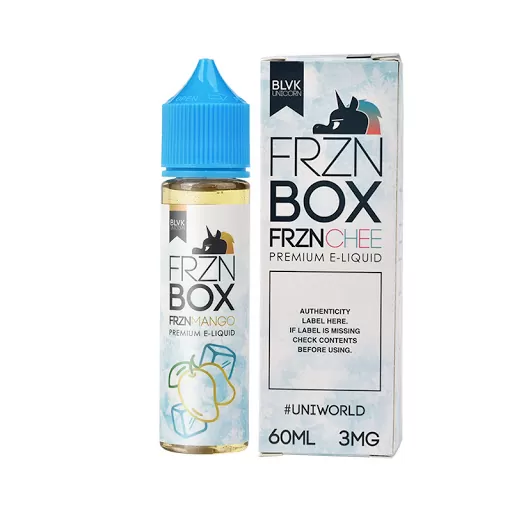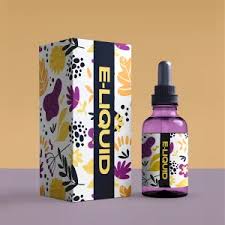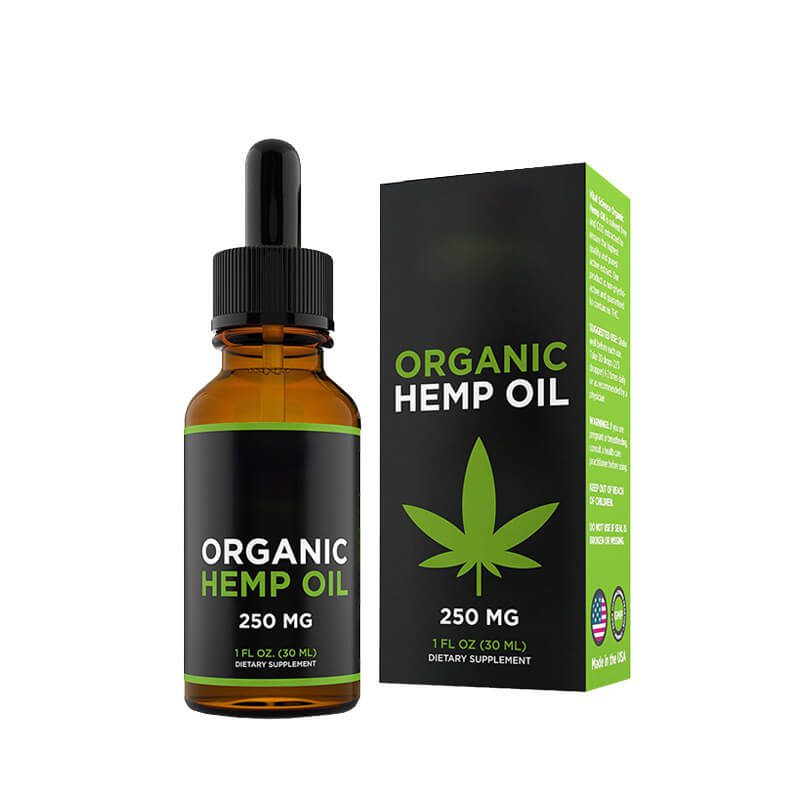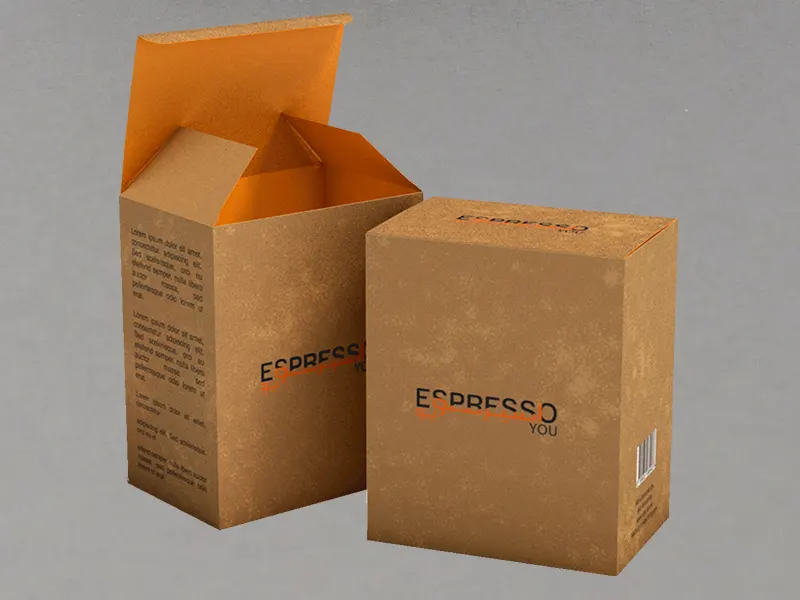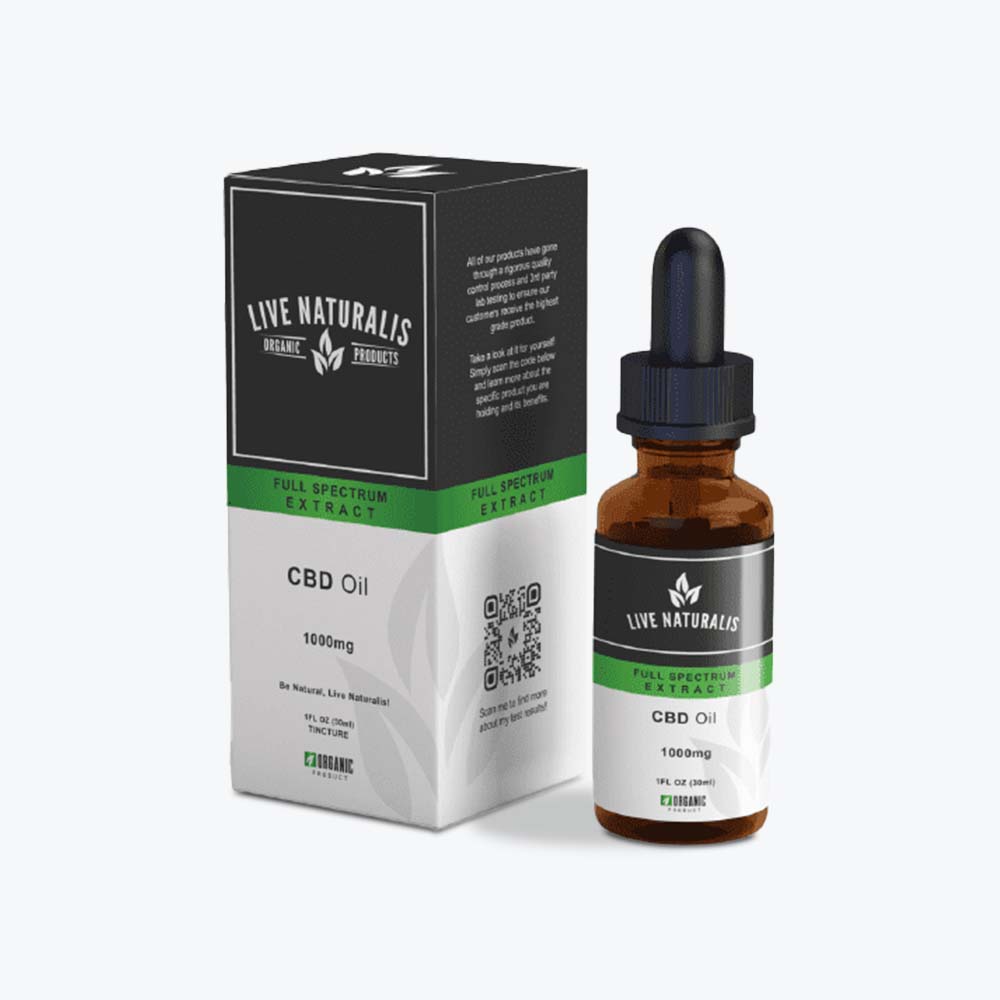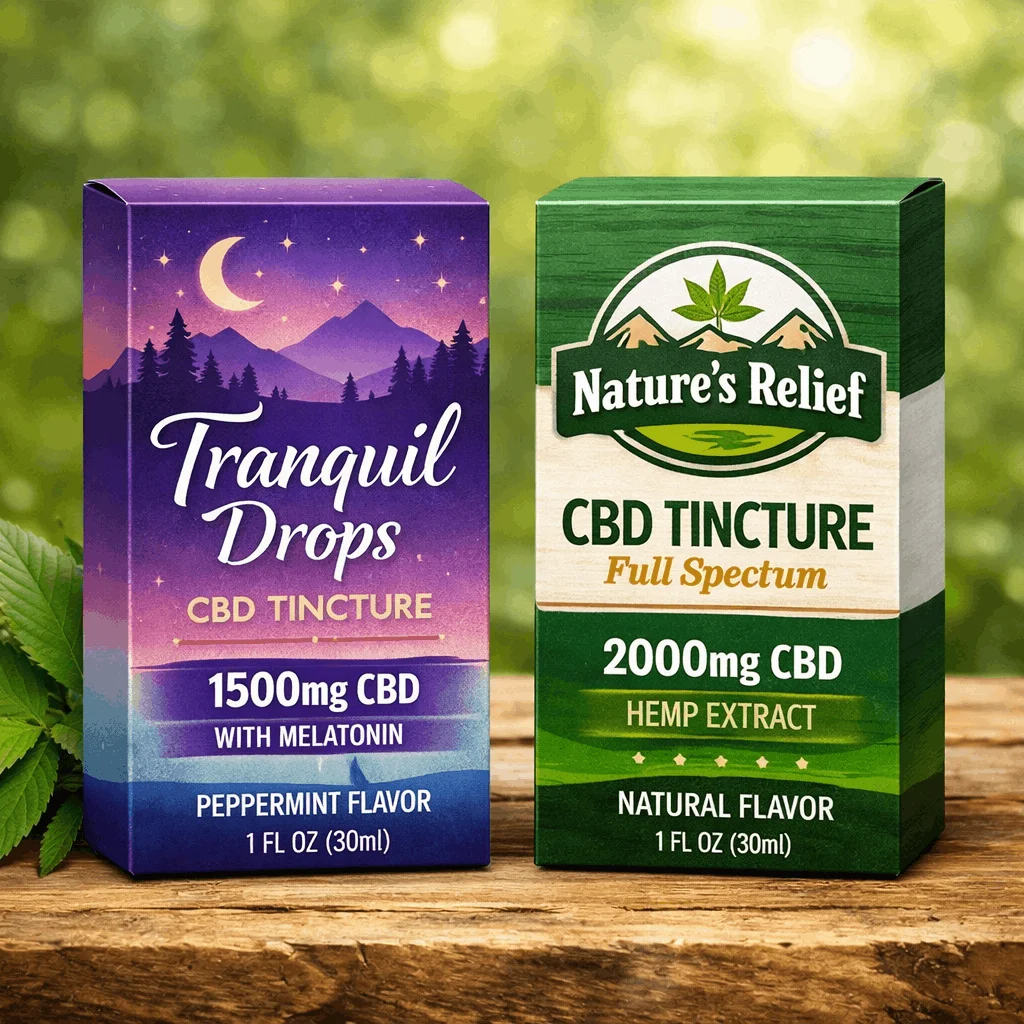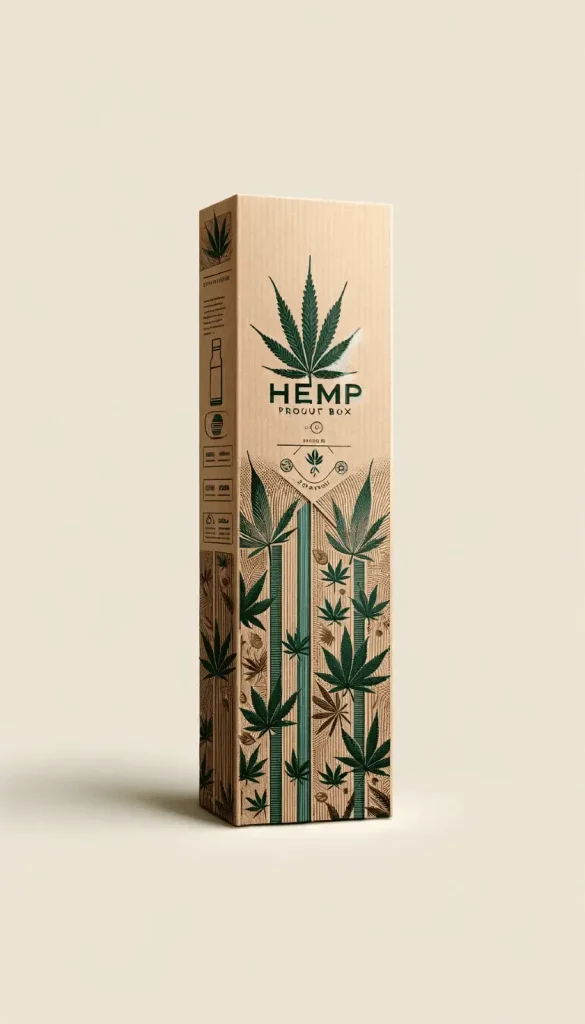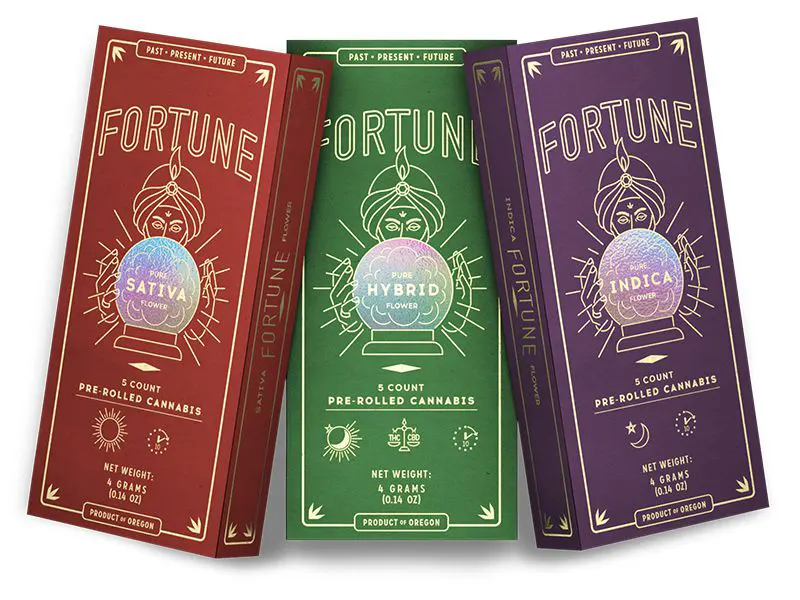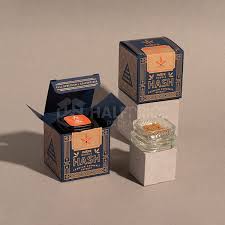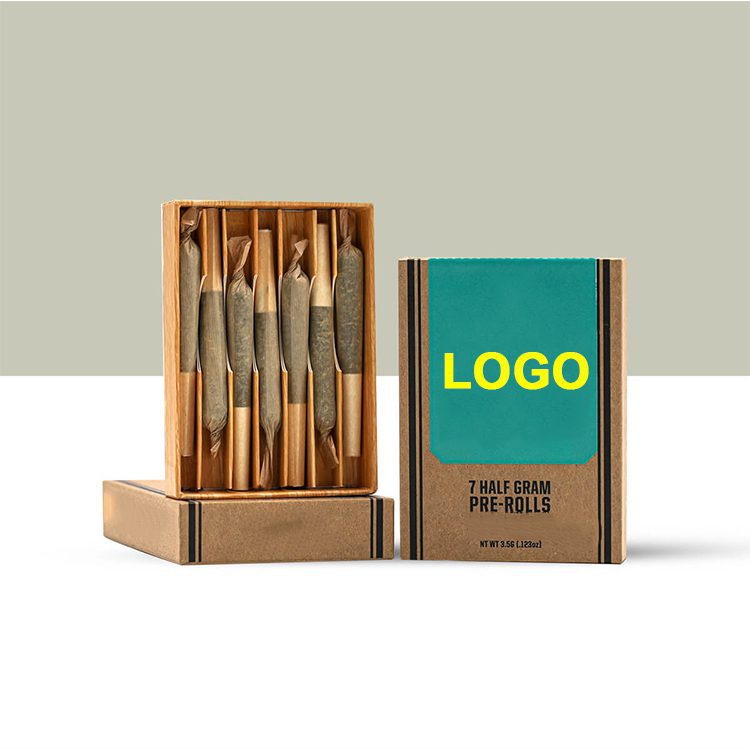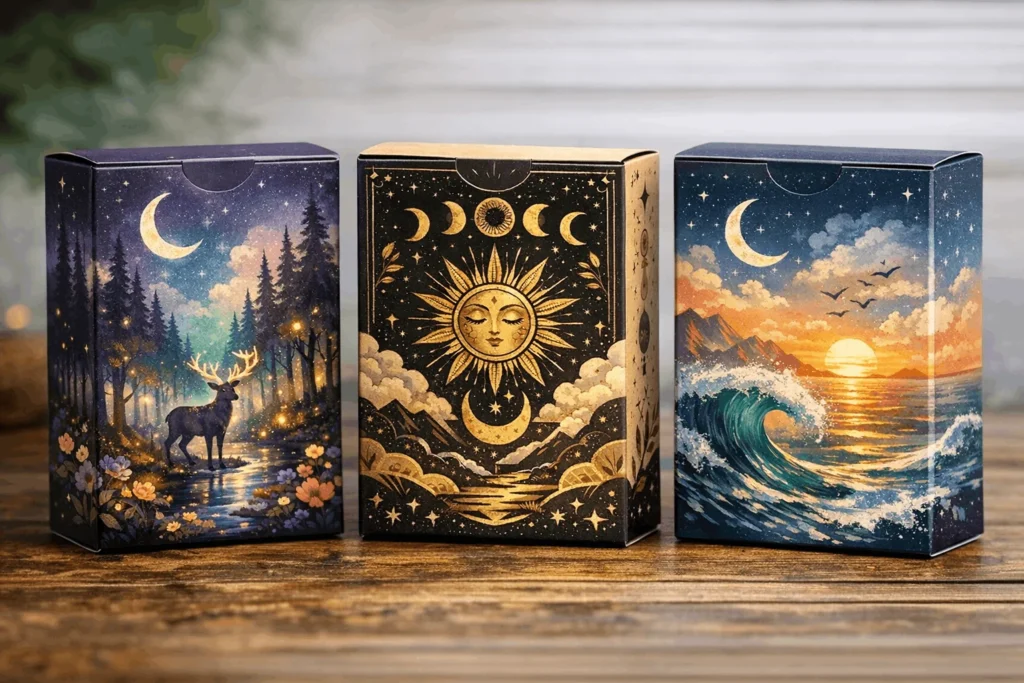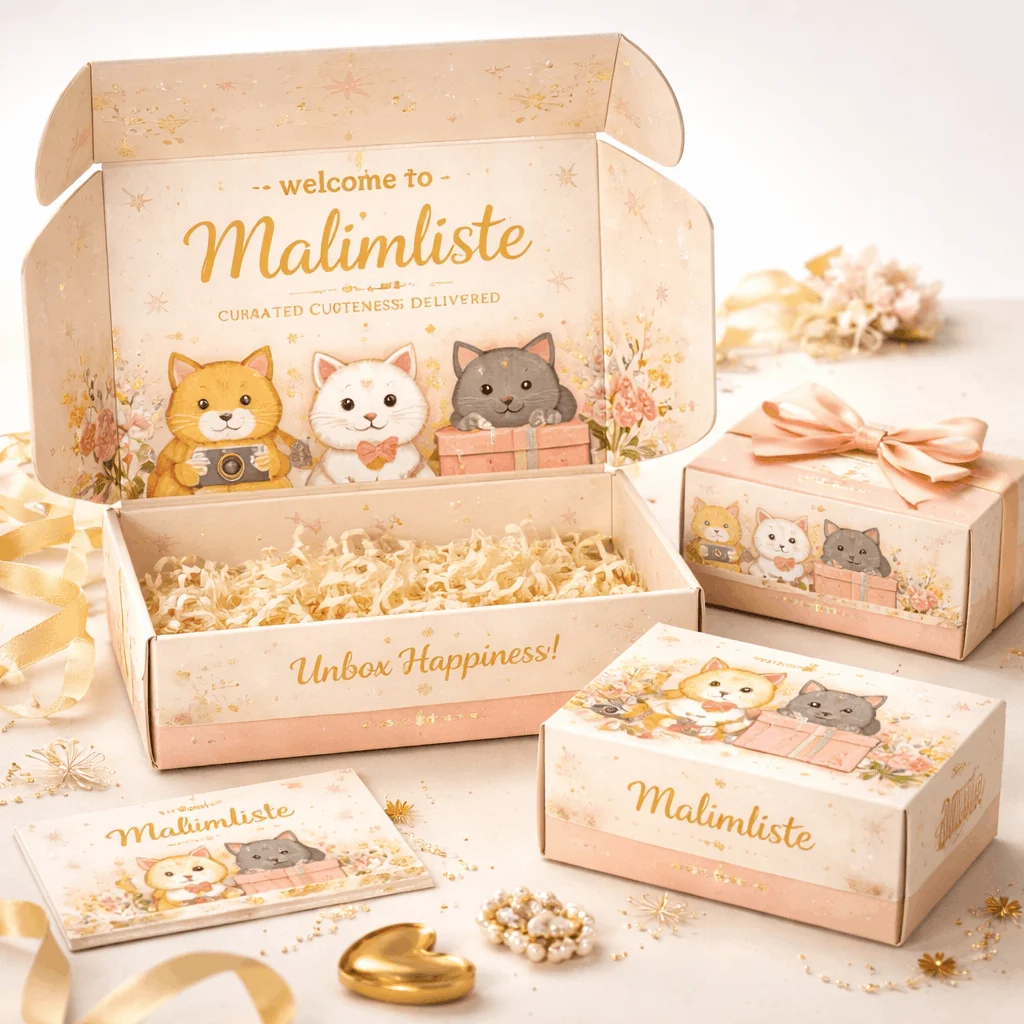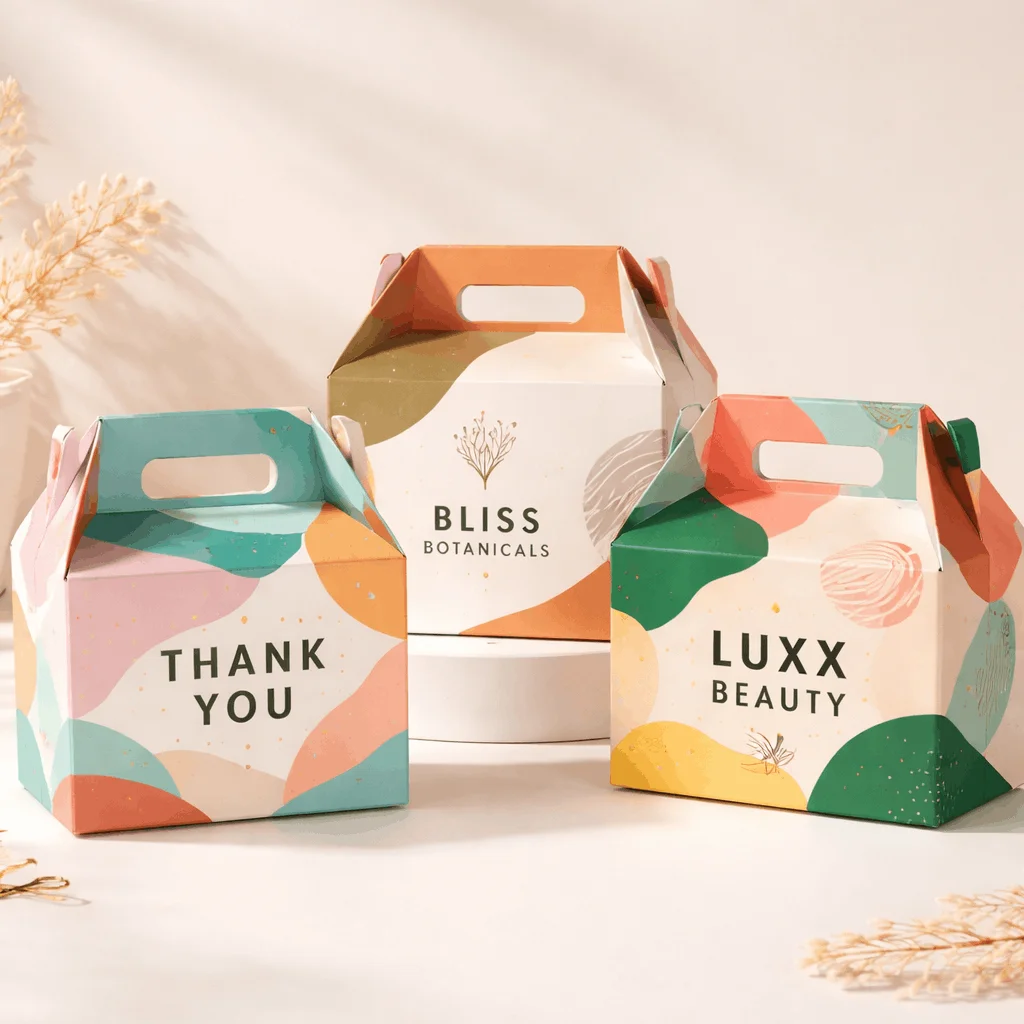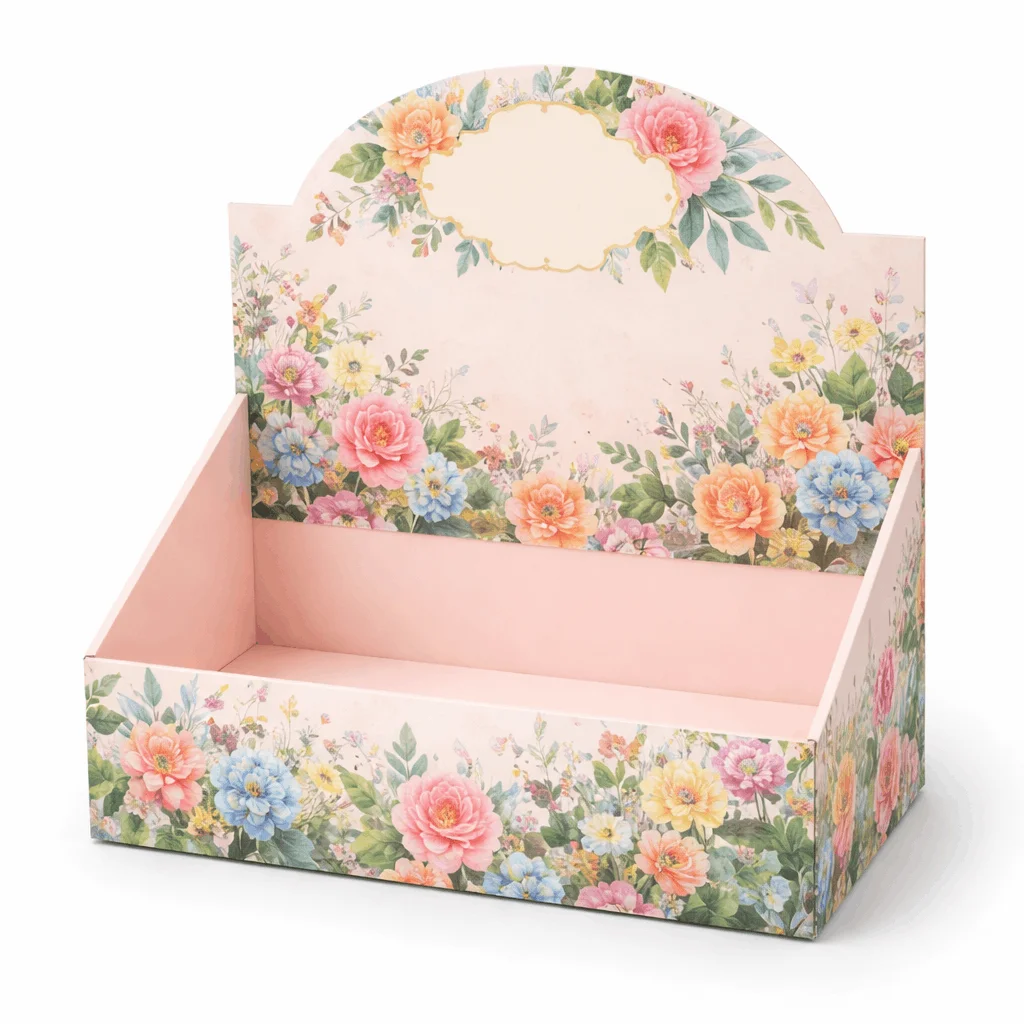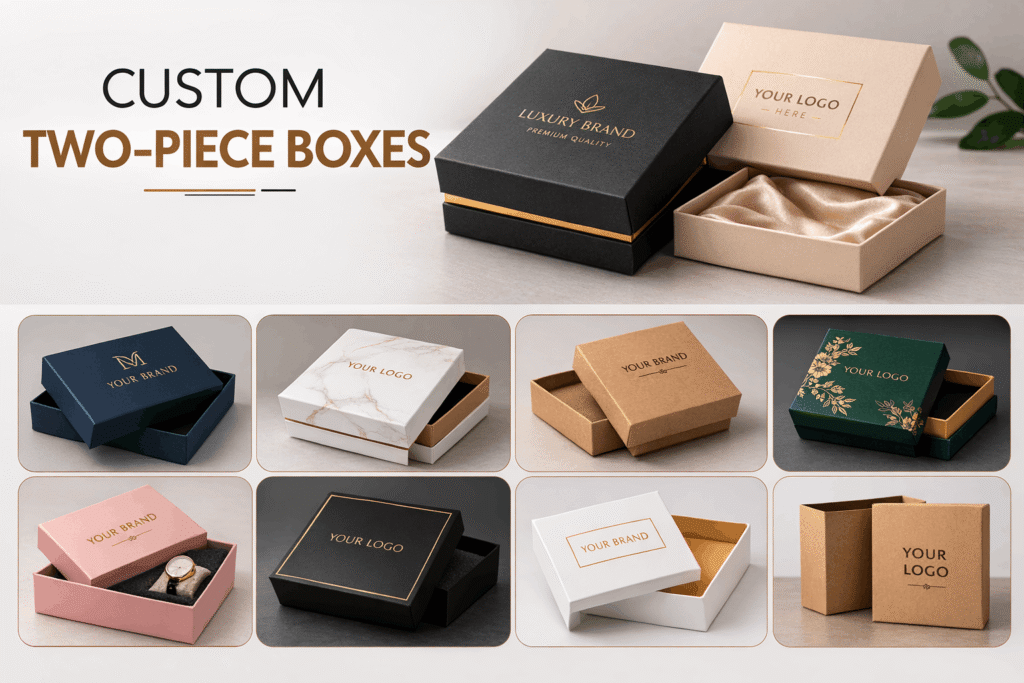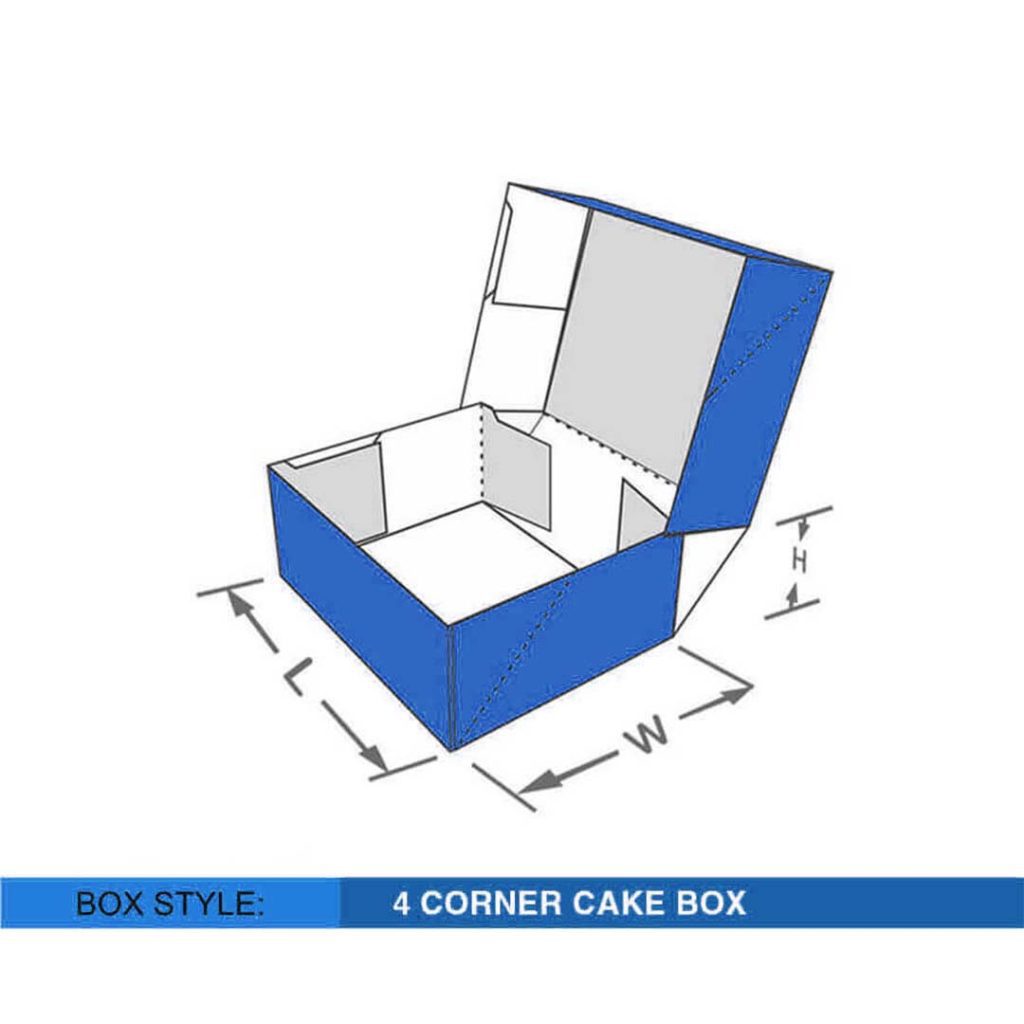
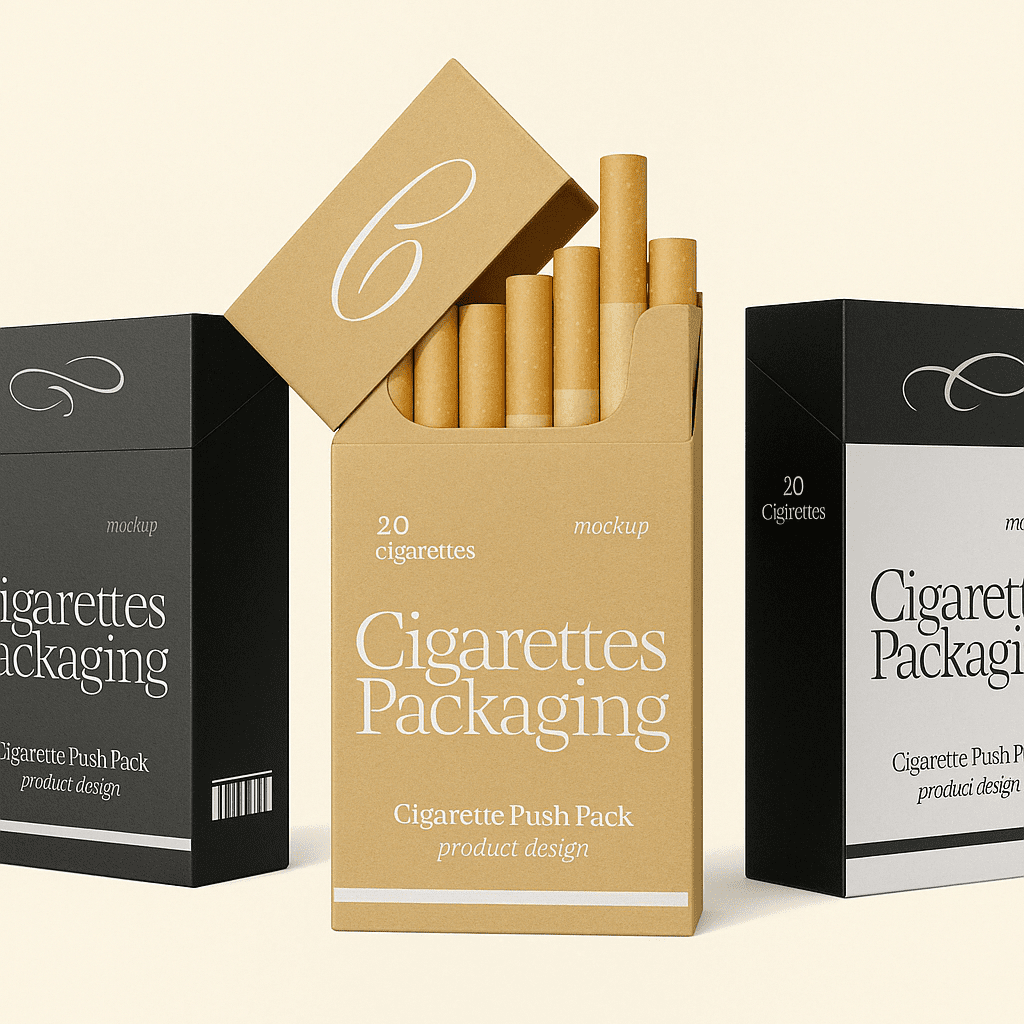
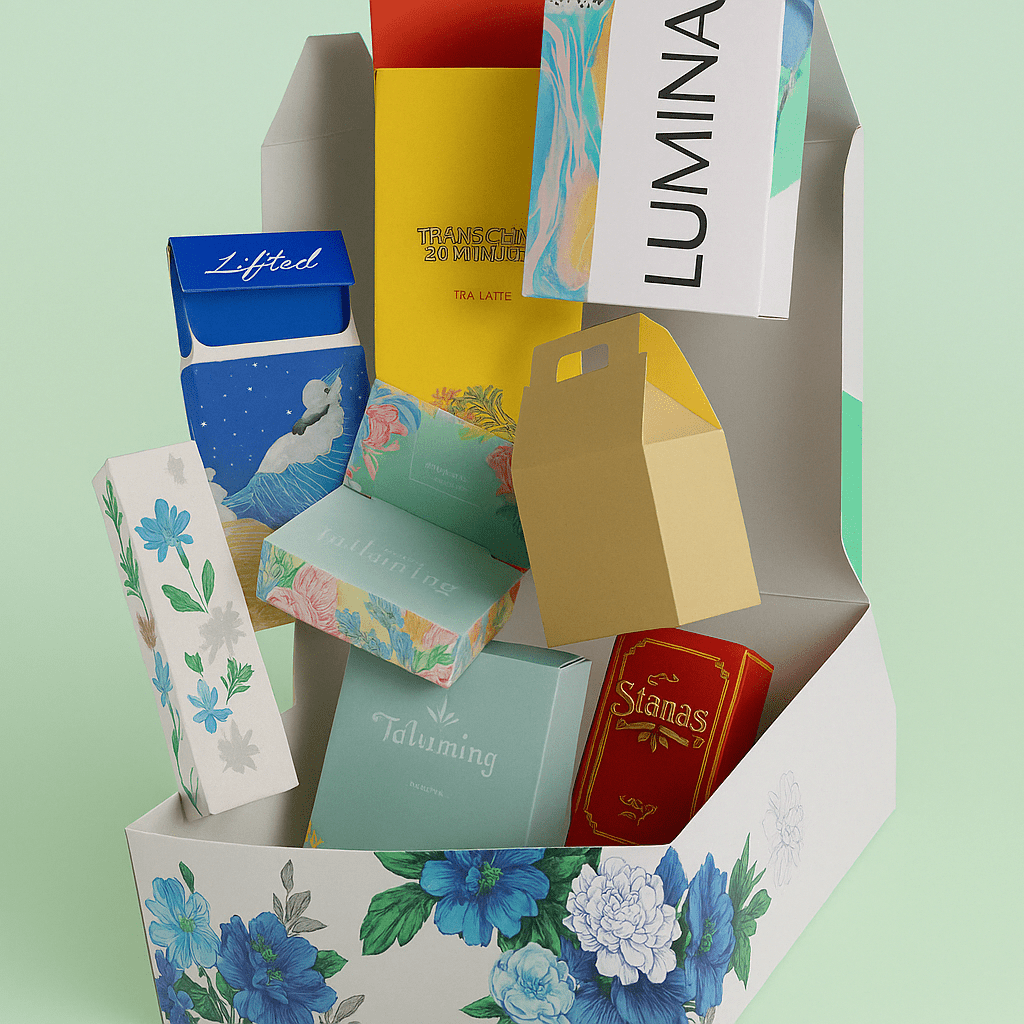
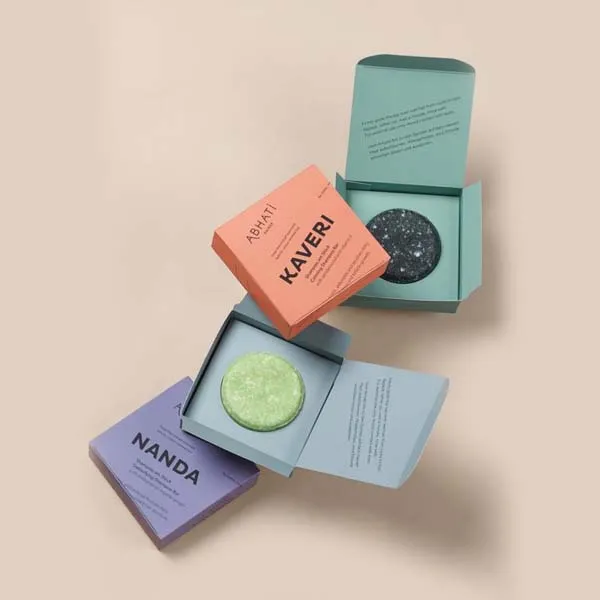
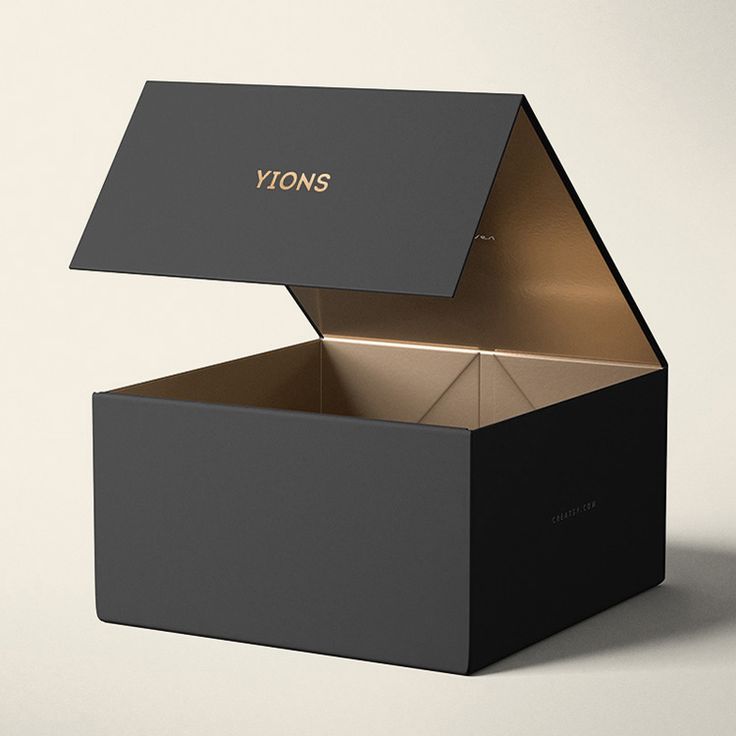
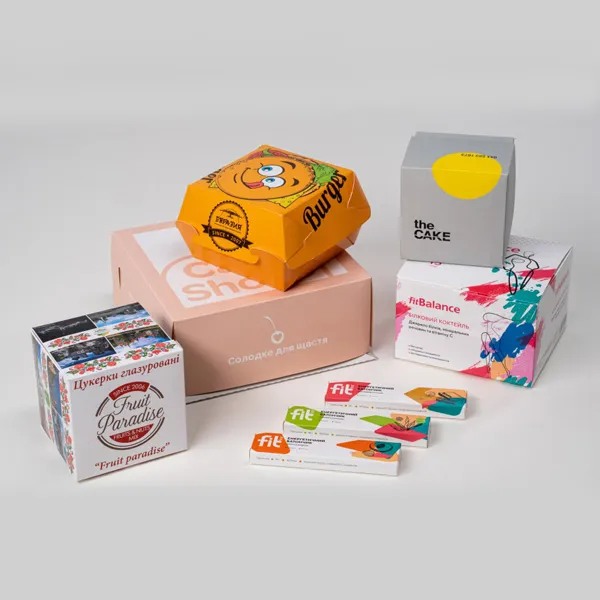
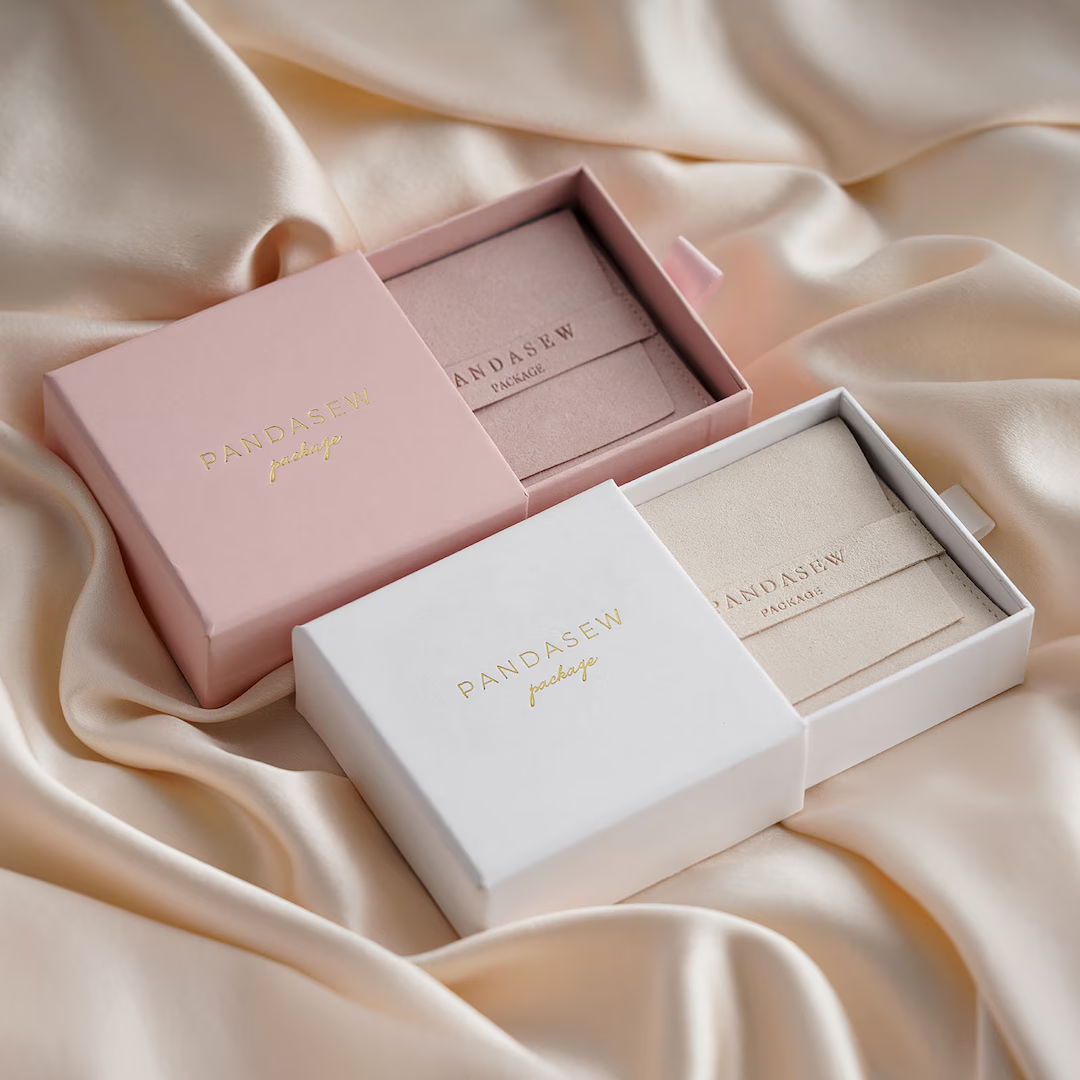
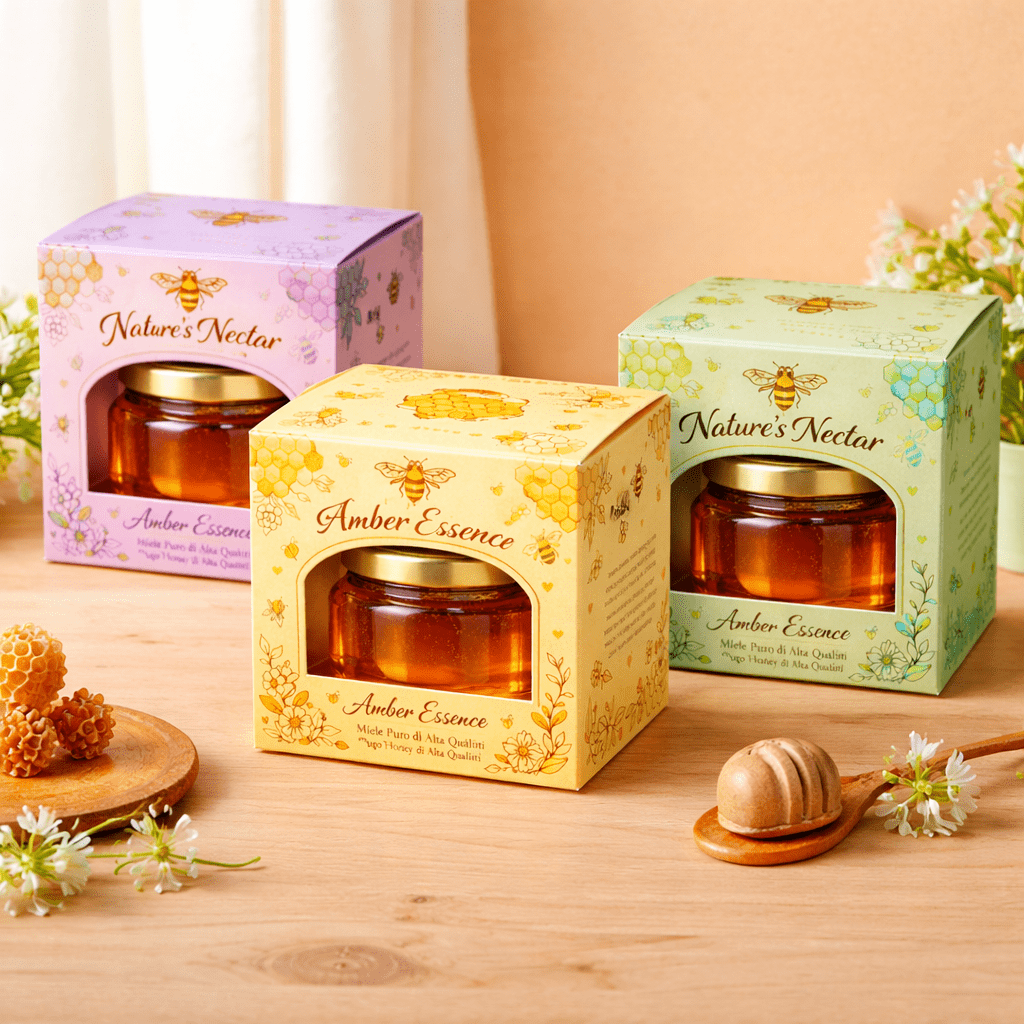
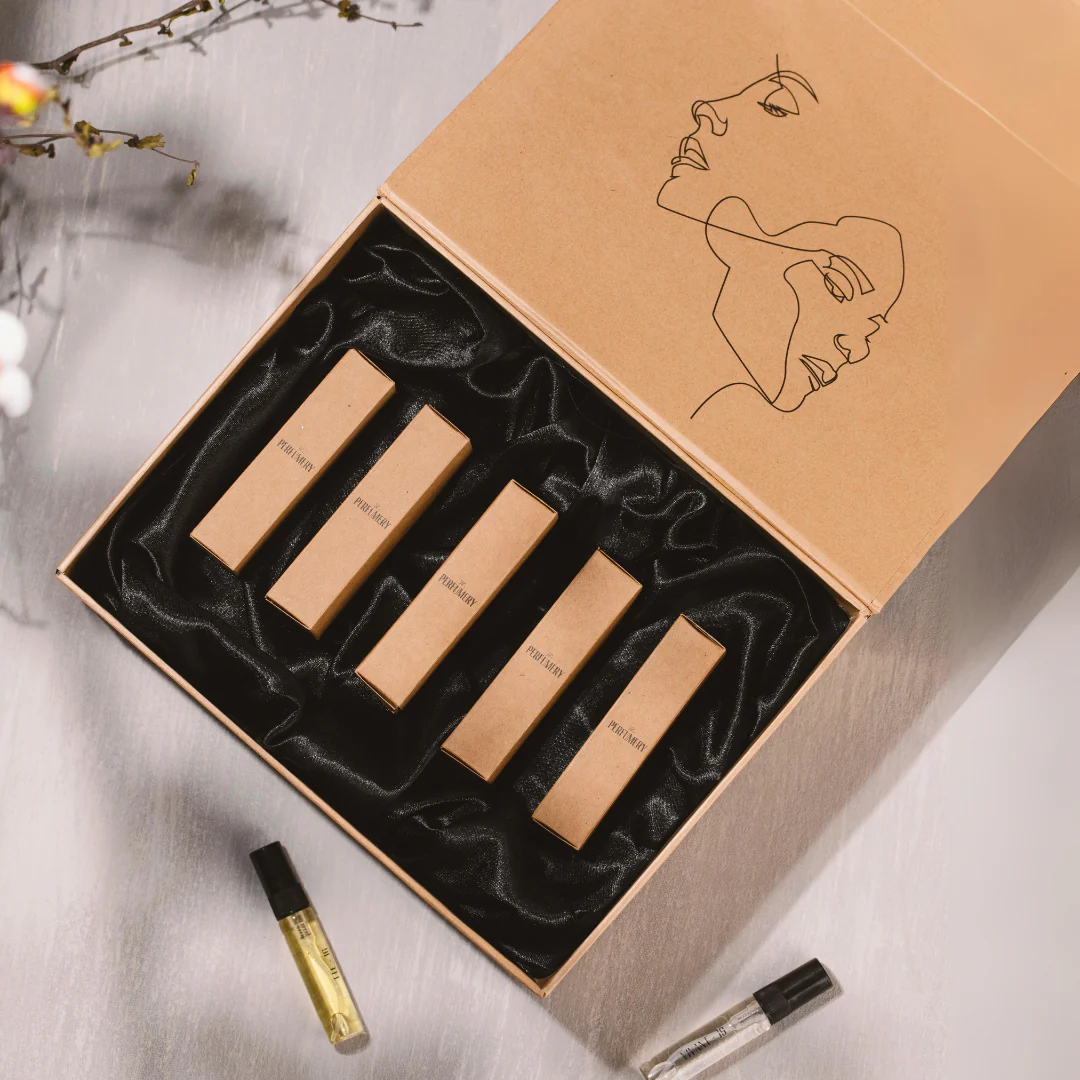
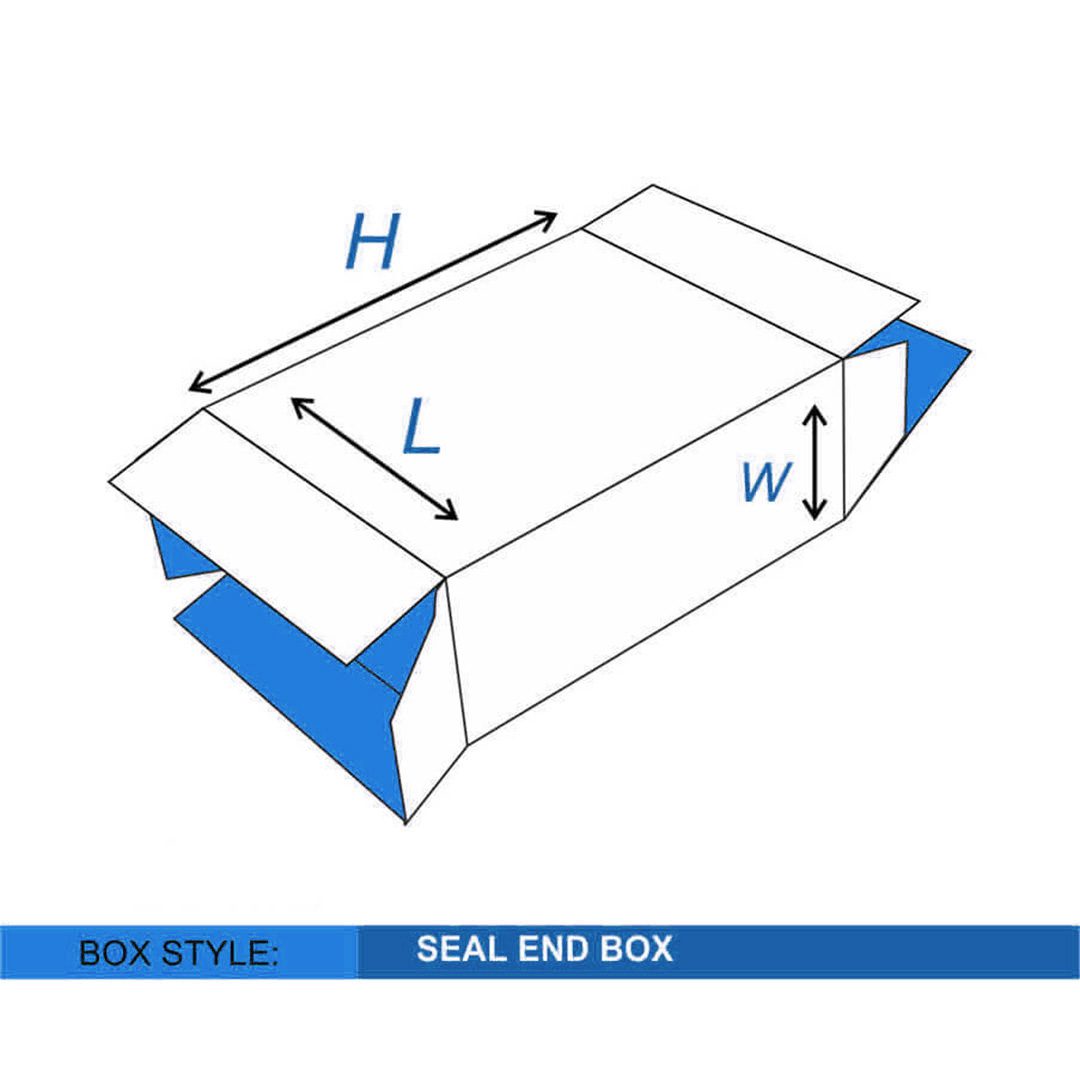
Seal End Boxes
When you walk down the aisle of any American retail store — whether it’s a pharmacy, a cosmetics outlet, a gourmet grocery, or a specialty candle shop — your eyes naturally land on products with clean, tightly sealed packaging. That satisfying, crisp edge? That perfectly tucked end that looks like it was designed for that product alone? Chances are, you’re looking at seal end boxes. And if you’re a business owner, a brand manager, or a product developer anywhere in the USA, understanding what seal end boxes are and why they matter could be the single most important packaging decision you make this year.
At Packaging Box USA, we’ve been working with businesses across the United States — from one-person startups to established national brands — and one thing is consistent: when companies switch to custom seal end boxes, their product presentation transforms. The feedback we hear most often? ‘I didn’t know packaging could do this much for my brand.’
This article is your complete, no-fluff, expert guide to seal end boxes. We’re going to cover everything: what they are, how they’re made, why they work, which industries use them, how to customize them, and how to choose the right packaging partner in the USA. Let’s get into it.
What Are Seal End Boxes?
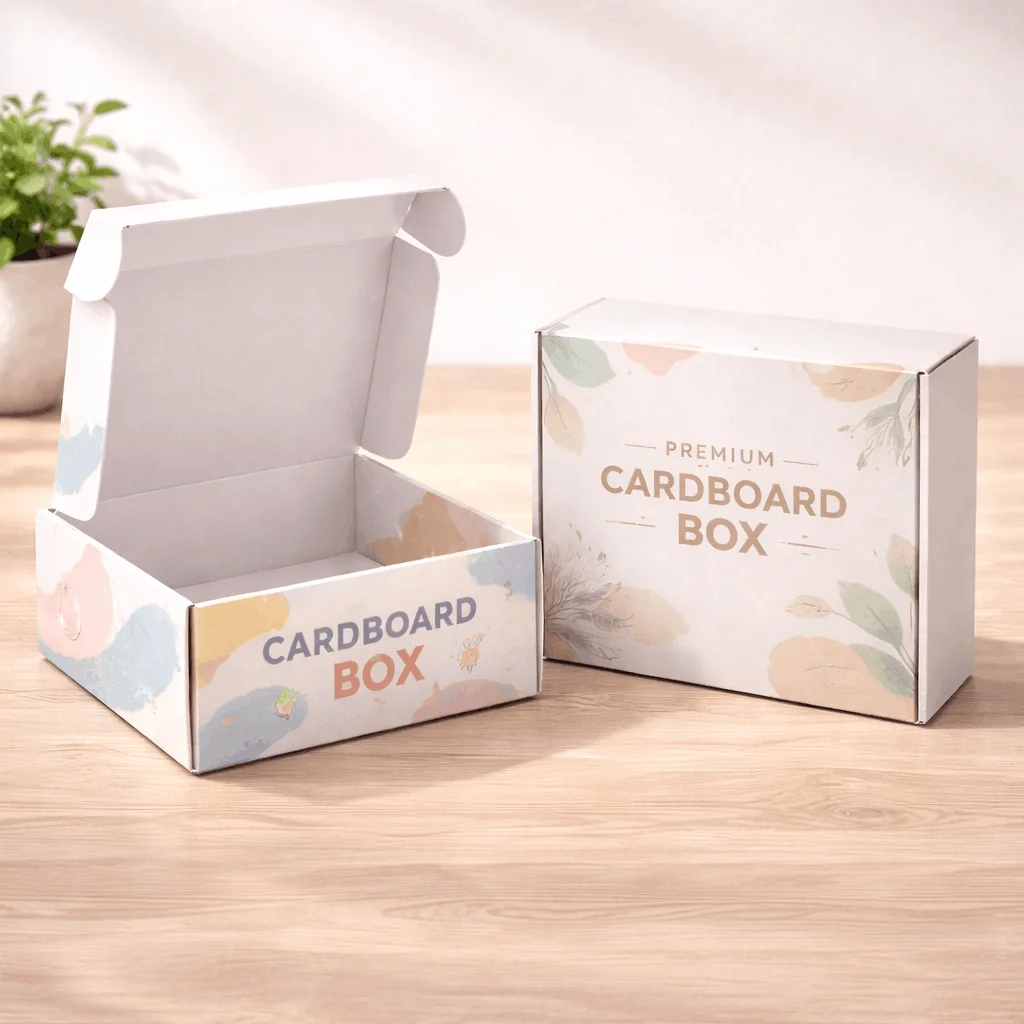
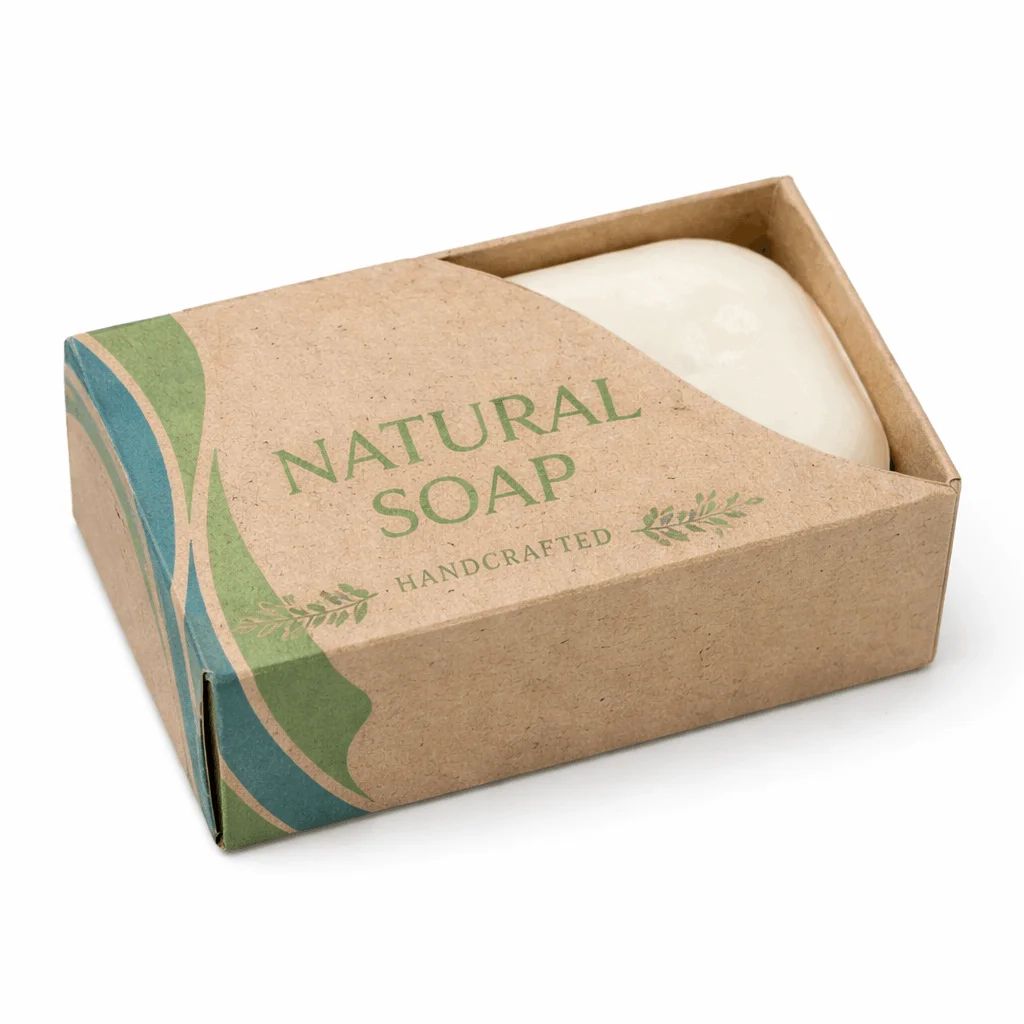
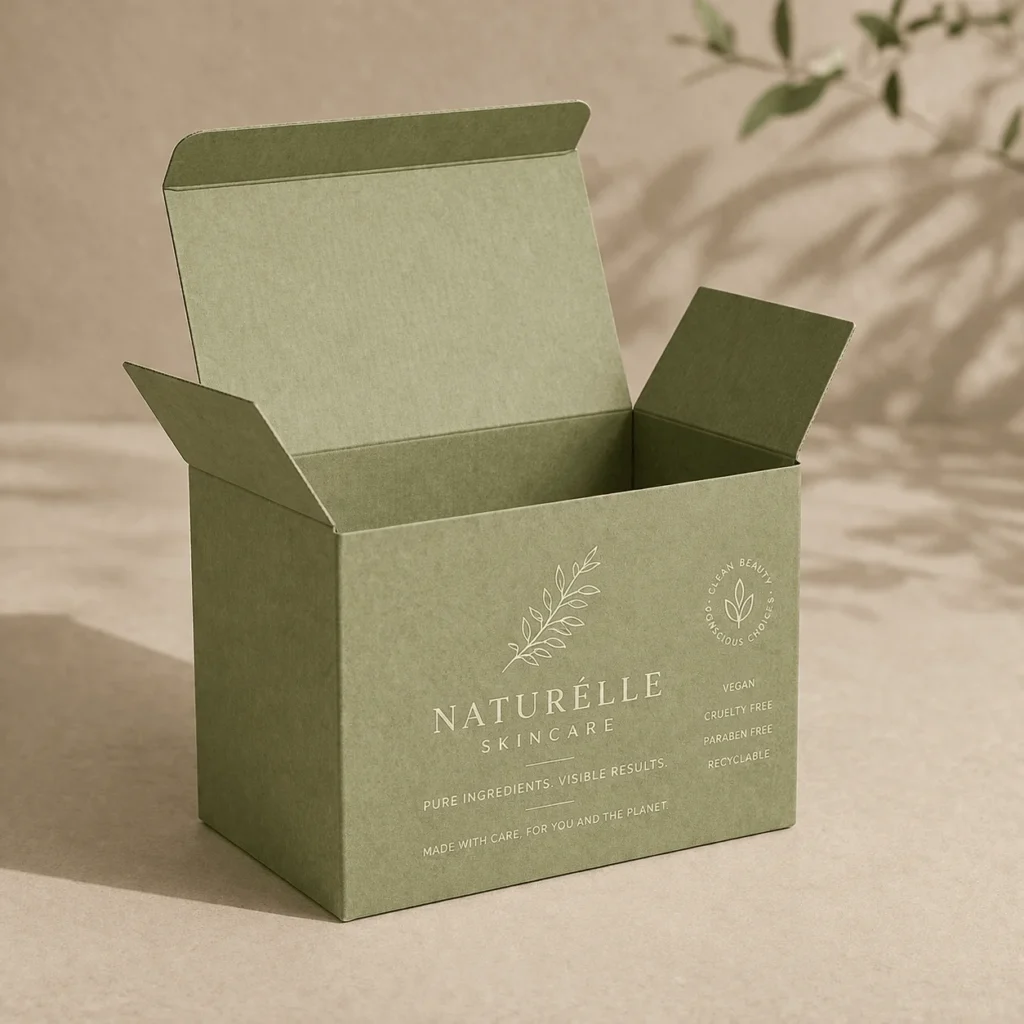
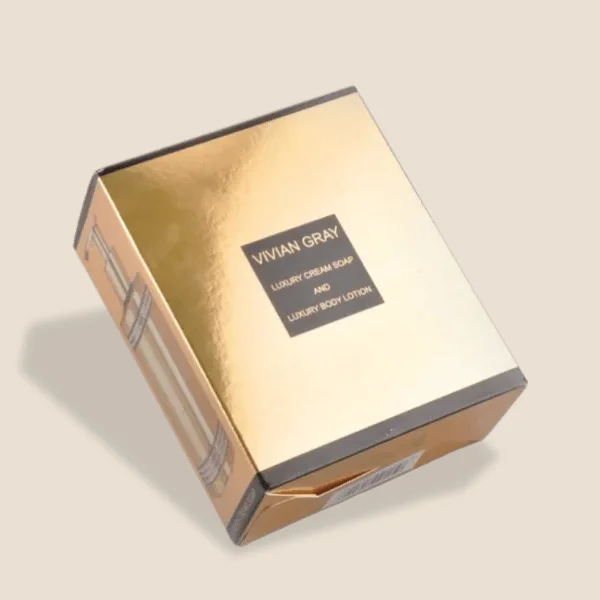
Seal end boxes — also known as tuck end boxes or glued end boxes — are a style of folding carton where one or both ends of the box are sealed shut using adhesive glue rather than interlocking tuck-in flaps. Unlike standard auto-lock or straight tuck boxes where the flaps fold into each other, seal end boxes have their ends pre-glued during manufacturing. This means the box arrives flat-packed, and when opened, it forms a rigid, stable, professional-looking container.
The ‘seal’ in the name refers specifically to that glued, closed end — and it makes all the difference. A glued end provides:
- Superior structural integrity compared to tuck-style closures
- A cleaner, more finished look on the bottom and top faces of the box
- Faster packing and assembly on production lines
- Less risk of accidental opening during shipping or display
In the world of custom packaging USA, seal end boxes occupy a sweet spot: they’re economical to produce in bulk, they look premium, and they’re extraordinarily versatile.
The Anatomy of a Seal End Box
To truly appreciate what makes seal end boxes superior, it helps to understand their construction. A well-made seal end box consists of several key components:
1. The Main Body Panel
This is the largest surface area of the box — the front, back, and two side panels. This is where your brand’s primary artwork, logo, product name, and key messaging live. On a shelf, this is what speaks first.
2. The Glued (Sealed) Bottom End
Unlike tuck boxes where you fold in two flaps and tuck a third, the seal end box has a pre-glued bottom that’s applied during manufacturing. When the flat-pack box is erected, the bottom pops into place and stays there — firm, flat, and completely closed. No fumbling. No accidental openings.
3. The Top Closure
Seal end boxes offer flexibility at the top. Depending on your product needs, the top can be:
- Also glued (for fully sealed, tamper-evident packaging)
- A tuck-style flap (for boxes that need to be opened and reclosed)
- A flip-top lid design (for premium unboxing experiences)
4. The Dust Flaps
On either side of the main closure flaps are smaller dust flaps that fold inward first. These prevent debris from entering the box at the corners and give the closed box a neat, professional appearance.
5. The Glue Seam
Running vertically along one side panel, the manufacturer’s glue joint holds the box’s body together and allows it to ship flat and assemble quickly.
Seal End Boxes vs. Other Box Styles: An Honest Comparison
One of the questions we get most at Packaging Box USA is: ‘Why should I use seal end boxes instead of standard tuck boxes?’ It’s a fair question. Let’s look at this directly:
Seal End vs. Straight Tuck End (STE)
A straight tuck end box has tuck flaps on both the top and bottom that open and close in the same direction. They’re simple, cost-effective, and work well for lightweight items. However, the tuck closure can loosen over time, especially if the box is handled repeatedly. For products that need to stay closed during retail display, straight tuck boxes can be a liability.
Seal end boxes solve this problem outright. The glued end doesn’t loosen. It doesn’t pop open. It holds its shape.
Seal End vs. Reverse Tuck End (RTE)
Reverse tuck end boxes have the top flap tucking in from the front and the bottom flap tucking from the back — or vice versa. This creates a more balanced structure than straight tuck, but still relies on friction to stay closed. For heavier products or items that go through vigorous handling, the results can be inconsistent.
Seal End vs. Auto-Lock Bottom
Auto-lock bottom boxes have a clever interlocking mechanism at the base that locks automatically when erected. They’re strong and don’t require glue. However, the auto-lock mechanism adds to the cost and complexity, and they still have tuck-style tops that can open unintentionally.
Seal end boxes offer a simpler, more affordable path to a secure, flat, professional bottom — while giving you flexibility in your top closure design.
Industries That Rely on Seal End Boxes in the USA
Our team at Packaging Box USA works with clients across virtually every consumer product category, and seal end boxes consistently appear as the preferred choice in these industries:
1. Cosmetics and Beauty
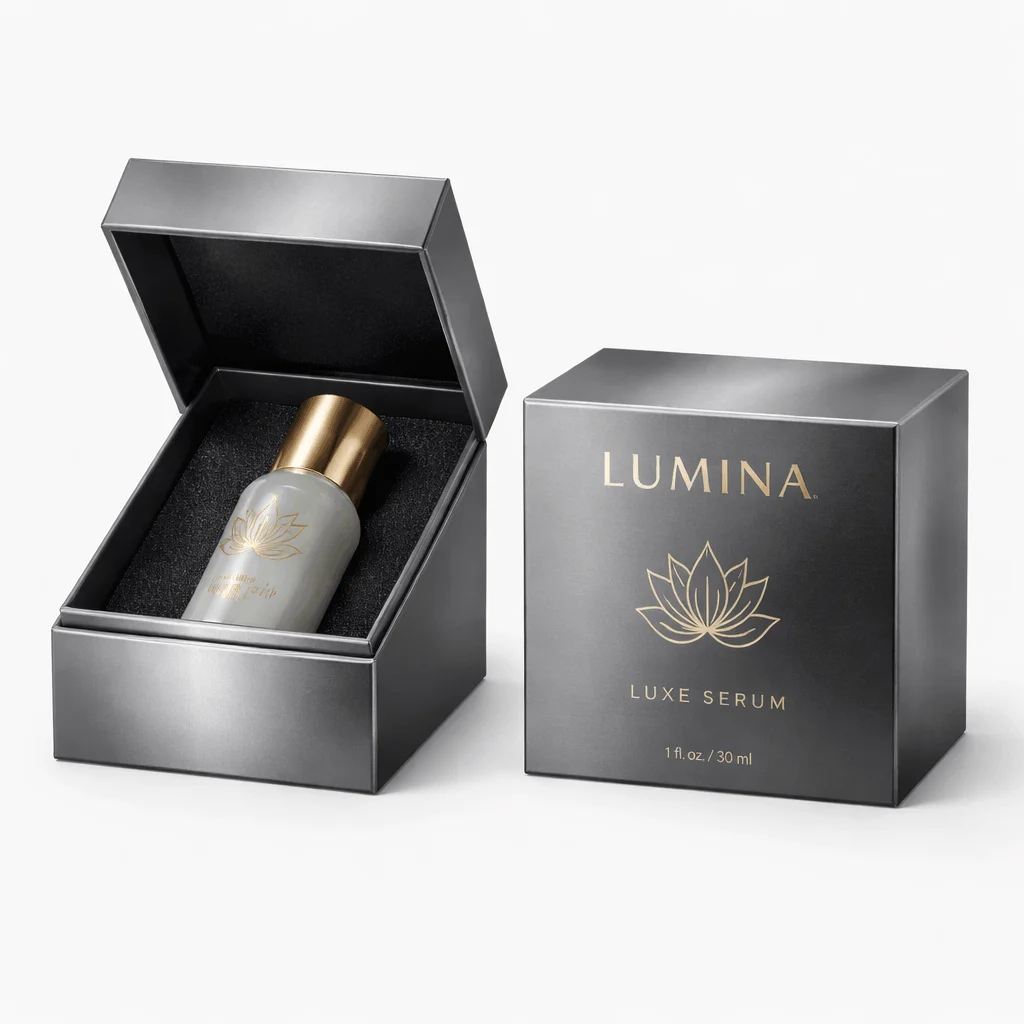
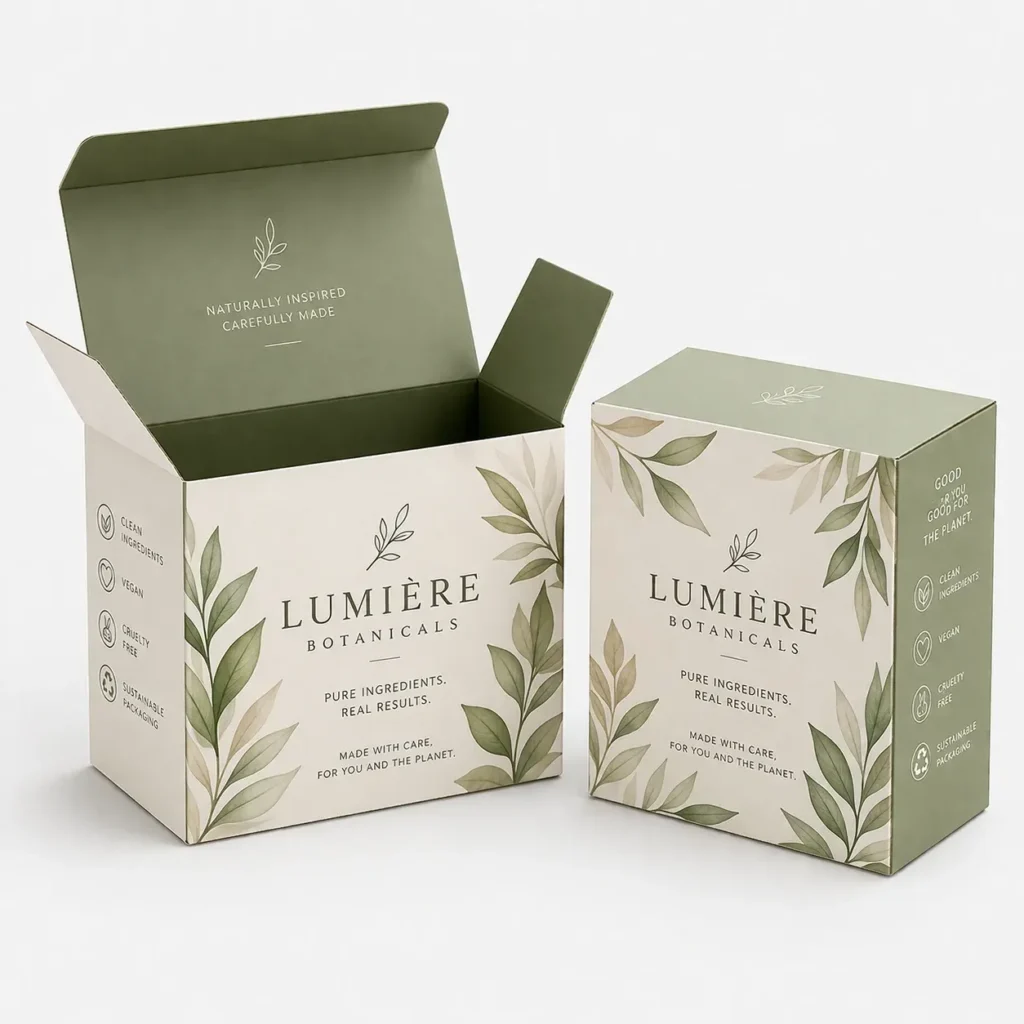
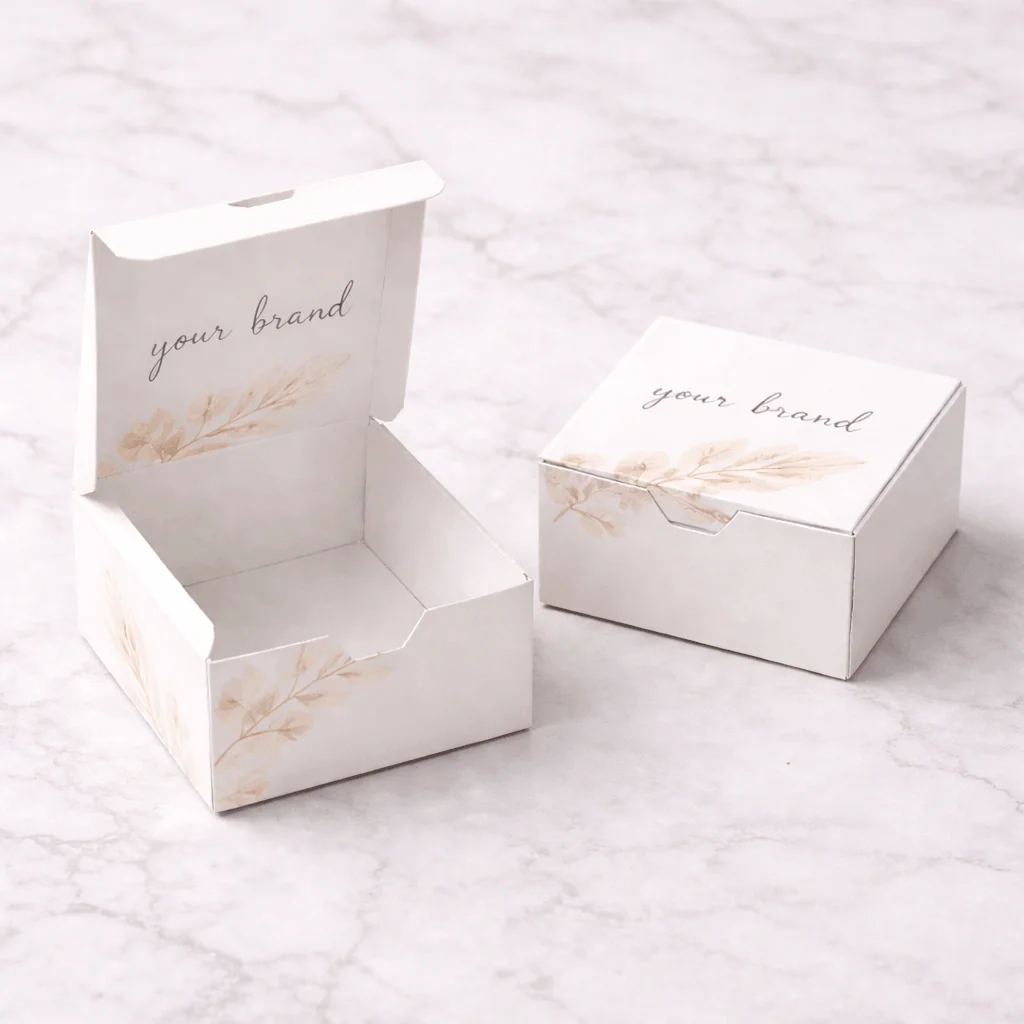
The beauty industry is one of the largest users of seal end packaging in the USA. Foundations, mascaras, serums, lip kits, eyeshadow palettes, perfume boxes — all of these benefit from the clean lines and premium feel that a glued-end carton provides. When a customer picks up a high-end moisturizer, the first thing they feel is the quality of the packaging. A seal end box communicates precision and care.
2. Pharmaceuticals and Nutraceuticals
For supplement brands, OTC medication, vitamins, and wellness products, seal end boxes do double duty. They look professional on the shelf and — when both ends are glued — they provide a level of tamper evidence that regulatory standards increasingly require. Custom boxes for this category also often include child-resistant features, insert trays, and specific material certifications.
3. Food and Gourmet Products
Artisan chocolates, tea bags, specialty spices, protein bars, and premium coffee all use seal end boxes to elevate their retail presentation. Food-grade seal end boxes use materials approved for indirect or direct food contact, and they can be designed to stand upright on shelves — a crucial advantage in crowded grocery environments.
4. Electronics and Accessories
Earbuds, cables, phone cases, smart home gadgets — tech accessories need packaging that’s protective, compact, and visually exciting. Seal end boxes allow for tight tolerances (so products don’t rattle around), and they print beautifully for full-color, photographic-quality product images.
5. Candles and Home Fragrance
The home fragrance industry has undergone a major premiumization trend, and seal end boxes are central to that story. A hand-poured soy candle in a custom seal end box with soft-touch lamination and gold foil stamping doesn’t just hold a product — it delivers a moment. Customers hold onto this packaging long after the candle is gone.
6. Subscription Box Inserts
Subscription box services frequently use seal end boxes for individual product items inside their main mailer. The consistency and durability of the glued end makes them ideal for items that need to survive shipping, handling, and multiple touch-points.
Customization Options for Seal End Boxes
One of the most exciting aspects of working with a custom packaging USA partner like Packaging Box USA is the depth of customization available. No two brands are alike, and your packaging shouldn’t be either.
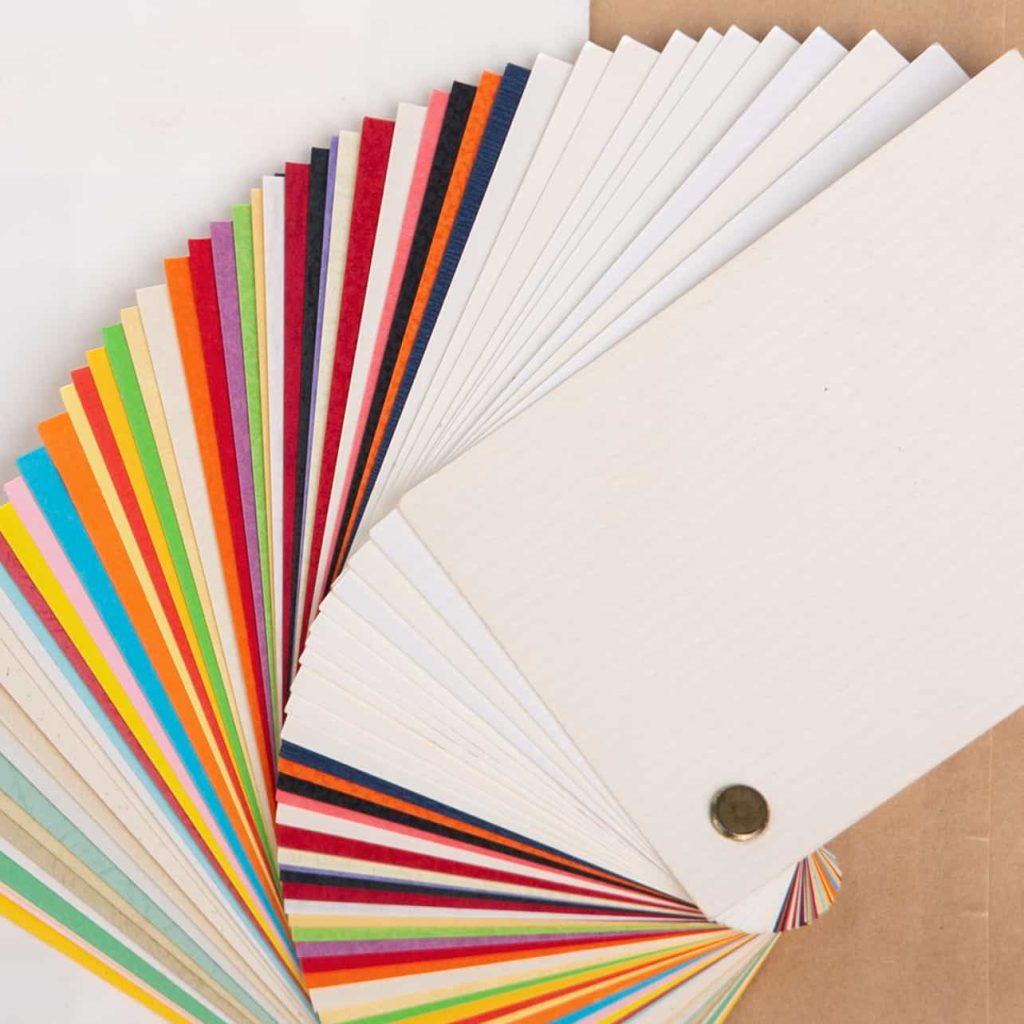
Material Options
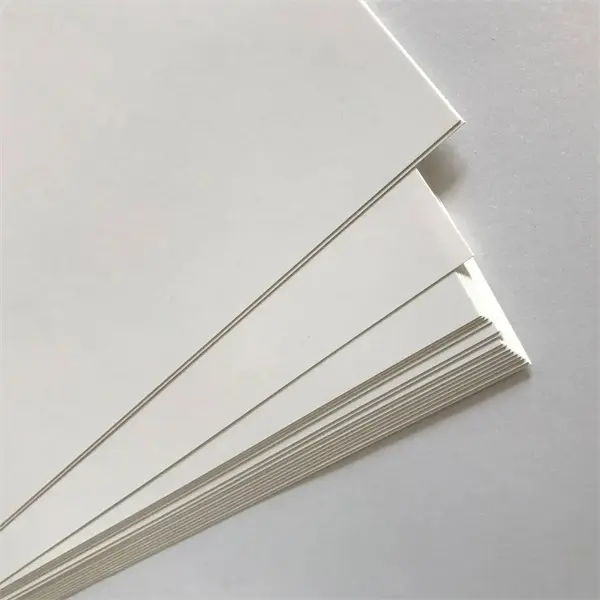
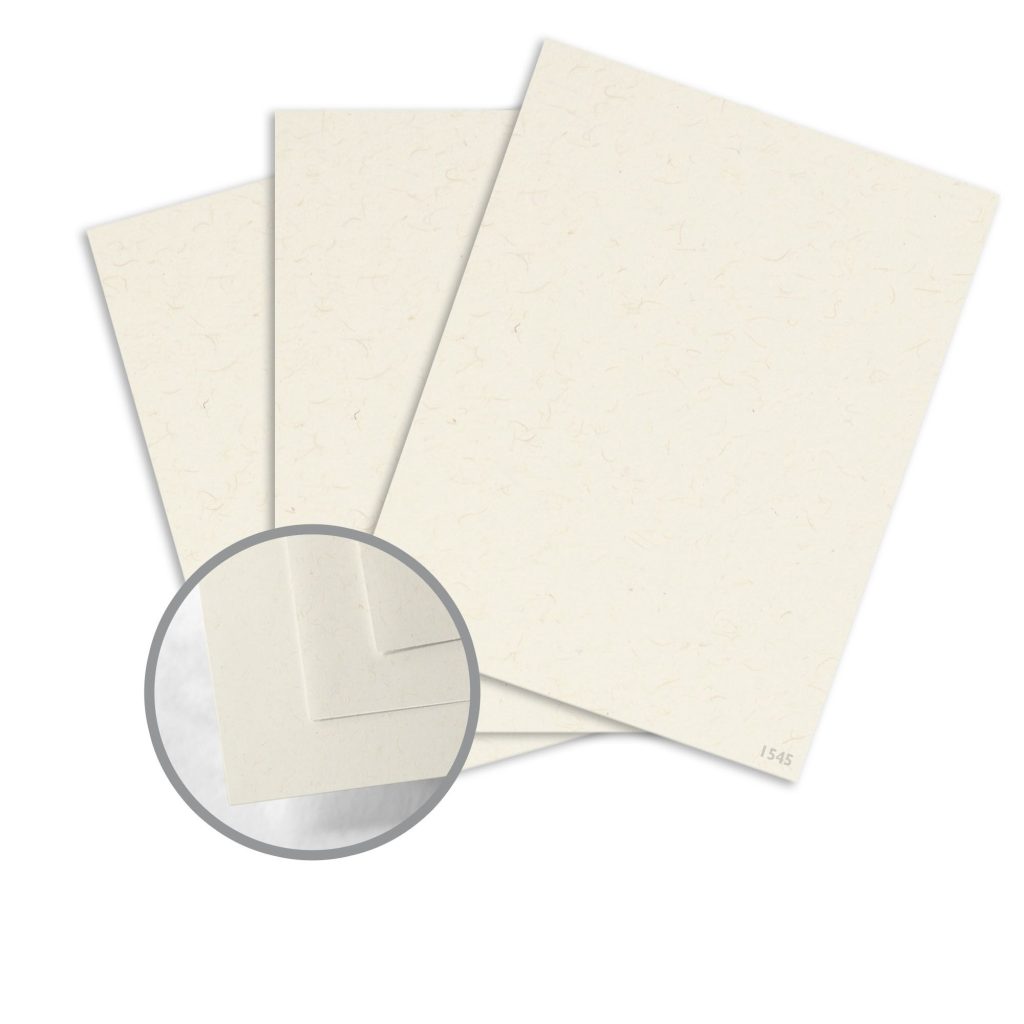
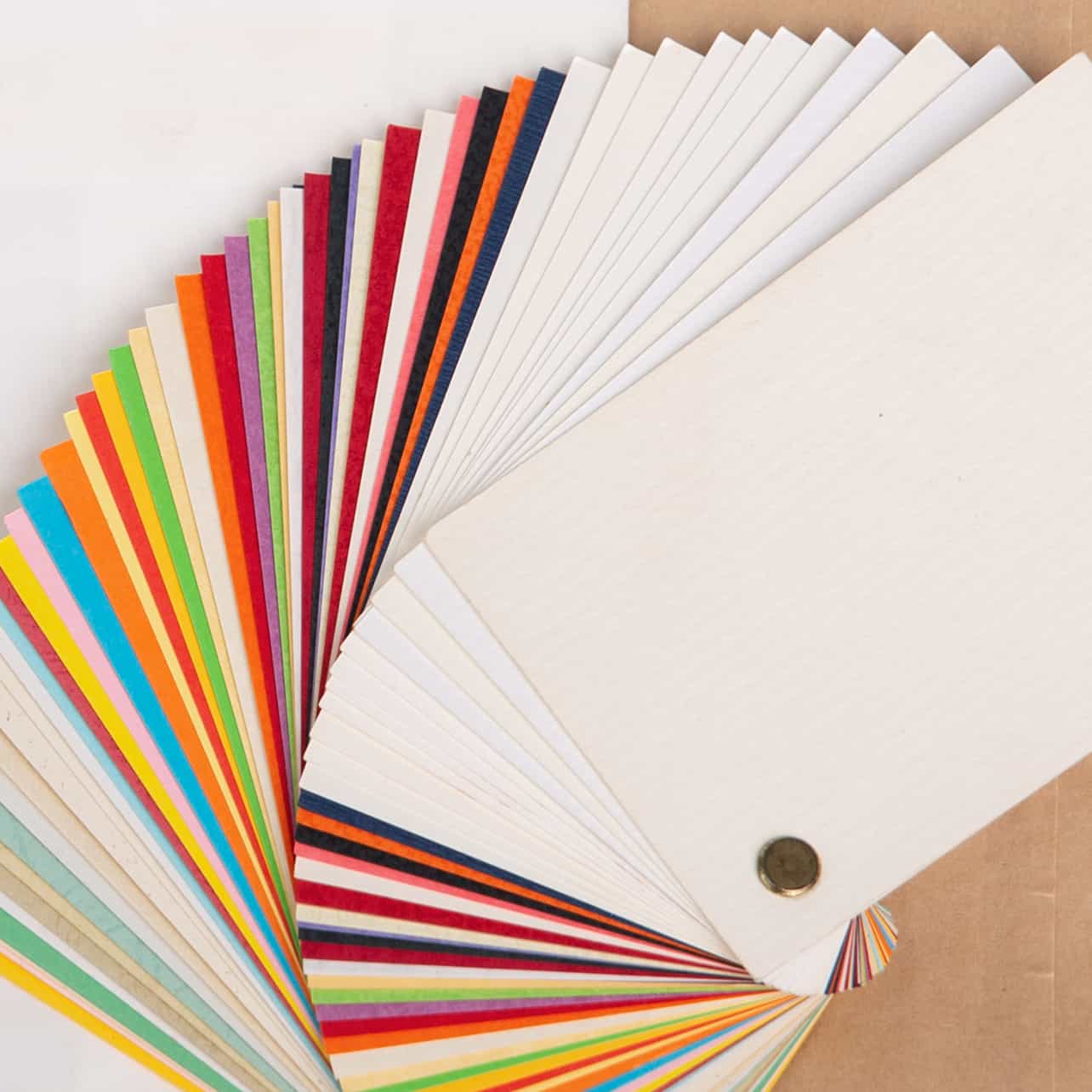
- SBS (Solid Bleached Sulfate) Board — bright white, ideal for cosmetics, food, and high-color printing
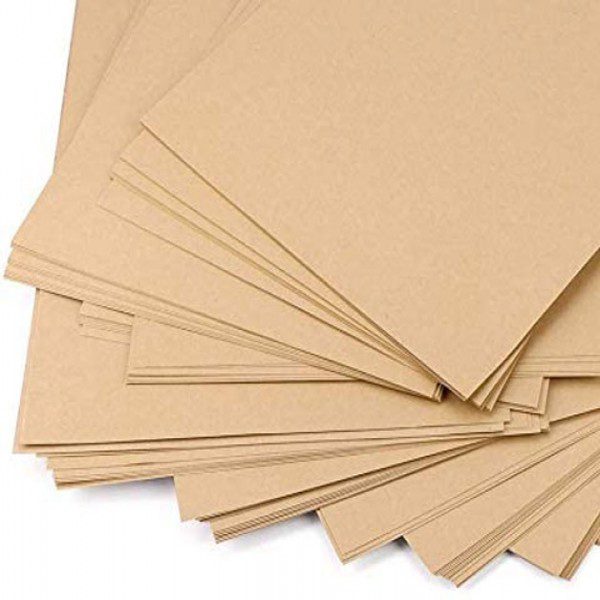
- Kraft Paperboard — natural brown finish, favored by eco-conscious and organic brands
- Recycled/FSC-Certified Board — sustainability-focused brands love this for its environmental credentials
- Corrugated Micro-Flute — added protection for heavier or more fragile products
- Premium C1S/C2S — coated one or two sides for superior print quality
Printing Techniques
- CMYK Offset Printing — the industry standard for high-volume, photographic-quality color
- Digital Printing — fast turnaround, low minimums, perfect for small batches and product testing
- Pantone Spot Colors — precise color matching for brand standards
- UV Printing — vibrant, fade-resistant color with optional UV coating effects
Finishing Options
This is where seal end boxes go from good to extraordinary:
- Gloss Lamination — brilliant shine that makes colors pop
- Matte Lamination — soft, tactile finish that feels premium in hand
- Soft-Touch Lamination — velvety texture that creates an immediate sensory impression
- Spot UV Coating — glossy highlights on specific design elements
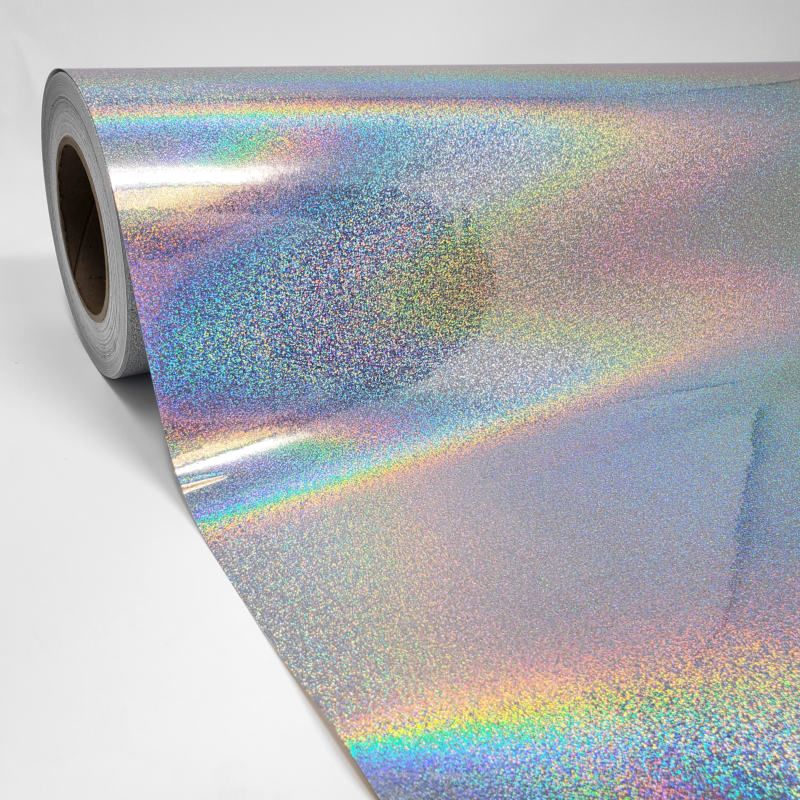
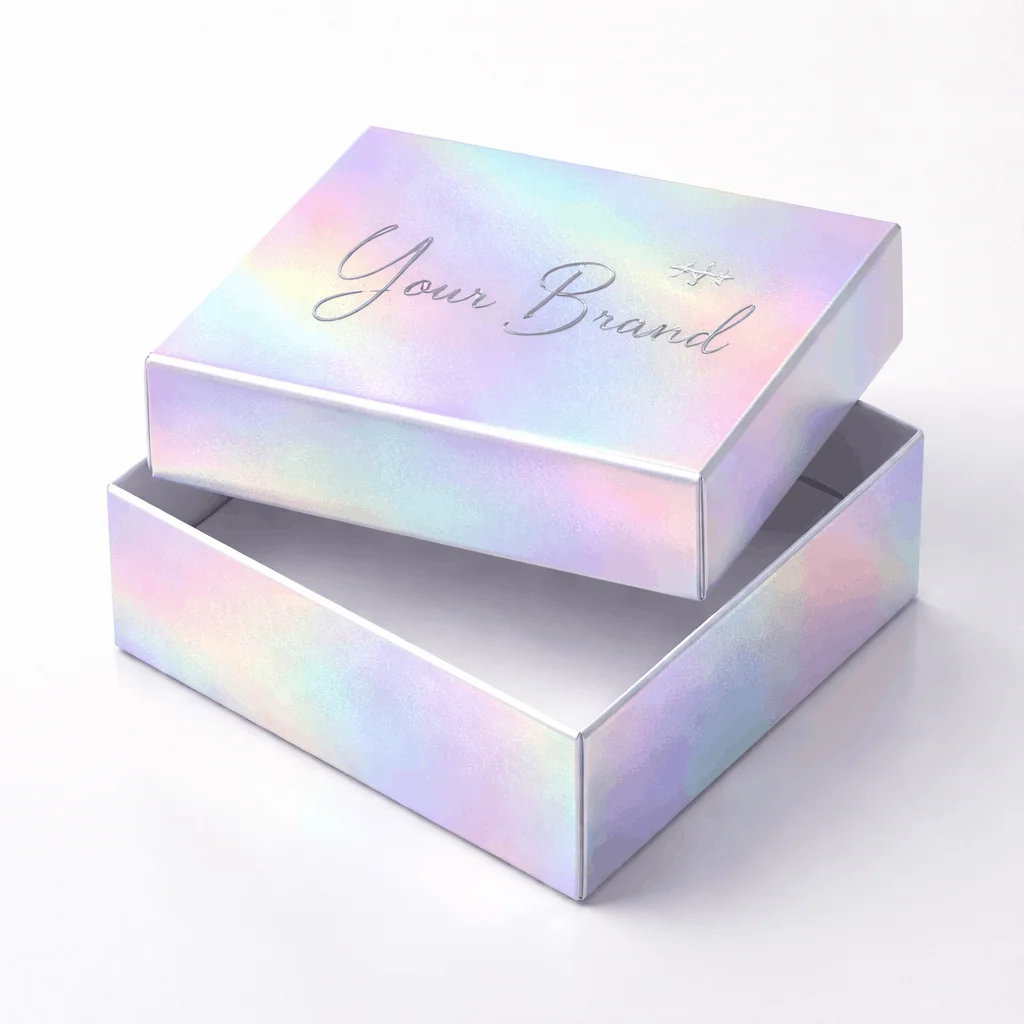
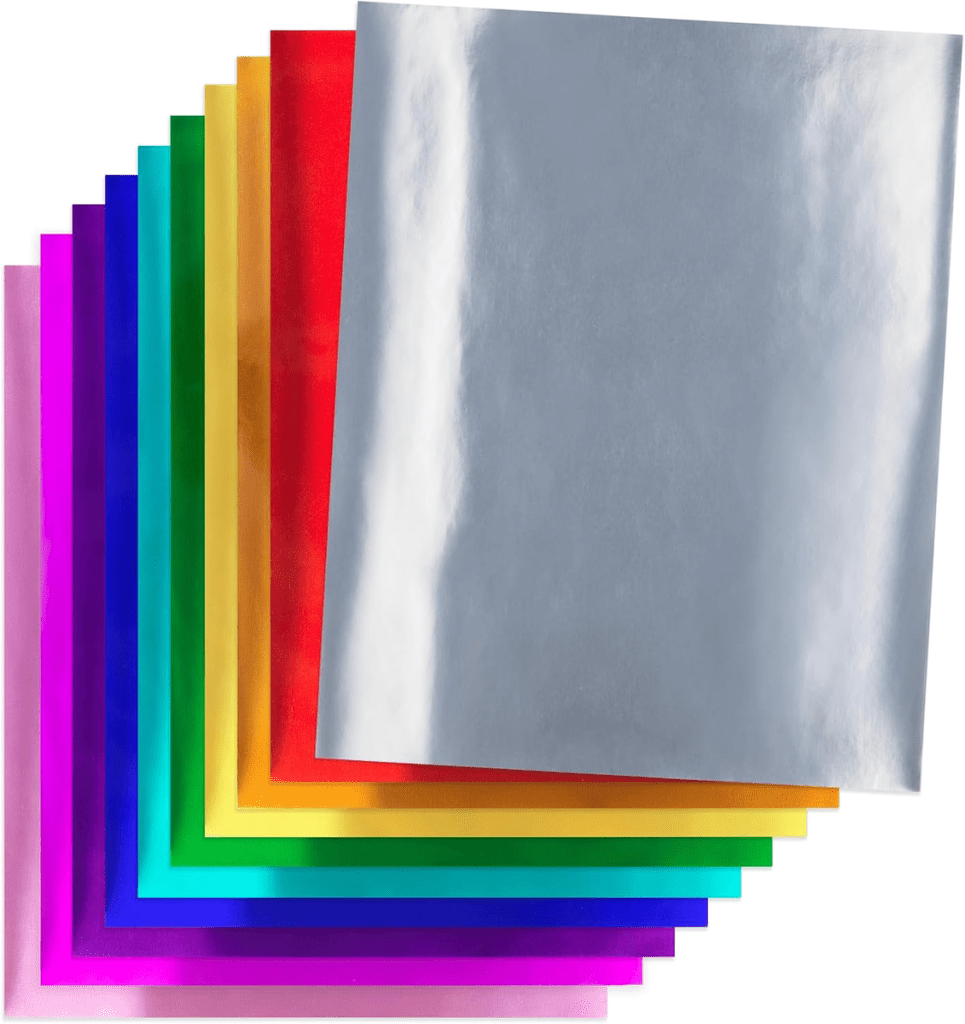
- Foil Stamping — gold, silver, holographic, or custom foil colors
- Embossing and Debossing — raised or recessed design elements for tactile branding
- Aqueous Coating — eco-friendly protective coating with a slight sheen
Structural Customization
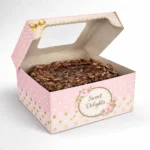
- Window cutouts — show the product inside without opening the box
- Insert trays and dividers — hold products securely in position
- Perforated tear strips — for easy opening
- Hang tabs — for peg hook display in retail environments
- Custom die-cut shapes — non-rectangular boxes for distinctive shelving presence
The Manufacturing Process: How Seal End Boxes Are Made
Understanding how seal end boxes are manufactured gives you a clearer picture of quality standards and what to look for when choosing a packaging partner.
Step 1: Design and Dieline Creation
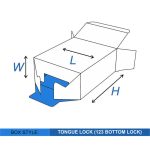
Every seal end box starts with a structural dieline — a precise flat template that shows exactly how the box will be cut and folded. At Packaging Box USA, our design team creates custom dielines based on your exact product dimensions, weight, and fragility requirements. We account for tolerances in the board material, the glue application area, and any special features like windows or inserts.
Step 2: Prepress and Color Proofing
Before any printing occurs, the digital artwork is prepared for press — color separations are made, trapping is applied, and a physical or digital proof is generated for your approval. This step is crucial for matching brand colors accurately and catching any design errors before production.
Step 3: Printing
The board stock is run through offset or digital presses, applying each color layer with precision. High-quality printing at this stage is non-negotiable — it’s the foundation of everything that follows.
Step 4: Finishing
After printing, the sheets move to the finishing stage: lamination is applied, coatings are cured, foil stamping is pressed, and embossing is done. Each finishing step adds layers of protection and visual complexity.
Step 5: Die-Cutting and Scoring
Using custom steel rule dies, the printed and finished sheets are cut into the precise shape of the box dieline and scored along every fold line. Accurate scoring is critical — it’s what makes the box fold crisply and erect cleanly.
Step 6: Gluing
This is the defining step for seal end boxes. Automated gluing machines apply hot or cold adhesive to the designated end panels and the manufacturer’s seam. The boxes are then folded and pressed, then allowed to set. Quality control checks at this stage ensure that every glue joint is complete and properly bonded.
Step 7: Flat-Pack and Delivery
The finished boxes are counted, bundled, and flat-packed for efficient shipping. They arrive at your facility ready to erect — pop them open, fill them with your product, and you’re ready to ship or stock.
Seal End Boxes and Sustainability
Environmental responsibility is not a trend — it’s a baseline expectation from American consumers in 2024 and beyond. At Packaging Box USA, sustainability is built into our process.
Eco-Friendly Material Choices
We offer FSC-certified board stocks, recycled content materials, and vegetable-based inks as standard options for all custom seal end box orders. FSC (Forest Stewardship Council) certification means the paper used comes from responsibly managed forests.
Recyclability
Paperboard seal end boxes are curbside recyclable in most US municipalities. Unlike plastic clamshells or multi-material composites, paperboard cartons can re-enter the paper recycling stream after use. When your customers recycle your packaging, you earn goodwill and reduce your brand’s environmental footprint.
Right-Sizing
Oversized boxes waste material, increase shipping weight, and look unprofessional. Custom seal end boxes are designed to your product’s exact dimensions, eliminating void fill and reducing material usage per unit.
Biodegradability
Uncoated and water-based coated paperboard seal end boxes biodegrade naturally over time. Even some laminated options are moving toward compostable film alternatives that meet industrial composting standards.
Pricing Guide: What Do Custom Seal End Boxes Cost in the USA?
Pricing for custom seal end boxes in the USA depends on several variables, and it’s worth understanding them before you request a quote:
1. Quantity
Unit cost decreases significantly as order volume increases. A run of 500 boxes will cost more per unit than a run of 5,000 or 50,000. Most custom packaging suppliers in the USA have minimum order quantities (MOQs) — at Packaging Box USA, we work with businesses at various stages to find a quantity that makes sense.
2. Size and Material
Larger boxes use more board. Heavier board costs more per square inch. These are straightforward material cost drivers.
3. Printing Colors
Full CMYK printing is standard, but additional Pantone spot colors add to press setup costs. A 4-color process run is typically the most economical for full-color designs.
4. Finishing
Each finishing treatment — lamination, foil, emboss — adds cost. A simple gloss lamination adds a modest premium; multi-layer specialty finishes can add significantly more. The key is matching your finishing choices to your product’s price point and target market.
5. Structural Complexity
Standard-geometry seal end boxes are the most economical. Unusual shapes, complex inserts, or multiple compartments require more sophisticated tooling.
At Packaging Box USA, we believe in transparent pricing. Reach out to us at sales@packagingbox.us with your specs and we’ll provide a clear, detailed quote — no hidden fees, no surprises.
How to Design Your Seal End Box: A Practical Guide
If you’re new to custom packaging, the design process can feel overwhelming. Here’s a practical framework we walk our clients through:
Step 1: Define Your Product’s Physical Requirements
Measure your product precisely: length, width, height, and weight. If your product is fragile, note that. If it’s liquid-adjacent, note that too. These physical realities drive your box dimensions and material choice.
Step 2: Choose Your Material and Board Weight
Work with your packaging partner to select the right board weight. A box that’s too flimsy damages your brand image. A box that’s over-engineered wastes money. For most retail products, 16pt to 24pt SBS is the working range.
Step 3: Develop Your Visual Design
Your packaging design should communicate your brand identity, speak to your target customer, and comply with any regulatory requirements (ingredient lists, warnings, barcodes, etc.). Work with a graphic designer who understands packaging — flat artwork and packaging artwork are very different disciplines.
Step 4: Request a Structural Dieline
Your packaging partner should provide a precise dieline for your box design. This flat template shows exactly where your artwork should sit relative to folds, cuts, and glue areas. Never design packaging artwork without a dieline.
Step 5: Review Proofs Carefully
Before approving production, examine your proof — digital or physical — with fresh eyes. Check every word, every color, every barcode. Once the plates are made and production begins, changes are expensive.
Step 6: Plan Your Supply Chain
How quickly do you need boxes? What’s your storage capacity? Will you need multiple SKUs? Planning your packaging supply chain in advance prevents stockouts and rush charges.
Common Mistakes Businesses Make with Seal End Box Packaging
After years of working with brands across the USA, we’ve seen the same mistakes appear repeatedly. Here’s what to avoid:
- Ordering without prototypes: Always request a physical sample or prototype before committing to a full production run. What looks perfect on screen can reveal surprises in hand.
- Underestimating lead times: Quality custom packaging takes time. Offset printing, finishing, and gluing all require scheduling. Rush orders cost more and compromise quality. Plan 4-6 weeks ahead for standard orders.
- Ignoring regulatory requirements: Food, pharma, and children’s product packaging all have specific requirements. Make sure your packaging design is reviewed for compliance before production.
- Choosing price over quality: The cheapest quote is rarely the best value. Thin board, poor printing, and weak glue joints damage your product and your brand. Choose quality.
- Failing to test packaging under shipping conditions: Your beautiful seal end boxes need to survive shipping and handling. Test them packed and stacked before you commit to your retail launch.
Why Choose Packaging Box USA for Your Seal End Boxes?
There are many packaging suppliers in the USA. Here’s what makes Packaging Box USA the right choice:
We’re a US-Based Team That Understands the American Market
We work with American businesses every day. We understand US retail requirements, American consumer expectations, and domestic supply chain realities. When you call us, you speak to our team — not a foreign call center.
Custom is Our Standard
We don’t sell off-the-shelf boxes. Every box we make is custom — built to your exact product dimensions, your exact brand standards, and your exact finishing requirements. Custom Packaging USA isn’t just our description; it’s our operating model.
Quality Control at Every Stage
From prepress to gluing to shipment, our quality control process flags issues before they reach you. We inspect printing, check glue joints, and verify dimensions on every production run.
Sustainable Options as Standard
Eco-friendly materials are not an upcharge at Packaging Box USA. We make responsible packaging the default, and we’ll guide you through certifications and claims if your brand needs to communicate sustainability on-pack.
Transparent Pricing and Honest Timelines
No games. No hidden fees. We give you a complete quote upfront and a realistic production schedule. If something changes, we tell you immediately.
Dedicated Support from Concept to Delivery
Our team stays with you from the first design conversation to the moment your boxes arrive at your door. We’re not a transaction — we’re a packaging partner.
Frequently Asked Questions About Seal End Boxes
What’s the minimum order quantity for custom seal end boxes?
At Packaging Box USA, minimum order quantities vary by box size and complexity. We work with clients at different scales and can advise on the most cost-effective quantity for your specific situation. Contact us at sales@packagingbox.us for a tailored recommendation.
How long does production take?
Standard production runs for custom seal end boxes typically take 10-15 business days after artwork approval. Rush options are available at additional cost. We always recommend planning packaging procurement 4-6 weeks ahead of your need date.
Can seal end boxes be used for food products?
Yes — provided the right board stock and inks are specified. We offer food-safe materials and can advise on compliance requirements for direct or indirect food contact applications.
Do you offer design services?
We provide structural dielines and technical setup for all our clients. For full graphic design services, we work with trusted design partners we can connect you with — just ask.
Can I get a sample before ordering?
Absolutely. We strongly encourage all new clients to request a sample pack or physical prototype before approving production. This protects your investment and ensures you’re 100% happy before we run.
What file formats do you accept for artwork?
We work with Adobe Illustrator (AI), EPS, and PDF files. Artwork should be supplied at 300 DPI minimum resolution with bleed and crop marks included. Our team will review your files during the prepress stage and flag any issues.
The Future of Seal End Box Packaging
Packaging is not static. The trends shaping the future of seal end boxes in the USA include:
Smart Packaging Integration
QR codes, NFC chips, and AR-trigger markers printed on seal end boxes are turning packaging into interactive brand experiences. A customer scans your box and enters a product story, a tutorial video, or a loyalty program. This technology is accessible to brands of all sizes today.
Minimalist Design
The over-decorated, cluttered packaging aesthetic is fading. Brands are moving toward cleaner designs — more white space, more confidence, more restraint. Seal end boxes with premium finishing and minimal print coverage signal quality in a way that busy designs cannot.
Direct-to-Consumer Packaging
As more brands sell directly to consumers online, packaging must perform in a shipping environment and a living room. The unboxing experience matters. Seal end boxes with custom inserts, branded tissue, and thoughtful touches create the kind of moments that generate social media content and repeat purchases.
Personalization at Scale
Digital printing technology is making it possible to print short runs of personalized packaging at competitive prices. Imagine seal end boxes with a customer’s name, a personal message, or a location-specific design — produced in runs of 50 or 100. This is where custom packaging USA is heading, and Packaging Box USA is ready.
Conclusion: Seal End Boxes Are More Than Packaging
When you invest in custom seal end boxes from Packaging Box USA, you’re not just buying cardboard. You’re making a statement about your brand’s values, your product’s quality, and your respect for the customer holding it.
Seal end boxes protect products. They communicate brand identity. They create retail differentiation. They survive shipping and emerge looking great. And when done right — with the right materials, the right printing, the right finishing — they transform ordinary products into shelf standouts.
In a market where consumers have infinite choices and limited attention, packaging is your first and sometimes only chance to make a connection. Don’t waste it on generic boxes that tell no story. Tell yours — with custom seal end boxes designed and built by Packaging Box USA.
Ready to get started? We’d love to hear about your product and help you design the perfect seal end box solution.
Contact us today:
🌐 packagingbox.us
✉ sales@packagingbox.us
Packaging Box USA | Custom Packaging USA | Custom Boxes USA