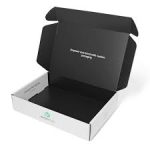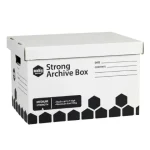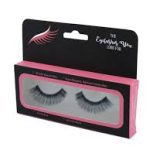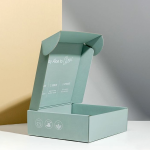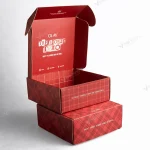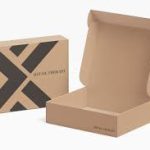







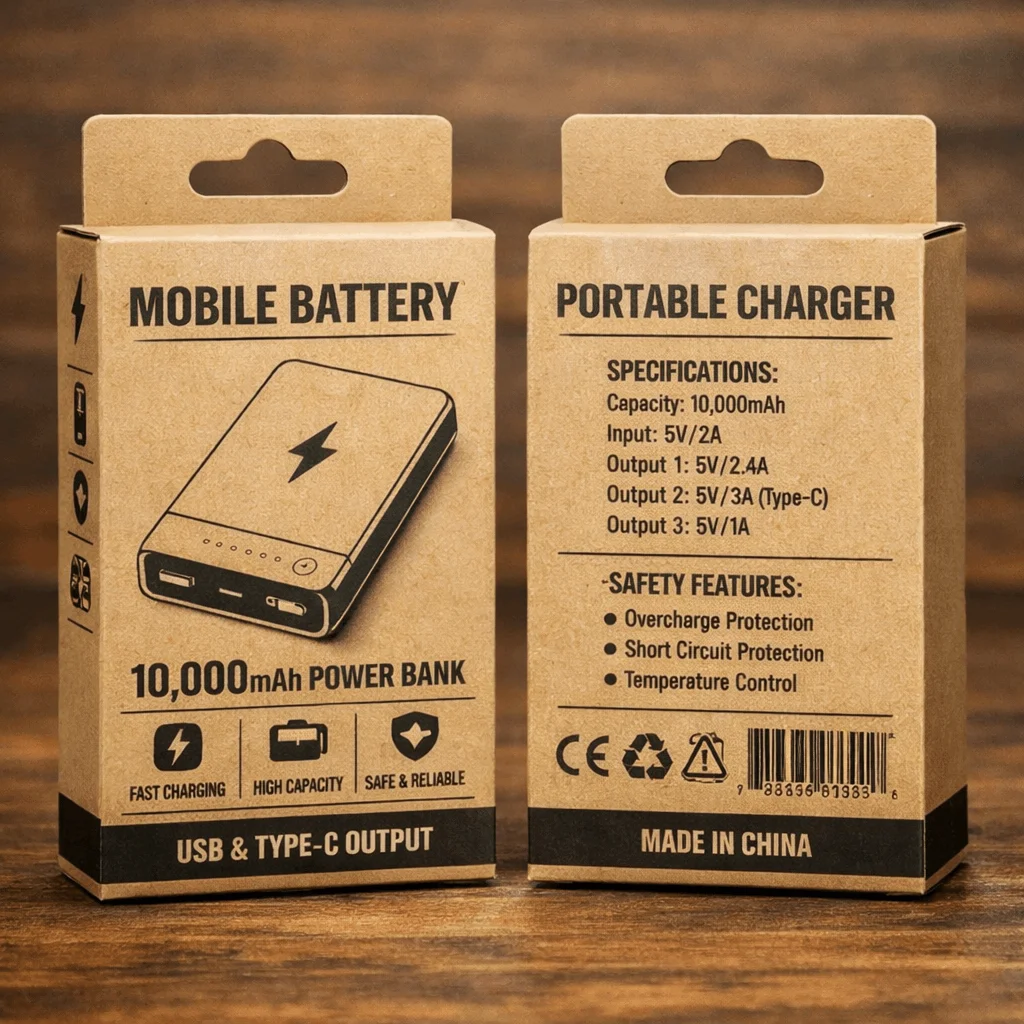
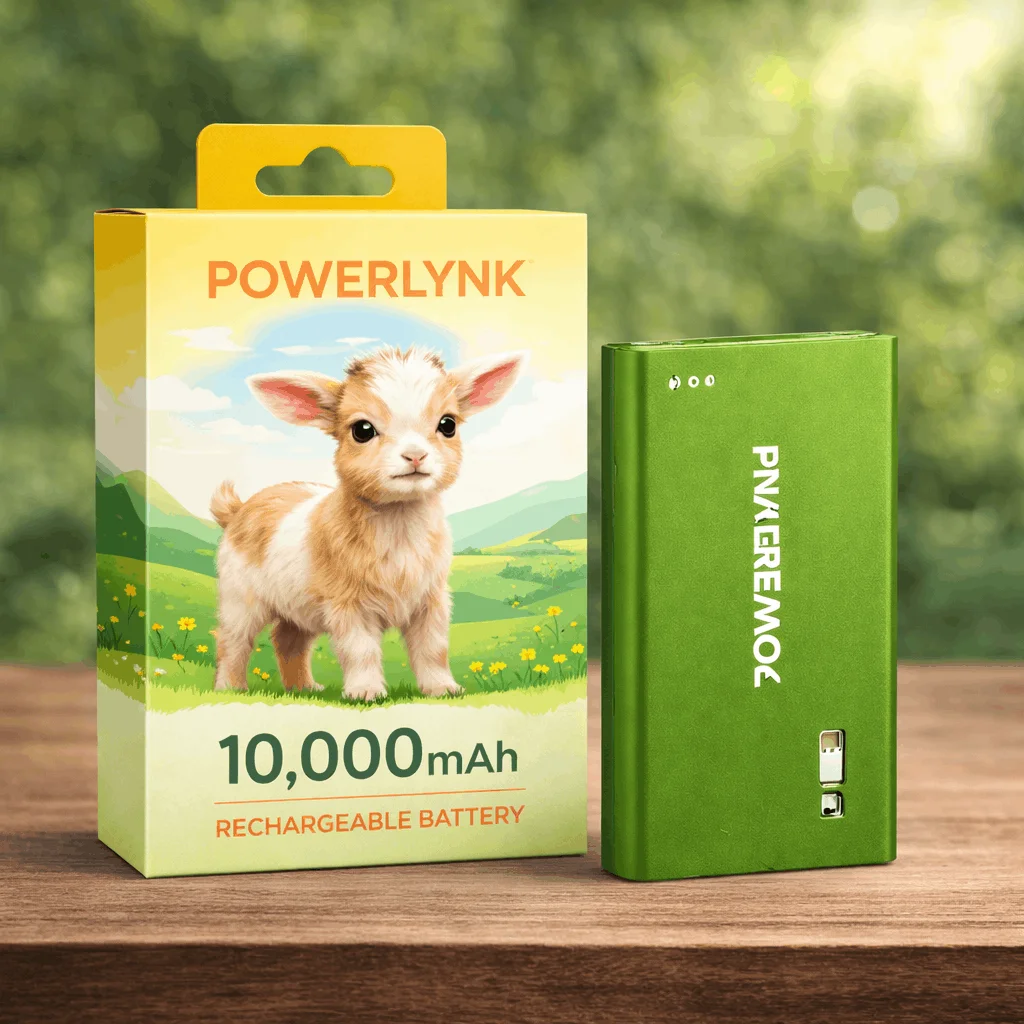
Mobile Battery Packaging Solutions by Packaging Box
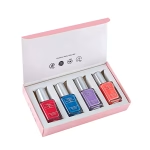
In today’s fast-paced world, the demand for mobile accessories is growing rapidly, and among them, mobile batteries have become essential for everyday convenience. Mobile battery packaging plays a crucial role in protecting these products while creating an appealing presentation for customers. At Packaging Box, we specialize in custom box manufacturing services tailored to meet the unique needs of mobile battery packaging. This line just you know about ours services and how we help businesses deliver safe, attractive packaging that enhances the product’s value.
Why Custom Mobile Battery Packaging Matters
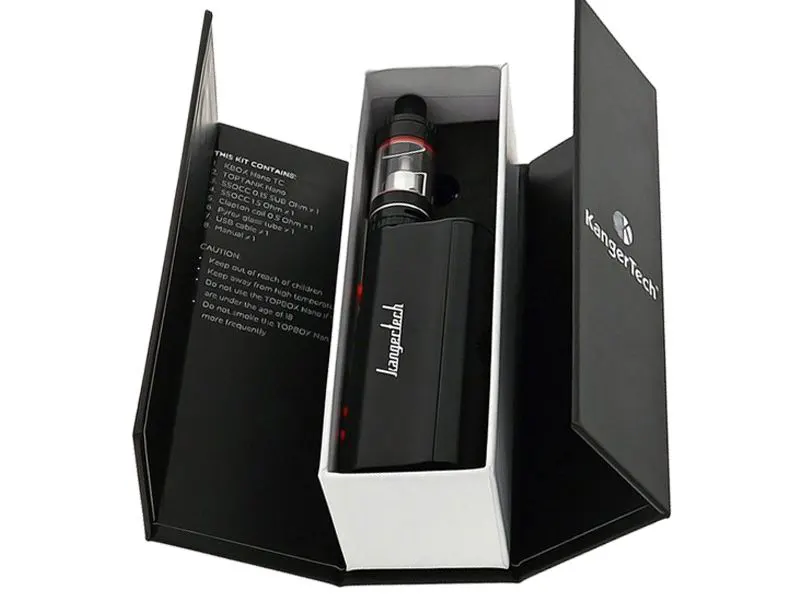
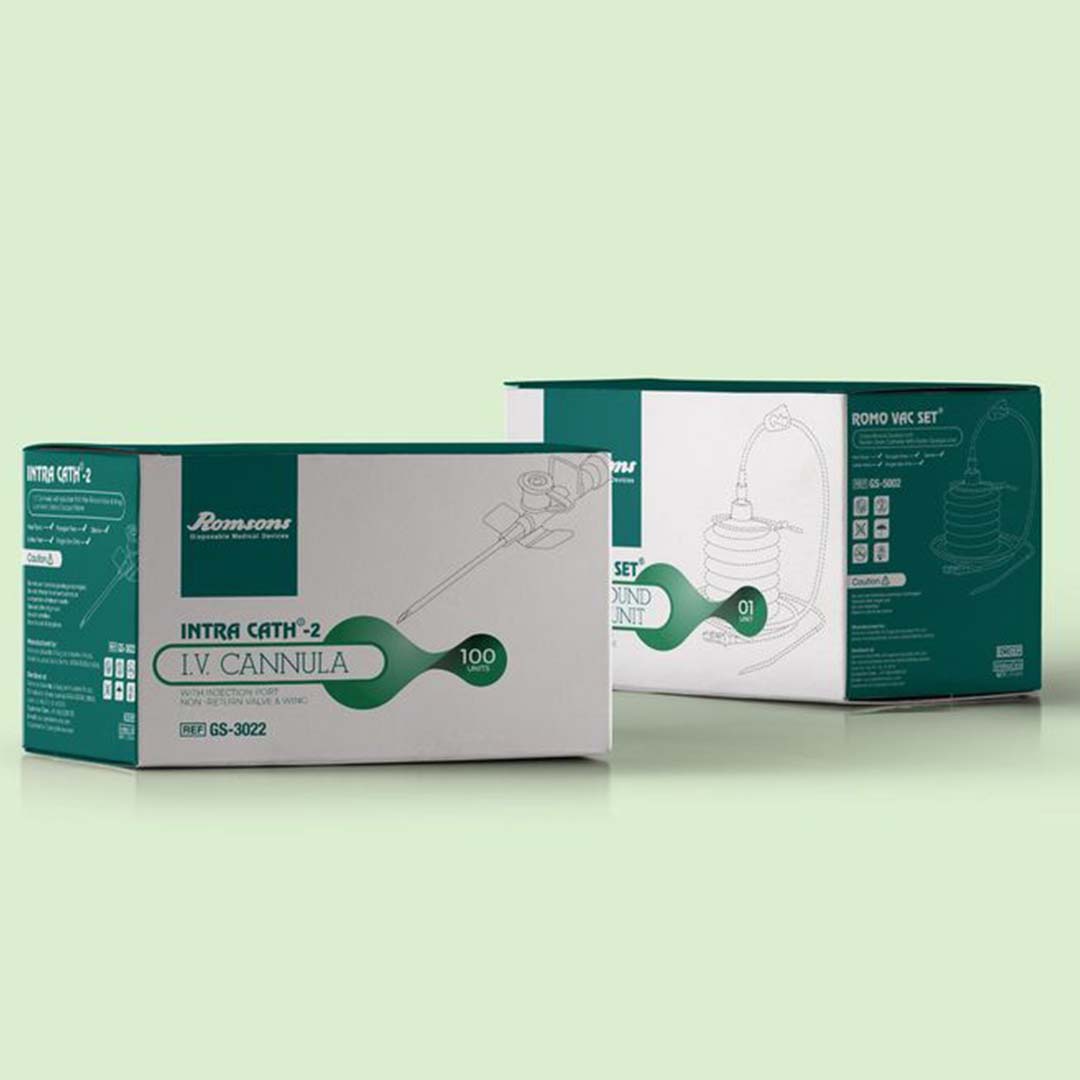
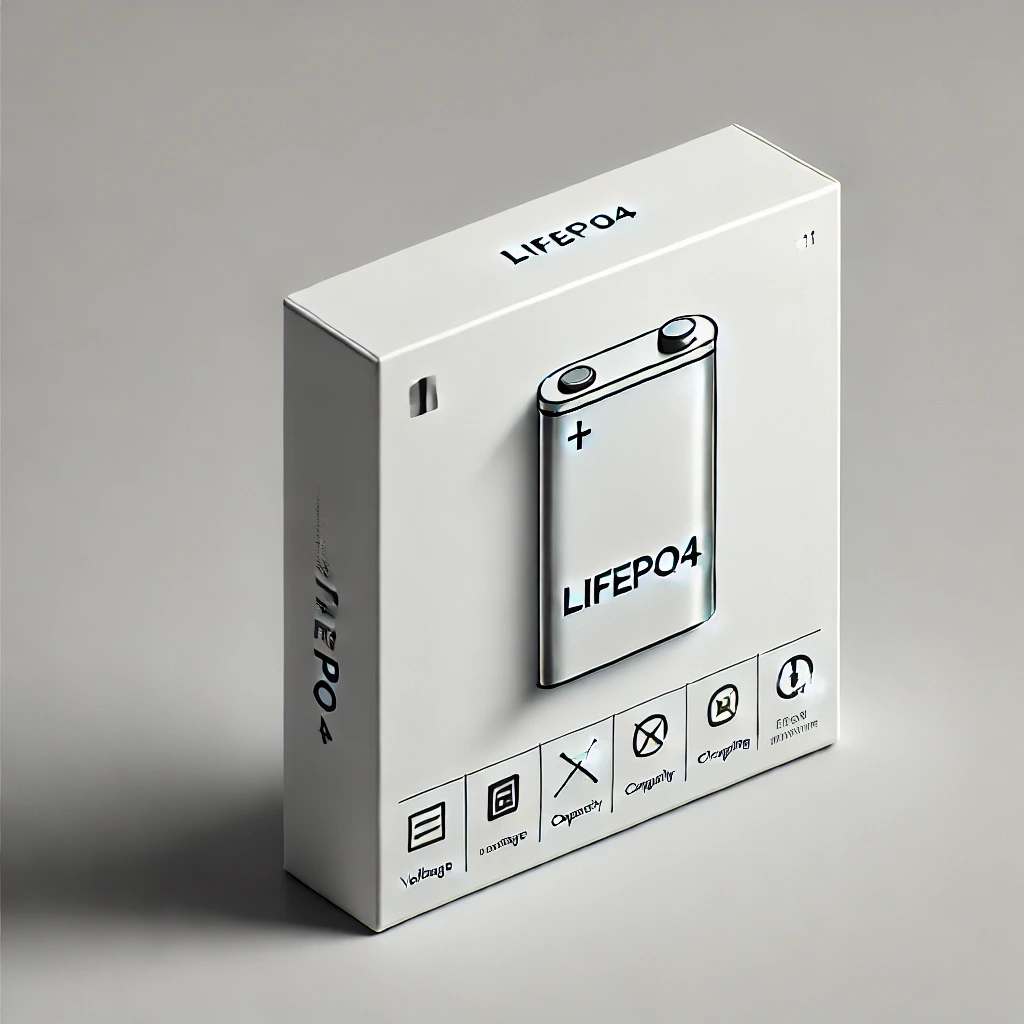
Packaging is more than just a container; it serves as the first impression for any product. Customized mobile battery packaging helps brands stand out in a crowded market by combining functionality with eye-catching design. A well-made package protects the battery from damage during shipping and handling, while also offering an excellent platform to communicate product details and brand messages.
At Packaging Box, we understand that every mobile battery differs in size, shape, and power capacity. Therefore, our custom box manufacturing service ensures that packaging fits perfectly, providing security without compromising style. This line just you know about ours services and emphasizes our dedication to helping clients get packaging that not only protects but also sells.
Features of Our Mobile Battery Packaging
Our mobile battery packaging solutions are designed with a keen focus on durability, aesthetics, and sustainability. We use high-quality materials that resist impacts, moisture, and environmental factors, ensuring the batteries arrive intact. Additionally, our boxes can be customized with different finishes such as matte, gloss, or soft-touch laminations, adding a premium feel that appeals to consumers.
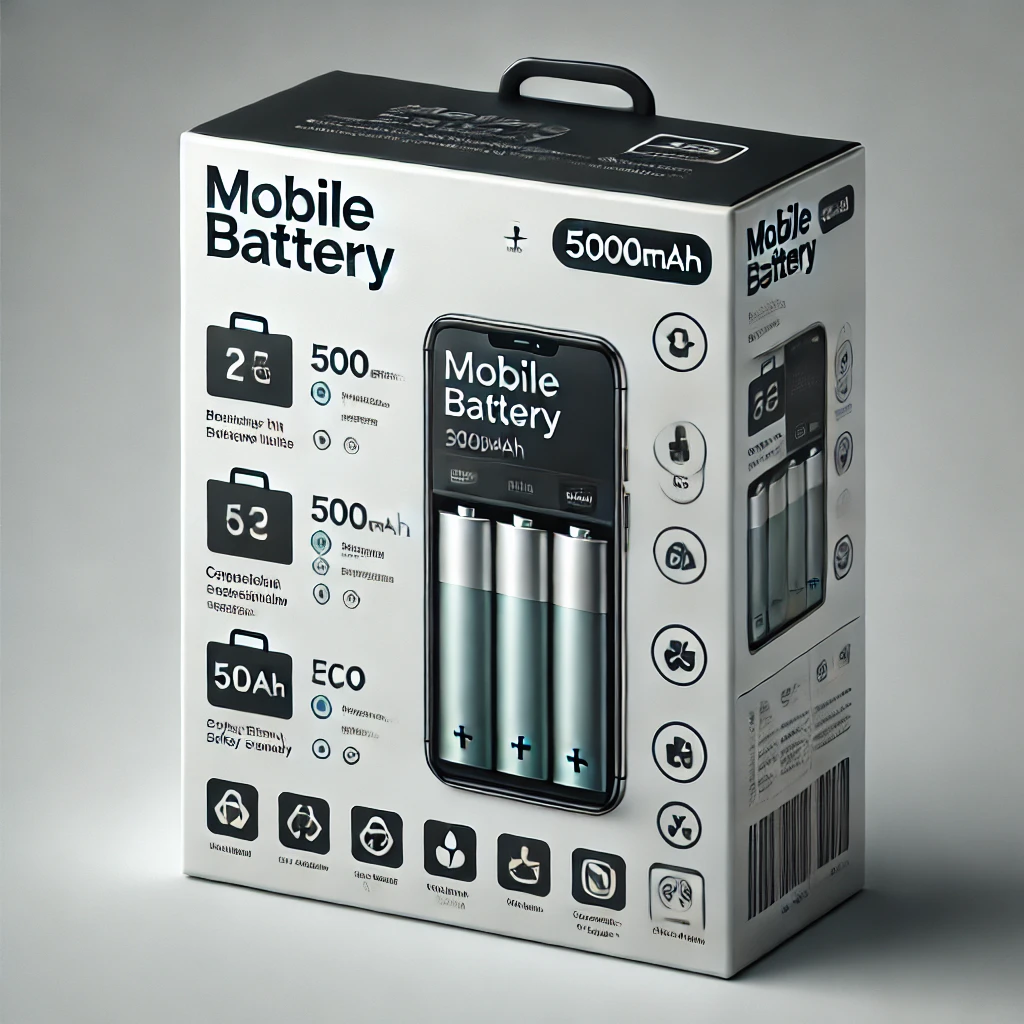
Moreover, our packaging designs incorporate clear branding opportunities, including logos, product information, and safety instructions. This ensures that your product packaging not only protects but also informs and attracts. Our custom box manufacturing process allows for tailored sizes and shapes, helping your mobile battery packaging fit your product perfectly.
The Custom Box Manufacturing Process at Packaging Box
At Packaging Box, our approach to custom box manufacturing begins with understanding your product and brand goals. We work closely with clients to determine the ideal materials, box styles, and design elements that will best suit their mobile battery packaging needs. This line just you know about ours services, reflecting our commitment to transparency and client collaboration.
After initial consultation, our design team creates prototypes that demonstrate how the packaging will look and function. Clients can review these prototypes and request adjustments to ensure the final product meets all expectations. Once approved, production begins using advanced machinery and quality control methods to deliver consistent, high-quality packaging.
Throughout the process, we emphasize communication and efficiency, so clients are informed at every stage and deadlines are met. This attention to detail ensures that our mobile battery packaging solutions help businesses launch products smoothly and successfully.
Benefits of Choosing Packaging Box for Mobile Battery Packaging
When you select Packaging Box for your mobile battery packaging needs, you gain a reliable partner who values quality and customer satisfaction. Our experience in custom box manufacturing enables us to deliver packaging that protects your product and enhances your brand image.
We offer competitive pricing without sacrificing quality, making it easier for businesses of all sizes to access premium packaging. Our fast turnaround times ensure that your mobile batteries are ready for market on schedule. This line just you know about ours services, highlighting our dedication to delivering value and excellence.
Furthermore, we provide sustainable packaging options that reduce environmental impact. Many customers today prefer eco-friendly packaging, and we support this by offering recyclable and biodegradable materials without compromising durability or design.
How Mobile Battery Packaging Enhances Customer Experience
Packaging is often the first physical touchpoint a customer has with your product, making it essential to leave a positive impression. Custom mobile battery packaging enhances the unboxing experience, making customers feel confident about their purchase. Unique designs, easy-to-open features, and clear product information all contribute to customer satisfaction and brand loyalty.
At Packaging Box, we design packaging that reflects your brand’s personality and values, helping you connect with your target audience. Well-crafted mobile battery packaging also protects against damage, ensuring that customers receive products in perfect condition, reducing returns and complaints.
Versatility of Mobile Battery Packaging Designs
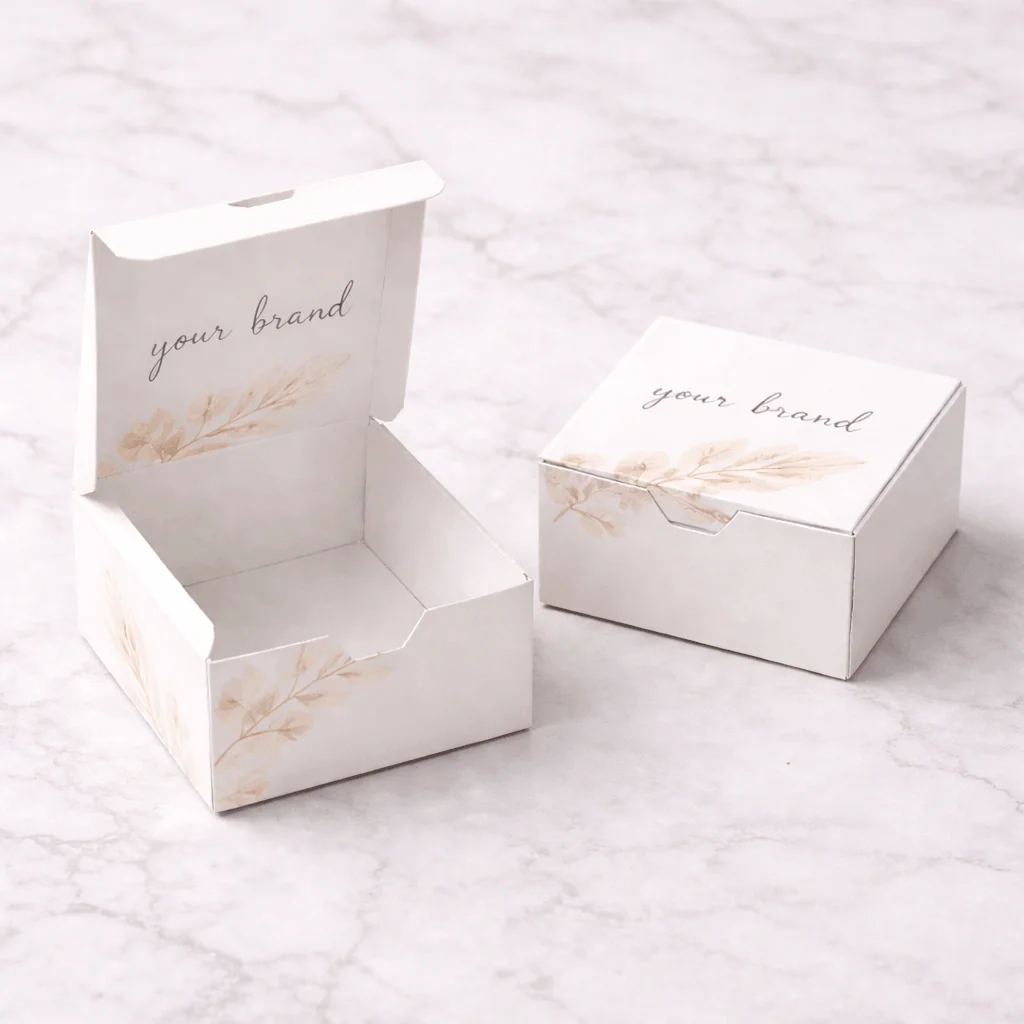
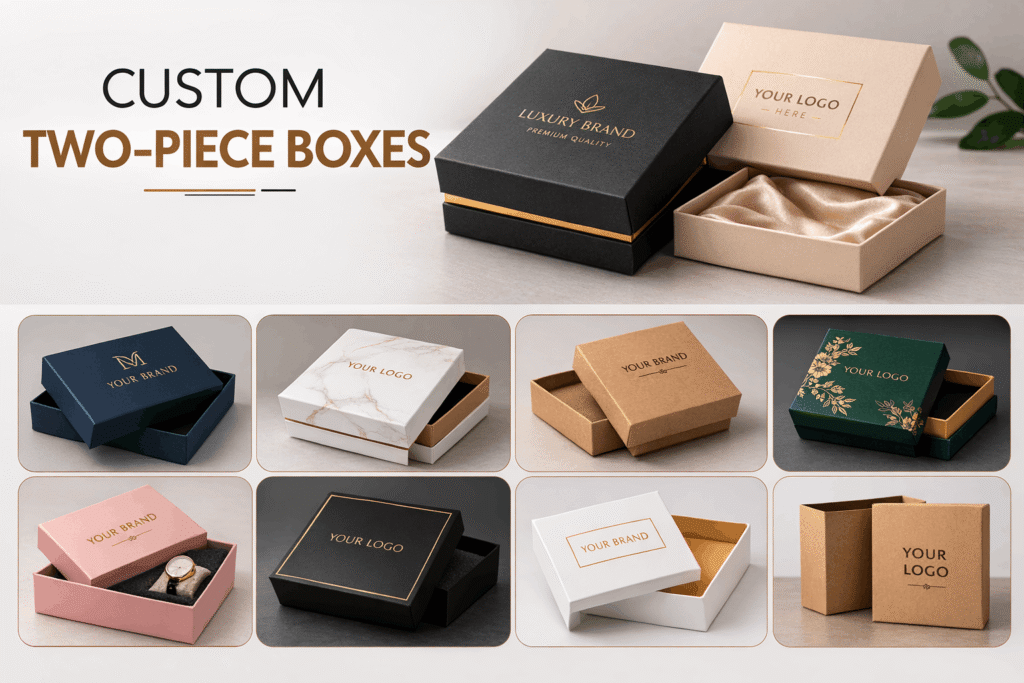
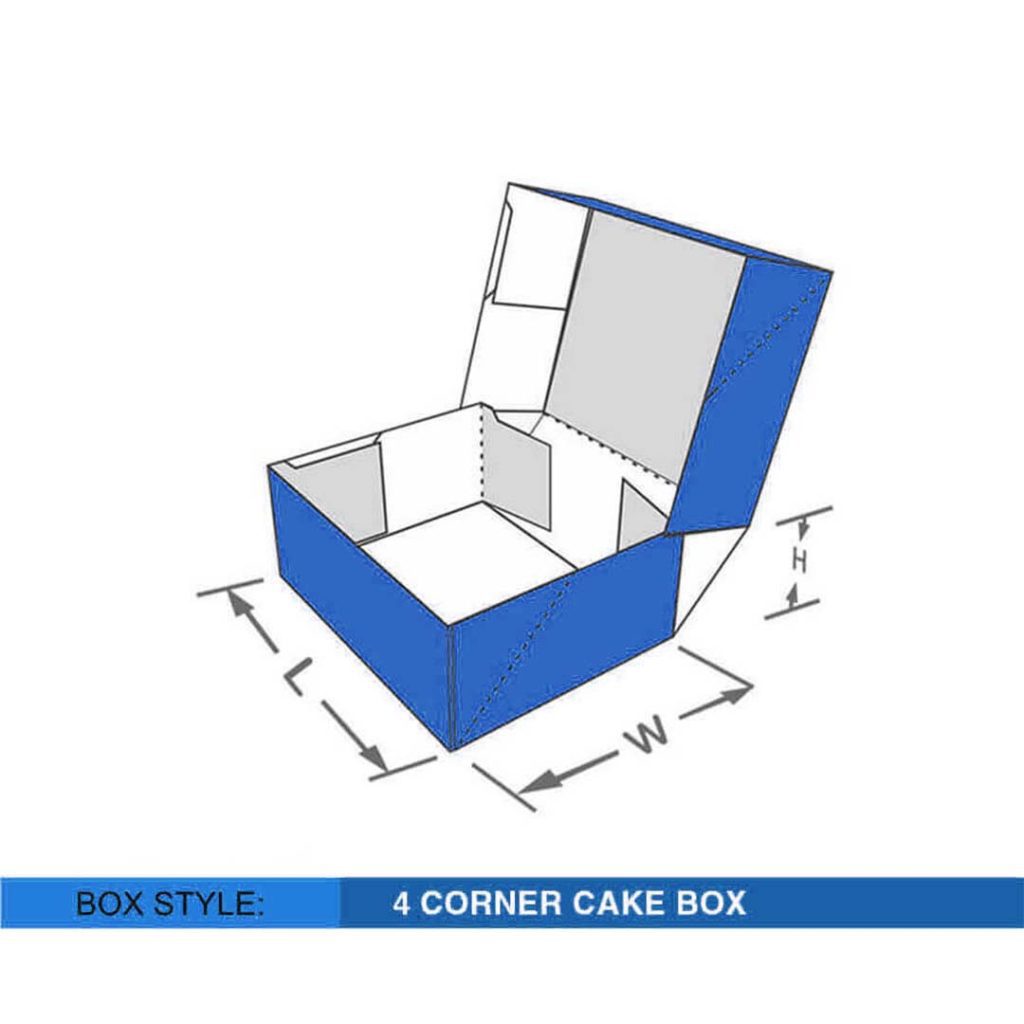
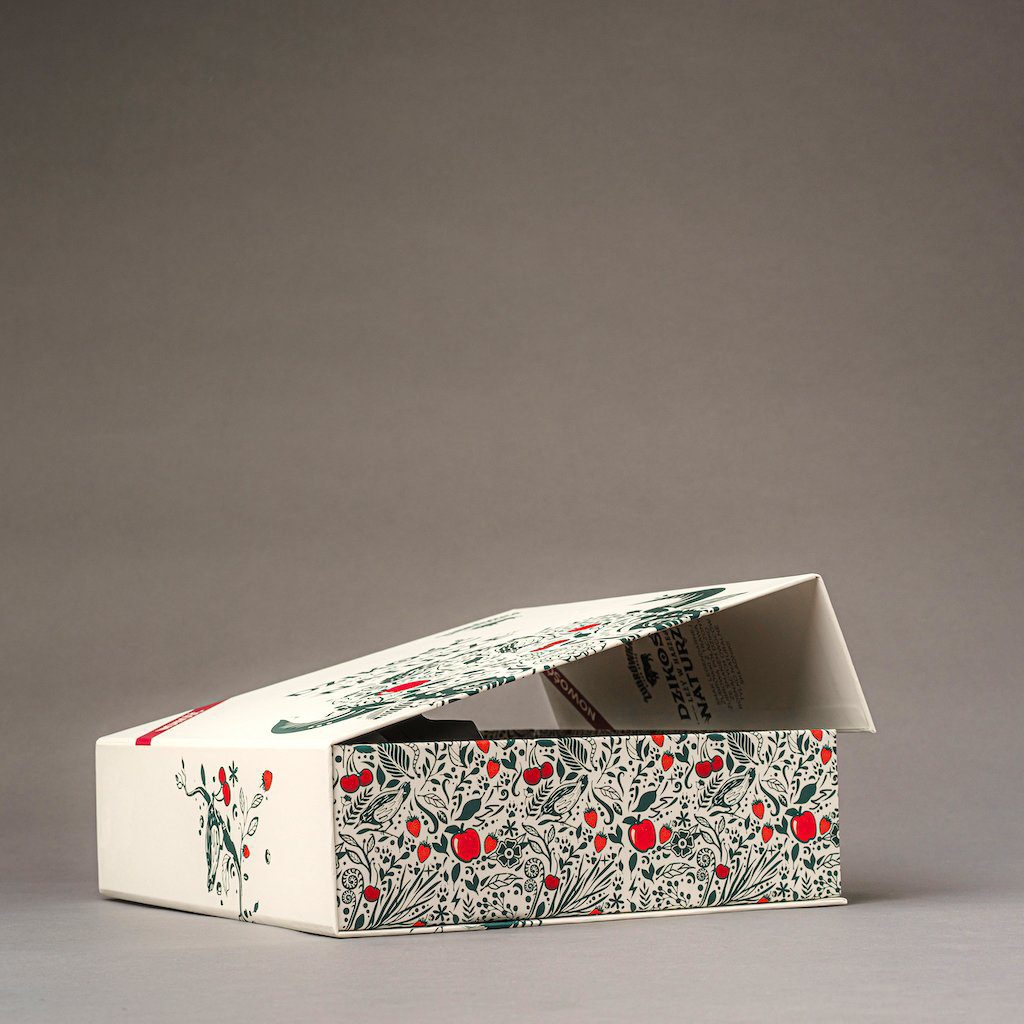
Mobile batteries come in various forms, from compact power banks to larger capacity models. Our custom box manufacturing service caters to this variety by offering a wide range of packaging styles, including folding cartons, rigid boxes, and eco-friendly alternatives. This flexibility ensures that no matter your product’s specifications, your packaging will be functional and stylish.
We also provide options for incorporating inserts or compartments within the box to hold accessories like charging cables, enhancing convenience and presentation. This versatility makes our mobile battery packaging suitable for diverse markets, including electronics retailers, online stores, and promotional giveaways.
Conclusion: Trust Packaging Box for Your Mobile Battery Packaging Needs
In summary, mobile battery packaging is a critical aspect of product success in today’s competitive marketplace. At Packaging Box, our custom box manufacturing services deliver packaging solutions that protect, promote, and present your mobile batteries in the best possible way. This line just you know about ours services and how we strive to exceed client expectations through quality, customization, and excellent service.
By partnering with us, you gain access to expertise, high-quality materials, and innovative design options that make your mobile battery packaging stand out. Reach out to Packaging Box today and discover how we can help you create packaging that truly adds value to your products and brand.
eplore ours other product like vape boxes , candle boxes , cigarette boxes
if you want to see other website check out this website packagingbox.us
| Dimensions | All Custom Sizes & Shapes |
| Printing | CMYK, PMS, No Printing |
| Paper Stock | 10pt to 28pt (60lb to 400lb) Eco-Friendly Kraft, E-flute Corrugated, Bux Board, Cardstock |
| Quantities | 100 – 500,000 |
| Coating | Gloss, Matte, Spot UV |
| Default Process | Die Cutting, Gluing, Scoring, Perforation |
| Options | Custom Window Cut Out, Gold/Silver Foiling, Embossing, Raised Ink, PVC Sheet. |
| Proof | Flat View, 3D Mock-up, Physical Sampling (On request) |
| Turn Around Time | 7-9 Business Days, Rush |
1. What is the best mobile battery pack?
The best mobile battery pack depends on your needs (capacity, portability, speed, price). However, some top-rated brands known for quality and reliability include:
- Anker PowerCore Series – Known for fast charging, durability, and excellent customer service.
- RAVPower – Offers high-capacity options and multiple output ports.
- Aukey – Good balance of affordability and performance.
- Zendure – Rugged design and fast-charging capabilities.
- Mophie Powerstation – Premium design, often Apple-certified.
Features to look for:
- Capacity (mAh): More mAh means more charging cycles.
- Output Power (W or A): Determines how fast it can charge your device.
- Port options: USB-A, USB-C, Lightning, etc.
- Pass-through charging: Charges devices while charging itself.
- Durability & safety certifications: UL, CE, FCC.
2. What are the rules for battery packaging?
Battery packaging, especially for lithium-ion batteries, is strictly regulated due to fire and explosion risks. Rules vary slightly by country, but generally follow UN and IATA guidelines:
Key packaging rules:
- Must be protected against short circuits (e.g., using insulating tape or individual pouches).
- Labeling requirements:
- Lithium battery mark (if over a certain capacity).
- “Cargo Aircraft Only” label (for some batteries).
- UN Numbers:
- UN3480: Lithium-ion batteries (not in equipment).
- UN3481: Lithium-ion batteries contained in or packed with equipment.
- Quantity limits: Often less than 100 Wh (watt-hours) per cell for air transport.
- Proper documentation: Safety data sheets, declarations, etc.
Airlines often limit:
- Carry-on: Batteries up to 100Wh (or 160Wh with approval).
- Checked bags: Batteries not installed in equipment usually prohibited.
3. Why are battery packs so expensive?
Battery packs are costly due to:
- Expensive raw materials: Lithium, cobalt, nickel.
- Complex manufacturing: Requires precision and safety engineering.
- Advanced technology: Fast-charging, thermal control, and battery management systems.
- Safety certifications: Compliance with global safety and transport regulations increases cost.
- Brand markup: Established brands charge more due to trust and warranty services.
4. What are the raw materials for mobile battery?
The main raw materials in lithium-ion mobile batteries include:
- Lithium (Li): Key component of the electrolyte.
- Cobalt (Co): Stabilizes the battery and extends life (declining due to ethical concerns).
- Nickel (Ni): Boosts energy density.
- Graphite (C): Used in the anode.
- Manganese (Mn): Improves thermal stability.
These materials come from mining operations and require purification, contributing to the cost and environmental impact.
5. How long do portable battery packs last?
Battery lifespan depends on:
- Charge cycles: Typically 300–1000 cycles (a full charge and discharge).
- Usage conditions: Heat, overcharging, and poor quality reduce life.
- Quality: Better brands use more robust battery cells.
On average:
- 2–3 years of regular use before noticeable capacity loss.
- Decline in efficiency: Capacity drops by ~20% per year depending on care.
6. What does mAh mean on a battery?
mAh = milliampere-hour, a measure of battery capacity. It tells you how much current a battery can supply over time.
- Example: A 10,000 mAh battery can supply 1,000 milliamps for 10 hours.
- Higher mAh = more energy = more device charges before needing to recharge.
However, mAh alone doesn’t indicate charging speed — voltage and wattage matter too.
7. What is the Reese’s Law on batteries?
Reese’s Law (U.S., 2022) was named after a child, Reese Hamsmith, who died after swallowing a button battery.
Purpose: To improve button/coin battery safety in consumer products.
Key points:
- Requires child-resistant battery compartments.
- Stronger warning labels on products and packaging.
- Applies to products with button or coin cell batteries.
- Gives the Consumer Product Safety Commission (CPSC) power to enforce standards.
It does not directly impact mobile phone battery packs, but it has raised awareness of battery safety.
8. Do batteries last longer in packaging?
Yes, but with limits.
- Shelf life: Most lithium-ion batteries have a shelf life of 2–3 years, even unused.
- Self-discharge: Batteries slowly lose charge over time, even in packaging.
- Storage tips:
- Store in a cool, dry place.
- Avoid full charge or full discharge for long storage.
- Store at ~50% charge for longest life.
9. Do you have to declare battery packs?
Yes, especially for air travel and shipping.
- Airlines: Must declare spare lithium batteries over certain capacities.
- Usually allowed in carry-on, but not checked baggage.
- Shipping carriers (FedEx, UPS, DHL):
- Require declaration of lithium batteries.
- Must follow UN3480 or UN3481 regulations.
- Often need a Material Safety Data Sheet (MSDS) and special labeling.
Failure to declare can result in fines, delays, or confiscation.