










Length Width and Height

Custom Box Manufacturing: Mastering Length Width and Height for Perfect Packaging
In the packaging industry, length width and height are the three essential dimensions that define every box’s size, shape, and functionality. Understanding these measurements—and how they interplay—is vital to delivering the perfect custom box that fits your product securely while optimizing shipping and storage efficiency. At Packaging Box, we specialize in manufacturing custom boxes with precise dimensions tailored to your unique needs, ensuring your products are protected, presentable, and aligned with your brand’s image.
This article delves into the importance of length, width, and height in box manufacturing, how to accurately measure these dimensions, and why they are critical to cost-saving, branding, and sustainability.
Length Width and Height
What Are Length, Width, and Height? Understanding Box Dimensions
When discussing custom boxes, length width and height refer to the physical measurements that define the size of the container. These dimensions are key to how well a box fits your product and performs during handling, shipping, and display.
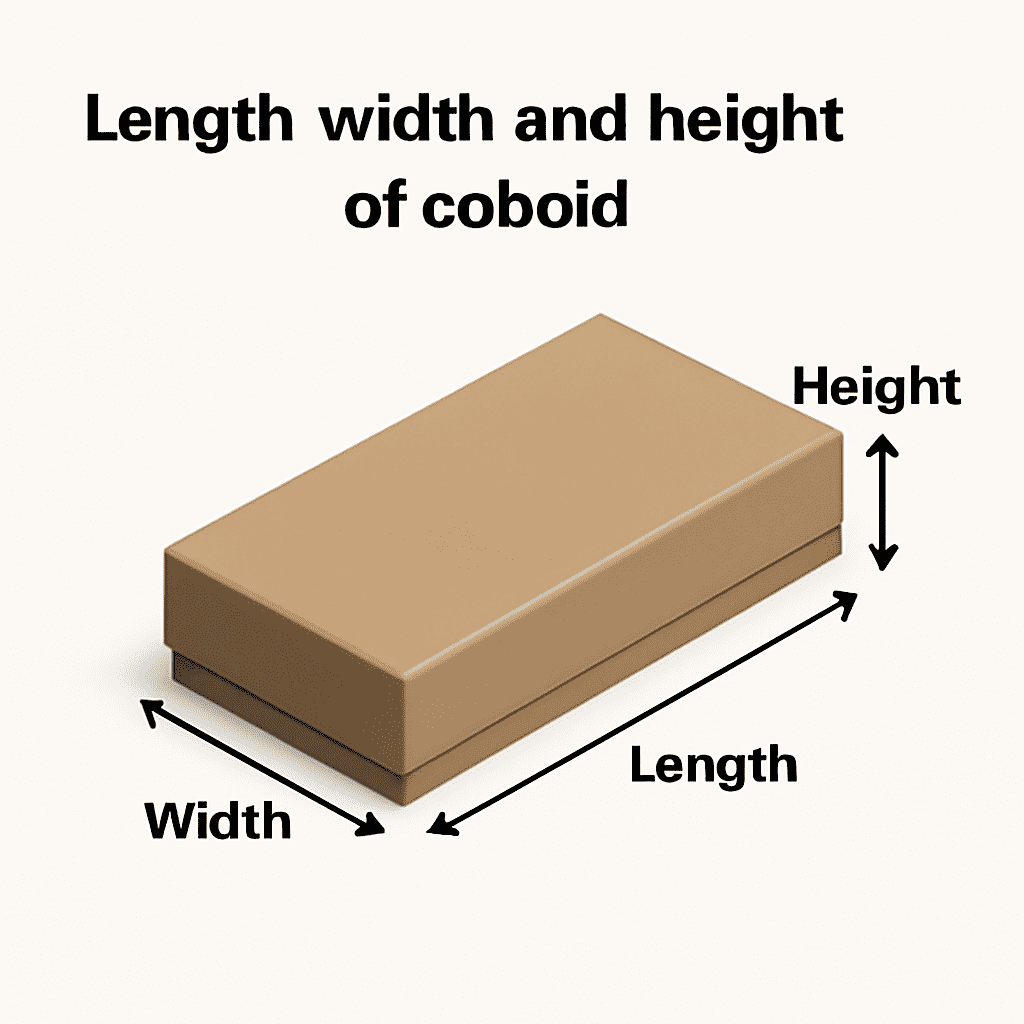
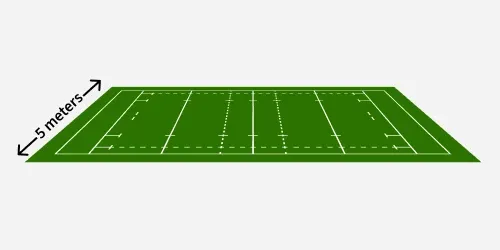
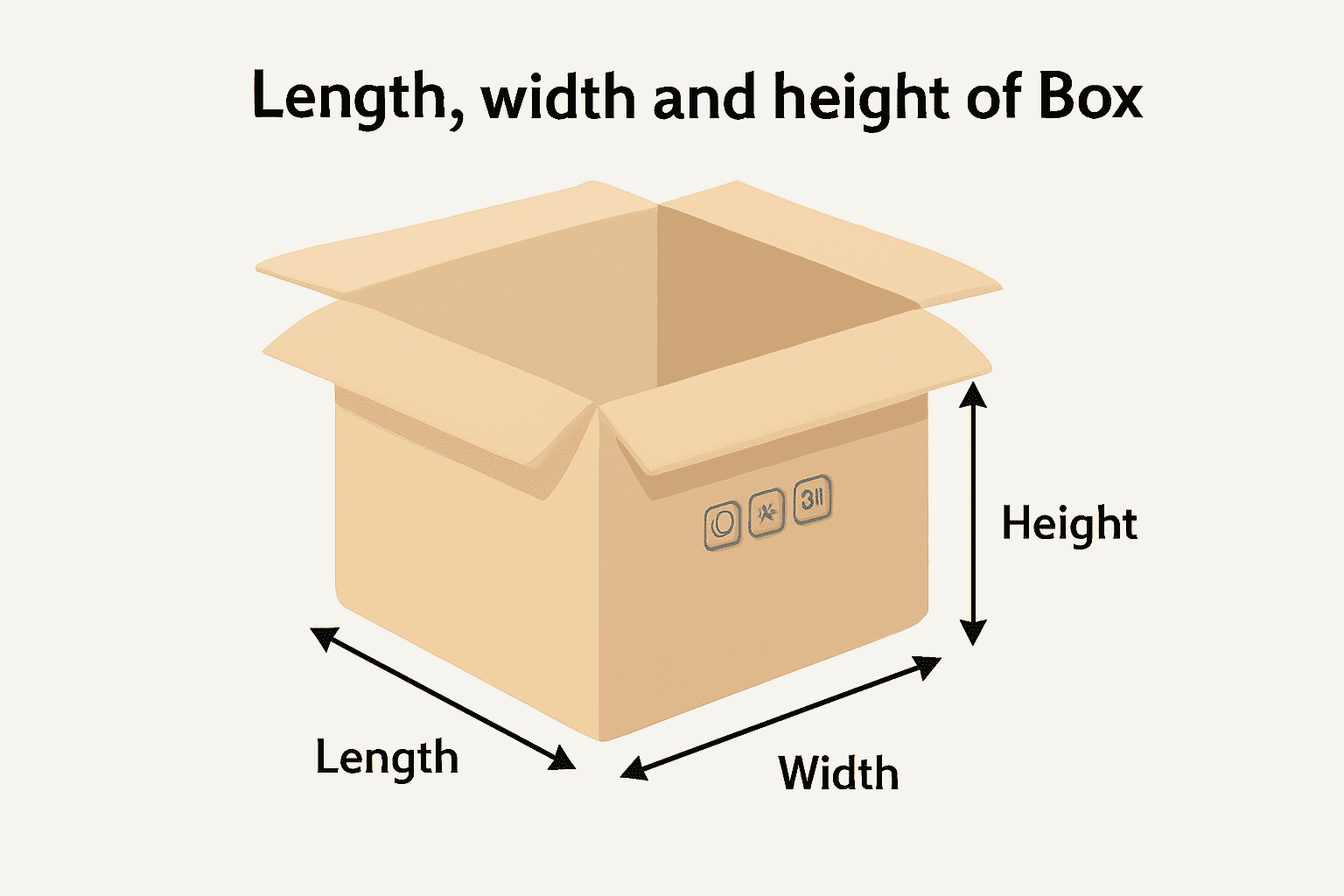
- Length is traditionally the longest side of the box’s base.
- Width is the shorter side adjacent to the length.
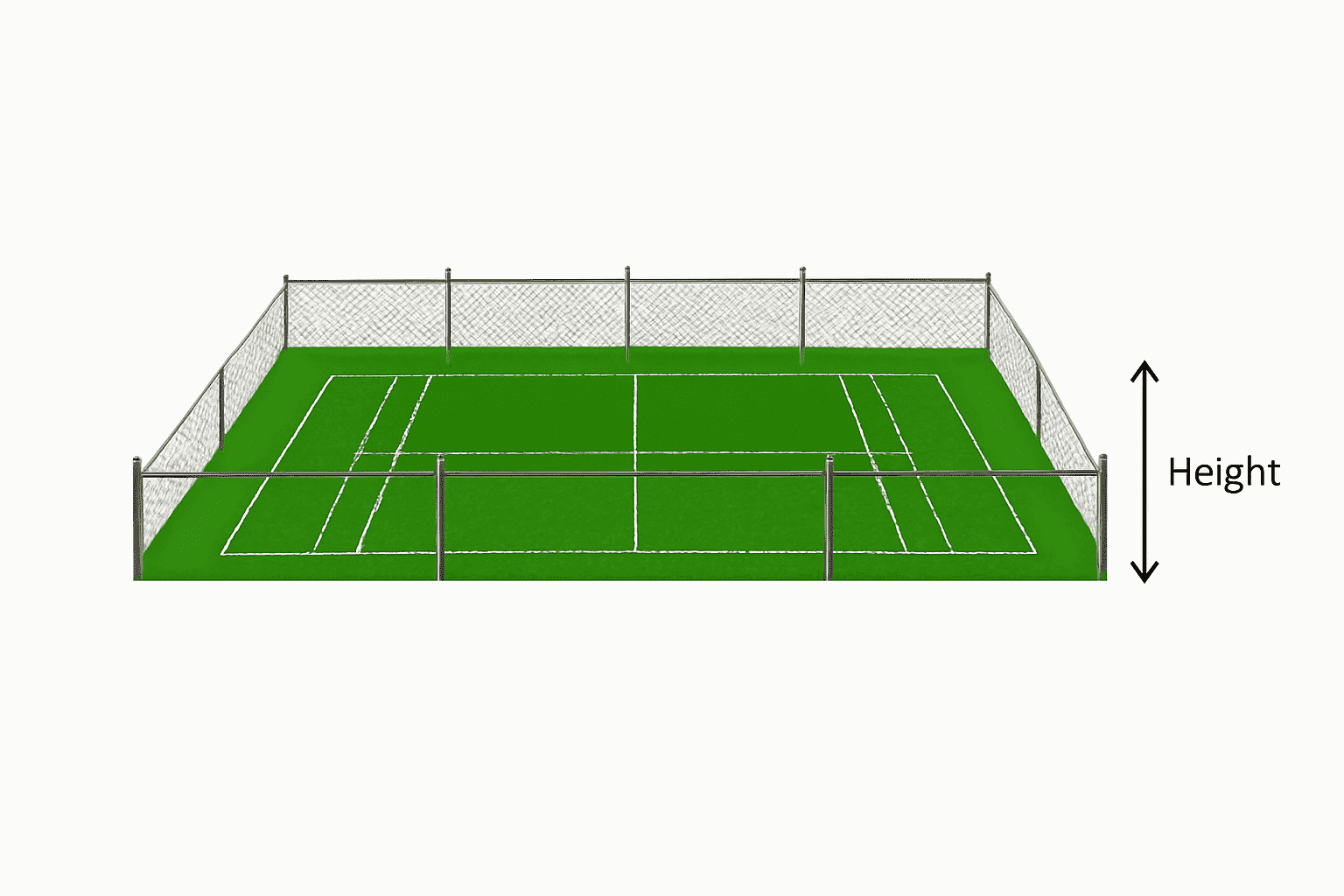
- Height refers to the vertical measurement from the base to the top of the box.
For example, consider a rectangular box designed to hold a product. If the base measures 15 inches by 10 inches, the longer side (15 inches) is the length, the shorter side (10 inches) is the width, and the height could be 8 inches, defining how tall the box stands.
Correctly defining these dimensions is crucial not only for snug product fit but also for material usage, shipping costs, and visual appeal.
Length Width and Height
Why Accurate Length Width and Height Matter in Custom Box Manufacturing
Choosing custom boxes without considering exact length width and height leads to multiple problems, such as wasted materials, increased shipping expenses, and even damage to products. A box that’s too large creates excess empty space, causing the product to shift and potentially break. On the other hand, a box that’s too small might crumple or fail to accommodate the product’s size.
With custom manufacturing, Packaging Box ensures that your box dimensions precisely match your product’s length width and height including any packaging inserts or padding. This tailored sizing:
- Maximizes product protection by minimizing movement inside the box.
- Reduces shipping costs by lowering dimensional weight charges.
- Enhances sustainability by minimizing excess packaging material.
- Elevates brand perception by creating a polished and professional package.
In short, precision in box measurements is foundational to successful packaging.
Length Width and Height
How to Measure Length, Width, and Height for Your Custom Box
Measuring your product’s length width and height correctly is the first step toward perfect custom packaging box Here are the best practices to follow:
- Length: Measure the longest side of your product. This could be the longest edge of a book, electronic device, or apparel box.
- Width: Measure the shorter side adjacent to the length, usually the depth or breadth of the item.
- Height: Measure the vertical dimension from the product’s base to its highest point.
Don’t forget to account for any accessories or protrusions, and add space for cushioning or inserts to protect fragile items. For example, if your product measures 12″ × 8″ × 4″, and you want 1″ padding on each side, your box dimensions should be at least 14″ × 10″ × 6″.
If measuring seems complicated, Packaging Box offers consultation and sample box trials to help you find the ideal dimensions tailored for your specific product.
Length Width and Height
The Role of Dimensions in Shipping, Storage, and Cost Efficiency
In the logistics world, a box’s length width and height impact how products are stored and shipped. Carriers charge based on dimensional weight—a pricing technique that considers package volume (length × width × height)—rather than just actual weight.
Oversized boxes mean higher shipping fees and inefficient use of storage space in warehouses and trucks. Conversely, boxes that fit well allow for:
- More items per shipment.
- Lower freight charges.
- Reduced carbon footprint due to optimized space.
Packaging Box precision manufacturing reduces wasteful bulk by custom-sizing every box, improving your supply chain efficiency and lowering overall costs.
Understanding Volume and Surface Area: Why They Matter
The total volume of a box is calculated by multiplying its length, width, and height:
Volume = Length × Width × Height
This gives the cubic space inside the box that your product occupies. Volume is crucial in understanding shipping weight limits, storage requirements, and packaging design.
Surface area, on the other hand, relates to the exterior of the box and affects the amount of material required and the printing space available for branding:
- Total Surface Area = 2 [(Length × Width) + (Width × Height) + (Length × Height)]
Knowing these measurements helps Packaging Box optimize material use and design custom graphics that fit perfectly on your box’s surfaces.
Materials and Structural Design Adapted to Box Dimensions
The chosen materials and structural features of a custom box often depend on its length width and height. For instance:
- Larger boxes may require double-wall corrugated cardboard for added strength.
- Smaller boxes might use lightweight rigid paperboard for a premium feel.
- High boxes with significant height may incorporate internal dividers to prevent product movement.
At Packaging Box, every custom box’s structure is engineered with its dimensions in mind to balance durability, aesthetics, and cost-effectiveness.
Custom Box Manufacturing Process at Packaging Box
Our manufacturing process focuses on accuracy in length width and height from start to finish:
- Consultation: Understanding your product’s specific measurements and packaging needs.
- Design: Using precise CAD software to draft box templates tailored to your product’s dimensions.
- Prototyping: Producing sample boxes for your review and adjustments.
- Production: Cutting and assembling boxes with exact length, width, and height to specifications.
- Quality Control: Rigorous measurement checks to ensure consistency across every batch.
This detailed approach guarantees packaging solutions that not only fit your products but also elevate your brand.
The Environmental Impact of Optimized Box Sizing
By customizing your packaging dimensions, Packaging Box helps reduce environmental waste. Boxes sized perfectly to your product’s length width and height use less material, cut down excess filler, and minimize shipping volumes, lowering greenhouse gas emissions.
Additionally, we offer sustainable materials—such as recycled cardboard and biodegradable inks—to create eco-friendly boxes that complement your green initiatives without sacrificing quality.
Final Thoughts: Why Length Width and Height Are Critical to Custom Packaging Success
The dimensions of your packaging—length width and height—are more than just numbers. They dictate the box’s fit, function, cost, and even brand impact. Getting these measurements right through custom box manufacturing is essential to protecting your product, reducing costs, and delivering a memorable unboxing experience.
With Packaging Box , you gain a trusted partner dedicated to precision in sizing and craftsmanship, helping your products reach customers safely and stylishly. Whether you need boxes for shipping, retail display, or gifting, mastering the art of length, width, and height ensures your packaging stands out for all the right reasons.
Sure! Here are the questions you asked with detailed answers for each:
if you have any question regarding to custom packagingor boxes to fill out this form and visit ours website packagingbox.us
contact us https://packagingbox.us/get-quote/
if your want to explore ours website check out
1. What is the length width and height of a box?
Answer:
- Length: The longest side of the box.
- Width: The shorter side perpendicular to the length.
- Height: The vertical measurement from the base to the top of the box.
These three dimensions define the size and shape of the box and are used to calculate volume and surface area.
2. What is the length width and height of Kaaba?
Answer:
- Length: The Kaaba is approximately 12 meters long (along the east-west direction).
- Width: It is about 10 meters wide (north-south direction).
- Height: The Kaaba stands about 15 meters tall.
These dimensions describe the sacred cubic structure located in Mecca.
3. What is the length width and height of a rectangle?
Answer:
- Length: The longer side of the rectangle.
- Width: The shorter side perpendicular to the length.
- Height: Usually, a rectangle is a 2D shape, so height is not defined unless considering a rectangular prism.
A rectangle has four sides with opposite sides equal and four right angles.
4. What is the length width and height of a cuboid?
Answer:
- Length: The longest dimension of the cuboid.
- Width: The dimension perpendicular to length on the base.
- Height: The vertical dimension perpendicular to both length and width.
A cuboid is a 3D rectangular box with six rectangular faces.
5. What is the length width and height of a rectangular prism?
Answer:
Same as a cuboid:
- Length: Longest side.
- Width: Side perpendicular to length.
- Height: Vertical dimension.
A rectangular prism is a 3D solid figure with six rectangular faces.
6. What is the length width and height of an envelope?
Answer:
- Length: Usually the longest side of the envelope.
- Width: The shorter side perpendicular to length.
- Height: Generally very thin, so height is often negligible or the thickness of the envelope.
Envelopes are usually flat, so height is minimal.
7. What is the length width and height of a cube?
Answer:
- Length: Equal to width and height in a cube.
- Width: Equal to length and height.
- Height: Equal to length and width.
All sides of a cube are equal, so length = width = height.
8. What is the length width and height of a cylinder?
Answer:
- Length: Not typically used for cylinders; instead, we use height.
- Width: Not used; instead, we use radius or diameter of the circular base.
- Height: The vertical distance between the two circular bases.
A cylinder has two circular bases and a curved surface.
9. What is the length width and height of a suitcase?
Answer:
- Length: The longest side of the suitcase (usually horizontal).
- Width: The side perpendicular to the length (depth of the suitcase).
- Height: The vertical measurement from the bottom to the top of the suitcase.
These dimensions determine the overall size and capacity of the suitcase.