















How Many Cigarettes in a Pack? | A Guide to Pack Sizes.


People Are Excited To Know How Many Cigarettes in a Pack
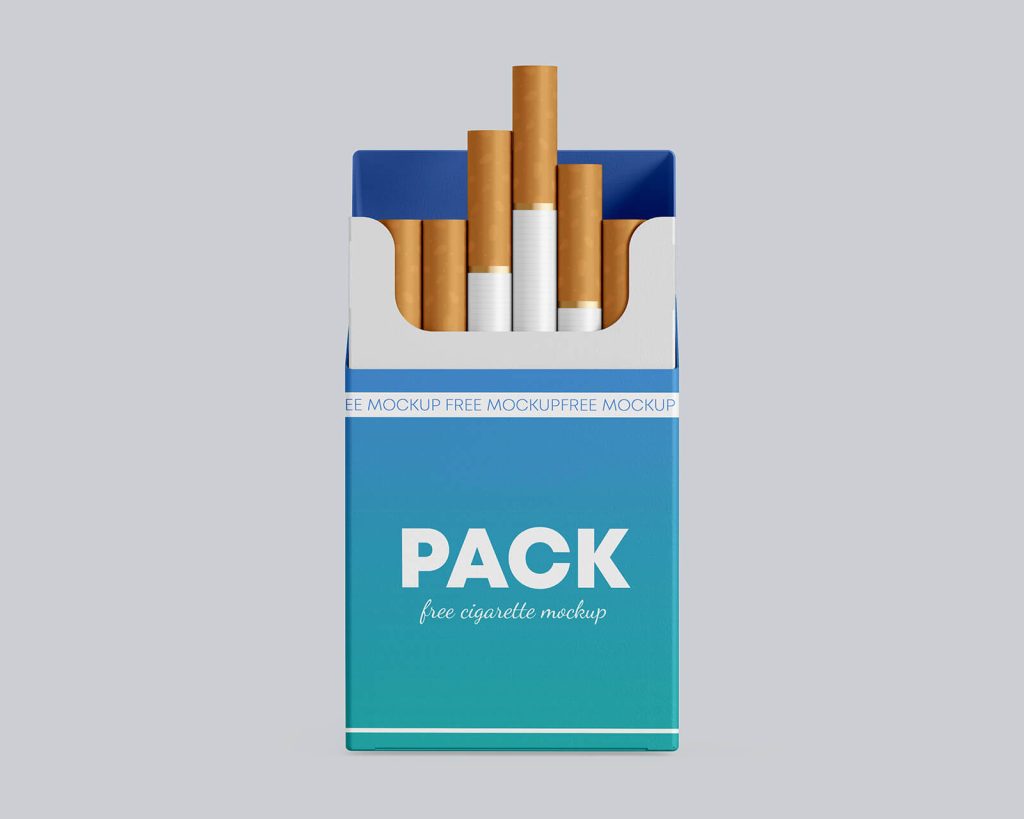
In general, the number of cigarettes in a pack depends on a couple of essential factors. However, mostly, the basic number of cigarettes in a pack you can find will be 20 cigarettes. On the other hand, the number of cigarettes in cigarette packaging varies in different countries.
How Many Cigarettes in a Pack? A Guide to Pack Sizes
If you’re curious about how many cigarettes are in a pack, you’re not alone. While the answer seems simple, it can vary depending on the country, brand, and regulations in place. However, 20 cigarettes in a pack is the most common standard used worldwide. Let’s dive into the details to understand why this is the case and explore some alternatives and regulations that impact cigarette packaging.
Why Are There 20 Cigarettes in a Pack?
The number of cigarettes in a pack isn’t arbitrary. Several factors have contributed to 20 cigarettes in a pack becoming the industry standard:
Convenience: A pack with 20 cigarettes is compact, easy to carry, and fits well in a smoker’s pocket or bag. It offers a practical solution for people who might consume one or two cigarettes per day.
Cost and Pricing: A pack containing 20 cigarettes offers a balance between being affordable for consumers and profitable for manufacturers. This pack size appeals to a wide range of smokers.
Standardization: Over time, 20 cigarettes in a pack became the norm across many countries, creating an industry standard that makes it easier for consumers to navigate prices, availability, and product variety.
Health Regulations: Health authorities in many countries have adopted policies that regulate cigarette packaging to emphasise health warnings. By standardising the number of cigarettes per pack, authorities can also control taxation and better enforce anti-smoking laws.
Are There Packs with Fewer or More Than 20 Cigarettes?
While 20 cigarettes in a pack is the most common, there are variations in some countries and regions. Let’s explore these:
Smaller Packs (10 Cigarettes)
In some countries, you may find packs with 10 cigarettes. These smaller packs often target occasional smokers or those who don’t want to purchase a full 20-pack. However, these packs have faced criticism for making cigarettes more accessible, especially to younger people. As a result, several countries, including those in the European Union, have banned smaller packs to discourage smoking.
Larger Packs (25, 30, 50 Cigarettes)
For those who smoke more regularly, larger packs containing 25, 30, or even 50 cigarettes are available in some markets. These packs are typically offered at a lower per-cigarette price and are intended for heavy smokers. Despite this, governments often discourage the sale of larger packs, as they could promote excessive smoking.
Cartons
For bulk buyers, cartons are available, which usually contain 10 packs of cigarettes, totalling 200 cigarettes. Cartons are commonly purchased by smokers who prefer to buy in larger quantities to save on cost.
The Evolution of Cigarette Packaging
The way cigarettes are packaged has changed over time. Early on, cigarettes were sold in bulk and wrapped in simple materials like paper or foil. Over the years, cigarette brands began to use more sophisticated packaging, creating a more appealing and recognisable product.
The 20-cigarette pack was designed to balance consumer needs with commercial goals. It wasn’t just about the number of cigarettes; it was also about making the product affordable, easy to carry, and standardising its size for health and regulatory purposes.
Different Types of Cigarette Packaging
Cigarette packaging has come a long way, and there are different types used across various regions. Here are the most common packaging styles:
Flip-Top Pack: These packs, which feature a hinged lid, are very common for premium and regular cigarettes. They are easy to open and close, making them convenient for smokers.
Slide Box Pack: A more modern design, the slide box pack is sleek and is often associated with high-end cigarette brands. Smokers enjoy the clean and easy access to cigarettes.
Soft Pack: These are lightweight, paper-based packs. They are typically less expensive to produce and more flexible but provide less protection for the cigarettes.
Standardised Packs: Many countries require cigarette packs to be standardised, which means they must have large health warnings and no logos or branding. This design is part of public health initiatives aimed at reducing the appeal of smoking.
Regulations and Pack Sizes
Governments have a significant influence on cigarette packaging and sizes. Here’s how regulations play a role:
Minimum Pack Size: In some regions, cigarette packs must contain a minimum number of cigarettes. For example, the European Union mandates that cigarette packs contain at least 20 cigarettes.
Standardised Packaging: Many countries now require standardised packaging, which means cigarette packs must have uniform designs with prominent health warnings and no branding or logos.
Taxes and Pricing: Taxes on tobacco products significantly affect cigarette prices, including larger packs. The goal is to make smoking less affordable to encourage smokers to quit.
How Many Cigarettes in a Pack: Summary
To sum up, 20 cigarettes in a pack is the global standard, primarily due to its balance between convenience, affordability, and industry norms. However, variations in pack sizes exist in some countries, with packs containing 10, 25, 30, or even 50 cigarettes. Governments regulate cigarette packaging to standardise sizes, ensure health warnings are prominent, and discourage excessive smoking.
Frequently Asked Questions (FAQS)
How many cigarettes are in a pack?
A typical pack of cigarettes contains 20 cigarettes.
Why do cigarette packs contain 20 cigarettes?
The 20-cigarette pack is designed for convenience, affordability, and practicality, balancing consumer demand with business profitability.
Can you find packs with fewer than 20 cigarettes?
Yes, some countries offer 10-cigarette packs, but they have been banned in several places due to concerns about accessibility for younger smokers.
Are there packs with more than 20 cigarettes?
Yes, larger packs with 25, 30, or 50 cigarettes are available, typically for heavier smokers, but are less common due to health regulations.
How many cigarettes are in a carton?
A carton typically contains 10 packs of cigarettes, totalling 200 cigarettes.
Are cigarette packs standardised?
Yes, many countries have implemented standardised cigarette packaging, where packs are uniform in design and feature large health warnings.
How do cigarette taxes influence pack sizes?
Governments increase taxes on tobacco products to raise prices, often leading to changes in pack sizes to either discourage smoking or maintain profitability for manufacturers.
What types of cigarette packaging exist?
Common cigarette packaging includes flip-top packs, slide box packs, soft packs, and standardised packs, depending on the region and brand.
What is the price difference between a pack of 20 and a pack of 30 cigarettes?
People also askThe price of a 30-cigarette pack may be slightly more expensive than a 20-cigarette pack. However, larger packs are often offered at a lower per-cigarette price, making them more economical for regular smokers.
What is the purpose of standardised cigarette packaging?
The purpose of standardised cigarette packaging is to reduce the appeal of smoking by removing brand logos and designs. This policy forces manufacturers to display large health warnings on the packaging to inform consumers about the risks of smoking.
How do cigarette taxes influence pack sizes?
Cigarette taxes can make smoking more expensive and influence consumers’ purchasing decisions. Higher taxes often result in higher pack prices, which can affect the affordability of certain pack sizes and encourage smokers to buy in bulk.
How does the size of a cigarette pack affect smoking habits?
The size of a cigarette pack can influence consumption patterns. Larger packs might encourage heavy smokers to purchase more cigarettes at once, while smaller packs could make cigarettes more accessible to occasional smokers or young people. Smaller packs, in particular, have been linked to increased smoking rates among youth.
Can you buy cigarettes in bulk, like cartons?
Yes, smokers can buy cigarettes in bulk, usually in the form of cartons, which typically contain 10 packs of 20 cigarettes each. Buying cartons is often more cost-effective for regular smokers.
What is the most common cigarette pack size around the world?
The most common cigarette pack size around the world is 20 cigarettes per pack. This size has become the industry standard in most countries due to its convenience and balance between affordability and practicality.
Conclusion
So, how many cigarettes are in a pack? While 20 cigarettes per pack is the most common worldwide, there are variations depending on the region, consumer preferences, and local regulations. Understanding the factors behind pack sizes and cigarette packaging gives valuable insight into the tobacco industry’s operation and how health policies shape the way cigarettes are sold.
Author: John Williams Written by John Williams
How Many Cigarettes in a Pack