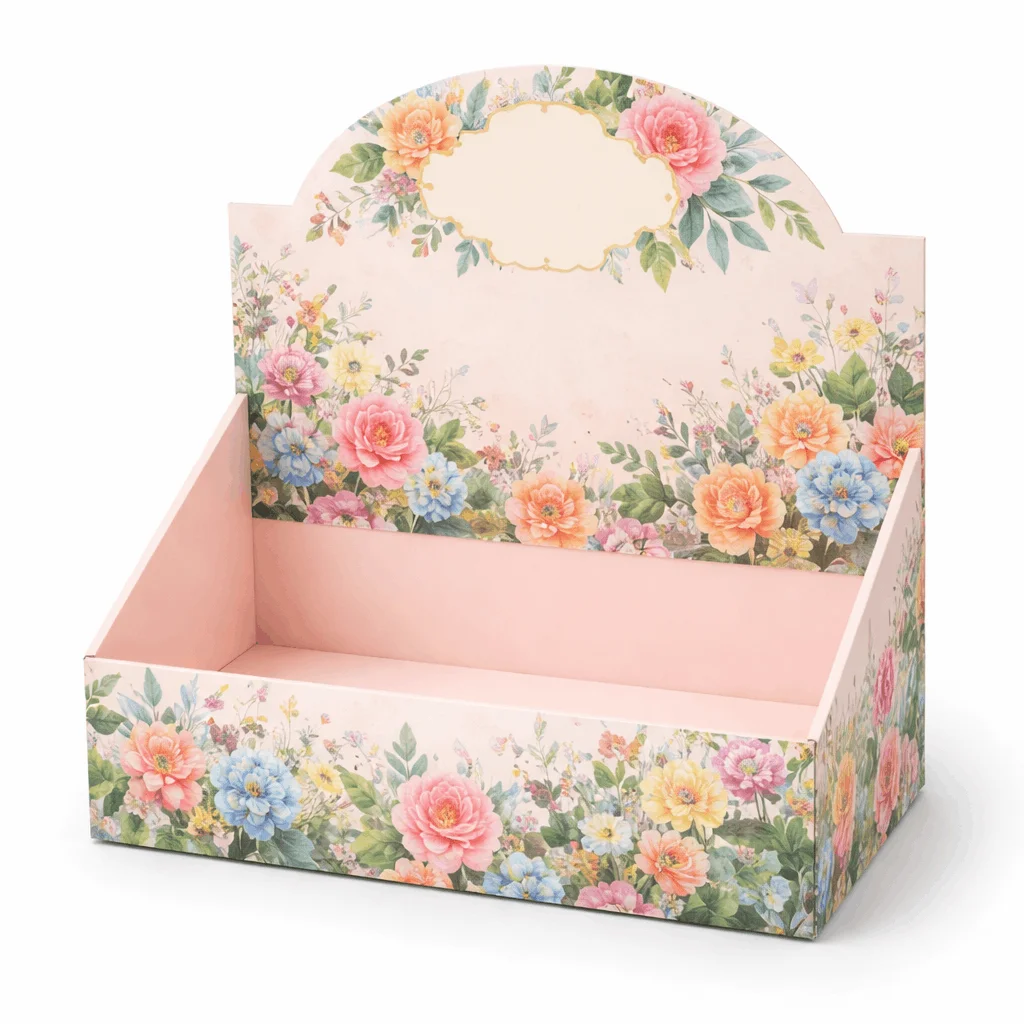
Display Box: Everything You Need to Know
Introduction
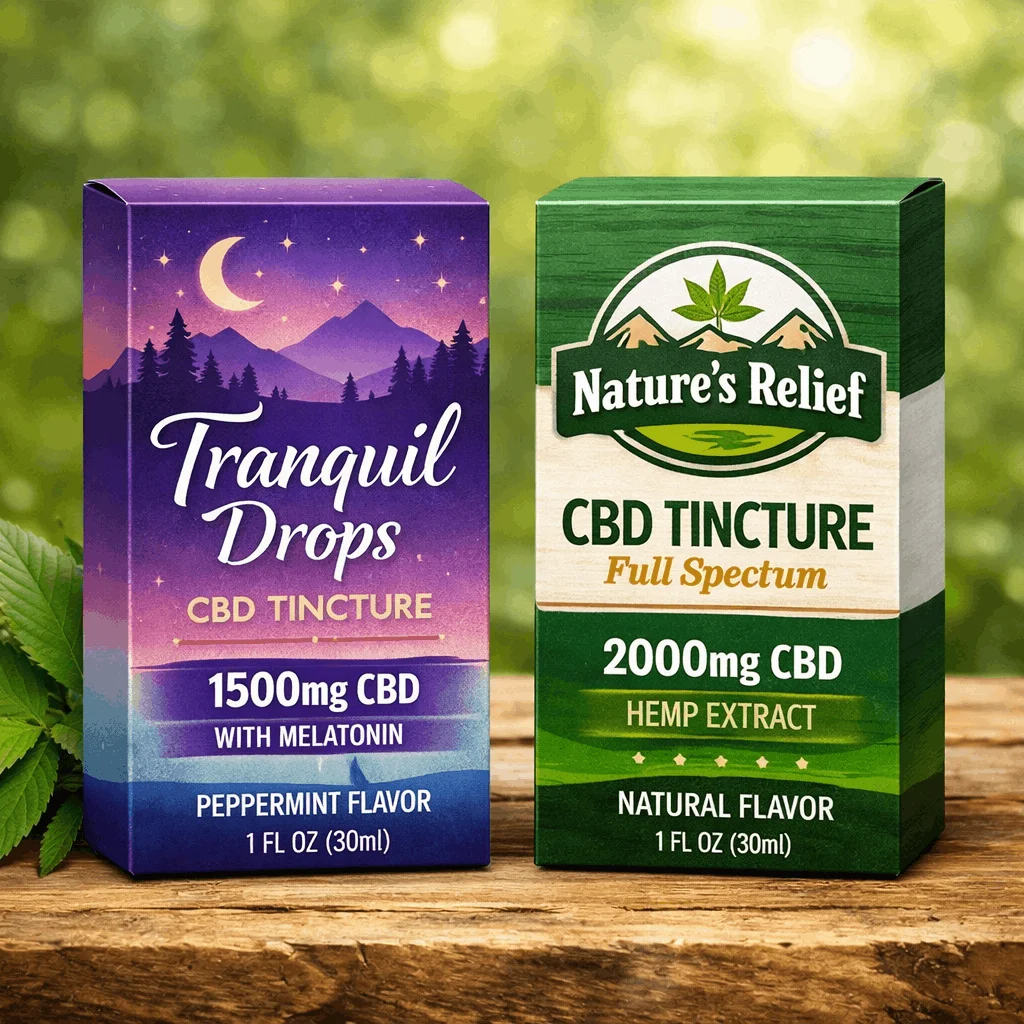
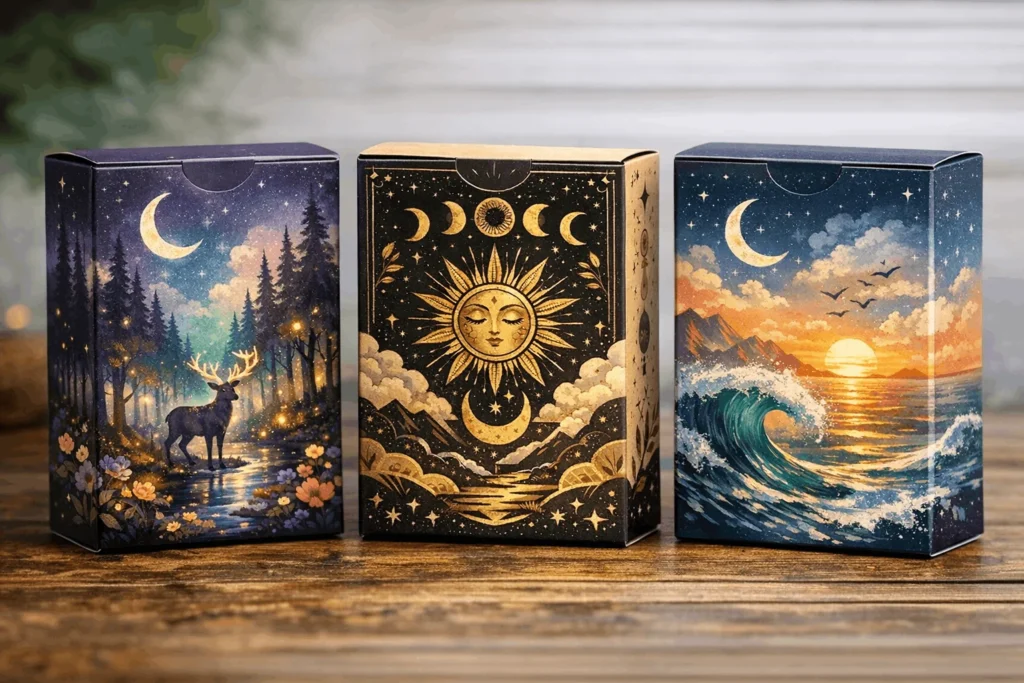
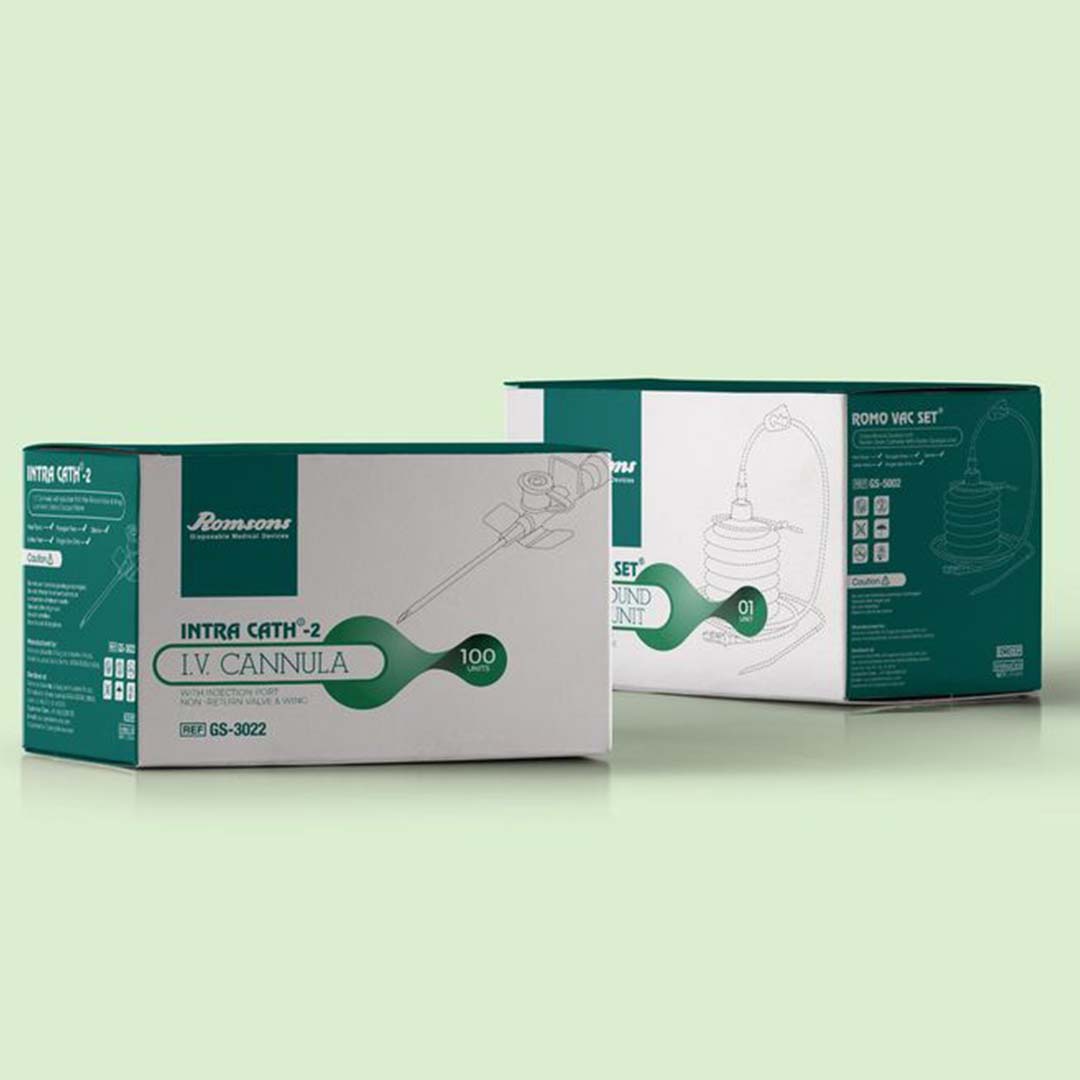
Walk into any retail store and take a look around. The products that catch your eye first are almost never the ones sitting in plain brown boxes. They are the ones presented in clean, well-designed packaging that makes them look worth picking up.
That is exactly what good retail packaging does.
It is not complicated. Purpose-built product presentation boxes show your item off rather than just wrap it up. And for any brand selling in a physical retail environment, that distinction matters more than most people realise.
This guide breaks everything down in plain, simple language — no jargon, no fluff.
What Is a Display Box?
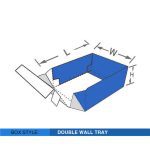
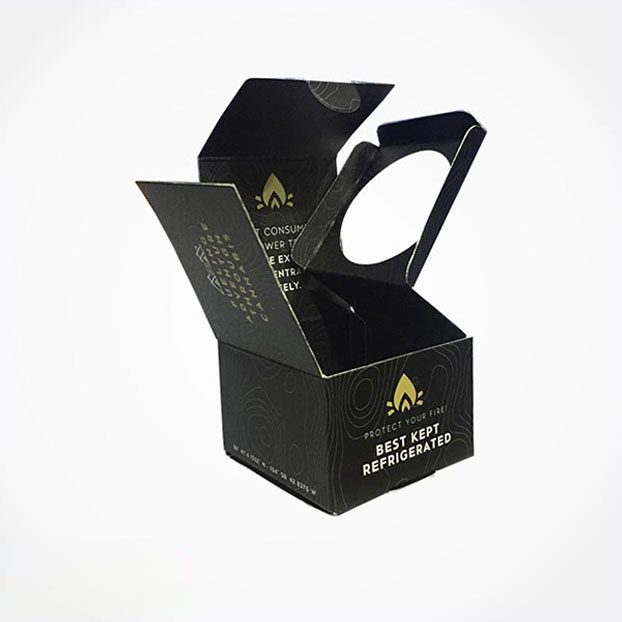
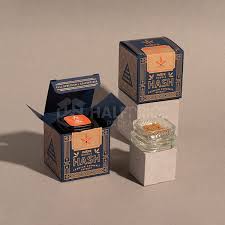
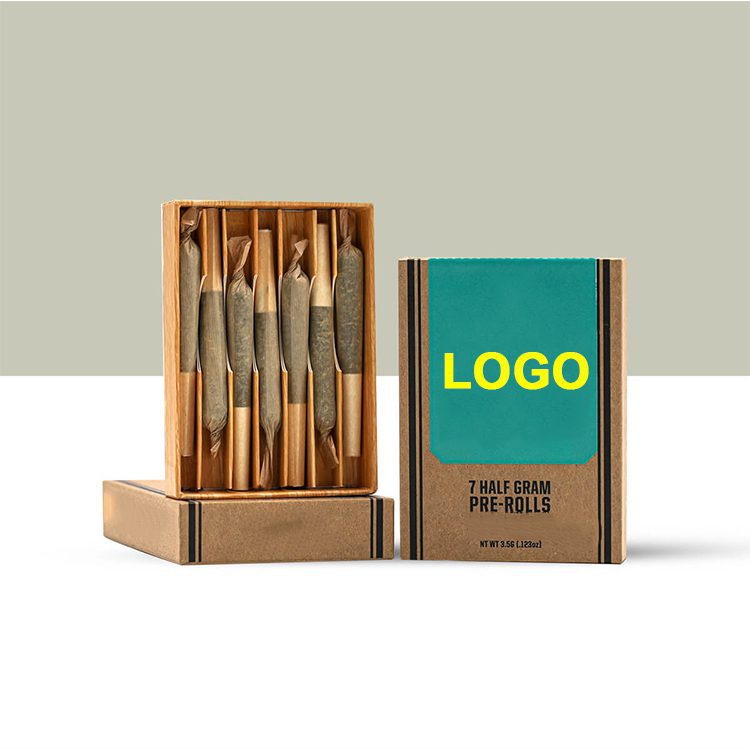
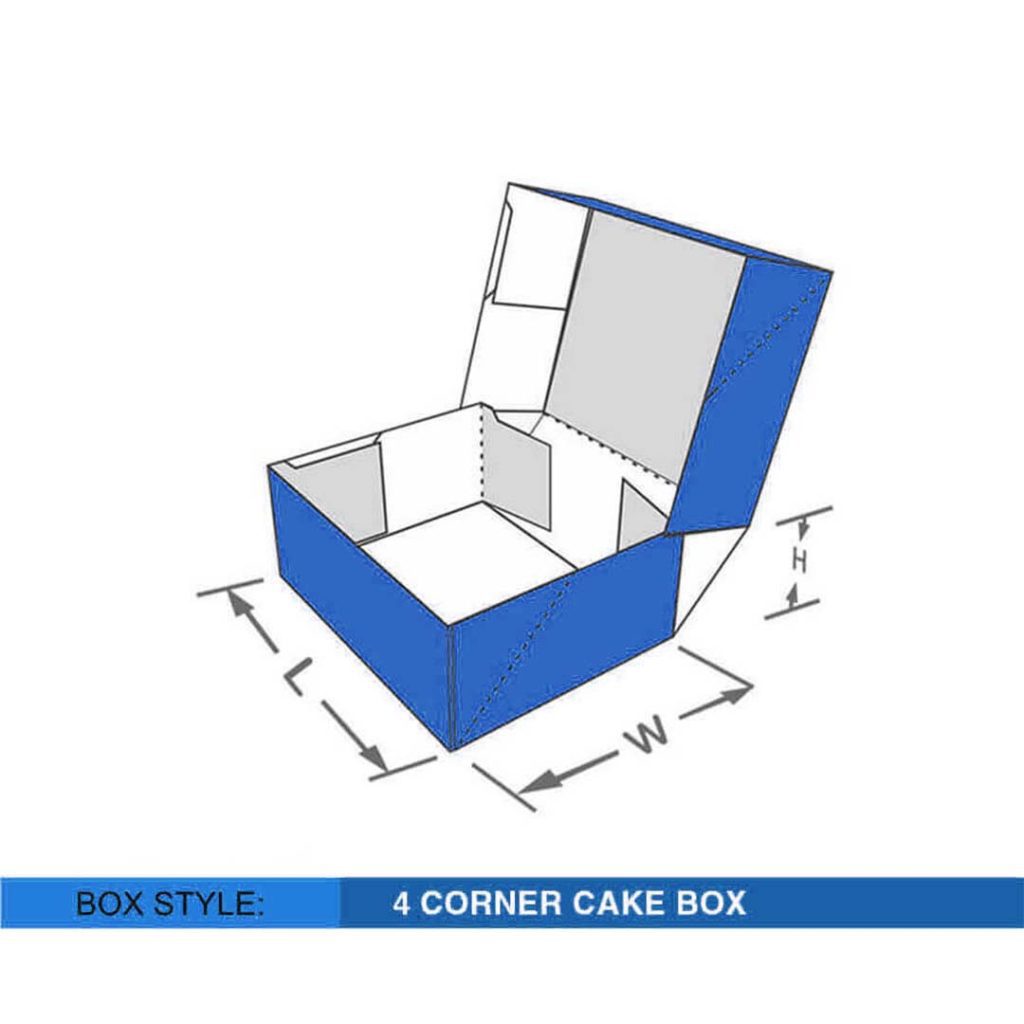
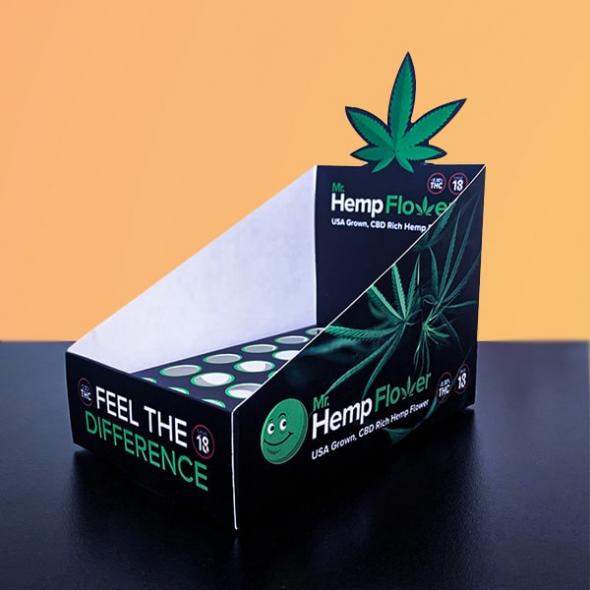
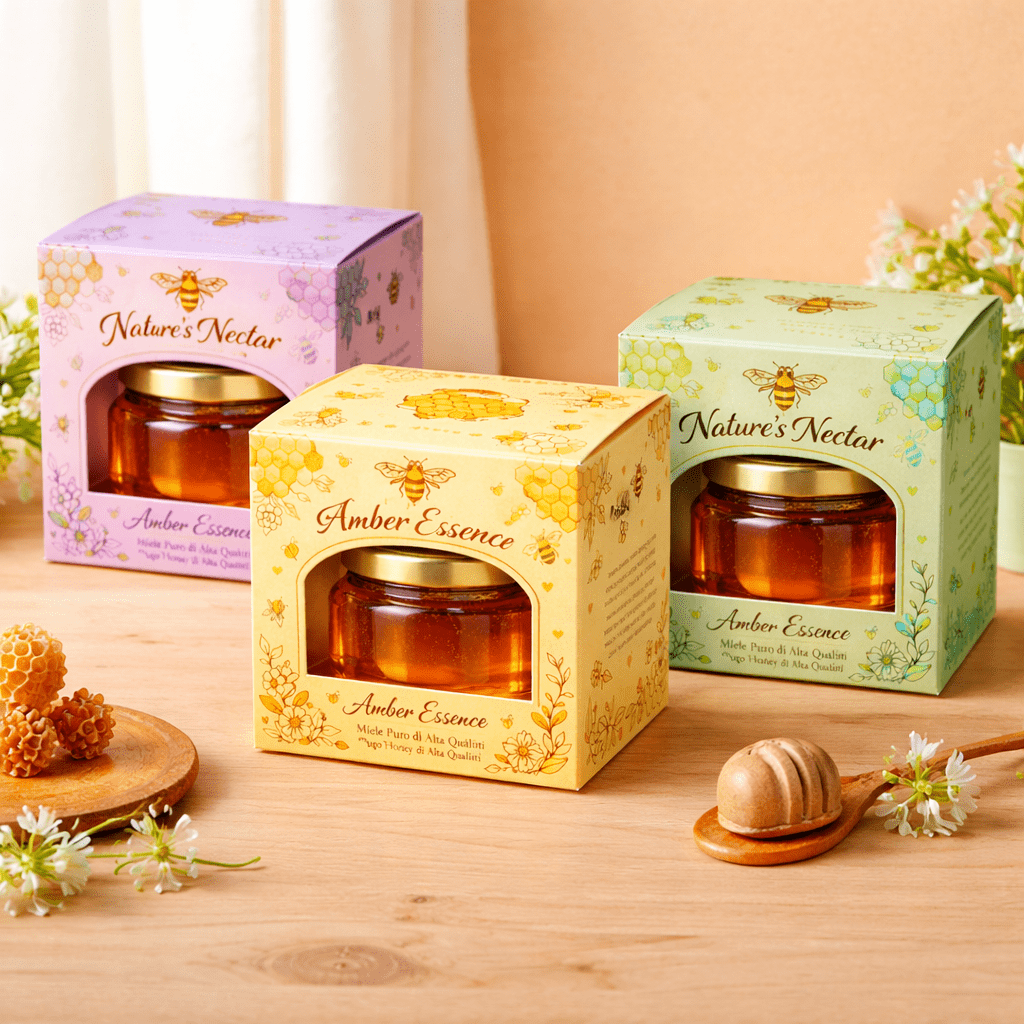
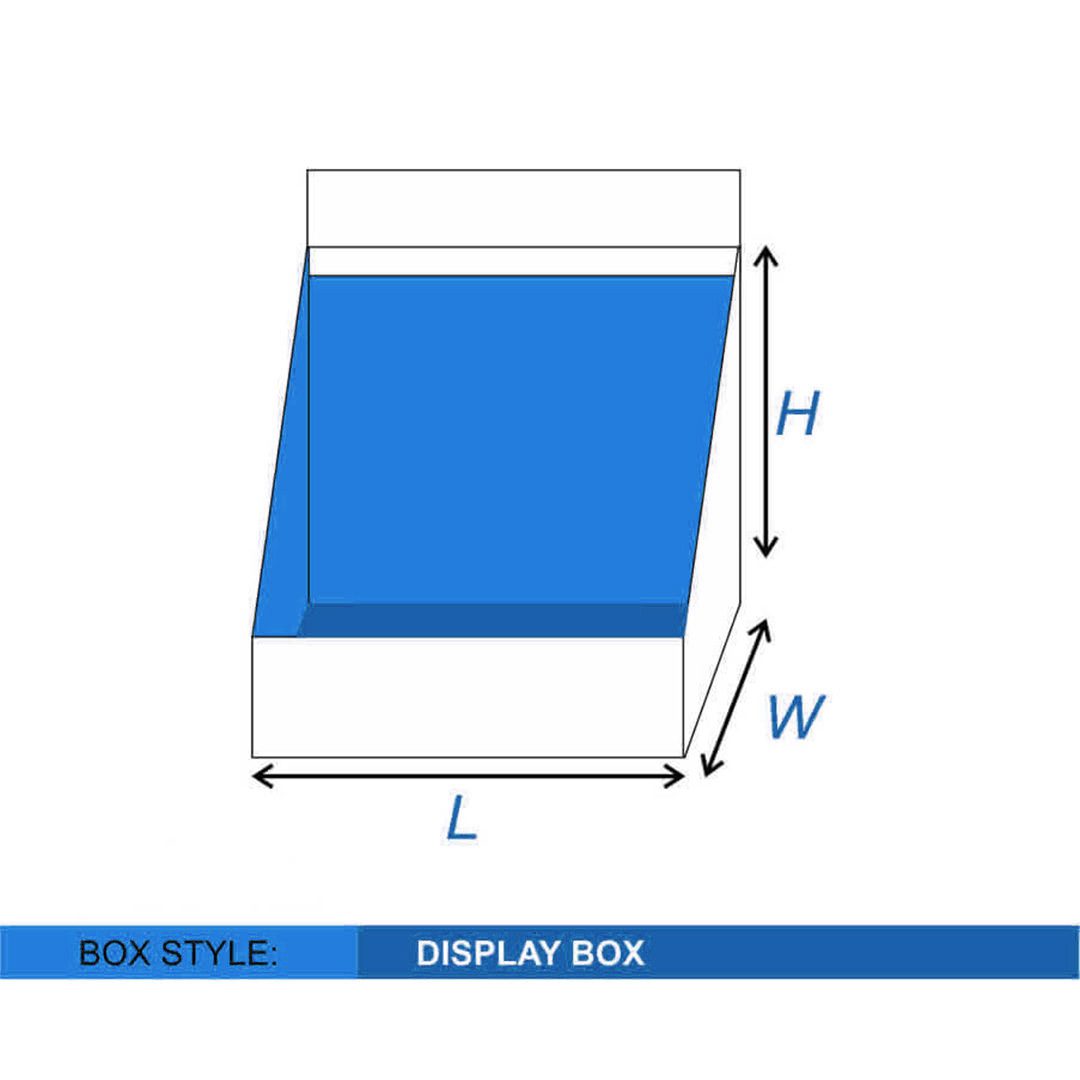
It is packaging designed to present a product visually at the point of sale. It usually has an open front, a clear window panel, or low side walls so the customer can see what is inside without opening anything.
The goal is simple — make the product easy to see, easy to grab, and hard to ignore.
Unlike a regular shipping carton, which does its job behind the scenes, this type of packaging works on the shop floor. It sits on a counter, hangs on a hook, or stands on a shelf and quietly encourages people to stop and take a closer look.
Why Brands Invest in Retail Presentation Packaging
Most buying decisions in a store happen quickly. A customer walks past a shelf, something catches their eye, they stop, pick it up, and either buy it or put it back.
Your packaging has about two seconds to make an impression in that moment.
A plain carton with small text and no visual personality will almost always lose to a well-presented product in attractive, purposeful packaging. It is not about being flashy. It is about being clear, professional, and visually inviting.
Beyond the immediate sale, good packaging also builds brand recognition over time. When people consistently see your product looking sharp on a shelf, they begin to trust what you sell.
The Different Styles Available
There is no single format that fits every product or retail environment. Here are the main options worth knowing about.
Counter Units
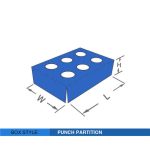
These sit on a counter or checkout desk. They are compact and designed to hold multiple units of one product — think lip balms, small snacks, travel-size items, or anything someone might pick up at the last moment before paying.
Their position right at the point of payment makes them one of the most effective tools for capturing unplanned purchases.
Floor Standing Units
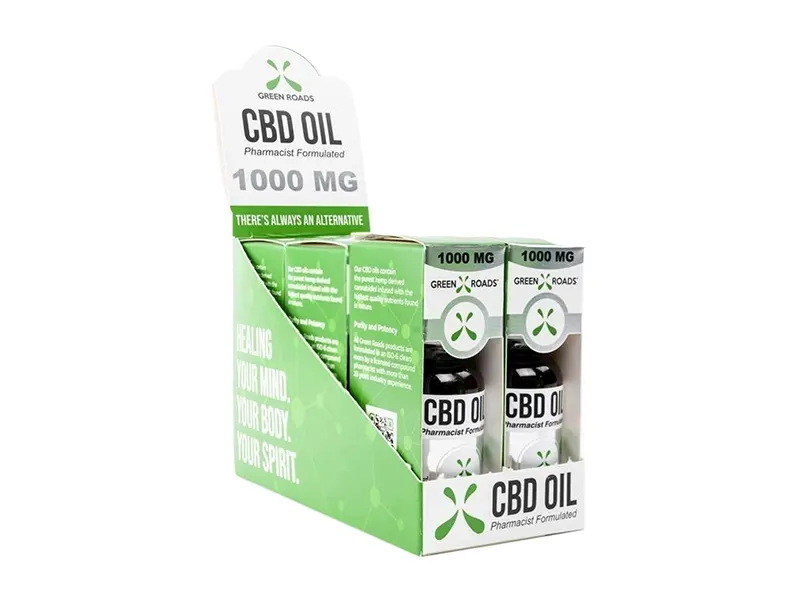
These are larger, freestanding structures that stand on the retail floor rather than on a shelf. They hold more product and are visible from further away, making them great for product launches, seasonal promotions, and high-volume items.
You will commonly see these in supermarkets and large retail chains.
Shelf Boxes
These sit on standard retail shelving and are probably the most common format. They keep products organised and visible within an existing store layout. A well-made shelf box helps a product stand out even when surrounded by competitors on both sides.
Window Boxes
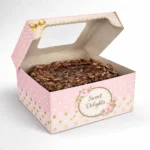
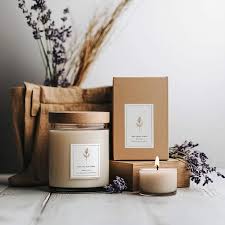
A window box has a clear cut-out panel — usually covered with thin transparent film — that lets the customer see the actual product inside. This works especially well for anything visually appealing like candles, food items, toys, or cosmetics, because seeing the real thing is always more persuasive than a photograph of it.
Shipper Boxes
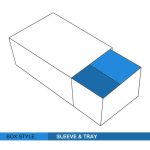
These serve two purposes at once. They function as a shipping container during transit, and once they arrive at the store, a panel folds away to reveal a ready-to-use retail unit. This saves store staff time and effort unpacking and arranging products — a practical advantage that many wholesale buyers genuinely appreciate.
Pegboard Hang Boxes
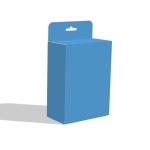
These have a small hole or reinforced tab at the top so they can hang on pegboard hooks. Common in hardware stores, pharmacies, and gift shops. They make the most of vertical wall space and keep products at eye level where customers naturally look.
Choosing the Right Material
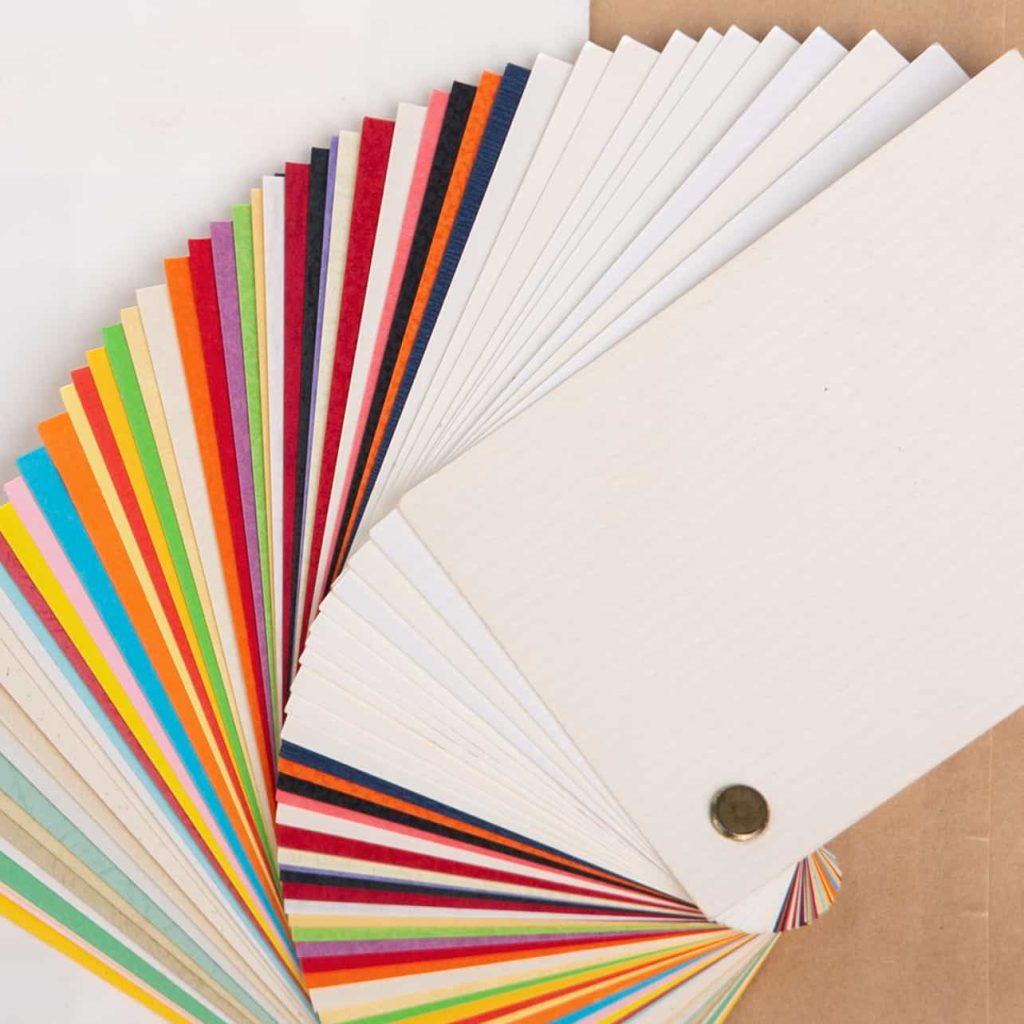
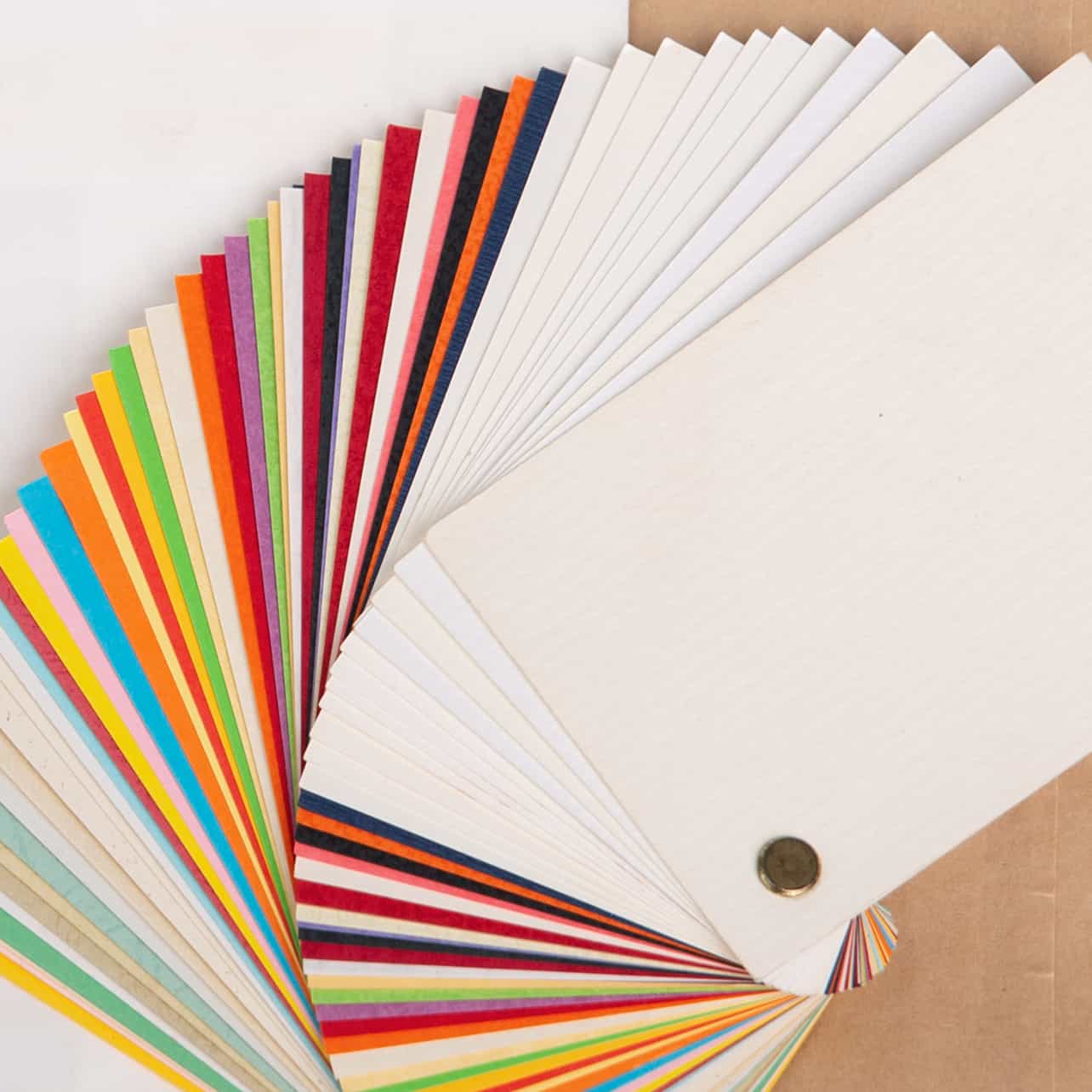
The material you choose affects how the box looks, how long it lasts, how well it prints, and the overall impression it creates for your brand.
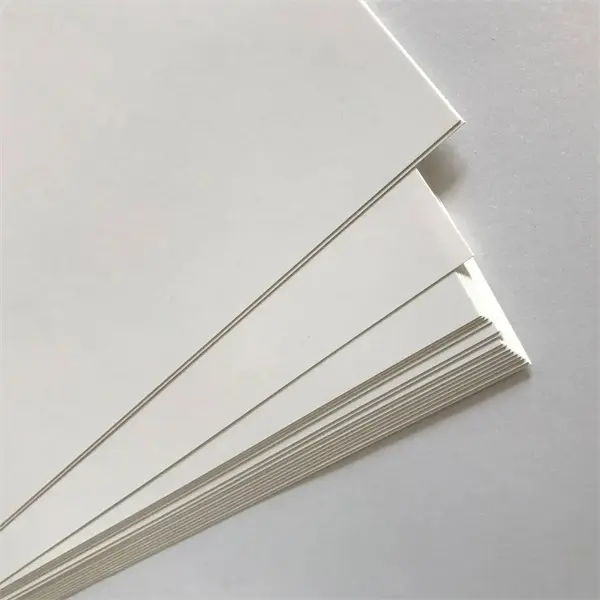
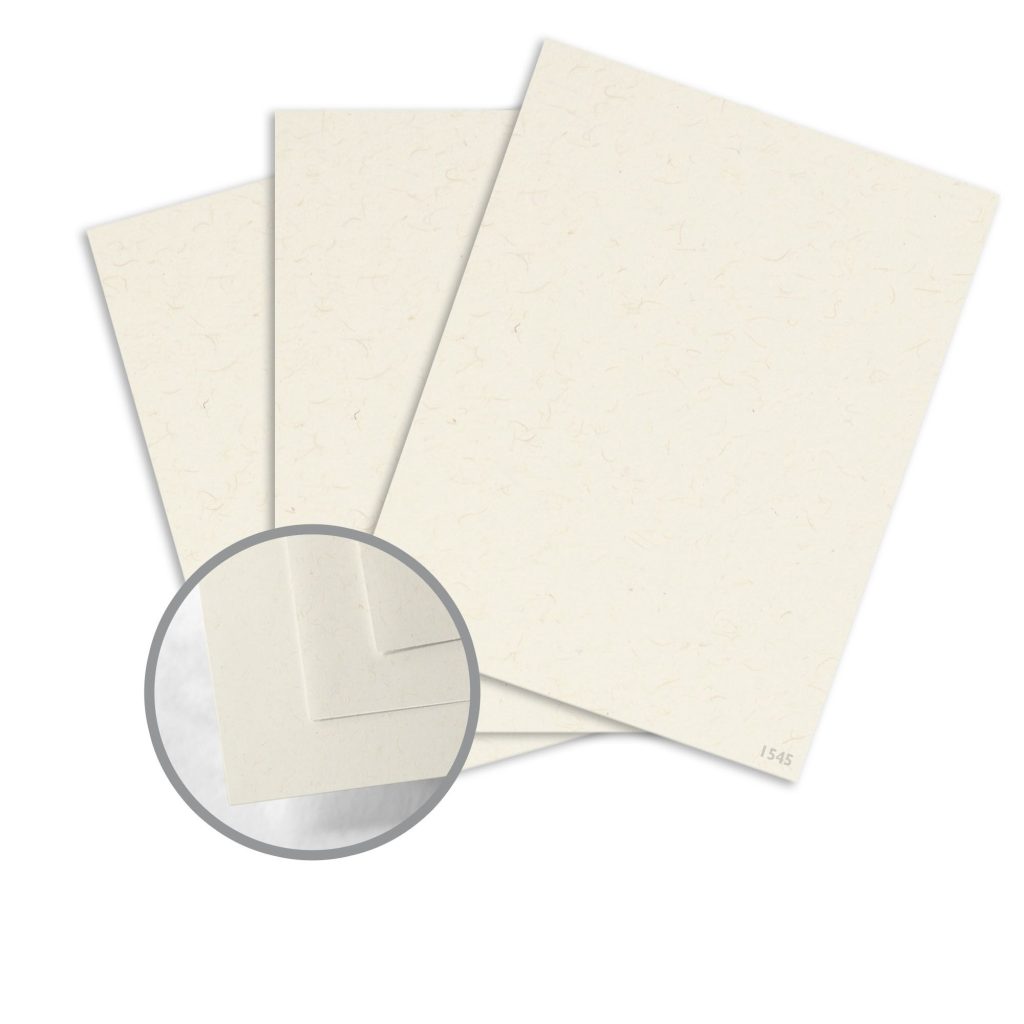
Standard Cardboard is the most common starting point. It prints beautifully, comes in a range of thicknesses, and works well for most retail products. If print quality and visual presentation are your main concerns, this is usually the right choice.
Corrugated Board is stronger and better suited for heavier items or floor-standing units that need to hold significant weight. It is also the natural choice for shipper boxes that need to survive the journey before being used on the shop floor.
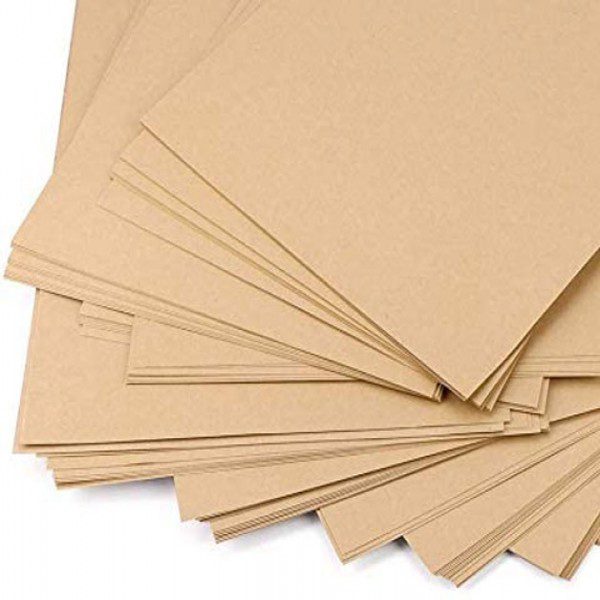
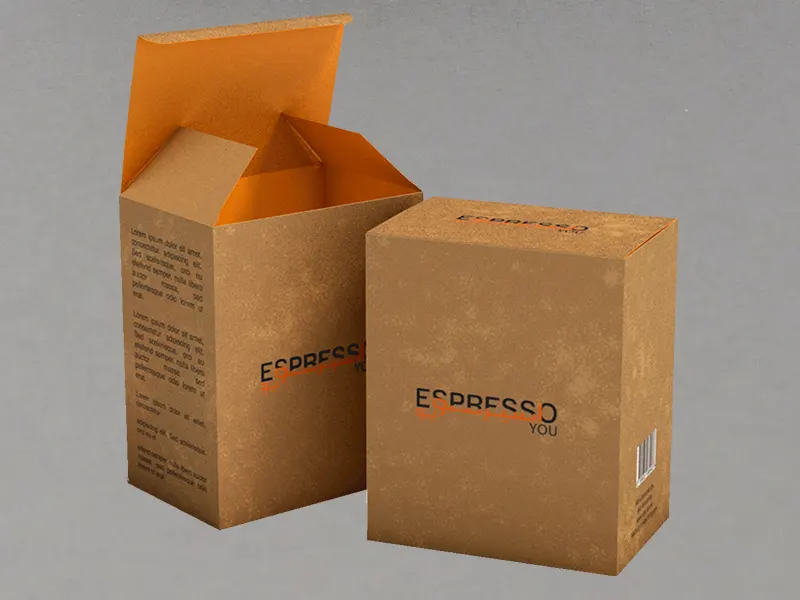
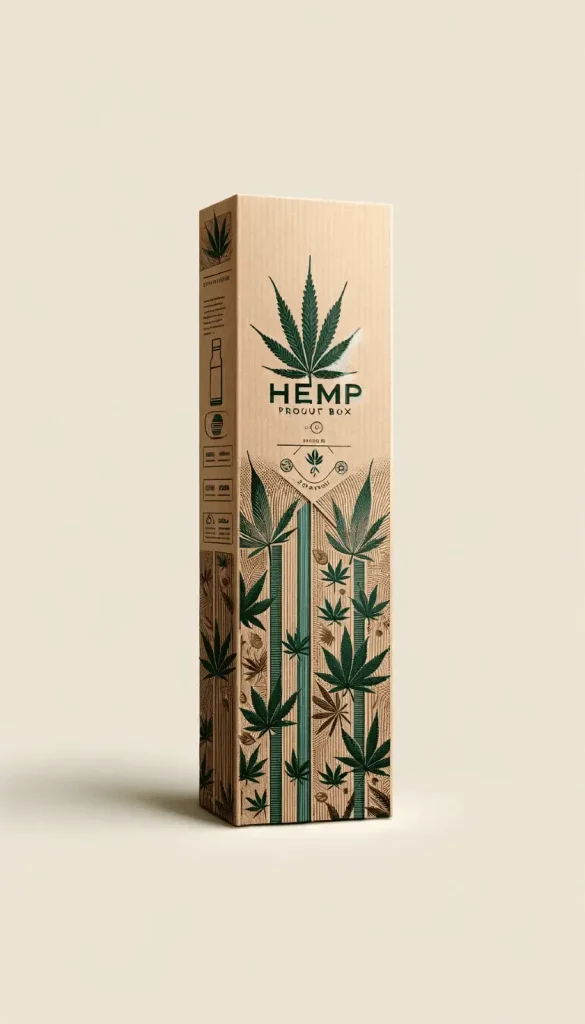
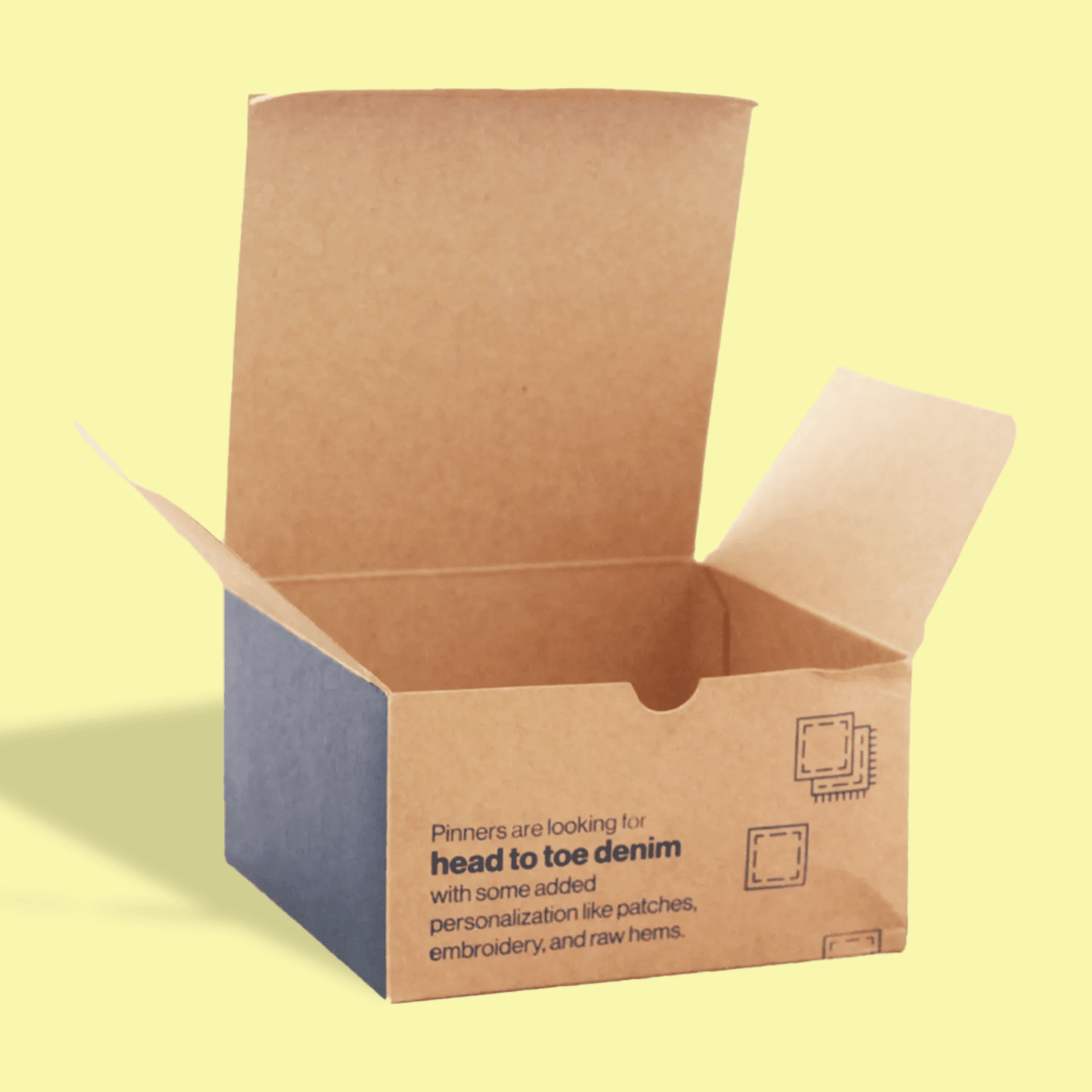
Kraft Paper has a natural, earthy look that works well for food brands, organic products, and anything positioning itself as eco-friendly or handmade. It communicates a kind of honesty and simplicity that polished white cardboard sometimes cannot.
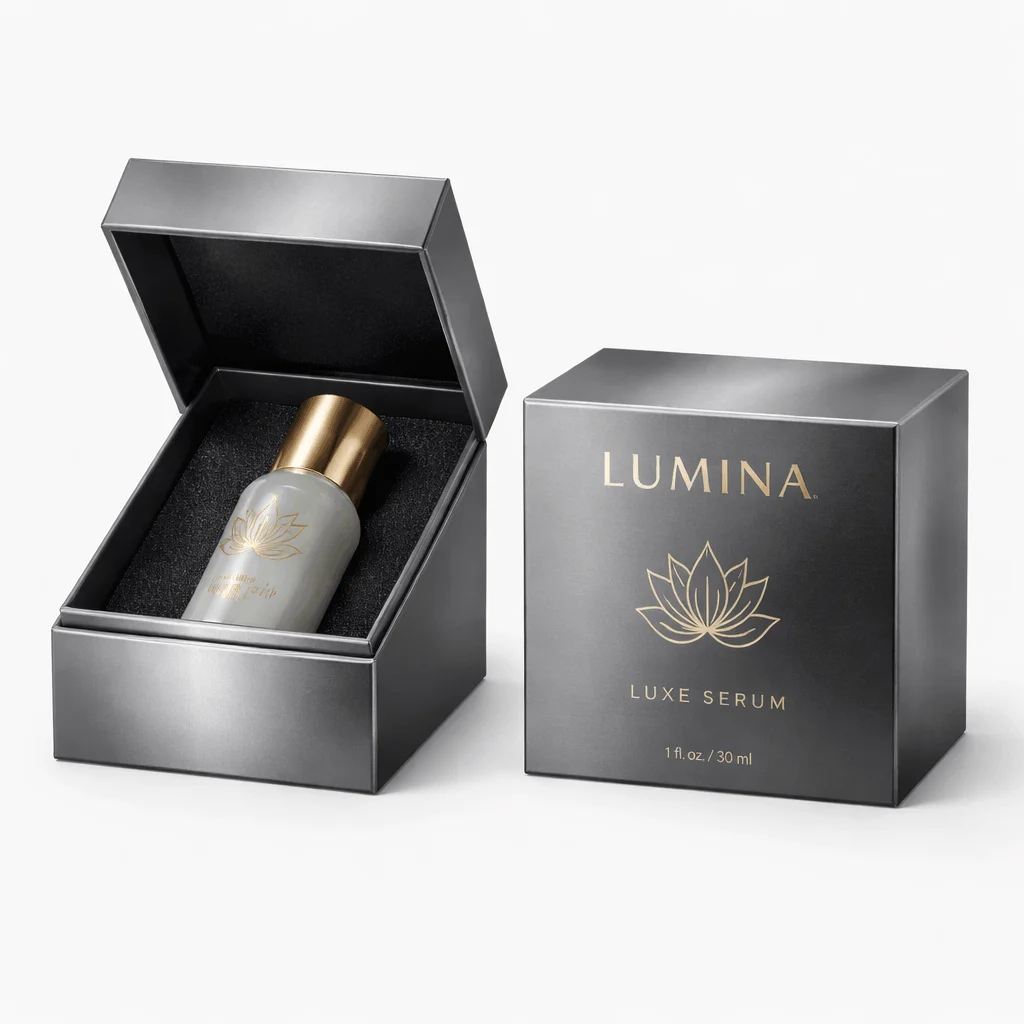
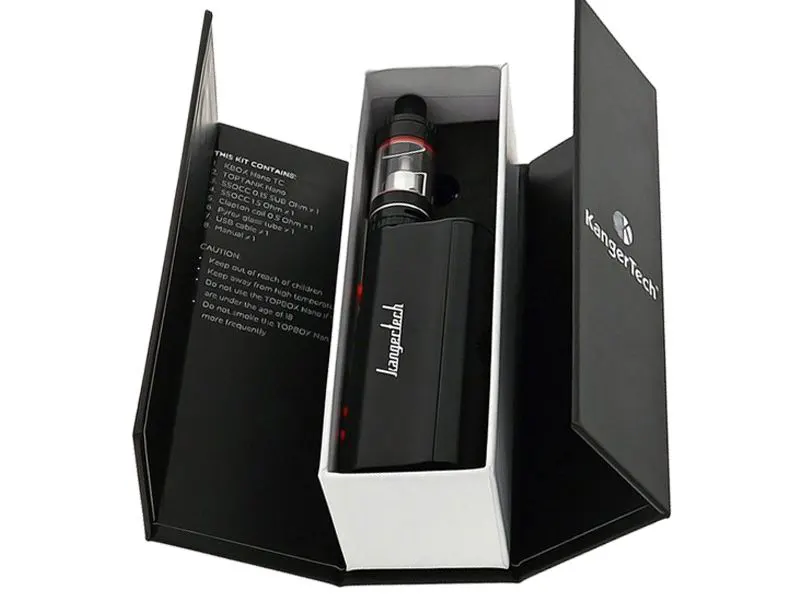
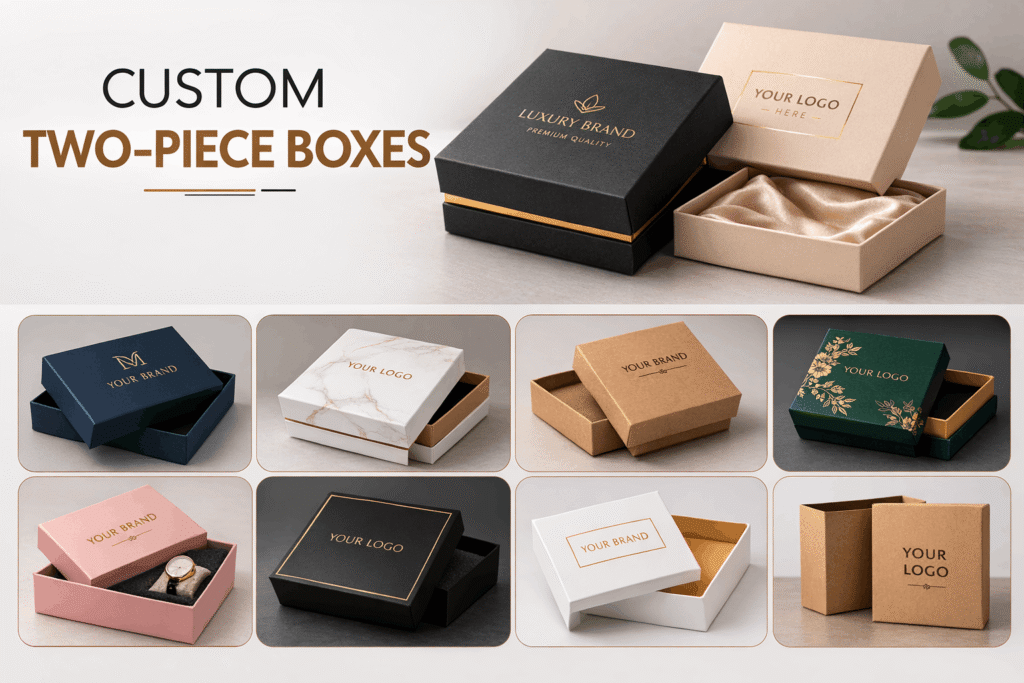
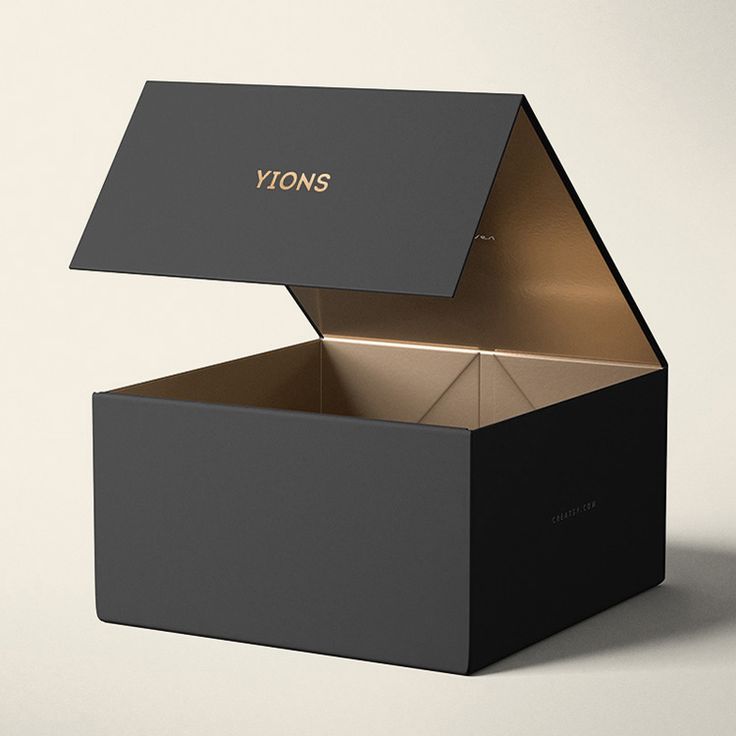
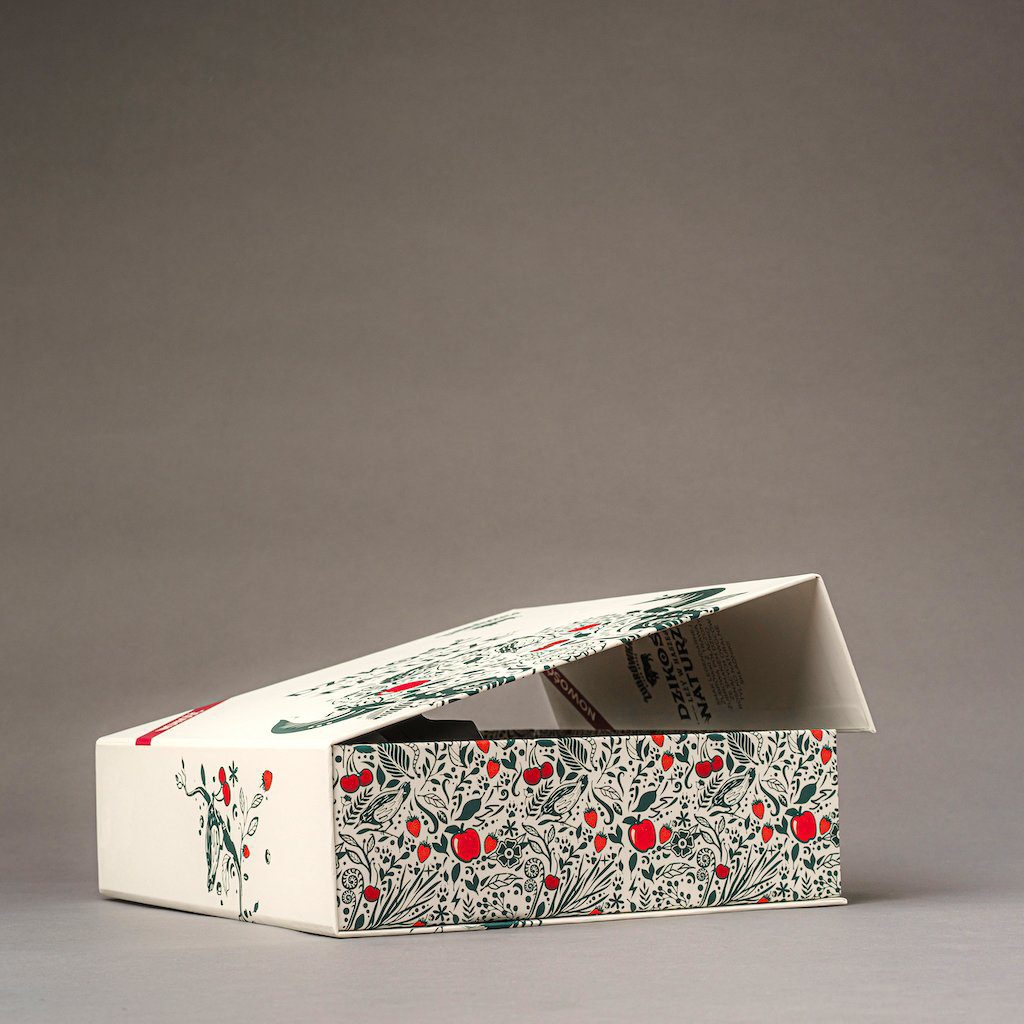
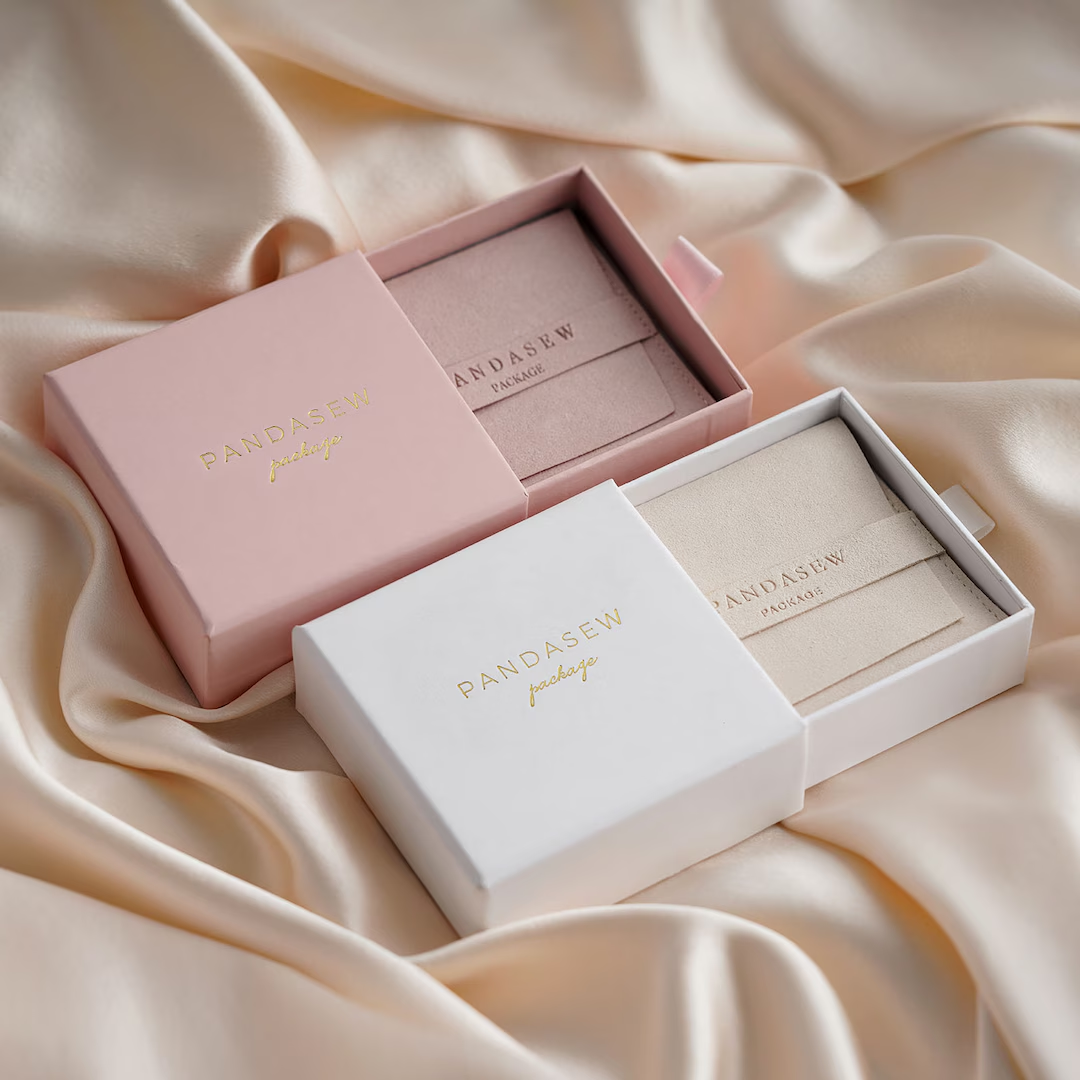
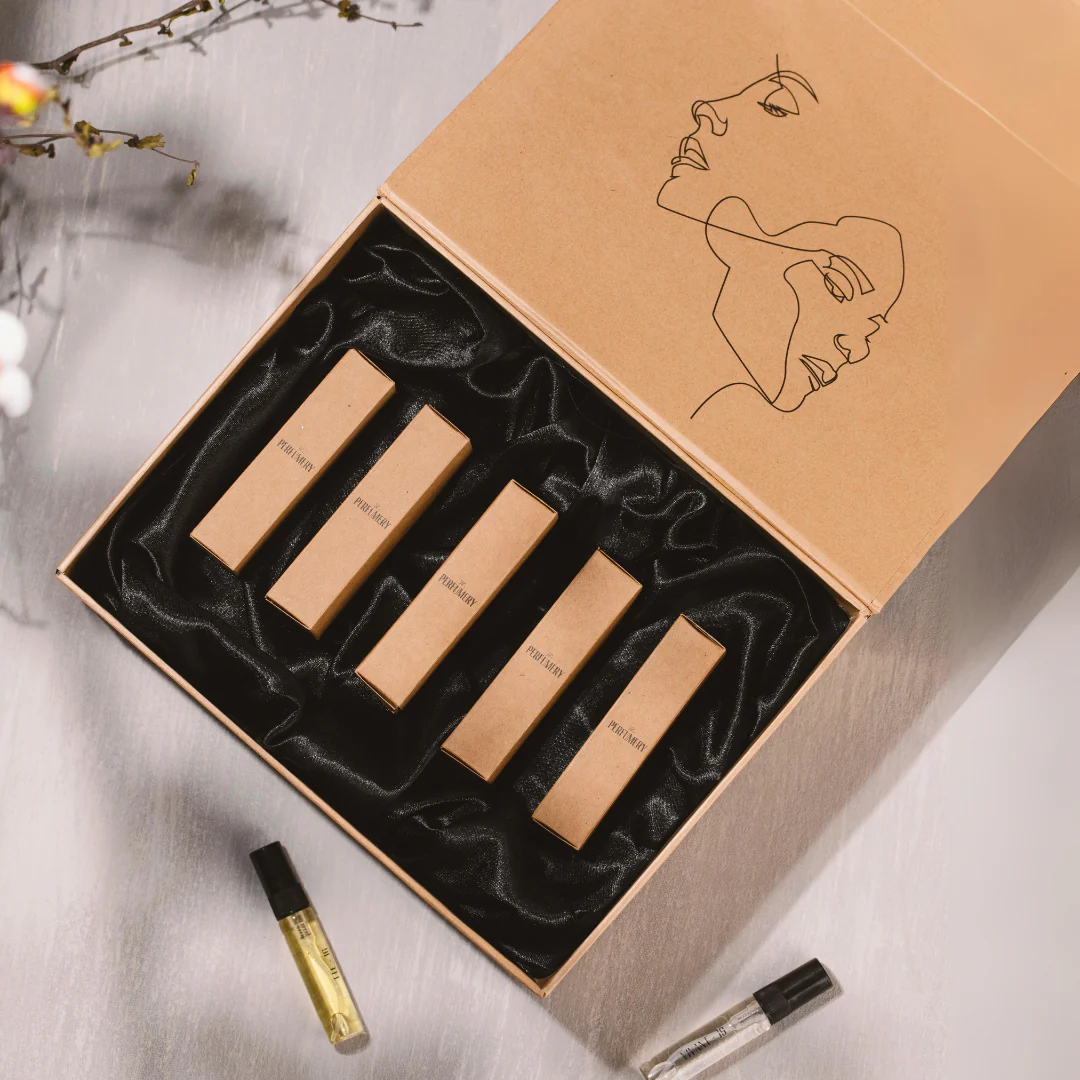
Rigid Board is what luxury brands reach for. It is thick, dense, and feels noticeably substantial. You cannot fold it flat, which makes it more expensive to ship, but it creates an impression of quality that other materials simply do not match.
Clear Plastic (PET) is used when the packaging itself needs to be mostly transparent. Common in toy packaging, electronics accessories, and gift products where full product visibility is the main selling point.
Finishing Touches That Actually Matter
Once you have settled on a material, the finish is what takes the design from good to genuinely impressive.
Gloss lamination makes colors look bright and vivid. Popular for food, sweets, and consumer goods where energy and visual impact matter most.
Matte lamination gives a quieter, more refined look. A common choice for beauty, skincare, and wellness brands that want to communicate sophistication without shouting.
Soft touch lamination adds a velvety texture to the surface. It feels premium in the hand and works very well when combined with spot UV effects elsewhere on the box.
Spot UV applies a high-gloss coating to specific areas — usually a logo or brand name — while the rest of the surface stays matte. The contrast naturally draws the eye to exactly where you want attention.
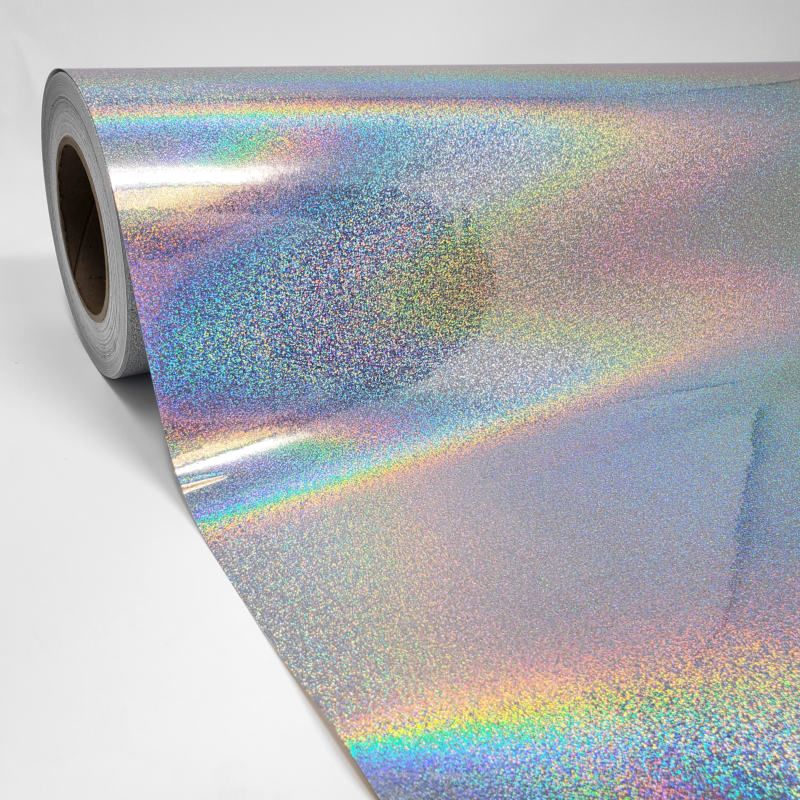
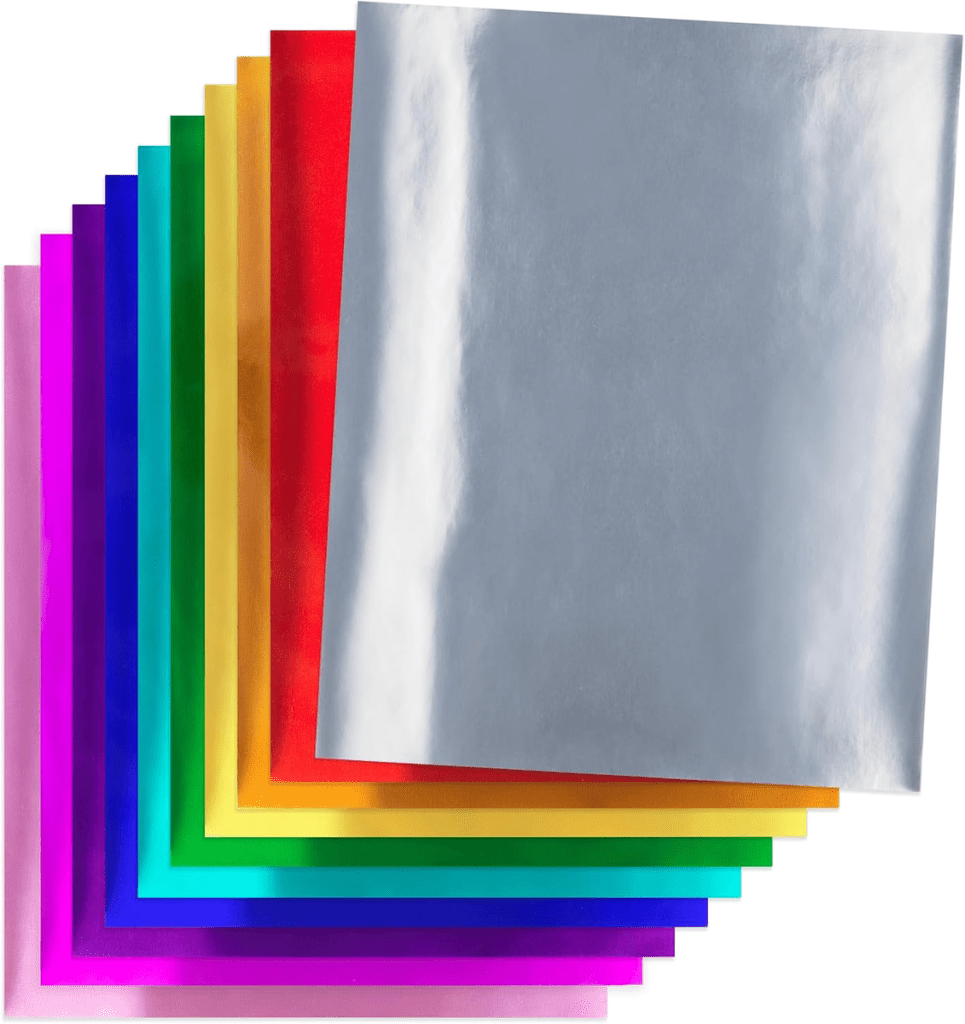
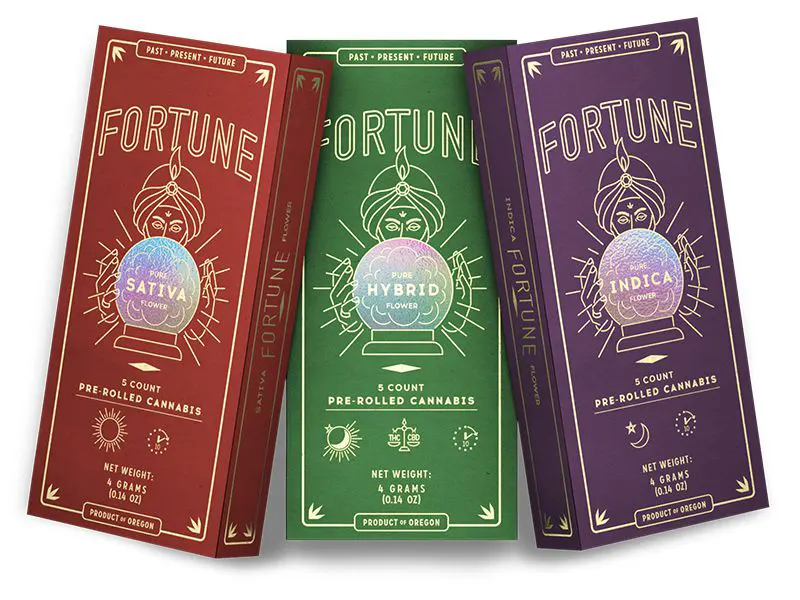
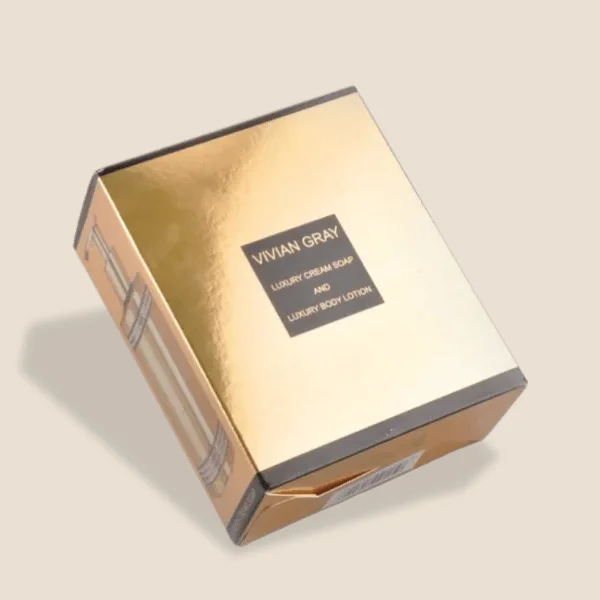
Foil stamping adds metallic detail in gold, silver, rose gold, or other shades. Even a small amount of foil on a logo or border can noticeably lift the overall quality impression.
Embossing and debossing press design elements above or below the surface of the board, adding a tactile quality that printing alone cannot replicate.
Industries That Benefit Most
Almost every retail brand can find a use for well-designed retail packaging. But some sectors rely on it more heavily than others.
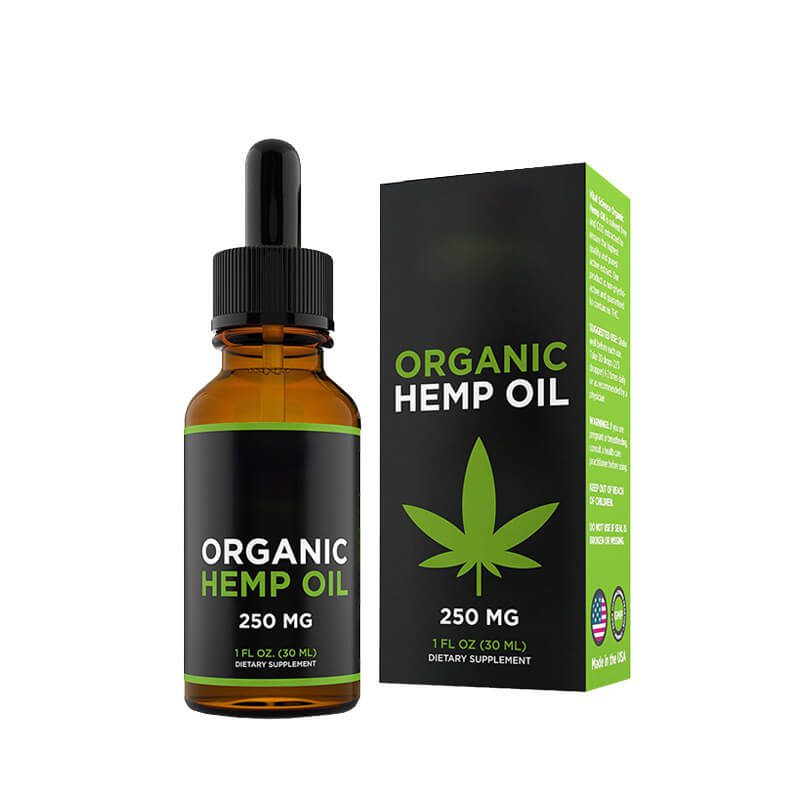
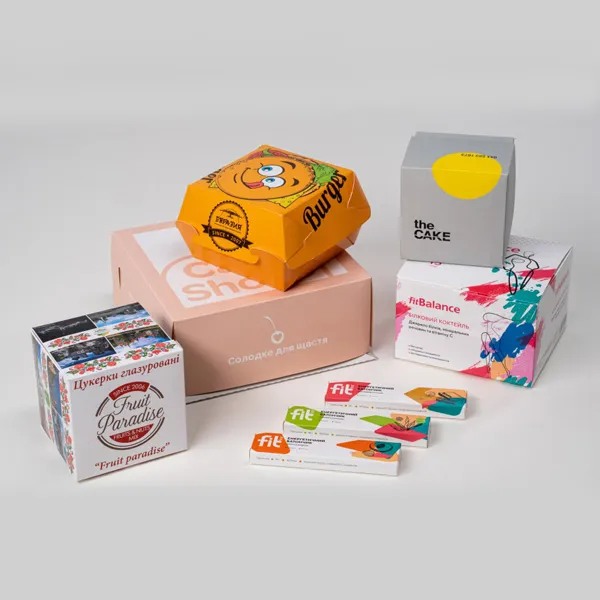
Food and confectionery brands use counter units constantly because their products are classic impulse purchases. Cosmetics and beauty brands depend on shelf and counter presentations because visual appeal is central to how customers evaluate those products. Toy companies favour window formats because seeing the actual item is a major part of the buying decision. Supplement and healthcare brands use structured retail packaging to communicate trust and professionalism. Jewellery brands reach for rigid counter units because the premium feel of the packaging sets the right tone before the product is even seen.
In short — if your product is sold in a physical store and you care about how it looks to the person walking past, this type of packaging is directly relevant to your business.
Simple Tips for Better Packaging Design
You do not need to be a professional designer to make smart decisions about your packaging. A few clear principles go a long way.
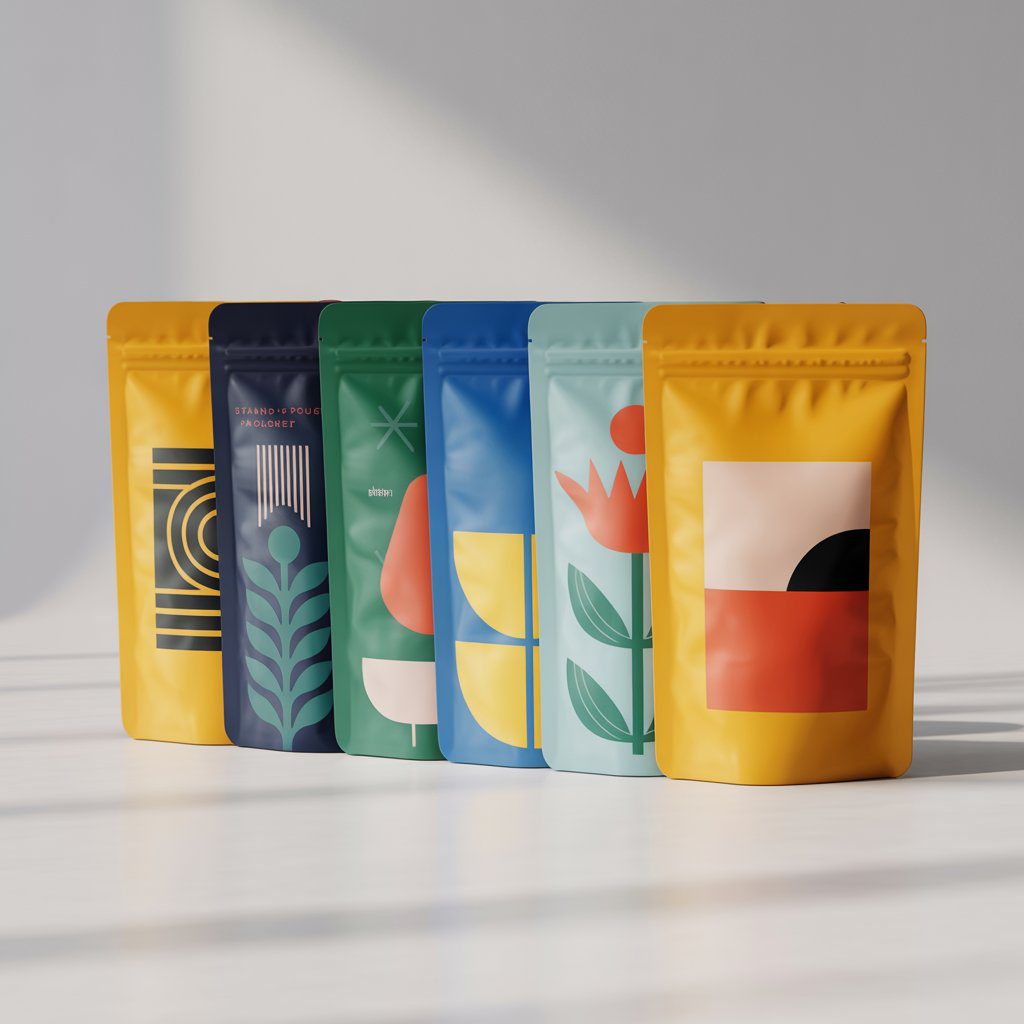
Make your brand immediately recognisable. Your logo, brand name, and primary colors should be visible at a glance. Someone should be able to identify who made this product within one second of seeing it.
Let the product do some of the talking. If what you sell looks good, show it. A window cut-out or open front design builds purchase confidence far more effectively than a photograph printed on the side.
Keep the layout clean. Crowded, cluttered packaging is hard to read and feels cheap regardless of the material it is printed on. Focus on your key message and give it room to breathe.
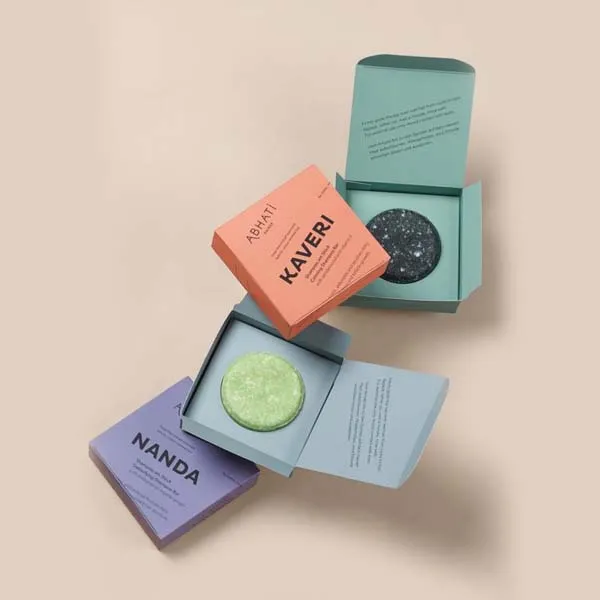
Match your finish to your brand personality. A high-end skincare brand and a playful children’s snack brand should not use the same finish. Matte and soft touch communicate refinement. Gloss and bold colors communicate energy and fun. Make sure the two are consistent.
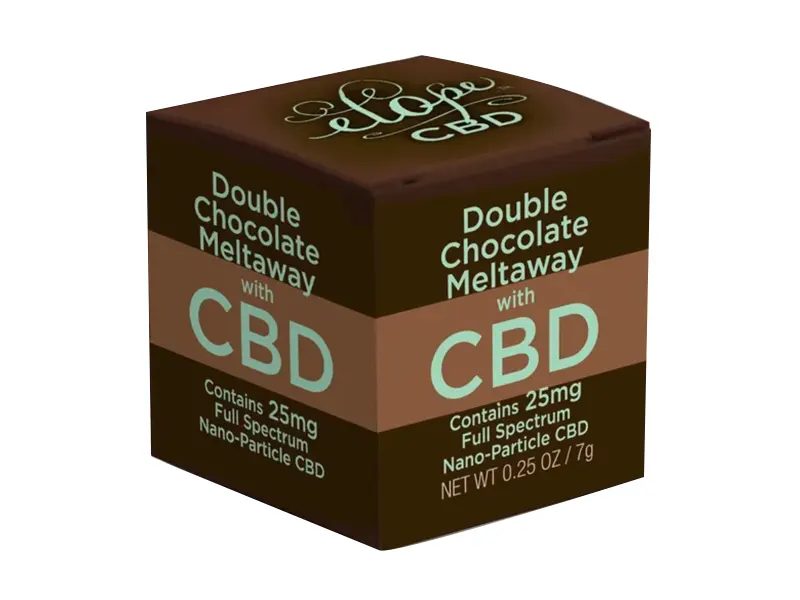
Always include the essentials. Depending on what you sell, customers and regulators will expect to see product name, key features, weight or quantity, ingredients or specifications, and a barcode. Do not let great design come at the cost of missing critical information.
Think about where the box will actually live. A counter unit needs to be compact enough to fit without overwhelming a desk. A shelf box needs to sit within standard shelf depths. A floor unit needs to be stable and tall enough to be noticed from a reasonable distance. These practical realities should inform your design from the start.
Order a sample before going to full production. No matter how good your artwork looks on screen, a physical sample is the only reliable way to check dimensions, print color accuracy, and structural integrity before committing to a full run.
Common Mistakes to Avoid
Even experienced brands sometimes make avoidable errors with their packaging decisions. Here are a few worth being aware of.
Using low-resolution artwork. Blurry images and pixelated logos on a printed box look unprofessional and immediately undermine the perception of product quality. Always supply print-ready files at the correct resolution.
Ignoring the unboxing experience. How a customer feels when they first interact with your packaging matters. A box that is difficult to open, poorly constructed, or that falls apart on first use creates a negative impression that carries over to how they feel about the product inside.
Prioritising cost over quality at the wrong stage. Saving money on packaging by cutting corners on material or finish can end up costing more in lost sales than the saving was ever worth. At the retail level, packaging quality and product quality are often perceived as one and the same.
Overcomplicating the design. More is not always more. Some of the most effective retail packaging is remarkably simple — a clean layout, strong brand colors, clear product name, and a well-placed logo. Resist the temptation to fill every available space with information or decoration.
Not thinking about the shelf from the customer’s perspective. A box that looks great in isolation can disappear on a busy shelf. Consider how your packaging will look surrounded by other products, and design accordingly.
Frequently Asked Questions
What makes this type of packaging different from regular boxes? Regular cartons are built around protecting and transporting a product. Retail presentation packaging is built around showing the product off and encouraging someone to buy it. The priorities are different, and so are the design decisions.
Can the same box be used for shipping and for retail display? Yes. Shipper-style units are specifically designed to handle both. They protect the product in transit and convert into a retail-ready unit when they arrive at the store, saving time and effort for everyone in the supply chain.
What material should I choose for a heavier product? Corrugated board is the strongest and most practical option for heavier items. For very premium heavy products, rigid board combined with corrugated internal support can also work well.
Is eco-friendly packaging an option? Absolutely. Recycled cardboard, FSC-certified board, and biodegradable material options are all available. Soy-based inks are also an option for brands wanting a fully sustainable production process.
How soon can I get a quote? You can receive a free quote from Packaging Box within 15 minutes by visiting packagingbox.us or contacting the team directly.
Should I always order a sample first? Yes, strongly recommended. A physical sample is the only way to verify that dimensions, print quality, color accuracy, and structural performance all meet your expectations before a full production run.
How long does production typically take? Standard production is usually 10 to 14 business days from the point of artwork approval. If you have a tighter deadline, it is worth discussing rush options directly with the team.
Final Thoughts
Good retail packaging is not about spending the most money or creating the loudest design. It is about understanding what your customer sees when they walk past your product, and making sure that what they see makes them want to stop.
A well-made, well-designed retail presentation box is one of the most cost-effective investments a brand can make. It works every hour the store is open, requires no ongoing spend, and communicates your brand values silently and consistently to every person who walks past.
If you are selling in a physical retail environment and your packaging is not working hard for you, it is worth taking a serious look at what it could be doing.
Get in touch with the team at Packaging Box for a free quote and expert advice on the right solution for your product.
Phone: +1 (424) 240-5630 Email: sales@packagingbox.us Website: https://packagingbox.us Address: 555 Charcot Ave, San Jose, CA 95131, USA Office Hours: Monday to Friday, 9:00 AM to 5:00 PM
Copyright 2026. Packaging Box. All rights reserved.