
Cereal Box

Everything You Need to Know About Cereal Boxes: Custom Solutions by Packaging Box
When it comes to breakfast, a cereal box is more than just a container—it plays a vital role in protecting the product, attracting consumers, and enhancing brand marketing. Whether you are a cereal manufacturer or a retailer, understanding the ins and outs of cereal packaging can make a significant difference in how your product performs on the shelf. Furthermore, choosing the right packaging design can influence consumer buying decisions and ensure food safety.
In this comprehensive article, we will explore everything related to cereal boxes, including their types, materials, design considerations, and why custom packaging services are essential for businesses. Additionally, we will introduce Packaging Box as your go-to partner for custom box manufacturing services tailored to meet all your cereal packaging needs.
What is a Cereal Box?
A cereal box, also known as a breakfast box or cereal carton, is a type of cardboard packaging specifically designed to hold and protect breakfast cereals. These boxes are usually made from sturdy cardboard material that helps maintain the product’s freshness and prevents damage during transportation and retail display.
Besides being a protective food container, the cereal box is also a powerful marketing tool. The exterior design and branding on the box significantly influence shelf appeal and consumer engagement. Consequently, a well-designed cereal packaging can drive sales and strengthen brand recognition in a competitive market.
Materials Used in Cereal Boxes
The most common material used in making cereal cartons is cardboard packaging, known for its durability, lightweight, and eco-friendliness. Cardboard provides excellent product protection by shielding the cereal from moisture, light, and external impacts. Additionally, it supports food safety by being recyclable and free from harmful chemicals.
Many manufacturers also incorporate inner liners or bags inside the cereal box to enhance freshness and prevent contamination. These liners are usually made from food-grade plastic or biodegradable materials, combining sustainability with functionality.
Types of Cereal Packaging
When selecting the ideal cereal container, businesses can choose from various types based on their product requirements and branding strategy. Some popular types include:
Standard Cardboard Cereal Box
This is the classic breakfast packaging most consumers recognize. It is rectangular, easy to stack, and ideal for retail display. The standard box allows ample space for branding and nutritional information.
Windowed Cereal Box
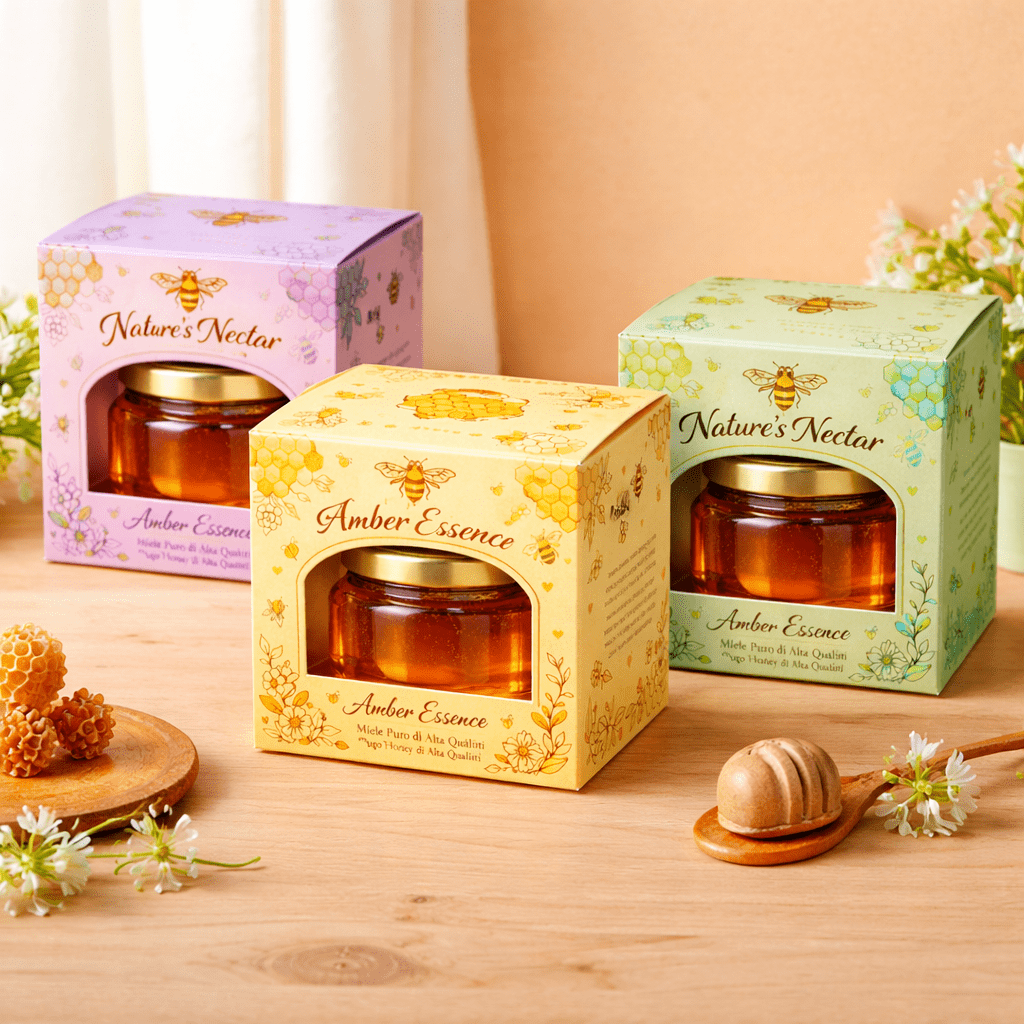
Some brands add a transparent window to their cereal cartons to showcase the product inside. This type enhances consumer trust and can boost sales by highlighting the quality and texture of the cereal.
Sleeve and Tray Packaging
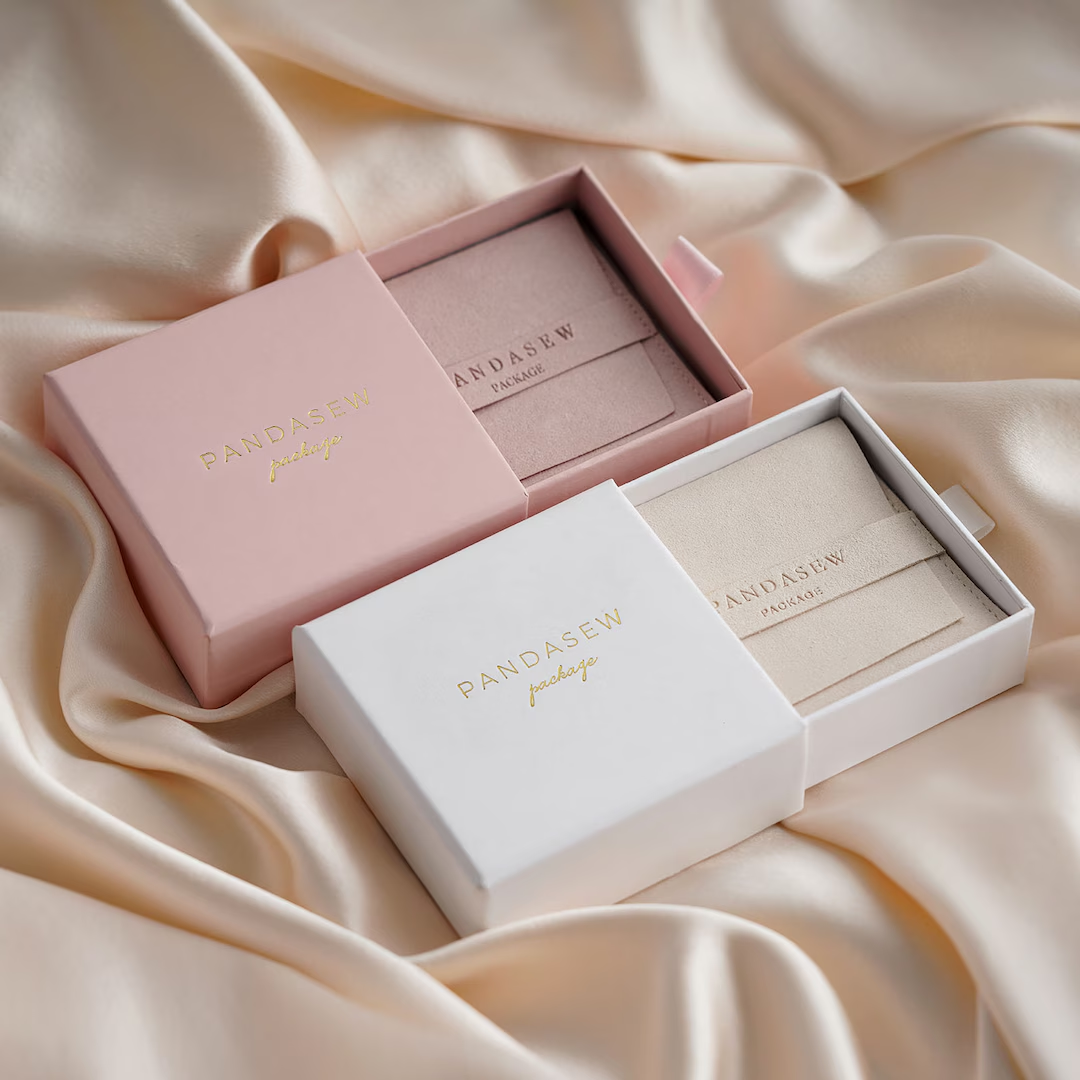
This combination uses a cardboard sleeve wrapped around a rigid tray or container, providing additional product protection and a unique unboxing experience. This style is gaining popularity for premium cereal products.
Design Considerations for Cereal Boxes
The design of a cereal box involves more than just aesthetic appeal. It requires a balance between creativity, functionality, and compliance with food safety standards. Here are some key design factors to consider:
Shelf Appeal and Brand Marketing
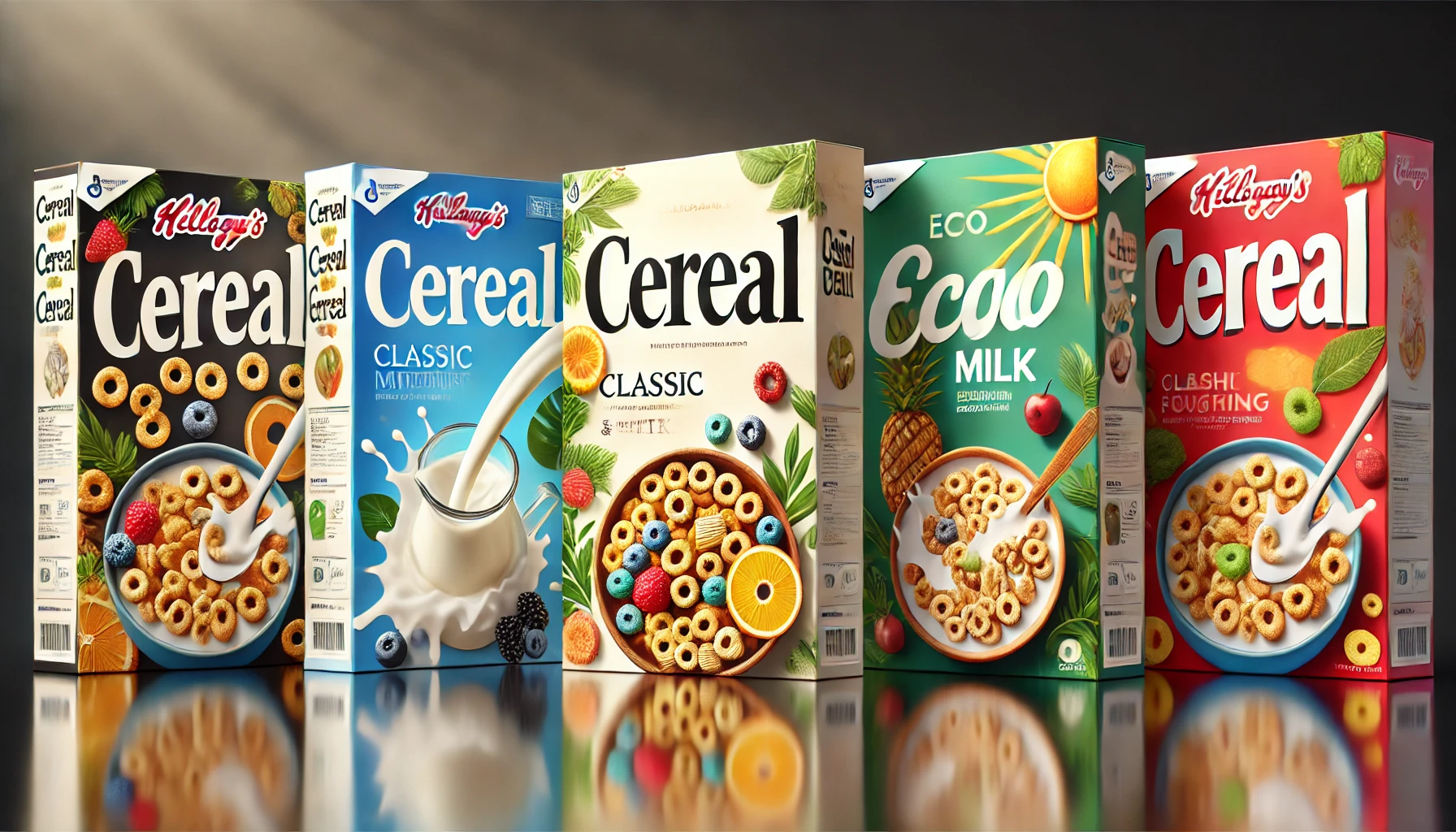
An eye-catching design helps the product stand out on crowded shelves. Using vibrant colors, creative typography, and appealing graphics can enhance shelf appeal. Consequently, this attracts consumer attention and supports brand marketing efforts.
Packaging Design for Consumer Convenience
Easy-to-open features, resealable options, and stackable shapes improve the user experience. A well-designed food box not only protects the product but also makes it convenient for consumers to store and use.
Compliance with Food Safety Regulations
The materials and inks used must be safe for food contact and comply with relevant regulations. This ensures the cereal inside remains uncontaminated and fresh until consumption.
Benefits of Custom Cereal Boxes
Choosing a custom-made cereal container from a trusted provider like Packaging Box brings several advantages:
Tailored Packaging to Fit Your Brand
Custom packaging design allows businesses to reflect their unique brand identity. From size and shape to print and finishes, every element can be personalized to match your marketing strategy and target audience.
Enhanced Product Protection
Custom boxes are designed to meet the specific needs of the cereal product. This means better protection against damage during shipping and handling, ultimately reducing product loss and returns.
Increased Consumer Engagement
Unique and attractive packaging can encourage consumers to purchase your cereal over competitors. Custom designs often convey quality and care, boosting brand loyalty.
Why Packaging Box Is Your Best Choice for Custom Cereal Box Manufacturing
For companies looking to order or purchase custom cereal boxes, Packaging Box offers unparalleled services tailored to the food industry’s exact needs. Here’s why you should consider Packaging Box for your next breakfast packaging project:
- Expertise in Custom Box Manufacturing: Our team understands the nuances of cereal packaging and ensures that every box is crafted to protect your product while enhancing its shelf appeal.
- High-Quality Materials: We use premium cardboard packaging and food-safe materials to maintain product integrity and safety.
- Flexible Design Options: From simple, functional boxes to elaborate brand marketing designs, we offer a wide range of customization possibilities.
- Timely Delivery and Competitive Pricing: We ensure your cereal containers arrive on time and within budget, helping you maintain efficient supply chains.
How to Choose the Right Cereal Box for Your Product
Choosing the perfect cereal packaging involves several factors. Here are some tips to guide your decision:
Understand Your Product Needs
Consider the type of cereal, portion size, and storage requirements. Some cereals may need extra protection against moisture, while others benefit from a transparent window.
Focus on Target Market Preferences
Your breakfast box design should appeal to your intended consumers, whether children, adults, or health-conscious buyers. Design elements should resonate with their preferences and lifestyle.
Prioritize Sustainability
Eco-friendly cardboard packaging is increasingly popular among consumers. Selecting recyclable and biodegradable materials can improve your brand image and reduce environmental impact.
Work with Experienced Manufacturers
Partnering with a reliable custom box manufacturer like Packaging Box guarantees expert advice and top-quality products tailored to your needs.
The Role of Packaging in Retail Display and Consumer Goods
In retail environments, packaging plays a crucial role in product visibility and customer choice. A well-designed cereal carton enhances shelf appeal, making it easier for consumers to find and choose your product among many.
Additionally, packaging serves as a mini billboard, communicating important product information and brand values. This is particularly important in the consumer goods sector, where first impressions can directly affect purchasing decisions.
Final Thoughts on Cereal Boxes and Custom Packaging Solutions
In summary, a cereal box is not just a simple container—it is a critical component of your product’s success. From protecting the cereal and ensuring food safety to boosting brand marketing and shelf appeal, the packaging you choose can make or break your product’s performance.
If you want to get high-quality, custom cereal packaging designed specifically for your needs, Packaging Box offers the perfect solution. Their expertise in custom box manufacturing, combined with premium materials and creative design options, ensures your cereal product stands out in the competitive market.
Consequently, investing in custom breakfast packaging is a smart move that brings tangible benefits, from product protection to increased consumer engagement. Contact Packaging Box today to order your custom cereal boxes and take your brand to the next level.
By focusing on quality, design, and customization, your cereal packaging will become a powerful tool for success. Whether you are launching a new product or upgrading existing packaging, a well-crafted cereal container can create lasting impressions and drive sales. Explore the other website to find new packaging first one is packagingbox.us
FAQ’S
1. What is a Cereal Box Template?
A cereal box template is a pre-designed layout or blueprint used to create the physical shape and structure of a cereal box. It shows the exact dimensions, fold lines, and cut lines needed to assemble the box. Using a template helps manufacturers and designers ensure consistency and accuracy in production. Templates can be customized based on the size of the cereal product and branding requirements. They are essential in packaging design to visualize how the box will look once folded and to plan where to place graphics and text for maximum shelf appeal.
2. How to Design a Cereal Box?
Designing a cereal box involves both creativity and functionality. The design process typically includes selecting colors, typography, images, and layout that resonate with the target audience. It should highlight important information such as brand name, product benefits, nutrition facts, and promotional offers. Moreover, the design must comply with food safety regulations and printing standards. Digital design tools like Adobe Illustrator or Photoshop are commonly used to create high-resolution artwork. A successful cereal box design not only attracts attention on the shelf but also clearly communicates the product’s value and encourages purchase.
3. What Does a Cereal Box Drawing Look Like?
A cereal box drawing is a technical or artistic sketch representing the cereal packaging’s shape and design. It can be a hand-drawn or digital illustration showing the box’s layout, dimensions, and graphic elements. This drawing helps designers and manufacturers understand the placement of logos, text, windows, and other features before mass production. It can also include different views of the box, such as front, back, and side panels. These drawings are vital for visualizing the product and making adjustments early in the design process.
4. What is a Cereal Box Plastic?
A cereal box plastic usually refers to the inner plastic liner or bag that is placed inside the cardboard cereal box. This plastic packaging keeps the cereal fresh by protecting it from moisture, air, and contamination. While the outer box is made of cardboard for structure and branding, the plastic liner ensures food safety and prolongs shelf life. Recently, manufacturers are exploring biodegradable or recyclable plastic alternatives to reduce environmental impact while maintaining product protection.
5. What is a Good Cereal Box for Kids?
A cereal box for kids typically features bright colors, fun graphics, and engaging characters to capture children’s attention. These boxes often include games, puzzles, or collectible items to make breakfast time more enjoyable. The packaging is designed to be easy to open and reseal, promoting convenience for parents. Additionally, nutritional information may be simplified or highlighted to appeal to health-conscious families. Safety and durability are important considerations, ensuring the box can withstand handling by young children without damage.
6. What is the Purpose of the Cereal Box Back?
The cereal box back panel serves several purposes. It usually contains detailed information that supports the product’s marketing, such as nutrition facts, ingredients, allergy warnings, and company contact information. It may also include recipes, fun facts, or promotions to engage customers. The back panel is important for compliance with food labeling laws and gives consumers essential information to make informed purchasing decisions. Furthermore, it is a valuable space for brand storytelling or encouraging customers to visit the company website or social media channels.
7. What is Shown on the Cereal Box Side?
The cereal box side panels often contain additional product details, such as ingredient lists, nutritional information, barcodes, and recycling instructions. These sides may also display marketing messages, brand slogans, or certifications like “organic” or “gluten-free.” Since these panels are visible when boxes are stacked side-by-side on shelves, they are designed to maintain brand consistency and communicate important information clearly. The side panels also contribute to the overall shelf appeal by complementing the front and back designs.
8. What Are Some Creative Cereal Box Ideas?
Creative cereal box ideas include innovative shapes, interactive packaging, and eco-friendly materials. Some brands use pop-up elements or cut-out windows to showcase the cereal inside. Others incorporate games, puzzles, or collectible cards to engage consumers beyond just the product. Custom finishes like matte coating, embossing, or foil stamping can add a premium look and feel. Sustainable cereal boxes made from recycled or biodegradable materials are gaining popularity. Unique branding concepts, such as personalized boxes or limited-edition designs, also help cereal products stand out on crowded shelves.