



Add-ons
Custom Packaging: The Definitive Guide to Premium Custom Packaging Solutions
A box is never just a box. It's the first physical handshake between your brand and the person who chose to trust you with their money. Packaging Box has spent years turning that handshake into a lasting relationship, and this guide walks through everything a growing brand needs to know about custom packaging — from raw material to unboxing moment.
Why Does Your Brand Need Custom Packaging?
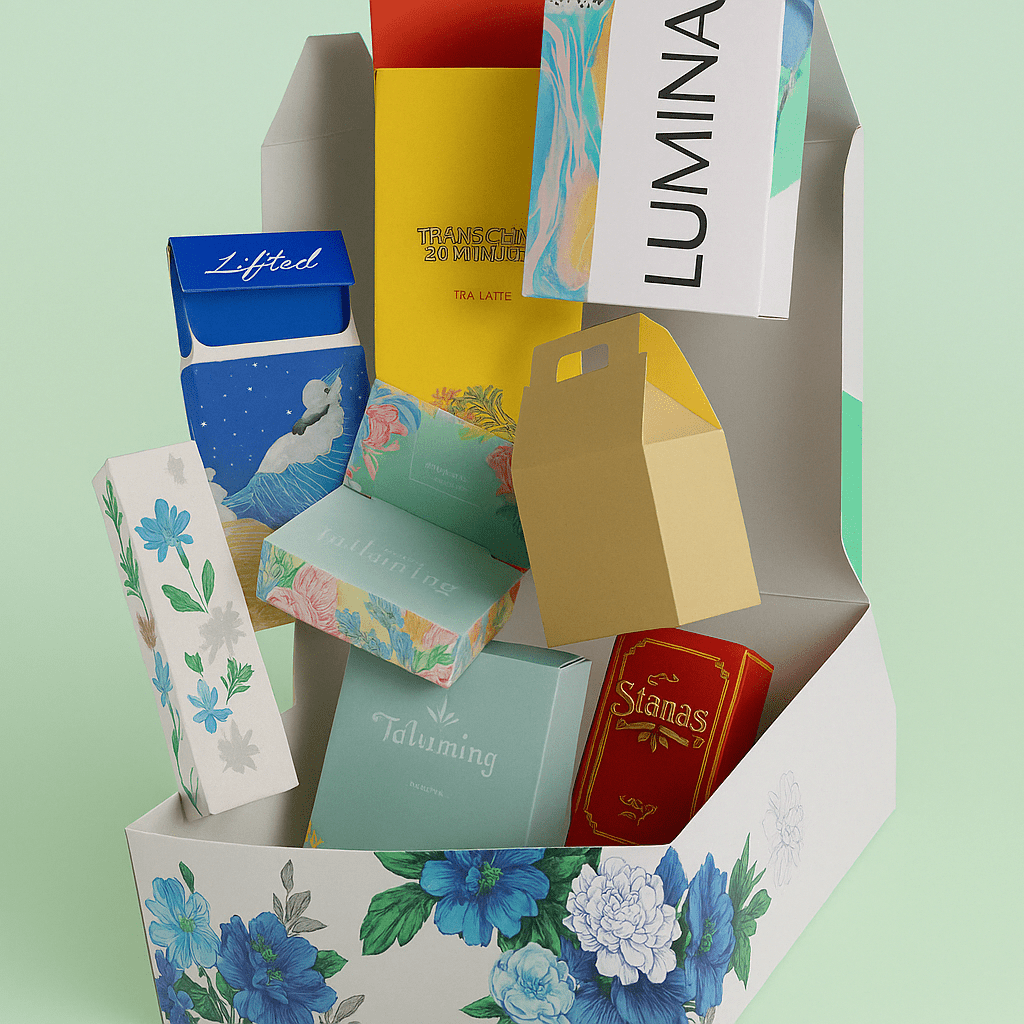
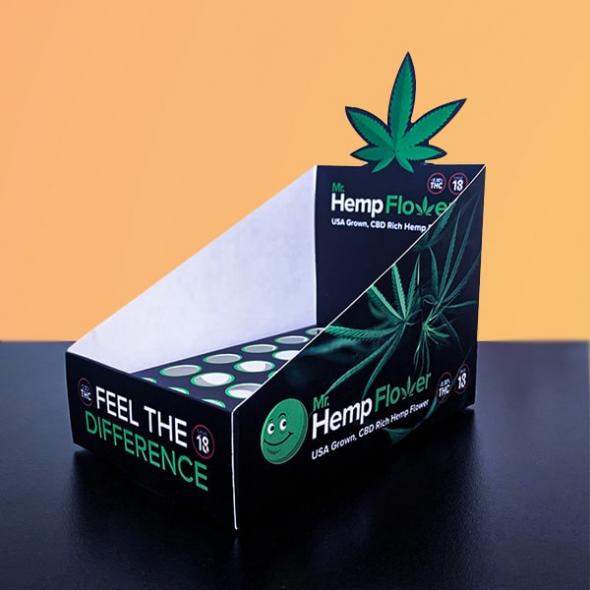
Custom packaging turns a plain shipment into a branded experience, and it's often the only physical touchpoint a customer has with your business. For online sellers especially, the box that arrives at someone's door is doing the job a storefront used to do — introducing your brand, setting expectations, and shaping how the product inside is judged before it's even opened.
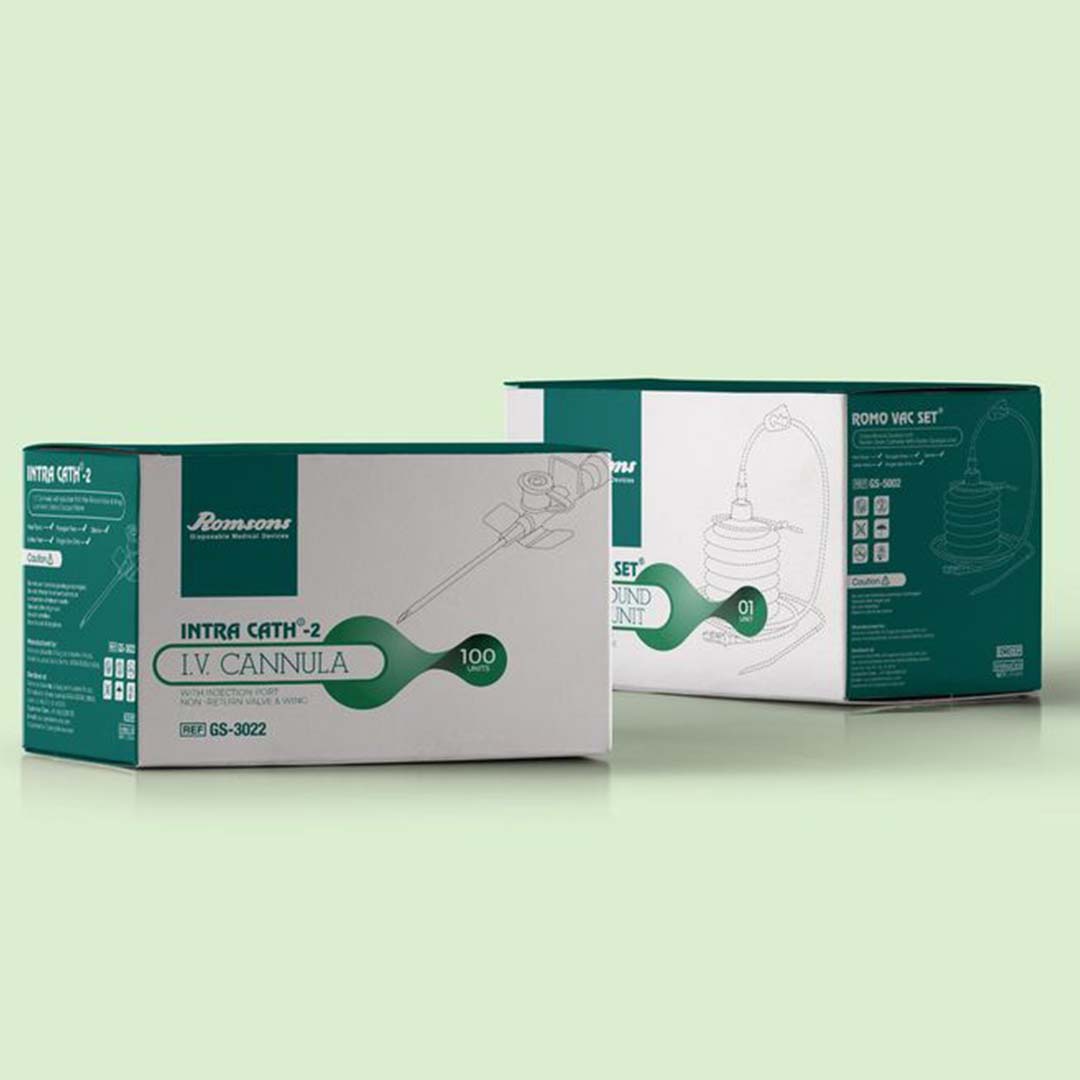
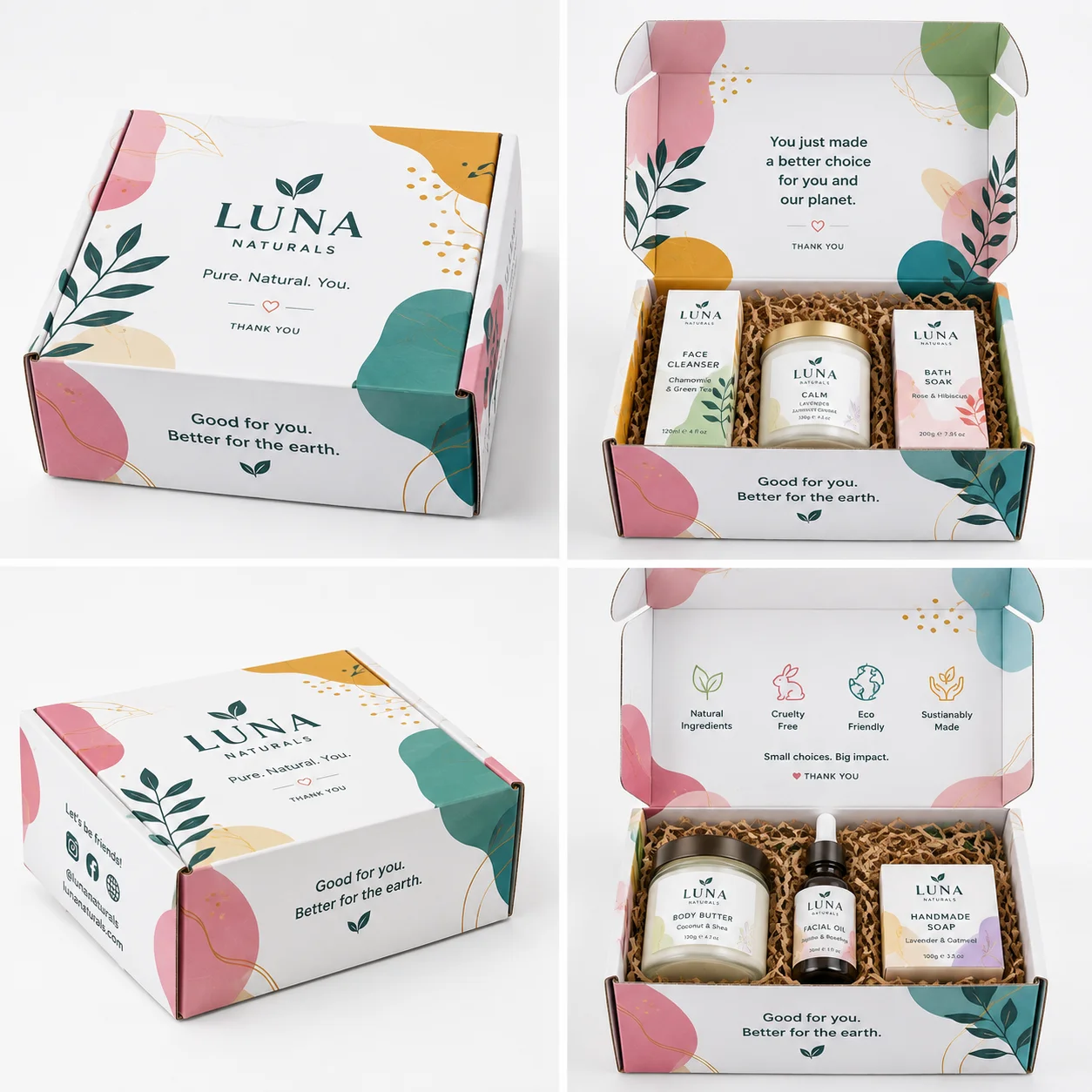
Generic brown boxes tell a customer nothing. Custom packaging, by contrast, carries your logo, your colors, your voice, and your story on every panel. According to industry standards followed by Packaging Box, the most effective custom packaging does three things at once: protects the product, communicates the brand, and creates a moment worth remembering. Small businesses that once relied entirely on word of mouth are now finding that a thoughtfully designed box does that job automatically, one delivery at a time.
This isn't only about looking good. Custom packaging structurally protects fragile items with the right flute strength and insert design, reduces returns caused by shipping damage, and gives a brand control over an experience that used to belong entirely to the shipping carrier. For a full breakdown of box styles built for this purpose, see Packaging Box's custom boxes collection.
How Does Custom Packaging Work for You as a Brand Ambassador?
Custom packaging works around the clock, representing your brand every time a box sits on a doorstep, in an office mailroom, or on a kitchen counter. It doesn't clock out, take a lunch break, or need supervision — it simply does its job wherever it lands.
Think about what happens after a package is delivered. It sits on a porch in view of neighbors. It travels through an apartment lobby. It gets carried into a break room and opened at a desk. Every one of those moments is free exposure that a billboard or a paid ad could never buy, because it happens organically, in the middle of someone's normal day. A branded box with a distinct color palette or a signature interior print becomes recognizable even before the recipient reads a word. That recognition compounds — the tenth time someone sees your box, they don't need to read the label to know what's inside.
How Custom Packaging Works for You 24 Hours a Day
Once a box ships, it keeps working long after your team has logged off for the night. A package in transit is still carrying your logo across state lines, through distribution hubs, and onto a customer's doorstep — all without another dollar spent on advertising.
This is the part of marketing that traditional ad spend can't replicate: packaging doesn't sleep. It's working at 2 a.m. sitting in a delivery truck, at 7 a.m. sitting on a porch, and at noon when a coworker glances at a box on someone's desk. Every hour that box exists in the physical world is an hour your brand is quietly being seen. That's a return on investment that keeps accumulating well past the point of sale.
Is Custom Packaging a Free Marketing Tool?
Yes — once you've paid for the box itself, every impression it generates afterward costs nothing extra. Unlike a paid ad campaign that stops the moment the budget runs out, a well-designed box keeps delivering brand impressions for as long as it exists.
This is where packaging outperforms most traditional marketing math. A single order might travel through a shared mailroom, sit in a photo posted to social media, or get reused by the customer for storage — each of those is a fresh impression with zero additional spend. Brands using Packaging Box's custom mailer and shipping box lines often describe this as the most efficient marketing line item on their entire budget, because the packaging was already a required cost of doing business. The branding on top of it is essentially free upside.
Does Custom Packaging Provide Free Marketing Services?
Custom packaging effectively performs several marketing functions at once — brand awareness, social proof, and word-of-mouth generation — without a marketing team lifting a finger. It does the introducing, the storytelling, and often the social sharing, all from a single physical object.
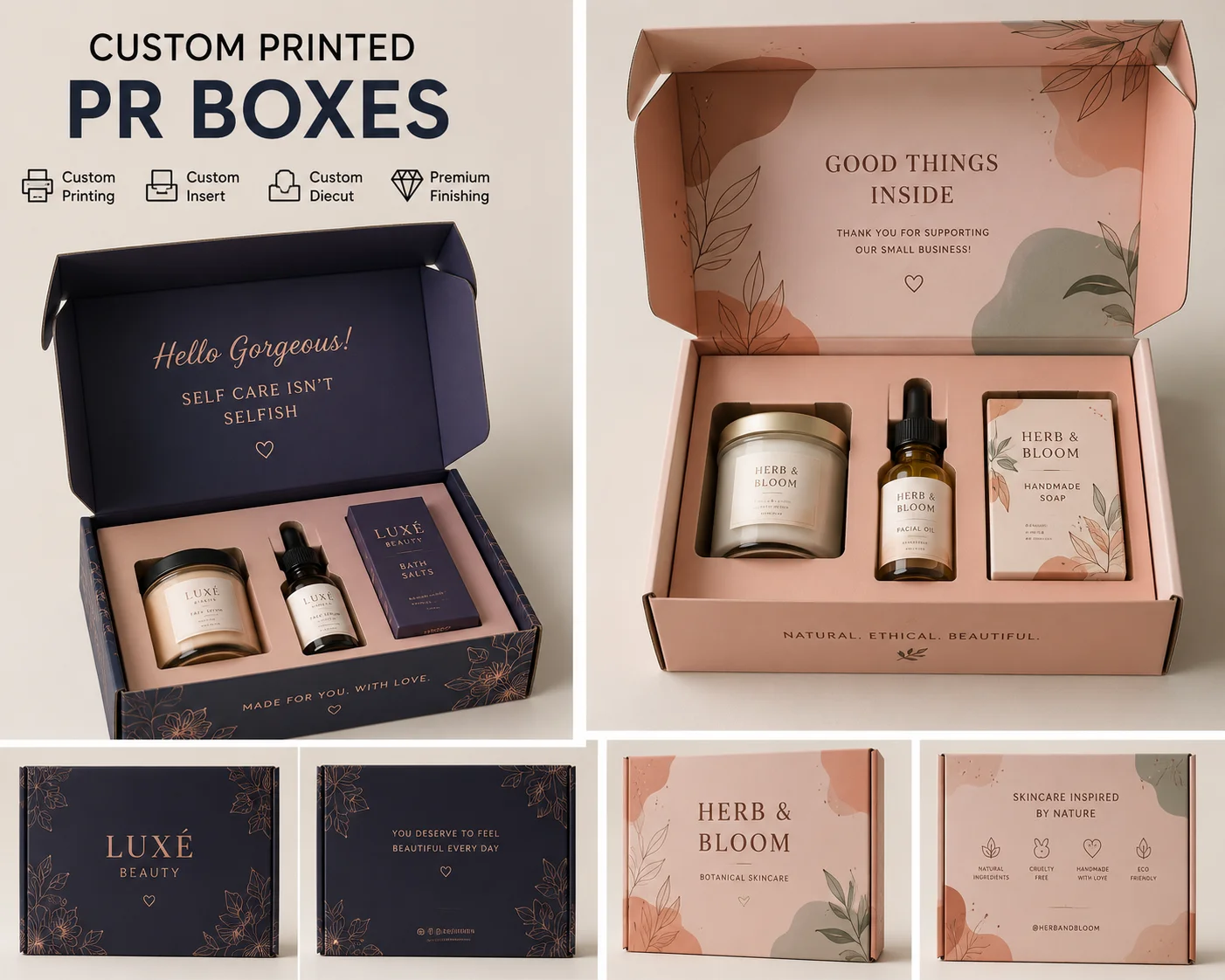
Unboxing content has become one of the most shared categories on social platforms precisely because packaging design gives people something worth filming. A textured lid, a debossed logo, or a ribbon-tied closure creates a small moment of anticipation that customers want to capture and post. Every share is unpaid distribution for your brand, generated by the packaging you were already going to use to ship the product.
How Does Custom Packaging Help Customers Remember Your Brand?
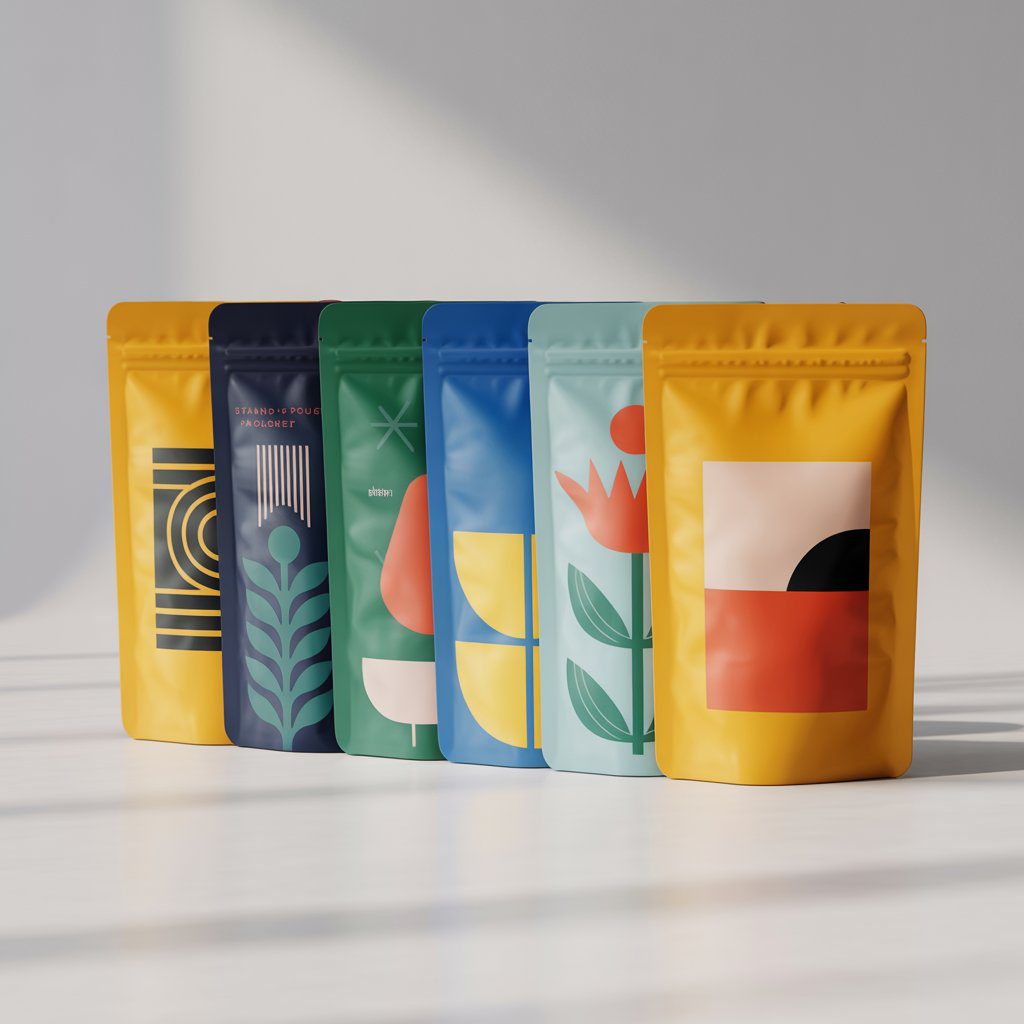
Distinct, consistent packaging creates a visual memory anchor, so customers associate a specific look, texture, or unboxing ritual with your brand alone. Memory works through repetition and distinction — a box that looks like every other box on the market gives the brain nothing to hold onto.
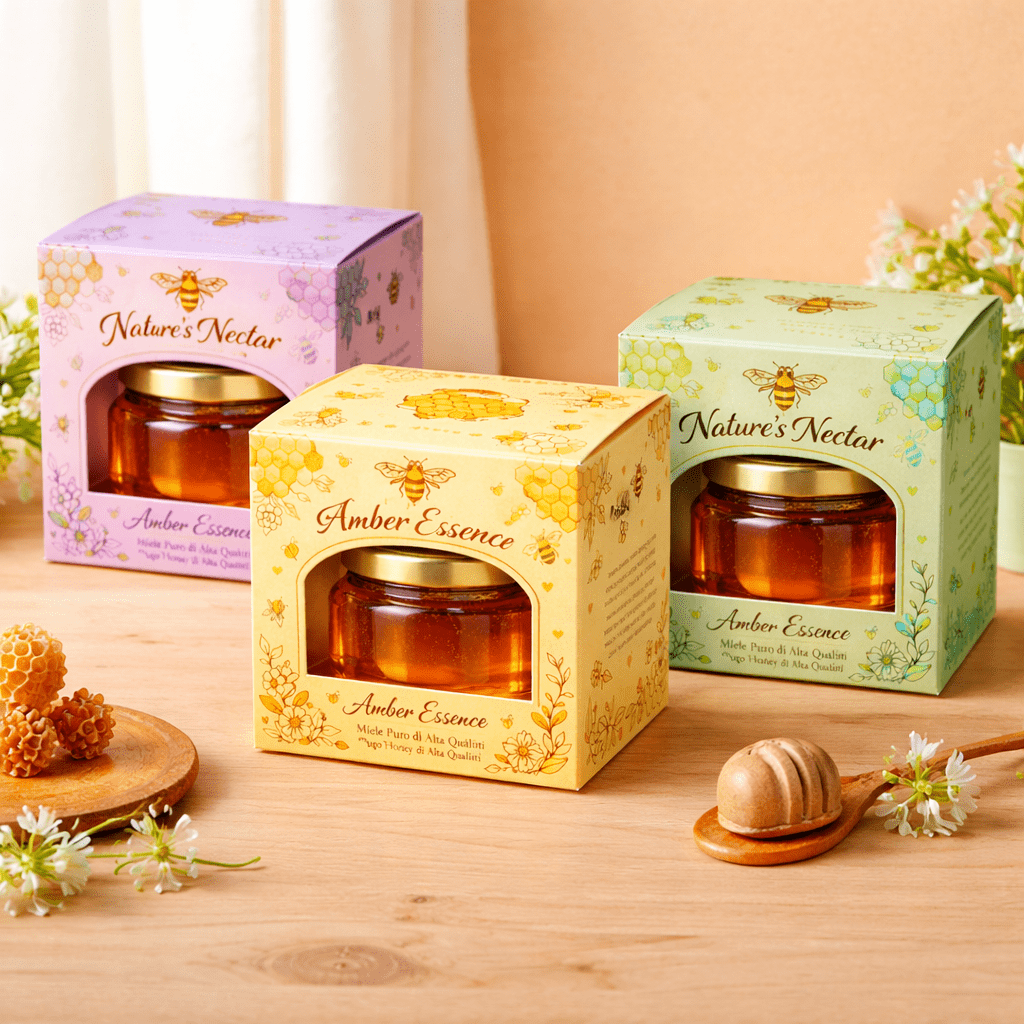
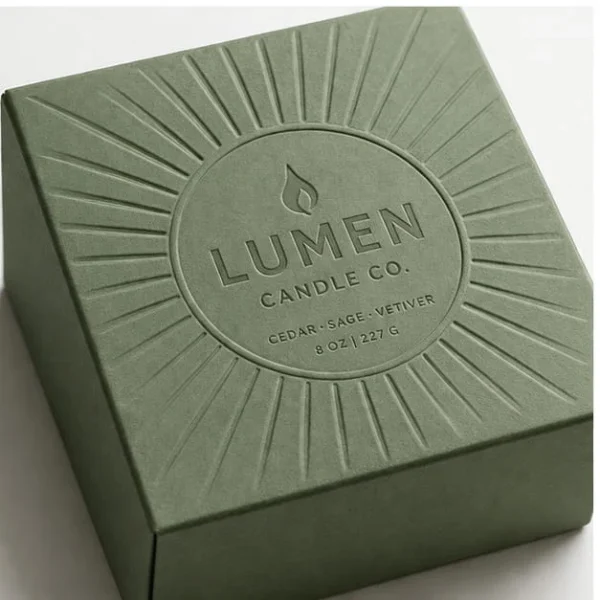
Consistency is the key word here. A brand that uses the same color story, the same logo placement, and the same finishing touch (a foil-stamped seal, a debossed wordmark) on every shipment is training customers to recognize it instantly, the same way a familiar shape or sound triggers recall. For premium finishing options that build this kind of recognition, Packaging Box offers foil stamping, embossing, and debossing as reinforcement techniques designed specifically for brand memorability.
Can Your Packaging Increase Repeat Purchases and Customer Loyalty?
A positive unboxing experience builds emotional goodwill, and emotional goodwill is one of the strongest predictors of whether a customer buys again. People don't just remember what they bought — they remember how receiving it felt.
Loyalty isn't built solely through discount codes and email flows. It's built through moments where a brand exceeds expectations in small, tangible ways. A box that opens smoothly, protects the product perfectly, and includes a thoughtful design detail signals that the brand cares about the entire experience, not just the transaction. That signal is what turns a first-time buyer into a repeat customer, and a repeat customer into someone who recommends the brand to others.
Could Your Packaging Be Your Most Cost-Effective Marketing Tool?
Dollar for dollar, packaging often outperforms paid advertising because the cost is already baked into fulfillment — the branding is the only added variable. You're not paying for a new channel; you're upgrading a channel you already own.
This is especially true for small and mid-sized brands operating on tight marketing budgets. A paid ad might reach a customer once, for a few seconds, before being scrolled past. A well-designed box sits in a home for days or weeks, gets picked up, reused, and photographed. Packaging Box's low minimum order quantity of 100 units and free design support mean brands don't need enterprise budgets to access this kind of return — a detail worth exploring on the custom boxes wholesale page.
How Can Custom Boxes Help Build Trust in Your Brand?
Professional, well-constructed packaging signals legitimacy — it tells a customer the business behind it is established, careful, and worth trusting with future orders. Trust is earned in small details, and packaging is often the first detail a customer evaluates.
A flimsy, unbranded box can undercut an otherwise great product, planting doubt before the item is even unwrapped. A sturdy, clearly branded box does the opposite — it reassures the customer that they made a good decision. This is especially important for newer brands still building a reputation, where every order is effectively a first impression that either confirms or challenges the customer's decision to buy.
Does Your Packaging Make Your Product Look More Premium?
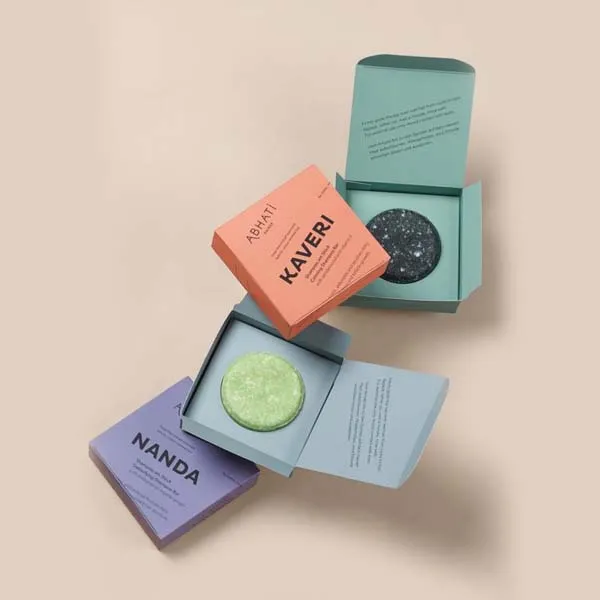
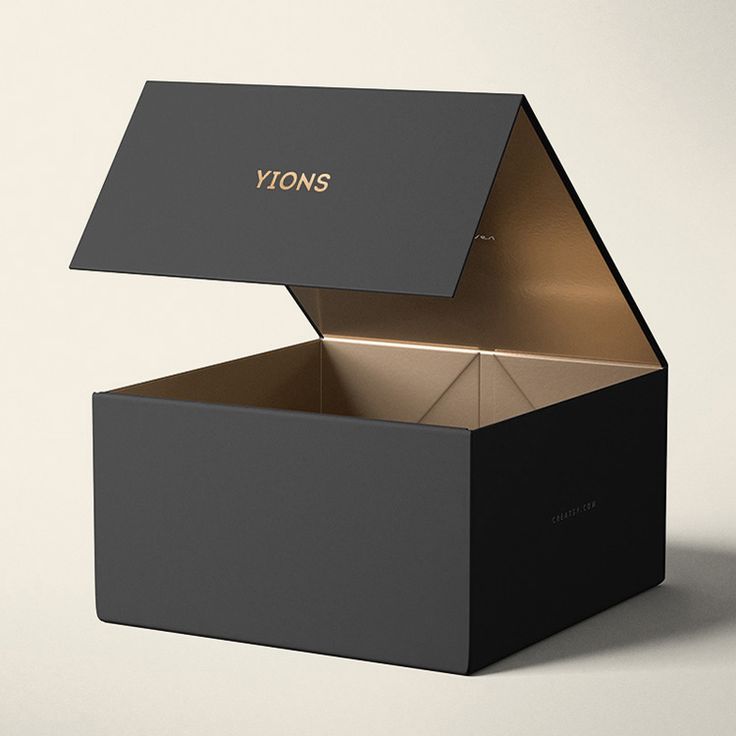
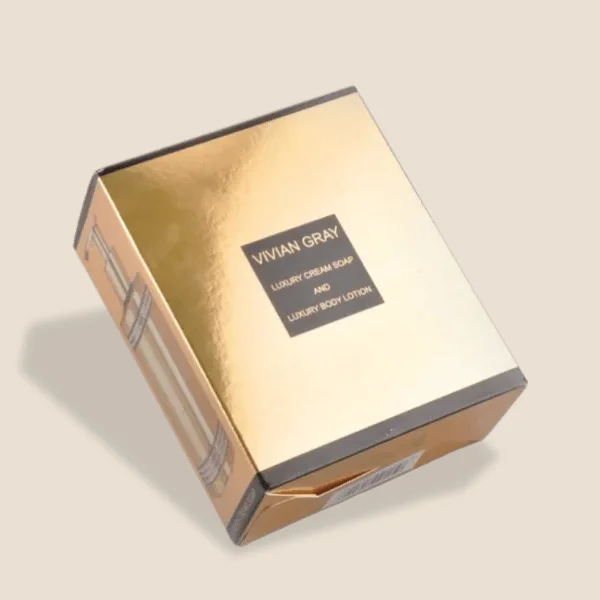
Structural quality and finishing details — rigid walls, magnetic closures, foil accents, textured stock — make an ordinary product feel like a premium one before it's even removed from the box. Perceived value is shaped by presentation as much as by the product itself.
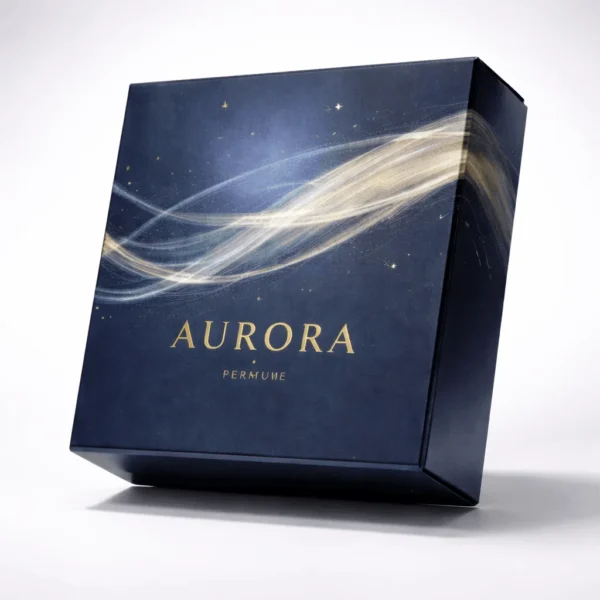
Customers form judgments about quality within seconds, and packaging is often the first data point they use. A rigid box with a soft-touch finish and a foil-stamped logo primes the customer to expect a premium product, and that expectation shapes how they experience everything that follows. Finishing techniques like full embossing and cold foil printing exist specifically to create this kind of tactile, premium first impression.
Comprehensive Custom Packaging Guide
Materials: Choosing the Right Foundation
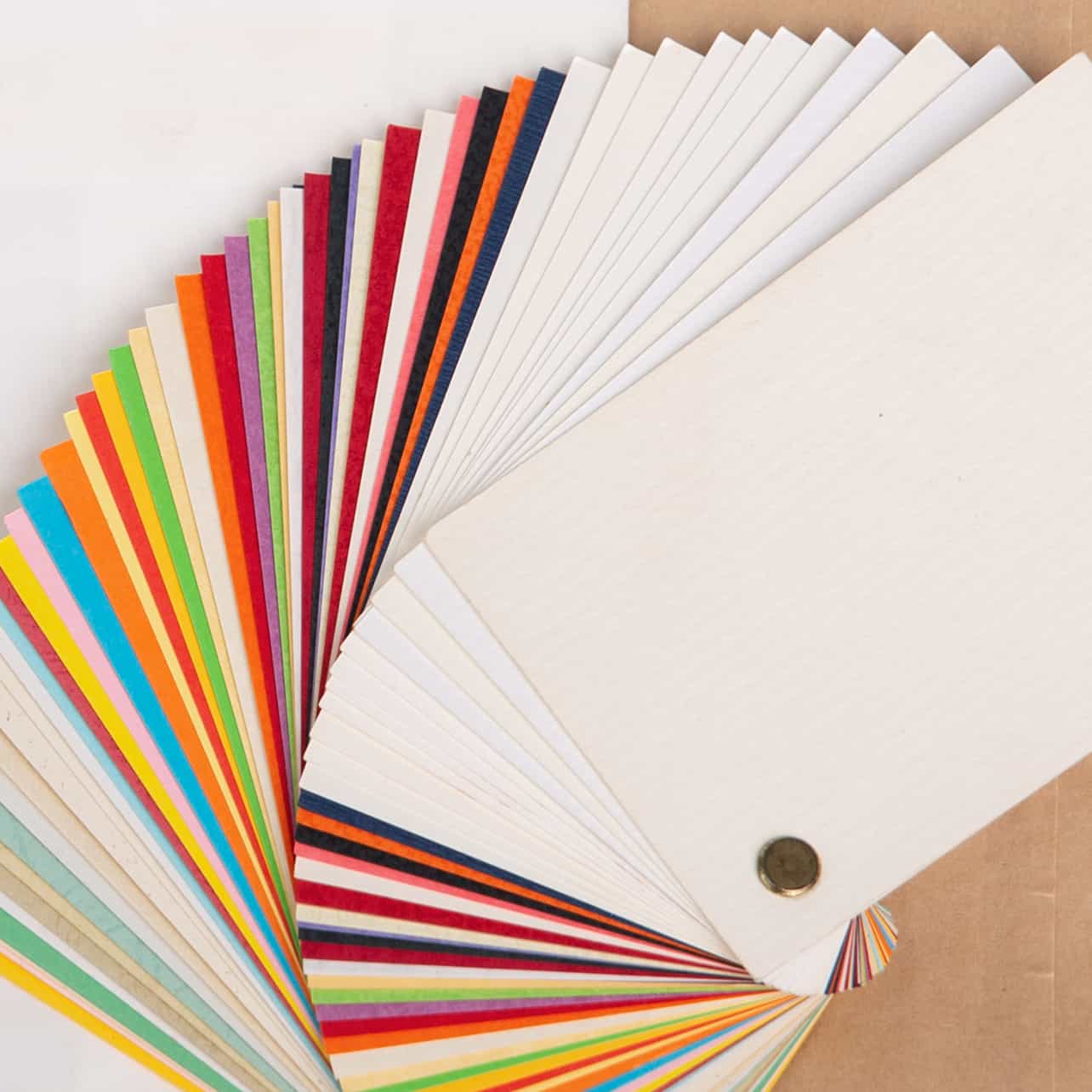
The material a box is built from determines its strength, cost, and visual character — corrugated, rigid, and folding cardboard each serve different purposes. Choosing correctly is the first and most important decision in any packaging project.
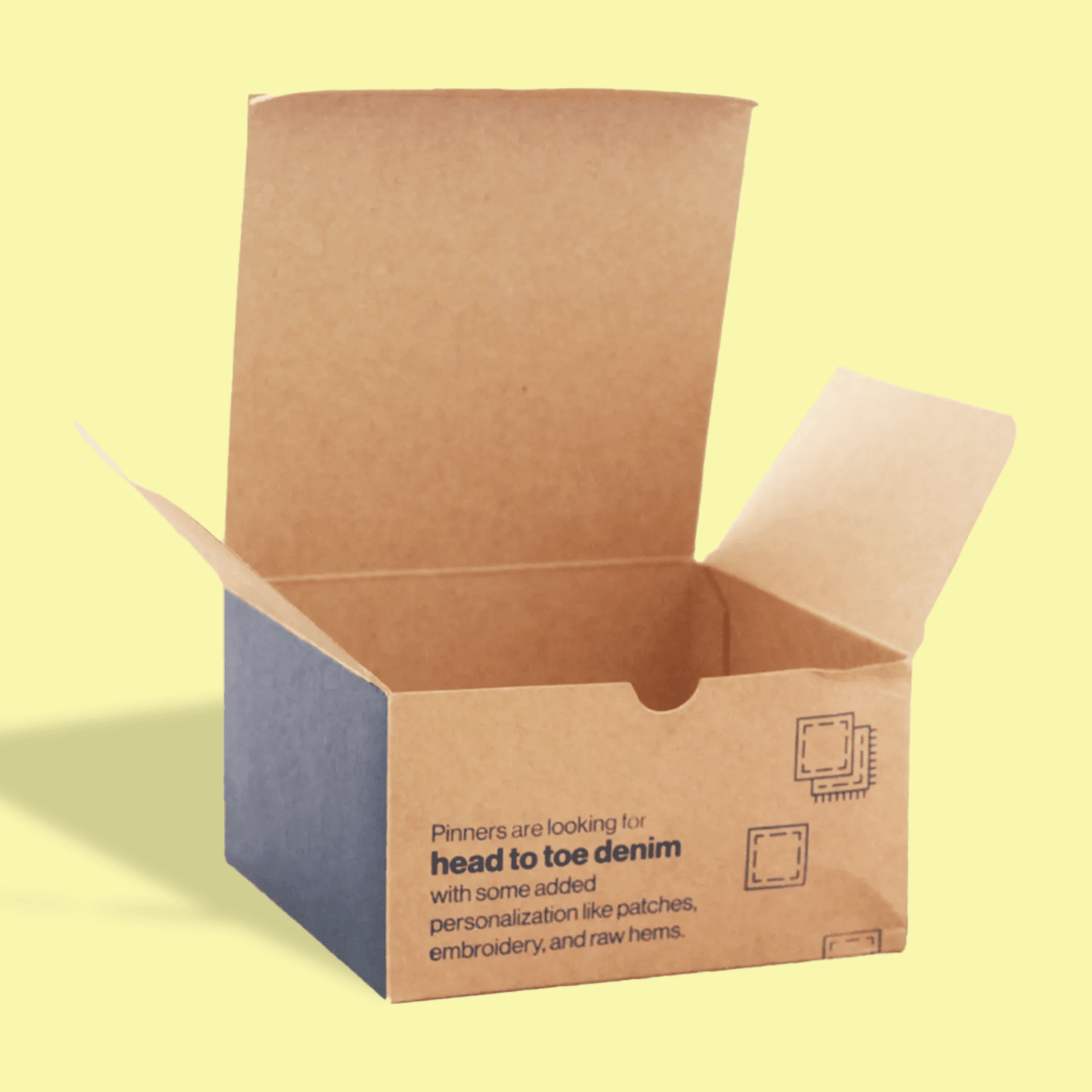
- Corrugated board — Made of fluted layers sandwiched between liners, corrugated is the workhorse of shipping packaging. It offers strong protection for heavier or fragile items and is the standard choice for mailer boxes and subscription shipments.
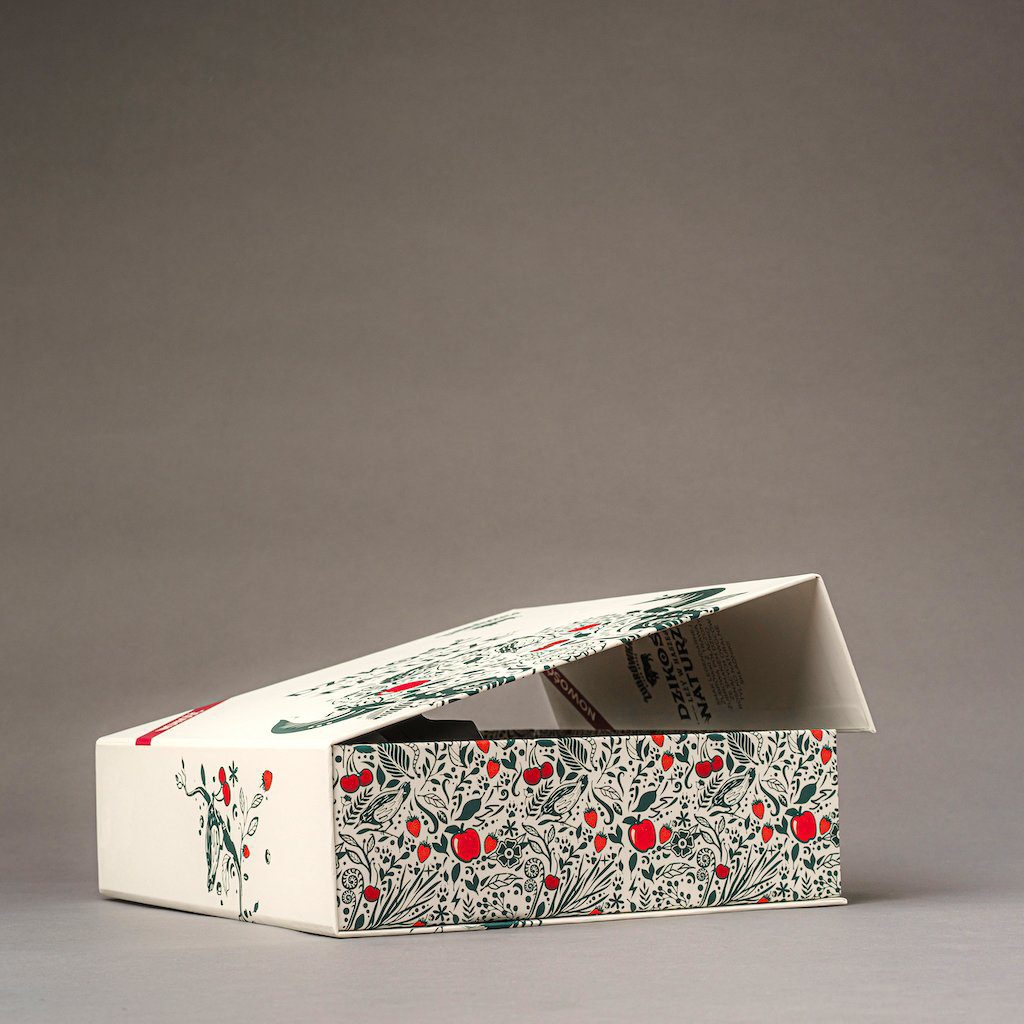
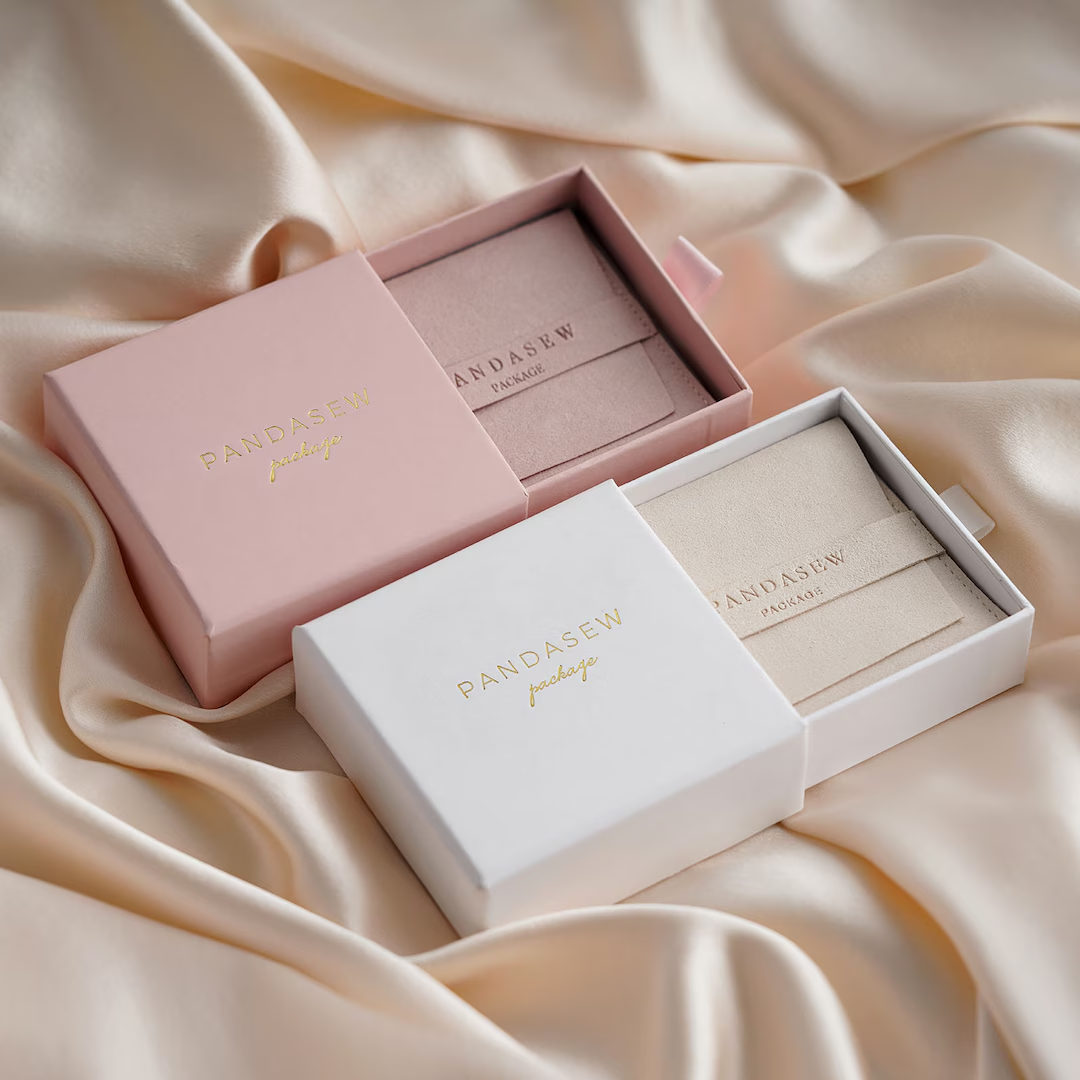
- Rigid board (chipboard) — Thicker and non-collapsible, rigid boxes create a luxury, drawer-style or lift-off-lid experience often used for cosmetics, jewelry, and premium gift sets.
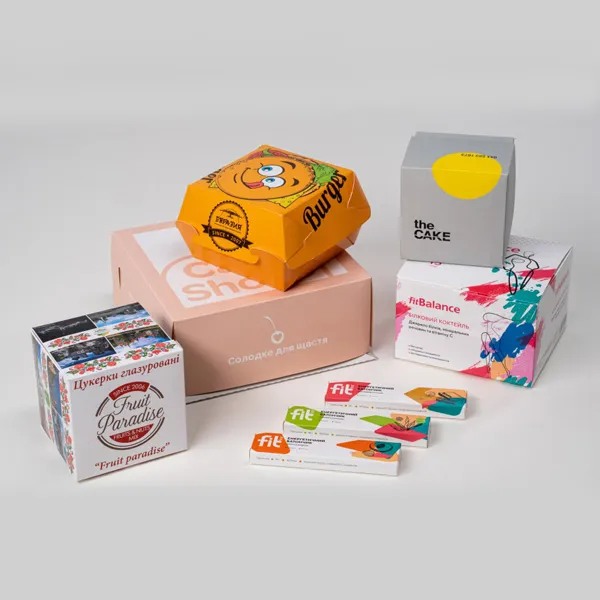
- Folding cardboard (paperboard) — Lightweight and cost-efficient, folding cartons are common for retail shelf products like cosmetics, food items, and small electronics, where the box needs to fold flat before assembly.
Each material can be paired with different printing techniques and decoration methods to hit a specific look and budget.
Printing Techniques: Offset, Digital, and UV
Offset printing delivers the highest color accuracy for large runs, digital printing offers speed and flexibility for smaller batches, and UV printing adds a glossy, scratch-resistant finish on top of either. Choosing the right method depends on order size, turnaround needs, and the finish you're after.
- Offset printing uses printing plates and is ideal for large production runs where color consistency across thousands of units matters most. It produces the crispest detail for intricate artwork and Pantone-matched brand colors.
- Digital printing skips the plate-making process, making it faster and more economical for smaller orders — a good fit for brands testing a new product line or ordering closer to the 100-unit minimum.
- UV printing cures ink instantly with ultraviolet light, resulting in a glossy, durable coating that resists scuffing during shipping and handling.
Decoration and Finishing Techniques That Elevate a Box
Printing gets color onto a box. Finishing techniques are what give a box texture, dimension, and a tactile signature customers remember. Packaging Box offers a full suite of decoration options built for exactly this purpose:
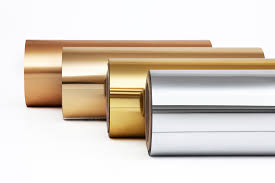
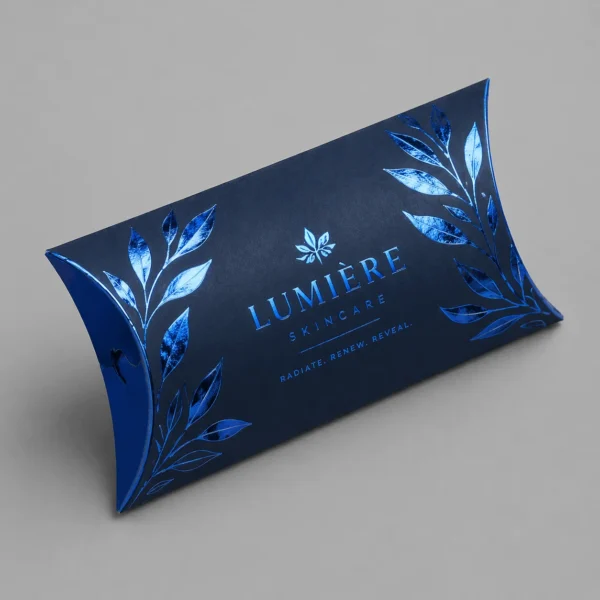
- Cold Foil Printing — Applies metallic foil using a UV-cured adhesive process, achieving a reflective finish with finer detail and lower cost than traditional hot foil, especially useful for larger foil areas.
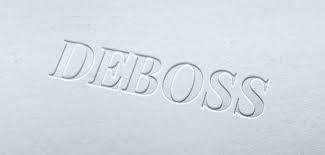
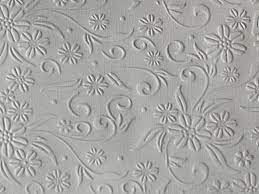
- Debossing — Presses a design into the box surface, creating a recessed, tactile impression that reads as understated luxury, often paired with a matte or soft-touch stock.
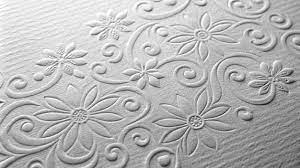
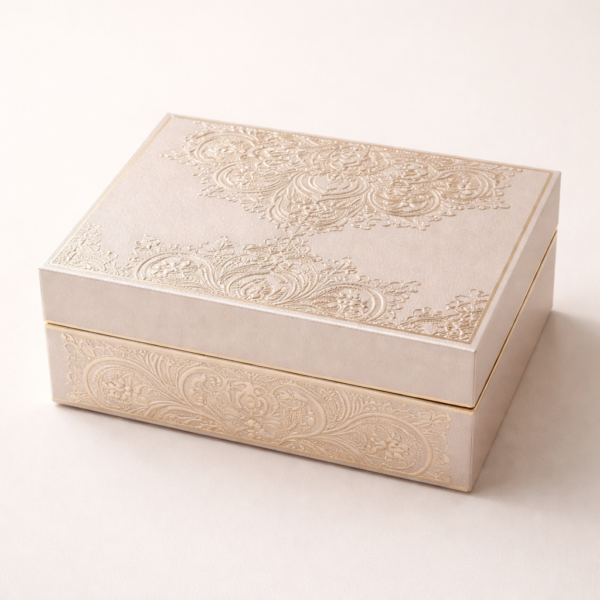
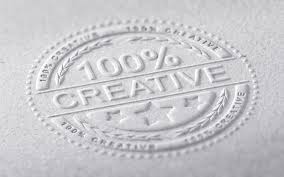
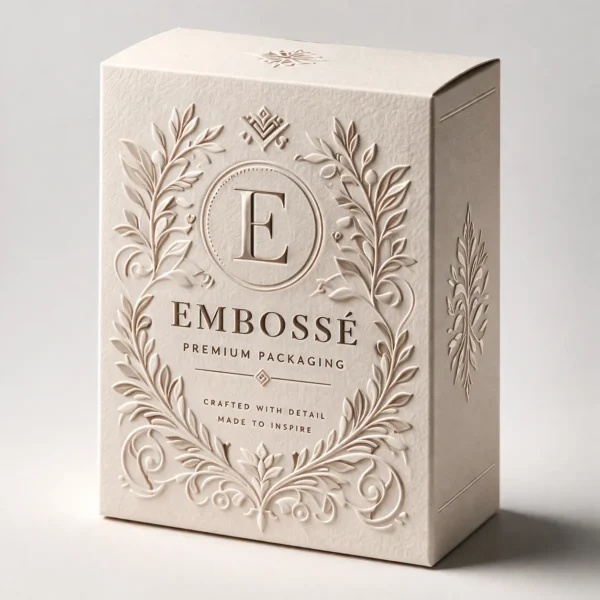
- Embossing and Full Embossing — The inverse of debossing, raising a design above the surface for a dimensional, sculptural effect that's especially striking on logos and wordmarks.
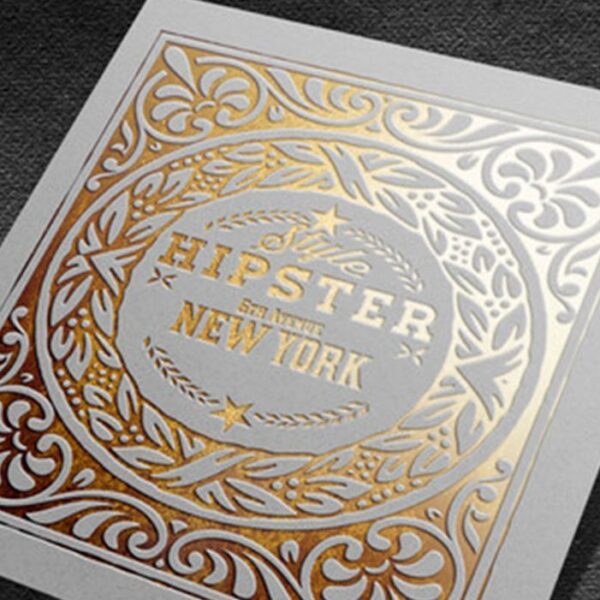
- Foil Stamping — Applies heat and pressure to bond metallic or pigmented foil to the box, producing sharp, reflective detailing commonly used on premium cosmetic, perfume, and gift packaging.
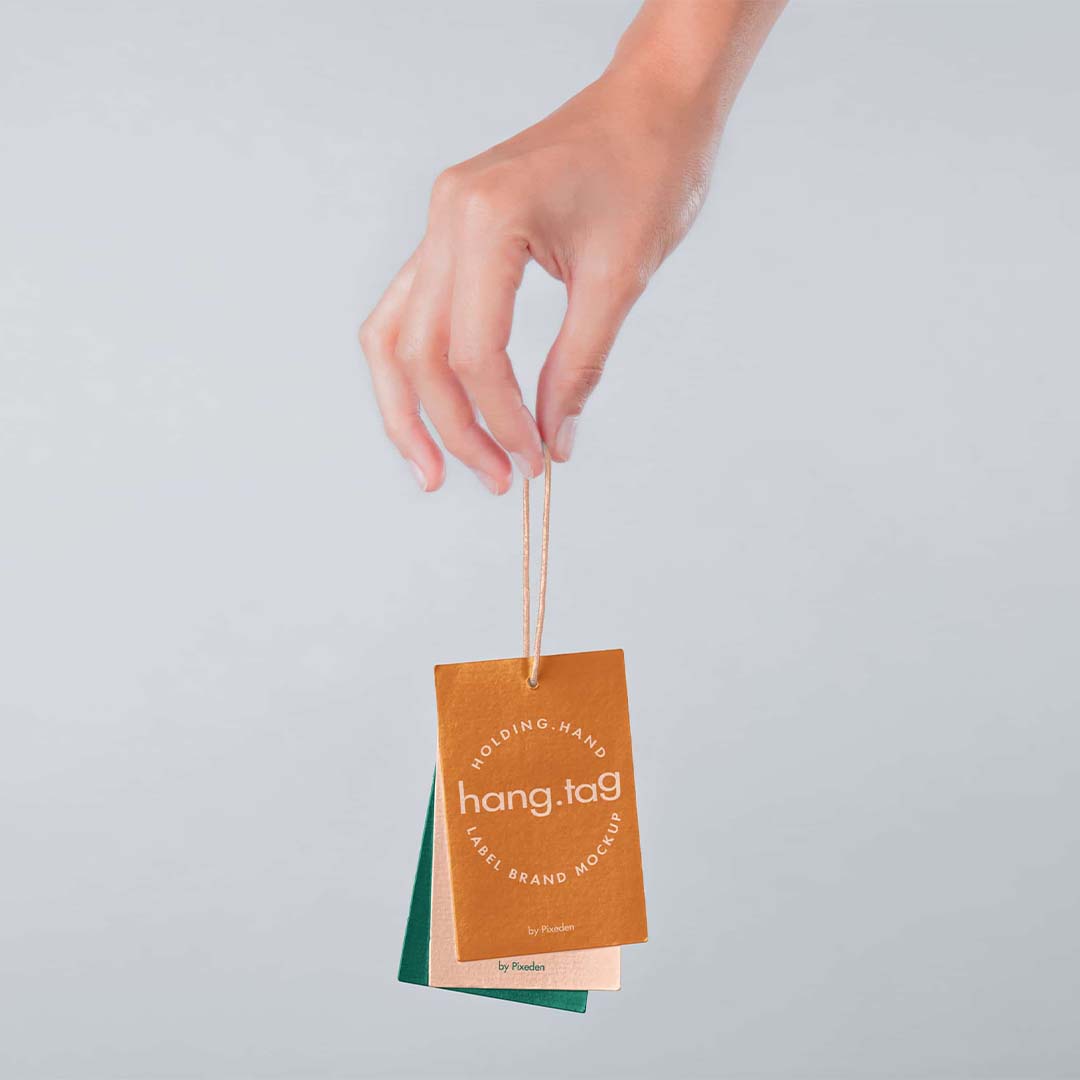
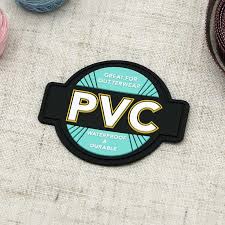
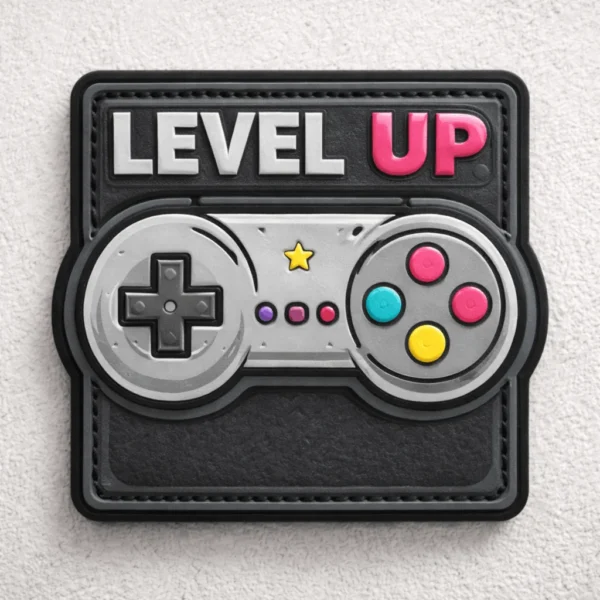
- PVC Patches — Molded plastic patches applied to a box or bag exterior for a durable, three-dimensional branded element that stands up to repeated handling.
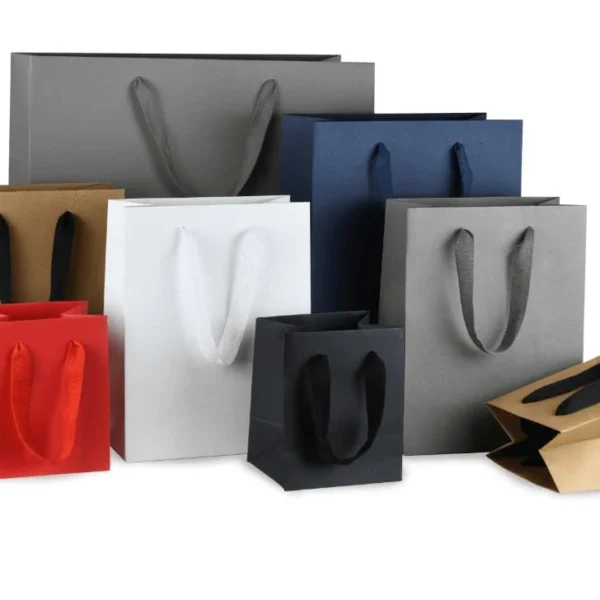
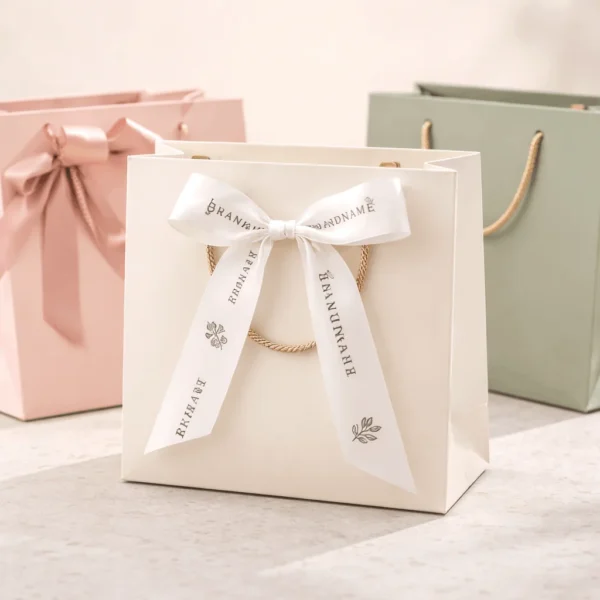
- Ribbon Handles — Adds a functional and decorative closure or carry element, frequently used on gift boxes and shopping bags to reinforce a premium unboxing feel.
Combining two or three of these techniques — for example, a debossed logo finished with cold foil accents — is one of the most effective ways to make a box feel custom-built rather than mass-produced.
Sustainability in Custom Packaging
Sustainable custom packaging typically means recyclable corrugated or paperboard stock, soy- or water-based inks, and minimal use of laminates that interfere with recycling. Customers increasingly notice and reward this choice, even when it isn't loudly advertised.
Corrugated and folding cardboard are both widely recyclable, and choosing water-based coatings over plastic laminates keeps a box fully recyclable at end of life. Brands looking to lead with sustainability messaging can pair recyclable stock with minimalist single-color printing, reducing both environmental impact and production cost at the same time — a combination that appeals to environmentally conscious buyers without adding expense.
Custom Packaging Across the United States
Packaging Box ships custom boxes nationwide with free USA shipping, no matter which state an order originates from. Here's how that plays out in a few of the country's busiest commercial hubs:
California businesses, from Los Angeles beauty brands to San Francisco e-commerce startups, benefit from Packaging Box's California headquarters, meaning shorter transit times and faster turnaround for custom boxes shipped anywhere in the state.
Texas brands across Houston, Dallas, and Austin rely on custom packaging to stand out in a fast-growing e-commerce market, with free nationwide shipping keeping costs predictable for growing operations.
New York businesses, especially in NYC's dense beauty, food, and retail scenes, use custom mailer and rigid boxes to create a premium unboxing moment that matches the city's competitive market.
Florida sellers in Miami, Orlando, and Tampa lean on custom packaging to protect products through humid shipping conditions while keeping branding sharp for tourism-driven retail and e-commerce.
Illinois companies based around Chicago's logistics-heavy corridor benefit from fast turnaround times, using custom boxes to compete in both local retail and national online sales.
Georgia brands in Atlanta's booming small business scene use custom packaging to build recognizable identities as the region's e-commerce and beauty sectors continue to expand.
Pennsylvania businesses across Philadelphia and Pittsburgh use custom boxes to bring a boutique, hand-finished feel to both retail shelves and direct-to-consumer shipments.
Ohio sellers in Columbus and Cleveland benefit from central US shipping routes, making custom packaging orders fast to receive and easy to restock regularly.
North Carolina businesses in Charlotte and Raleigh's growing startup and beauty markets use custom boxes to differentiate from bigger, less personal competitors.
Washington brands around Seattle's tech-adjacent e-commerce scene use minimalist, sustainably sourced custom packaging to match environmentally conscious customer expectations.
The Future of Search and Custom Packaging Discovery
Customers no longer only Google "custom boxes near me" — they're increasingly asking AI assistants like ChatGPT, Gemini, Perplexity, and Microsoft Copilot to recommend a packaging supplier directly. This shifts what "ranking" means for a packaging brand.
Traditional search rewarded pages that ranked highest on a results page. AI-powered search instead selects and synthesizes an answer from whichever sources are clearest, most structured, and most trustworthy — meaning a well-organized page with direct answers can get recommended by an AI assistant even without being the very first organic result. This is why Packaging Box structures its content with direct-answer summaries, clear headers, and FAQ blocks: it's built to be understood by both a human skimming for information and an AI system extracting a recommendation on a customer's behalf.
For a growing packaging brand, this means content quality and clarity now matter as much as keyword density did a decade ago. Clear explanations of materials, transparent MOQs, and honest turnaround times aren't just good customer service — they're exactly the kind of concrete, factual detail AI systems favor when recommending a supplier.
Expert FAQ: Custom Packaging Questions Answered
What is the minimum order quantity for custom packaging? Packaging Box offers a low minimum order quantity of just 100 units, making custom packaging accessible for small businesses and startups that can't commit to bulk orders.
How long does custom packaging take to produce? Standard turnaround is approximately 15 business days from art approval to completion, with Packaging Box providing free design support throughout the process to avoid costly revisions.
Are there die or plate charges for custom boxes? No — Packaging Box does not charge die or plate fees, which are common hidden costs at many packaging manufacturers and can add hundreds of dollars to a small order.
What's the difference between rigid and corrugated packaging? Rigid boxes use thicker, non-collapsible board for a premium, structured feel, while corrugated boxes use fluted layers built for strength and shipping protection — the right choice depends on whether the box needs to look luxurious or survive transit.
Can I combine multiple finishing techniques on one box? Yes, techniques like foil stamping, embossing, and debossing can be layered on a single box to create a more distinctive, dimensional finish.
Is custom packaging worth it for a small business? For most small businesses, yes — the branding is added to a box the business needs to purchase anyway, meaning the marketing value is essentially layered on top of an existing cost.
Does custom packaging help with product returns? Well-designed custom packaging with proper inserts and flute strength reduces shipping damage, which directly lowers damage-related returns.
What printing method is best for small custom packaging orders? Digital printing is typically the most cost-effective and fastest option for smaller runs, while offset printing becomes more economical at higher volumes.
Does Packaging Box ship nationwide? Yes, Packaging Box provides free shipping across the United States on all custom packaging orders.
How do I get started with a custom packaging order? Reach out directly to Packaging Box's design team, who provide free design support to help translate a brand's vision into a finished box.
Your Brand Deserves a Box That Works as Hard as You Do
Every entrepreneur remembers the first time they held their own branded box — the moment a business built from nothing suddenly looked, felt, and shipped like a real brand. That moment doesn't have to stay a dream reserved for companies with massive budgets. With a 100-unit minimum, free design support, no die or plate charges, and a 15-business-day turnaround, Packaging Box makes that first branded box possible for businesses at any stage.
Your product deserves better than a plain brown box. Your customers deserve an unboxing moment worth remembering. And your brand deserves packaging that keeps working for you long after the sale is made.
Call +1 424 240 5630 or email sales@packagingbox.us today to start designing custom packaging that turns every shipment into a brand impression.