





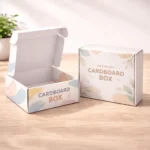




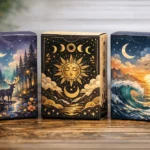
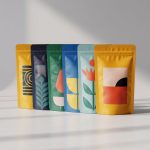



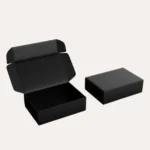
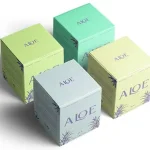
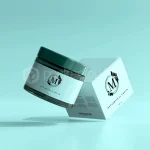
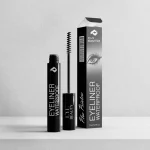
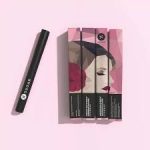





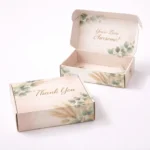
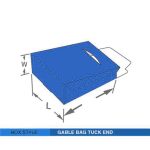
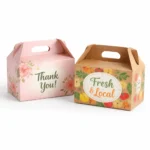


Cardboard Mailer Boxes
Product Features & Benefits That Help Businesses Ship Faster and Sell More
An order goes out damaged, the customer files a return, and the margin on that sale disappears. Multiply that by a few dozen shipments a month and packaging stops being a line item you glance at — it becomes a cost center. Cardboard mailer boxes exist to close that gap between what you ship and what arrives.
At packagingbox.us, custom cardboard mailer boxes are built around five things operations teams actually care about: protection during transit, a packing process your team can move through quickly, a unit cost that holds up at volume, an unboxing moment that reflects the brand, and fewer support tickets from damaged or mismatched orders. A mailer box is small logistics infrastructure. Get the fit, the flute, and the closure right, and it quietly removes friction from every order that goes through your warehouse.
Corrugated cardboard mailer boxes are the standard choice for eCommerce because they hit the balance point between weight, strength, and cost. Compared to poly mailers, they protect rigid and semi-rigid products that would otherwise flex or crush. Compared to heavier double-wall cartons, they keep dimensional weight down on smaller shipments, which matters when carriers price by box size as much as by actual weight.
What this means in practice:
- Faster pack times from self-locking or pre-scored designs that don’t need tape guns for every order
- Fewer damage claims from a snug internal fit instead of loose product rattling in an oversized box
- Lower per-unit cost at 100-piece minimum order quantity with no die or plate charges
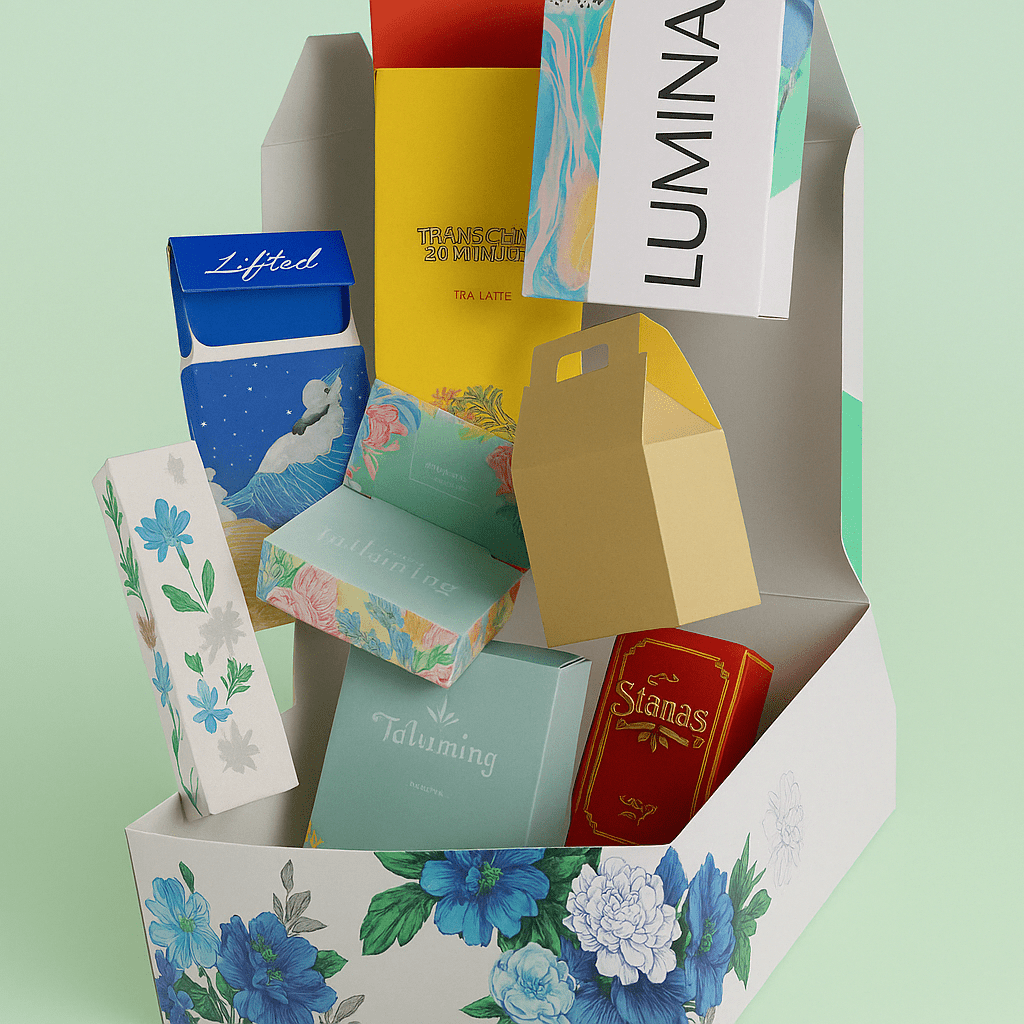
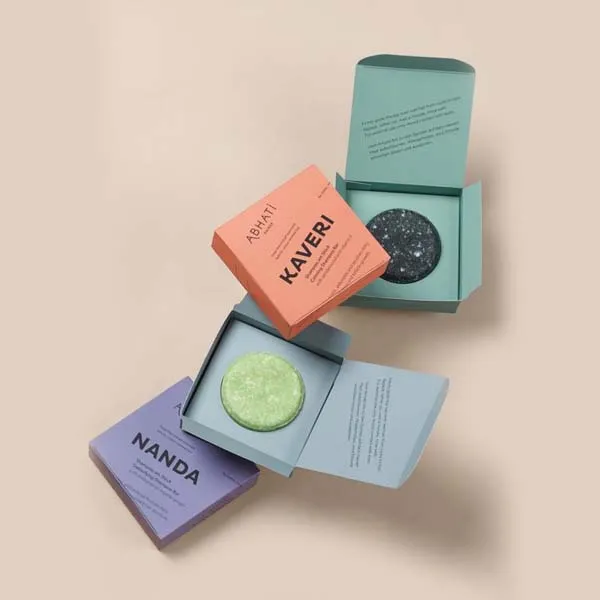
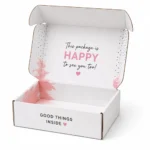
- Stronger unboxing through custom printing, branded interiors, and finish options that make a mailer feel like part of the product
- Consistent packing across SKUs when box sizes are standardized to your product line
None of this requires guesswork. The sections below walk through the mechanics — closures, materials, flutes, printing, finishes, and sizing — the way a packaging buyer needs to see them before committing to a production run.
Fast Assembly and Secure Closure for Daily Fulfillment
The closure style on a mailer box determines how much time your team spends per order, and at volume that adds up faster than most teams expect. A box that needs tape, folding, and a second pair of hands to close is a box that slows down pick-and-pack.
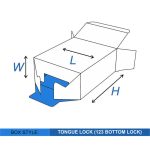
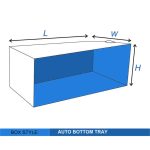
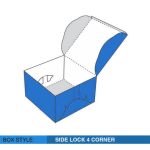
Self-locking tabs (also called auto-lock or crash-lock bottoms) fold flat for storage and pop into a stable base with one motion. No glue, no tape, no assembly jig. For warehouse teams packing dozens or hundreds of orders a shift, this is the difference between a two-second close and a thirty-second one.
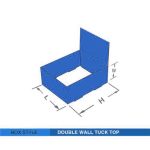
Tuck-top closures work well for retail and subscription boxes where presentation matters as much as speed — the flaps tuck into slots for a clean, tape-free finish that still opens easily for the customer.
Peel-and-seal (self-seal) mailing boxes use a pressure-sensitive adhesive strip under a release liner. Peel, fold, press. This is one of the fastest closures available for cardboard boxes for mailing at scale, and it removes tape guns from the packing station entirely.
Tear-strip openings give the end customer a clean, controlled way to open the box without a box cutter — useful for products where a customer opening a package with scissors near fragile contents is a real risk.
Choosing the right closure isn’t just about what looks good on a product photo. It’s about matching the mechanism to your actual fulfillment flow — how many people are packing, how fast orders need to move, and whether the box also needs to double as a return mailer.
Product-Fit Protection That Helps Reduce Damage and Returns
Damage in transit almost always traces back to one of two problems: the box is too big, or the product isn’t held in place. A cardboard mailing box with two inches of empty space around the product gives that product room to shift, collide with the walls, and arrive scuffed or cracked.
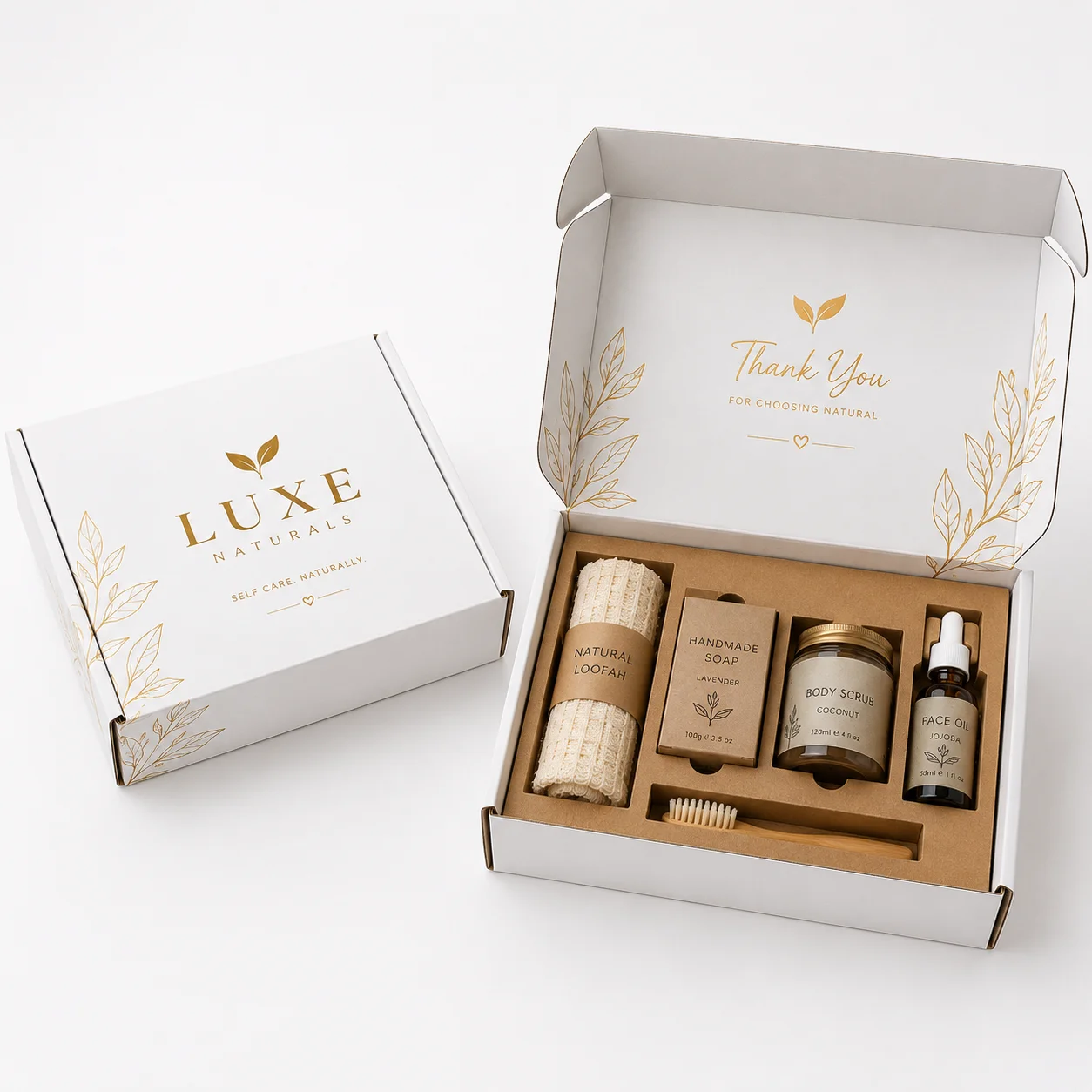
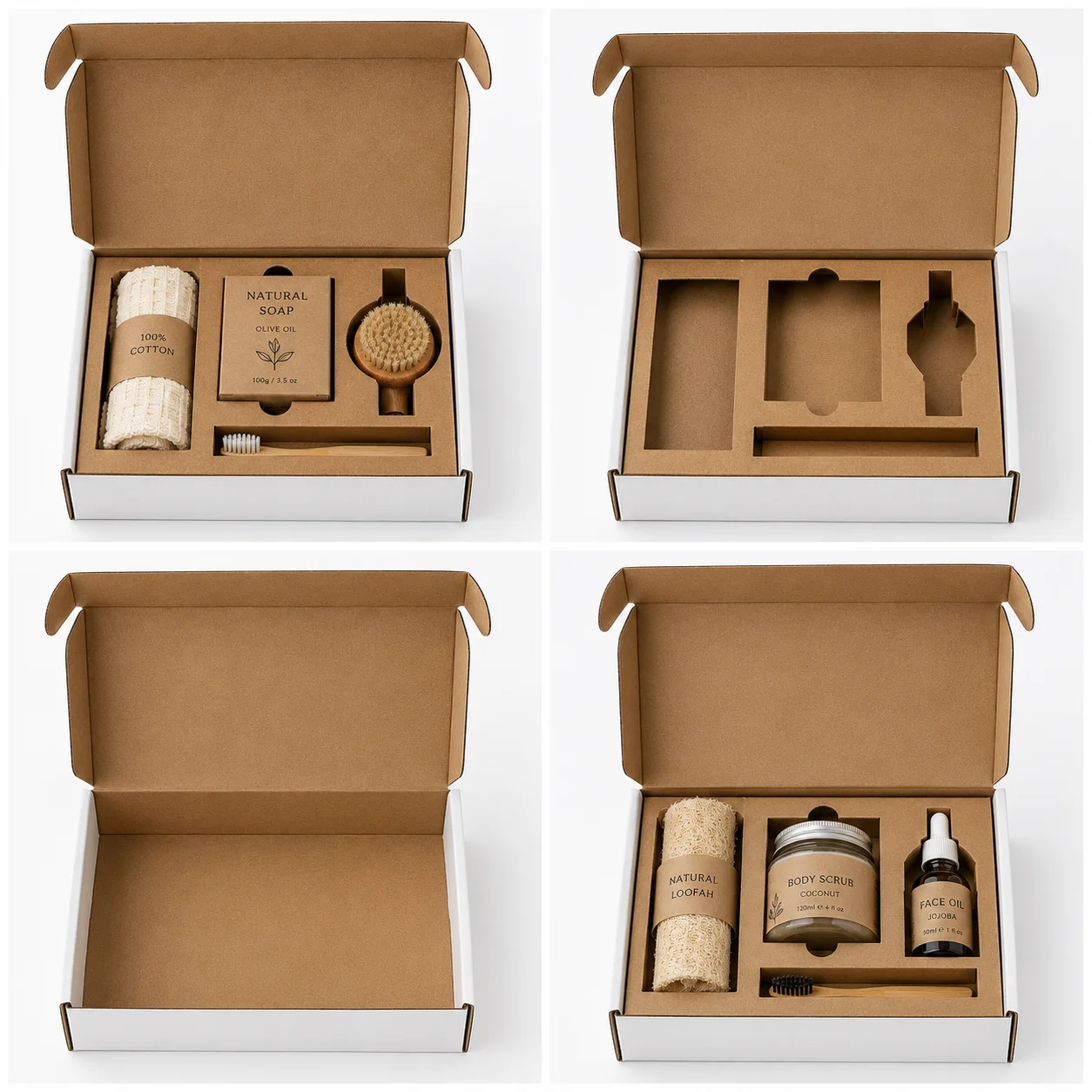
Custom sizing solves the first problem by matching box dimensions to the product with minimal — but sufficient — clearance. Internal compartments, inserts, and dividers solve the second, especially for multi-item orders, cosmetics, glassware, or subscription kits with several components that shouldn’t touch each other in transit.
For products where the finish matters — printed electronics accessories, coated cosmetic packaging, retail items sold at a premium price point — scuff prevention inside the box (tissue, inserts, or a snug dieline) protects the surface, not just the shape.
The business case here is straightforward: every prevented damage claim is a saved refund, a saved reshipment, and a customer who doesn’t associate your brand with a package that showed up dented. None of that shows up as a single line on a P&L, but it shows up in the aggregate — return rates, repeat purchase rates, and the support team’s ticket volume.
Material and Build Quality for Real-World Shipping
Corrugated board is built from two or more flat liner sheets with a fluted (wavy) medium glued between them. That flute is what gives corrugated its crush resistance and cushioning — flat cardboard alone can’t do this job.
Flute types most relevant to mailer boxes:
- E-flute — thin (about 1/16″), smooth surface ideal for high-resolution printing, common in retail and cosmetic mailers where the box itself is part of the product presentation
- B-flute — moderate thickness, strong crush resistance, a common choice for general shipping mailers and subscription boxes
- Microflute (including F-flute) — very thin, used where the mailer needs to fold cleanly and print sharply, often for smaller or lighter products
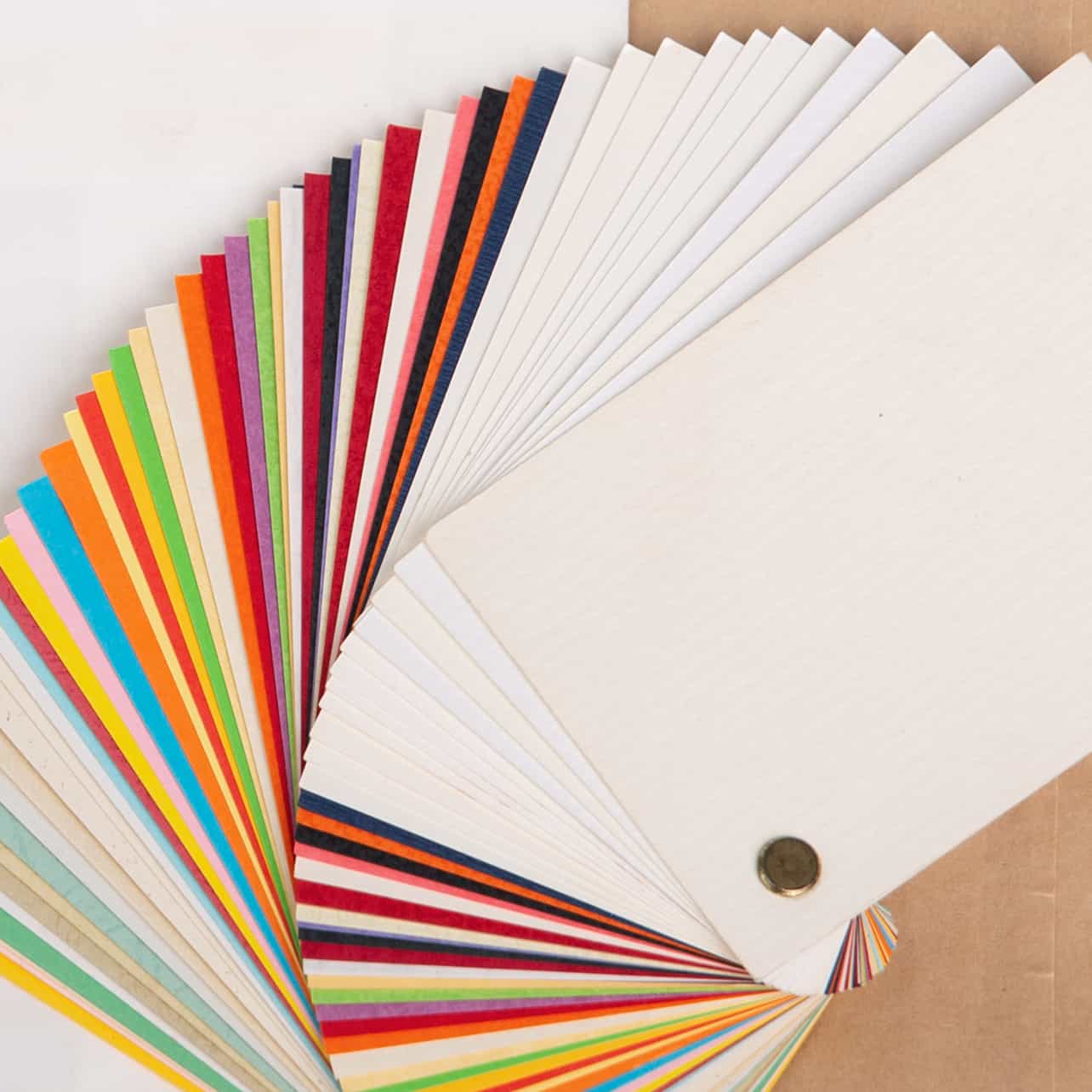
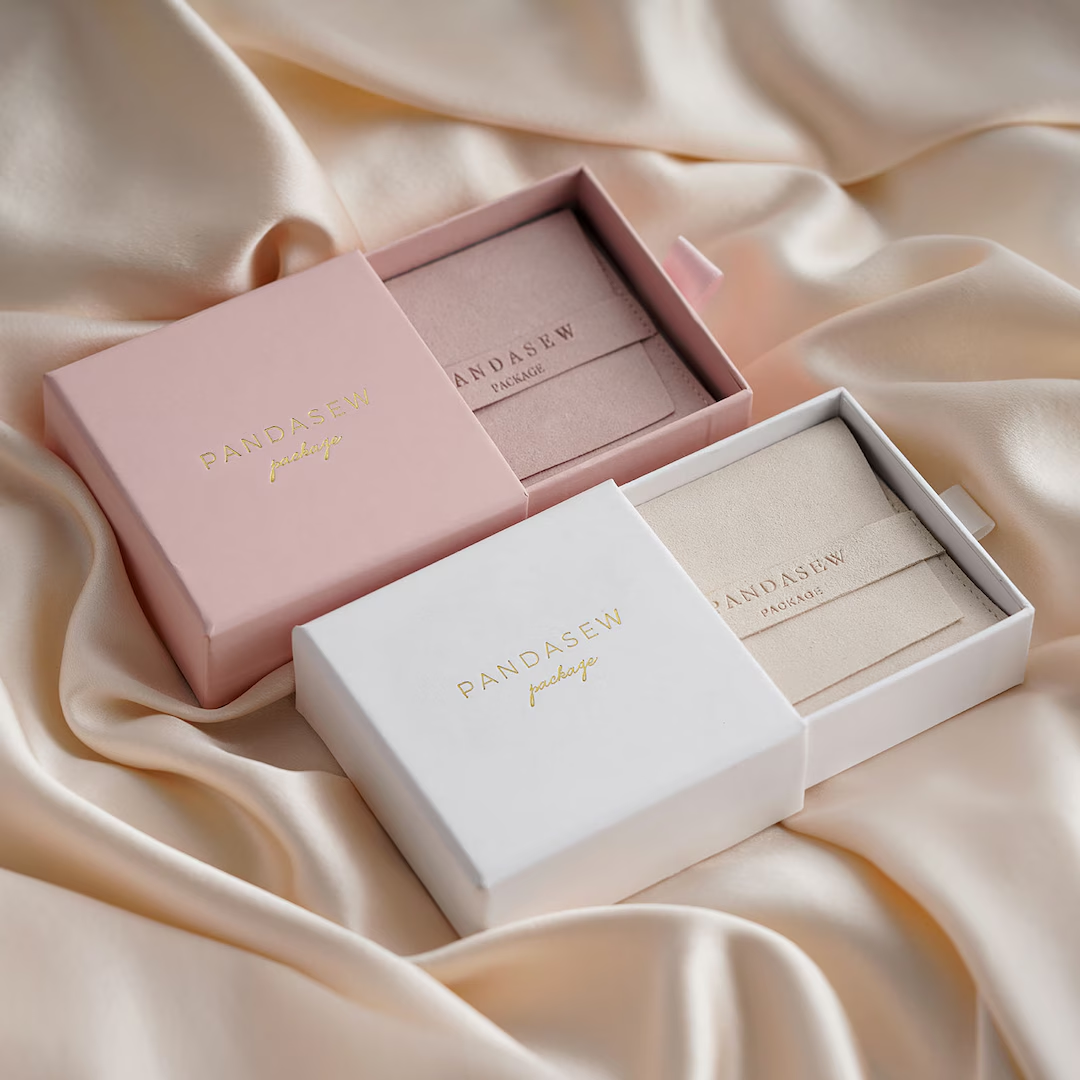
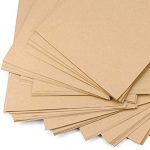
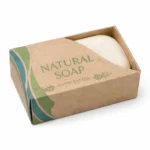
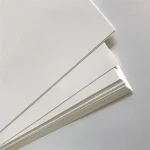
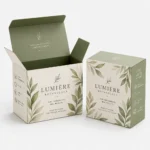
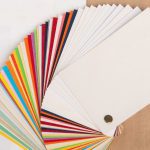
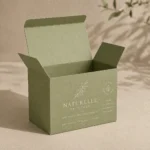
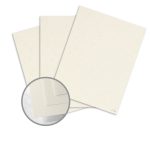
Kraft vs. white liner is a finish decision as much as a structural one. Kraft mailer boxes carry a natural brown, unbleached look that reads as sustainable and industrial — a strong fit for artisanal, food, or eco-positioned brands. White cardboard mailing boxes use a bleached or coated white liner that provides a cleaner base for full-color CMYK printing and a more premium, retail-ready appearance. Neither is objectively better; the right choice depends on brand positioning and what’s being printed on the surface.
Coatings add another layer of durability. Water-resistant coatings help boxes hold up in transit through variable weather conditions, which matters for anything moving through regional carrier networks or last-mile delivery in less controlled conditions.
None of this is decorative. Flute selection, liner choice, and coating determine whether a box survives a drop, a stack, or a week in a hot delivery van — and buyers comparing suppliers should ask about all three before comparing price per unit.
Corrugated shipping boxes built for daily fulfillment also need to hold up to compression in a stacked pallet or a fully loaded delivery van, not just a single drop test. Edge crush resistance — how much weight the fluted layer can bear before collapsing — matters most here, and it’s a direct function of flute type and liner weight, not something a printed design can compensate for. A box that looks identical to a lighter-duty alternative can perform very differently once it’s under twenty other packages in a truck.
For businesses evaluating rigid mailers against standard corrugated mailer boxes, the distinction usually comes down to product value and presentation requirements rather than shipping distance. Rigid mailers use thicker, non-collapsible board and suit high-value or delicate items where structural rigidity matters more than folding convenience. Standard corrugated mailer boxes remain the more cost-efficient choice for the vast majority of eCommerce shipments, where flat-pack storage and lower per-unit cost outweigh the marginal rigidity gain.
Literature mailers — flatter, lighter-duty corrugated mailers designed for printed materials, brochures, or thin retail goods — are worth mentioning separately, since they use different flute and thickness specifications than a standard product mailer. If a portion of your shipping volume is flat printed material rather than boxed product, specifying that at the quote stage avoids over-engineering (and overpaying for) a box that doesn’t need the same crush resistance as a product mailer.
Choosing the Right Material, Flute, or Thickness
Material selection should start with the product, not the price sheet. A few practical starting points:
- Apparel — lighter E-flute or microflute mailer boxes work well since clothing is soft and forgiving; the priority is print quality and a clean fold for a retail-style unboxing
- Cosmetics — B-flute or E-flute with internal inserts to keep bottles, jars, and applicators from shifting; glass and glossy finishes both benefit from scuff protection
- Candles — B-flute at minimum, given the weight and breakage risk of glass or ceramic vessels; consider dividers for multi-candle sets
- Jars and glassware — heavier B-flute with custom inserts or corrugated dividers; this is one category where under-specifying the flute directly increases damage claims
- Electronics accessories — moderate flute with a snug dieline; anti-static or foam elements can be added inside the box if the product is sensitive
- Subscription kits — flute selection depends on the heaviest item in the box, since the box has to protect its most fragile contents, not its average contents
- Retail products for shelf or direct shipping — often need dual-purpose boxes: strong enough to ship, presentable enough to display
If you’re unsure which combination fits your product, the safest approach is to send actual product dimensions, weight, and fragility notes with a quote request rather than guessing from a size chart. A five-minute conversation up front avoids a reprint later.
Customization and Printing Options That Strengthen Brand Identity
Printing on a mailer box is not just branding — it’s information architecture for your warehouse and your customer. Barcode zones, SKU labeling areas, and clear exterior branding all reduce friction at pick-and-pack and at delivery.
CMYK printing covers full-color photographic and gradient designs, suited to brands with detailed product photography or illustration on the box itself. PMS (Pantone) color matching locks in exact brand colors across every production run — critical for brands where color consistency is part of brand recognition, not just aesthetics.
Digital printing is cost-effective at lower volumes and faster to turn around, making it a fit for smaller or more frequent runs. Offset printing delivers sharper detail and more consistent color at higher volumes, typically favored once order quantities scale up.
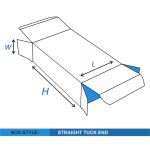
QR codes printed directly on the box can link to unboxing instructions, loyalty programs, or reorder pages — a low-cost way to extend the box’s function past the moment it’s opened. Dielines (the flat cut-and-fold template for a box) should be finalized before printing begins, since late changes to a dieline after printing is set up create delays and added cost.
Barcode zones and SKU labeling areas, planned into the design rather than added as an afterthought, keep warehouse scanning fast and reduce the chance of a barcode getting printed over a fold line or crease, where it becomes unreadable to a scanner.
Finishes That Add Premium Value Without Wasting Budget
A finish should do a job, not just look good in a mockup. Matched to the right product, finishes add both protection and perceived value; mismatched, they add cost without a return.
- Matte coating gives a soft, non-reflective finish that reads as premium and understated — a common choice for cosmetics and higher-end retail
- Gloss coating reflects light and makes colors pop, often used where shelf visibility or photo-readiness matters
- Soft-touch coating adds a velvet-like texture that increases perceived product value and also improves grip — genuinely useful for boxes that get handled repeatedly during fulfillment
- UV spot coating highlights a logo or design element with a raised, glossy contrast against a matte background, useful for drawing the eye to a single brand element
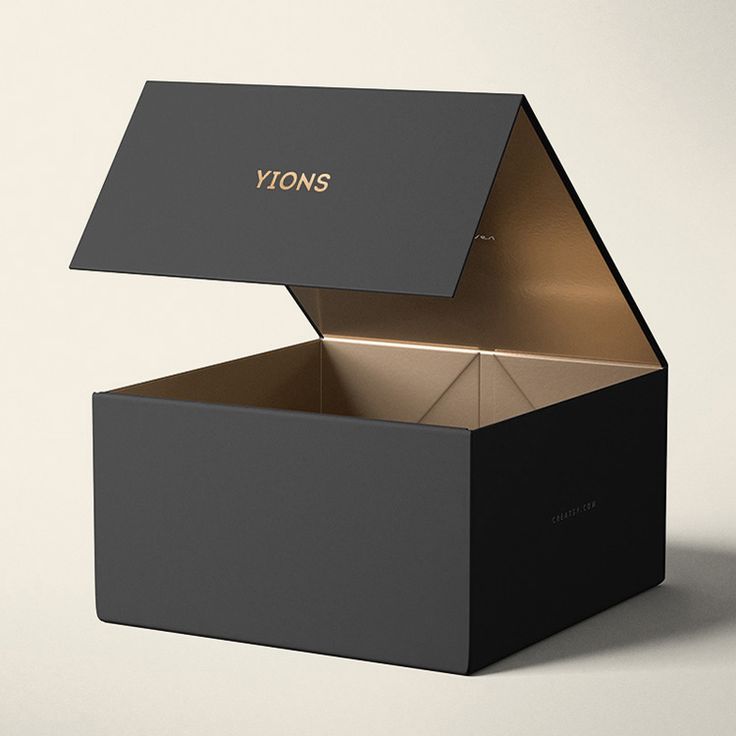
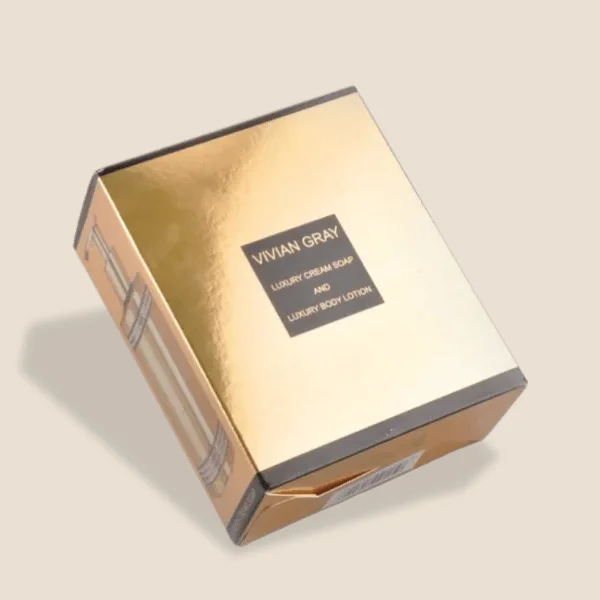
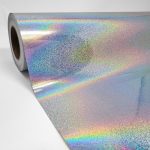
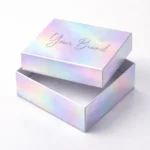
- Foil stamping adds a metallic accent for logos or text, frequently used in gift packaging and premium product lines
- Embossing creates a raised, tactile impression of a logo or pattern, adding a physical brand touchpoint that a customer notices by hand, not just by eye
- Aqueous coating is a practical, lower-cost protective layer that guards against scuffing and moisture without the added cost of UV or foil
The right finish depends on what the box needs to do. A box that gets handled by warehouse staff, a delivery driver, and then the end customer benefits from a scuff-resistant coating regardless of how premium the brand wants to look. A box meant purely for a one-time gift or influencer unboxing can lean further into foil or embossing without worrying about repeated handling.
Custom Sizes and Technical Details That Improve Packing Efficiency
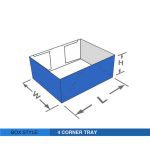
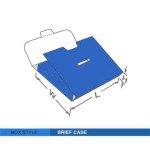
Custom mailer box sizes — Length × Width × Height built to the product, not a generic size chart — affect more than fit. They affect dimensional weight, which several carriers use to calculate shipping cost regardless of actual product weight. A box with excess air inside doesn’t just risk damage; it can also push a shipment into a higher-cost dimensional weight bracket.
Flat-pack storage is another practical consideration. Pre-assembled boxes take up warehouse space fast; flat-pack corrugated mailers that fold up only when needed save significant storage footprint, which matters more as order volume grows.
For brands working with third-party logistics providers, box dimensions should be confirmed against 3PL compatibility requirements before a production run — some fulfillment centers have specific size or weight thresholds for automated packing lines. Getting this confirmed before printing avoids a mismatch between what you ordered and what your fulfillment partner can actually process efficiently.
Packing consistency — the same box, the same fold, every time — also reduces training time for new warehouse staff and cuts down on the kind of variability that leads to inconsistent pack quality across a shift.
Industry Use Cases
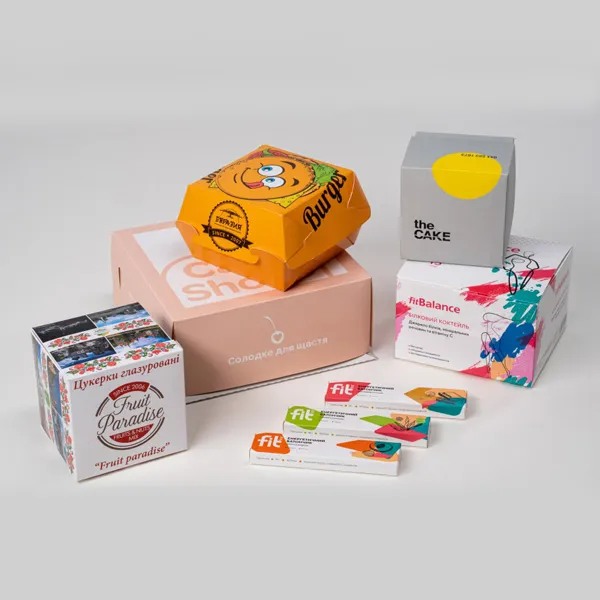
- eCommerce packaging — daily fulfillment boxes built for carrier networks and consistent brand presentation on arrival
- Retail shipping — boxes that hold up through distribution to brick-and-mortar locations
- Subscription boxes — recurring monthly shipments where unboxing experience drives retention
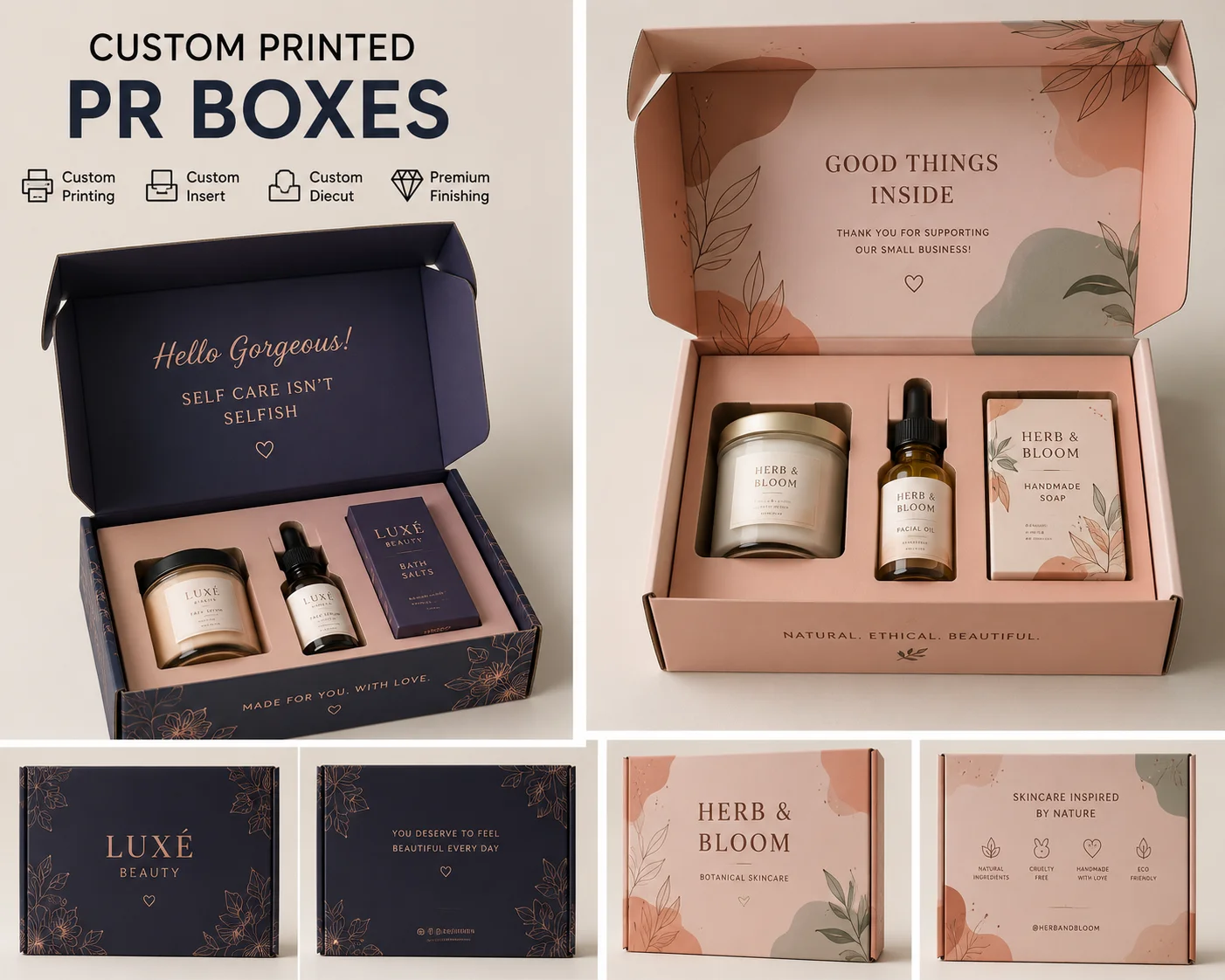
- PR kits and influencer mailers — presentation-first boxes designed for social media unboxing moments
- Promotional packaging — short-run boxes tied to a campaign or seasonal push
- Product launches — first-impression packaging for a new SKU entering the market
- Apparel — lightweight, printable mailers suited to soft goods
- Cosmetics — snug-fit boxes with inserts for bottles, jars, and palettes
- Candles — reinforced boxes with dividers for fragile, heavier items
- Electronics accessories — precise dielines for consistent, protective fits
- Gift packaging — foil, embossing, and soft-touch finishes for a premium unwrapping experience
Cardboard mailer boxes also show up in adjacent use cases worth noting for buyers researching packaging broadly: UPS boxes and bulk shipping cartons for general logistics, food packaging boxes where food-safe liners are required, and retail boxes built for shelf display as much as shipping. If you’re wondering can you reuse cardboard boxes for mailing — structurally sound corrugated can often be reused for outbound shipments as long as it isn’t crushed, water-damaged, or missing structural integrity at the flutes; for brand-facing shipments, though, a fresh custom box protects both the product and the unboxing experience.
Frequently Asked Questions
Where can I buy cardboard boxes for mailing in bulk? Businesses shipping regularly are better served by a direct manufacturer than by retail packaging stores, since factory-direct wholesale pricing brings the per-unit cost down significantly at volume. packagingbox.us produces custom cardboard mailer boxes with a 100-unit minimum order, free USA shipping, and no die or plate charges.
How do you build a cardboard mailing box? A cardboard mailing box starts from a flat dieline that’s scored and cut to fold along set lines. The base folds up first, tabs or adhesive strips lock the bottom in place, the product goes in, and the top closes via tuck-top, self-locking tabs, or a peel-and-seal strip depending on the box design.
How do you fold cardboard into a mailer box? Most custom mailer boxes ship flat-packed with pre-scored fold lines. Folding typically means pushing in the side panels, folding up the base flaps in sequence, and locking them with the built-in tab-and-slot system — no tools or tape required for self-locking designs.
Can you reuse cardboard boxes for mailing? Structurally intact corrugated cardboard can be reused for outbound shipping as long as the flutes aren’t crushed and the box isn’t damp or torn at the seams. For customer-facing shipments where branding and presentation matter, a new custom box is the better choice.
What size mailer box do I need? Mailer box sizes should be built around the product’s actual dimensions plus a small clearance margin — not rounded up to the nearest stock size. Oversized boxes increase both damage risk and dimensional weight shipping costs.
Do you offer white corrugated mailers as well as kraft? Yes. White cardboard mailing boxes are available for brands that want a clean base for full-color CMYK printing, alongside kraft mailer box options for a natural, unbleached look.
Get a Quote on Custom Cardboard Mailer Boxes
Every detail above — flute, liner, closure, finish, print method — gets specified once, at the quote stage, and then repeats consistently across every production run after that. That’s the point of working with a direct manufacturer: the groundwork happens once.
To move forward, send over:
- Size specifications (Length × Width × Height, or product dimensions if you’re not sure of the box size yet)
- Quantity (100-piece minimum order per design)
- Printing preferences (CMYK, PMS color matching, digital or offset)
- Finish options (matte, gloss, soft-touch, UV spot, foil stamping, embossing, or aqueous coating)
- Product details (what’s going inside, including weight and fragility, so the flute and internal fit can be specified correctly)
REQUEST A QUOTE and packagingbox.us will confirm sizing, material, and turnaround—typically around 15 business days—before production begins.
Packaging Box LLC 555 Charcot Ave, San Jose, CA 95131 packagingbox.us
Businesses shipping from Texas, Florida, New York, and every other state ship through the same carrier networks and face the same damage-in-transit risks—custom cardboard mailer boxes are built to hold up across that entire national shipping footprint, not just for local delivery.