





Candy Packaging
Beautiful sweets deserve packaging that makes customers excited before they even taste what is inside. Our Candy Packaging solutions are designed for confectionery brands, bakeries, chocolate makers, gift shops, event planners, and retailers that want to present their products in a clean, attractive, and professional way.
Whether you sell handmade chocolates, gummies, truffles, hard candies, caramel treats, lollipops, or assorted sweets, the right packaging helps protect freshness, improve shelf appeal, and build a stronger brand image. From small favor boxes to bulk candy bags and custom printed candy boxes, we offer packaging options that support both everyday retail sales and seasonal promotions.
Custom Candy Packaging for Every Sweet Product
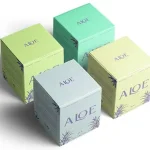
Candy comes in many forms, and each product needs packaging that fits its shape, weight, and presentation style. Our custom candy packaging can be designed for individual pieces, mixed assortments, gift sets, party favors, subscription boxes, and retail displays.
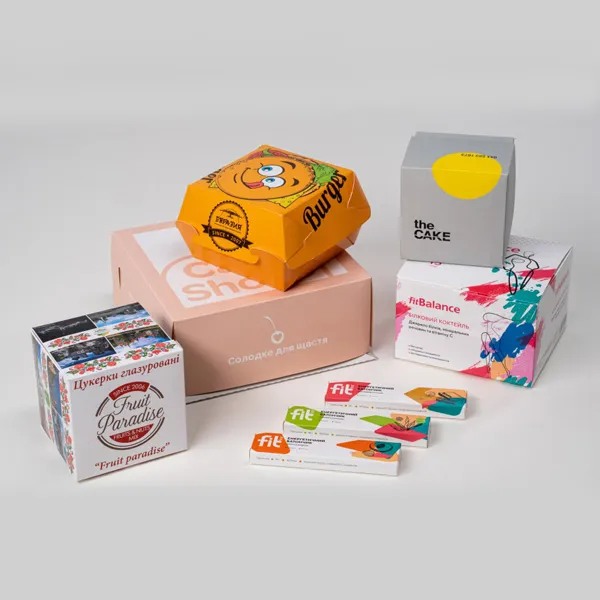
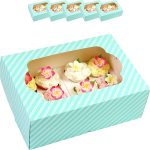
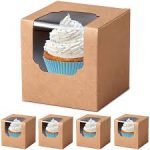
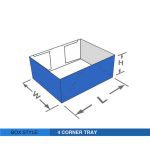
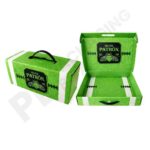
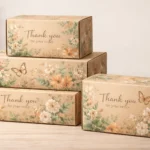
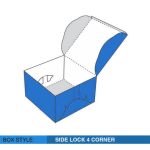
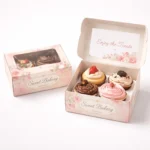
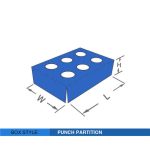
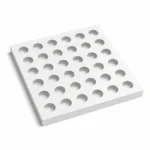
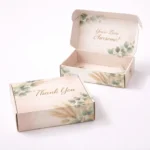
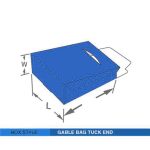
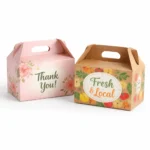
You can choose from candy boxes, window boxes, paper bags, cello-style bags, kraft packaging, rigid boxes, folding cartons, trays, inserts, and custom labels. These options help keep your sweets organized, secure, and visually appealing.
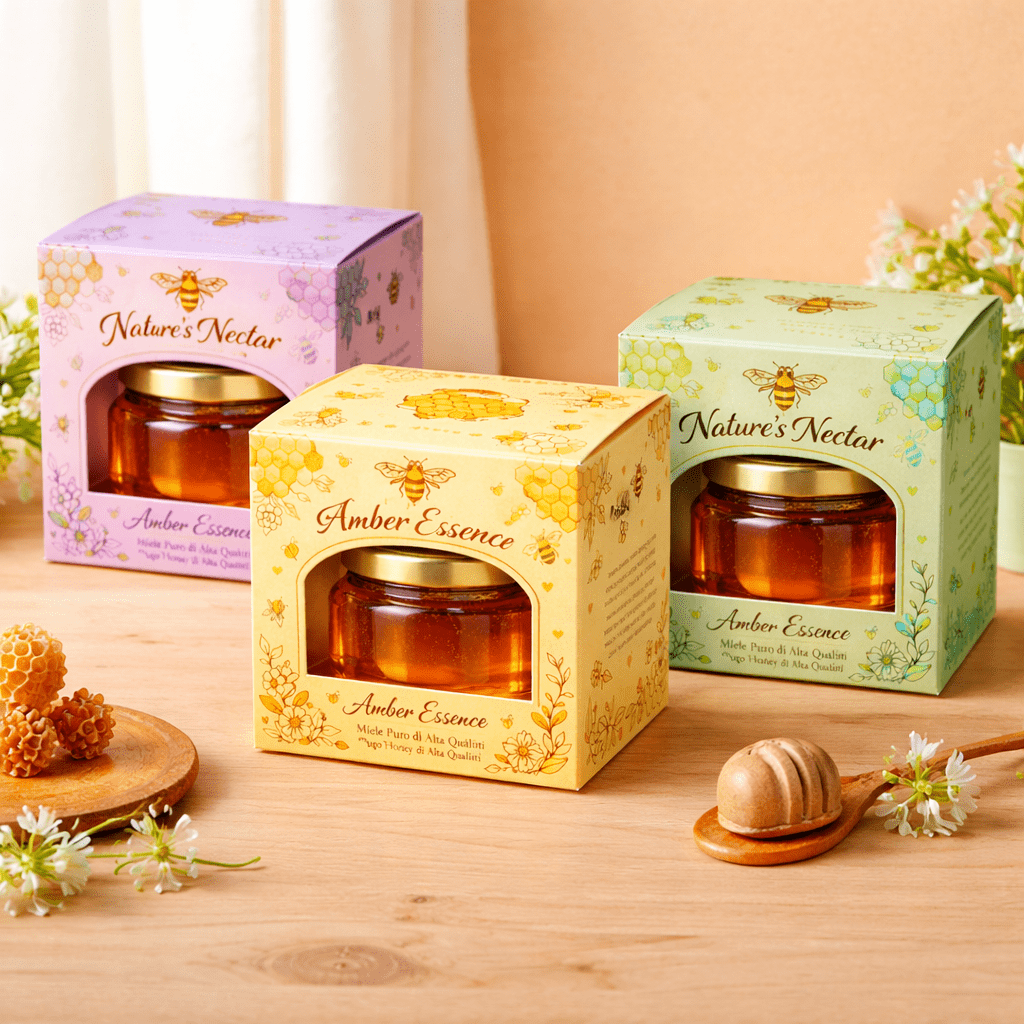
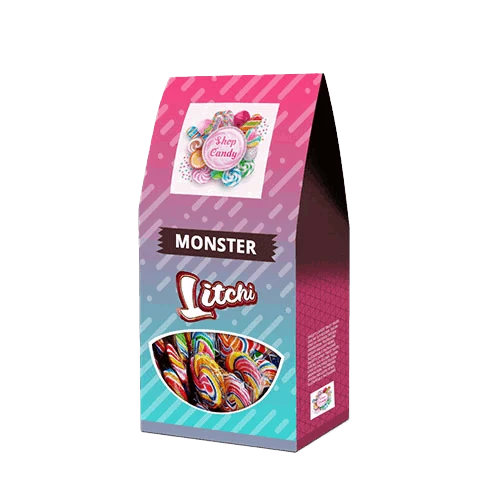
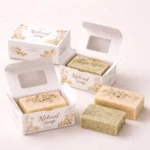
For premium chocolates and gourmet candy, window packaging is a great choice because it lets customers see the product while still keeping it protected. For loose sweets and bulk candy, flexible bags and resealable options make handling and storage easier.
Candy Boxes That Improve Presentation
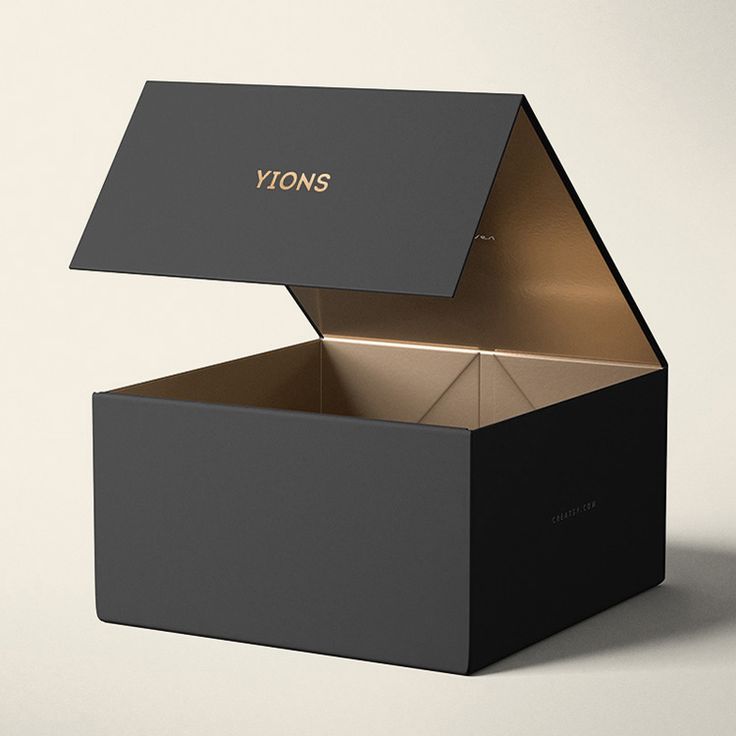
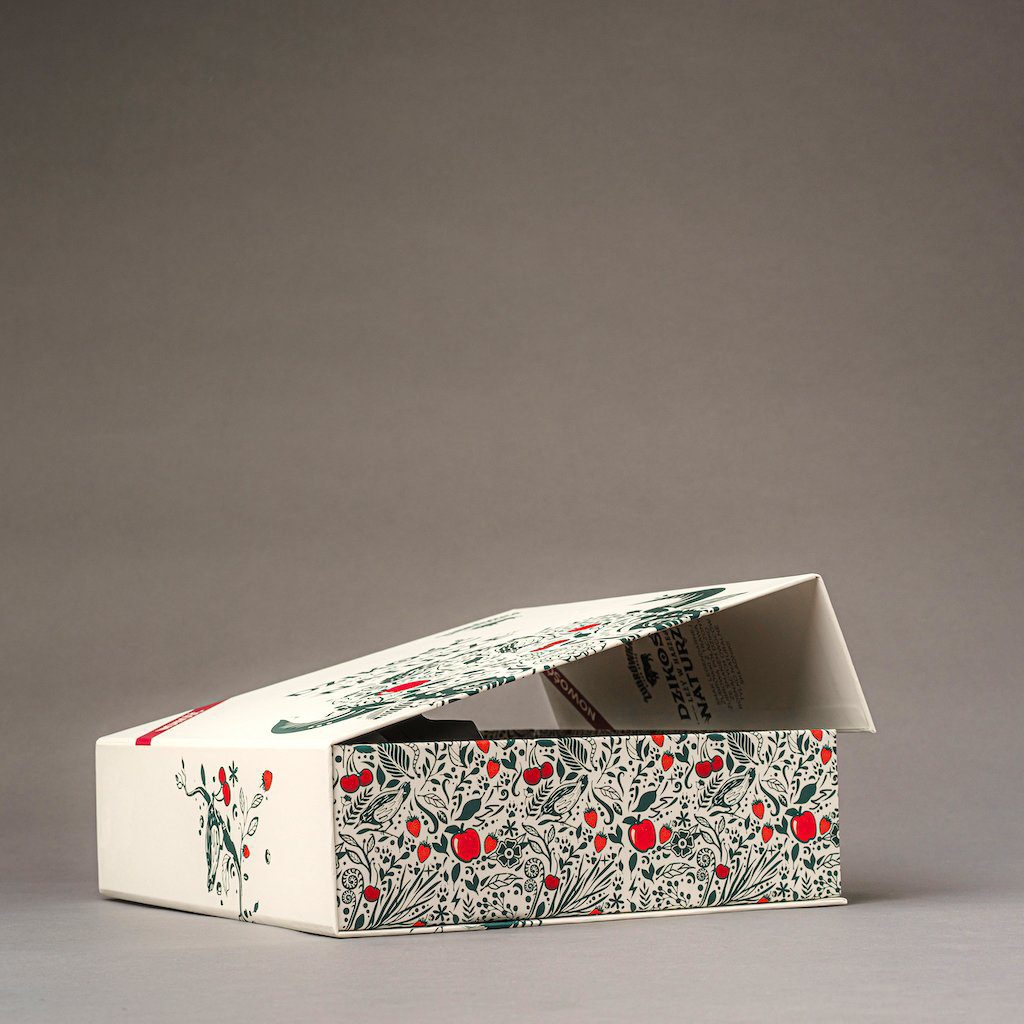
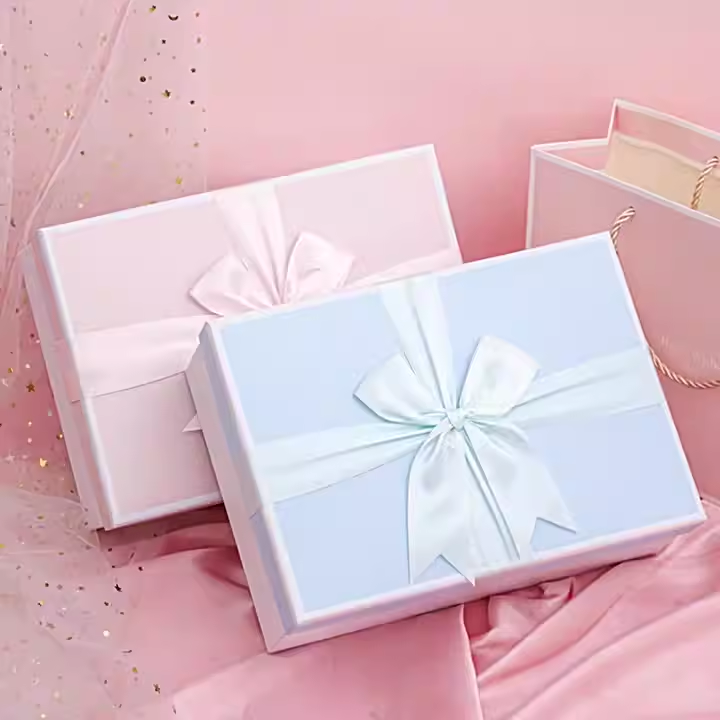
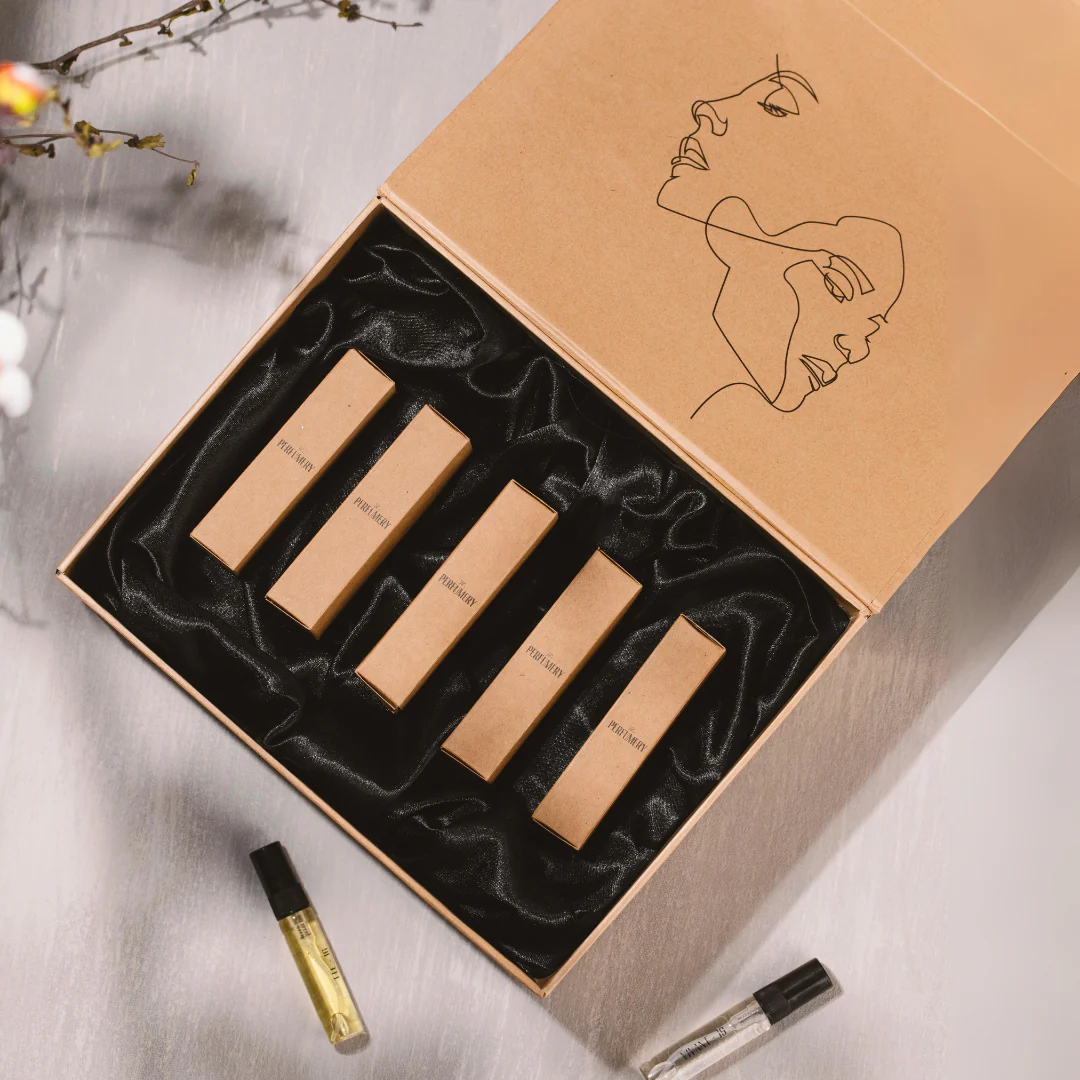
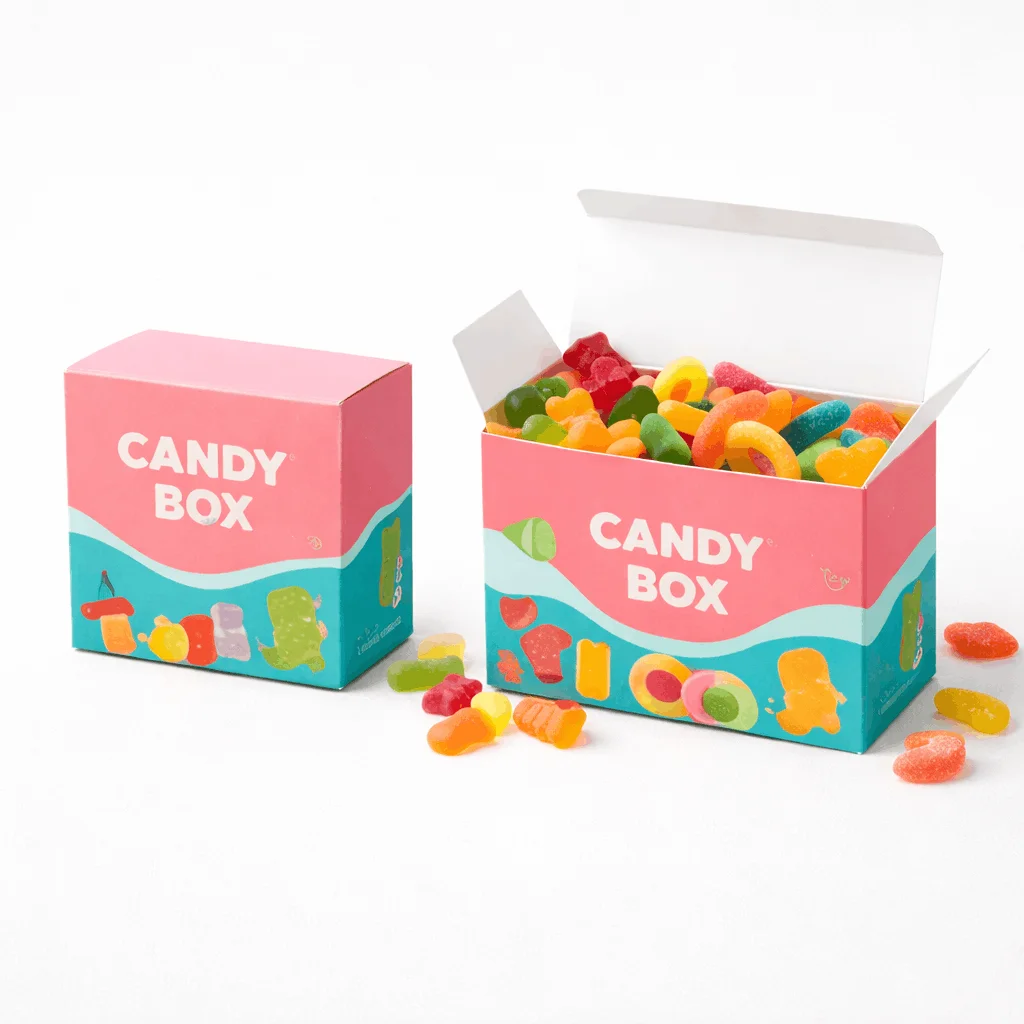
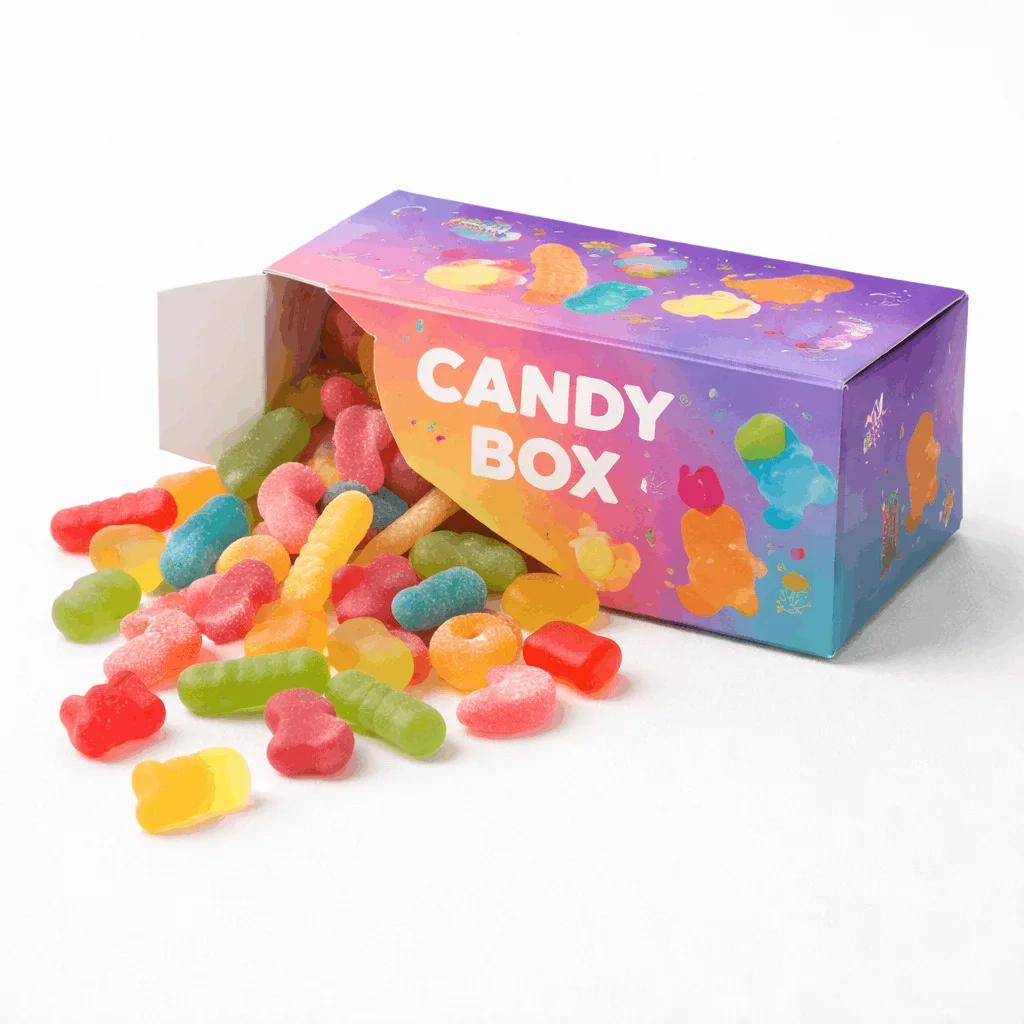
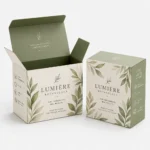
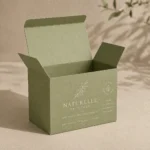
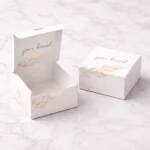
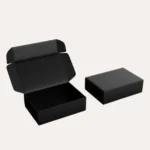
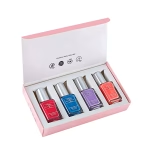
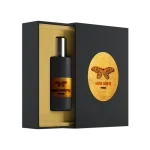
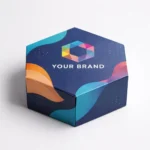
Candy boxes are a popular choice for brands that want a more polished and gift-ready look. They work well for chocolates, truffles, fudge, pralines, brittles, and mixed candy collections. A well-designed candy box makes the product feel more valuable and helps create a memorable buying experience.
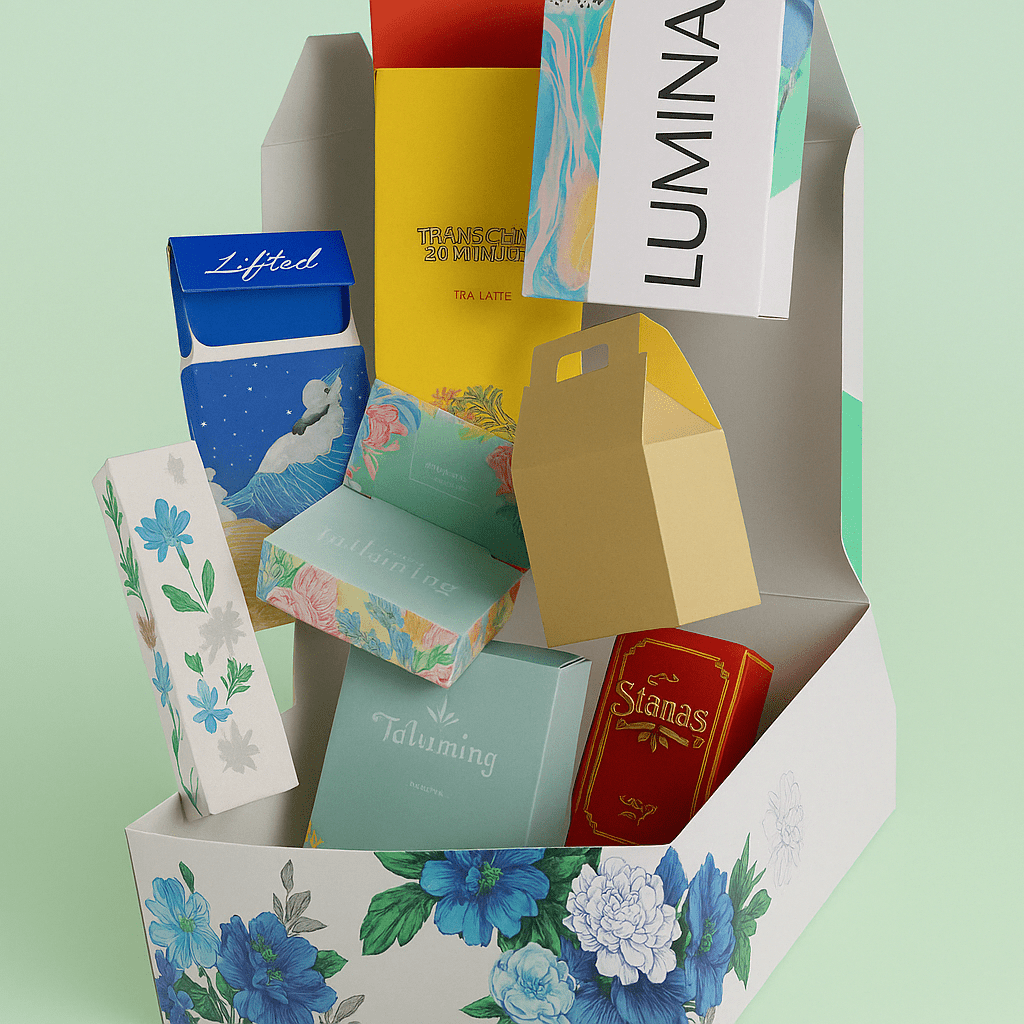
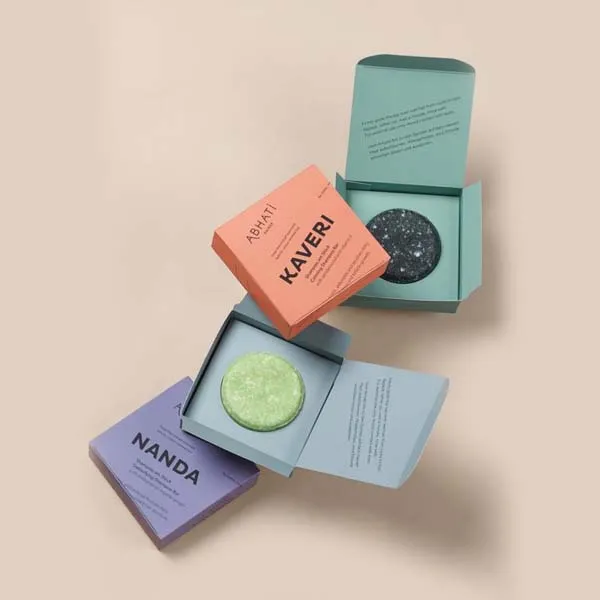
You can customize candy boxes with brand colors, logos, product names, patterns, ribbons, inserts, dividers, and finishing options. This allows your packaging to match your brand identity while making the product suitable for retail shelves, online orders, holiday sales, weddings, birthdays, and corporate gifting.
Candy Bags for Retail and Bulk Packaging
Candy bags are ideal for brands selling loose sweets, gummies, hard candies, popcorn mixes, chocolate bites, and small treats. They are lightweight, easy to store, and convenient for both customers and retailers.
Clear candy bags help showcase colorful products, while kraft or printed bags create a more branded and premium look. Resealable candy bags are also useful for products that customers may not finish in one sitting. This improves convenience and helps maintain product quality after opening.
Food-Safe and Practical Packaging Options
Good candy packaging should not only look attractive but also perform well. It should help protect the product from dust, handling, moisture, and damage during storage or delivery. Depending on your product needs, packaging can be made with food-safe materials, secure closures, trays, sleeves, inserts, or protective layers.
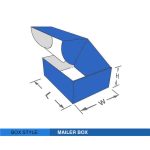
For ecommerce candy brands, durable packaging is especially important because the product must arrive in good condition. Strong boxes, proper inserts, and well-fitted packaging can reduce movement during shipping and create a better unboxing experience.
Perfect for Seasonal and Gift Packaging
Candy sales often grow around special occasions, so your packaging should be flexible enough for seasonal promotions. Custom candy packaging can be created for Valentine’s Day, Easter, Halloween, Christmas, weddings, baby showers, birthdays, corporate events, and holiday gift boxes.
Limited-edition packaging can make your products feel more exclusive and help attract buyers looking for ready-to-gift sweets. A simple change in colors, labels, ribbons, or box style can turn regular candy into a premium gift item.
Why Choose Our Candy Packaging?
Our candy packaging solutions are made to support businesses that need attractive, reliable, and brand-focused packaging. Whether you need small runs for a boutique confectionery brand or bulk packaging for larger retail orders, we can help you create packaging that fits your product and market.
With custom sizing, printing, finishing, and material options, your candy packaging can be designed to match your brand style while keeping your sweets presentable and protected.
FAQs About Candy Packaging
What is candy packaging used for?
Candy packaging is used to protect, store, display, and sell sweets such as chocolates, gummies, truffles, hard candy, lollipops, and assorted confectionery products.
Can I customize candy packaging with my logo?
Yes, candy packaging can be customized with your logo, brand colors, product details, artwork, labels, and special finishes to create a professional branded look.
What types of candy packaging are available?
Common options include candy boxes, window boxes, kraft boxes, paper bags, clear bags, resealable bags, trays, inserts, sleeves, and gift packaging.
Is candy packaging suitable for gift products?
Yes, candy packaging is perfect for gift sets, holiday sweets, wedding favors, party favors, corporate gifts, and premium chocolate collections.
Can I order candy packaging in bulk?
Yes, bulk candy packaging is available for retailers, confectionery brands, bakeries, event suppliers, and ecommerce businesses that need larger quantities.
1. What are the latest trends in candy packaging design?
The latest candy packaging design trends are moving toward premium presentation, sustainability, personalization, and clean visual branding. In 2026, confectionery brands are focusing on packaging that looks gift-worthy, feels modern, and clearly communicates product quality. Minimalist layouts, readable typography, natural colors, limited-edition designs, and premium finishes are becoming more popular for chocolates, gummies, truffles, and gourmet candy products.
Another major trend is paper-based and plastic-reduction packaging. The candy and confectionery industry is increasingly exploring paper packaging as an alternative to traditional plastic-heavy formats, especially for brands that want a more eco-conscious image.
Key trends include:
Sustainable Candy Packaging: Brands are using recyclable paperboard, kraft paper, compostable films, cellulose-based wrappers, and mono-material pouches to reduce plastic use.
Minimalist Wrapper Design: Instead of overcrowded designs, brands are using clean layouts, bold product names, simple flavor cues, and premium white space.
Window Packaging: Candy boxes with small transparent windows remain popular because customers like to see the product before buying.
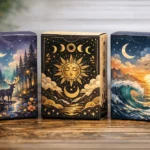
Personalized and Limited-Edition Packaging: Seasonal candy packaging for Valentine’s Day, Halloween, Christmas, weddings, birthdays, and corporate gifting helps increase perceived value.
Resealable Pouches: For gummies, hard candies, sour candy, and snack-style sweets, resealable pouches are growing because they improve convenience and freshness.
Smart Packaging: QR codes are being used to share ingredients, brand stories, sourcing details, promotions, or loyalty offers. Smart packaging and consumer-driven design are highlighted as important sustainable packaging trends for 2026.
2. How to design eye-catching candy wrappers?
To design eye-catching candy wrappers, start with the customer and the product type. A children’s candy wrapper should look playful, colorful, and energetic, while premium chocolate packaging should feel elegant, clean, and high-quality.
A strong candy wrapper should include:
Clear Brand Name: Your logo or brand name should be easy to read at first glance.
Strong Flavor Visibility: Flavor names like strawberry, mint, caramel, dark chocolate, mango, or sour apple should stand out clearly.
Color Psychology: Use color to communicate taste. Red works well for strawberry or cherry, yellow for lemon, brown or black for chocolate, green for mint, and gold for premium products.
Simple Visual Hierarchy: The customer should quickly understand the brand, flavor, product type, weight, and key selling point.
Attractive Product Cues: Use illustrations, ingredient visuals, chocolate drips, fruit graphics, patterns, or textures to create appetite appeal.
Readable Typography: Avoid fonts that look stylish but are hard to read. Candy packaging must be readable on shelves and in ecommerce product images.
Material Finish: Gloss finish works well for bright candy, matte finish gives a premium feel, foil stamping creates luxury appeal, and kraft paper gives a natural handmade look.
Compliance Space: Leave proper space for nutrition facts, ingredients, allergen details, net weight, barcode, company information, and required food labeling details. FDA guidance explains that required statements must appear on food labels, and FDA enforces ingredient and allergen labeling for packaged foods.
Best design formula:
Front: Brand + product name + flavor + appetite visual
Back: Ingredients + nutrition + allergens + barcode + storage info
Side/Seal Area: Batch code, expiry date, QR code, or small brand story
3. Which companies specialize in sustainable candy packaging solutions?
Several companies offer sustainable or eco-focused candy packaging solutions. These are examples you can evaluate based on MOQ, material certification, food-contact suitability, pricing, and customization options.
Good Start Packaging offers compostable candy packaging made from plant-based materials such as kraft paper, compostable cellulose film like NatureFlex, and plant-based PLA.
Elevate Packaging offers compostable cellophane bags that can be used for dry goods such as candy, tea, cards, and similar light-duty products.
Futamura NatureFlex produces cellulose-based compostable packaging films. NatureFlex notes that its material can be used for packaging types traditionally made from plastic, including candy wrappers and coffee bags.
EcoEnclose offers glassine bags and food packaging guidance. Glassine is a smooth translucent paper option that can reduce plastic use, though it is better for dry products and light handling rather than wet or high-moisture candy.
ClearBags provides food-safe bags, bakery bags, candy bags, kraft paper food bags, Mylar food bags, and compostable food bag options.
Packaging Box focus on compostable, recyclable, kraft-lined, and low-MOQ pouch packaging. Some suppliers list options such as NatureFlex, PLA/PBAT blends, recyclable mono-PE, bio-PE, and kraft paper with lining.
4. Where can I find suppliers for custom candy boxes?
You can find suppliers for custom candy boxes through wholesale packaging companies, custom box manufacturers, online packaging marketplaces, and local print/packaging vendors.
Good supplier options include
Good for wholesale candy boxes, cookie boxes, gift packaging, candy bags, and gourmet packaging supplies. Their candy boxes include options for chocolates, fudge, truffles, and food gifts.
Offers candy boxes with and without windows, truffle boxes, candy trays, and candy pads for protection and presentation.
Offers custom candy and sweets packaging with food-safe and eco-friendly options.
Offers custom candy boxes with low MOQ starting around 50 boxes, which can be useful for small candy businesses testing packaging before ordering bulk quantities.
Lists custom candy boxes with options like kraft, corrugated, cardstock, CMYK printing, embossing, foiling, die cutting, and eco-friendly materials.
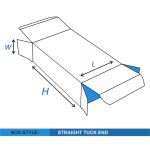
For a small business, start with low-MOQ suppliers. For a larger brand, choose a manufacturer that can provide dielines, samples, food-safe documentation, bulk pricing, and consistent production quality.
5. Where can I buy custom candy wrappers online?
You can buy custom candy wrappers online from personalized wrapper stores, marketplaces, packaging suppliers, and custom print manufacturers.
Common options include:
Candy Wrapper Store: Offers custom candy bar wrappers, mini candy wrappers, lollipop wrappers, Kit Kat wrappers, Reese’s wrappers, and upload-your-own-design options. Some listed wrapper prices start from around $0.45–$0.99 depending on product type.
Etsy: Good for personalized candy wrappers for birthdays, weddings, baby showers, party favors, and small events. Etsy listings include custom mini candy labels and personalized candy wrappers.
Amazon: Useful for quick personalized candy wrapper options, especially for events, favors, and small runs.
Alibaba: Better for bulk custom printed candy wrappers, film wrappers, Mylar bags, and OEM packaging, but you must carefully check supplier quality, MOQ, food-safe certificates, and shipping time.
CardsDirect: Offers personalized candy products, custom chocolate bars, candy bar bags, custom mints, gum, and chocolate boxes.
Important note: many “custom candy wrappers” are decorative outer wrappers for already wrapped chocolate bars. If the wrapper will directly touch candy, ask the supplier for food-contact safe material, food-safe inks, coating details, and compliance documentation.
6. What are the best materials for sustainable candy packaging?
The best material depends on the candy type, moisture sensitivity, shelf life, and brand positioning. For sustainable candy packaging, these materials are commonly used:
| Material | Best For | Main Benefit | Limitation |
|---|---|---|---|
| Kraft paper | Dry candies, handmade sweets, gift bags | Natural look, recyclable feel, low-cost branding | Weak moisture barrier unless lined |
| Paperboard | Candy boxes, chocolate boxes, gift packs | Strong, printable, recyclable | May need inserts or coating |
| Glassine paper | Dry candy, bakery-style sweets, inner wraps | Plastic-free, translucent, grease-resistant | Not waterproof |
| NatureFlex / cellulose film | Candy wrappers, clear bags, compostable packaging | Compostable alternative to plastic film | Needs correct sealing and product testing |
| PLA / plant-based film | Compostable candy bags or containers | Plant-based and compostable in proper systems | Industrial composting access may be limited |
| Mono-PE recyclable film | Gummies, pouches, bulk sweets | Easier to recycle than mixed-material films | Still plastic-based |
| Aluminum foil laminate | Chocolate bars, moisture-sensitive candy | Excellent barrier protection | Harder to recycle if laminated |
Good Start Packaging lists kraft paper, compostable cellulose film such as NatureFlex, and plant-based PLA as eco-friendly candy packaging materials. EcoEnclose explains that glassine is a paper-based, plastic-free option that is translucent and useful for light handling, though it is not waterproof.
Best practical choice:
For premium chocolates, use paperboard boxes with food-safe inserts or foil inner wrap.
For gummies and sour candies, use recyclable mono-material pouches or compostable pouches with a strong moisture barrier.
For hard candy, use twist wraps, flow wrap film, glassine, or compostable cello depending on shelf-life needs.
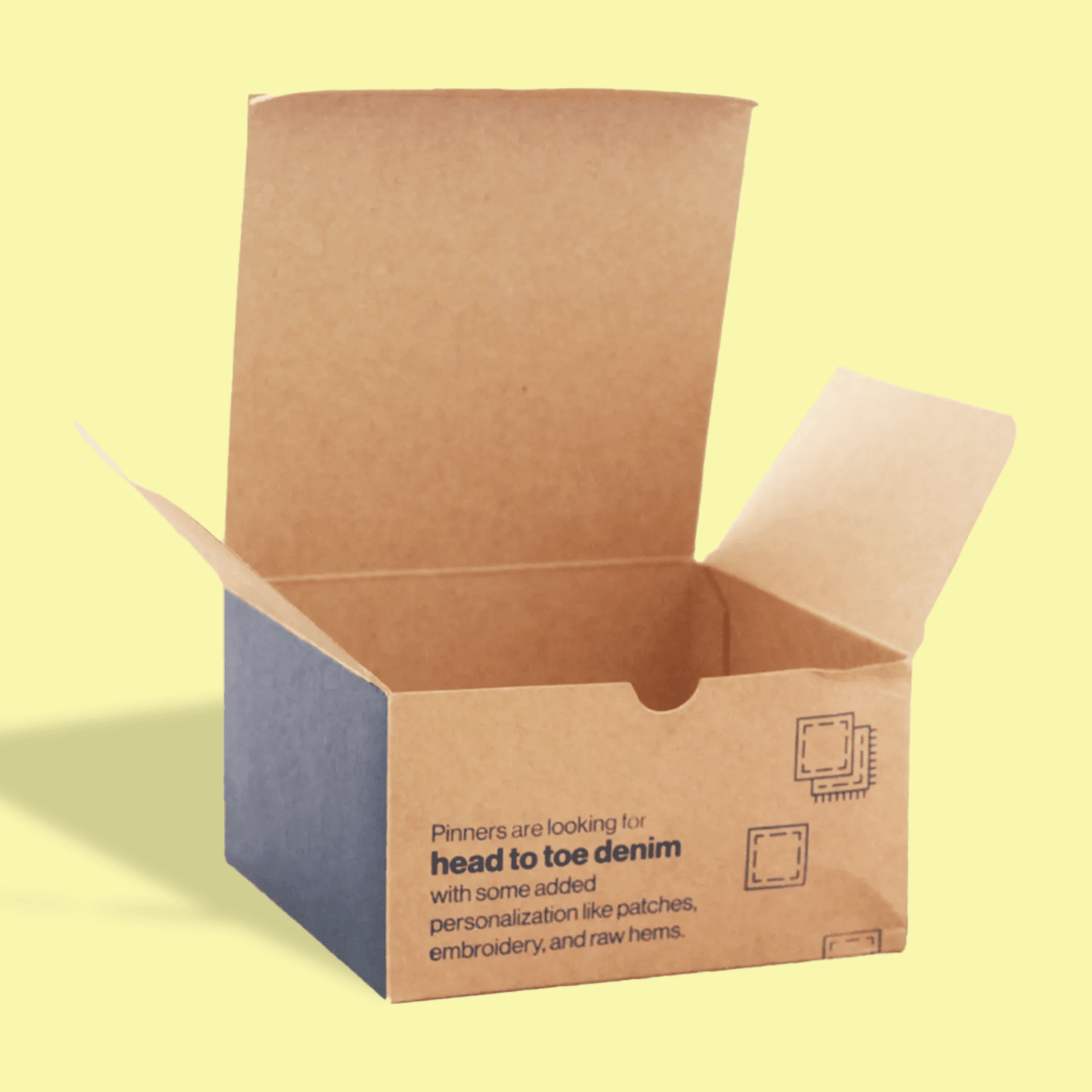
For handmade candy businesses, use kraft boxes, window boxes, glassine bags, and branded labels.
7. How to choose the best packaging material for chocolate candies?
Chocolate is sensitive to heat, moisture, odor, light, and fat migration, so its packaging must protect the product while still looking premium.
Choose the material based on these factors:
Barrier Protection: Chocolate needs protection from moisture and odors. Foil, coated paper, laminated films, and rigid boxes with inserts are common choices.
Temperature Handling: Chocolate can melt or bloom if exposed to heat. Packaging should support proper shipping and storage, especially for ecommerce orders.
Premium Look: Chocolate buyers expect high-quality presentation. Rigid boxes, folding cartons, foil wraps, sleeves, inserts, and textured paperboard work well.
Food Contact Safety: Any inner wrap, tray, or coating that touches chocolate must be suitable for food contact.
Product Type:
Chocolate bars need foil or film wrap plus outer paper sleeve.
Truffles need rigid boxes, dividers, cups, or trays.
Chocolate-covered nuts need pouches or jars with a good moisture barrier.
Gift chocolates need premium boxes with inserts or trays.
Sustainability Goal: If your brand wants sustainable chocolate packaging, consider paperboard boxes, recyclable mono-material film, glassine for dry applications, or compostable cellulose films. However, always test shelf life because sustainable material must still protect the chocolate.
For direct food-contact materials in the US, packaging components must either be authorized under FDA food-contact regulations, meet applicable exemptions, or be otherwise compliant for the intended use. FDA and eCFR sources point to 21 CFR Parts 174–178 and related food-contact substance rules for indirect food additives.
8. Regulations for food-safe candy packaging in the US
For the US market, candy packaging must be safe for food contact, properly labeled, and truthful in its claims.
Main compliance areas:
Food-contact material compliance: The FDA regulates food-contact substances under the Federal Food, Drug, and Cosmetic Act. Many packaging-related substances are regulated as indirect food additives, with rules found mainly in 21 CFR Parts 174–178.
Ingredient and allergen labeling: Packaged candy must correctly list ingredients and allergens. FDA states that it enforces regulations requiring companies to list ingredients on packaged foods, with specific requirements for allergens.
Nutrition labeling: Most prepared and packaged foods, including snacks and desserts, require food labeling under FDA rules.
Label content: FDA’s Food Labeling Guide summarizes required statements that must appear on food labels. This can include product identity, net quantity, nutrition facts, ingredients, allergen declarations, and business information depending on the product.
Sustainability claims: If you claim packaging is recyclable, compostable, biodegradable, eco-friendly, plastic-free, or sustainable, the claim must be truthful and supported. FTC Green Guides say environmental claims should be backed by competent and reliable evidence.
Compostable and recyclable claims: FTC guidance says compostable claims need reliable scientific evidence, and recyclable claims may need qualification if recycling facilities are not available to a substantial majority of consumers.
Simple compliance checklist:
Ask your supplier for food-contact documentation.
Confirm inks, coatings, adhesives, films, trays, and liners are suitable for the intended food use.
Do migration or compatibility testing when needed.
Use FDA-compliant labels for ingredients, allergens, nutrition, and net weight.
Avoid vague green claims like “100% eco-friendly” unless you can prove them.
Check state-level rules, especially for PFAS, recycling labels, and extended producer responsibility.
This is not legal advice; for commercial US candy products, it is best to work with a packaging compliance expert or food labeling consultant.
9. What packaging options are available for small candy businesses?
Small candy businesses have many affordable packaging options, especially if they want to start with low quantities.
Best options include:
Stock Candy Boxes: Ready-made boxes for chocolates, fudge, truffles, brittle, and gift packs. Add custom stickers or sleeves for branding.
Window Boxes: Great for handmade candies because customers can see the product.
Kraft Paper Bags: Good for dry sweets, hard candies, party favors, and natural-looking brands.
Clear Cello or Compostable Bags: Useful for colorful candies, cookies, popcorn sweets, and small assortments.
Glassine Bags: Good for dry products where a plastic-free look is preferred.
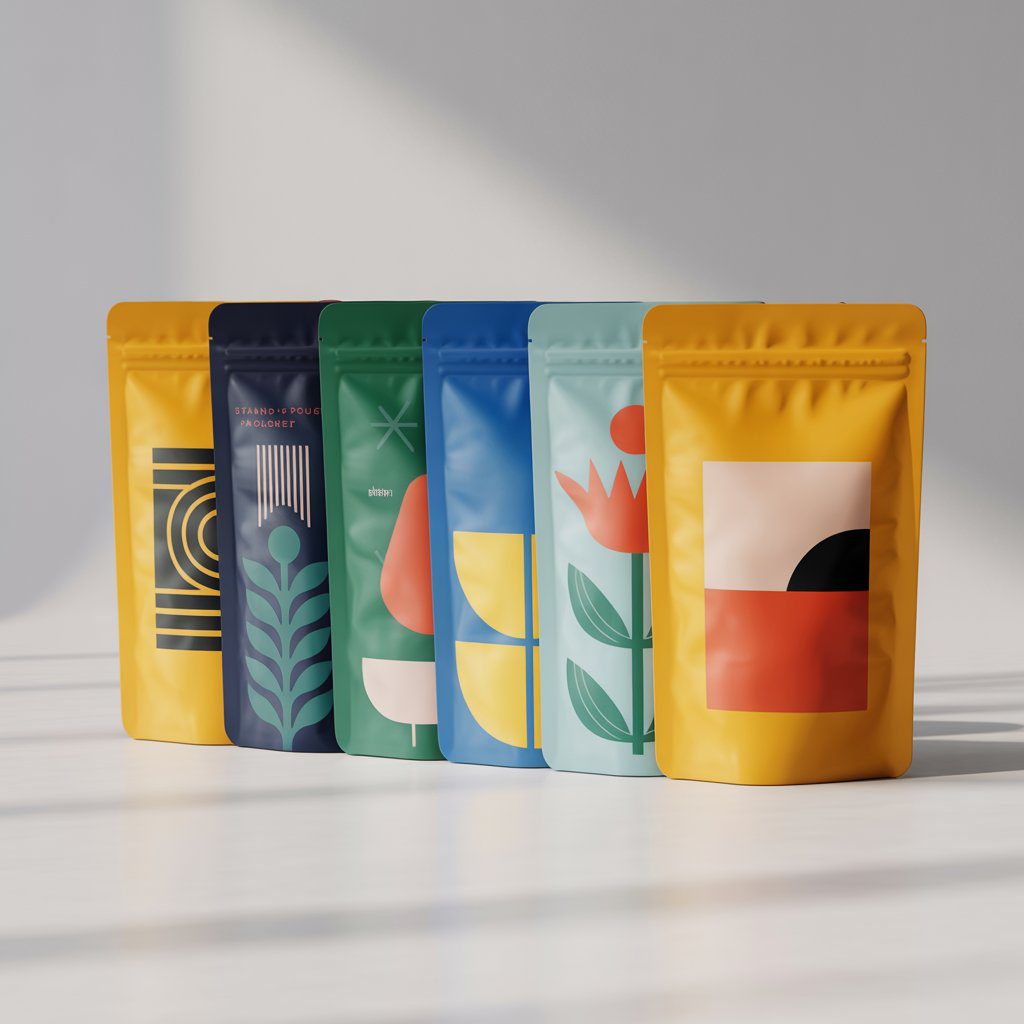
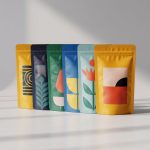
Stand-Up Pouches: Suitable for gummies, sour candy, hard candy, and bulk sweets.
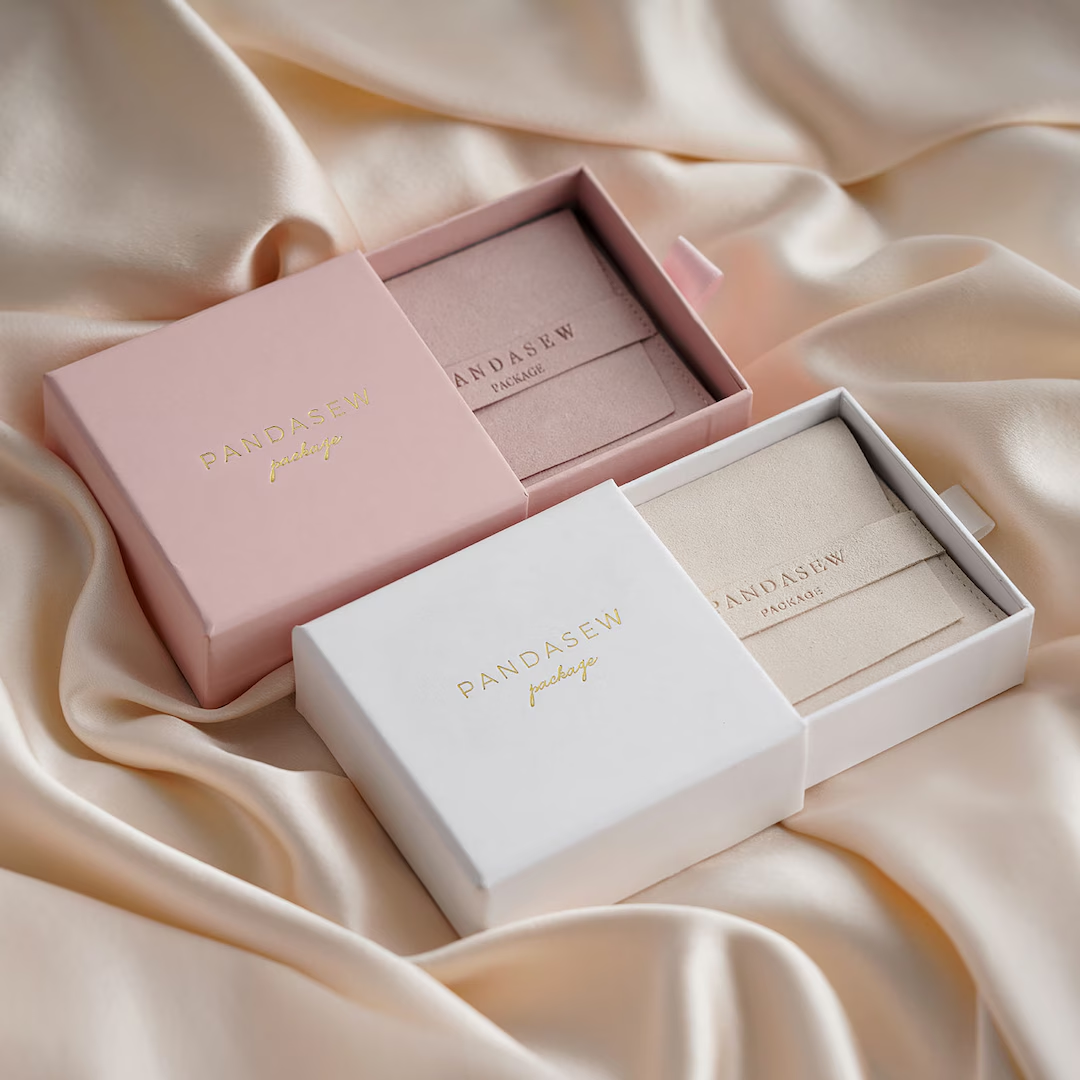
Rigid Gift Boxes: Best for premium chocolates, luxury candy, wedding favors, and corporate gifts.
Labels and Stickers: The most affordable way to brand packaging when you cannot afford fully custom printed boxes.
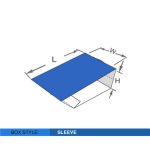
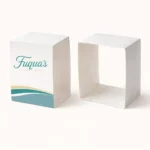
Custom Sleeves: A smart middle option. You can buy plain candy boxes and add printed sleeves to create a branded look.
Low-MOQ options are especially useful for small brands. Some suppliers advertise custom candy boxes starting at 50 units, and some food packaging suppliers promote branded food packaging from around 100 units.
Best starter setup for a small candy brand:
Use stock kraft boxes or clear bags.
Add custom labels with logo, flavor, ingredients, allergens, and net weight.
Use inserts or cups for chocolates and truffles.
Move to fully printed boxes once sales volume becomes consistent.
10. Cost comparison for different candy packaging types
Candy packaging cost depends on size, material, printing method, order quantity, finish, inserts, shipping, and whether you choose stock packaging or custom manufacturing.
Here is a practical cost comparison:
| Packaging Type | Typical Cost Level | Best For | Notes |
|---|---|---|---|
| Stock paper bags + labels | Low | Small candy shops, local sellers | Cheapest branded option |
| Clear cello bags | Low | Party favors, colorful sweets | Good display value |
| Glassine bags | Low to medium | Dry candy, eco-style packaging | Plastic-free look, limited moisture protection |
| Stock candy boxes | Low to medium | Chocolates, truffles, fudge | Add stickers or sleeves for branding |
| Custom printed wrappers | Low to medium | Chocolate bars, event favors | Event wrapper stores may start under $1 per wrapper depending on style |
| Stand-up pouches | Medium | Gummies, sour candy, bulk sweets | Custom printed pouches can become cheaper at higher quantities |
| Custom folding cartons | Medium | Retail candy boxes | Good balance of branding and cost |
| Window candy boxes | Medium | Gift sweets and premium retail | Window material affects recyclability |
| Rigid gift boxes | High | Premium chocolates and luxury gifts | Best presentation but higher cost |
| Foil stamped / embossed boxes | High | Luxury candy brands | Premium finish increases cost |
Some custom wrapper options online show prices from around $0.45–$0.99 depending on wrapper type. Custom printed stand-up pouches are often estimated around $0.15–$0.85 per unit depending on size, material, and quantity, while digital printing usually costs more per unit at low quantities than flexographic or rotogravure printing. Custom gift boxes in 2026 are commonly estimated around $0.50–$6.50 per unit depending on material, size, printing, and order quantity.